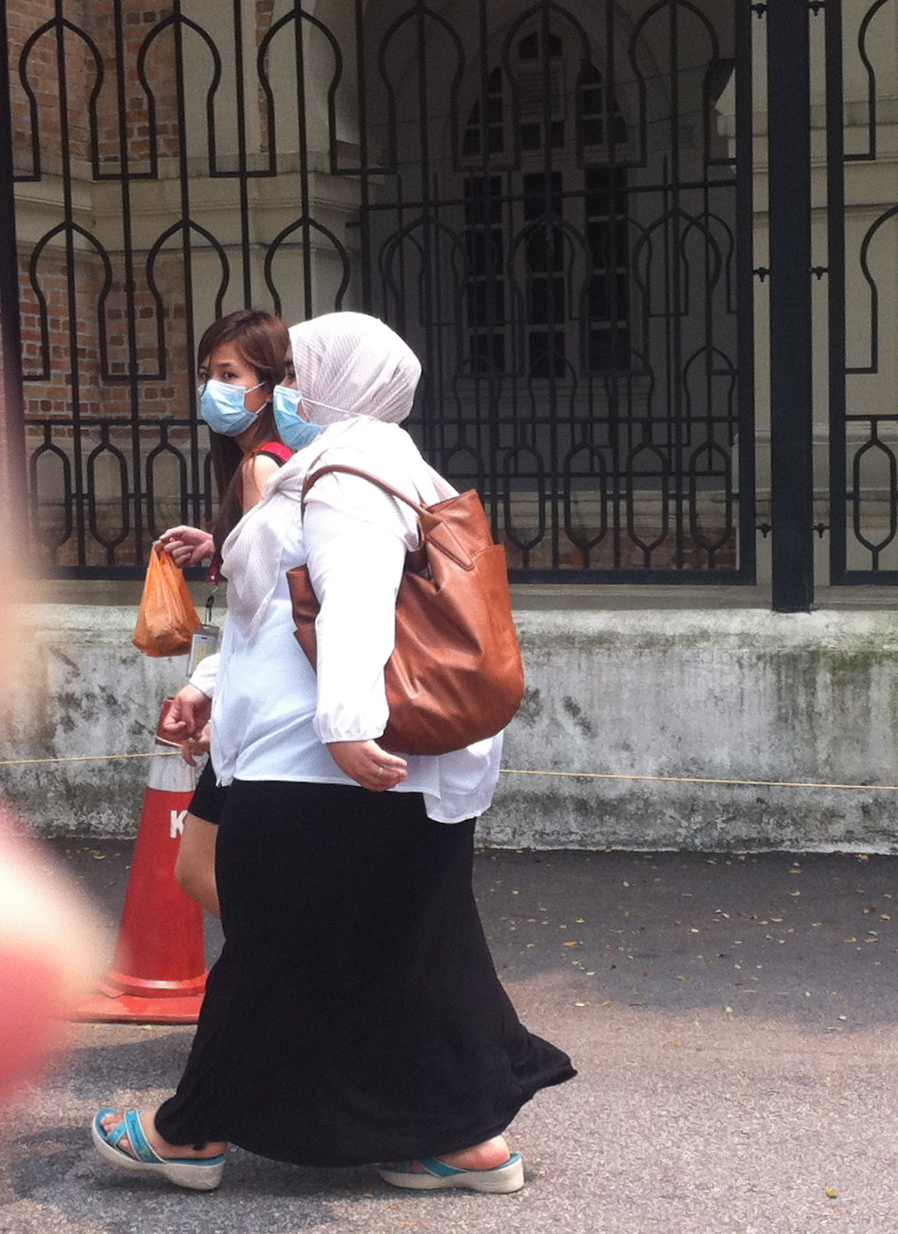
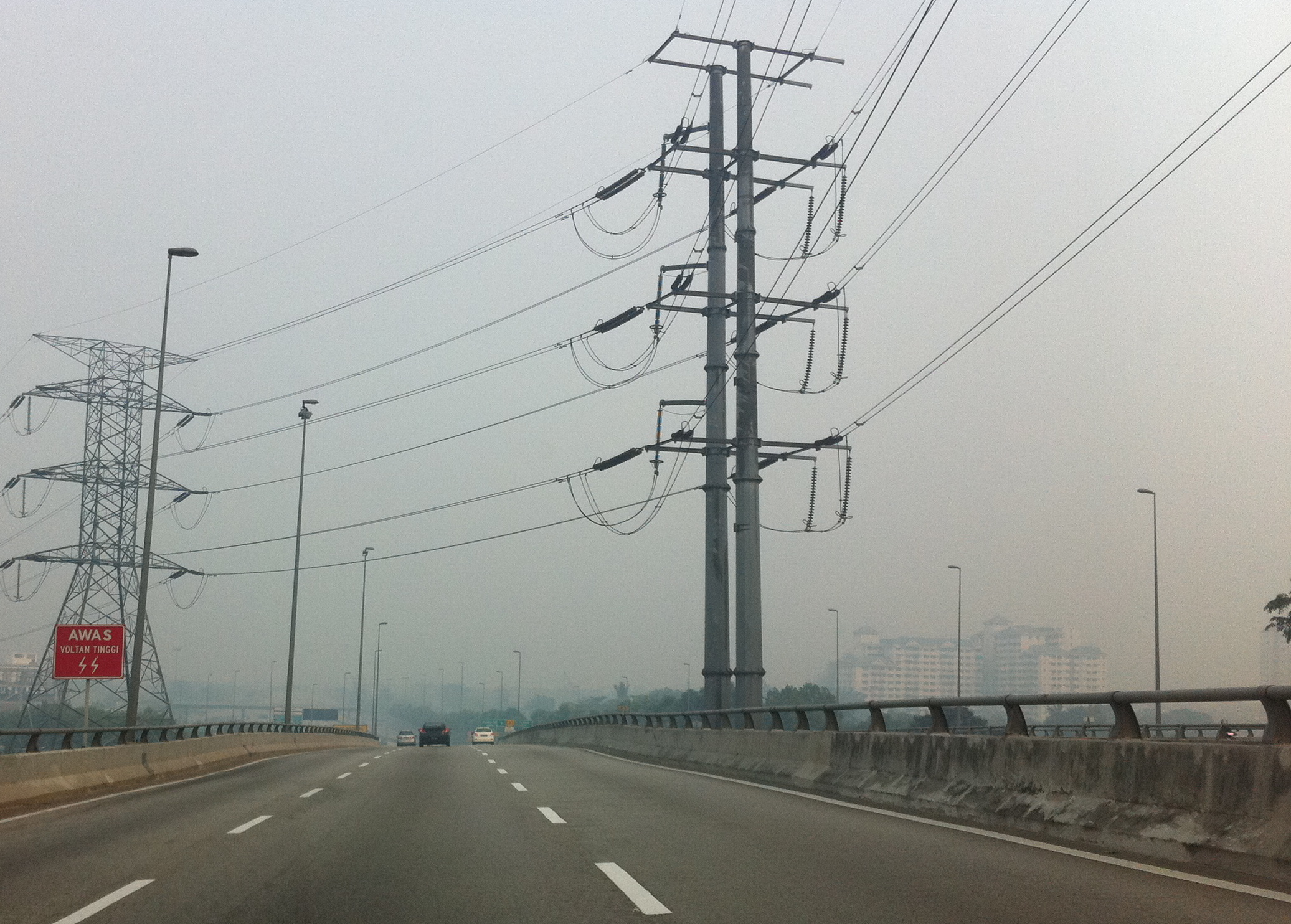
You cannot count on God or (if you prefer) nature to always be fair. Some countries have earthquakes, volcanic eruptions and hurricanes. Others including Malaysia (both parts, east and west) are blessed with almost no history of large scale natural disasters and so occasionally have to resort to man-made ones if they feel their clean air and environment are things that should be taken for granted.
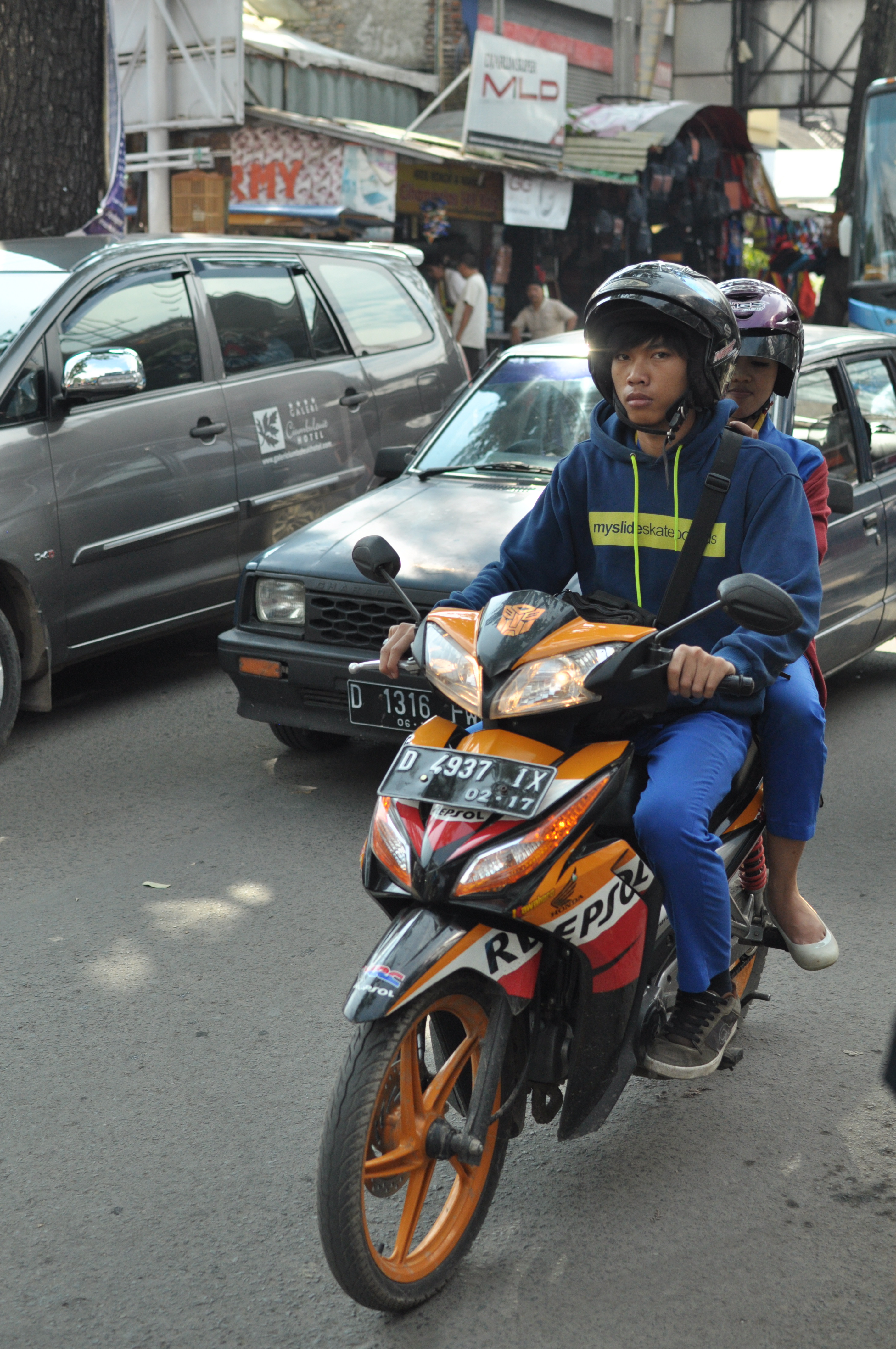
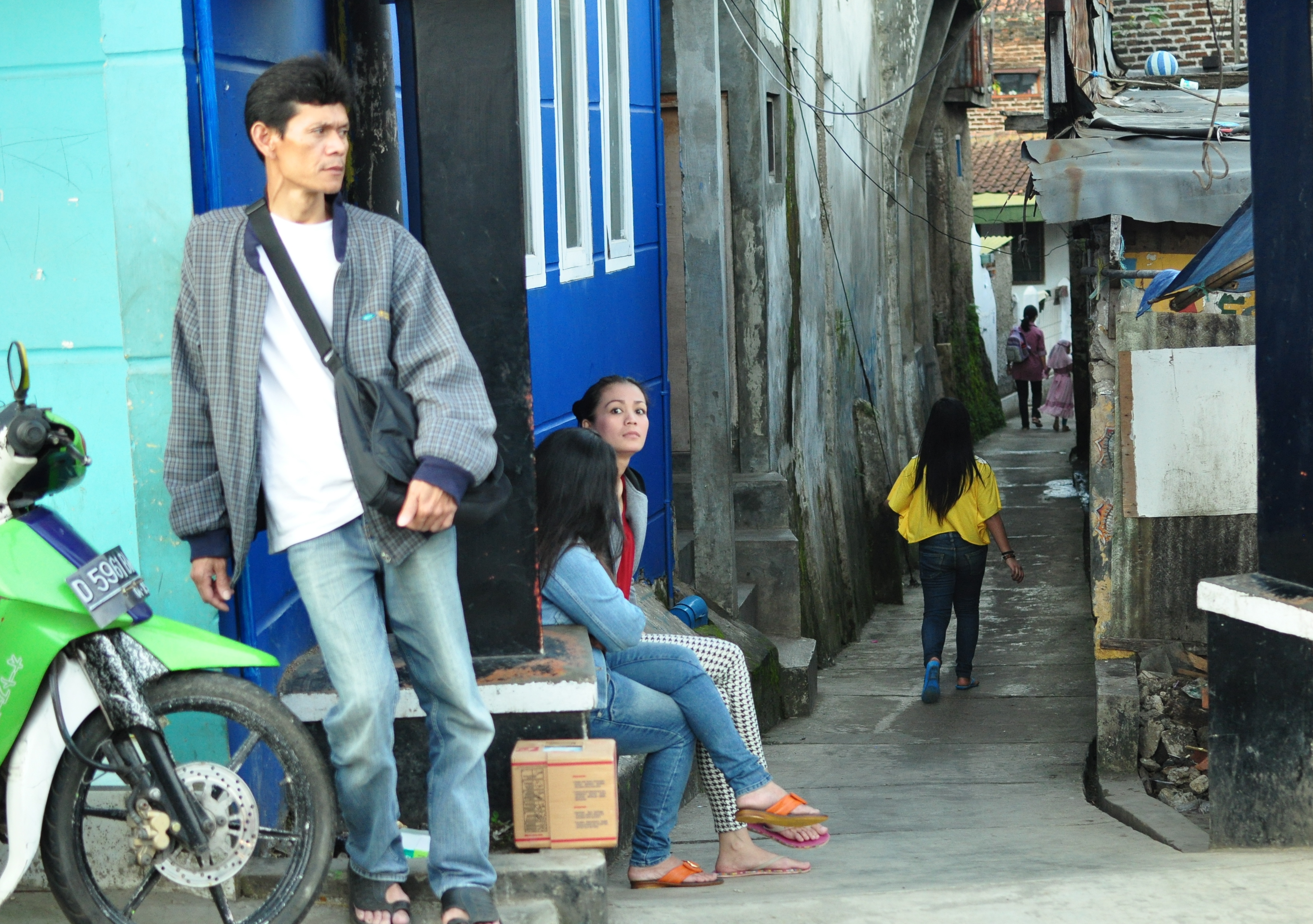
Reading my western guidebooks I arrived in Bandung expecting a congested Indonesian metropolis (the country’s third largest) with slightly more bearable heat, high humidity and lots of garment shops and pollution. I was quite wrong.
Bandung may be long past its glamorous colonial heyday as “Parijs van Java” but it is no high altitude version of Jakarta or Medan either. For a start, the city is clean with many large western style buildings (some Dutch) along wide roads lined with tall trees. Located on a highland plateau at an average height of around 730 metres, the climate is a sure pleaser if you have flown in from Singapore or Kuala Lumpur. In mid June with daylong temperatures in the upper 20s tempered by a gentle southerly breeze and average humidity it is perfect T-shirt and sandals weather for sitting out and an after-meal saunter.
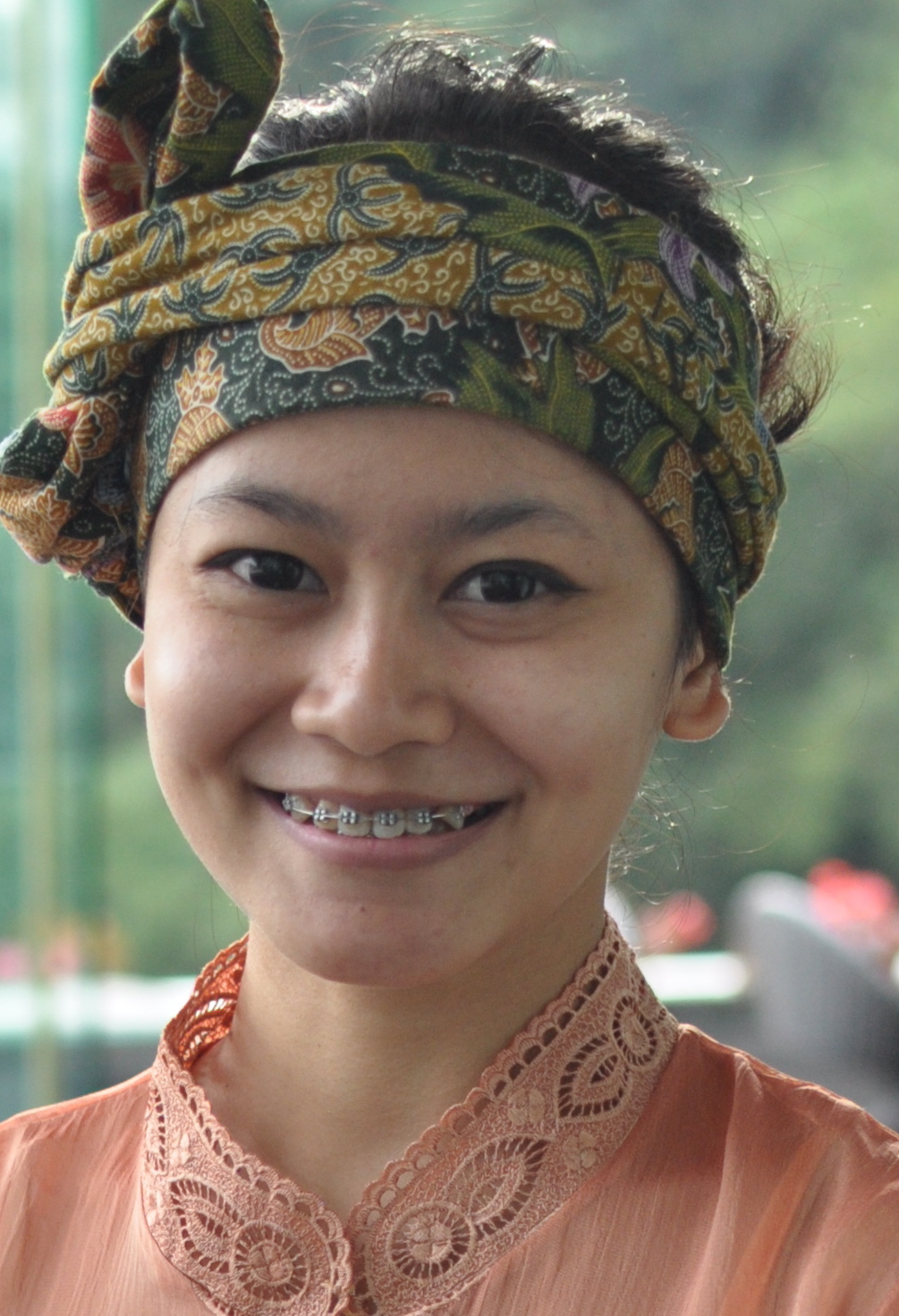
Founded by the Dutch in 1810 as a military headquarter and later proposed as a capital of their East Indies empire, Bandung is today the throbbing heart and soul of Sundaland. Cihampelas, Ciumbuleuit, Cipaganti and Cibaduyut: street names and districts of Bandung reveal the city’s proud Sundanese heritage.
Manila and its people are extremely photogenic and congenial even in May’s sweltering midday heat, albeit with squinted smiles and sequins of sweat on golden brown faces and well-toned upper arms. The city and conurbation of 12 million odd souls known collectively as Metro Manila is an Asian ugly duckling that is only now beginning to show its graceful plumage. Asian tourists have stayed away because they heard that they could be kidnapped for ransom or shot at by robbers while sightseeing. I am not sure if there is any truth in this. I have never felt unsafe walking in Manila. Since President Benigno Aquino assumed office guns and corruption have reduced drastically. It is easily one of the most interesting big cities in Asia. Although it has lost most of its Spanish colonial buildings in world war two, many of its historic churches still survive and are very actively used for worship and weddings. Forget what tourist brochures tell you about Macau or Malacca, the Intramuros district of Manila has the biggest collection of Iberian architectural and heritage buildings in this part of the world. The China coast may be only 700 miles away across the sea to the north but in mood, culture and spirit Manila is closer to Honduras than to Hong Kong.
The easy to like city of Kuching grew up on the banks of the Sarawak River not far from the western end of the island of Borneo and was first called Sarawak. In 1872 Charles Brooke, the second White Rajah, officially renamed it after a nearby hill, Bukit Mata Kuching ( a local longan fruit with seeds like gleaming cat’s eyes ) from where a stream once flowed near the riverfront. He probably did this to avoid confusing his capital city with the name of the vast swath of coasts, rivers, jungles and mountains the size of England which thirty years earlier had been given by the Sultan of Brunei to his maternal uncle, the first White Rajah, “and his heirs forever” for helping the Sultan suppress rebel tribesmen and pirates. These days the city is arguably Malaysia’s most livable and without doubt, its cleanest. The roads, corridors and pavements of the town are lovingly swept by gangs of dedicated cleaners in bright t-shirts most hours of the day. The eating shops are spotless, cheerful and run by people who own them – a world away from the rat friendly food courts of KL with their fetid open drains and insouciant foreign waiters.
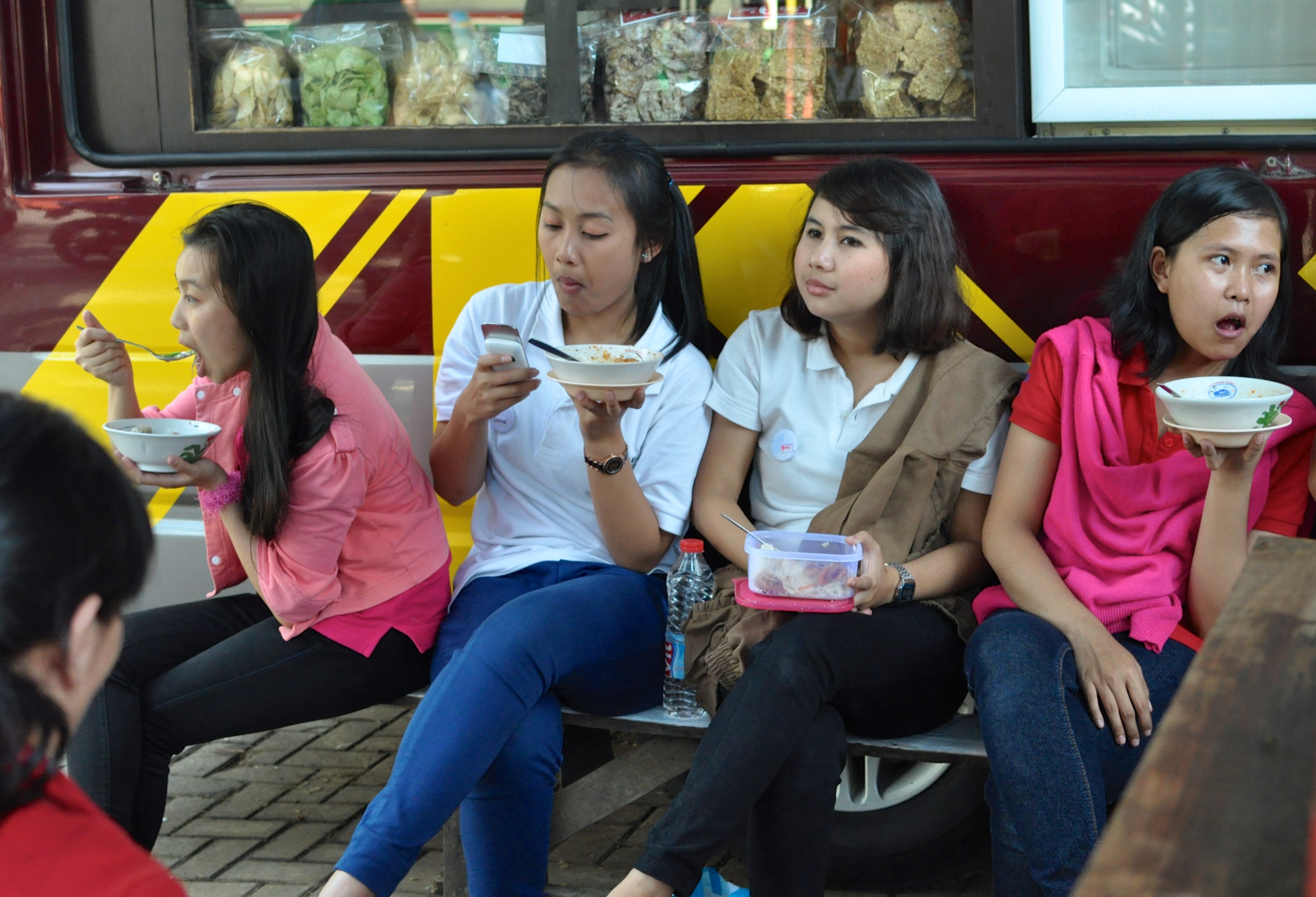
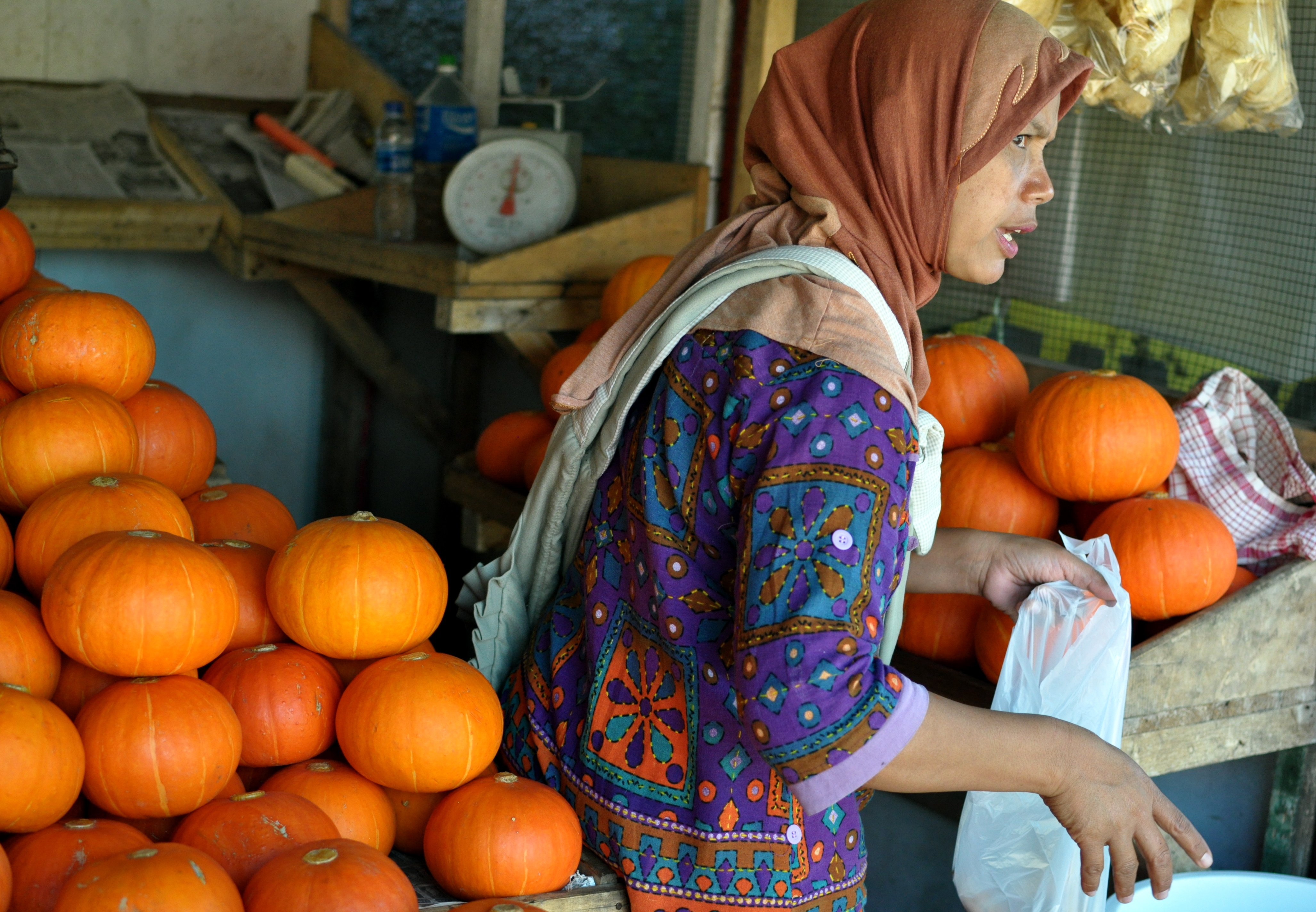
Kuching’s multiculturalism is authentic, visible and, I suspect, more than just skin deep. The places of worship of each ethnic community : church, mosque, temple are built on a human scale and stand equally with no monster structure dominating over another. Muslim women in colorful headscarves sell curried rice next to Chinese stall vendors sprinkling minced pork over bowls of kolok mee that are eagerly awaited by tables of Christian Bidayuhs, Ibans and other indigenes from Sarawak’s deep green interior. Street signs are in Malay and (the only place in Malaysia) Chinese, reflecting the city’s history and demography.
If not for their habit of harpooning and hacking to death thousands of whales every year in defiance of an international ban, Norwegians would rightly deserve the title as the world’s kindest people. Norway, a country of just 5 million people, donates more money per capita to poor countries than any other country in the world.