The day before I finally flew to Mumbai, my check-in at KLIA had turned into a bureaucratic farce. I was denied boarding for failing to produce the old passport referred to in my five-year visa. This meant buying a new ticket and, thanks to a helpful tourist from Bangalore, filling in the online arrival and Ebola surveillance forms. Apparently, getting on a plane to India now requires the paperwork of a small military operation.
Eventually, after a three-and-a-half-hour delay and a decidedly underwhelming Batik Air flight, I arrived at Mumbai’s mantra-sounding Bombay Chhatrapati Shivaji Maharaj International Airport, expecting another round of officialdom.
Instead, at one o’clock in the morning, I encountered the most cheerful immigration officer I’d ever met. His smiles and chattiness put me at ease. He told me that his screen showed I had made five trips to India in the last three years, proof that I liked India a lot. He then gave me a waggly smile of proud satisfaction and stamped me in. For a moment, I felt as though I were at a ticket booth at a tourism fair rather than an immigration counter in a country that had turned form-filling into an art form.
He didn’t even want to see my old passport or the forms I’d spent so much time completing. I insisted he look at them.
For Ganapathy’s sake! I’d bought a new ticket and nearly lost the will to travel. The least he could do was admire my paperwork.
“Alright, yes, yes. Very good!”
There I stood, like a schoolboy proudly showing his homework to a teacher.
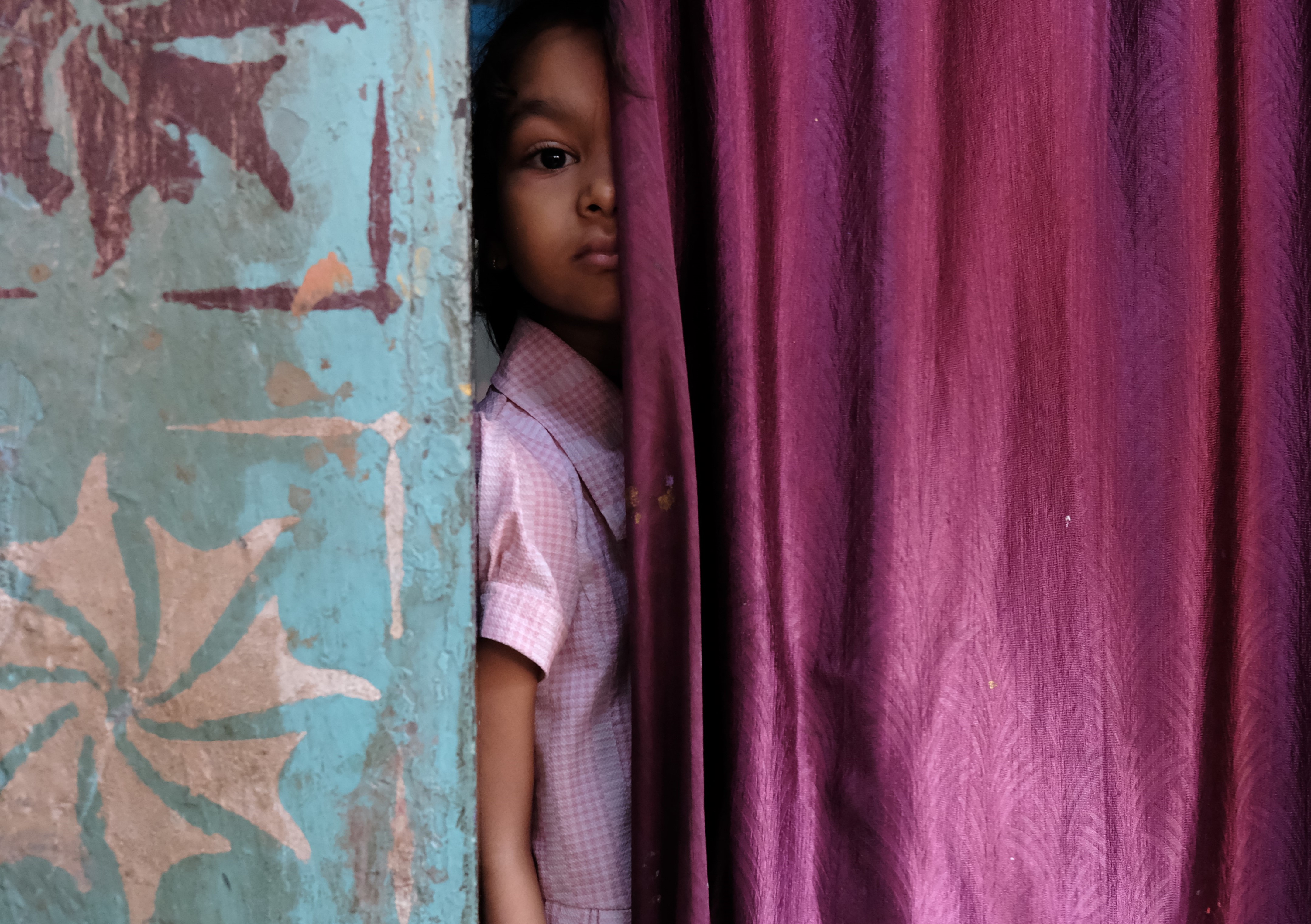
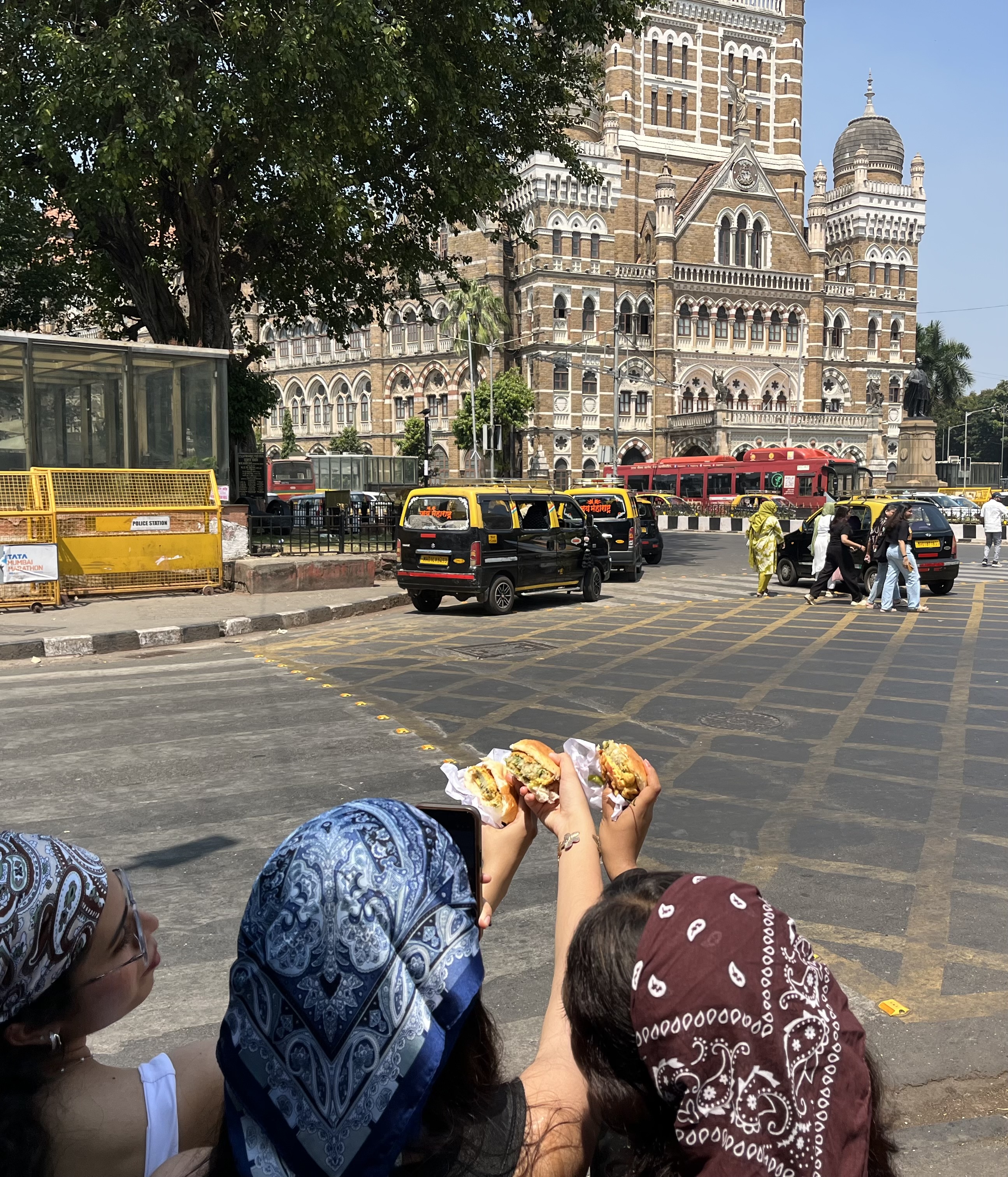
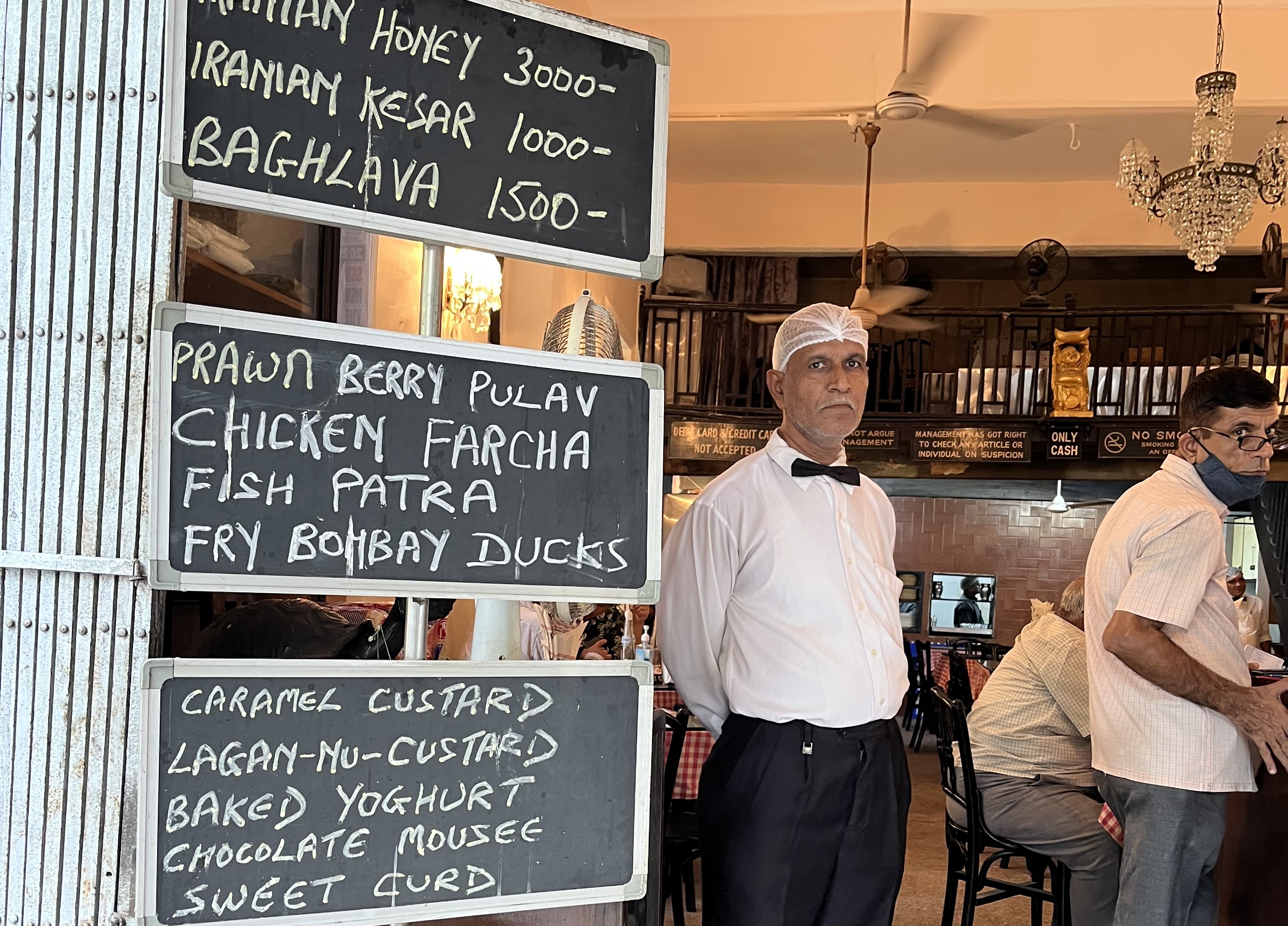
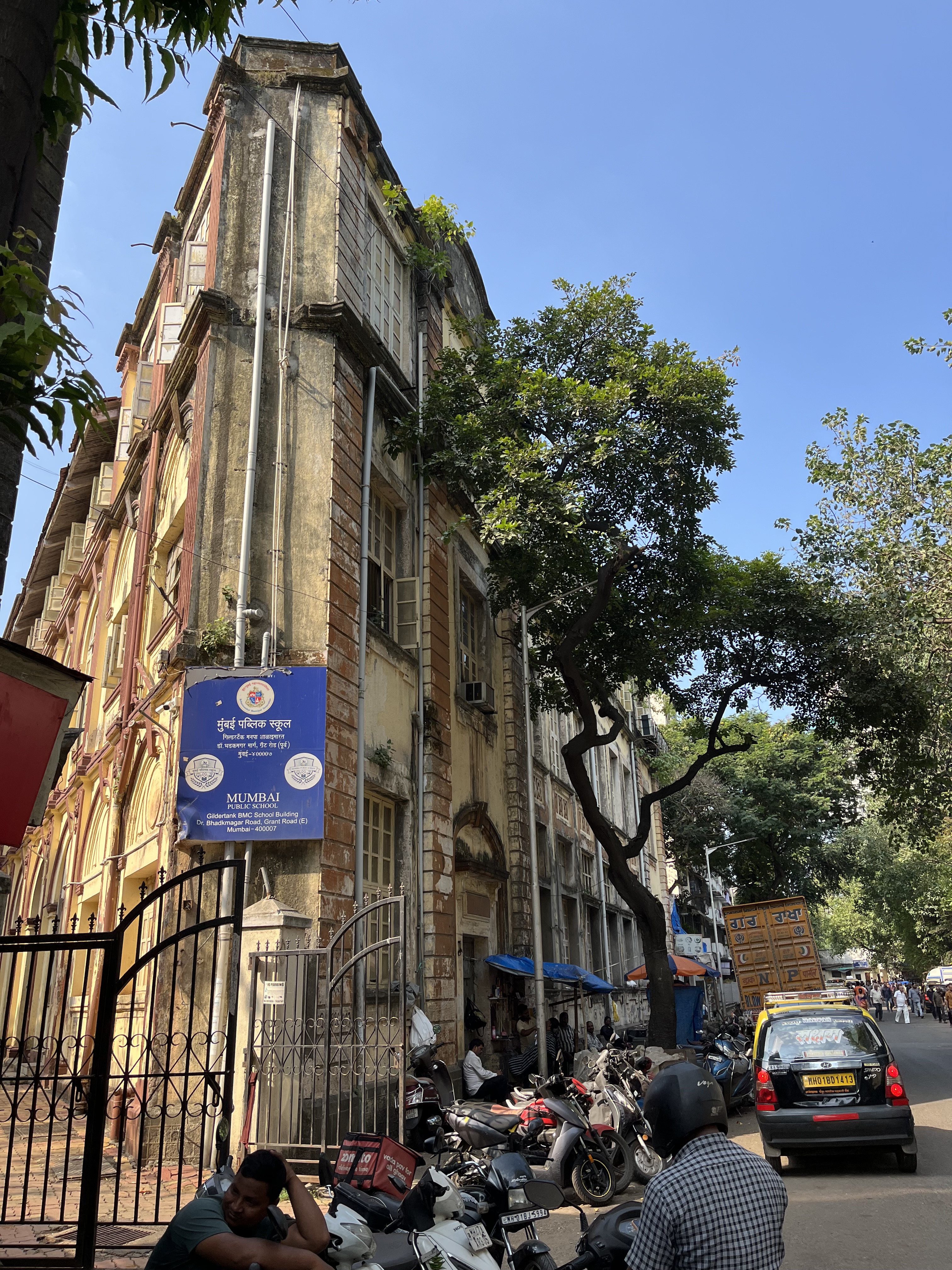
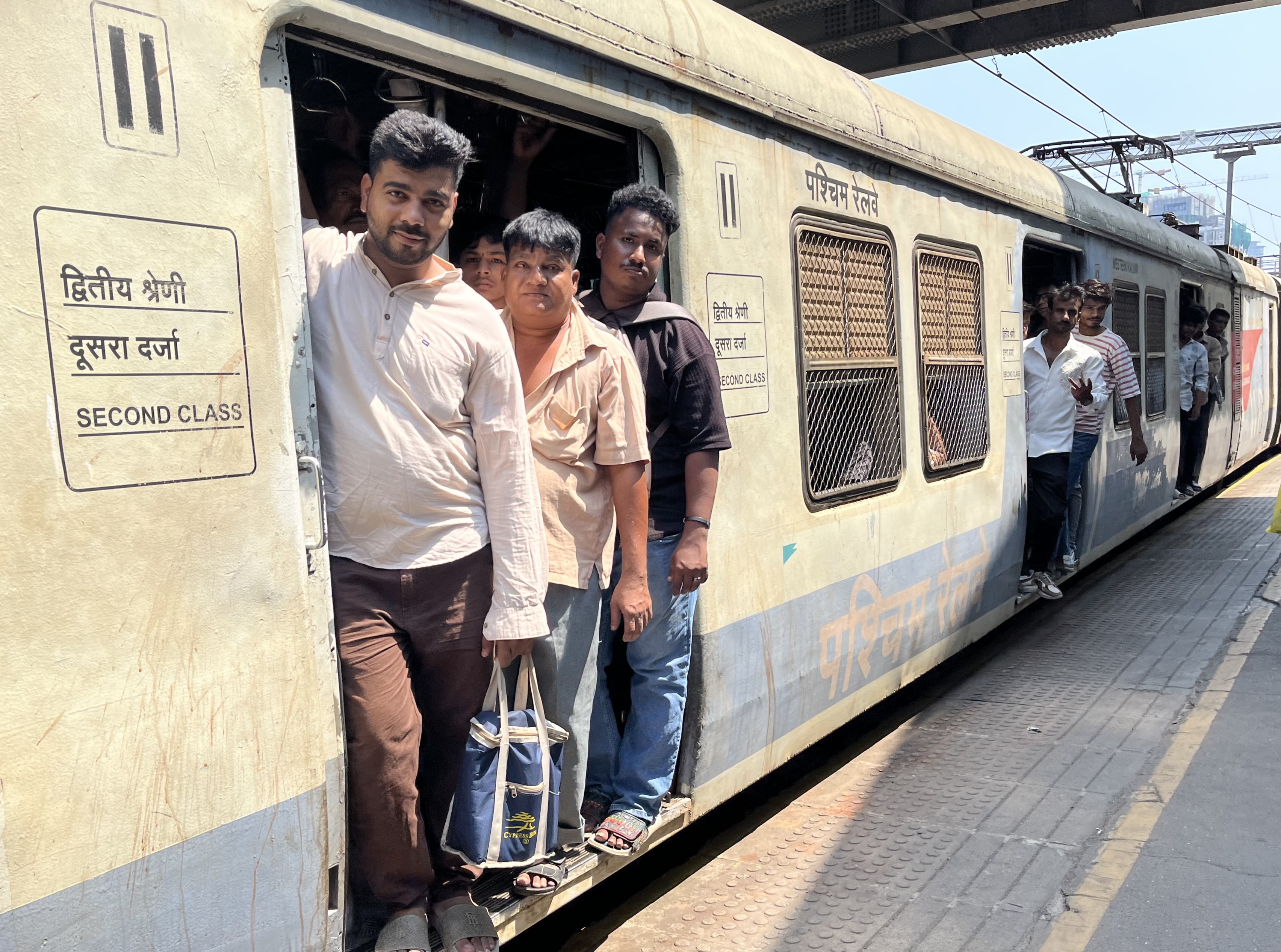
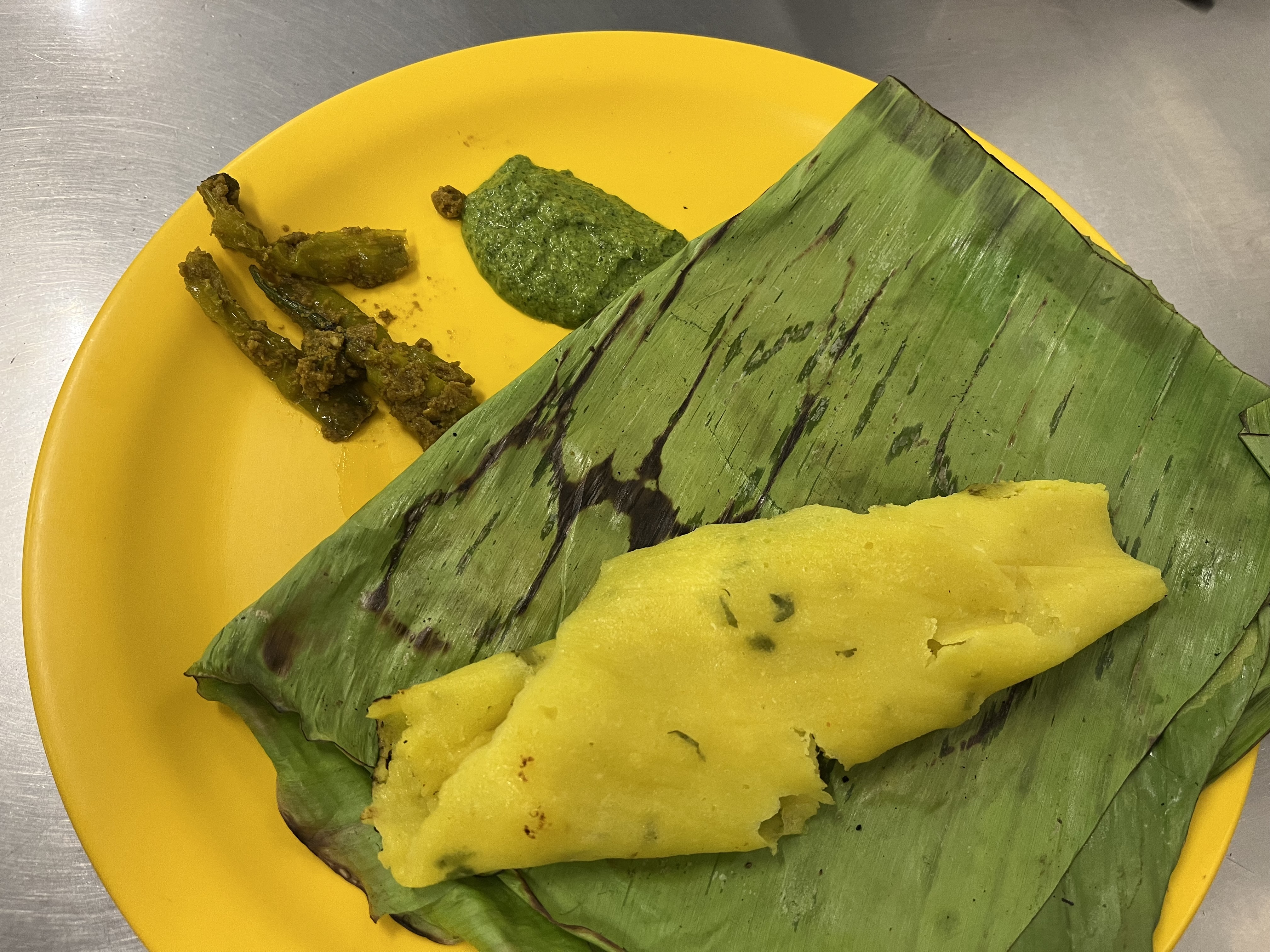
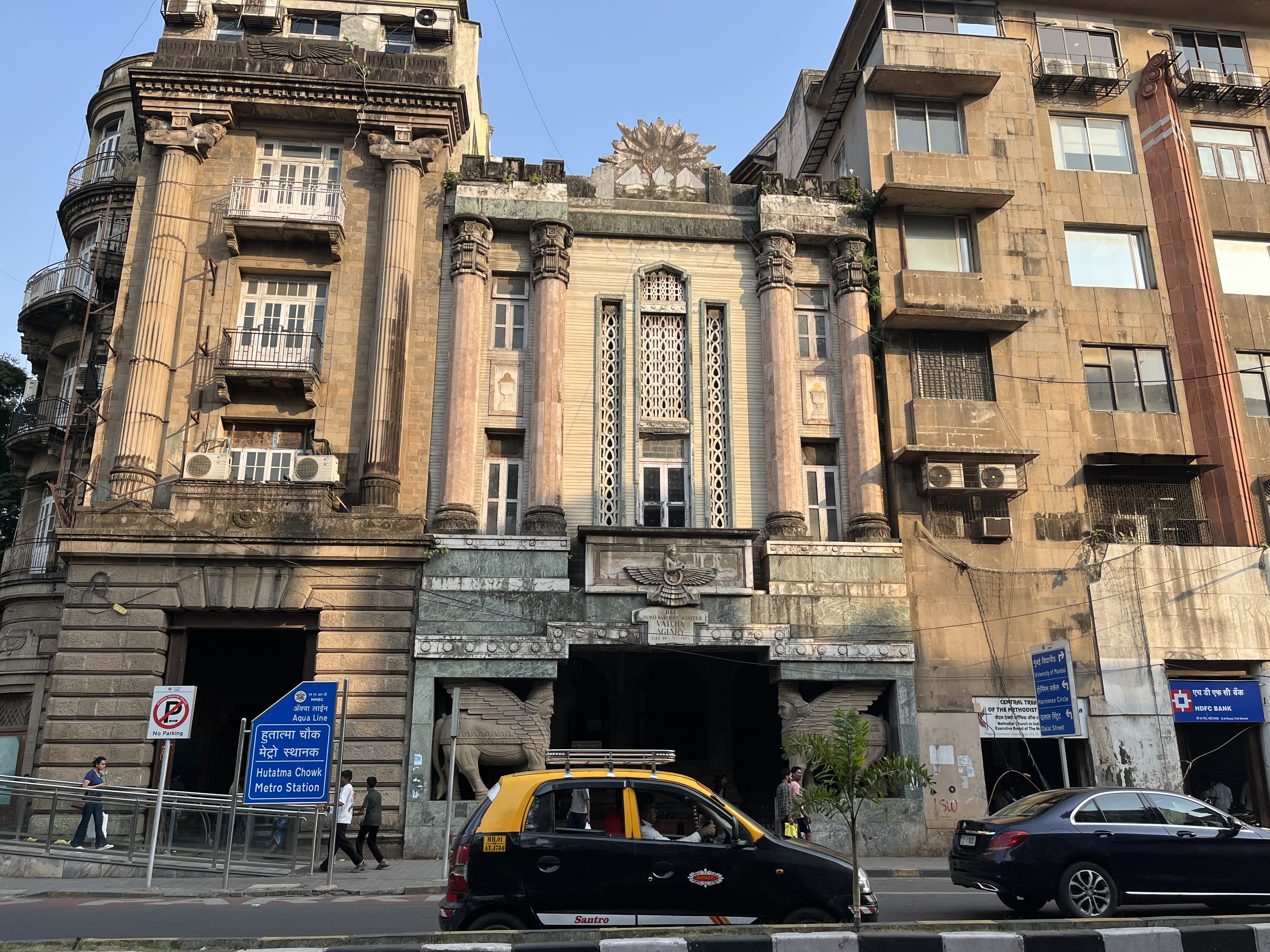
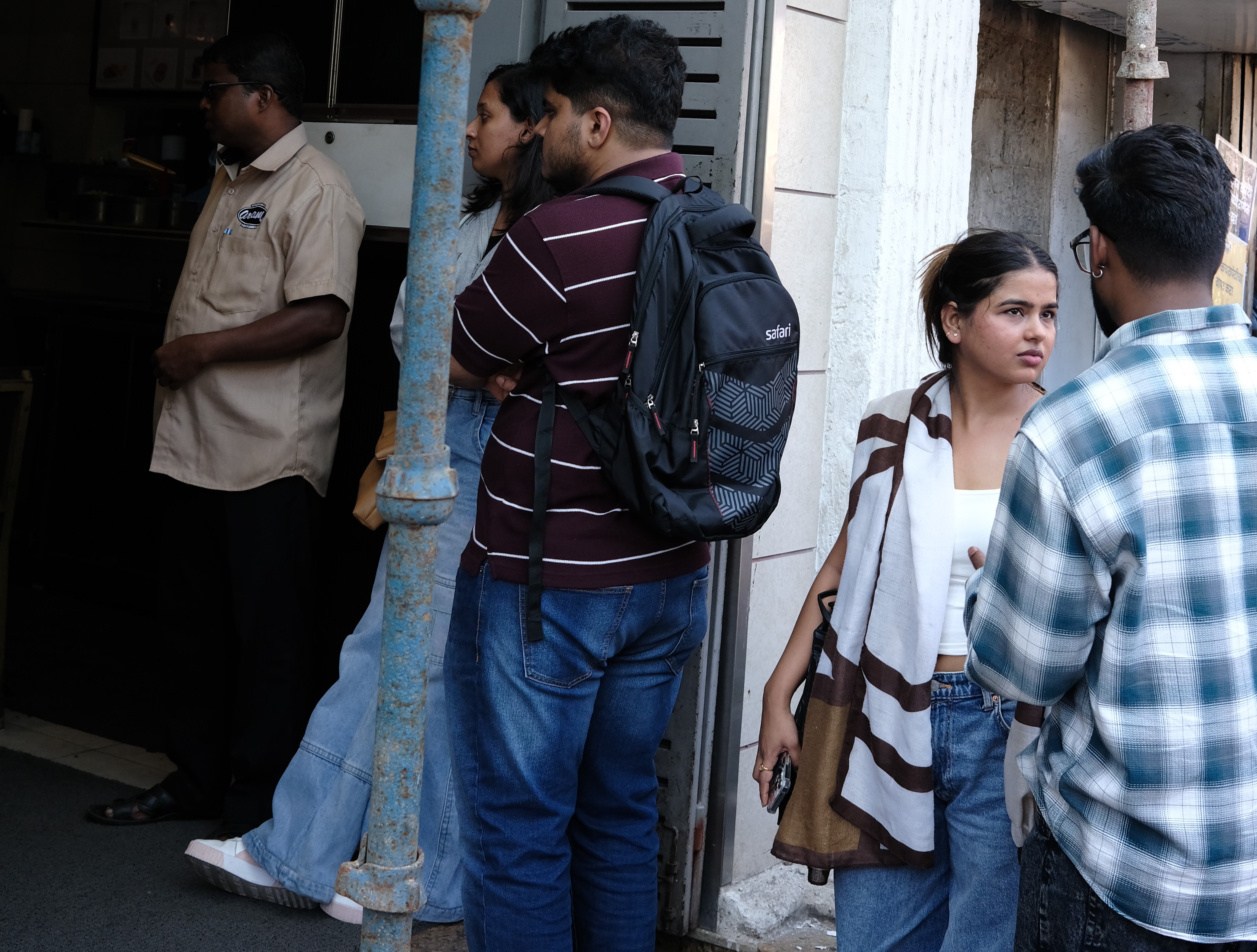
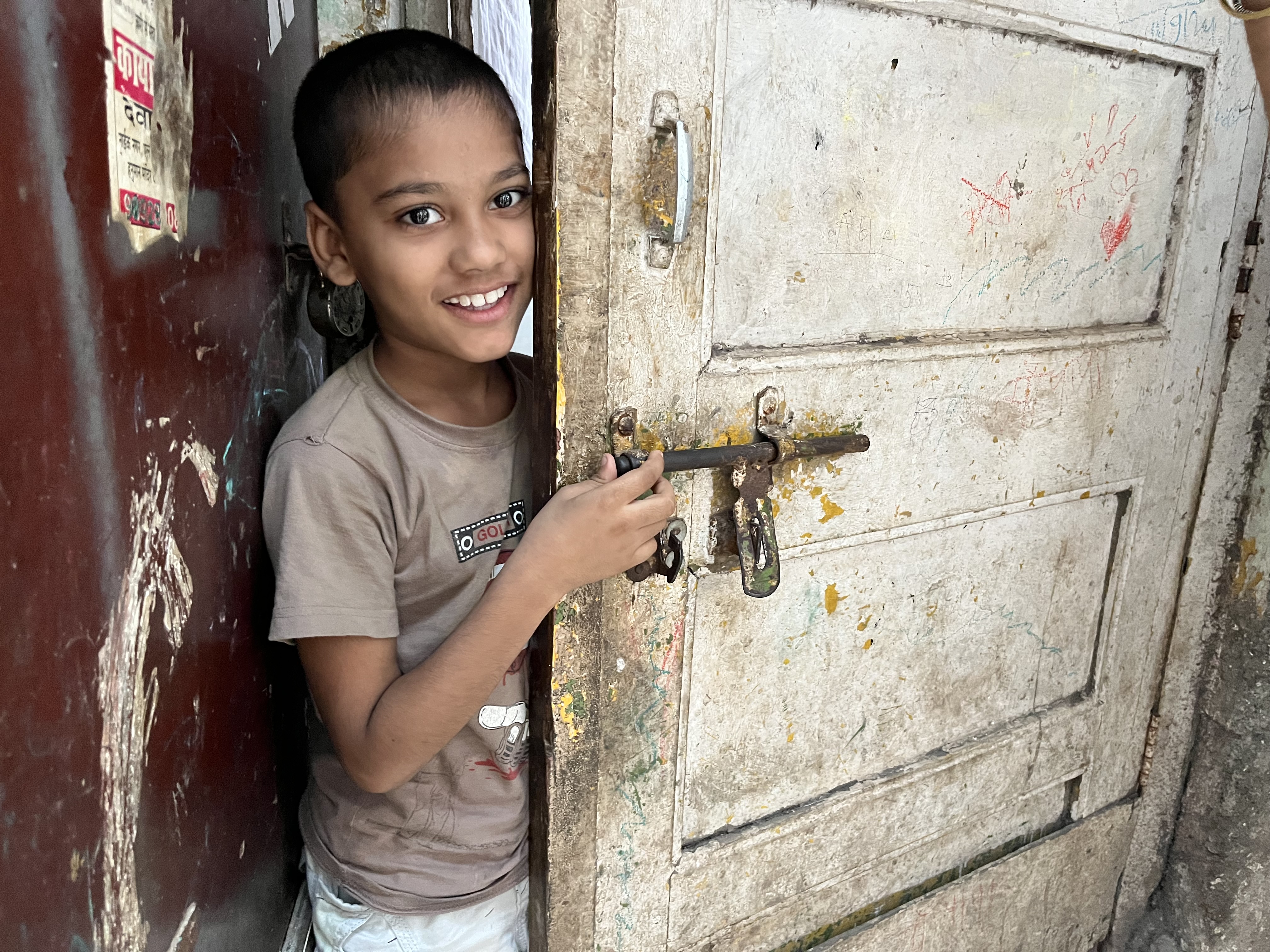
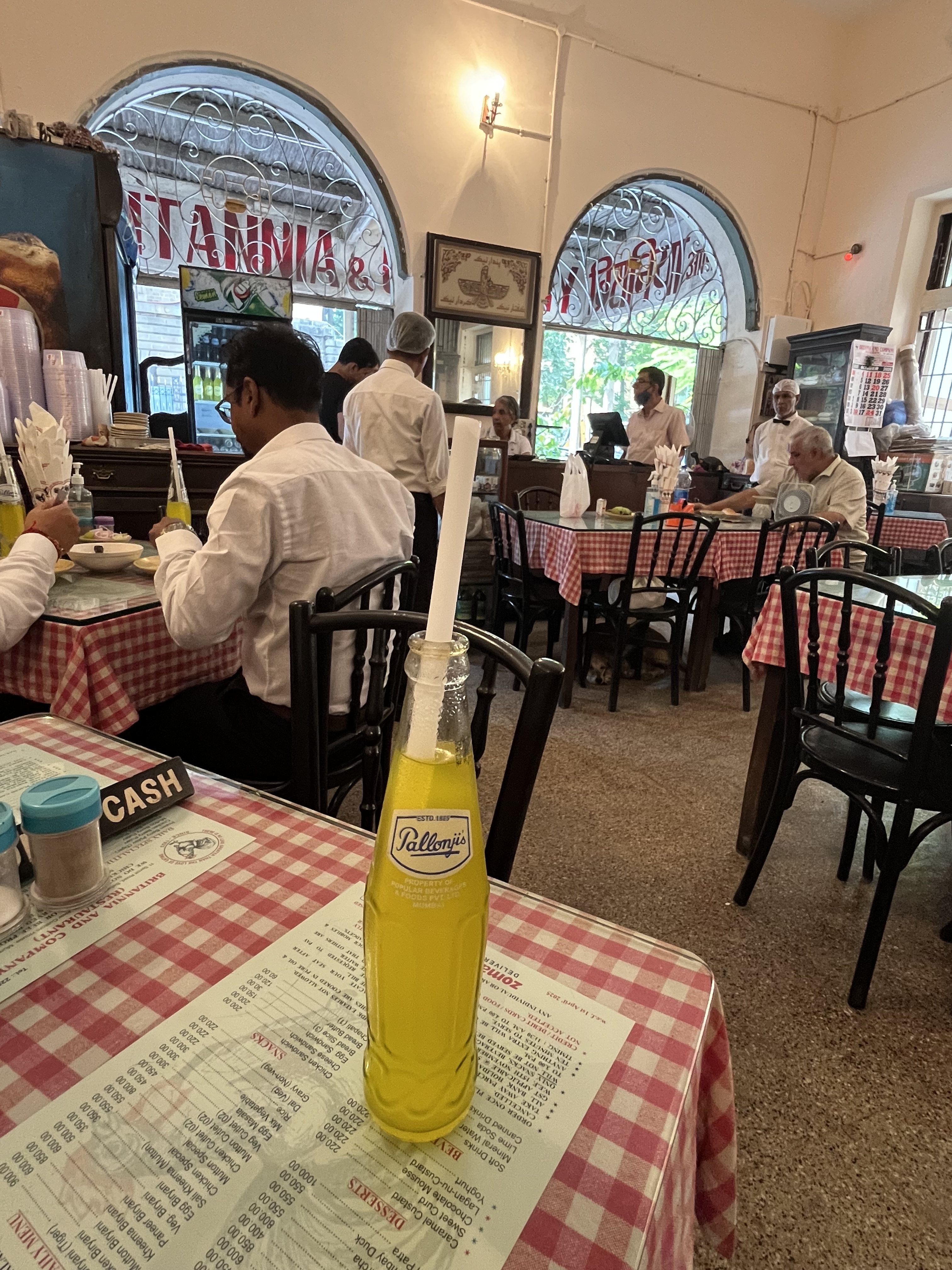
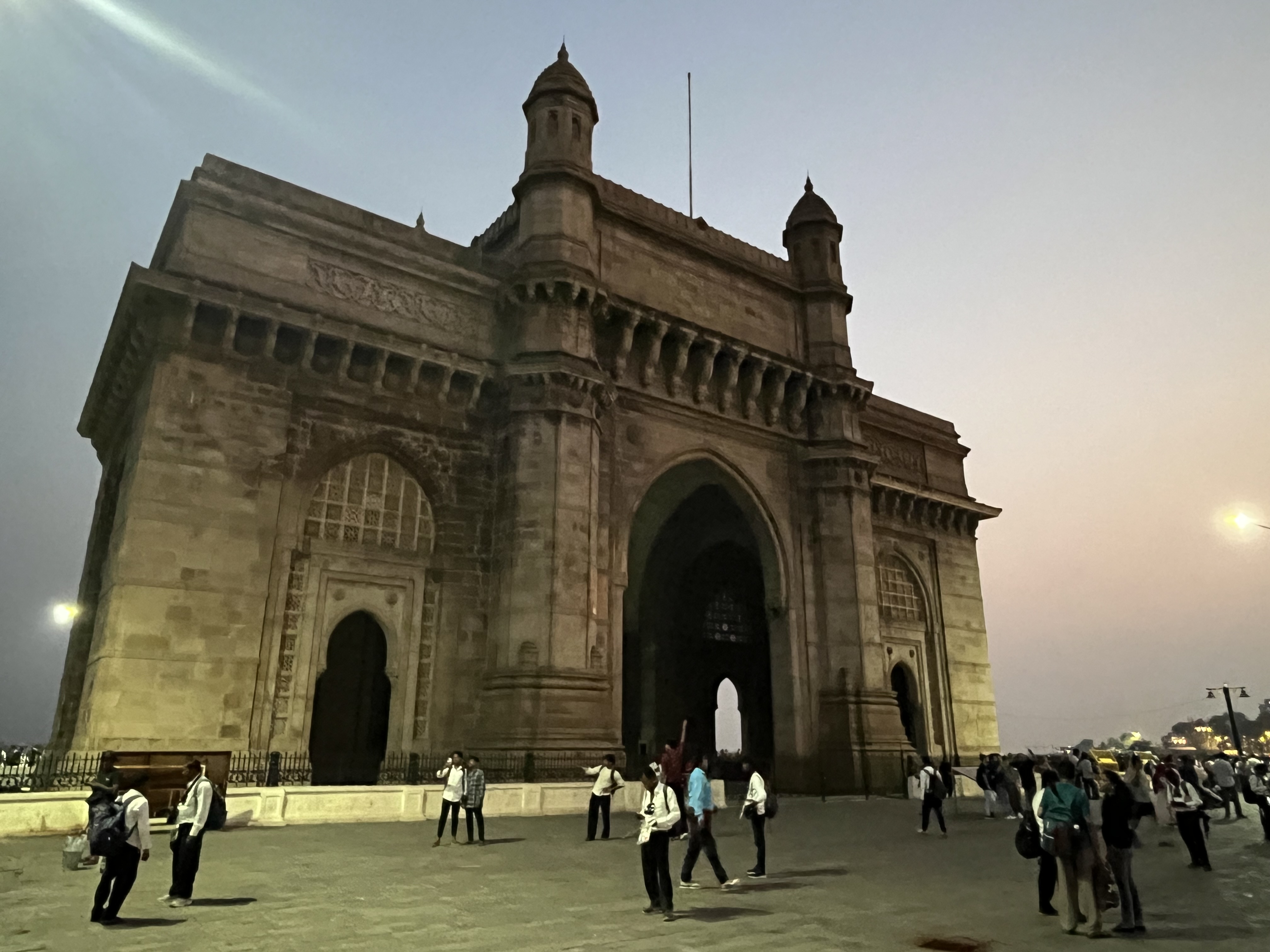
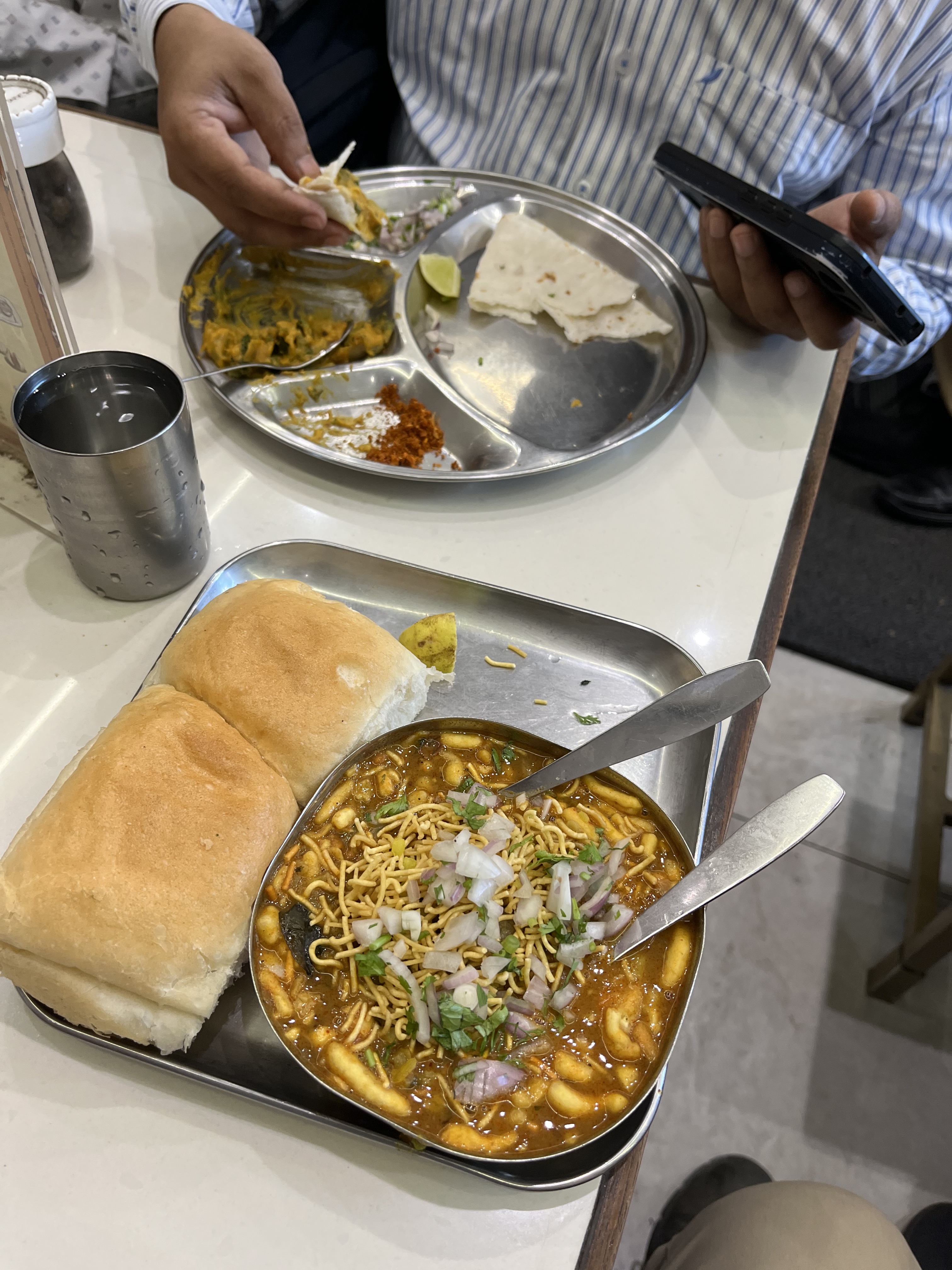
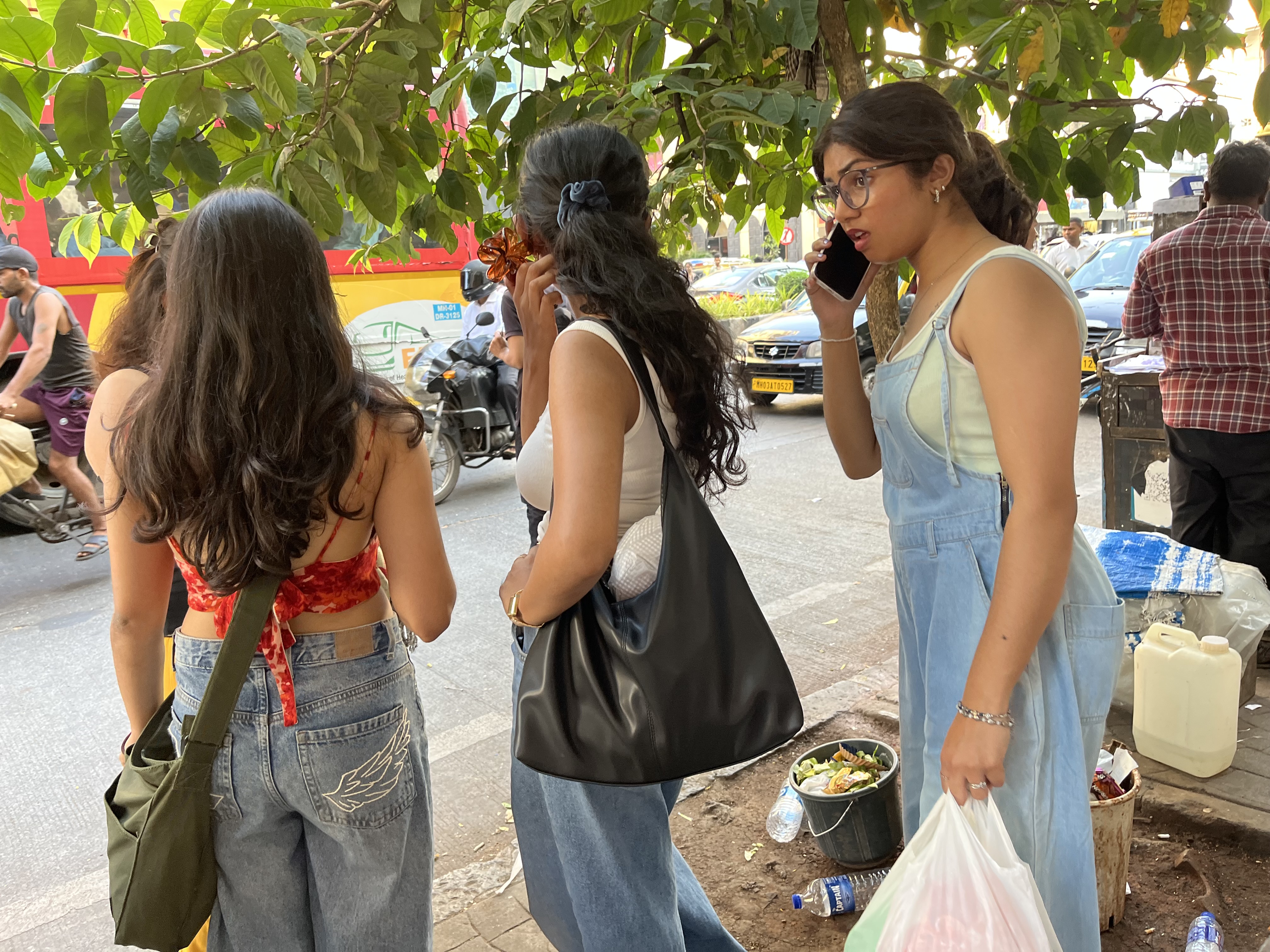
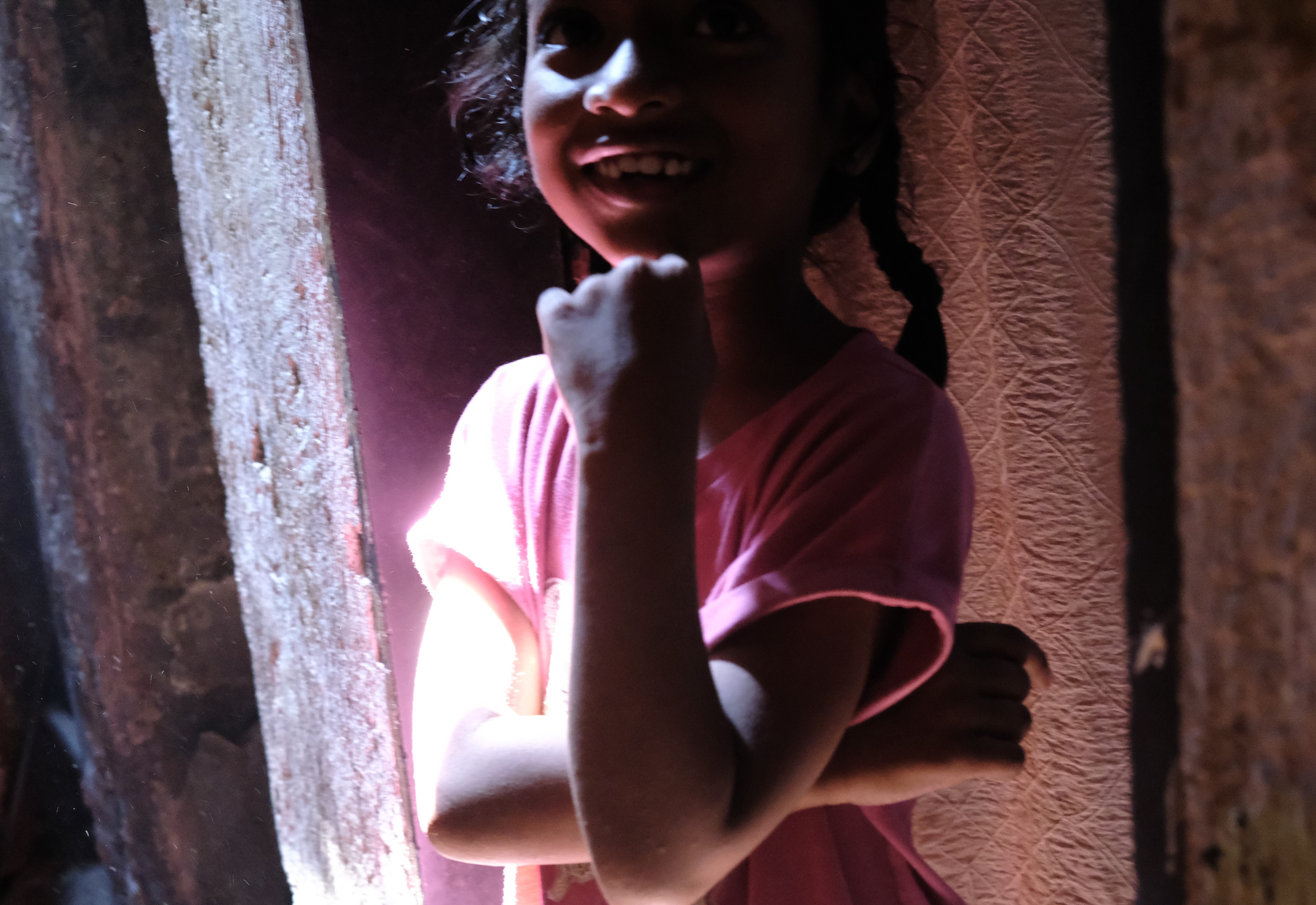
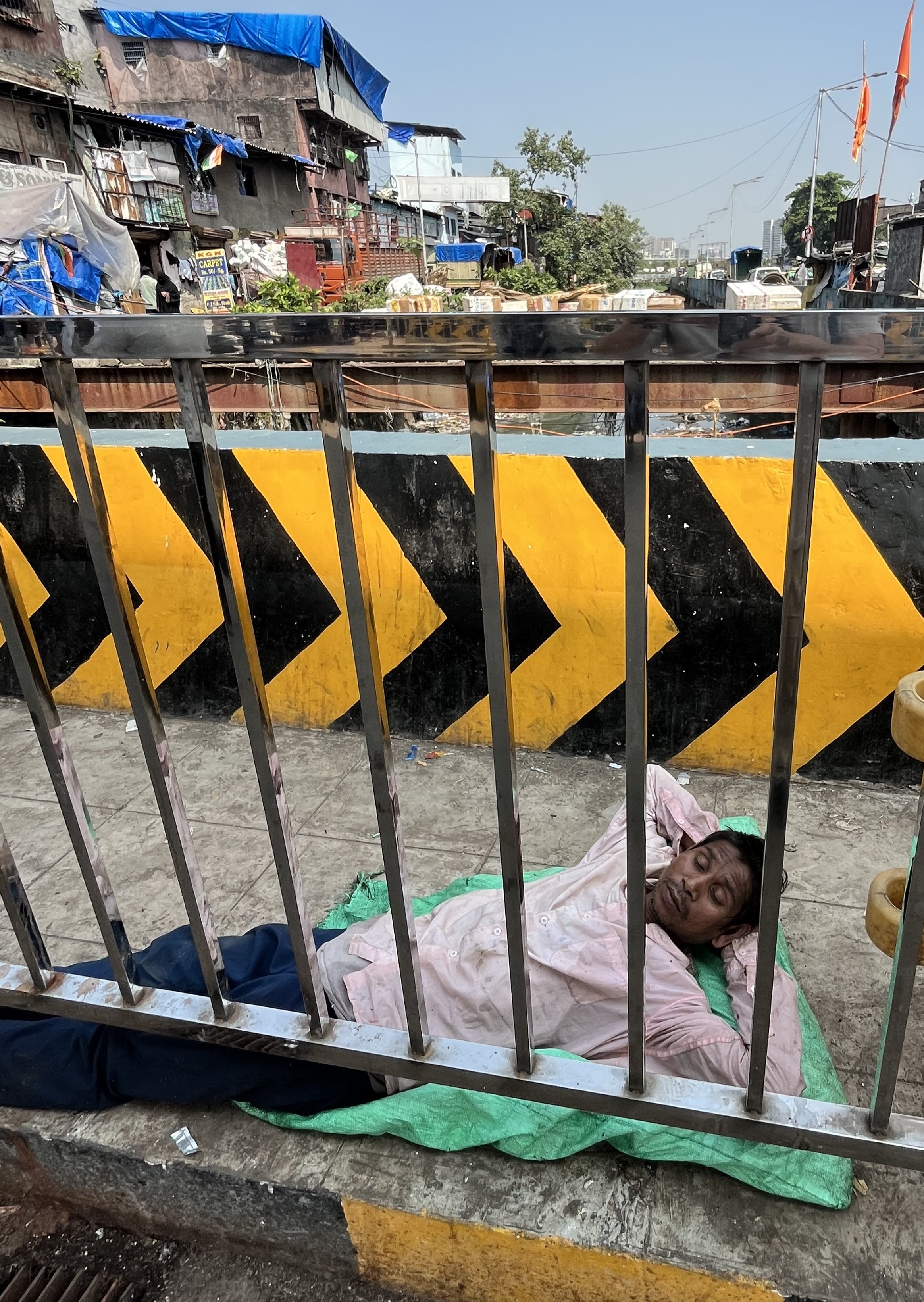
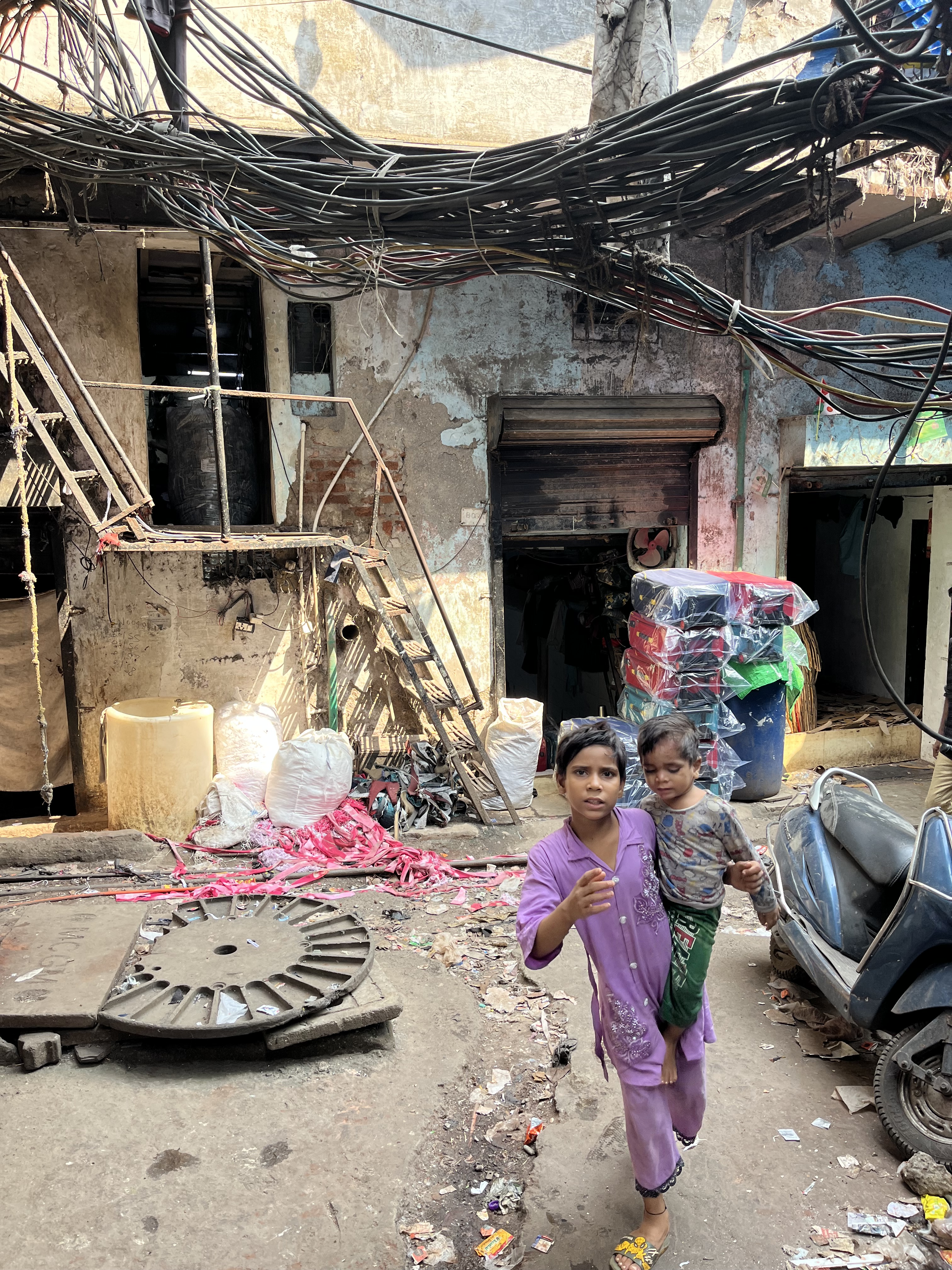
Selfie with my Vada Pav – Bombay’s trademark energy-sustaining and soul-satisfying vegan burger. I discovered how much I loved it only on my last day, devouring one in my hotel room before checking out.Irani and Parsi communities share the same Zoroastrian roots, but Parsis are descendants of Persians who settled in India many centuries ago, while Iranis are more recent immigrants from Iran. Britannia & Co., founded in 1923 by an Iranian immigrant family, is an Irani café serving a blend of Iranian and Parsi cooking. Big Apple Dreams or Déjà Vu by Design? A Flatiron-style building near the Grant Road Railway Station. Mumbai’s Suburban Railway or “Local” carries an astonishing 2.2 billion passenger journeys a year — more than six times the population of the United States. But every day, six to seven people don’t make it home — victims of overcrowding, falling from moving trains or being run over on the tracks. Panki – a speciality of Swati Snacks, an iconic Mumbai vegetarian eatery where long line of evening diners come to savour home-style Gujarati flavours.Vatcha Agiary, a Parsi Zoroastrian fire temple in Central Mumbai, built in 1881 with its two eye-catching winged, human-headed bull statues flanking the entrance.Backbreaking toil, beads of sweat and glimmering hope in Dharavi: Asia’s most celebrated slum where an estimated one million human beings are packed into just 2.57 square kilometres beside a fetid river, in the heart of Mumbai.
"To my eyes, the city was beautiful. It was wild and exciting. Buildings that were British Raj-romantic stood side to side with modern, mirrored business towers. The haphazard slouch of neglected tenements crumbled into lavish displays of market vegetables and skills. I heard music from every shop and passing taxi. The colours were vibrant. The fragrances were dizzyingly delicious. And there were more smiles in the eyes on those crowded streets than in any other place I'd ever known. Above all else, Bombay was free - exhilaratingly free."

Gregory David Roberts, Shantaram (2003)
From early Portuguese, English and Persian accounts to contemporary Indian writers, generations of visitors have had plenty to say about Bombay, now Mumbai. So much, in fact, that finding something new or surprising to say about India’s largest city has become a challenge for any travel writer.
Due to its edgy, outsider-made-it-big energy, its position as a trend-setting gateway to a continent-sized nation, and its clout in finance and media, Mumbai is often compared to New York. Deep down, though, I suspect that, with South Asian migration on the rise and the right platform, the globalist crowd, led by Zohran Mamdani’s mayoralty, would very soon expect people to call New York the Mumbai of America.
Mumbai must have one of the world’s best systems for directing arriving passengers to their e-hailing rides. Arrows on walls and painted floors lead you to the lift, which opens onto the right level, where staff in reflective jackets stand ready with signs to guide passengers to the correct lane in the car park. There, you simply wait for your Uber and if you have trouble deciphering Indian licence plates as I did you could simply hand your mobile phone to one of the boys on duty who would promptly type a message “kab time jayenge?” to the driver. The whole operation was impressively efficient and, unlike the usual airport chaos, a genuinely pleasant experience.
The ride to my hotel was equally highly-rated and fast: along broad, new, clean thoroughfares, bridges and flyovers.
Then, just as my mood could not soar any higher, near what appeared to be city centre, at a traffic light, an Ola Bike rolled up alongside my car, its pillion rider flipping her hair like a girl in a shampoo commercial — a thoroughly emancipated Bombay girl, I imagined, in a loose, crinkle shirt barely concealing her string top and sturdy legs, her raised rear illuminated by the motorcycle’s own tail light.
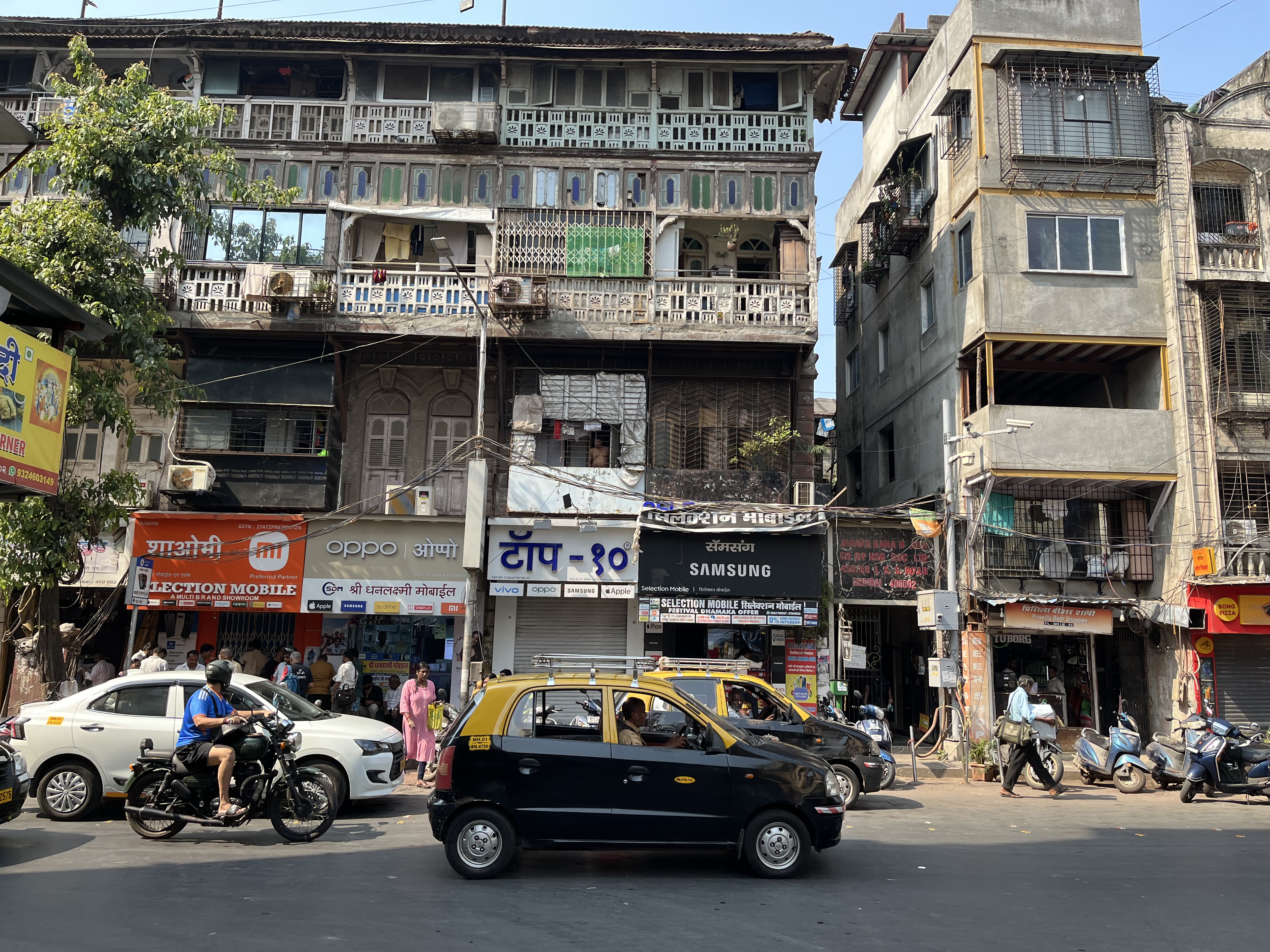
The lights turned green, and the taxi veered into an old neighbourhood lined with turn-of-the-century shops and houses. Crumbling colonial facades stood stubbornly amid the showy glass-and-steel structures and greedy concrete.
That pretty much summed up my first hour in Bombay, in the wee hours of a Friday morning, before I arrived at my one-star hotel on Lamington Road and climbed its dimly lit wooden stairs to my small, comfortable bedroom ready to power up for the five hectic days of discovery ahead.
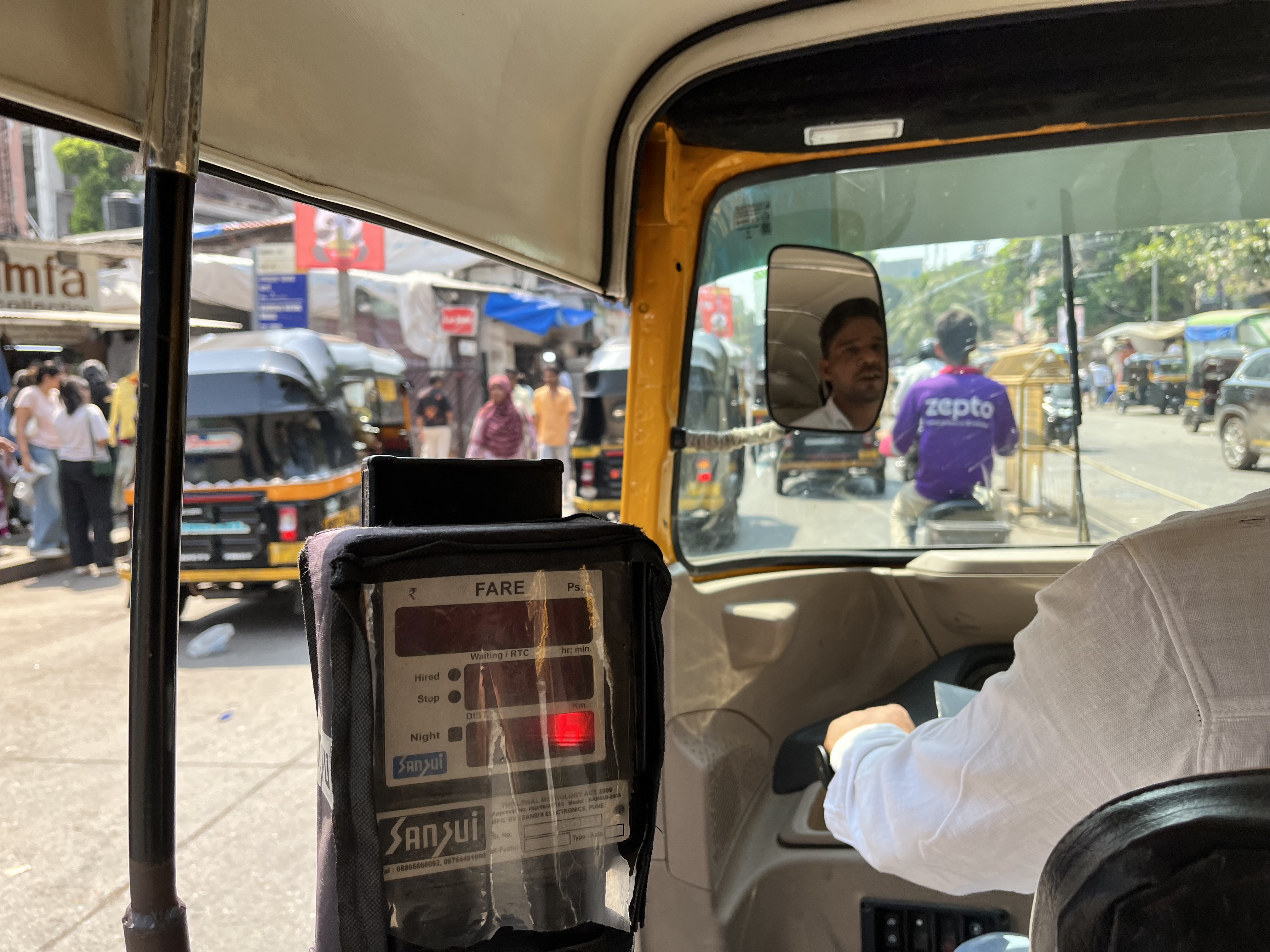
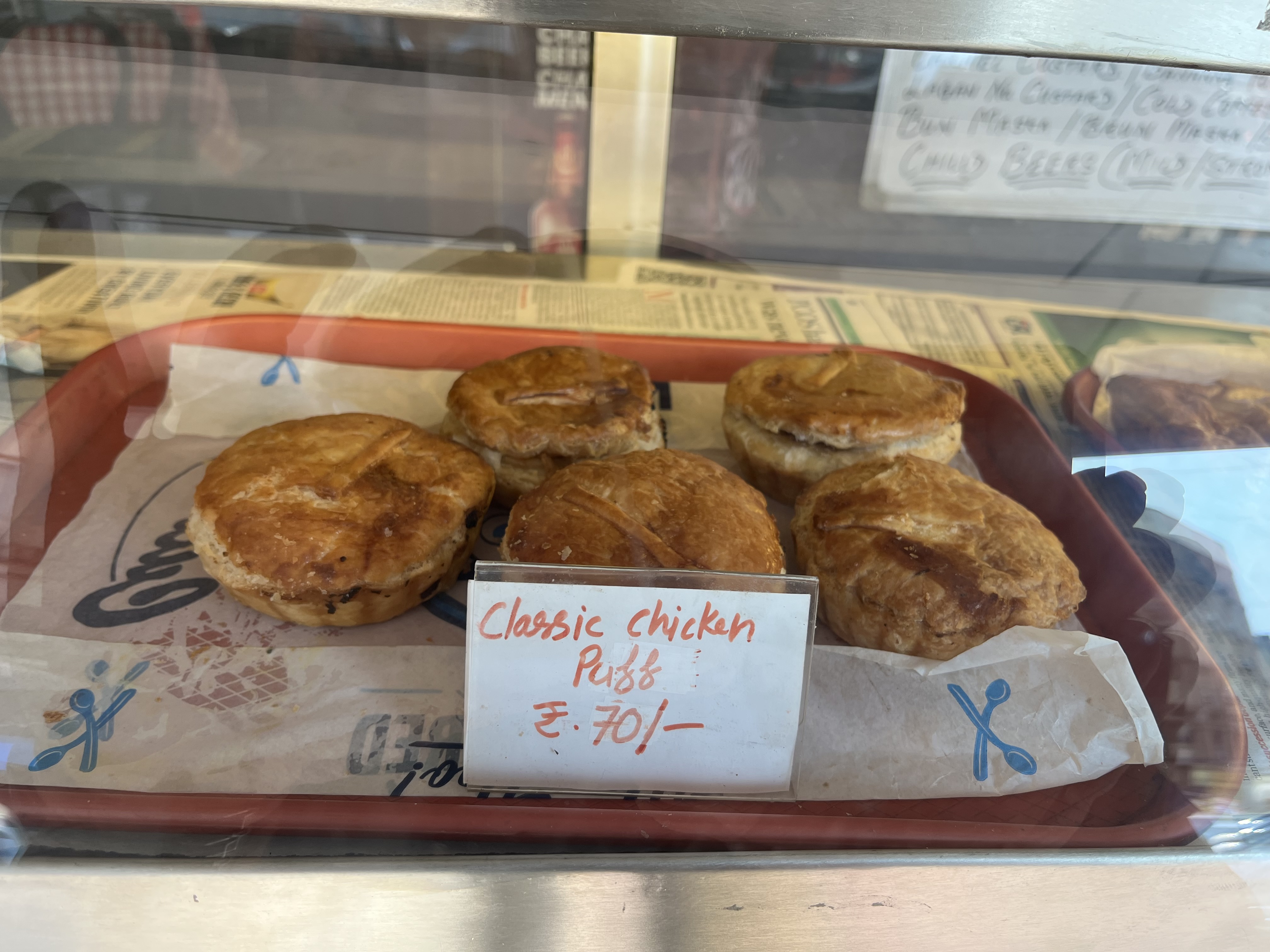
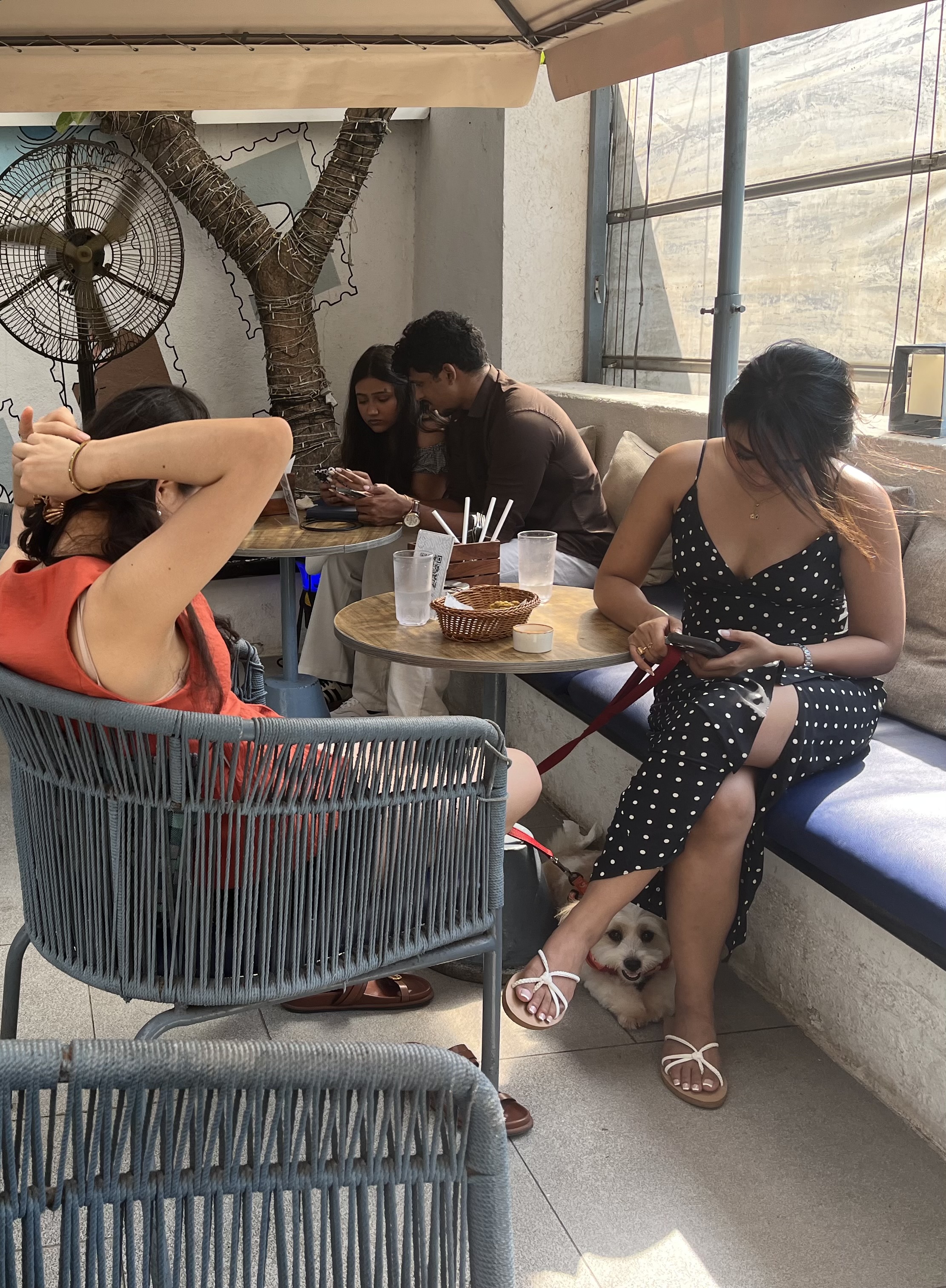
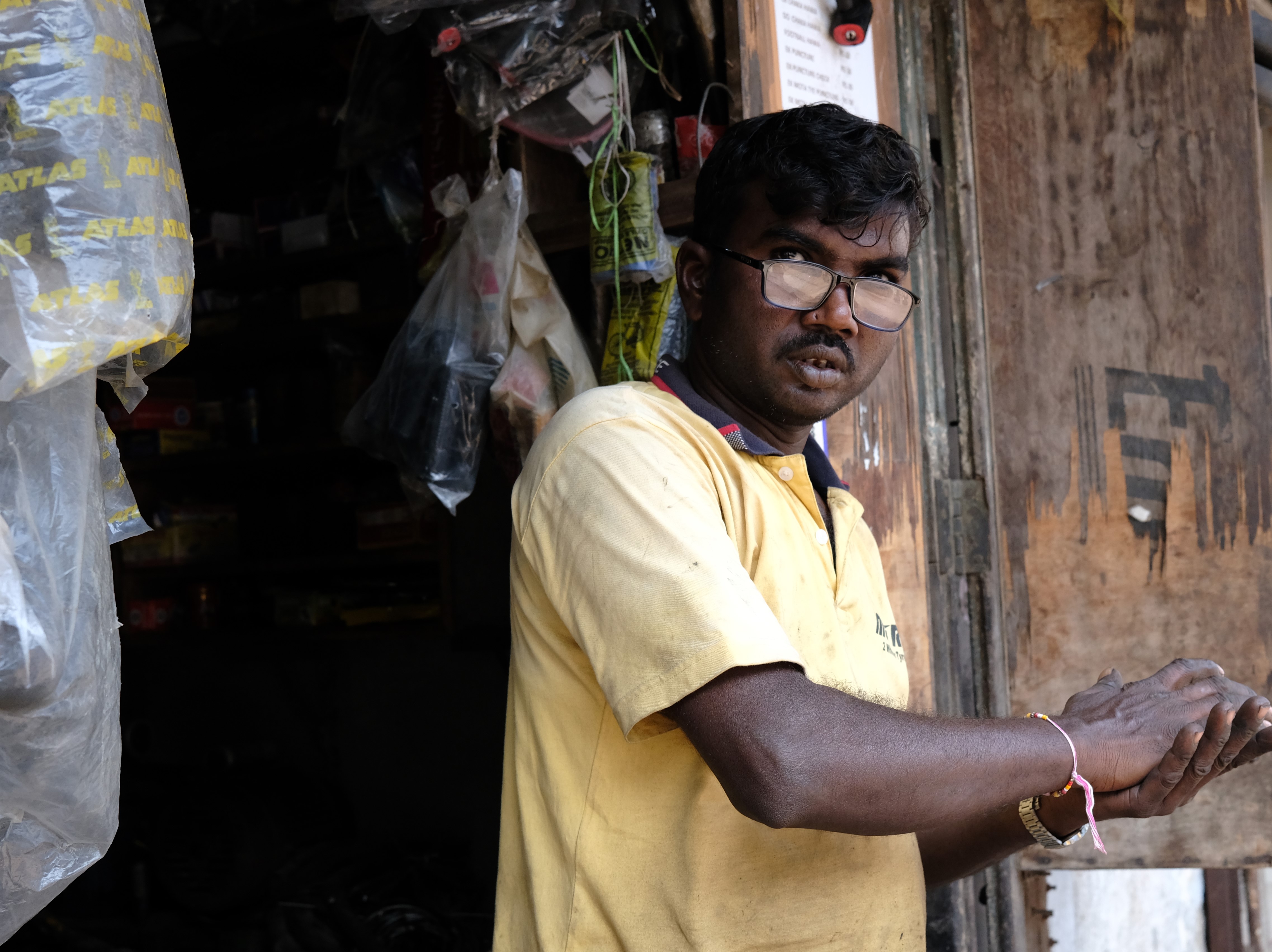
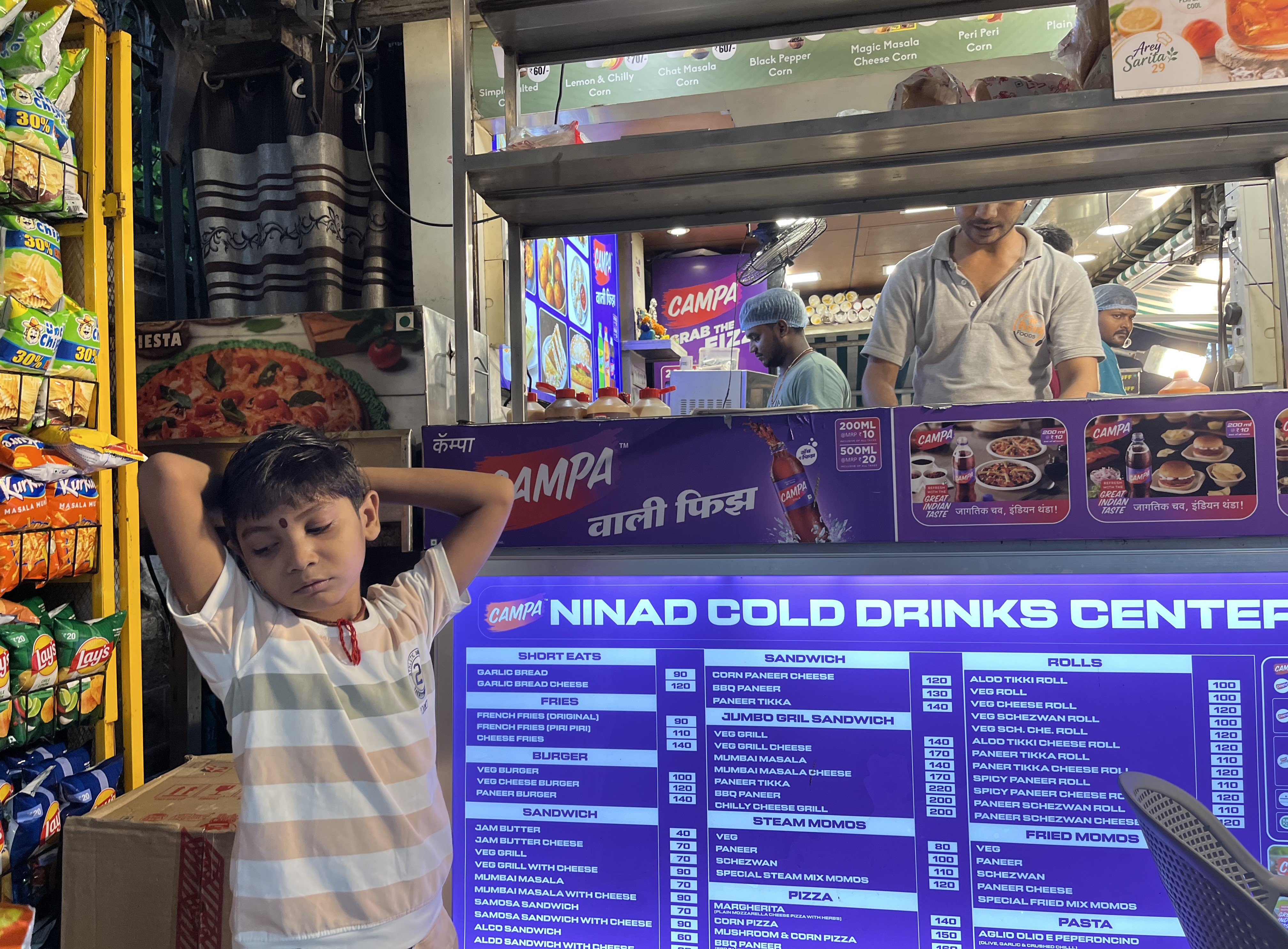
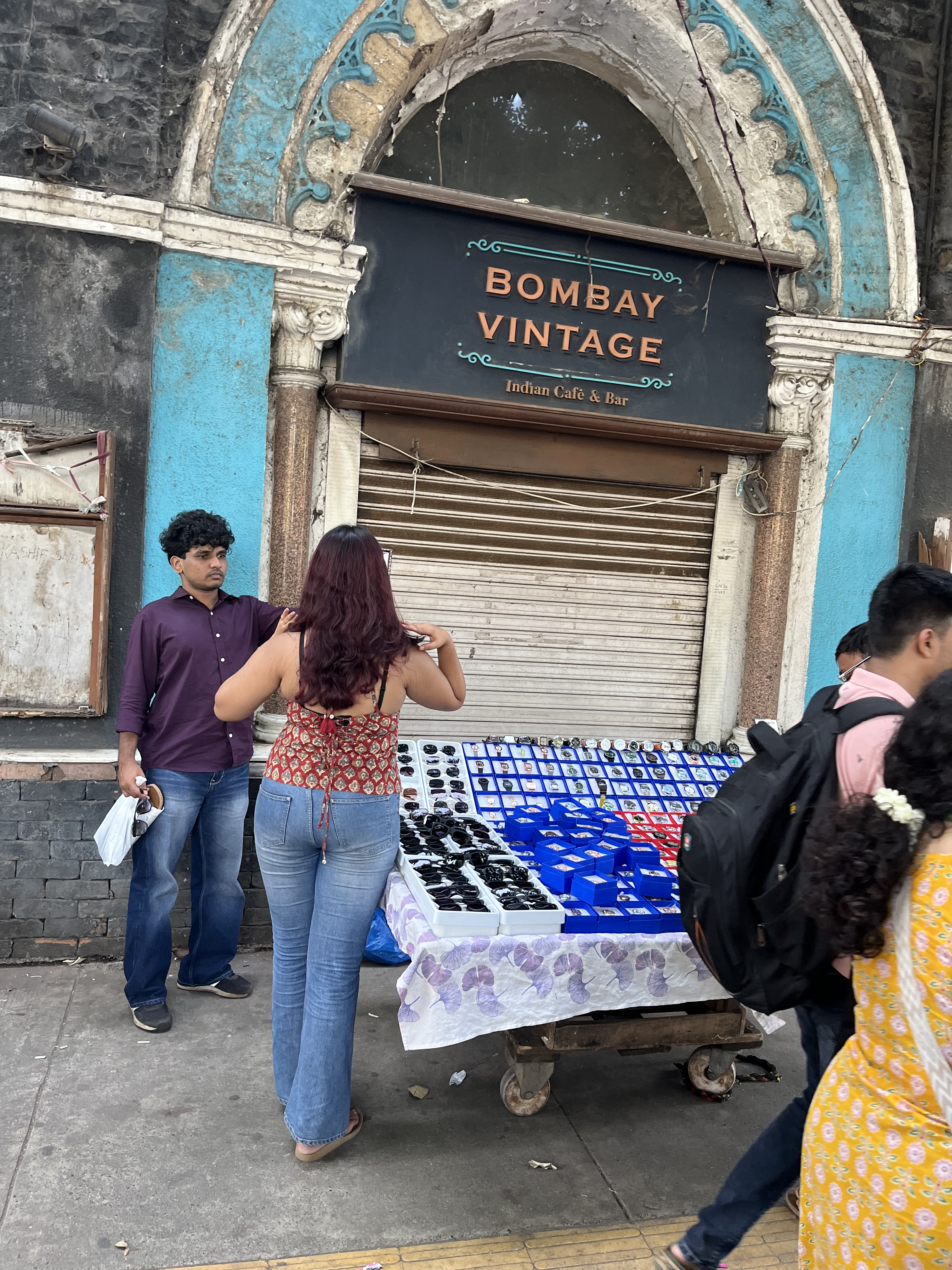
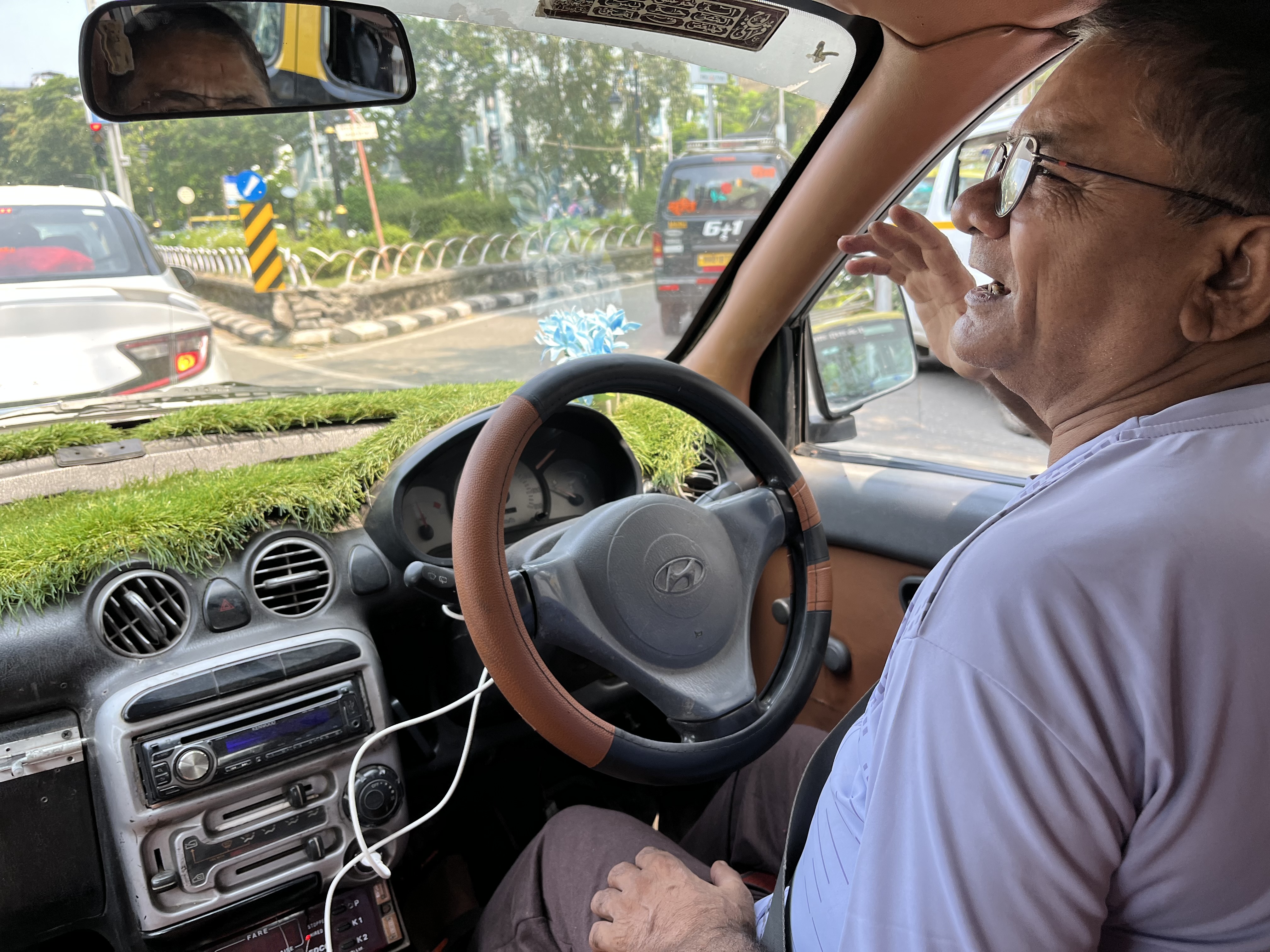
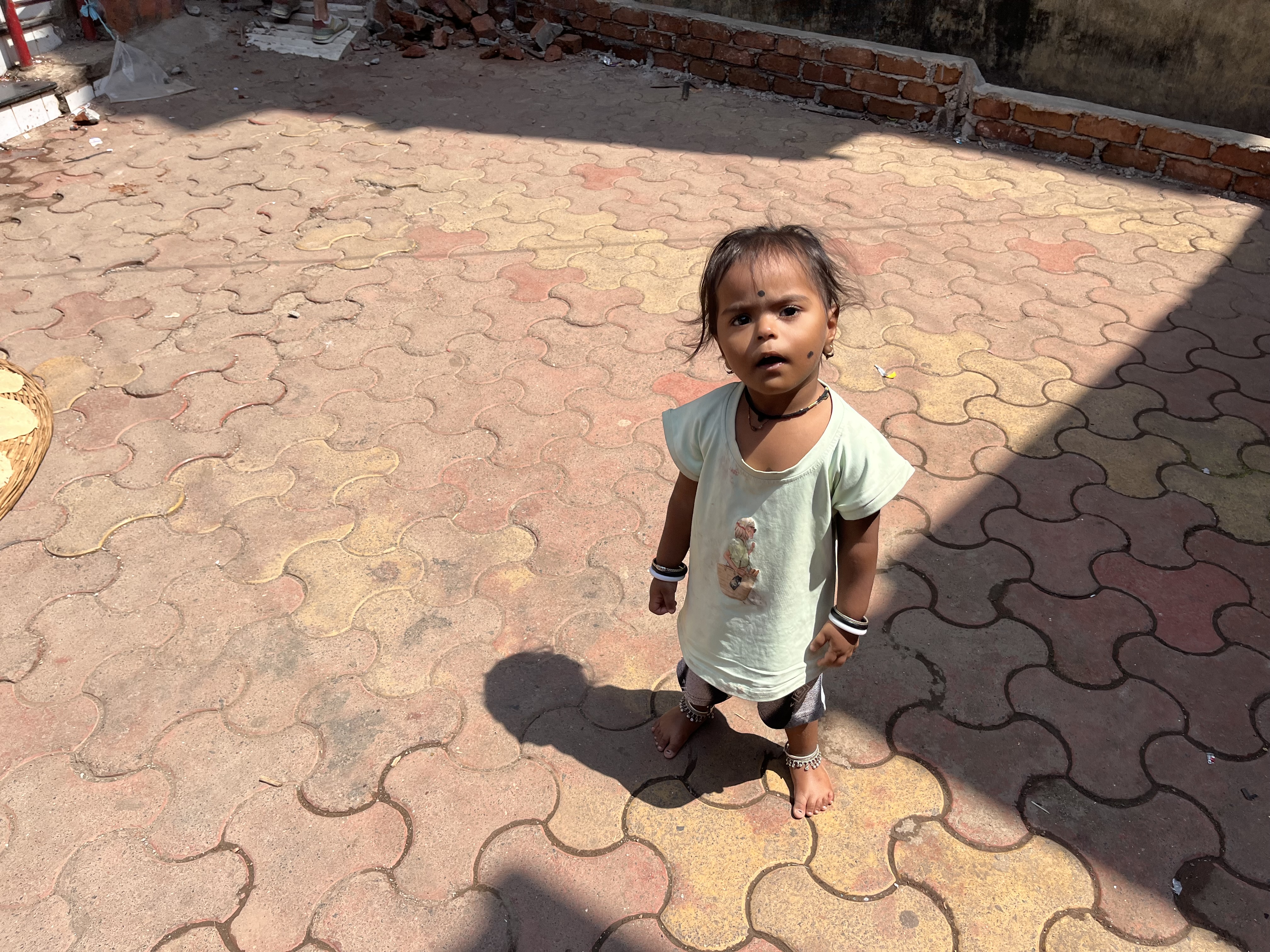
Bipin told me to head to Bandstand for my espresso coffee when I got to Bandra. So off I went with the only honest-looking auto rickshaw driver outside the railway station I could find.Losing my way to the museum, I spotted chicken puffs in the display window of Café Military, another old-school Irani joint in Fort. They brought back memories of my father and the coffee shop on Batu Road, KL, where I grew up. A few shops down the road, at a snack bar called Oasis, chicken puffs were his favourite snack. For a moment, Bombay took me back to my childhood in Kuala Lumpur. Young lovers, two friends and a watchful dog chilling in a cafe, just next door to Mannat, Shah Rukh Khan’s seaside mansion in Bandstand, Bandra WestKumbharwada, Dharavi’s historic potters’ quarter, first settled by migrants from Gujarat in 1887, where the homes look more normal and the workshops a lot neater in striking contrast to the congested, tangled alleys just beyond. The queue to get a crowded seat in Aram to eat its legendary vada pav, at the Capital Cinema Building.Not trying to put a rose gloss on poverty, but finding a smiling child in a slum like Dharavi, without running water or a toilet, seems easier than in a luxury condominium with an infinity pool in Singapore or Kuala Lumpur.Blending into their new homeland like sugar dissolving into milk. Parsis are Persians whose ancestors fled Iran following the Arab conquest more than a thousand years ago. Only about 55,000 still remain in India, with Mumbai their great stronghold. From the Tata dynasty, which helped build industrial Bombay, to Freddie Mercury, born Farrokh Bulsara, the Parsis have left an indelible mark on the city’s identity, enterprise and spirit.A bicycle repair shop in KalbadeviPhotographers at dusk milling around for their last tourists of the day. The Gateway of India was built in Indo-Saracenic style to commemorate King George V’s visit in December 1911, but not completed until 1924. About a month after Gandhi was assasinated, the last British troops marched out of India from this spot on 28 February 1948, marking the end of Empire, sailing home aboard the Empress of Australia. Two popular Mumbai food from Maharashtra – (front) Misal Pav, moth beans curry with bread roll and (back) Zunka Bhakri – dry spicy stir-fried chickpea flour with flatbread made from sorghum or milletShopping in Colaba Causeway. A market area with plenty of pavement stalls and boutiques selling bohemian jewelry, trendy clothes, leather bags, handicrafts, and souvenirs.We followed Bipin, our Dharavi tour guide, through a warren of narrow lanes, ducking our heads as we squeezed through passages barely wide enough for a full-sized adult man. We were actually snaking our way below people’s bedrooms and homes. The lanes were airless and dimly lit and required light from our phones to see. Then, through a shaft of light, a smiling young girl appeared at the doorway of her home. A small, cheerful face despite the unimaginable living conditions.Dharavi DreamingA boy at a street-food stall near the Chhatrapati Shivaji Maharaj MuseumHolding up his girlfriend’s image as she tries on some accessories“When I have money, I like Varanasi. When I have no money, I like Bombay.” Ramesh has been driving a taxi in Mumbai for years. He says business has suffered since Uber came along. He is saving money for his daughter’s wedding in Varanasi. ” Pretending that Dharavi is an oasis of opportunity absolves [the elite of Bombay] of the guilt of ignoring the pitiful conditions in which their cooks, maids and drivers live. They have come to believe that life in the shanties and its sweatshops can’t really be so bad if slum residents are able to be so productive.”
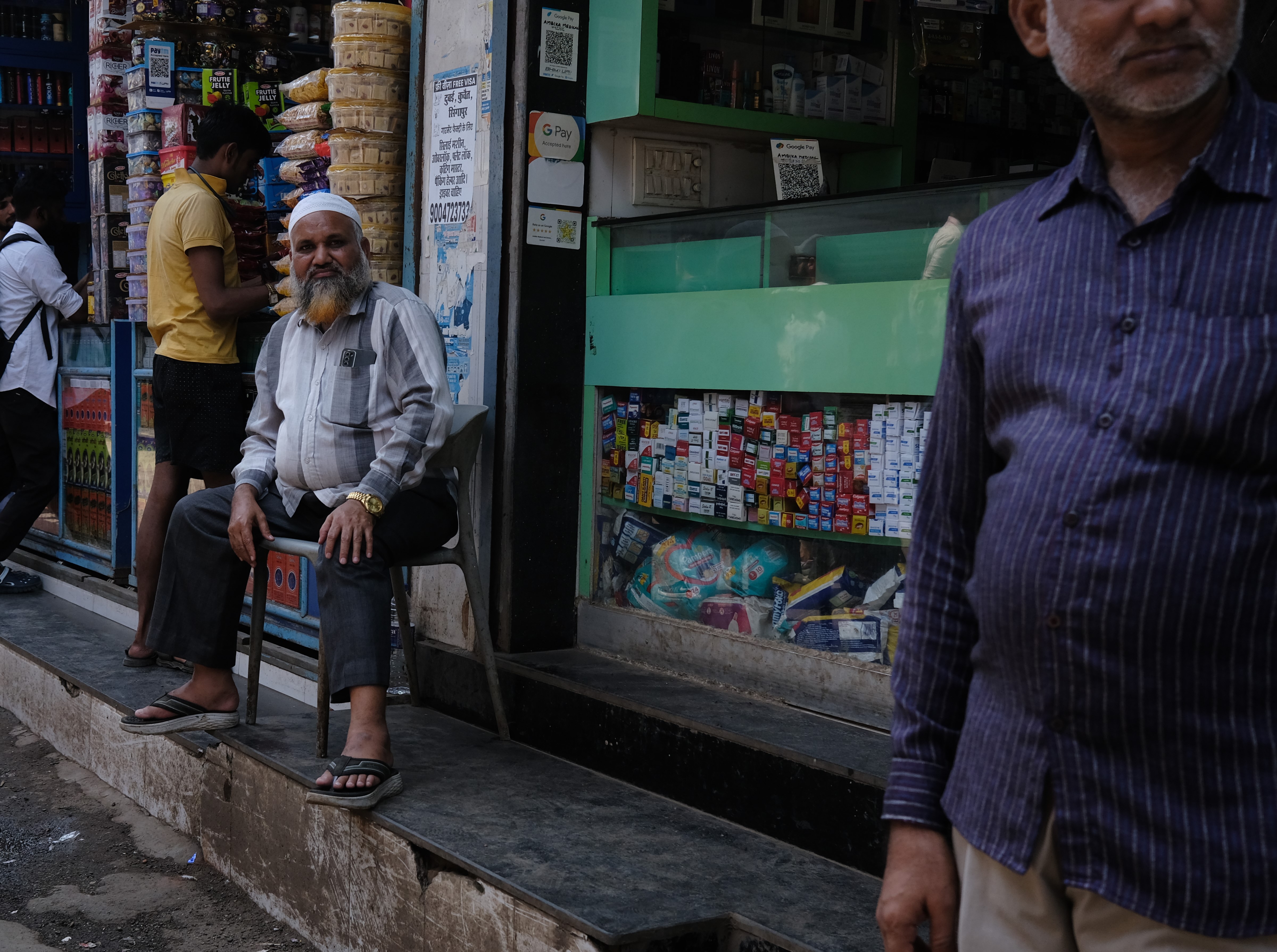
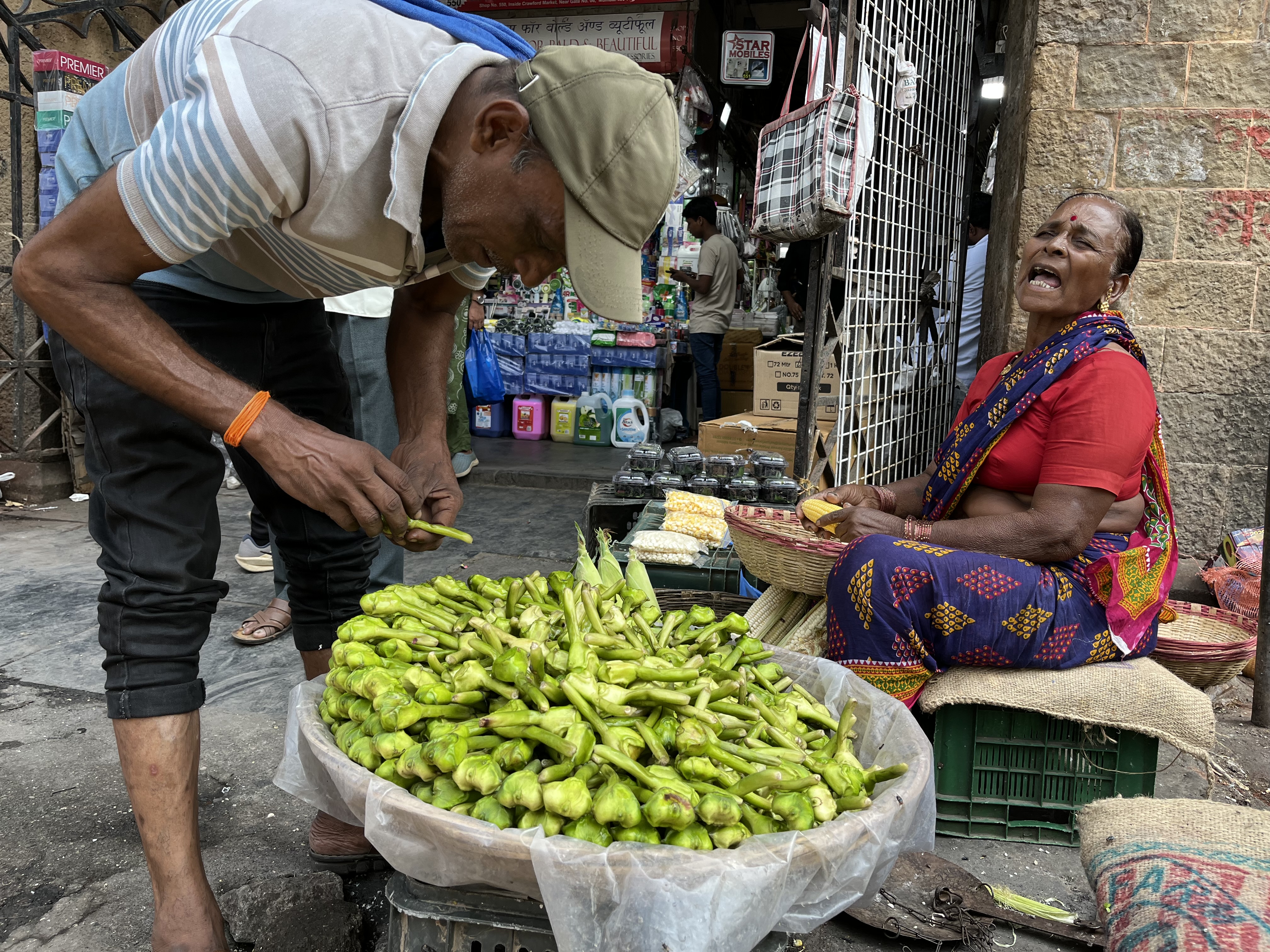
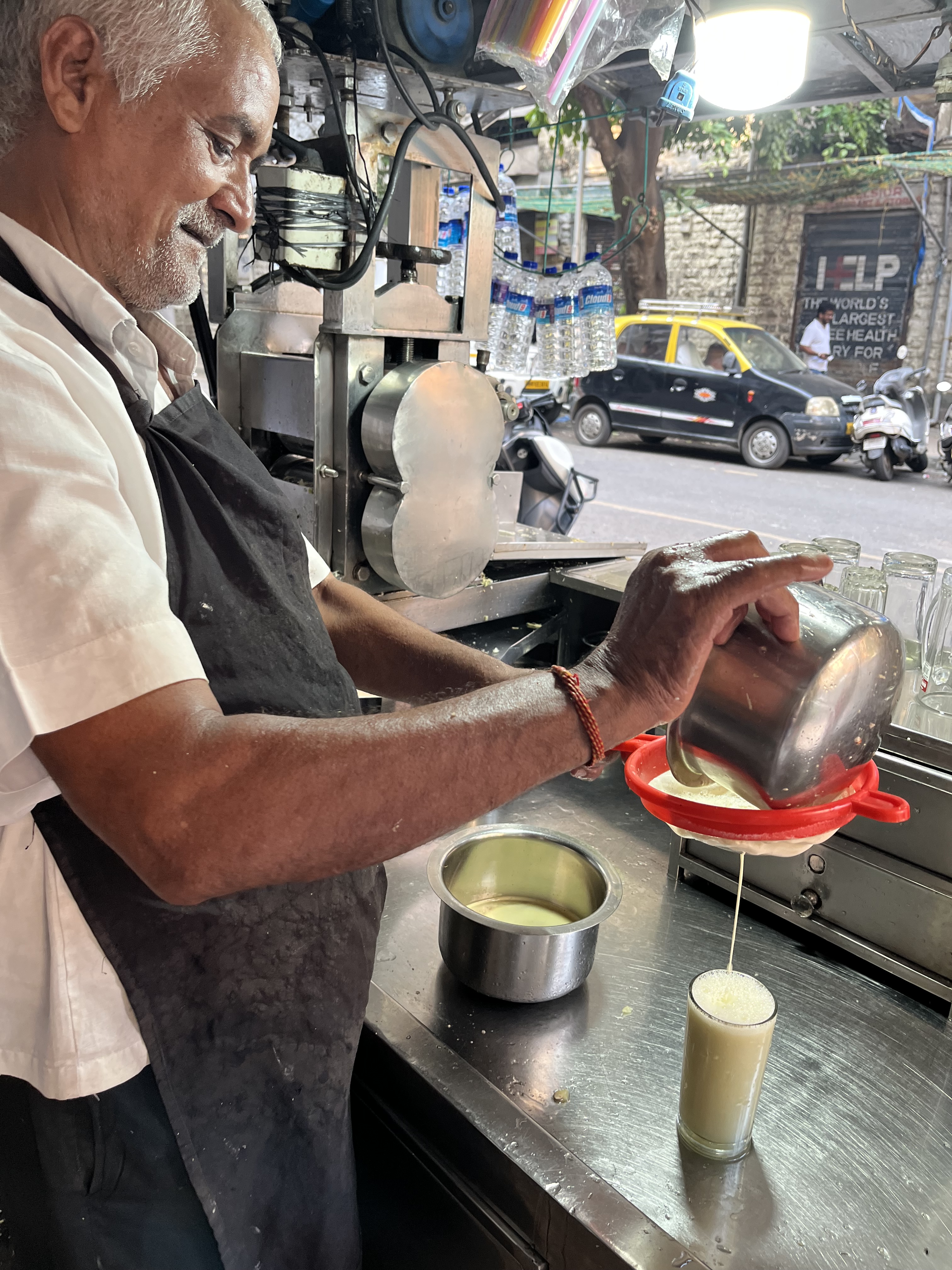
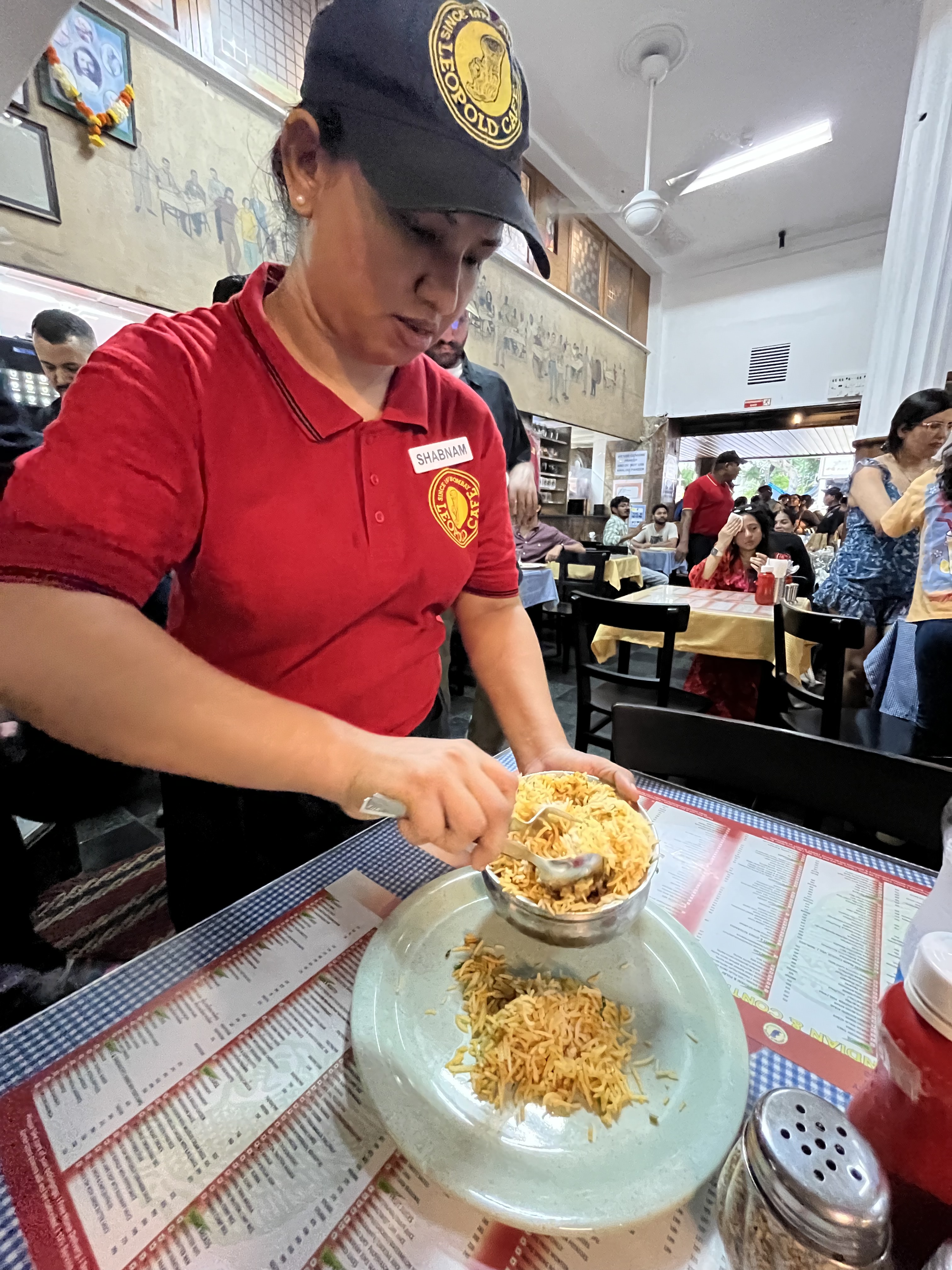
Naresh Fernandes, City Adrift: A Short Biography of Bombay. 2013Muslims make up about 22% of Greater Bombay’s population. The Hindu-Muslim riots of 1992-93 killed hundreds, mostly Muslims, and forced many to leave their homes. The city moved on, but the violence left deep scars and widened the mistrust and divide between the communities.Singhara (Indian water chestnut) at Crawford Market. Beating Bombay’s humid 37 degrees heat with a roadside glass of sugarcane juice, freshly-pressed with a wedge of lime sandwiched between the stalks as it passed through the roller.A curious child in an open, tidy, tiled courtyard greeted us in Kumbharwada. Leopold Cafe, Colaba Causeway: 155 years old and immortalised in Gregory David Roberts’ novel Shantaram. On 26 November 2008, gunmen opened fire here during the Mumbai terrorist attacks, killing eight people and injuring around 28. Bullet marks remain on the walls. The cafe reopened a few days later and resumed serving customers. Mumbai, it seems, is not easily told to stay down. Kalbadevi, a historic South Mumbai neighbourhood named after the goddess Kali. Once a merchant quarter home to Gujarati, Jain and Marwari communities, it offers a very different Mumbai from the one most tourists see. Chickory — a contemporary, cosy Kannada café in Kala Ghoda where, armed with a book on Zen I’d bought from Kitab Khana, I wandered into for a tiffin and coffee just before lunch hour but soon found myself surrounded by grim-suited lawyers from the courts nearby.
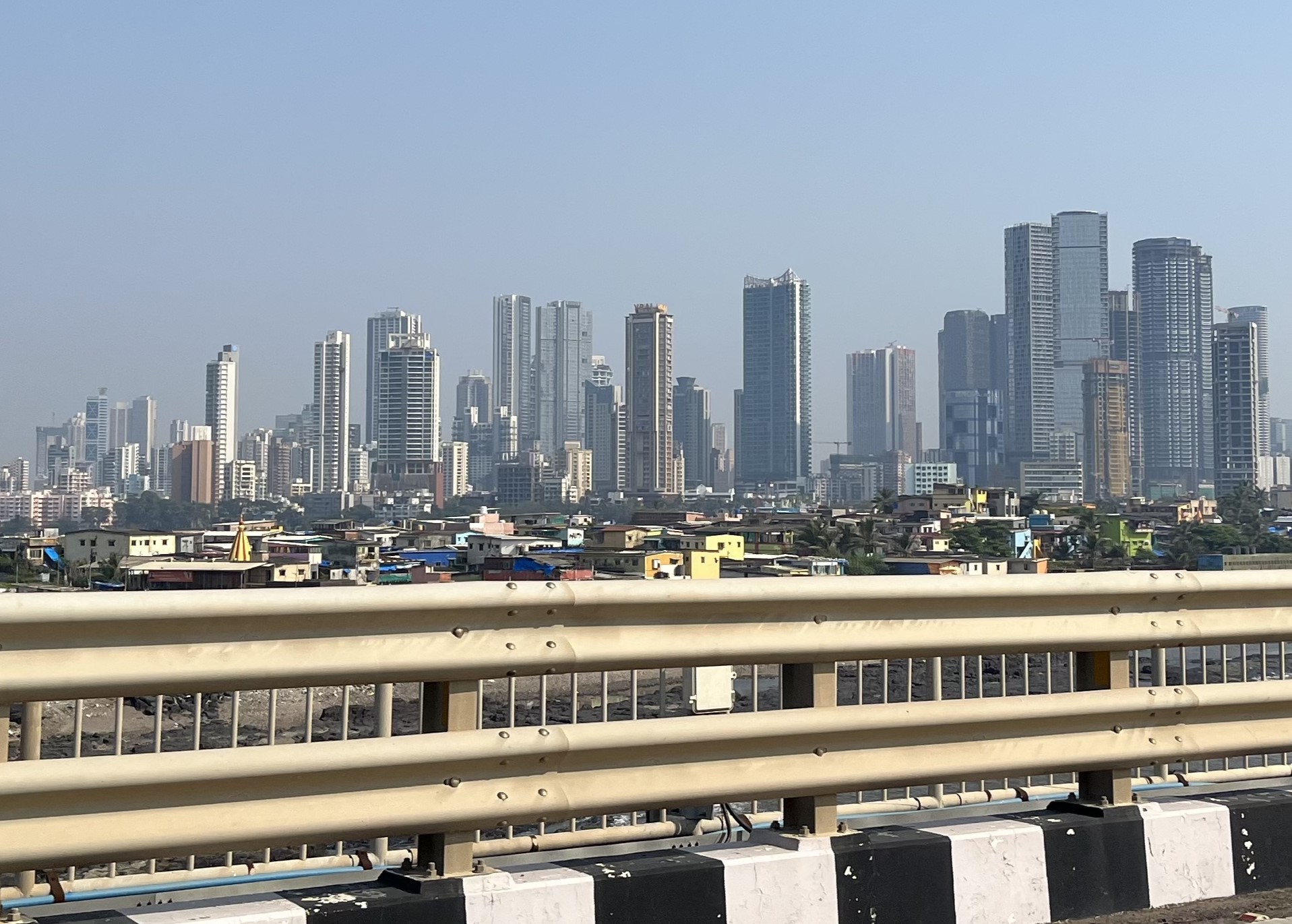
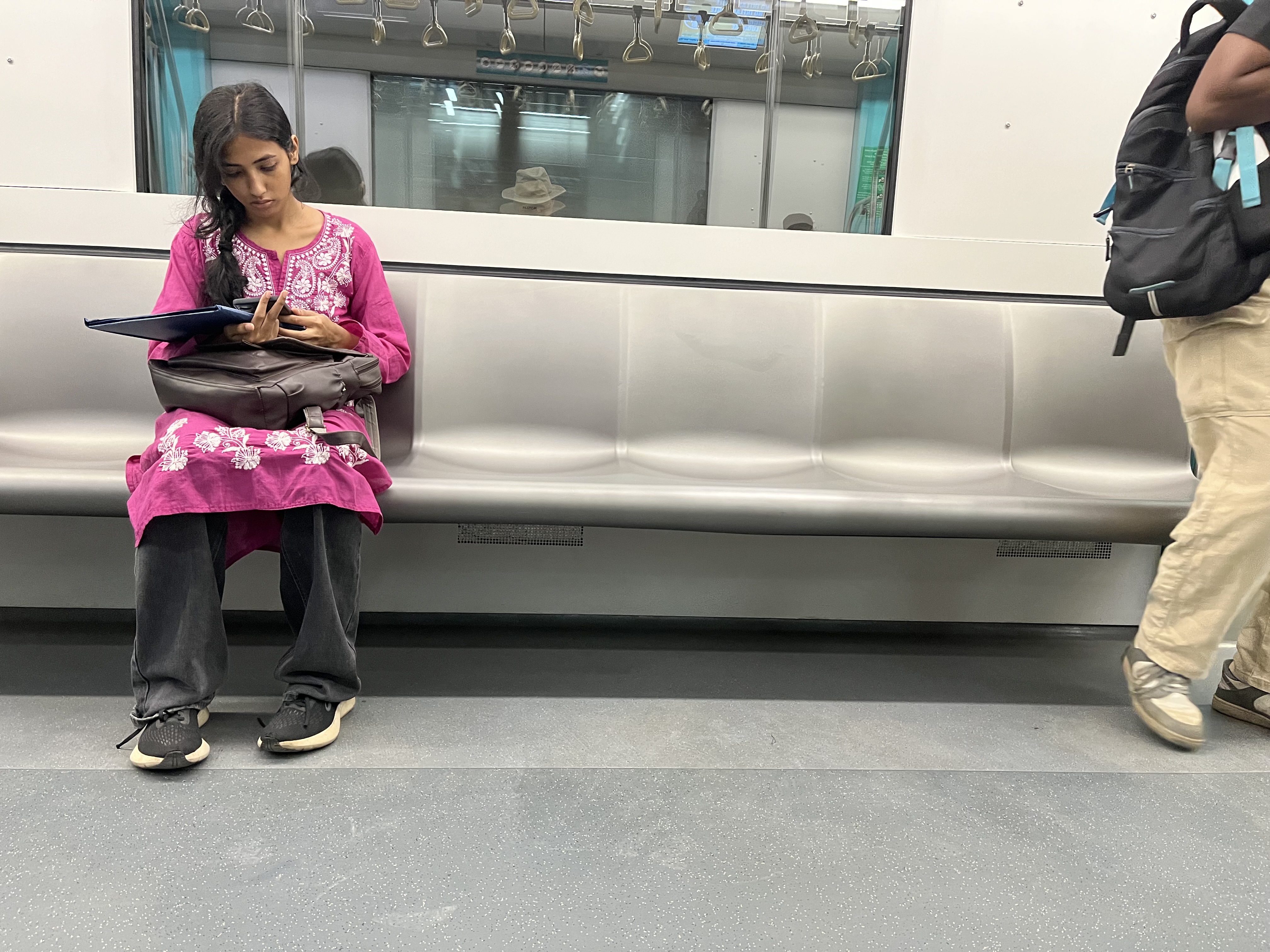
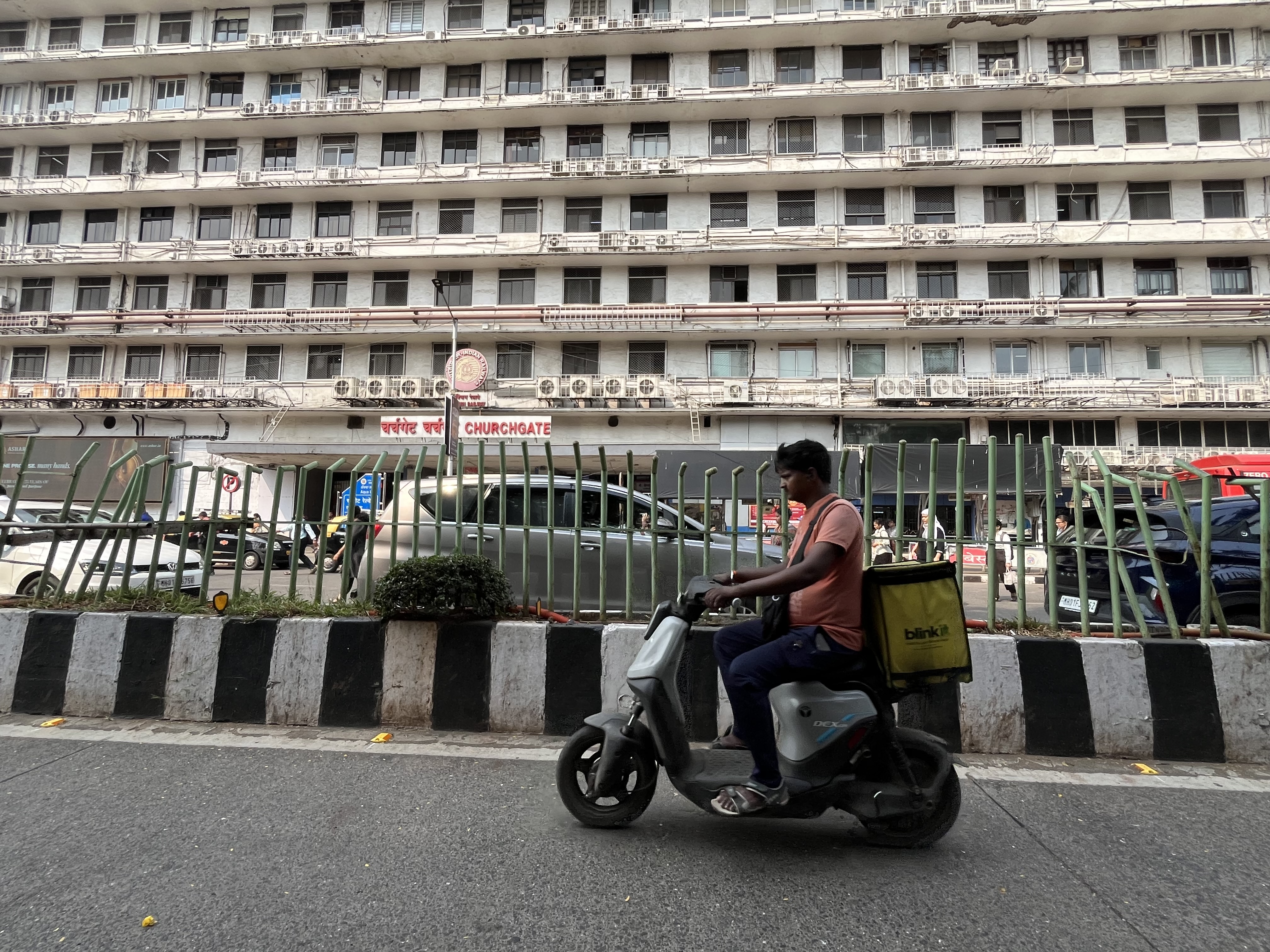
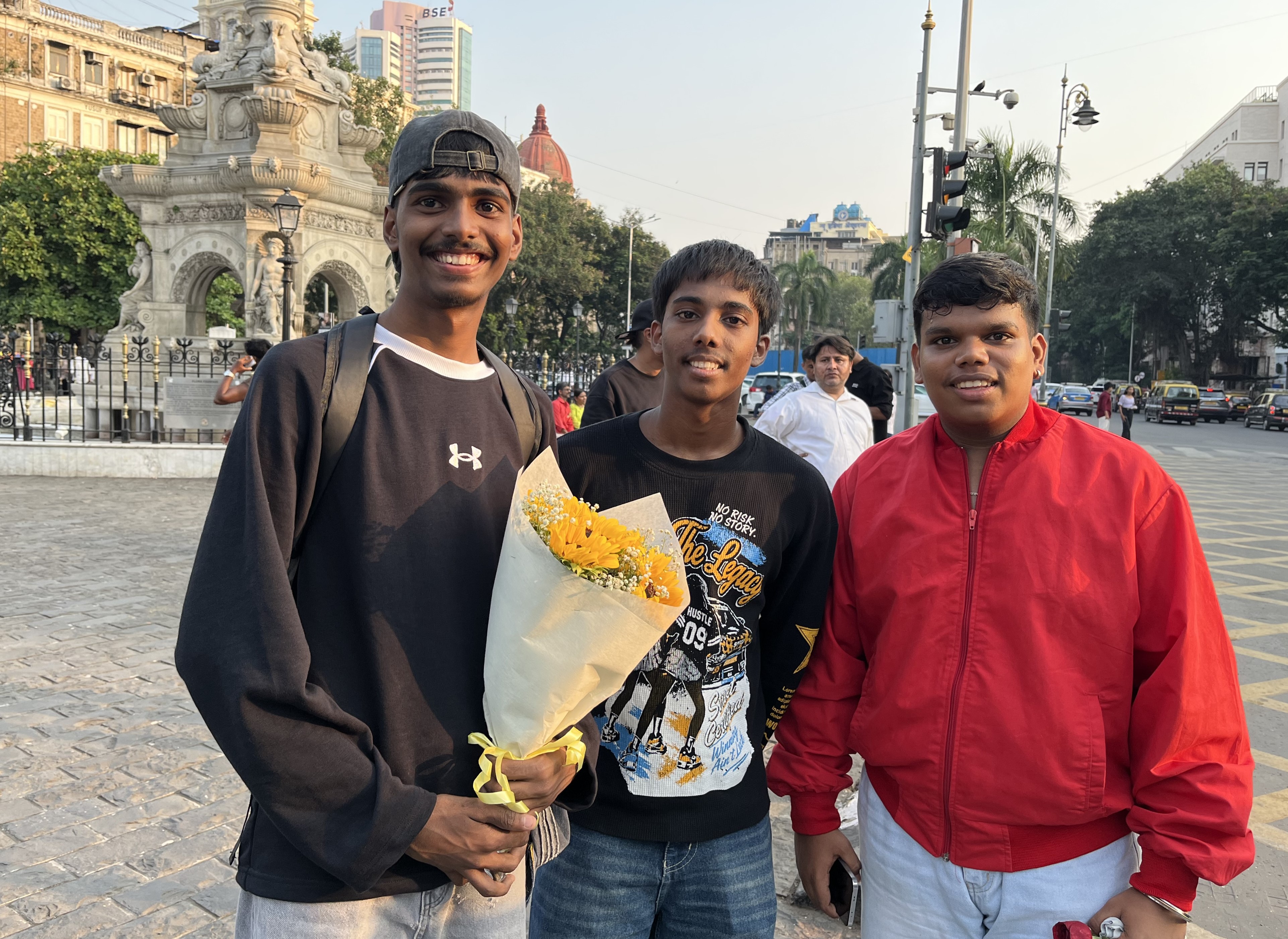
Bombay’s Manhattan-like skyline rises above a megalopolis of over 20 million, where immense challenges meet boundless potential. The metro bound for Cuffe Parade.Churchgate is a busy suburban railway terminus, yet at night its bright, windowed façade makes it look more like a luxury hotel. Flowers and friends at the Flora Fountain at the southern end of Dadabhai Naoroji Road at the Fort business district of Mumbai
Acknowledgments
This amateur piece on Bombay is only a snapshot of a great city, glimpsed over five days of wandering, mainly through the areas referred to by Mumbaikars or Bombayites as SoBo. Whatever I have managed to capture, and whatever affection that I now have for Bombay, are owed much to the friends who generously shared their knowledge, advice and love of the city with me.
To Bonnie, for his restaurant recommendations—though some were observing their weekly day off when I arrived; to Flocy, for arranging what became a life-defining visit to the “eco-slum” of Dharavi; to Ruchika, for insisting that I visit the Chhatrapati Shivaji Maharaj Vastu Sangrahalaya and pointing me towards some of the city’s street-food delights; and to Ronnie, for his tips on what to do after sunset and how to stay safe, as well as for agreeing to put his Bengaluru bias on hold.
Last, but most certainly not least, my thanks to Suchet for his local insights, and especially to Zareen for sharing her knowledge of Bombay’s history and culture, introducing me to her favourite bookshop, Kitab Khana, and recommending books and places that helped me get to know the city better.
A word on the name: I know the city is officially Mumbai, but I still prefer Bombay. Perhaps it is habit, perhaps history; or perhaps I am simply not a fan of renaming places. Whatever the reason, Bombay has a ring to it that Mumbai, to my ears, just doesn’t quite match.
To all of you, thank you for your friendship. You made my five days in the city far richer than they would otherwise have been. Any shortcomings in this amateur account are, of course, entirely my own.
All articles, photographs and other original content on this blog are protected by copyright. You may share or link to my work, but please do not reproduce, republish or use it commercially without my prior written permission.
Thomas, you have captured the spirit of Bombay in your deeply insightful blog. Your photos brought my beloved city to life so vividly. Thank you for looking past the filth, chaos and overcrowding to connect with the city’s soul. I thoroughly enjoyed your blog. It made me want to get on a plane and go back for a visit right away.
Thank you for reading and for your kind comments, Brinda. I wanted to do justice to Bombay, so I did some reading before and during the trip, trying to understand the city. But Bombay has a pull on people that I still cannot properly put into words.
Another captivating read! You have a unique way of bringing places to life through your words and photography. Reading your adventures always feels like travelling right alongside you. Thanks for sharing this wonderful perspective
Thank you Thomas for this beautiful love letter to a side of Bombay most don’t see.
I love my Bombay, and yet every time I visit it breaks my heart to see how decrepit she is getting in her heart and bones even as she is made to don the latest of developments and techniques. Slowly Bombay is losing her soul but you managed in 5 days to get a glimpse of it
I have to admit I am not a fan of Dharavi Tours. To me they seem intrusive and disrespectful. I feel tour operators are making money off someone’s poverty and way of life.
Oh my Ganapathy Kerk, I wanna poke this. First the KLIA drama, then the immigration officer who admired your paperwork. It’s Dorothy Parker’s art of self-deprecation. Lovely.
Now the poke. You quote Naresh warning against treating the slum as an oasis of opportunity, then caption a smiling child in a lane with no running water. You say you’re not putting a rose gloss on poverty, but the photo still does what Naresh’s quote warns about. Zareen’s discomfort with the tours deserves more than a passing nod. We want to hear more of the unease and legendary beauty of Kerk’s Lens.
In the Ola Bike encounter, the writing slides from observing the city to appraising a stranger. Bombay is richer than that. The chicken (curry) puffs and your dad on Batu Road is where your padi field comes to life. We want more of that.
On the whole Kerk, this piece is beautiful and immersive. Let’s go bro!
It is an absolute pleasure reading your blog; it feels almost like walking side-by-side with Mr. Kerk, experiencing the vivid colors, deep history, and unique aromas of India. Every aspect of Indian life has been captured so brilliantly in what appears to be a deeply thoughtful and well-planned journey. Thank you for sharing these wonderful moments.
Thank you for this wonderful report and the impressive photos! I have never been in Bombay/Mumbai, at least not outside its airport, but now I am inspired by you. Having lived in KL for 30 years now, I did not realise how close this enormous city is. Thank you again


After reading this, I felt as if I just visited Bombay mentally.
Thanks, Bellamy. You must, one day, visit Bombay. You cannot say you have traveled the world until you have seen India.
Thomas, you have captured the spirit of Bombay in your deeply insightful blog. Your photos brought my beloved city to life so vividly. Thank you for looking past the filth, chaos and overcrowding to connect with the city’s soul. I thoroughly enjoyed your blog. It made me want to get on a plane and go back for a visit right away.
Warm wishes
Brinda
Thank you for reading and for your kind comments, Brinda. I wanted to do justice to Bombay, so I did some reading before and during the trip, trying to understand the city. But Bombay has a pull on people that I still cannot properly put into words.
Another captivating read! You have a unique way of bringing places to life through your words and photography. Reading your adventures always feels like travelling right alongside you. Thanks for sharing this wonderful perspective
Good write up enjoyed reading
A visceral stroll in and around lives and the local stratosphere. Wonderful colour to the journey provided by your narrative.
Another great write up. Beautiful piece and injecting some humor got me tickled. I just visited Mumbai in 10 minutes 😅. Thanks bro.
Thank you Thomas for this beautiful love letter to a side of Bombay most don’t see.
I love my Bombay, and yet every time I visit it breaks my heart to see how decrepit she is getting in her heart and bones even as she is made to don the latest of developments and techniques. Slowly Bombay is losing her soul but you managed in 5 days to get a glimpse of it
I have to admit I am not a fan of Dharavi Tours. To me they seem intrusive and disrespectful. I feel tour operators are making money off someone’s poverty and way of life.
Oh my Ganapathy Kerk, I wanna poke this. First the KLIA drama, then the immigration officer who admired your paperwork. It’s Dorothy Parker’s art of self-deprecation. Lovely.
Now the poke. You quote Naresh warning against treating the slum as an oasis of opportunity, then caption a smiling child in a lane with no running water. You say you’re not putting a rose gloss on poverty, but the photo still does what Naresh’s quote warns about. Zareen’s discomfort with the tours deserves more than a passing nod. We want to hear more of the unease and legendary beauty of Kerk’s Lens.
In the Ola Bike encounter, the writing slides from observing the city to appraising a stranger. Bombay is richer than that. The chicken (curry) puffs and your dad on Batu Road is where your padi field comes to life. We want more of that.
On the whole Kerk, this piece is beautiful and immersive. Let’s go bro!
You’ve captured the subtleties and nuances of this megapolis so very well. Both in words and pictures.
Vada Pav rocks!
It is an absolute pleasure reading your blog; it feels almost like walking side-by-side with Mr. Kerk, experiencing the vivid colors, deep history, and unique aromas of India. Every aspect of Indian life has been captured so brilliantly in what appears to be a deeply thoughtful and well-planned journey. Thank you for sharing these wonderful moments.
Sajjad Khan
Thank you for this wonderful report and the impressive photos! I have never been in Bombay/Mumbai, at least not outside its airport, but now I am inspired by you. Having lived in KL for 30 years now, I did not realise how close this enormous city is. Thank you again