We checked out of the lovely Lotte City Hotel Tashkent early in the morning on Uzbekistan’s National Day and headed for the airport. From my window seat, the one-hour flight offered a spectacular view of what I took to be the western end of the Roof of the World. Jagged ranges rose one behind another, their summits capped with summer snow and their slopes streaked with glaciers and waterfalls, folding into each other like some enormous granite accordion.
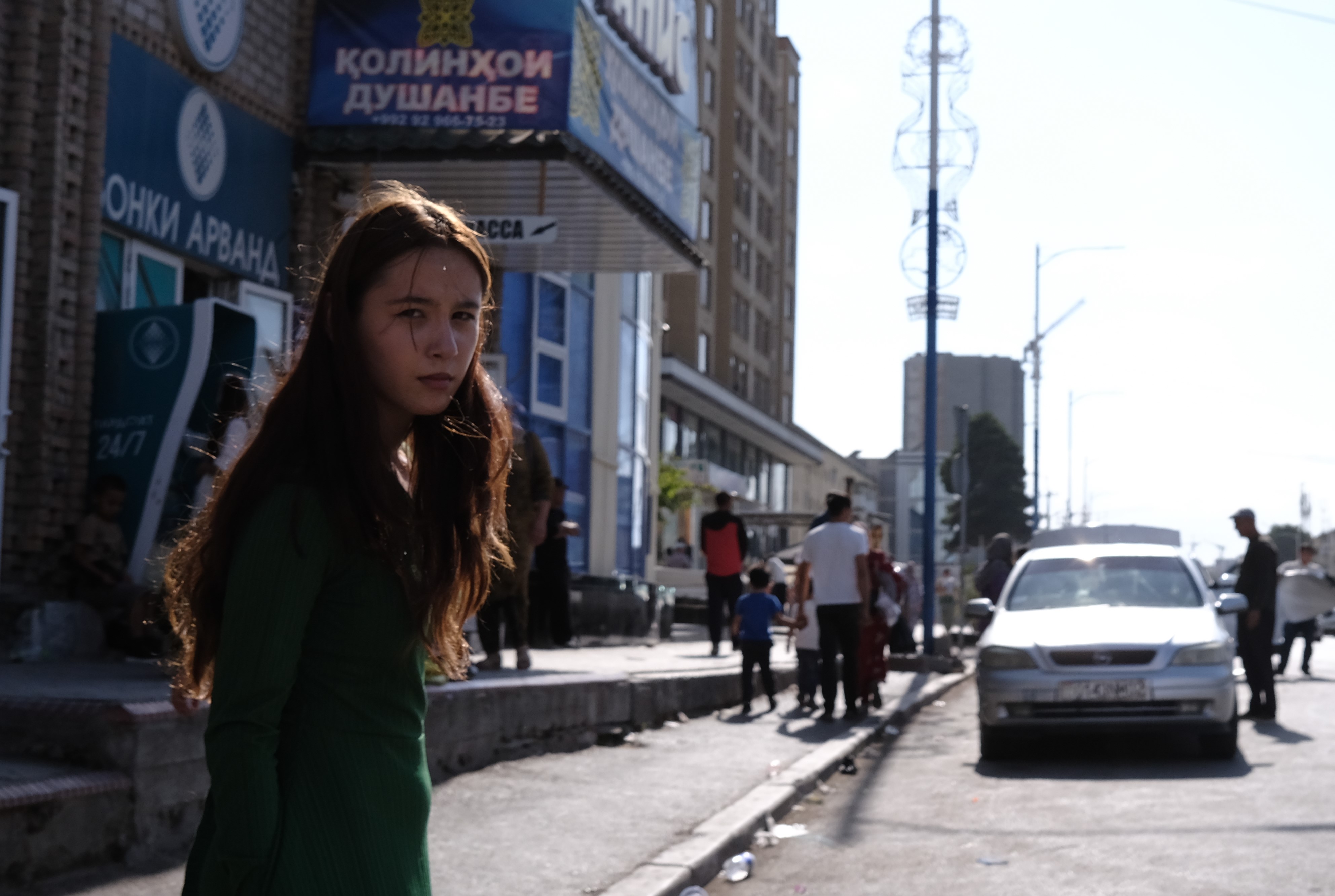
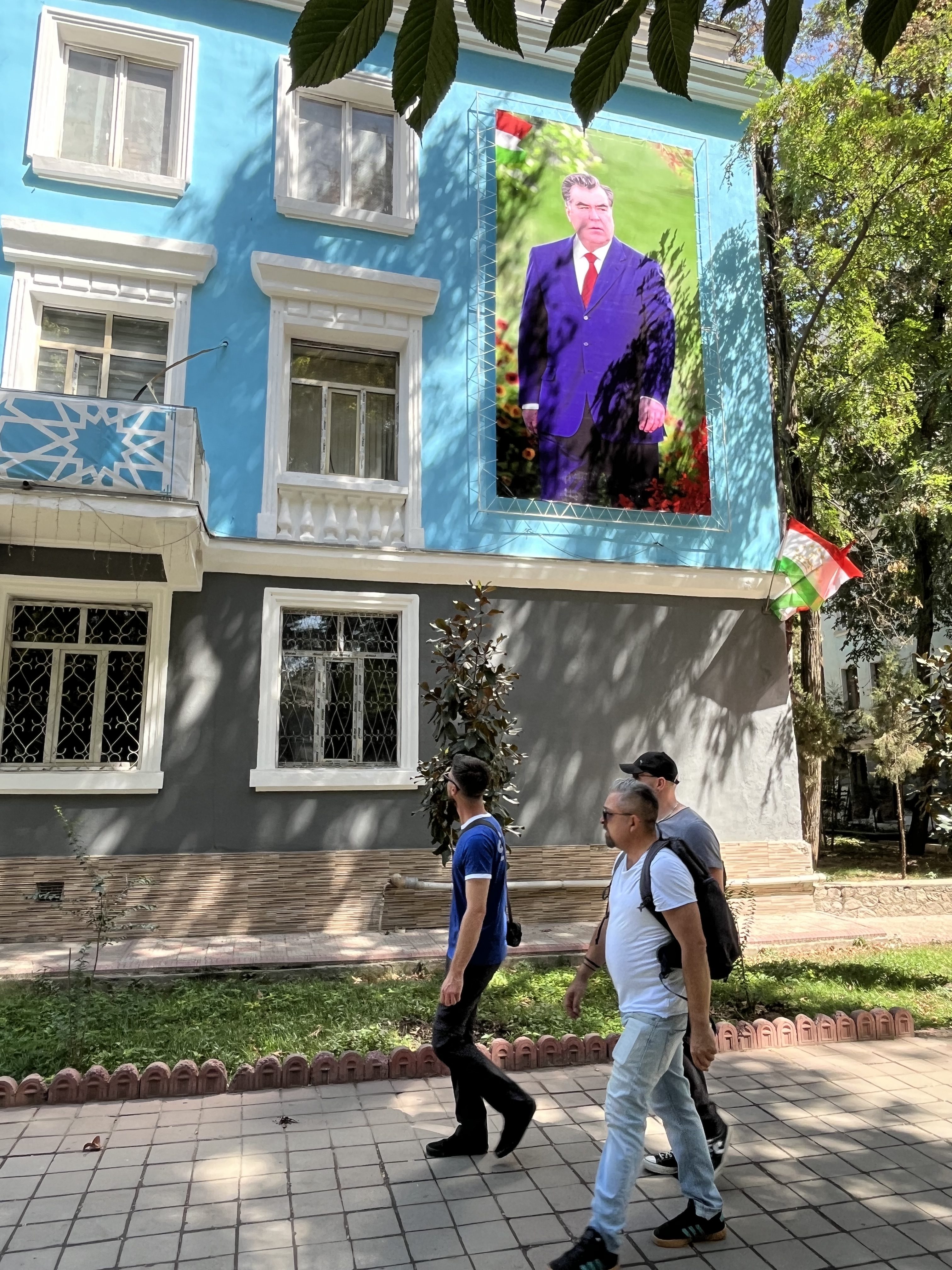
Dushanbe—meaning Monday—was named after the day of its weekly market. I expected the capital of a poor former Soviet republic—shaped by Soviet planners once home to a large Russian population and formerly known as Stalinabad—to have a somewhat crumbling back-to-the-USSR feel, with a hint of East Slavic nostalgia.
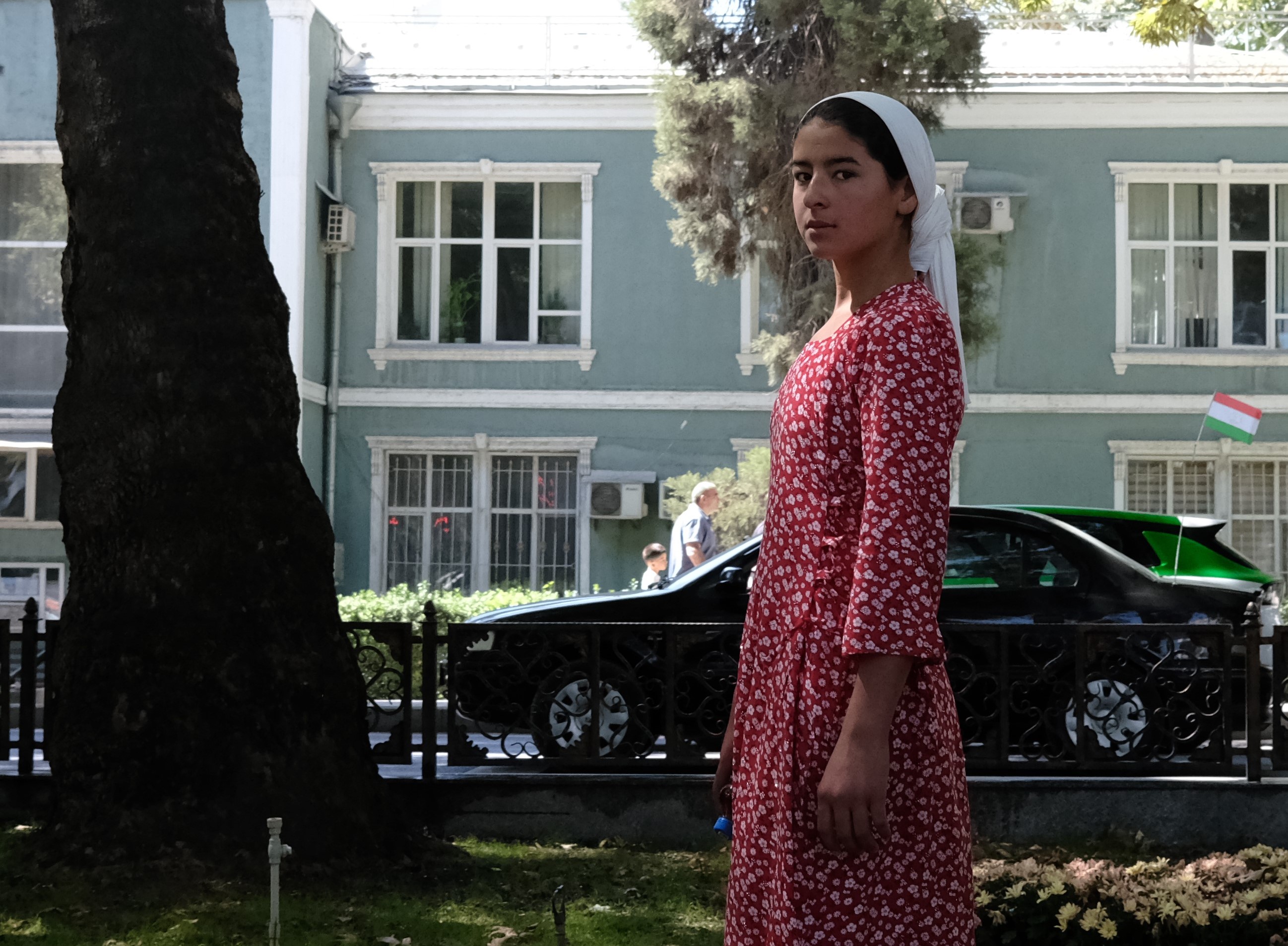
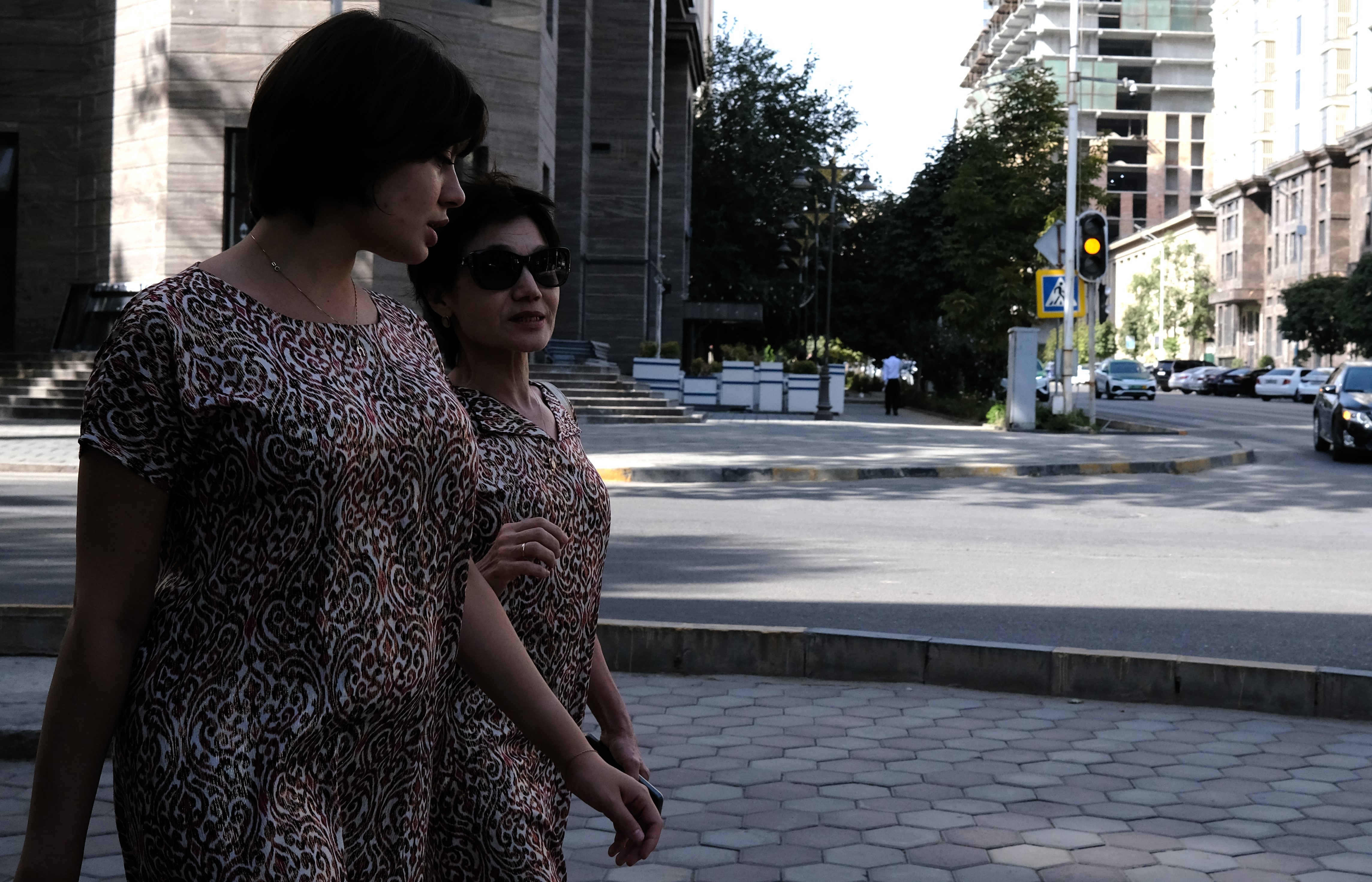
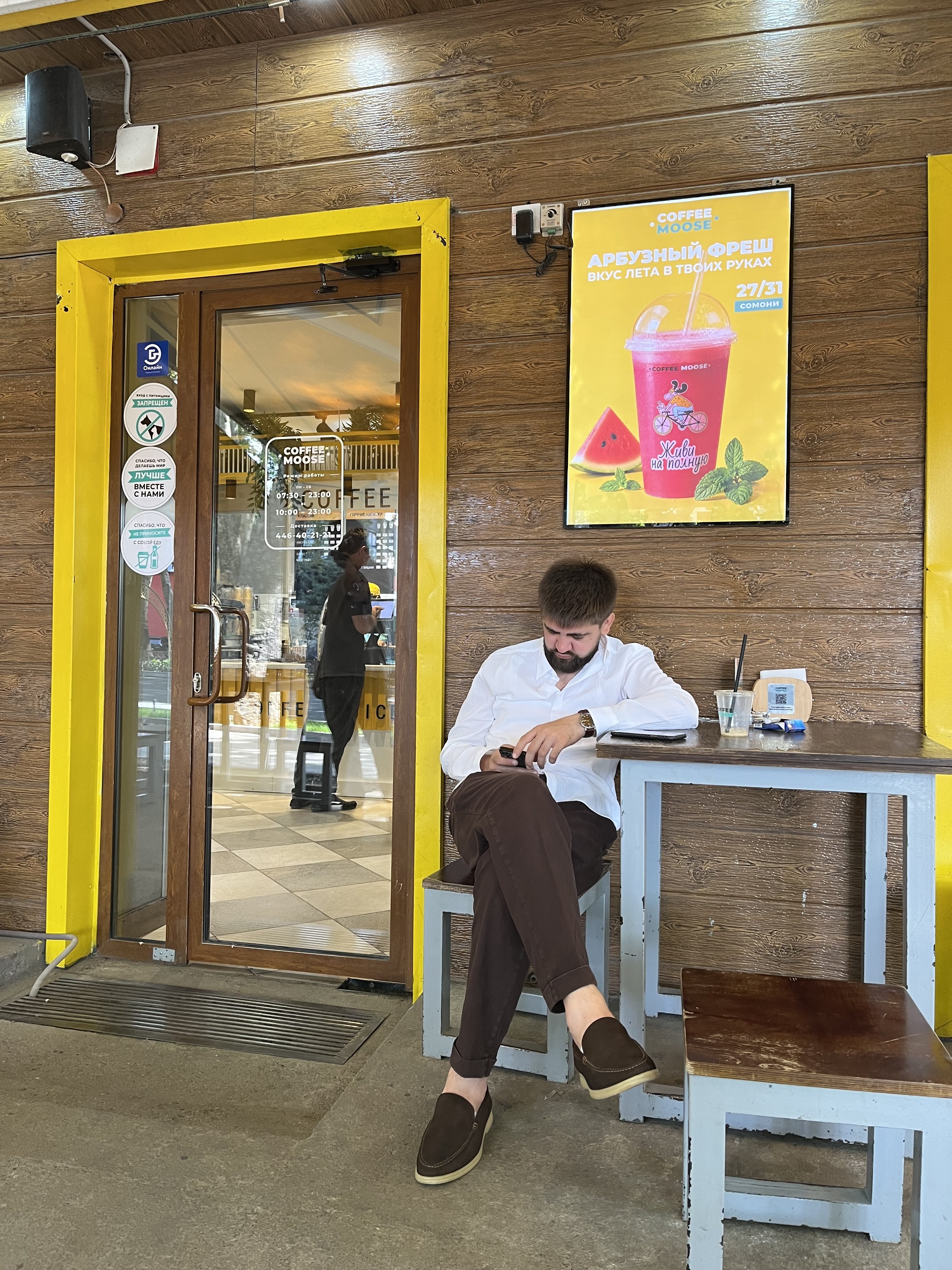
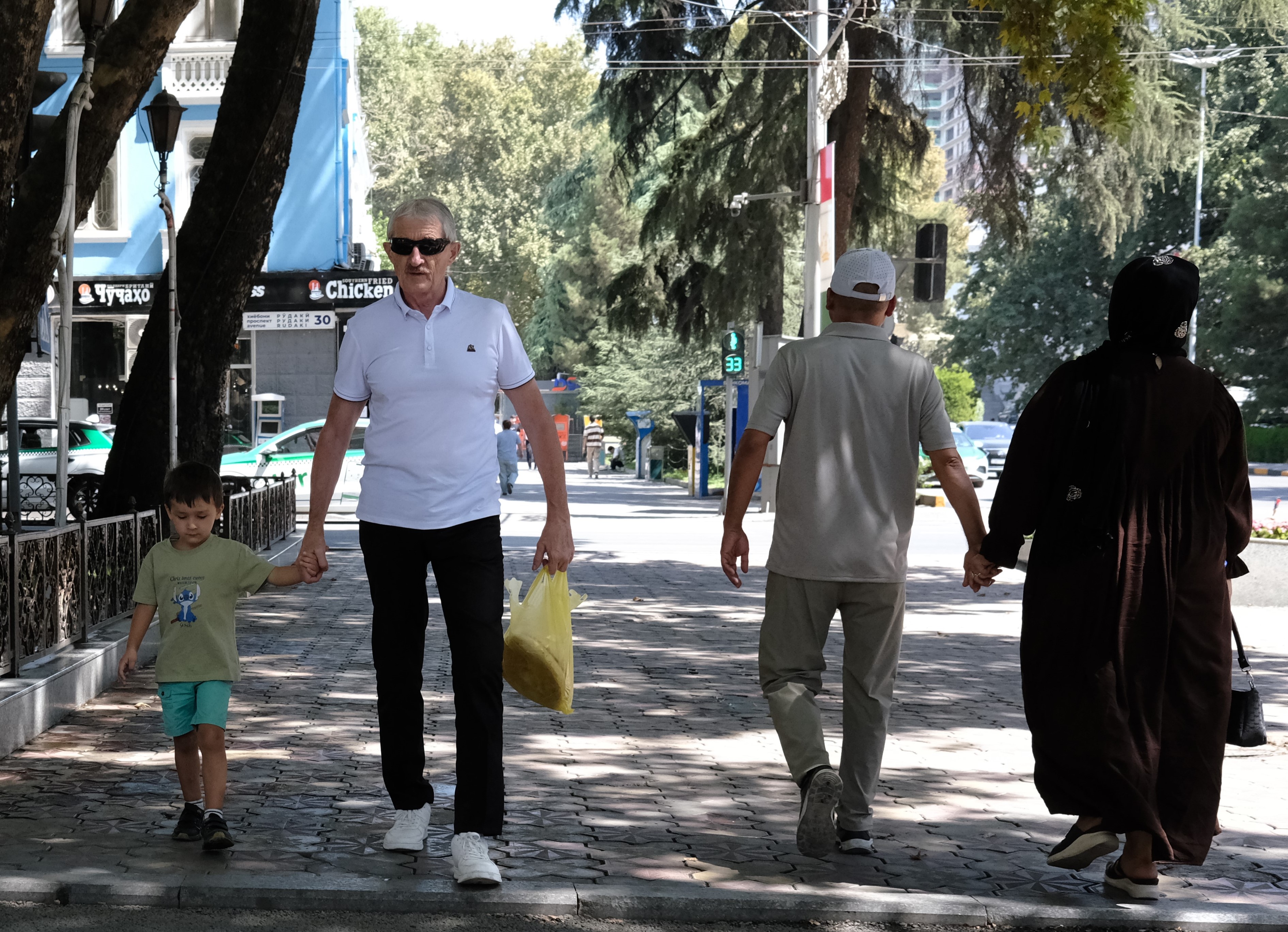
Yet, having read about Tajikistan’s secular laws and restrictions on the hijab, I was surprised, and a little deflated, to find Dushanbe feeling more like the better bits of Pakistan or Iran than a capital of an ex-soviet socialist republic: more headscarves, conservative clothing, featureless public spaces and buildings, and a different rhythm of everyday life—or at least that was my hurried impression as I dashed around with our driver, trying to buy two SIM cards and change our money into somoni before heading off to the mountains.
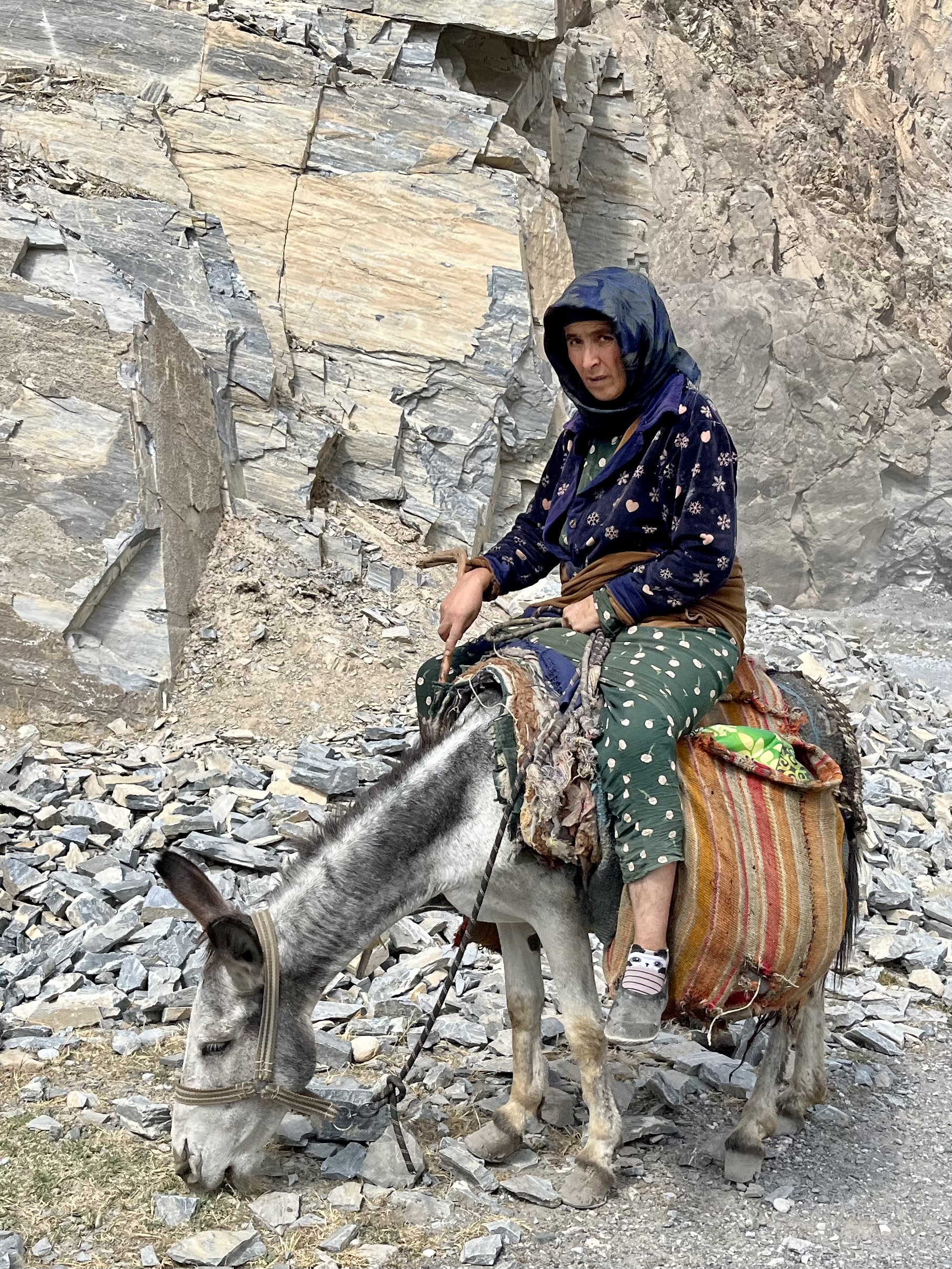
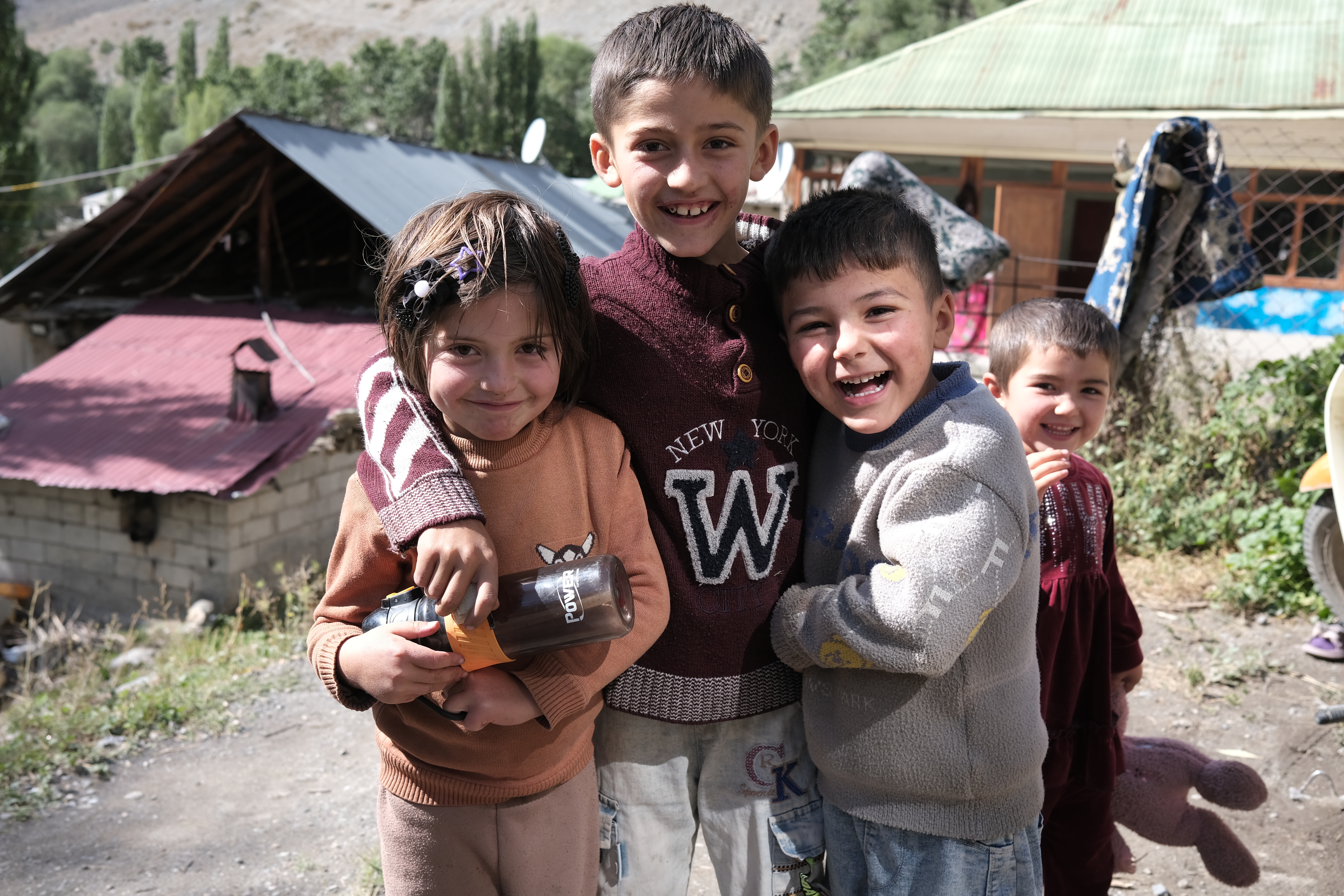
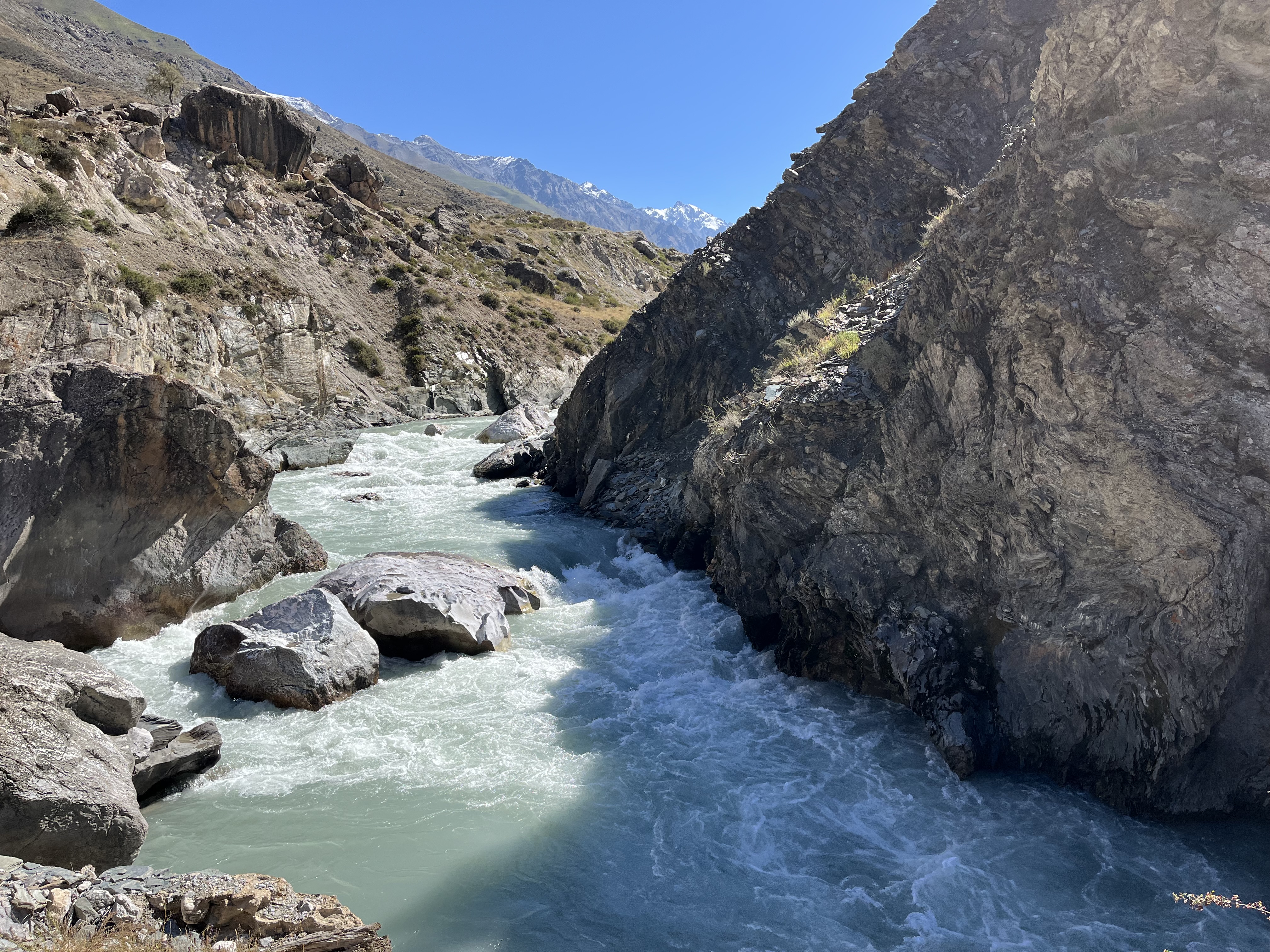
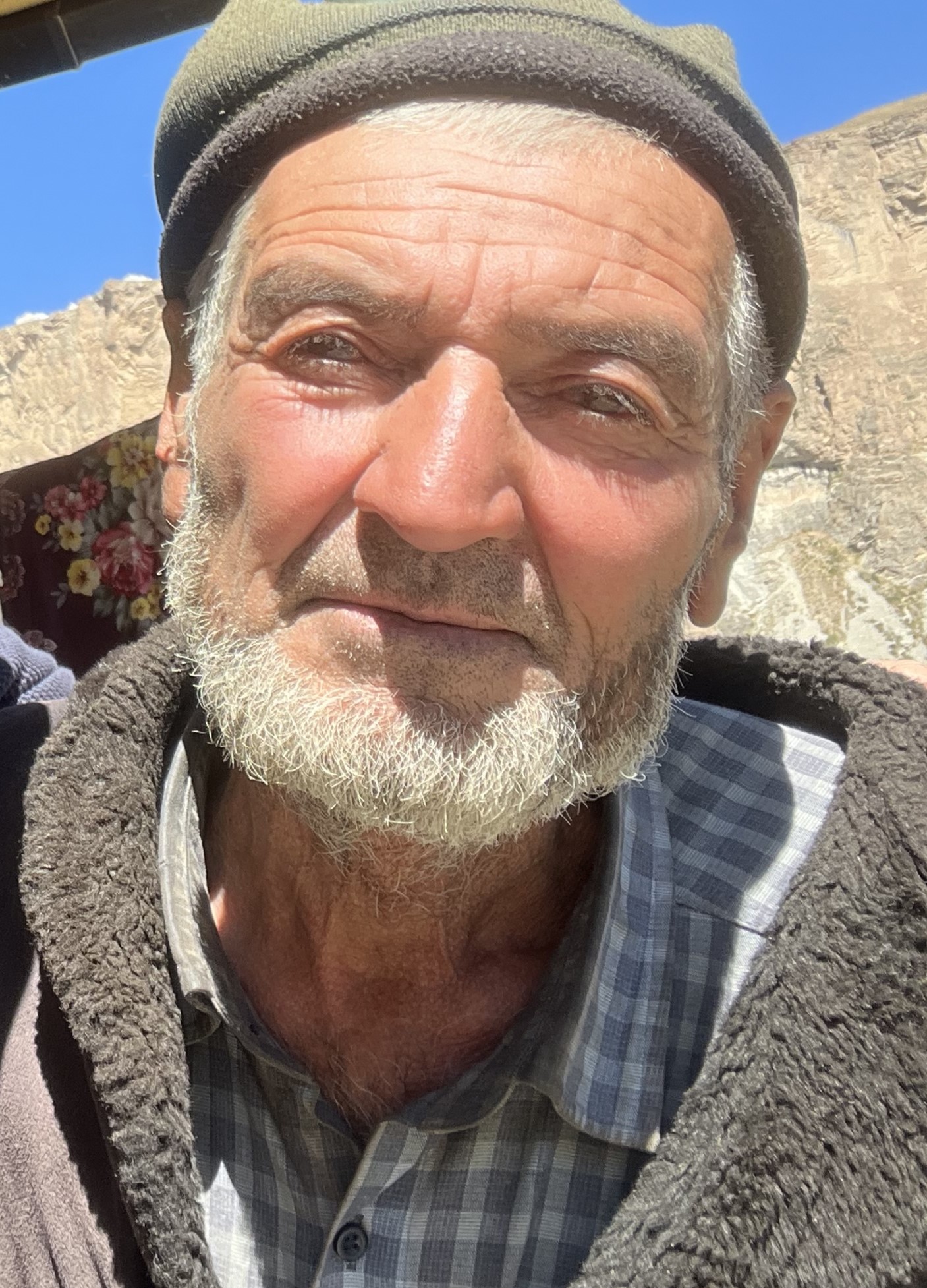
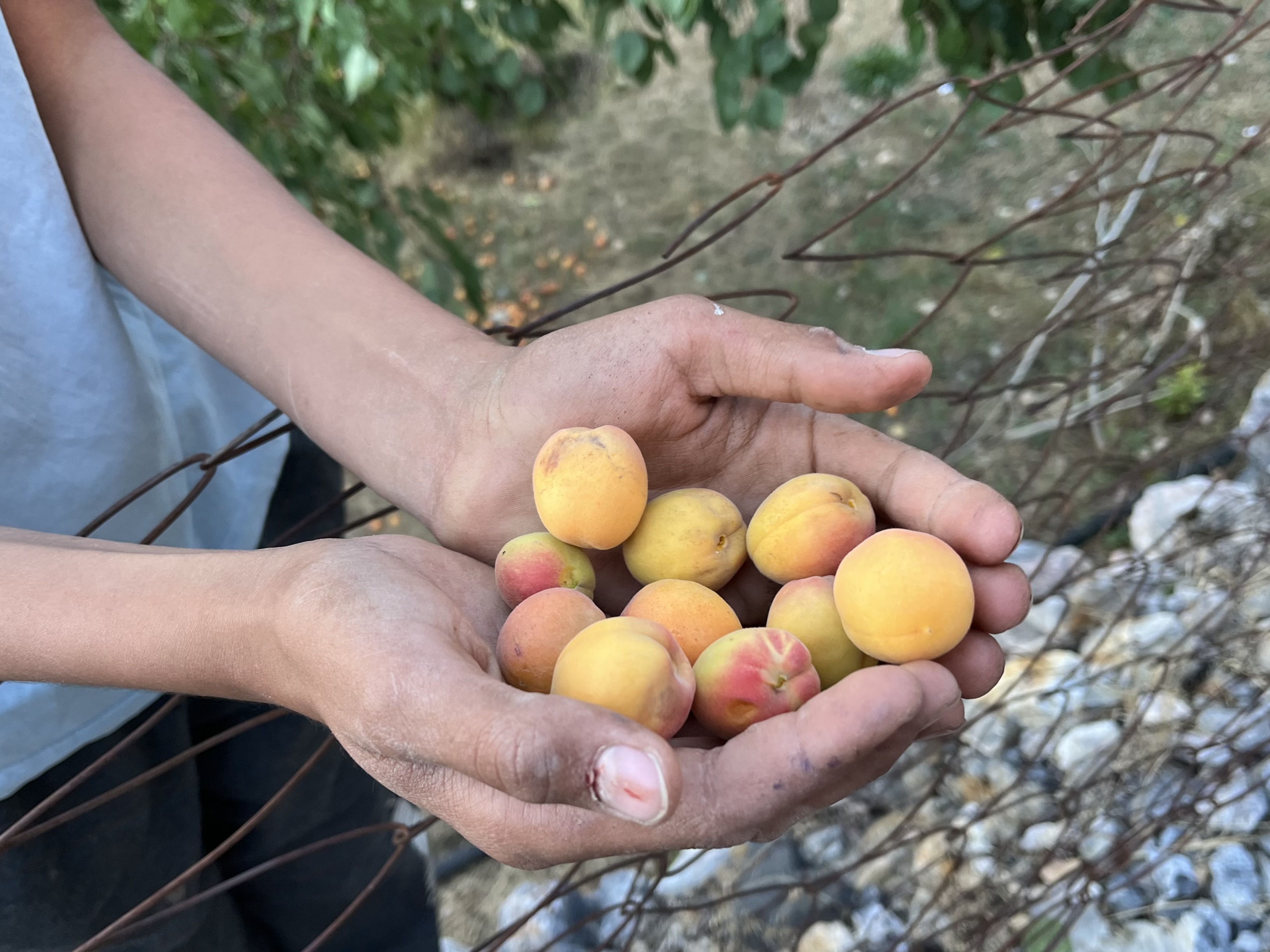
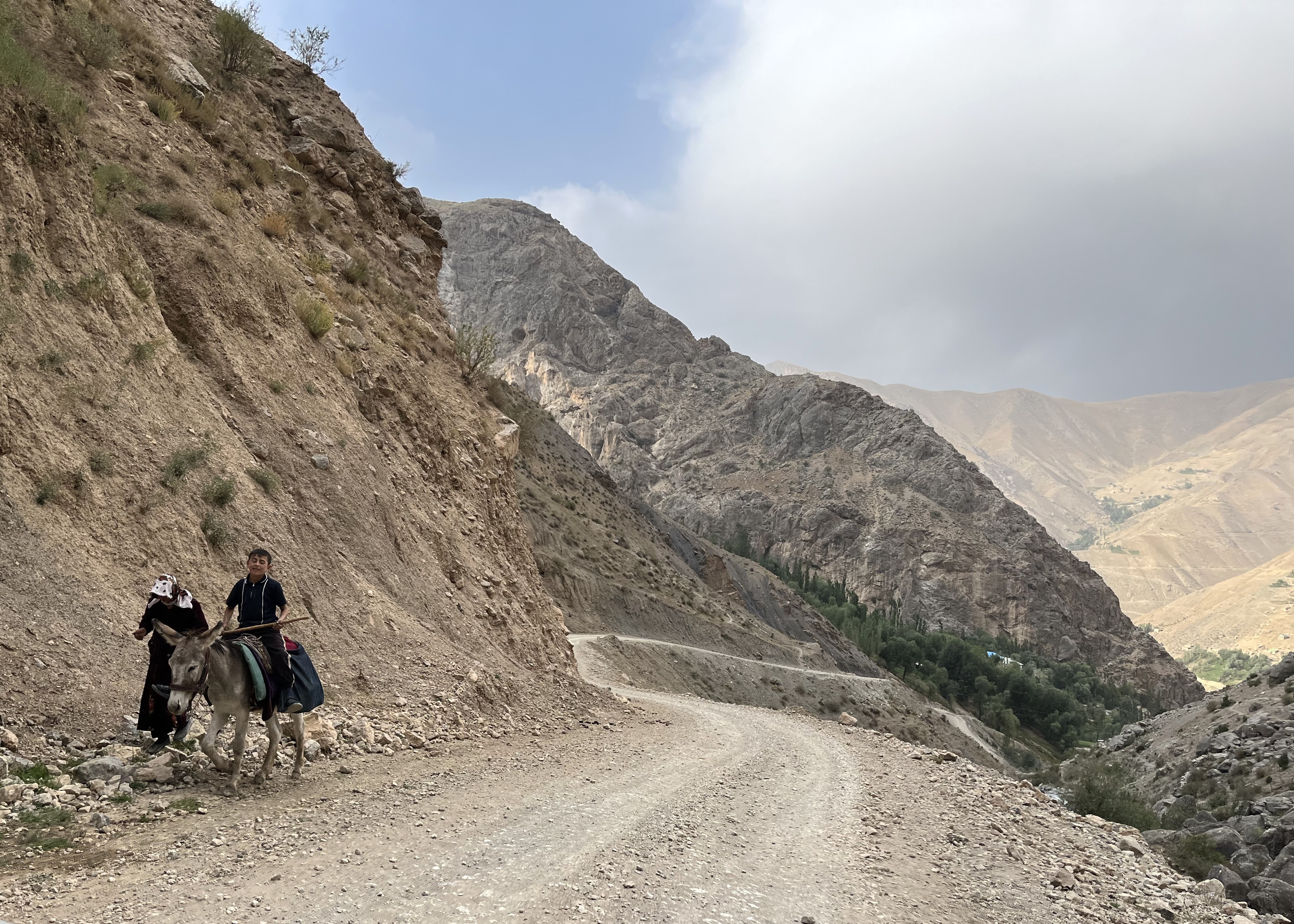
This isn’t just a country that has mountains. The mountains are the country. A whopping 93% of Tajikistan is mountainous.
The roads prove it.
An hour or so north of Dushanbe, which itself lies at a respectable altitude of between 750 and 900 metres above sea level, the road enters the Anzob Tunnel, five kilometres of damp, dimly lit darkness burrowing through the mountains. You can barely see beyond the faint, scattered lights and the dark shape of the car in front. You drive on, hoping that the small, distant patch of light ahead is the exit and not an oncoming lorry.
I hadn’t come to Tajikistan, as many do, to tackle the Pamir Highway, that great Central Asian automotive bucket-list adventure, complete with nomad selfies and glamping yurts. Nor had I come to spend my days being driven from one lake to another, climbing out of a Land Cruiser, taking a photograph and climbing back in. There are only so many lakes a man can admire before even a beautiful one begins to look like the last.
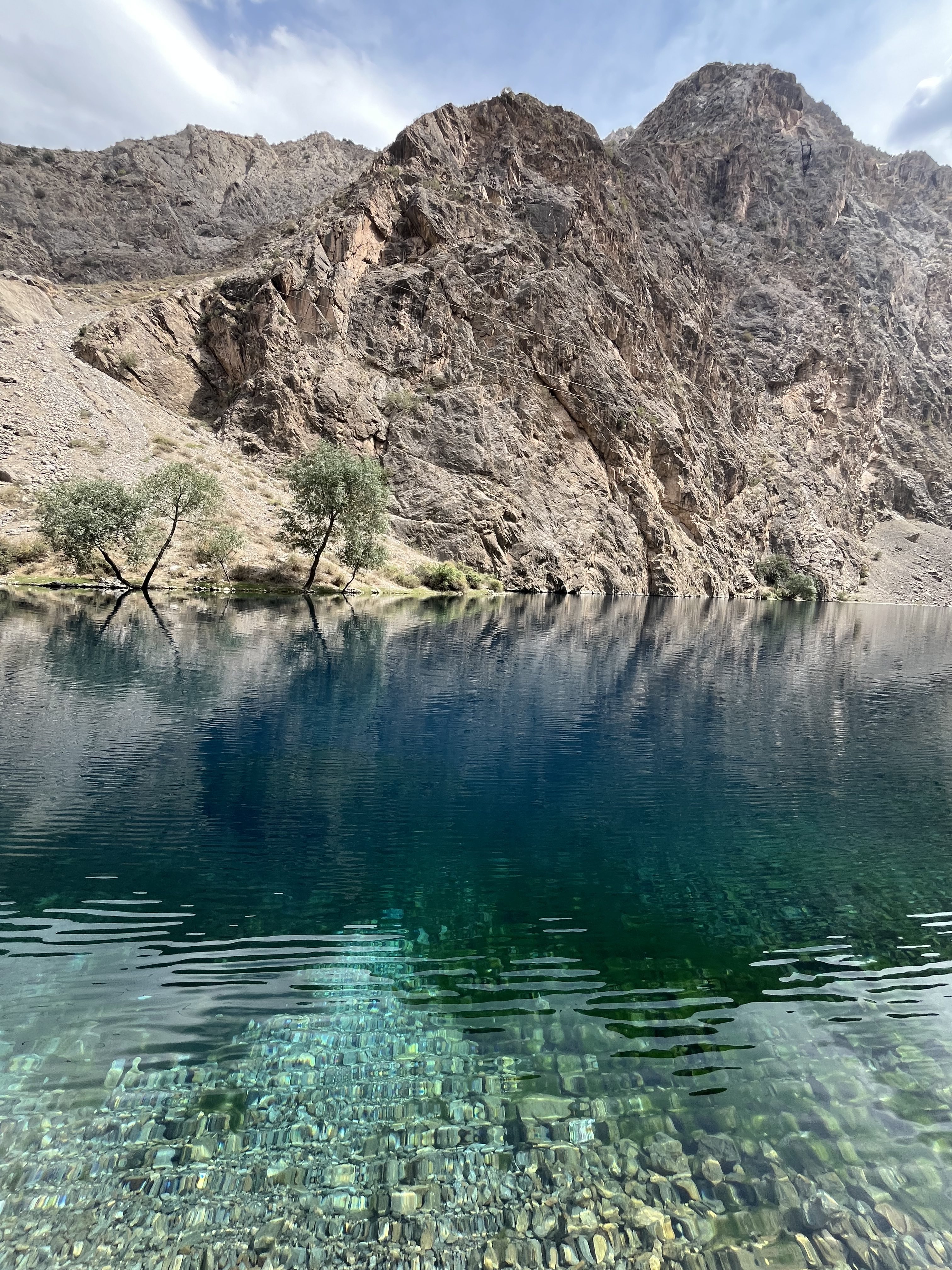
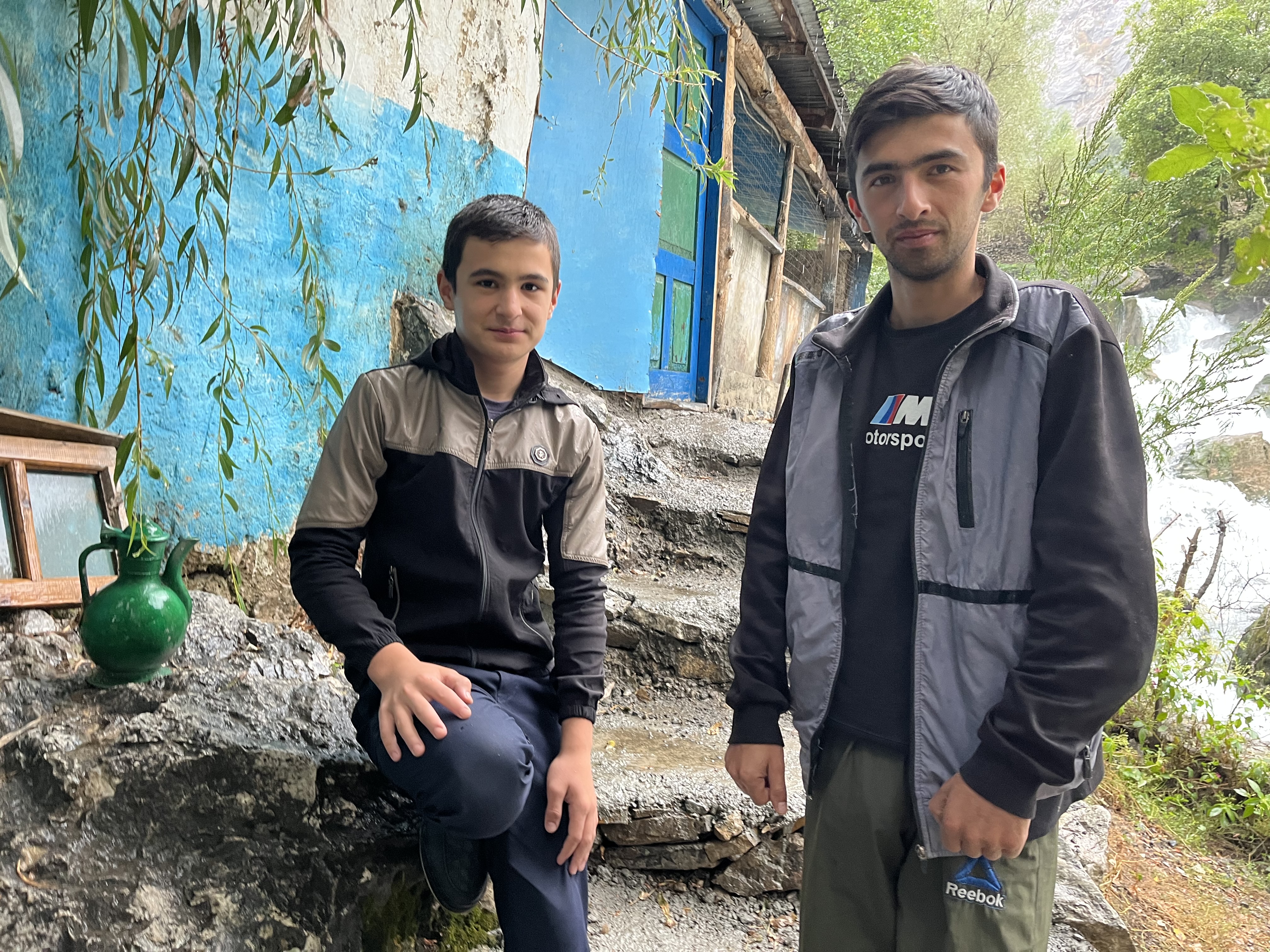
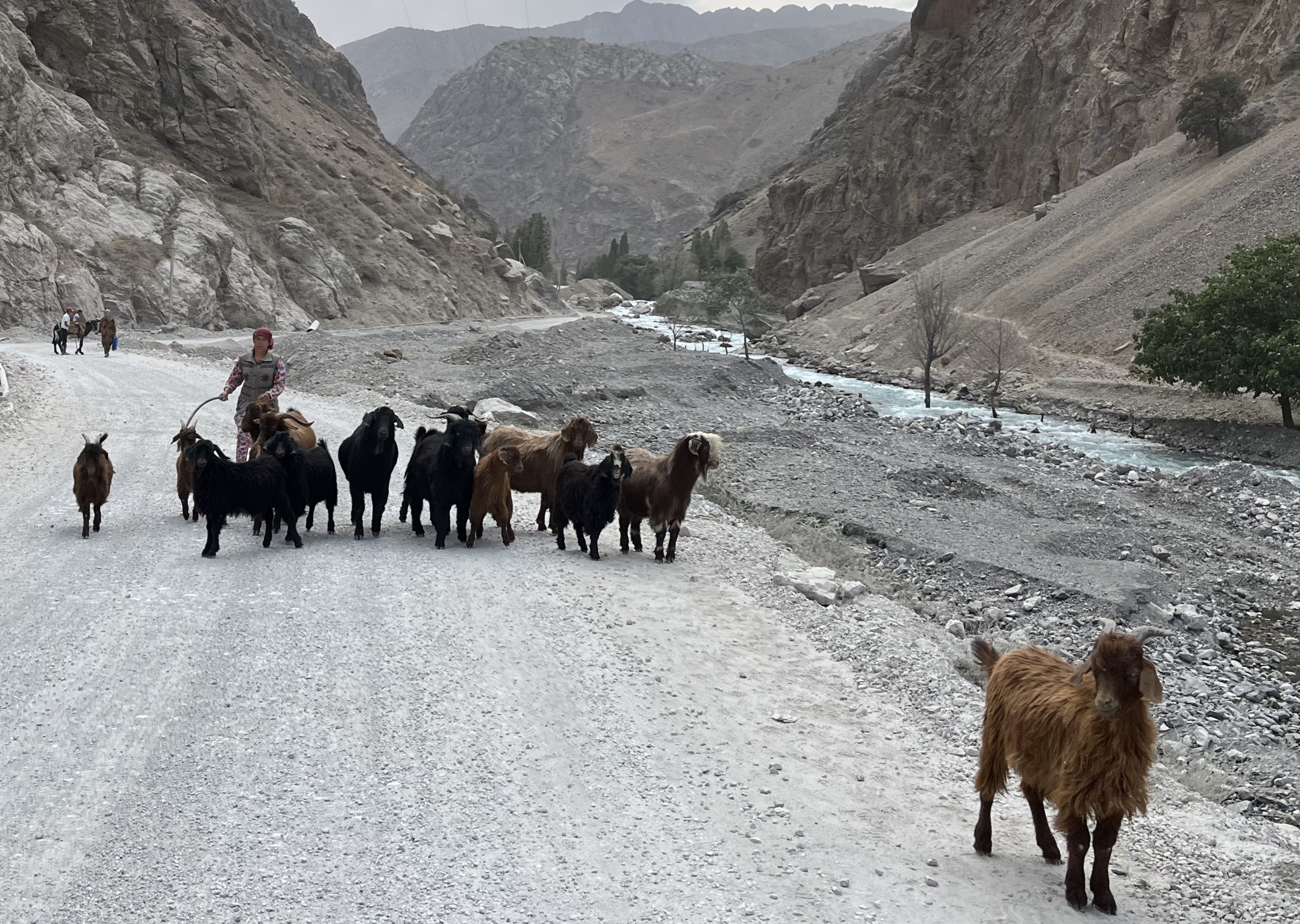
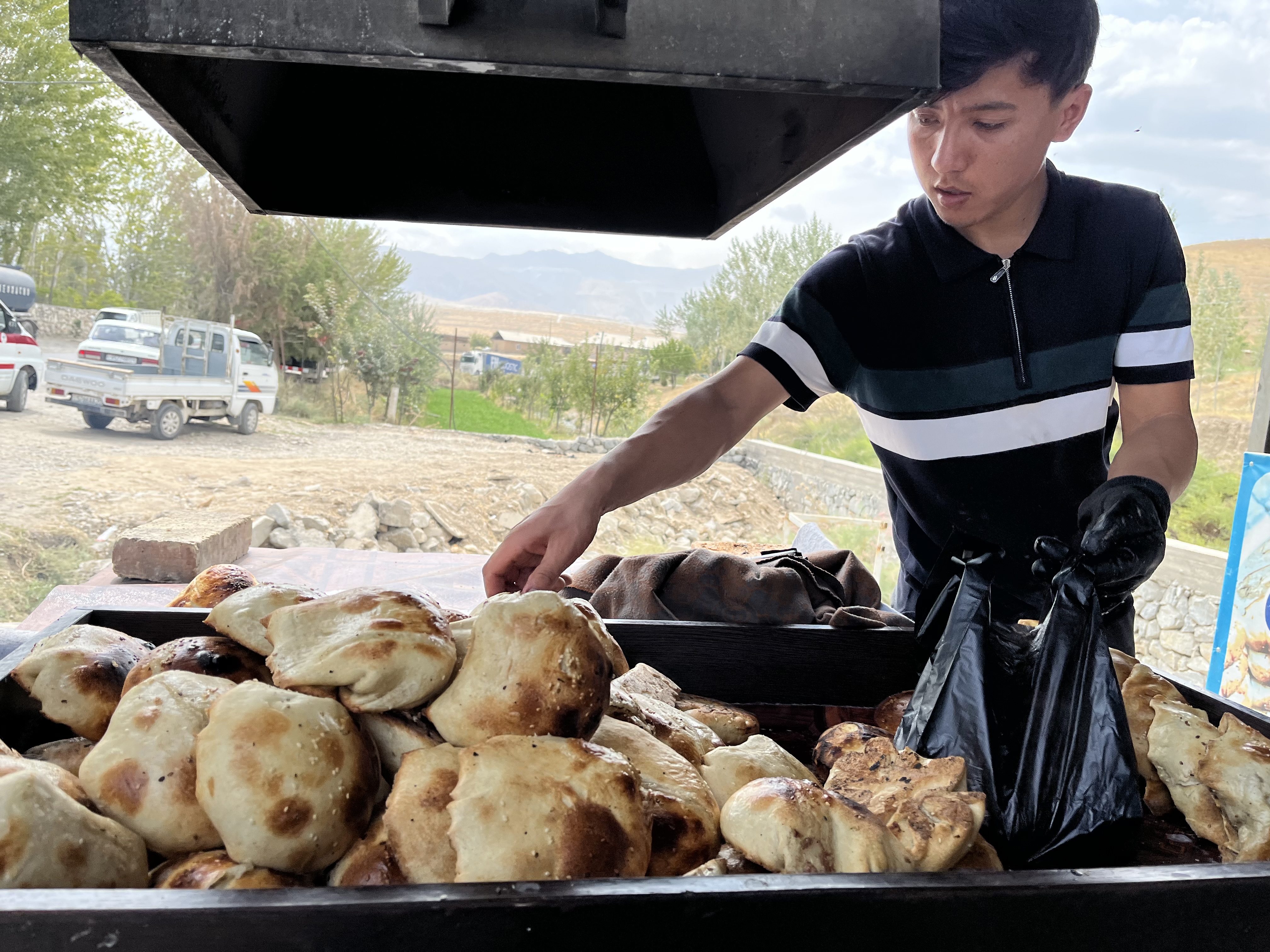
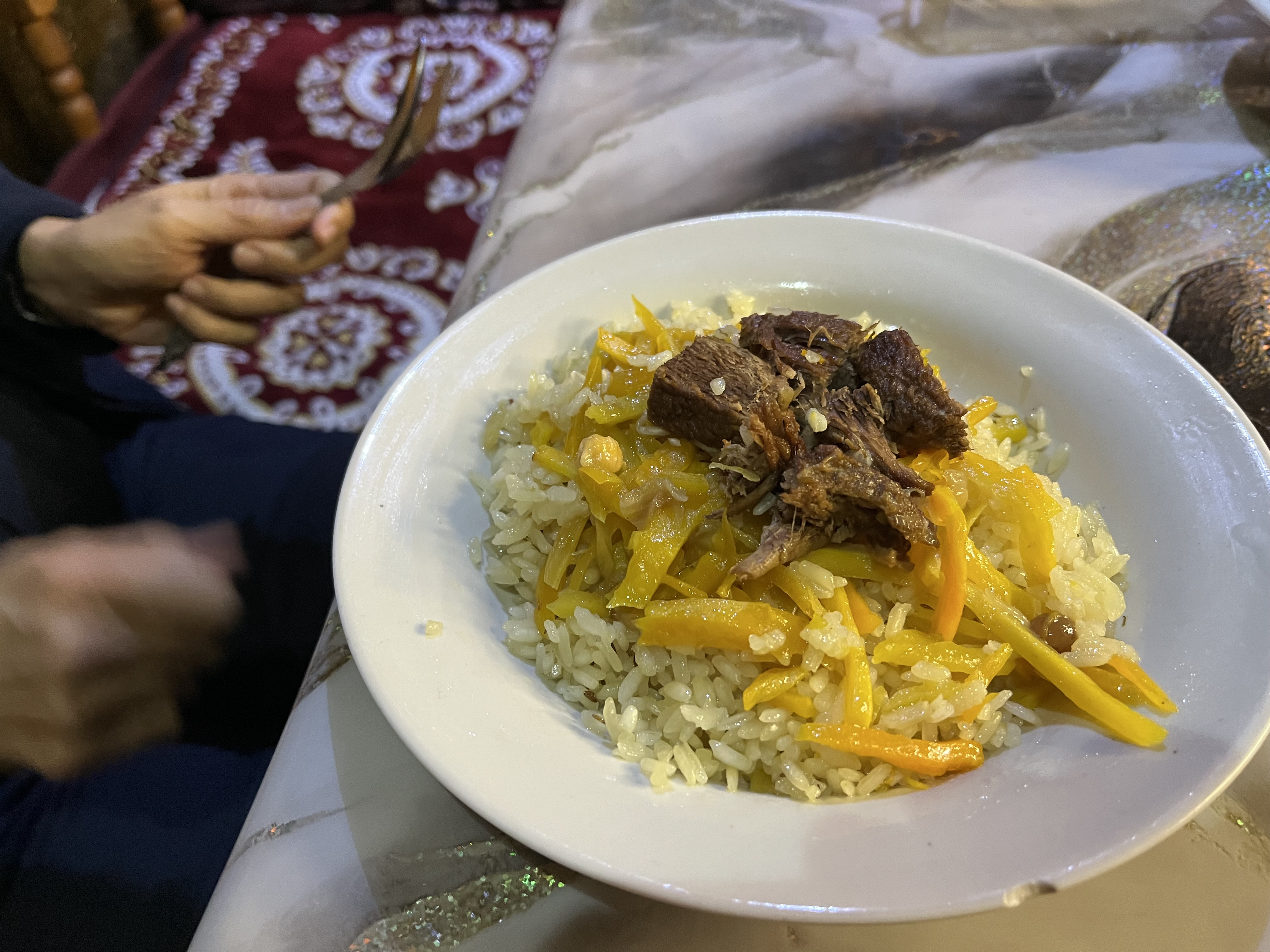
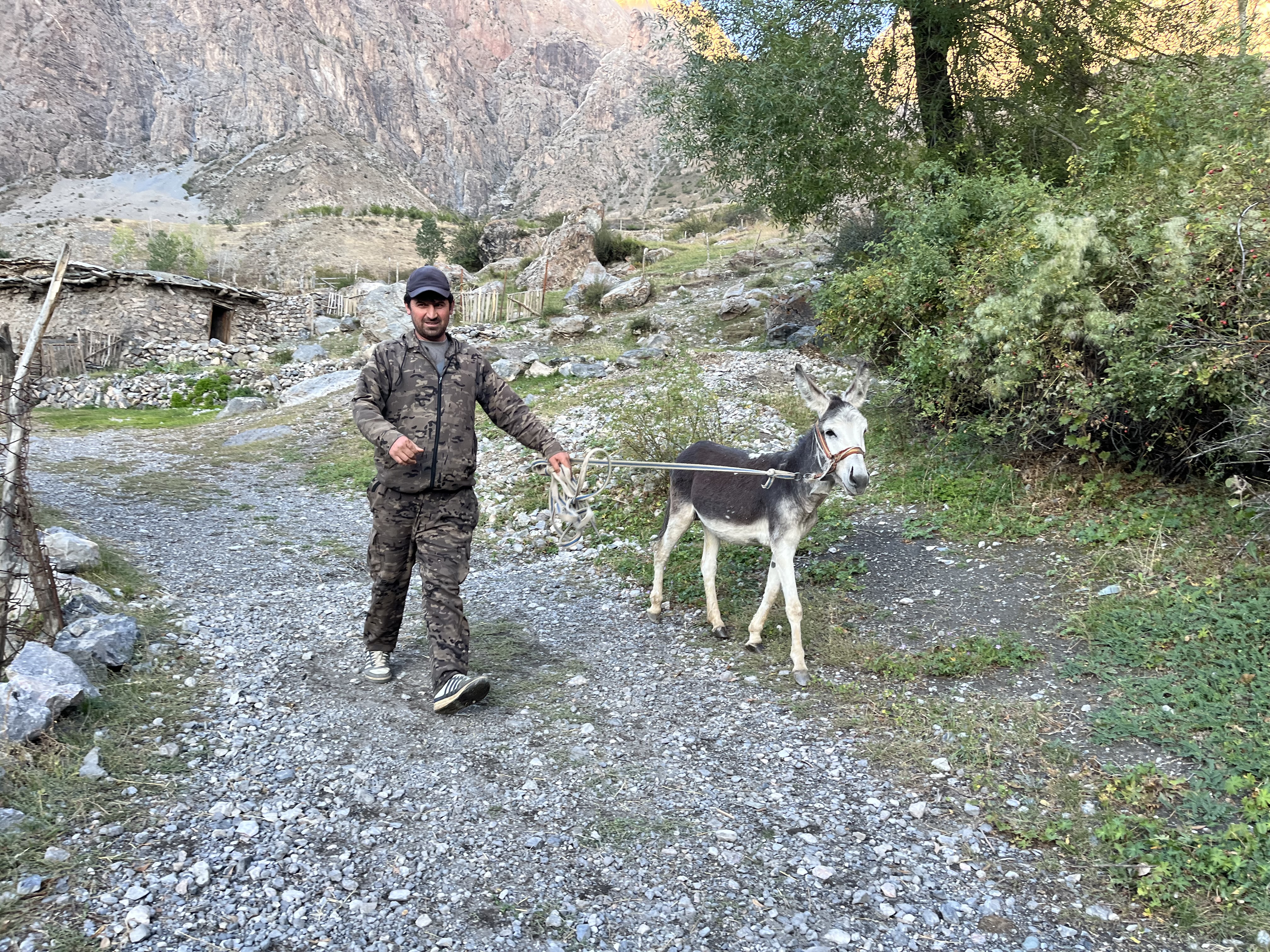
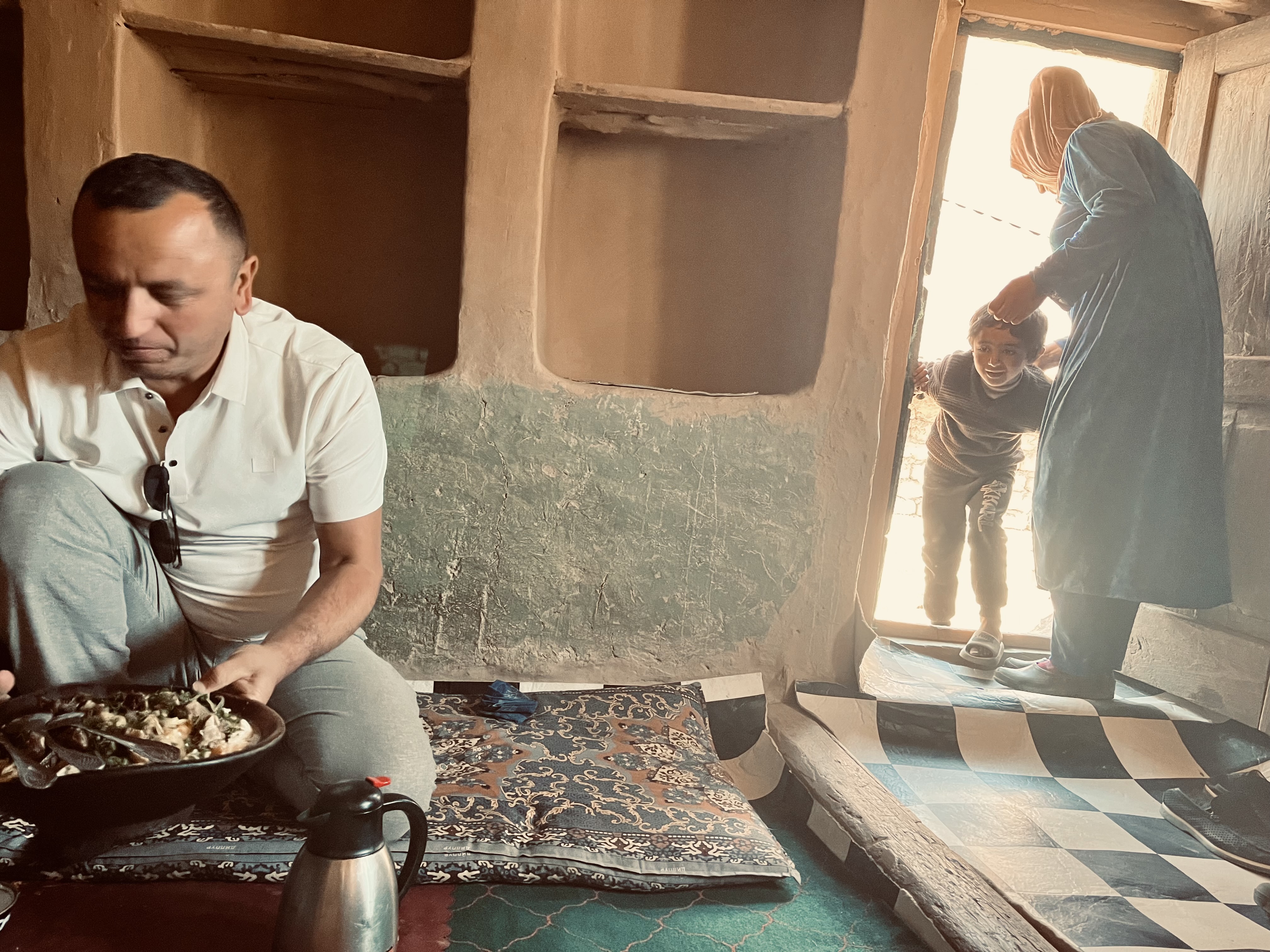
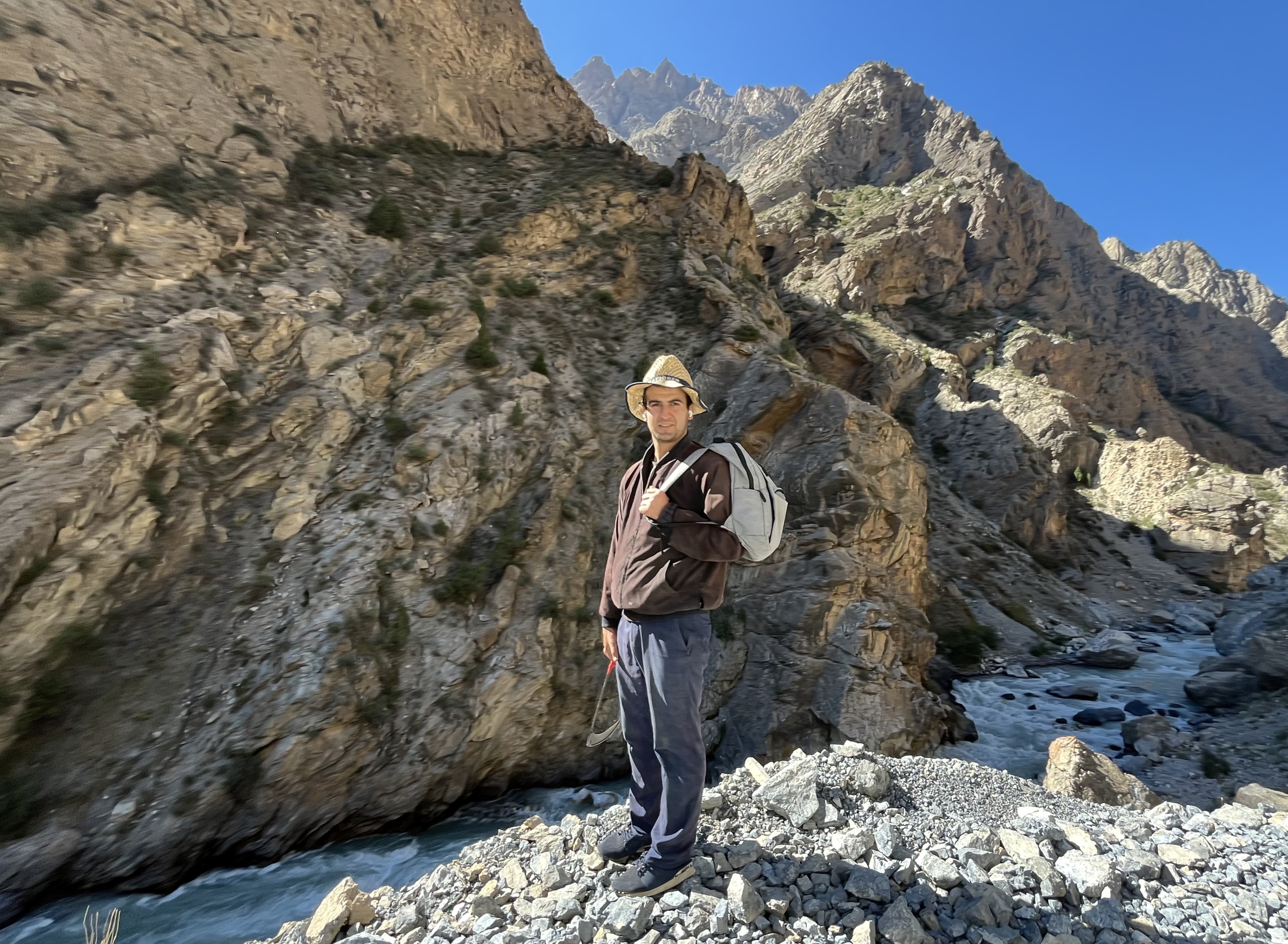
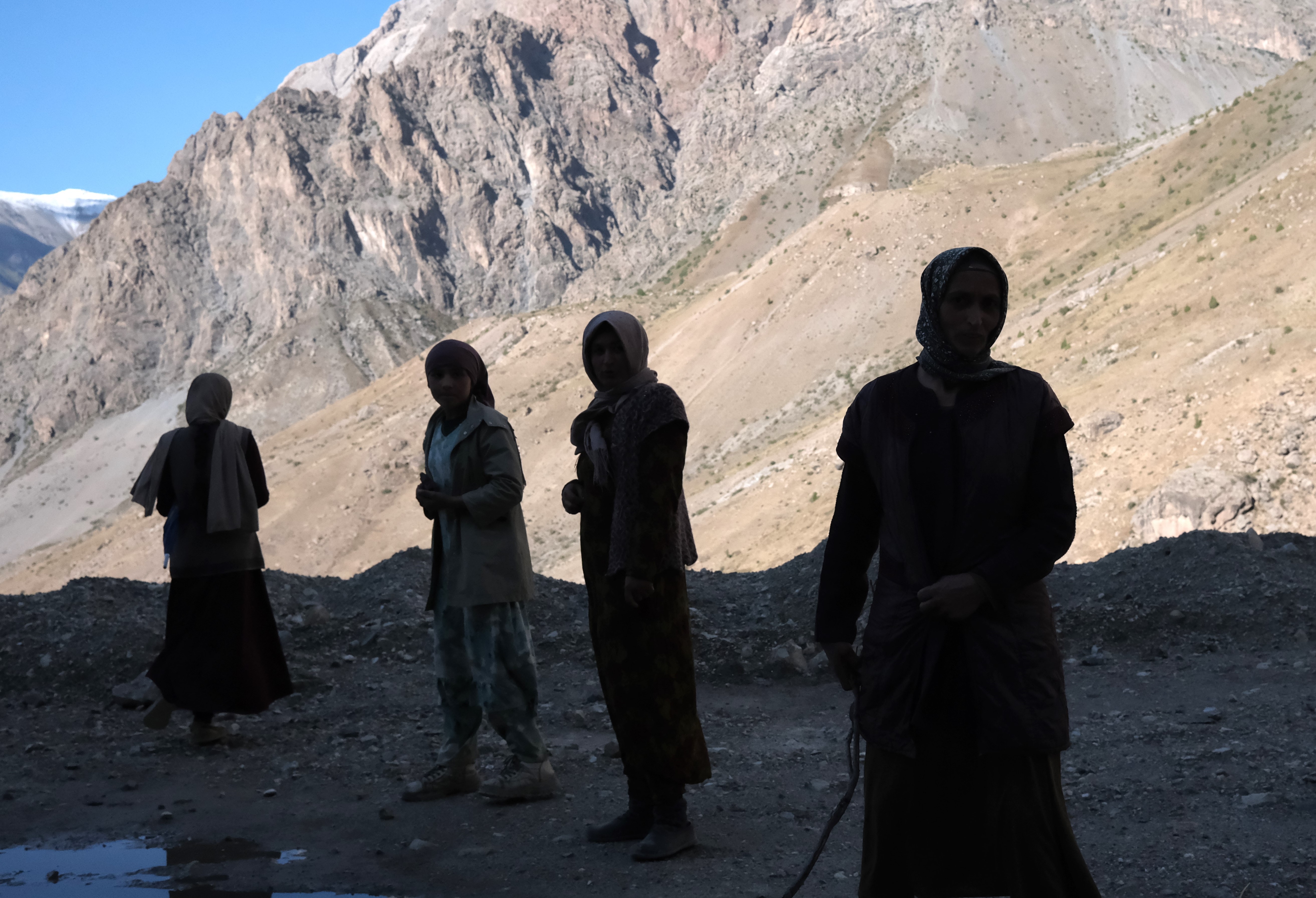
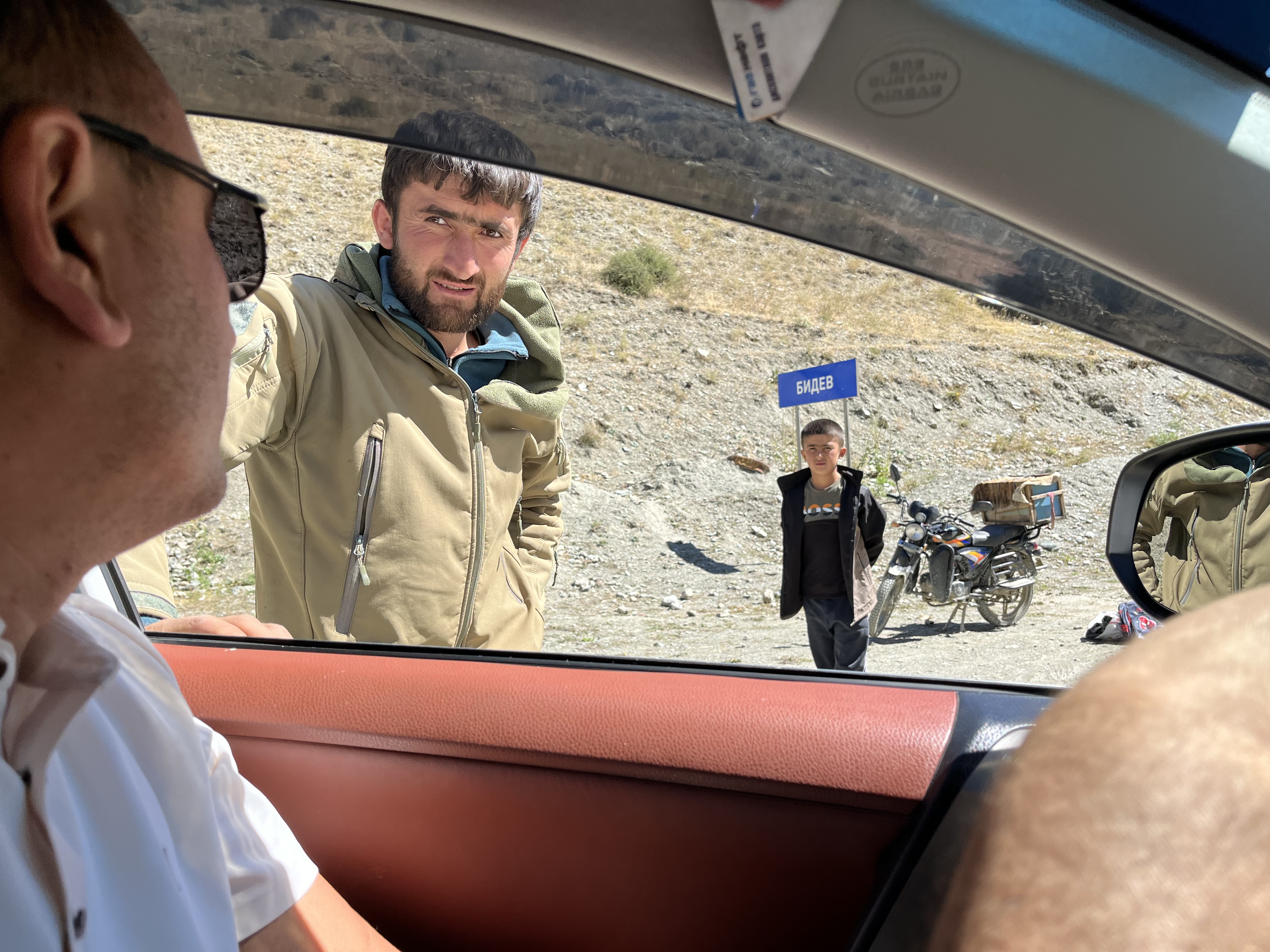
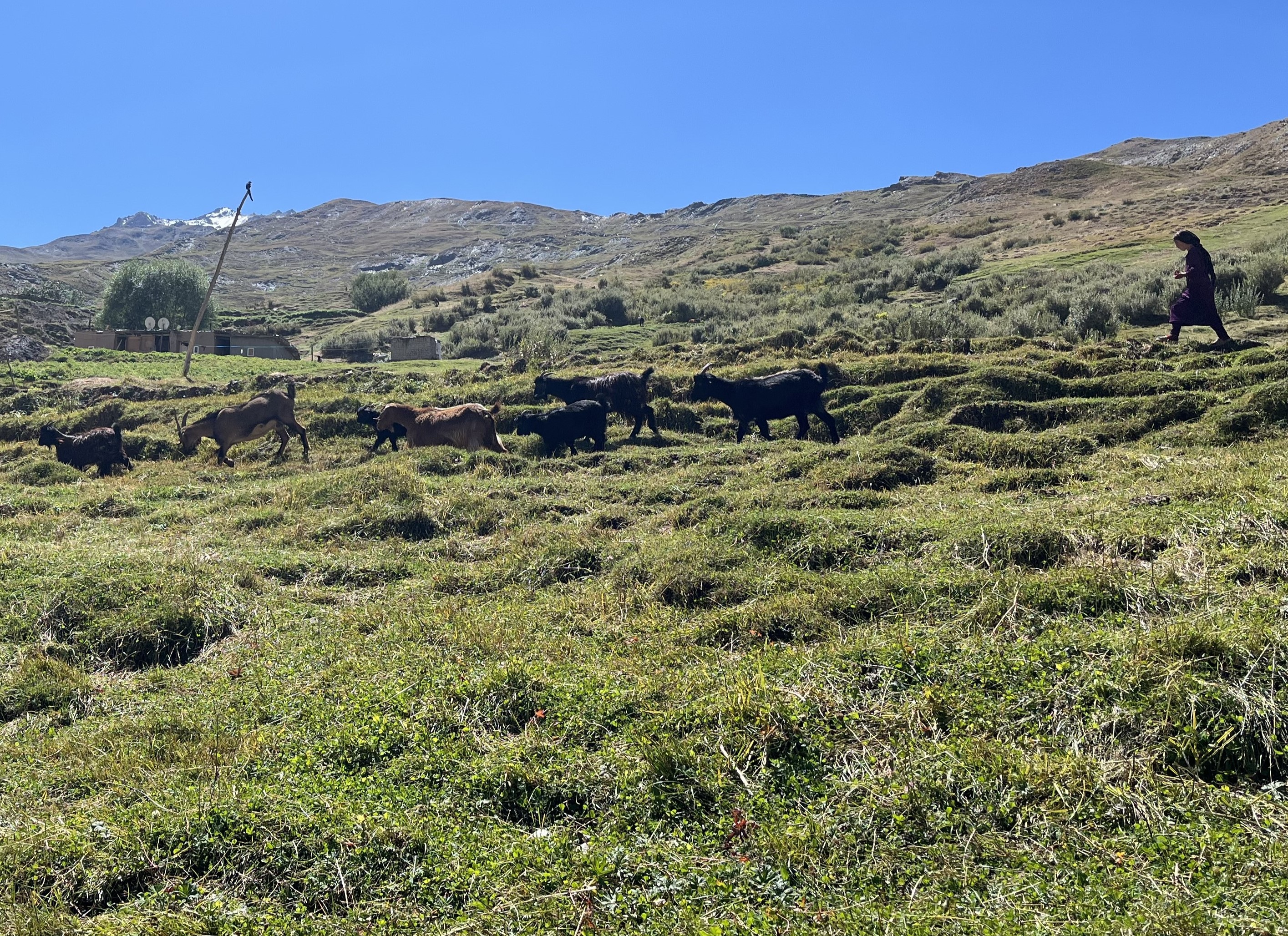
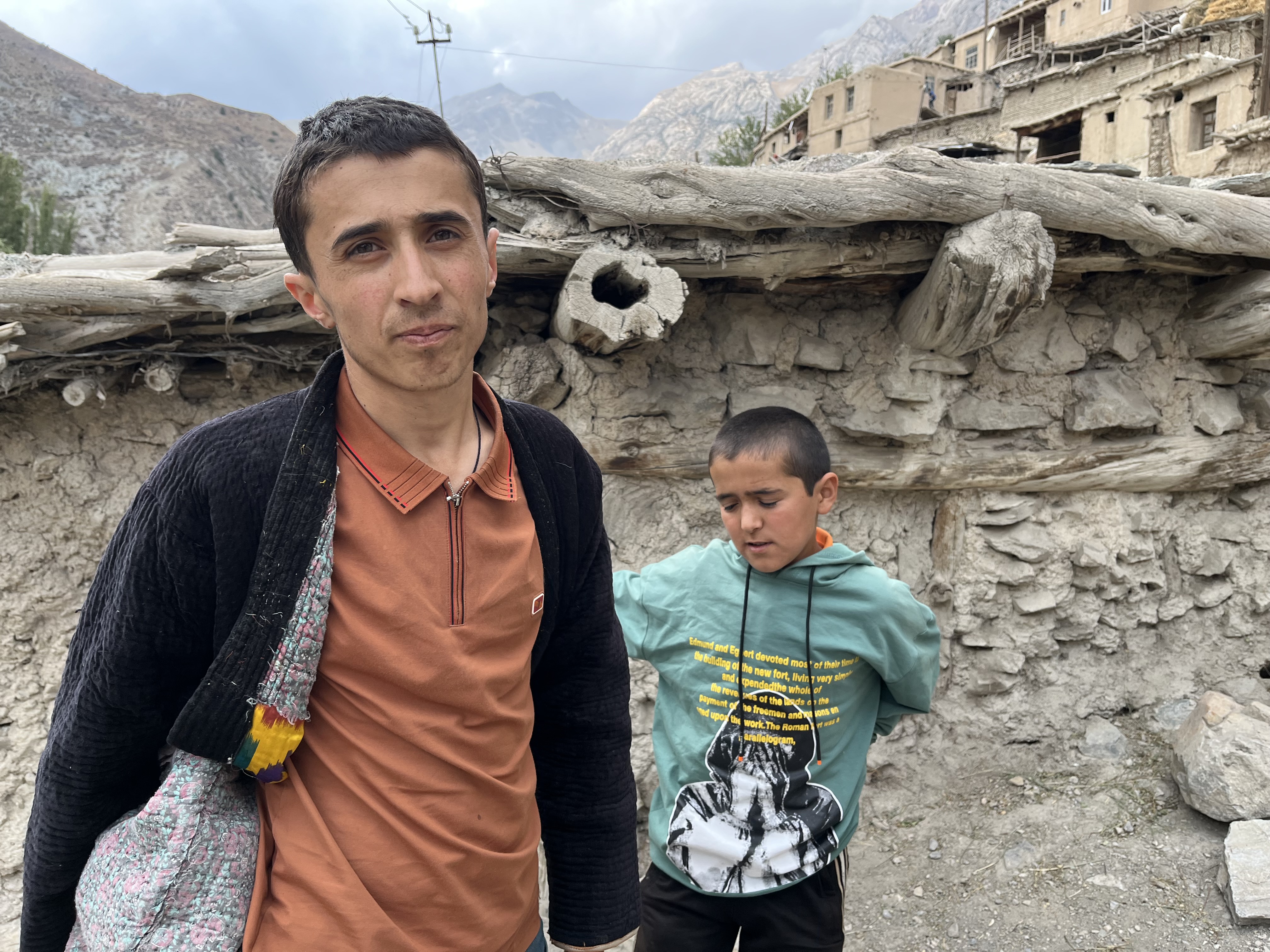
I wanted to explore the country’s small, scenic and historically rich western region called Sughd, slowly enough to see what was going on beyond the scenery.
We started with Iskanderkul and Sarytag, then to Voru and Panjakent, drove up and stayed a night at the Seven Lakes, or Haft Kul. From there, we dropped Khujand from the plan and doubled back to Panjakent before heading to the mountain village of Margeb that served as gateway to the hauntingly isolated, heartstoppingly beautiful Yaghnob Valley. Finally, it was back to Dushanbe for our flight to Tashkent.
We travelled in a Toyota RAV4. The first driver spoke passable English, though his people skills could have done with a little servicing. The second, Zokir, who took us to Yaghnob, was a gem: perpetually laughing and smiling despite the tough mountain roads. We had no common language, but somehow managed to get along fine with a smattering of Russian, extravagant gesturing, and plenty of shrieks, grunts, oohs and aahs. Think three Teletubbies on a road trip.
Eight days later, we were back in Dushanbe, having covered a fair stretch of western Tajikistan. It had been a good trip, with its share of surprises, sore bums and roads that looked considerably shorter on Google Maps.