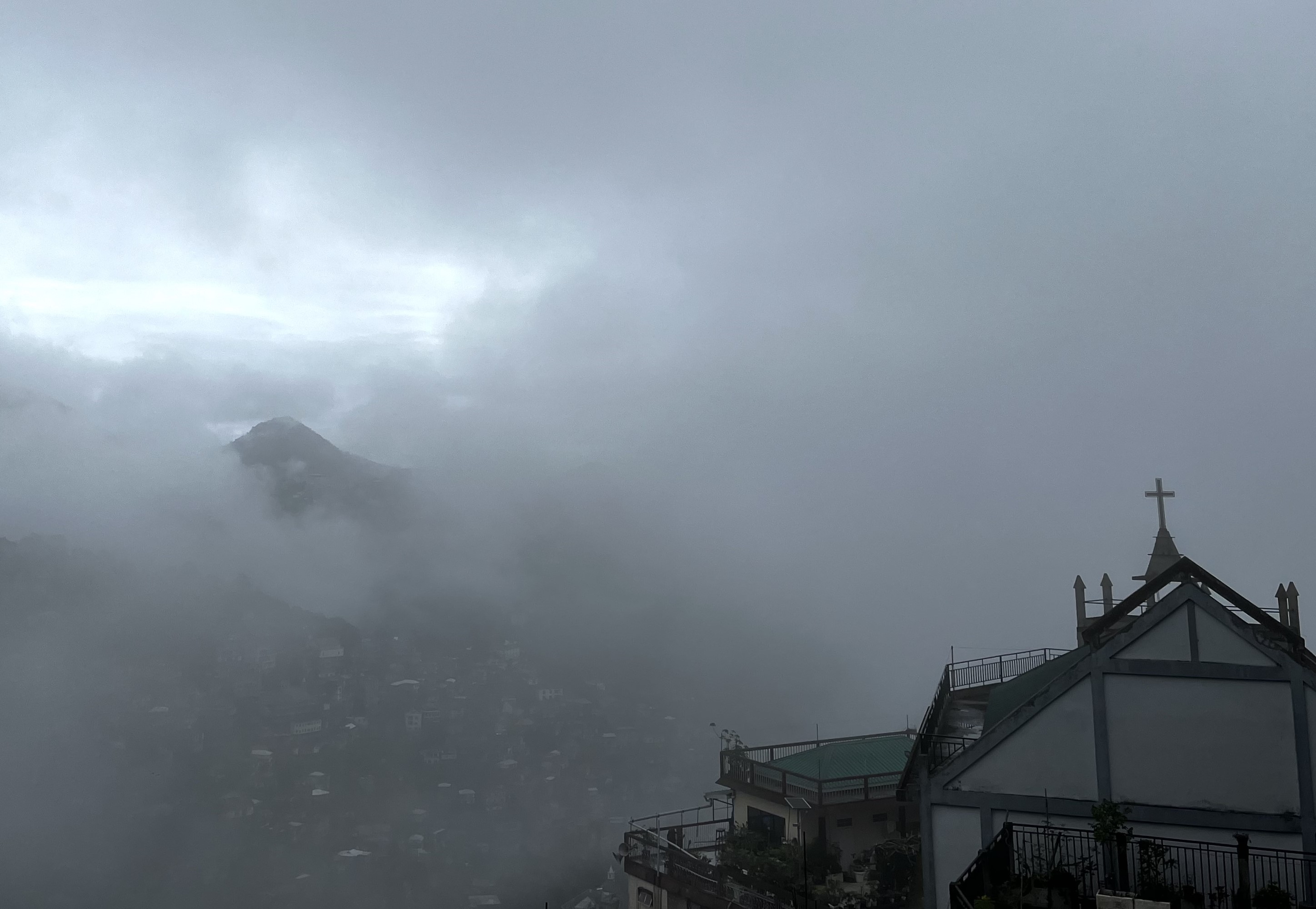
I’m hitting a milestone this year, and instead of celebrating, I’m doing what I do best—running from it. So I grab Yen, and set off this time to one of India’s most remote corners—the overlooked, underrated Northeast. Our destination? Aizawl, the capital of Mizoram, a place Rough Guide describes as looking more like a country in Central America than a state squashed between Burma and Bangladesh. No tourist hordes, no flashing signs—just the kind of place that hides in plain sight, quietly under the radar, with just enough urban niceties and modern comforts to keep it from feeling too off the grid.


We touch down at Lengpui Airport, where the red carpet’s rolled out, and soldiers in parade headdresses and a military band stand by, ready to welcome delegates to some important conference. After the obligatory paperwork to get our Inner Line Permit, we meet Buanga, the driver sent by our homestay, who’s here to take us to a neighborhood with the no-nonsense name of Bethlehem Veng.
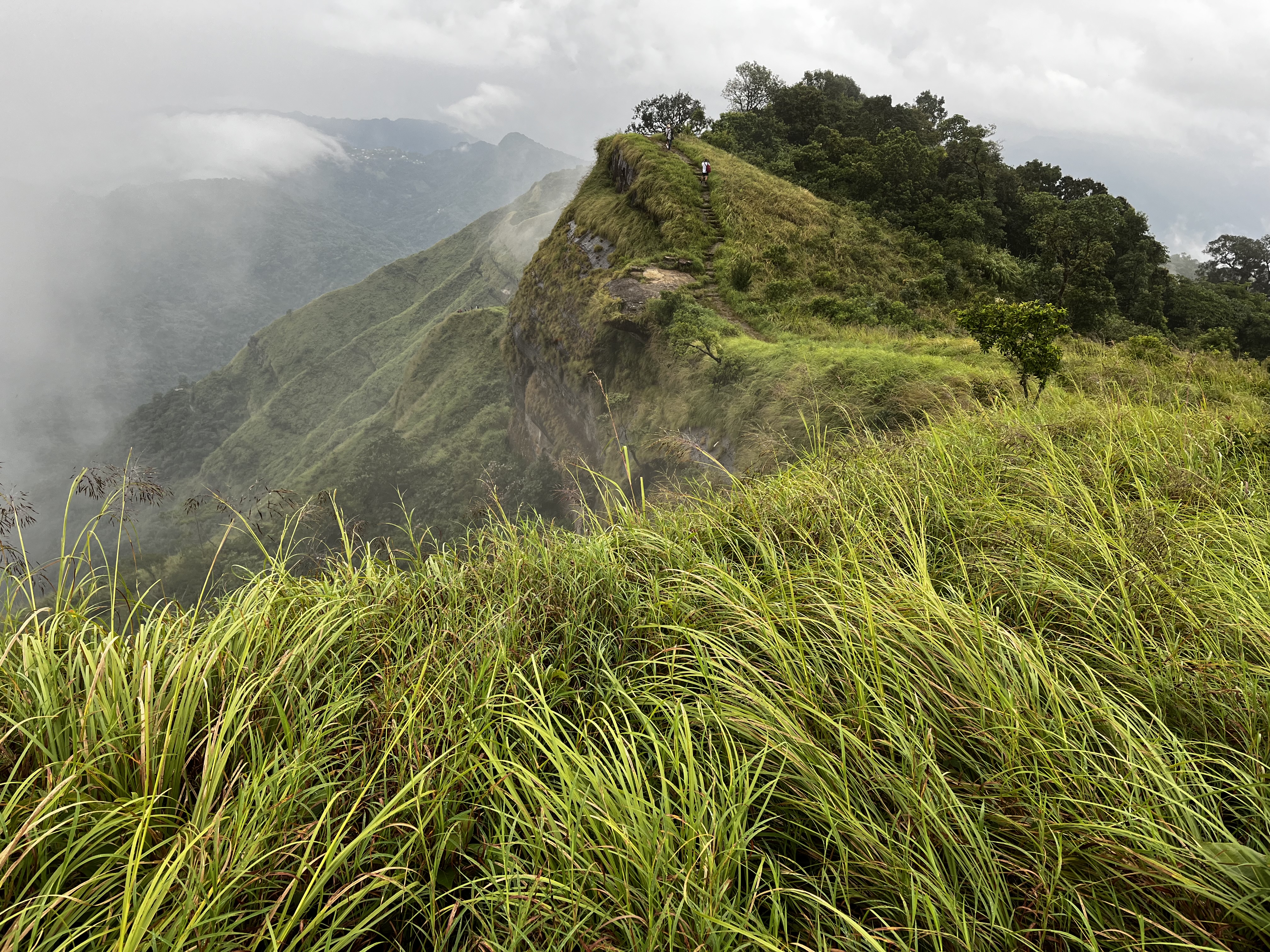
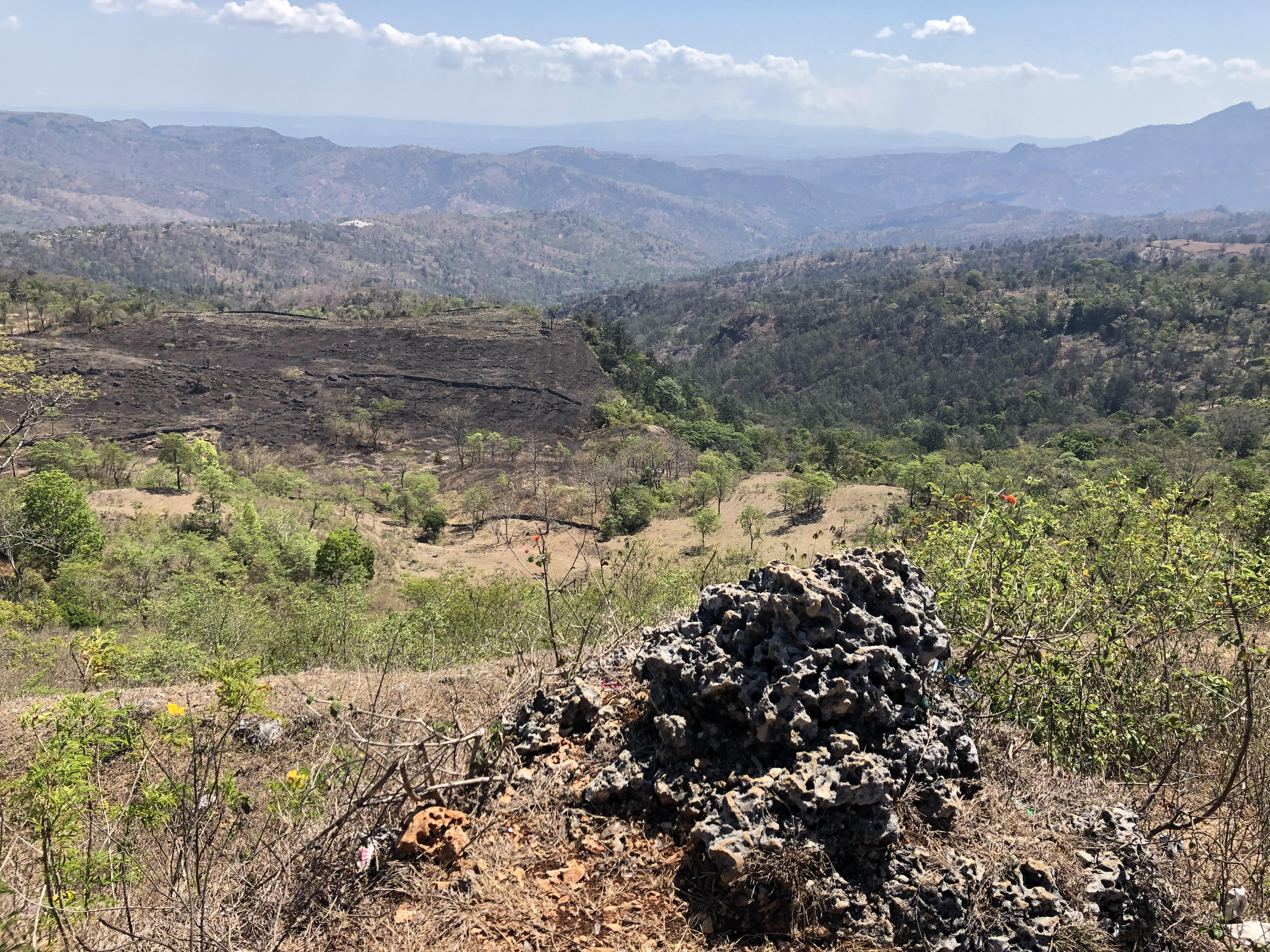
The drive up to Casablanca Homestay winds through vine-draped jungles, passing houses and huts with rusty roofs that extend over the steep slopes, presenting a panorama of untouched, primeval greenery. It is the kind of ride that shakes you from any travel daze as the road takes on twists and turns sharp enough to make your stomach question its last meal. I roll down the window; the air is filled with the earthy scent of wet foliage and the decibel-defying sound of chattering cicadas.
When we finally arrive, there’s nothing to say “Welcome, tourists.” From the car porch, it looks more like a storehouse or bunker clinging to the hillside than a cozy hideaway—iron sliding gate, plain walls, no plants to cheer things up.
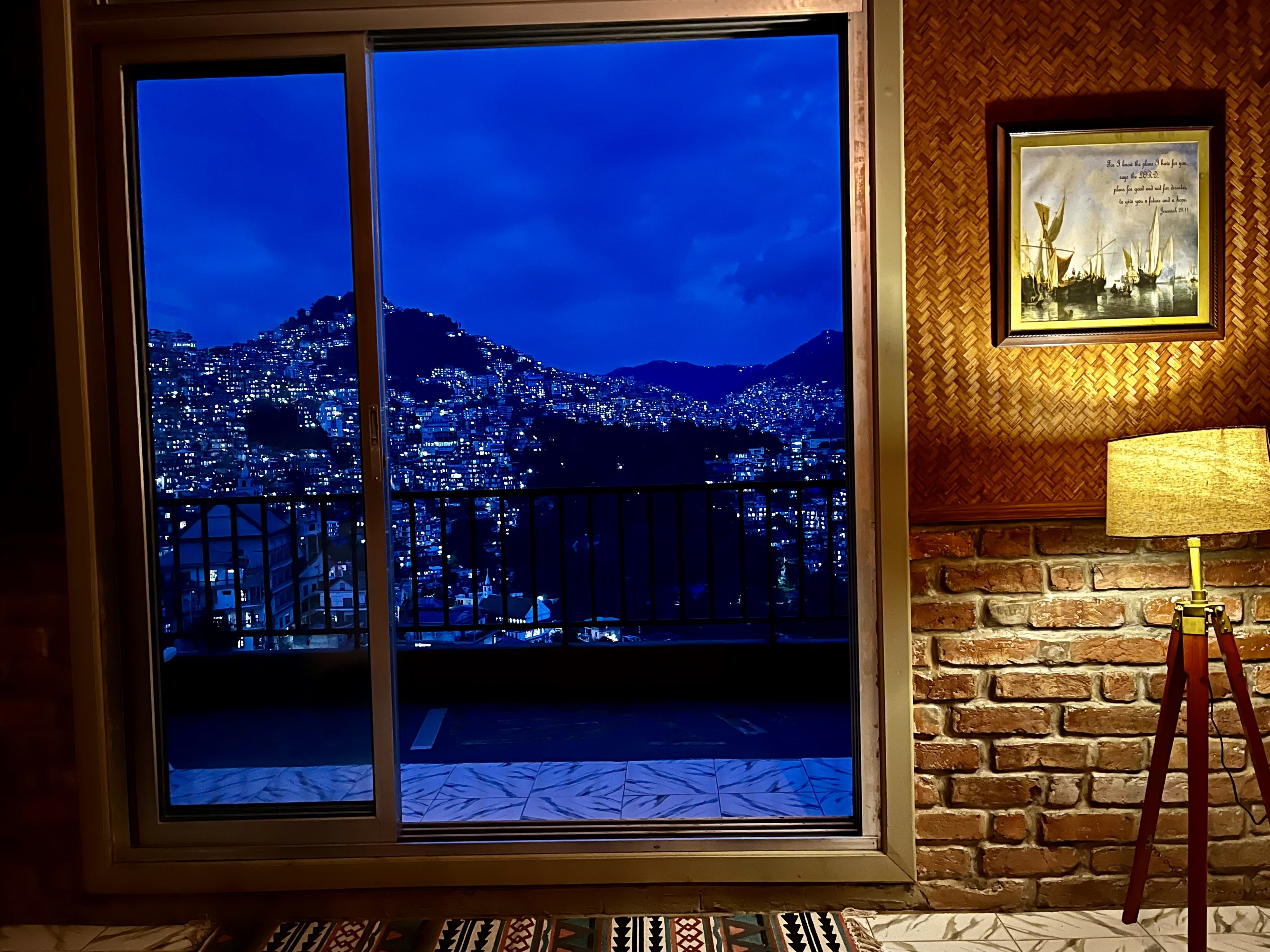
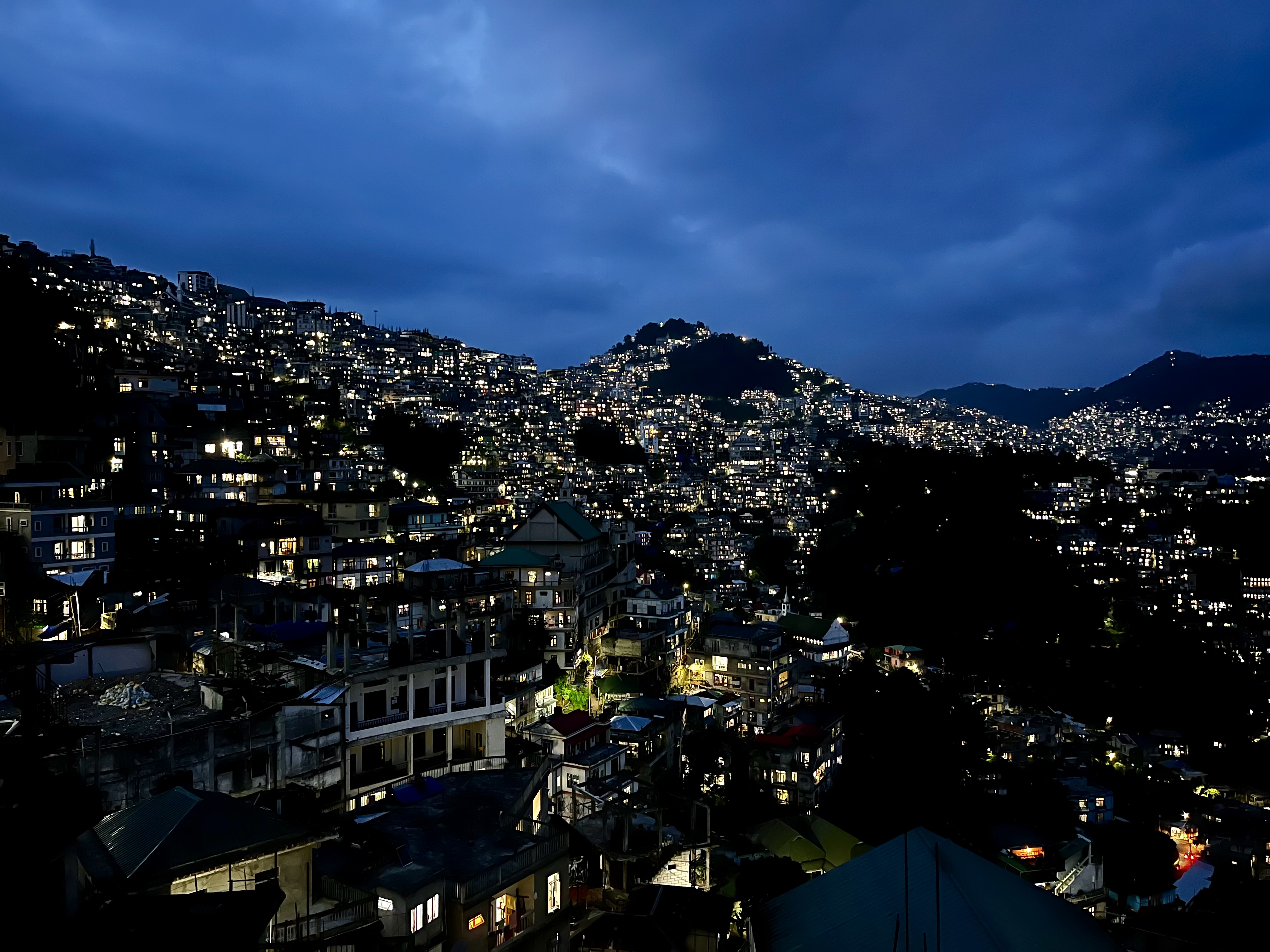
But then Isak Vanlalruata, our host, brings us through the door, and the mood changes. Inside, it’s a different world—wooden furniture, warm standing lights, tasteful and partly ethnic decor — cottagey, but with a certain elegance and class. Through the wide windows that span our whole room, the entire city unfolds. Aizawl astounds us like a sudden slap to our sleepy faces—a sprawling, buzzing city clinging to the hillsides, gripping the ridges like barnacles on a rock. The view is absolutely amazing. We can’t take our eyes off it, at that moment and for the next couple of days.
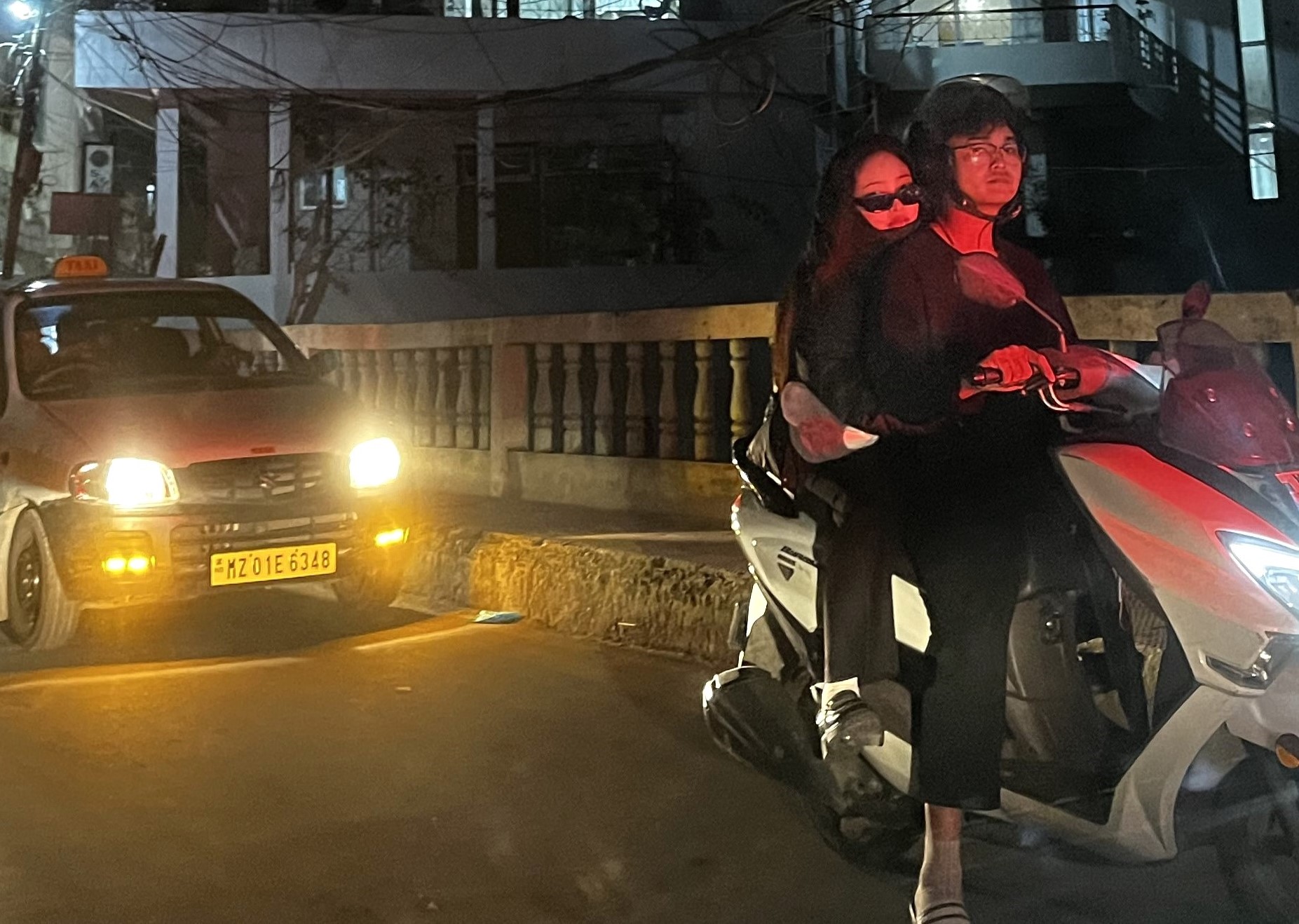
At night, the city transforms into something magical. The hills sparkle like a Christmas tree, thousands of tiny light bulbs scattered over the mountain slopes, each one clinging to its own precarious ledge.



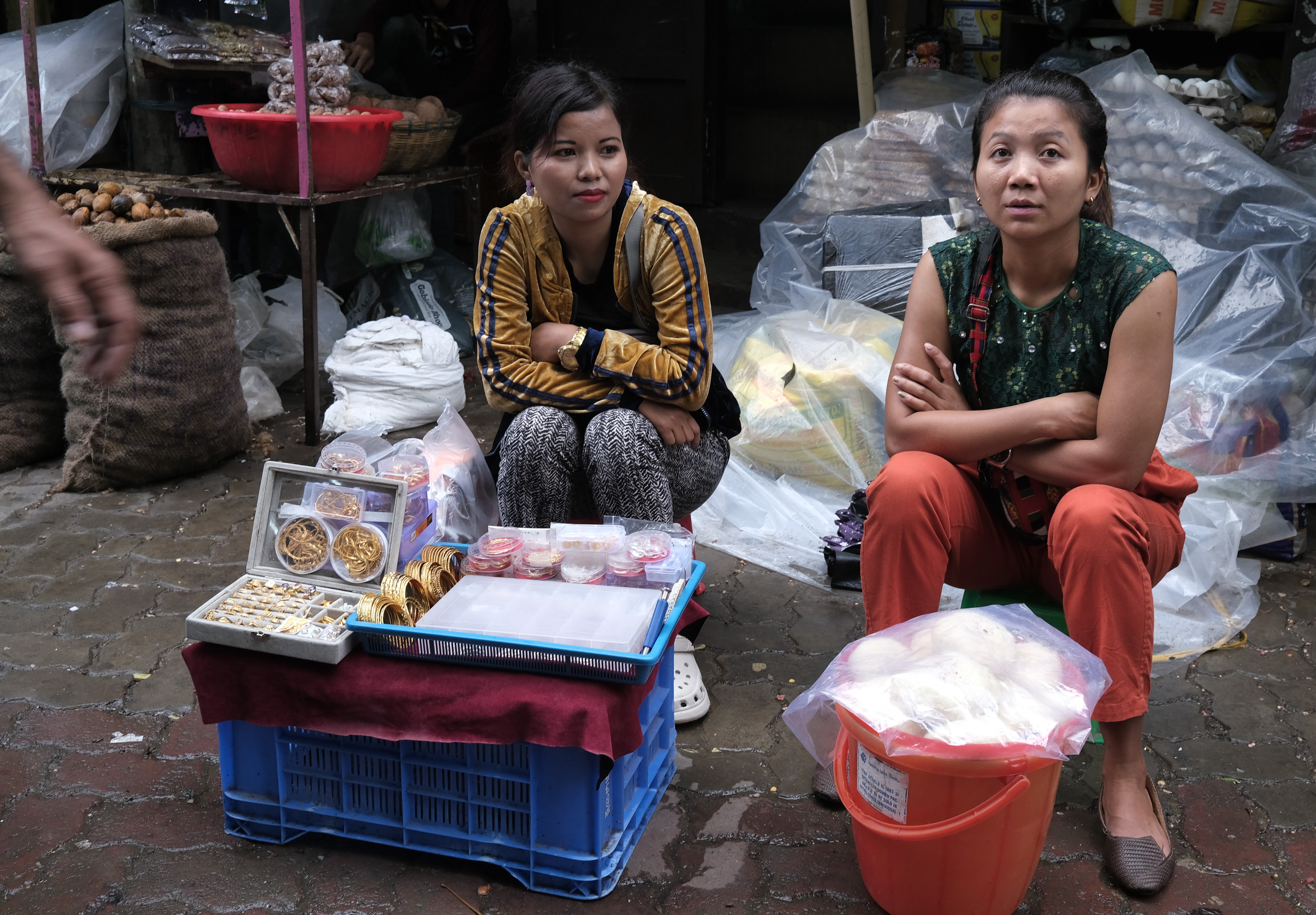
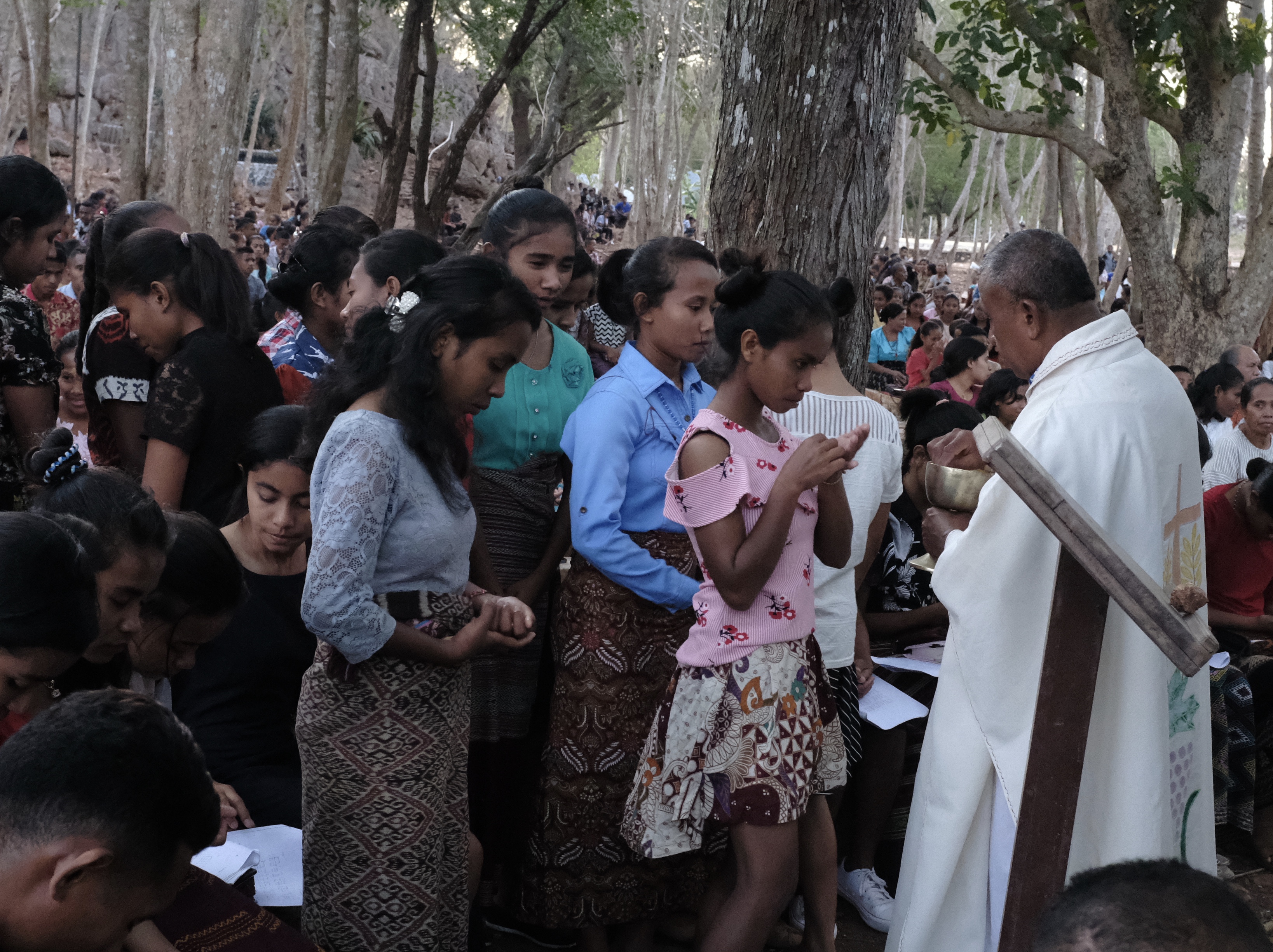
The Mizo people take their faith seriously. They are almost entirely Christian and Sunday here isn’t just a day of rest; it’s something sacred. The entire city shuts down. Churches fill with the sound of choral hymns, and from sunset to sunrise—and throughout the day—you can hear the soft, soothing, and rhythmic clang of bell chimes. It’s as if the whole city pauses in unison to catch its breath, to reflect, and to pray.
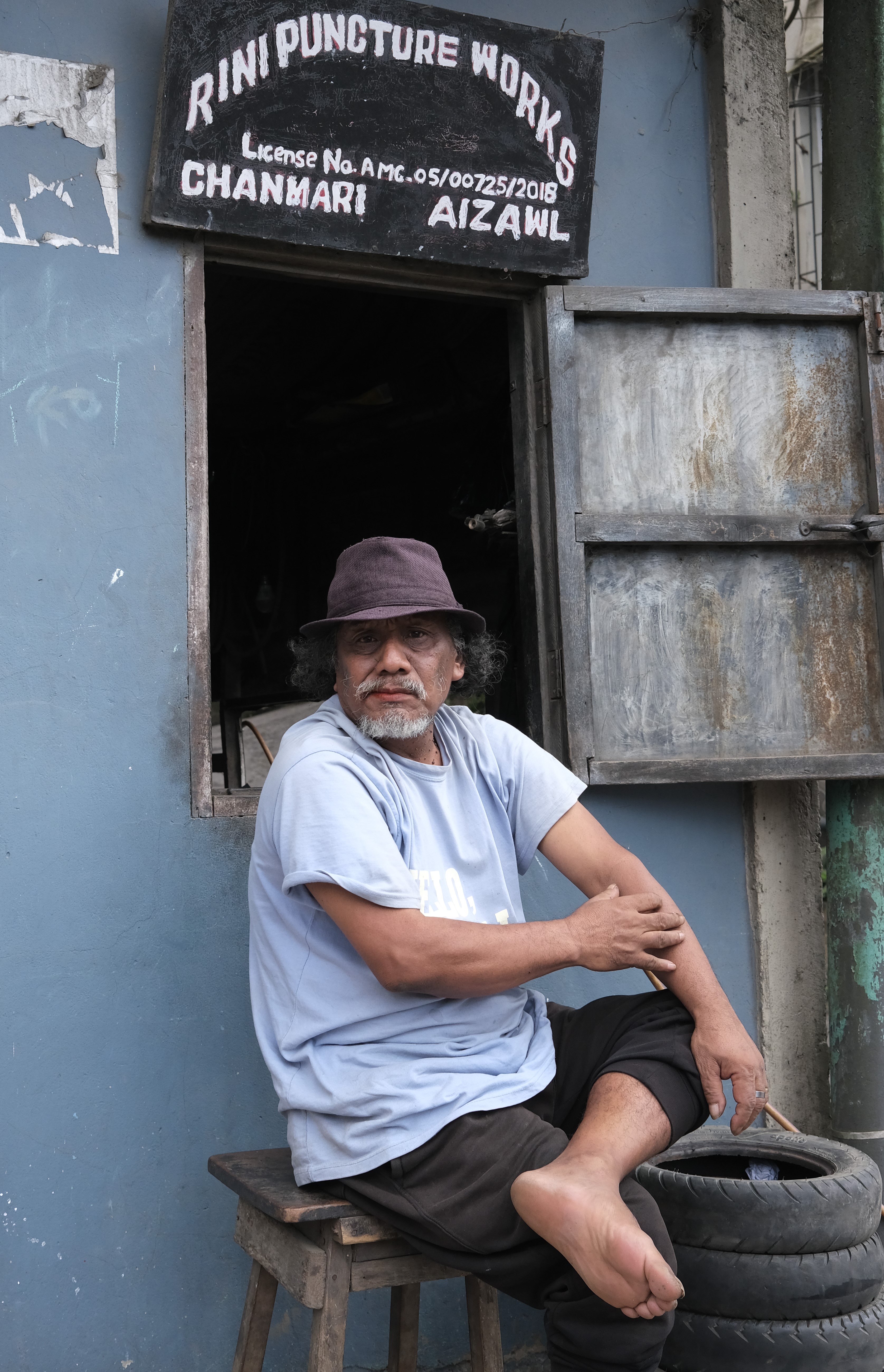
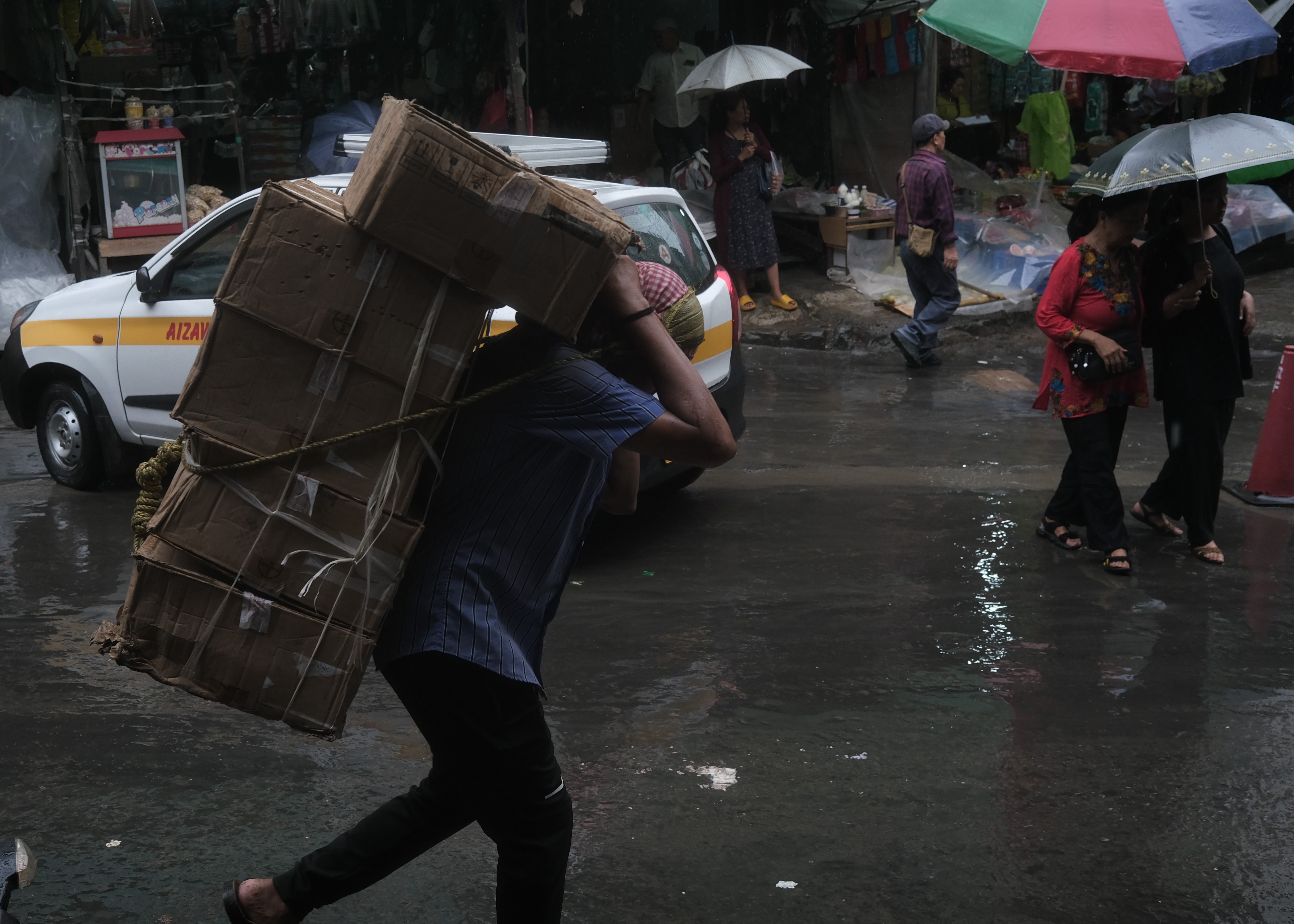
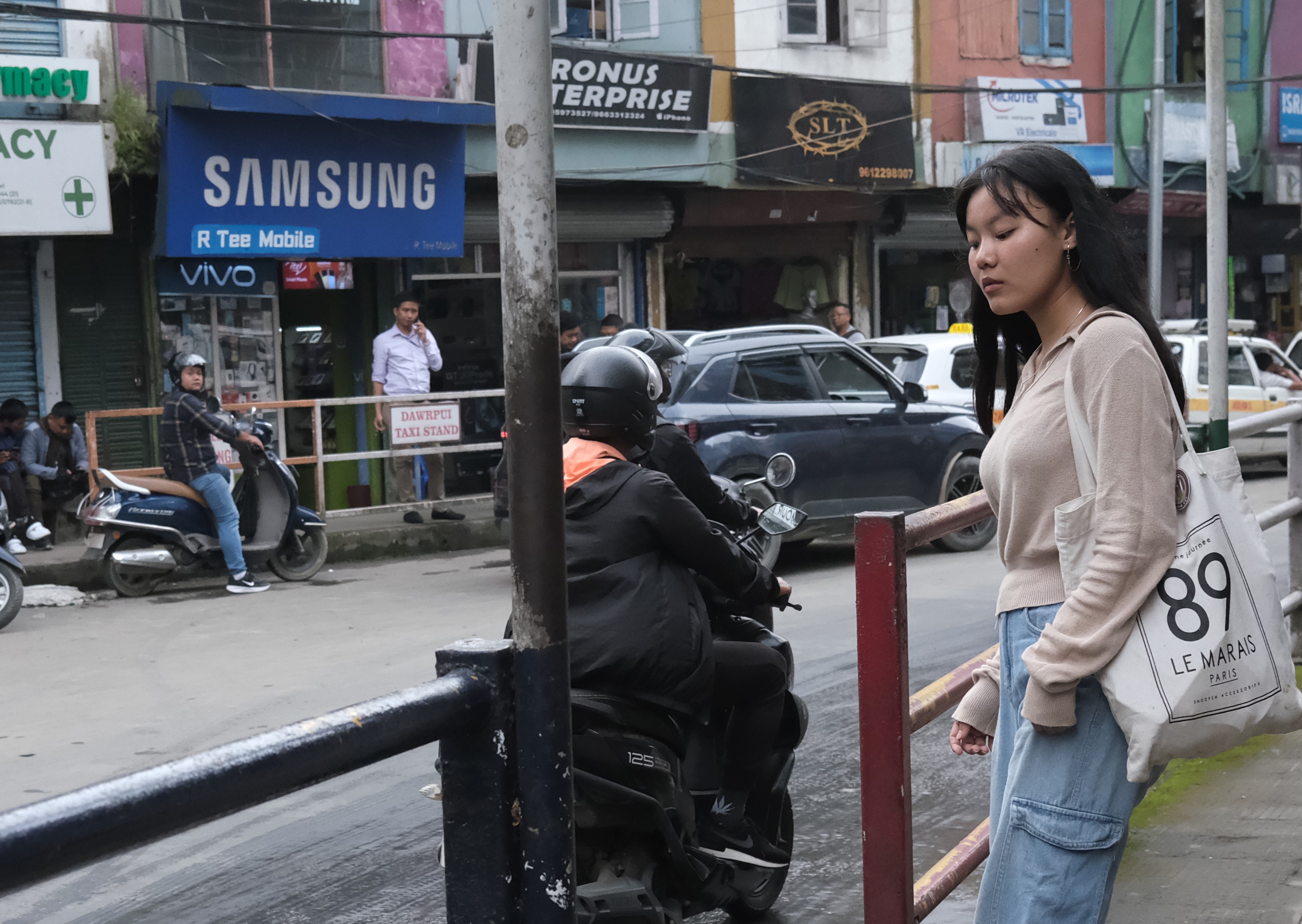
Aizawl is content to just quietly exist, perched on its hillside. It doesn’t seem to care whether you come here or not. It doesn’t see the need to build grand monuments or lively tribal markets to lure you in, nor are there souvenir shops peddling funny hats and fridge magnets. Nothing is plastered with “must-see” or “world heritage” signs for wide-eyed visitors. But that’s part of the charm, and that’s what I like about it.
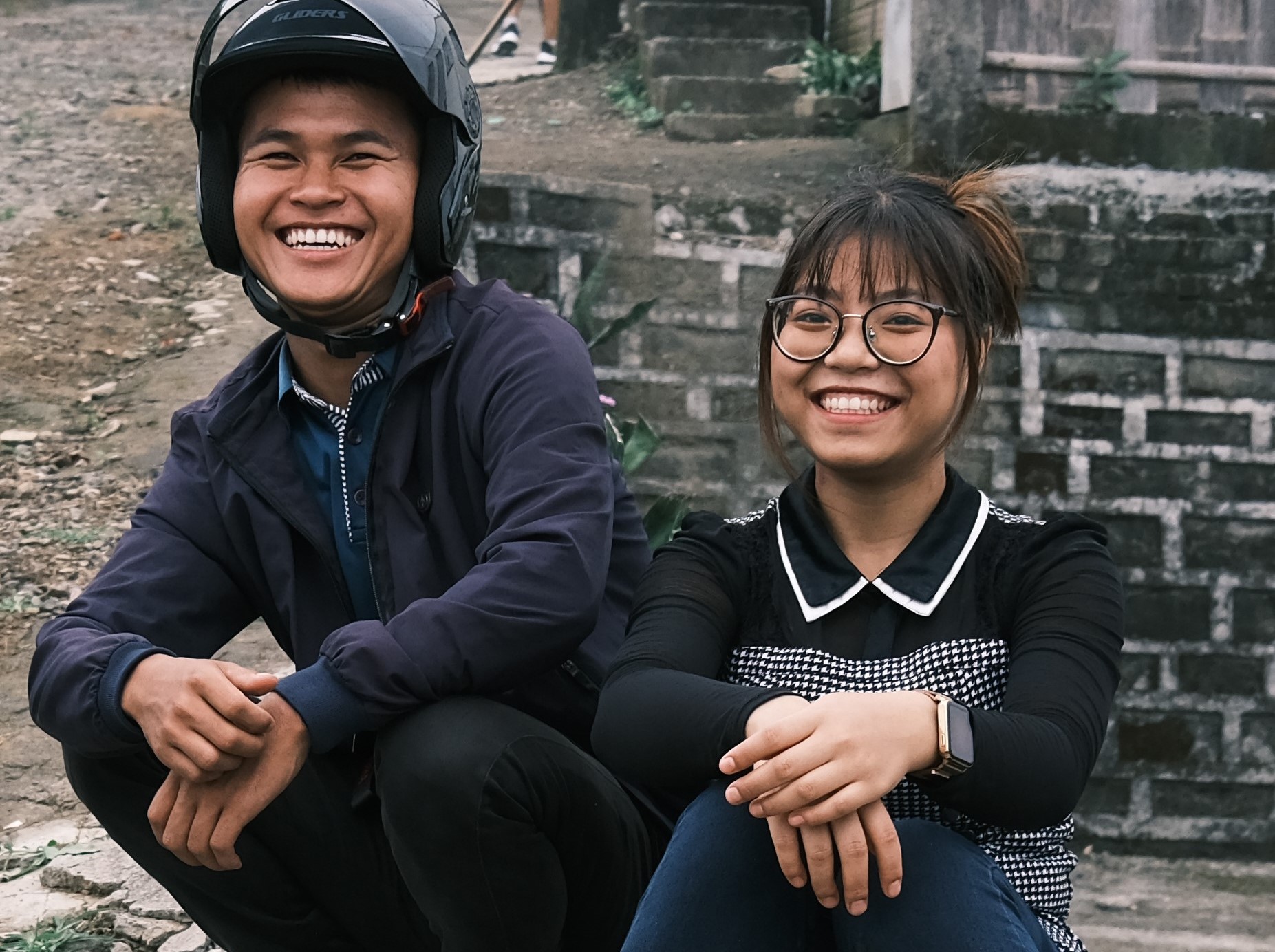
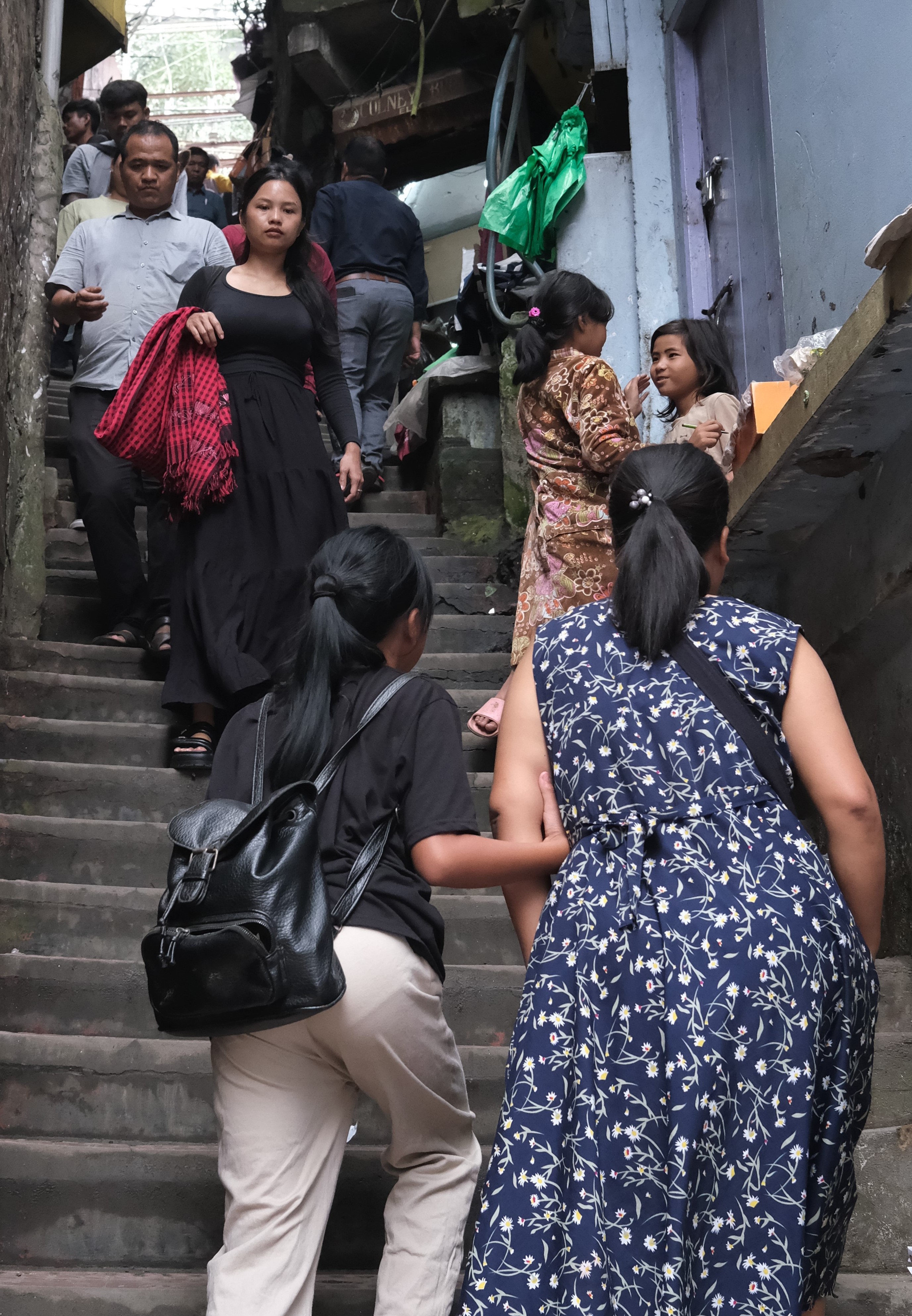
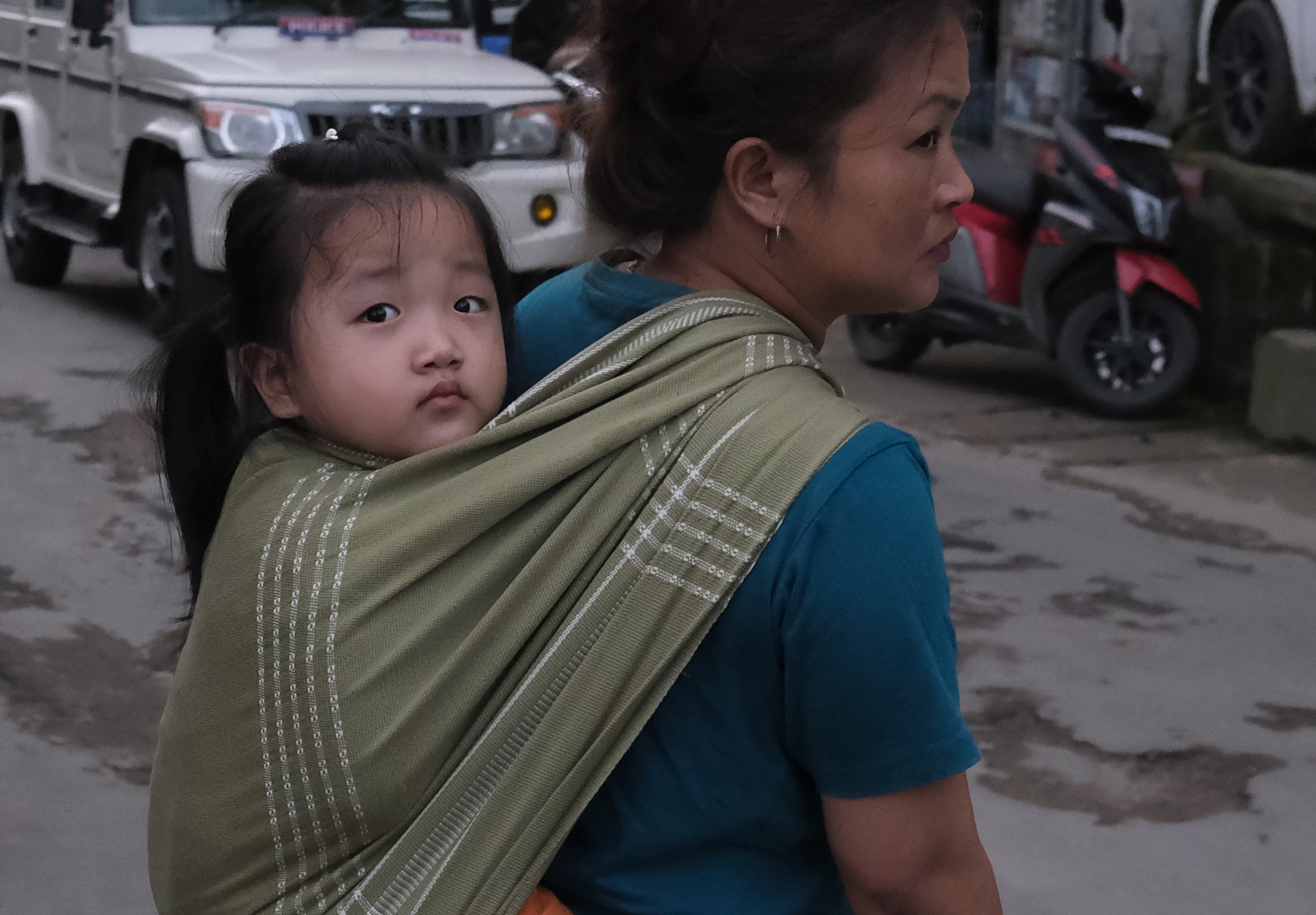
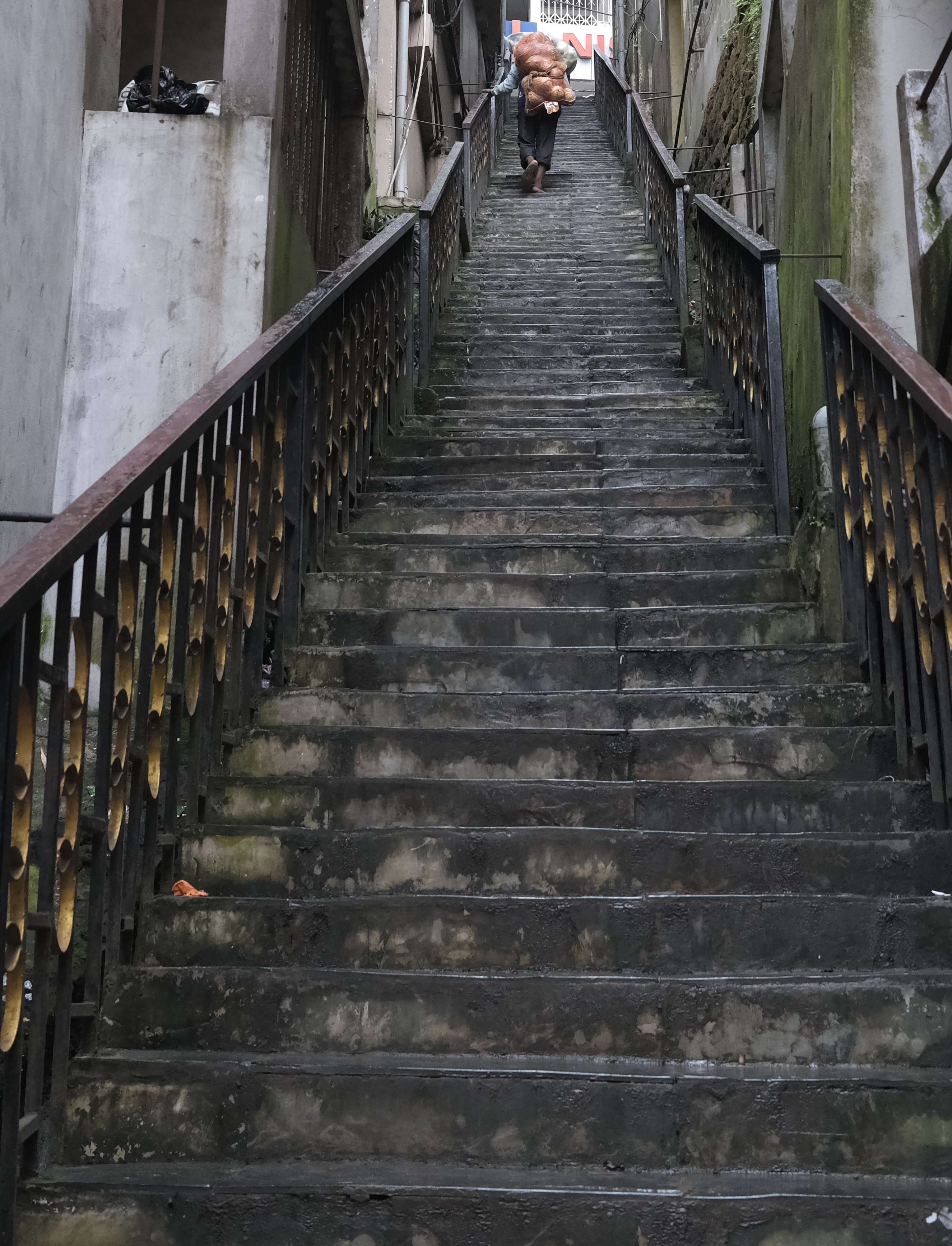
The beauty of Aizawl is in its raw simplicity—in the happy, hardy, stair-climbing hill-dwelling people; the breath-snatching views; and the messianic voices and chimes that fill the quiet nights with sounds and sights that linger in your head and heart long after you leave.
This is how I want to spend my birthday.





































































 All pictures and words Copyright Kerk Boon Leng 2016

 Kerk Boon Leng Photographs & Notes

