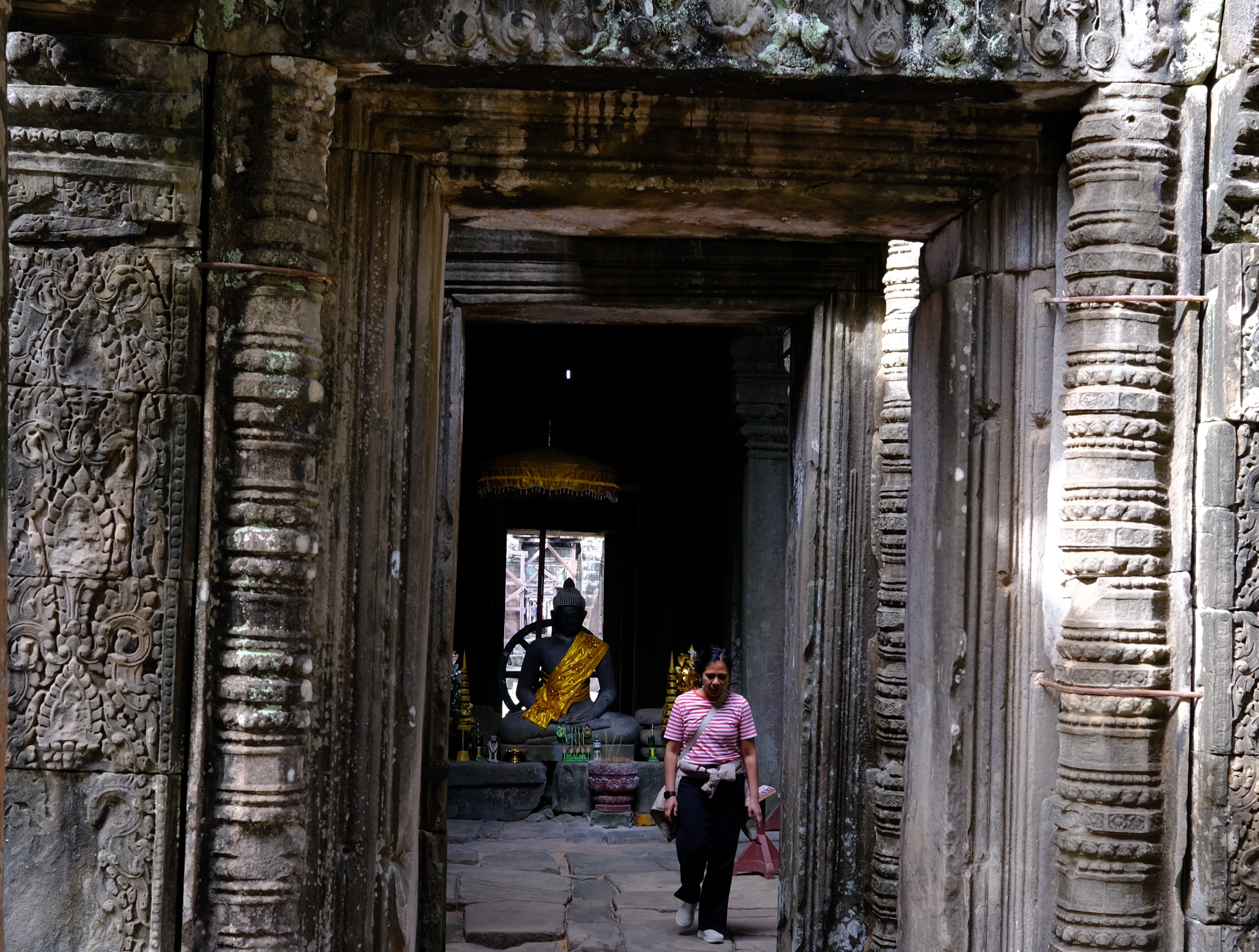
Angkor is not one lone iconic wat but approximately a hundred temples, major ones not counting the many more smaller sacred sites and shrines, rock-strewn ruins scattered across the water-logged and sun-baked plains of northern Cambodia.
When Europe adumbrated its future greatness through the Middle Ages, Angkor became the fertile fulcrum of a succession of God-kings with fantastic Indian names who built magnificent monuments, planted civilisations and lorded over Southeast Asia’s original and oldest inhabitants – the Khmer.
A few years back Tripadvisor, the online travel site, voted Angkor Wat the world’s number one destination. Today locals lament that tourists are arriving in lesser numbers despite the opening of a big brand new airport an hour’s drive away. Every day carloads of foreign tourists are regularly herded into a museum-looking building to be processed, photographed and charged a hefty ticket to get into Angkor. Despite the air-conditioned efficiency, Angkor is no tourist park or ancient temple ruins of a dead and forgotten civilisation. Unlike Egypt’s Giza and Valley of the Kings or Peru’s Machu Picchu, in Angkor Cambodians still eat the same food, dance to the same music and pray to the same stone statues like their ancestors did a thousand years ago. Marvelling at the mysterious beauty and mystical artistic genius of Angkor, I murmured a prayer that more hand-crafted monuments like these be preserved for our grandchildren and that historical places around the world be protected from globalisation’s destruction and defacement in the name of economic progress and cultural tourism.
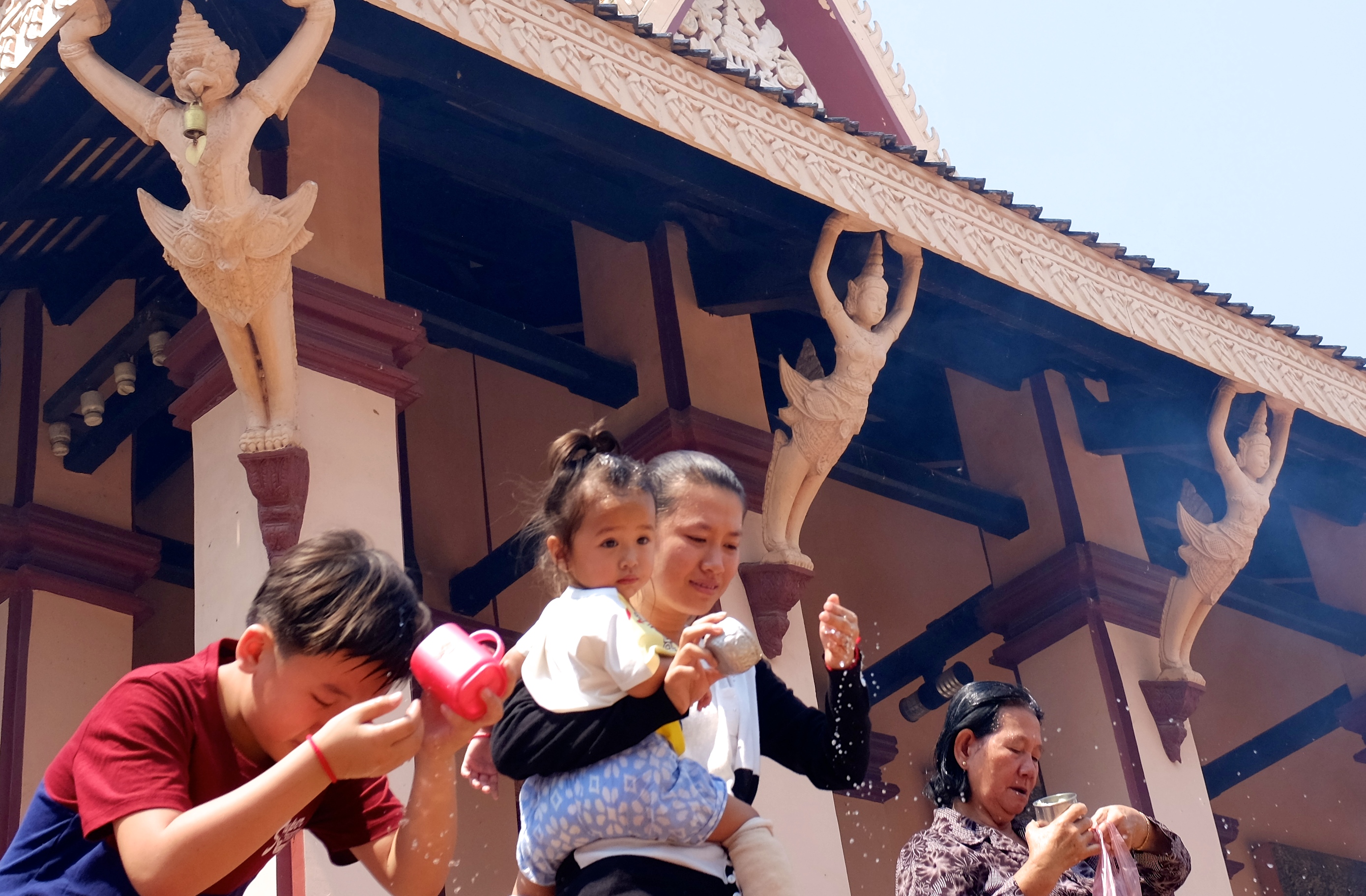
Angkor is very much alive and has been pretty much so continuously since its construction, contrary to popular history that was written by colonial Europeans about mysterious lost and abandoned faces of idols that they discovered peering at them from the jungles. Angkor still pulsates and breathes particularly through the modern day descendants of artisans, farmers and slaves who live their simple lives around and outside the small touristy city of Siem Reap.
I took these pictures during the dry comfortable season of Christmas 2023.
All rights reserved photographs and text copyright Kerk Boon Leng (c) January 2024
As 2015 makes way for 2016 the people of the Kingdom of Cambodia have really a lot to smile about. Already enjoying more economic, political and social freedom than any other country in South East Asia, Cambodia is now the fresh hot destination for tourists, foodies and property investors.
After three trips in two months (Christmas, Chinese New Year and one in between) I am almost convinced that Phnom Penh is one of the most pleasant cities in the world.
Here are three tips for a great trip:
Accommodation: The branded hotel chains have not yet made it to Phnom Penh. Around USD60 will get you a clean and comfortable boutique room with breakfast. Avoid the riverfront area (Sisowath Quay) instead stay in the quiet, central and upscale districts near BKK ( Boeung Keng Kang) and Tonle Bassac.
Dining: Eating well in Phnom Penh is easy especially if like me you like fish, seafood and vegetables (try the spinach). No need to consult your guide book or trip advisor just eat where the food looks fresh and clean. Food (especially Chinese) is good in Phnom Penh although eating out is a tad pricier than Vietnam, Thailand or Malaysia due to the “local” currency the US Dollar.
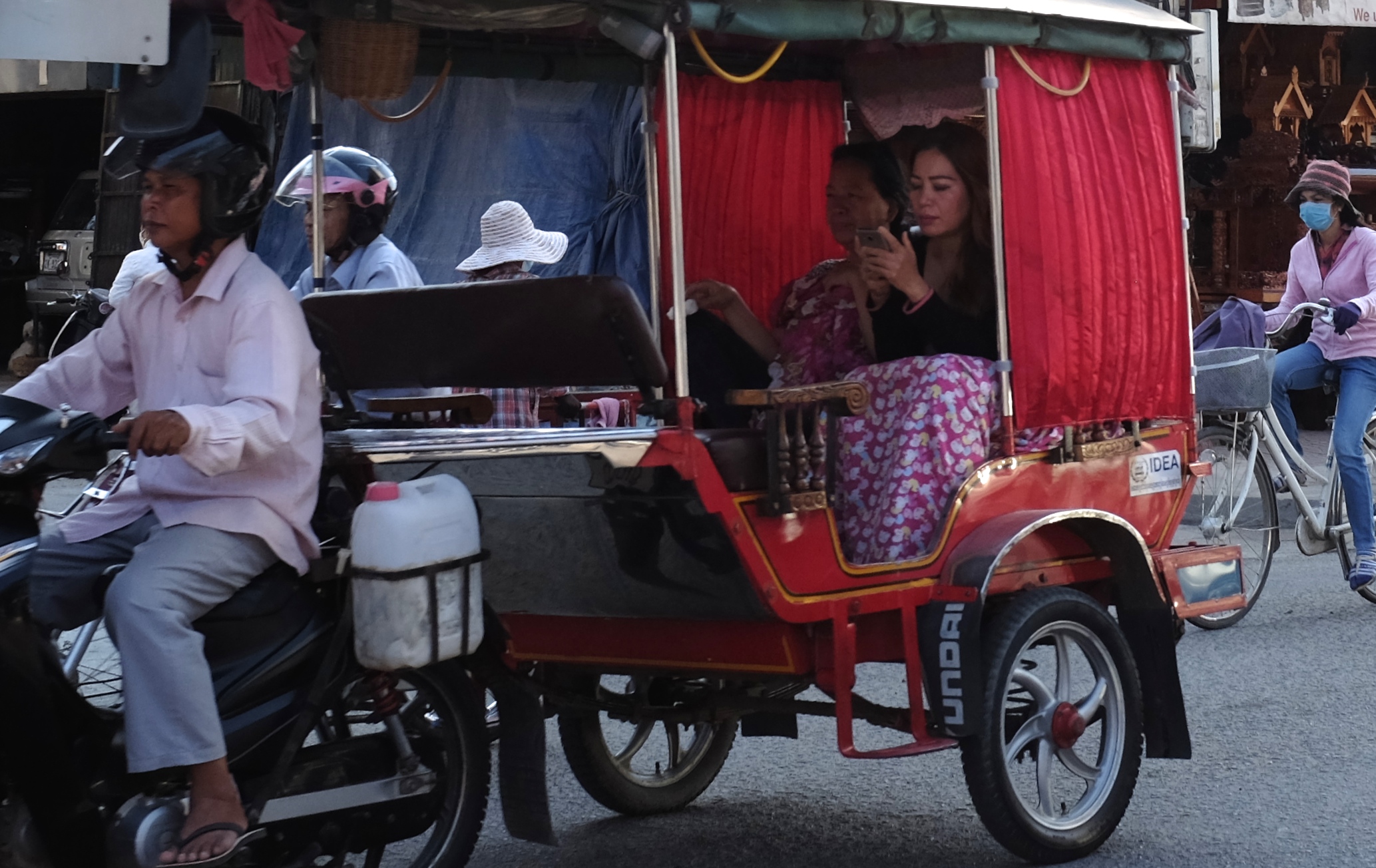
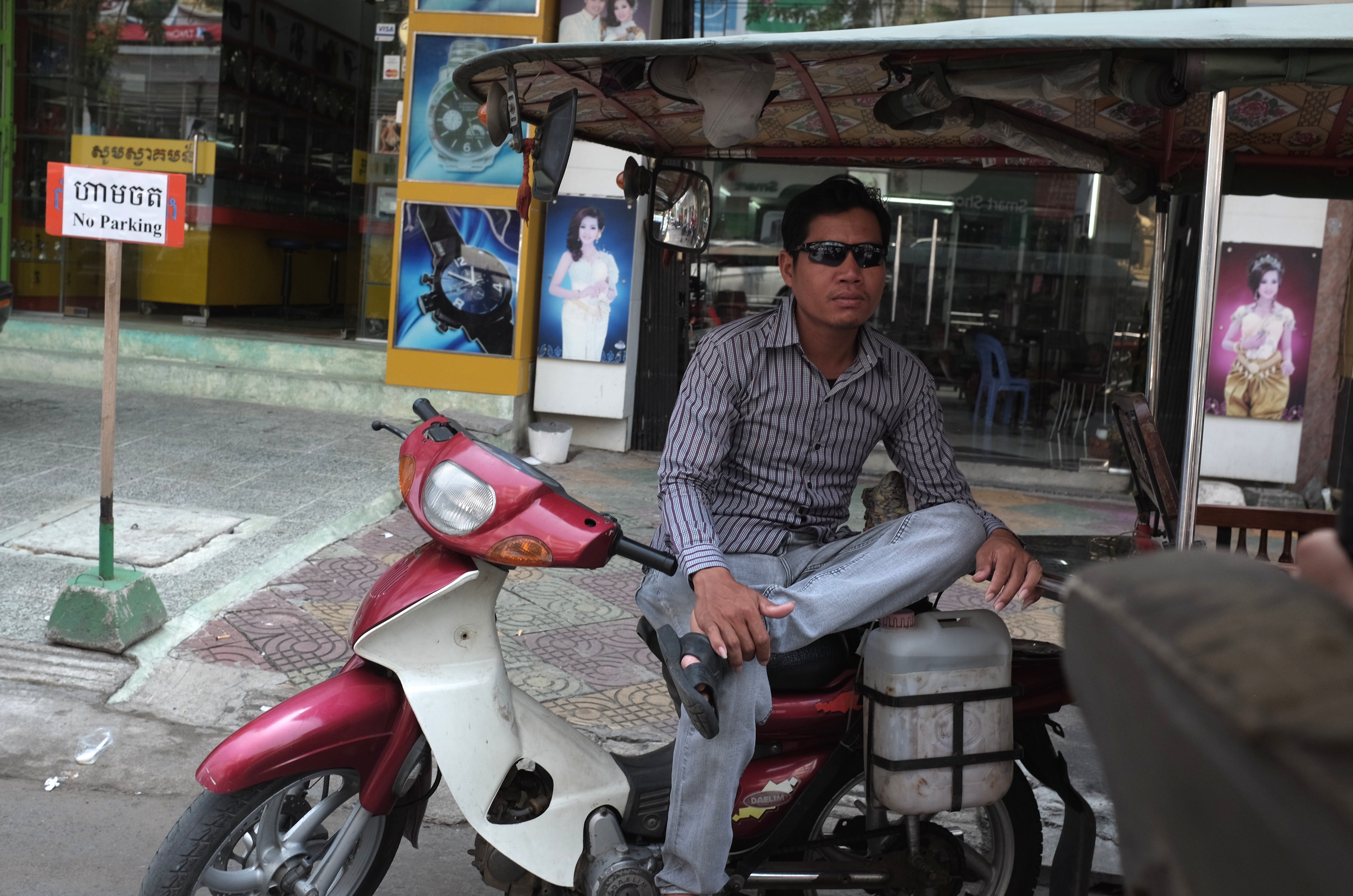
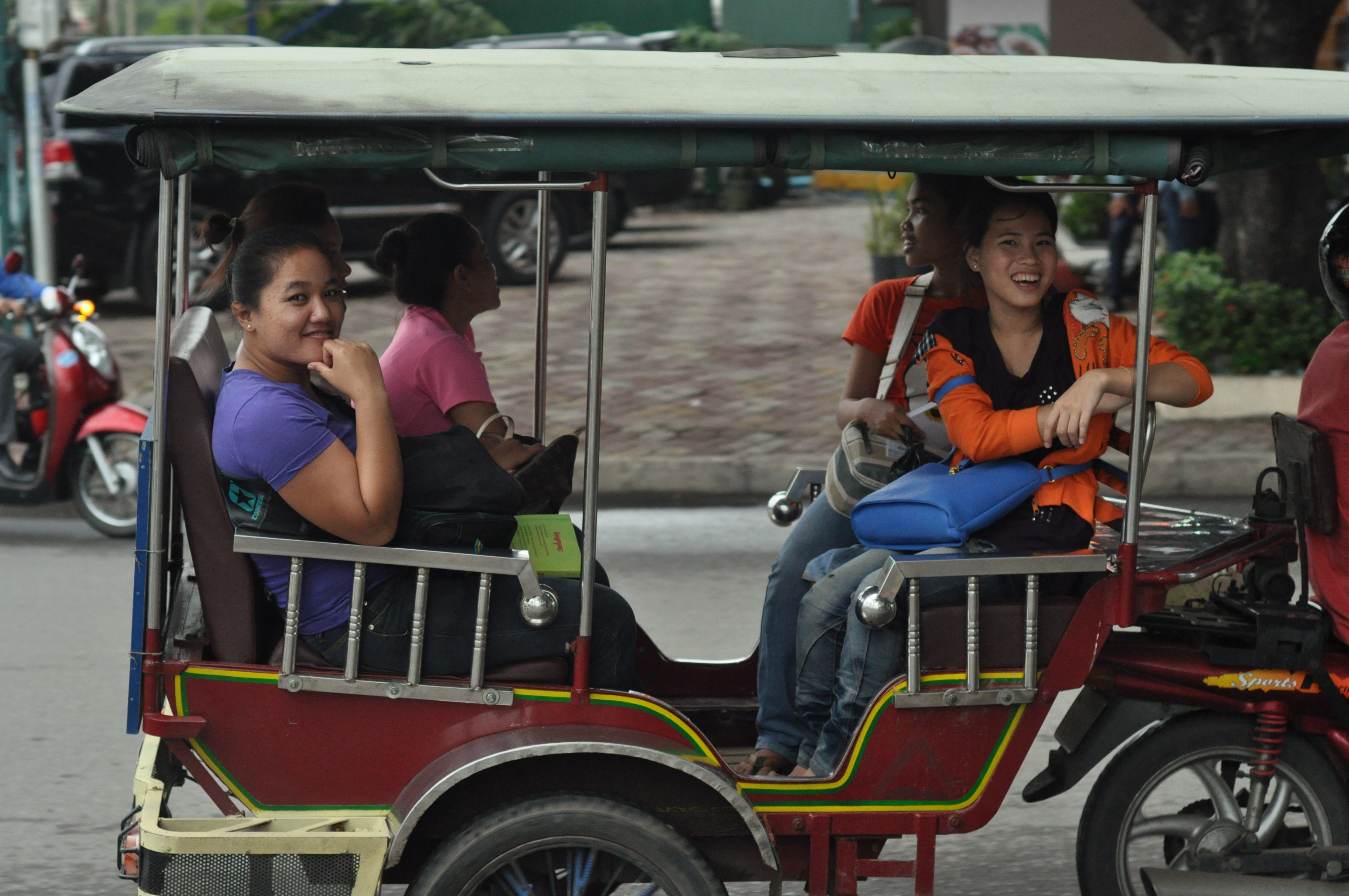
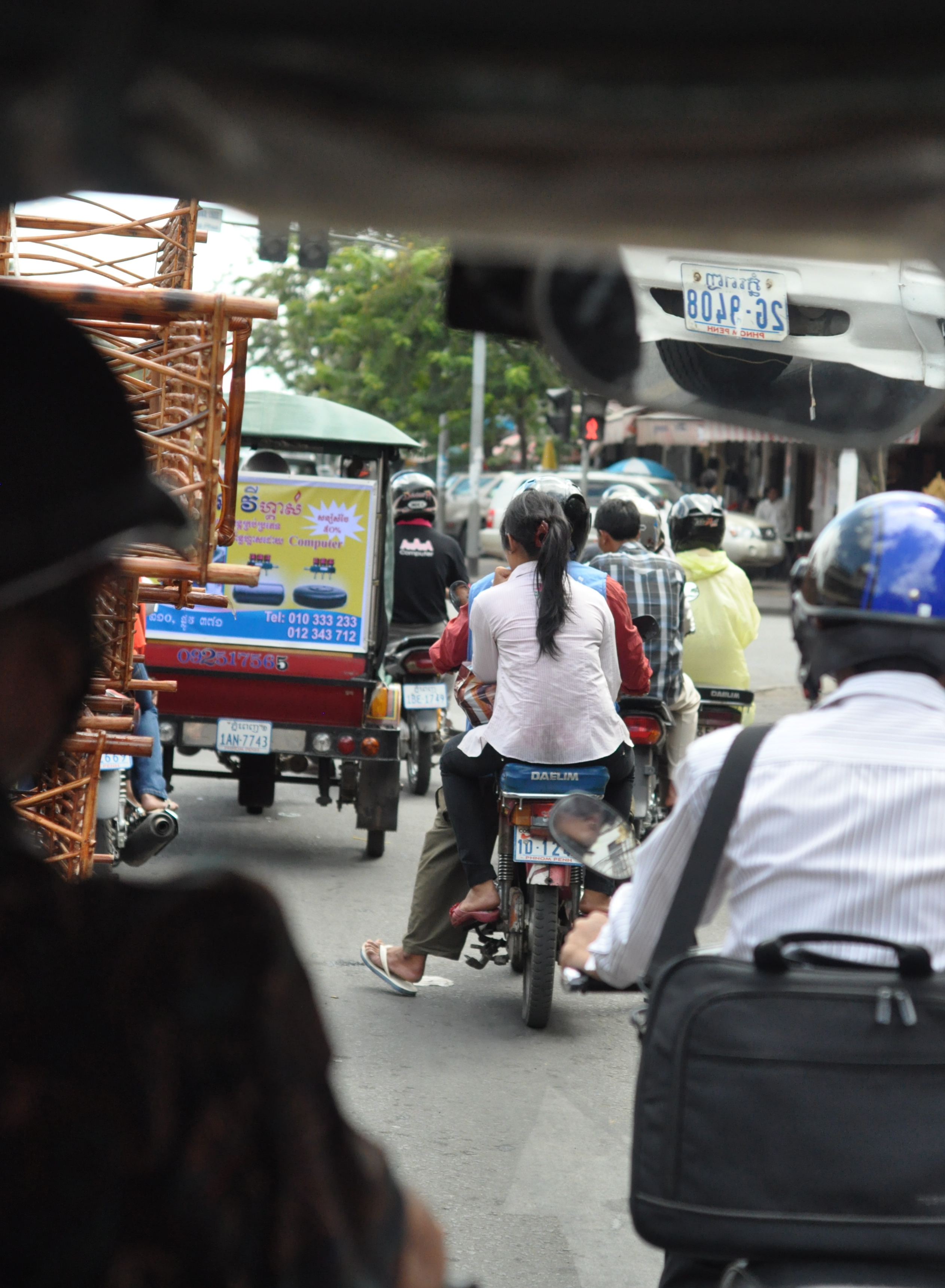
Transport: Although PP is not a huge city, the heat and often humidity rule out walking to where you want to go. The transportation of choice for most tourists is the remork moto (tuktuk). Find an honest-looking driver and book him on a daily or half daily rate for the rest of the trip. Between USD10 to USD15 for a 6 -hour day is fair.
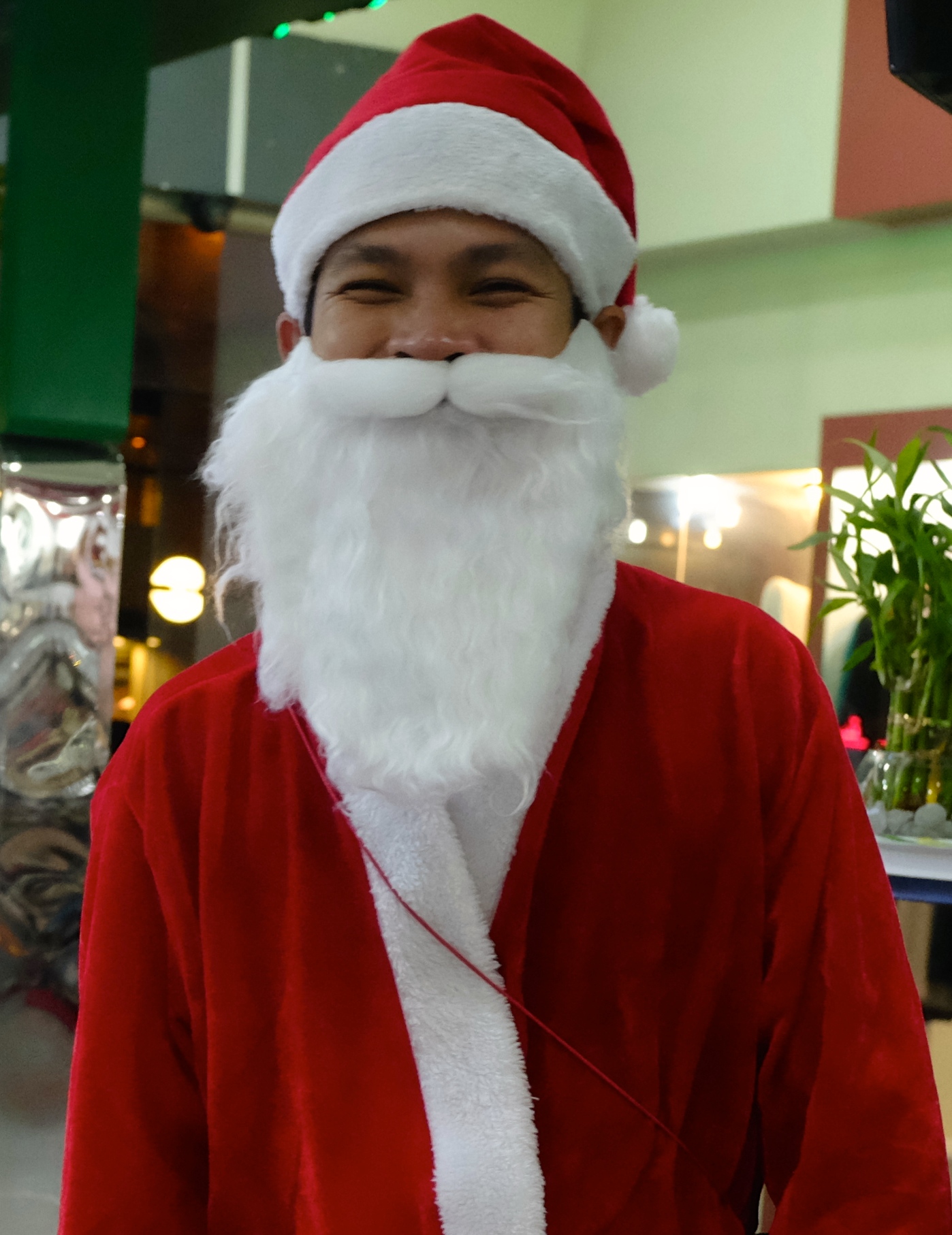
Santa Claus at the Sorya Mall, one of the city’s pioneer shopping mall
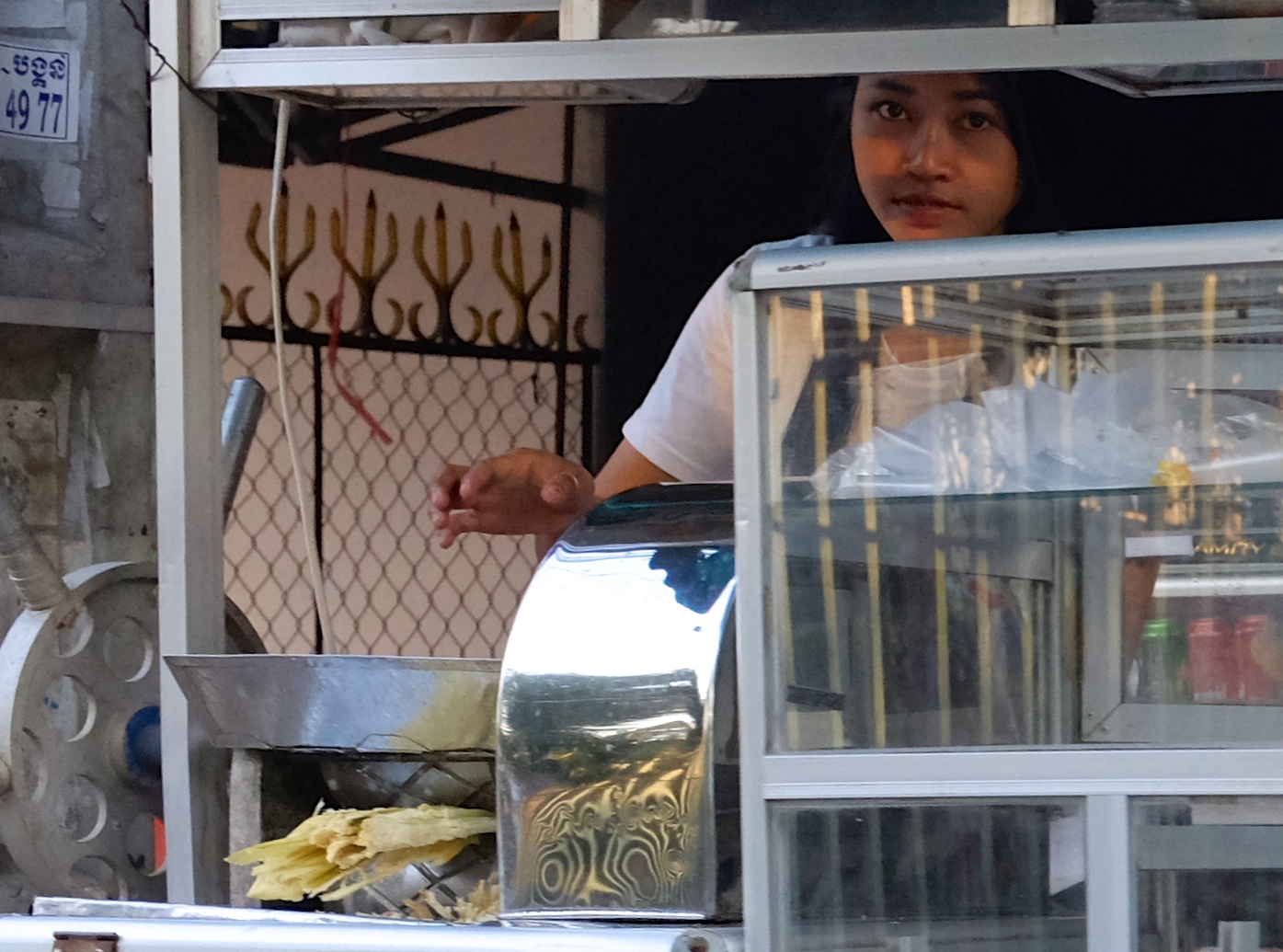
Sugar cane vendor outside a house in the south eastern township of Boeung Tumpun
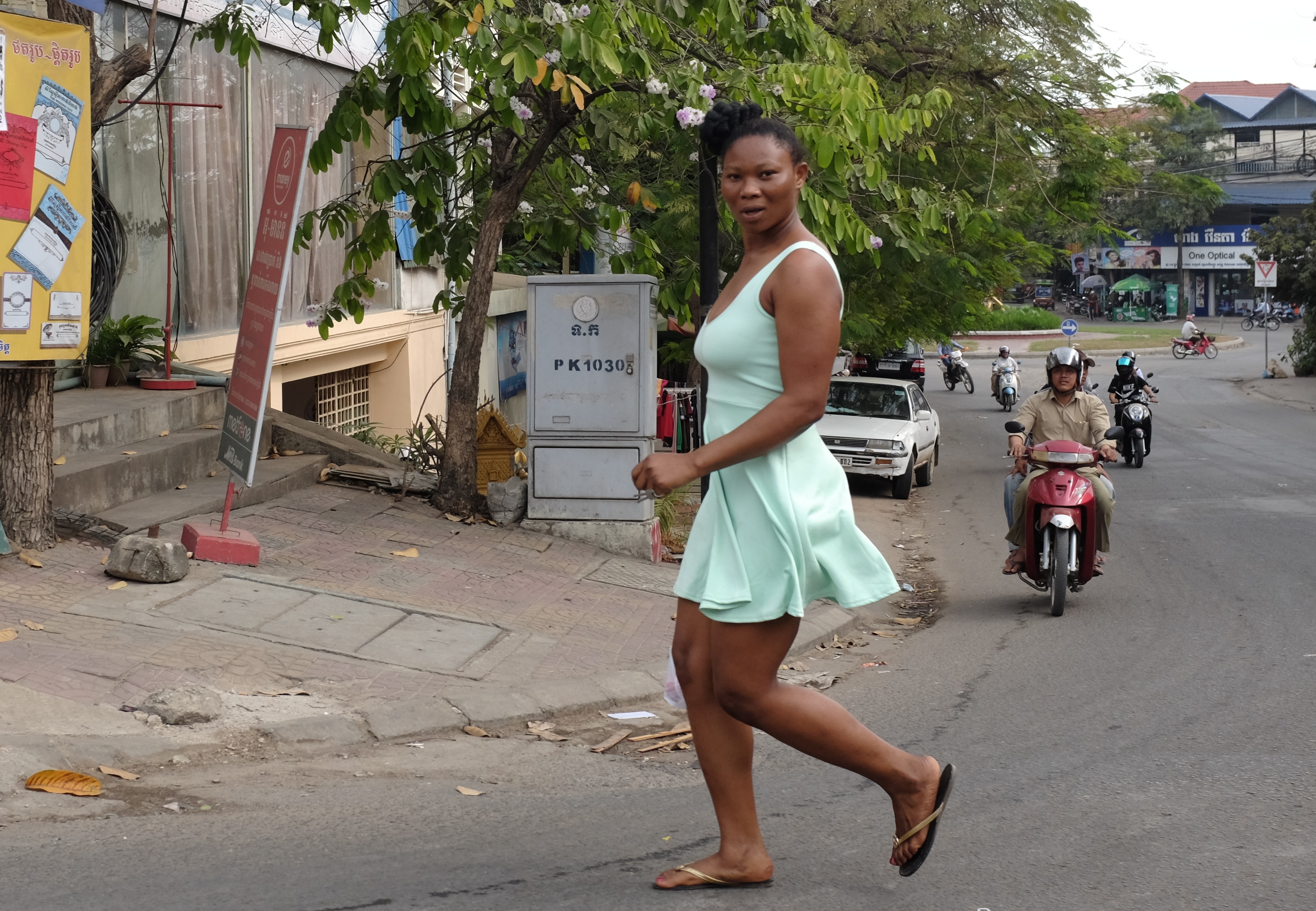
African woman on Street 271
Clean luck on the second day of Chinese New Year
Phnom Penh is a great place for beer drinkers. Happy Hour price for draught beer is 50 US Cents per pint in many bars
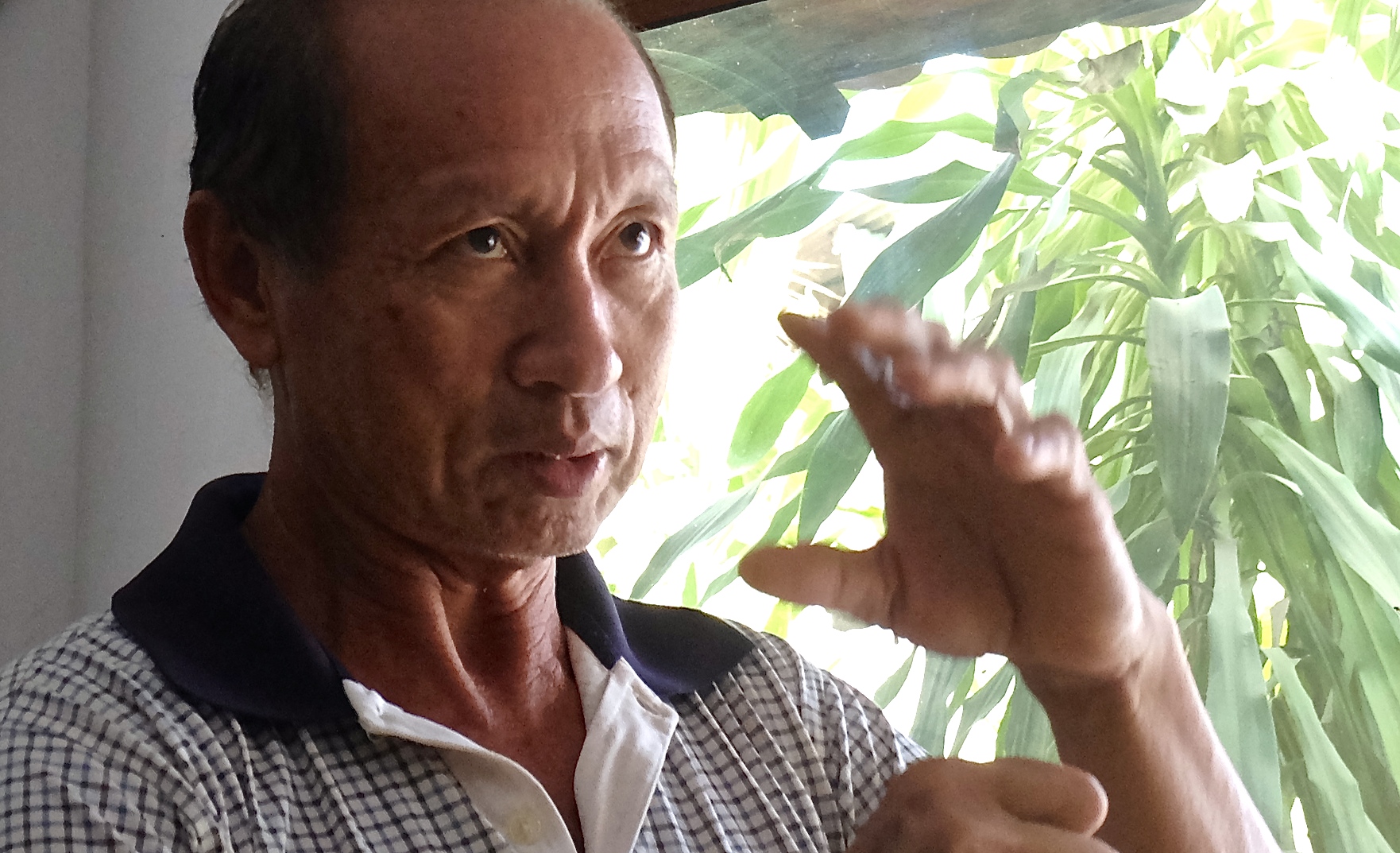
Mr Kao Vanarinn who escaped from the Khmer Rouge at age 14 by making his way on foot across the country to a refugee camp in Thailand exemplifies the steely spirit of Cambodians of his generation
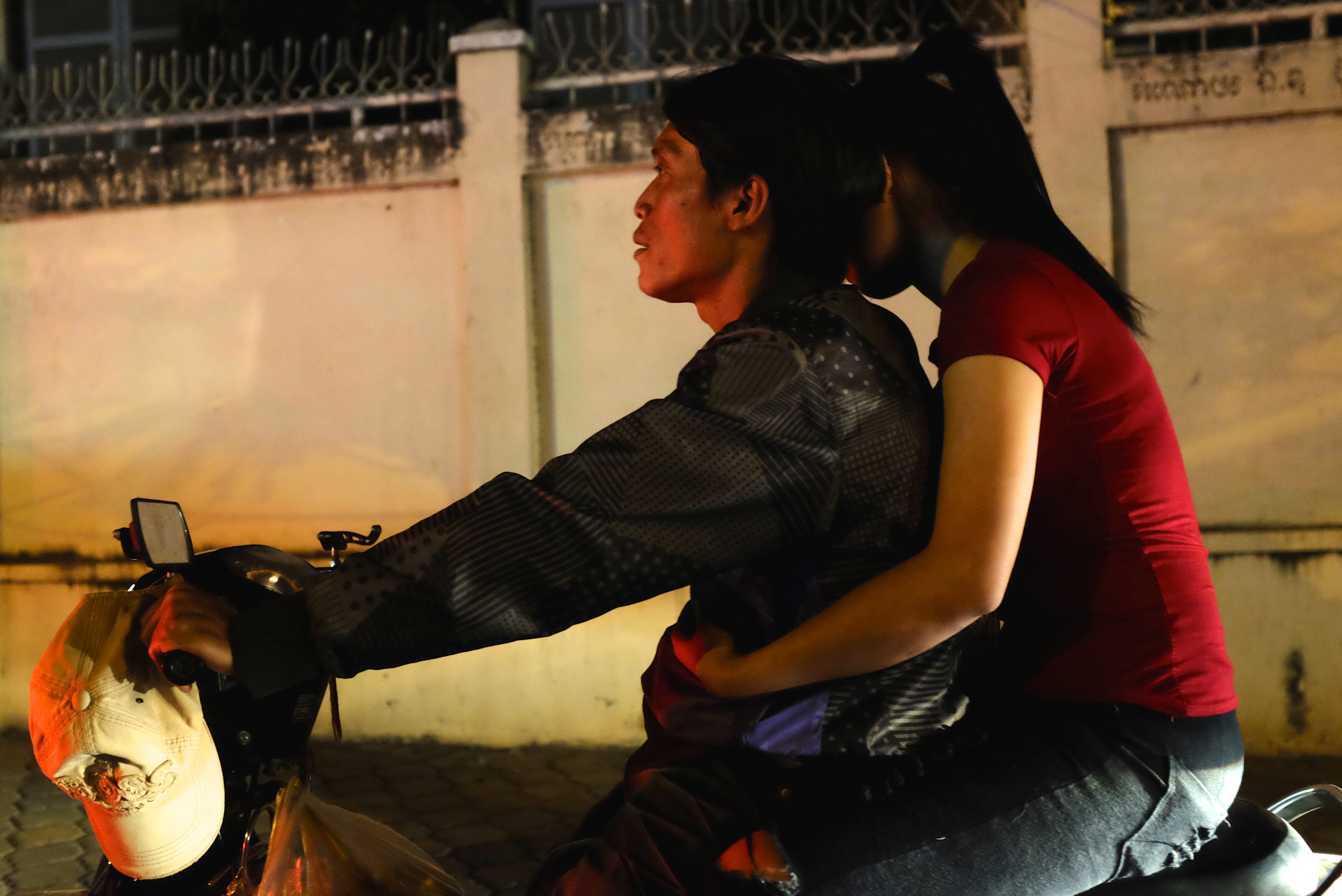
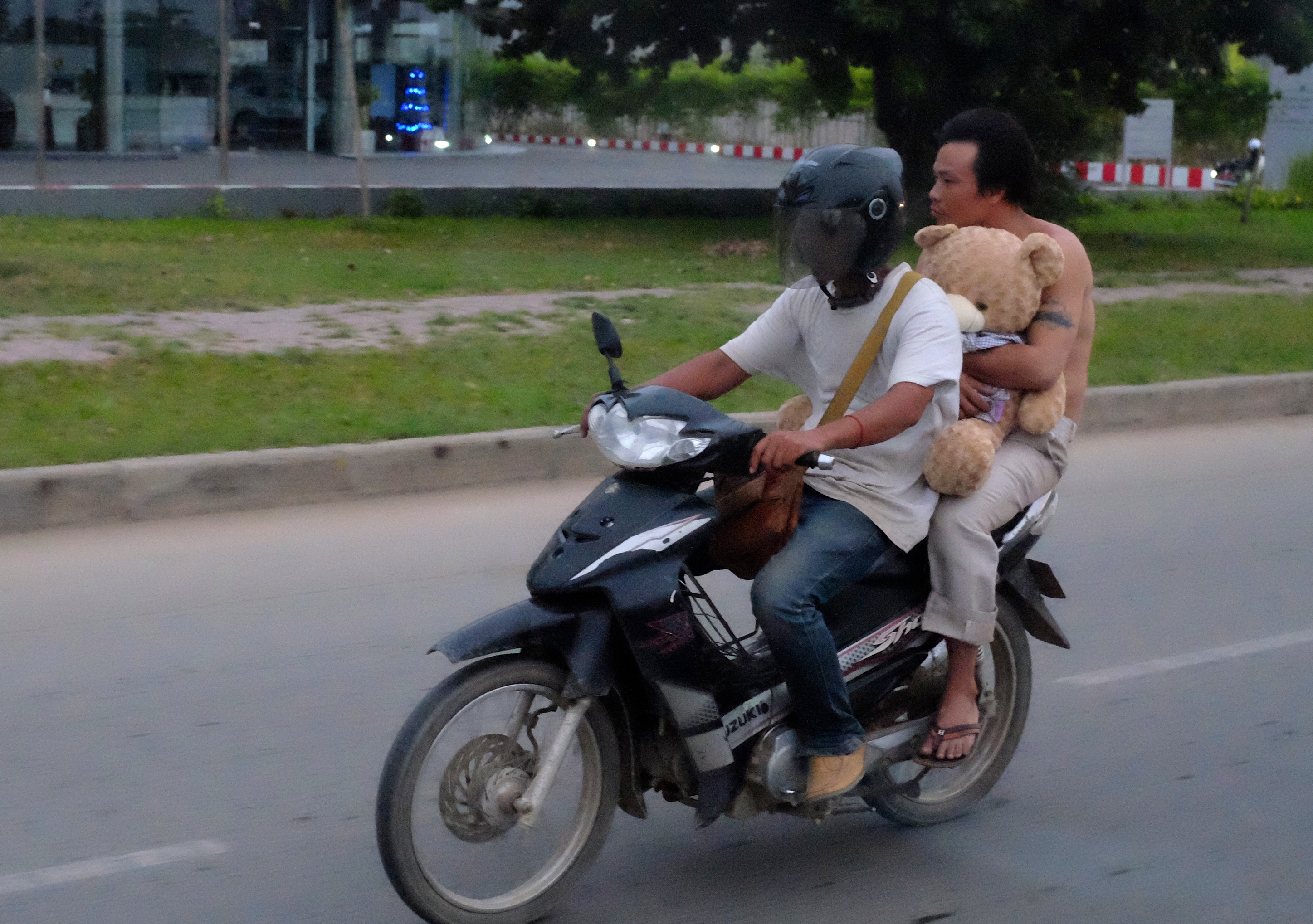
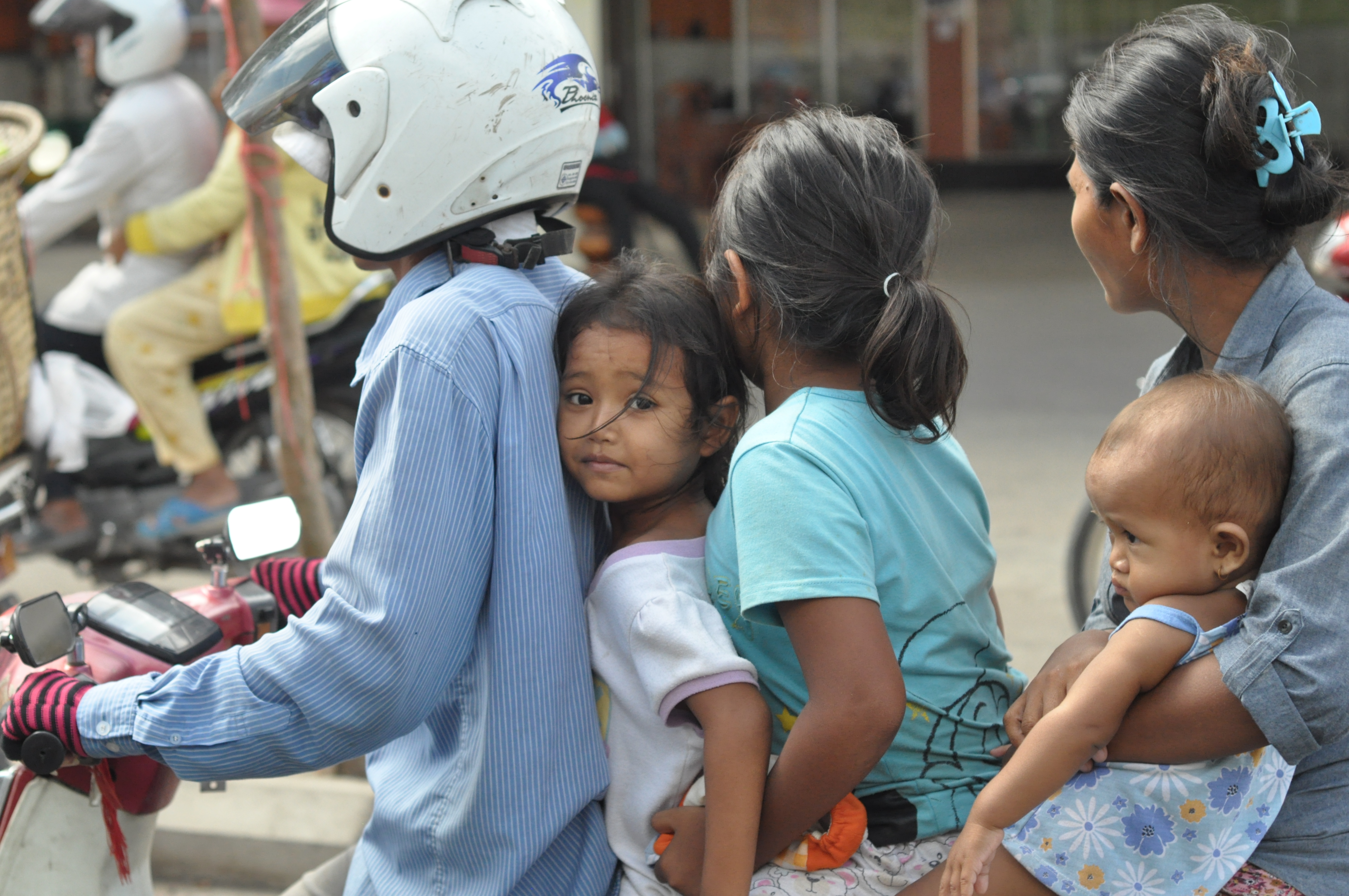
One benefit of not wearing a helmet
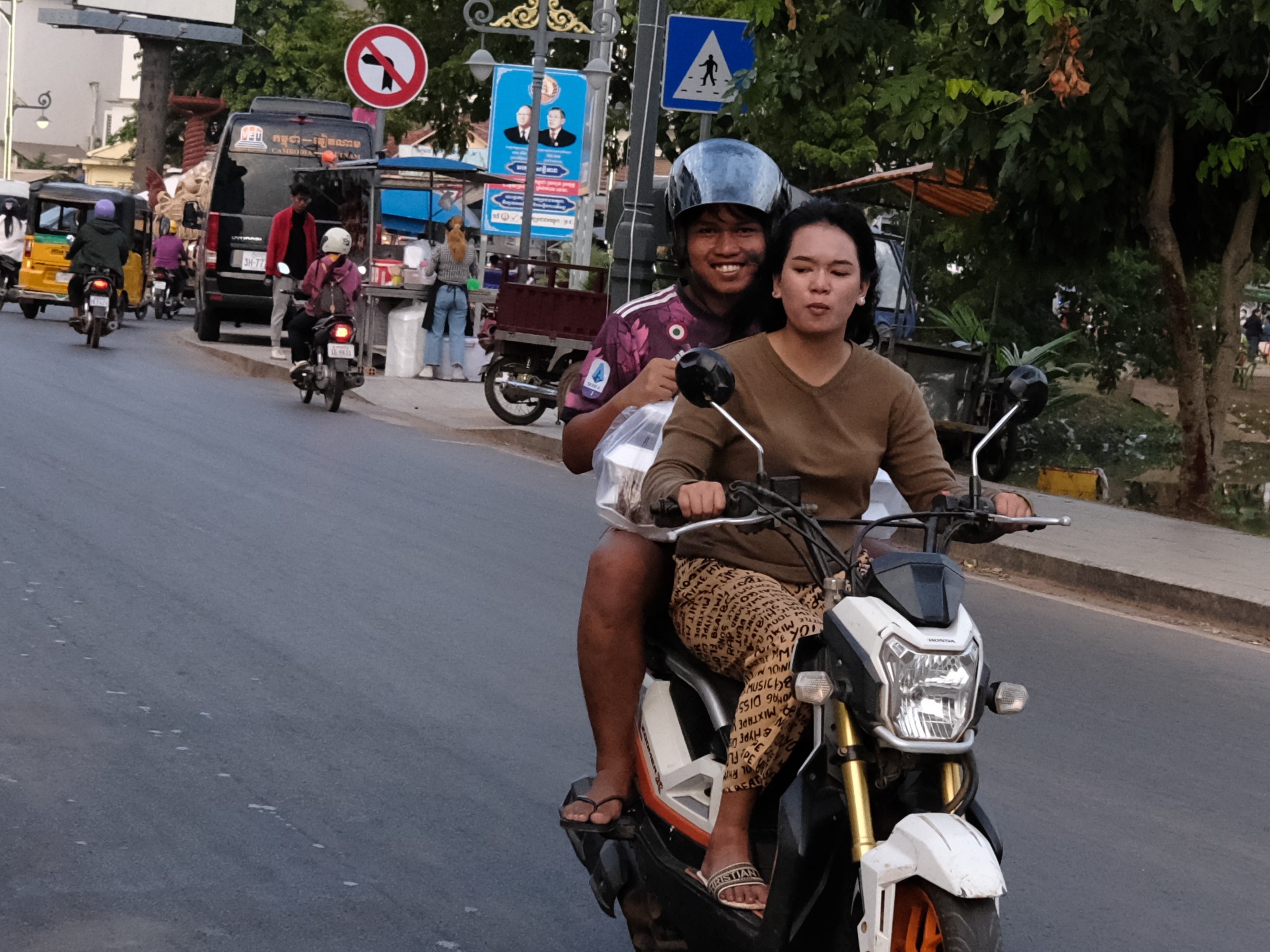
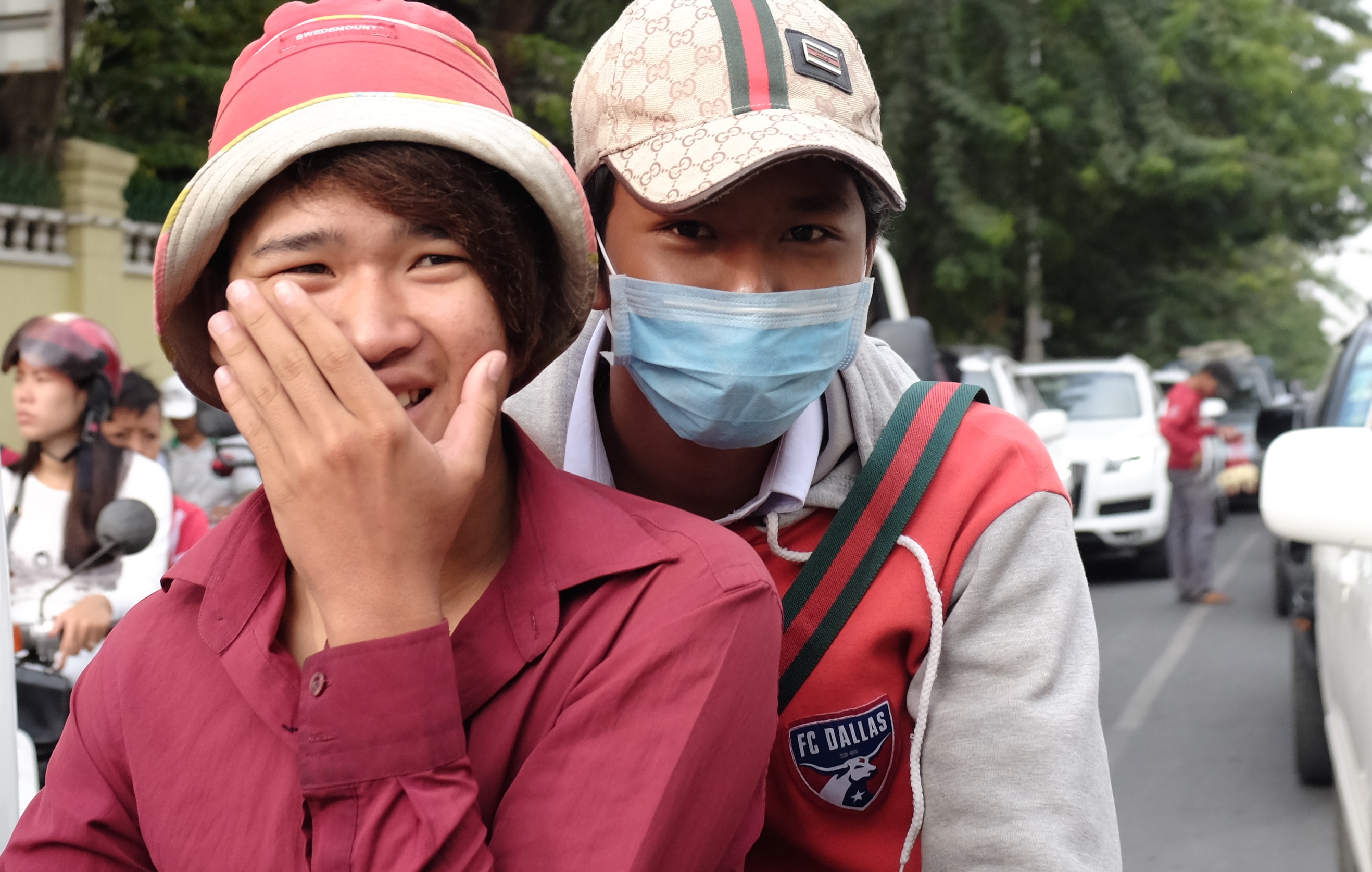
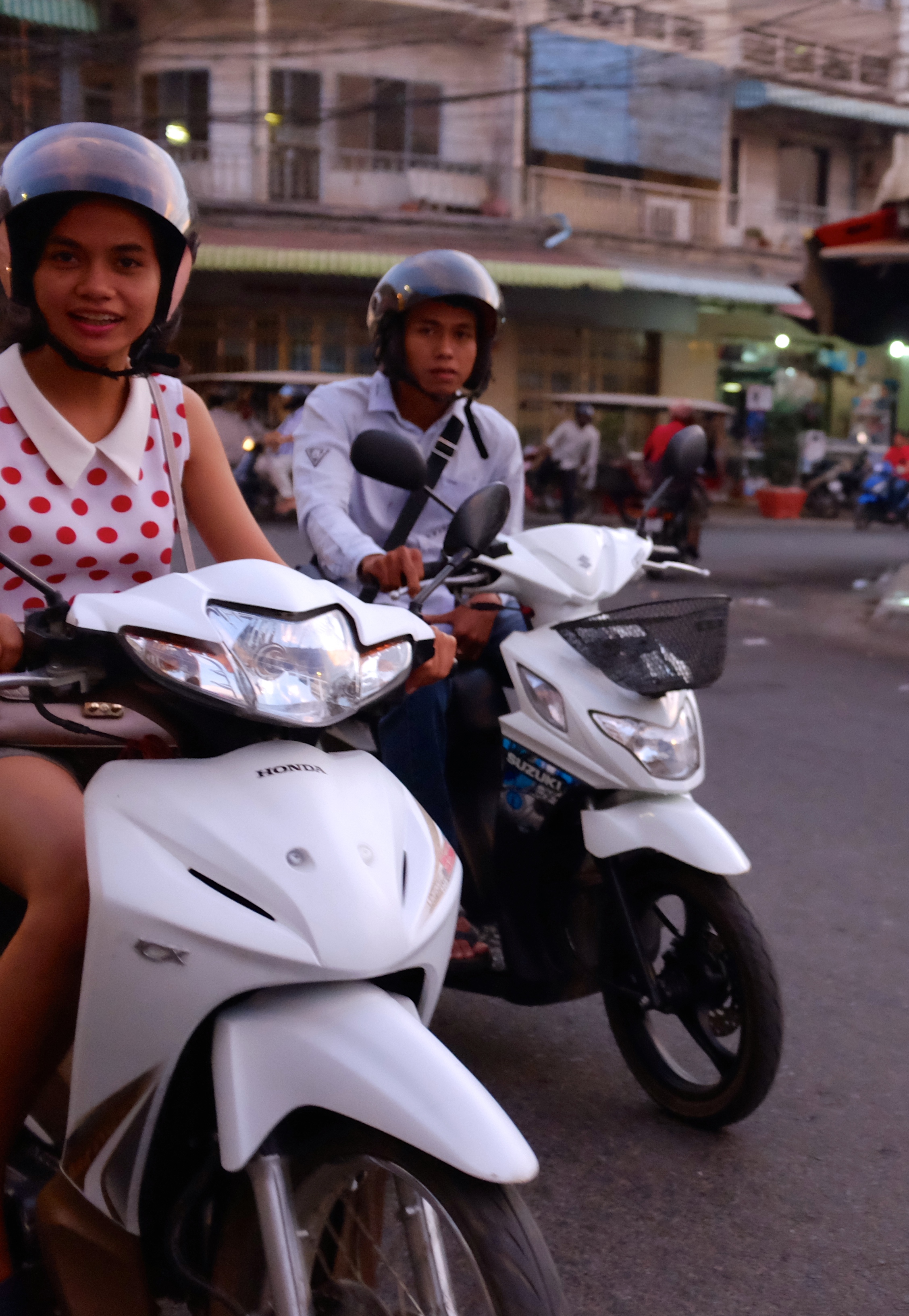
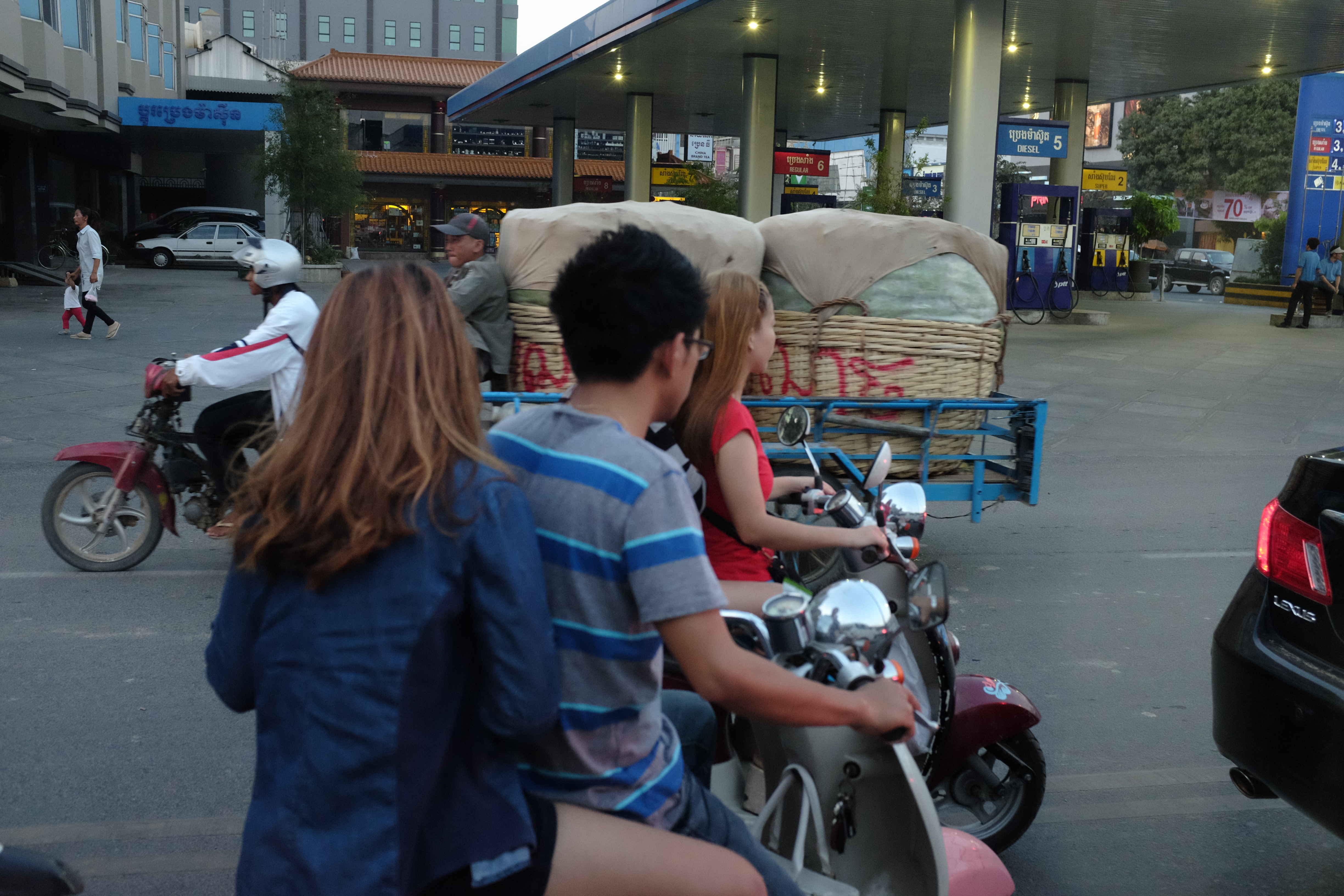
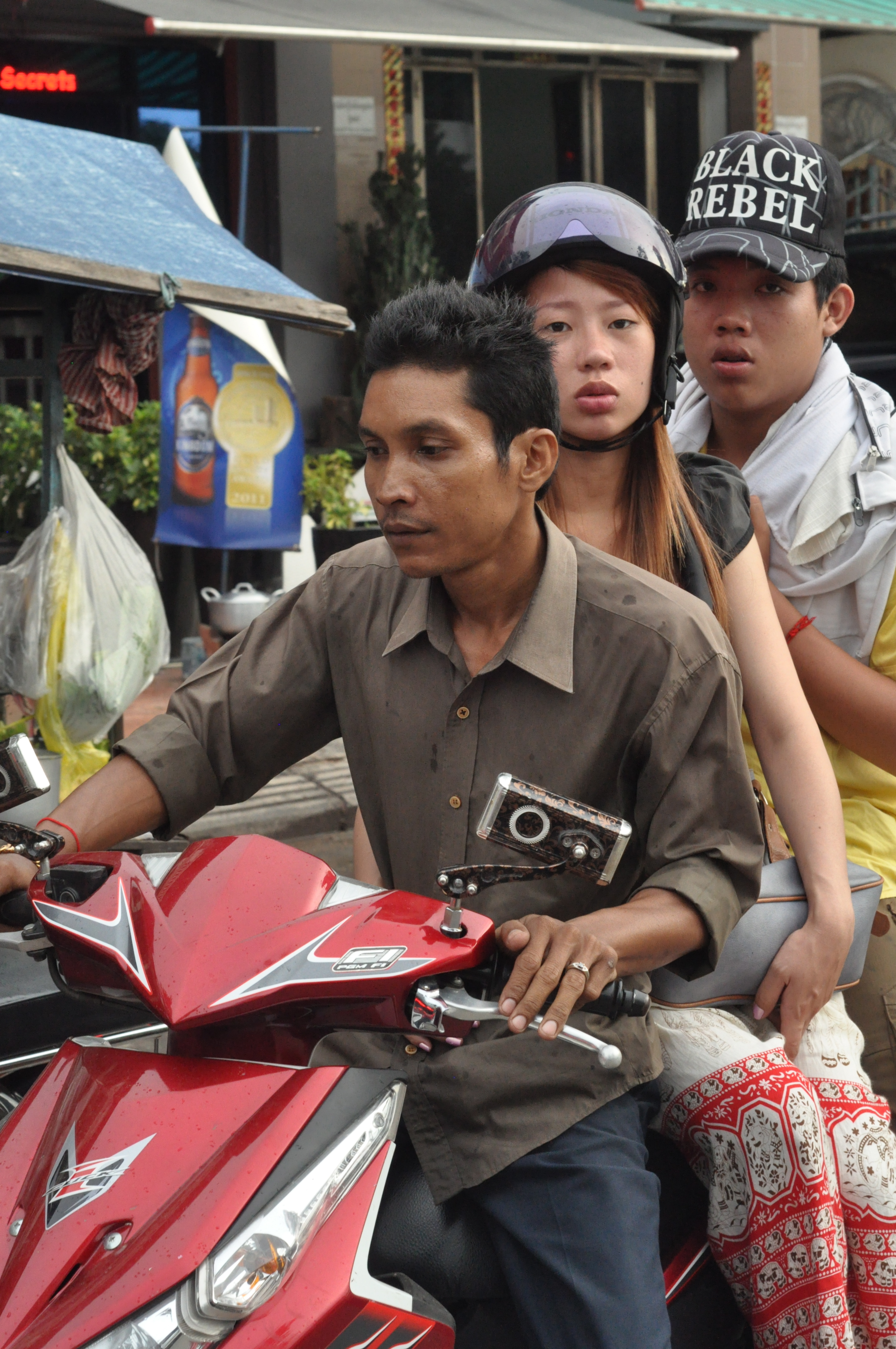
Riding friends at a traffic lights
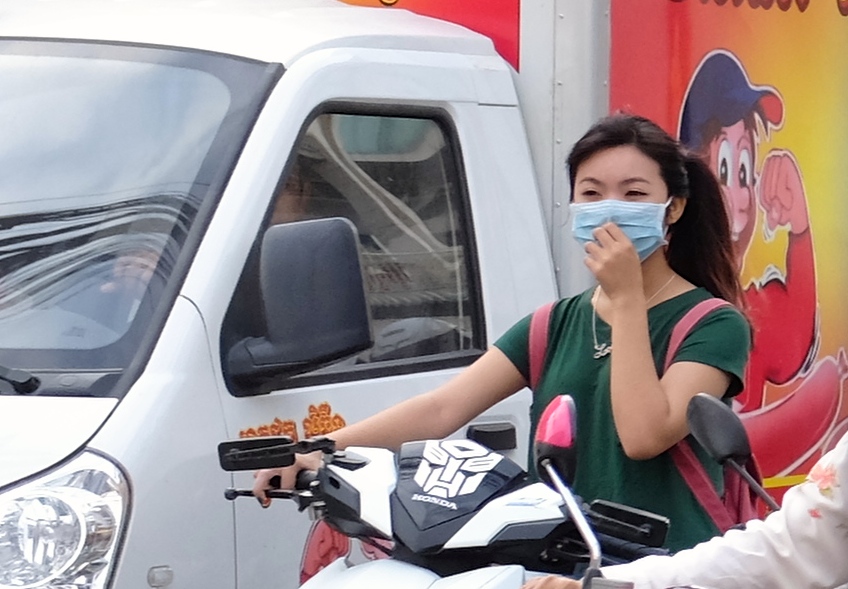
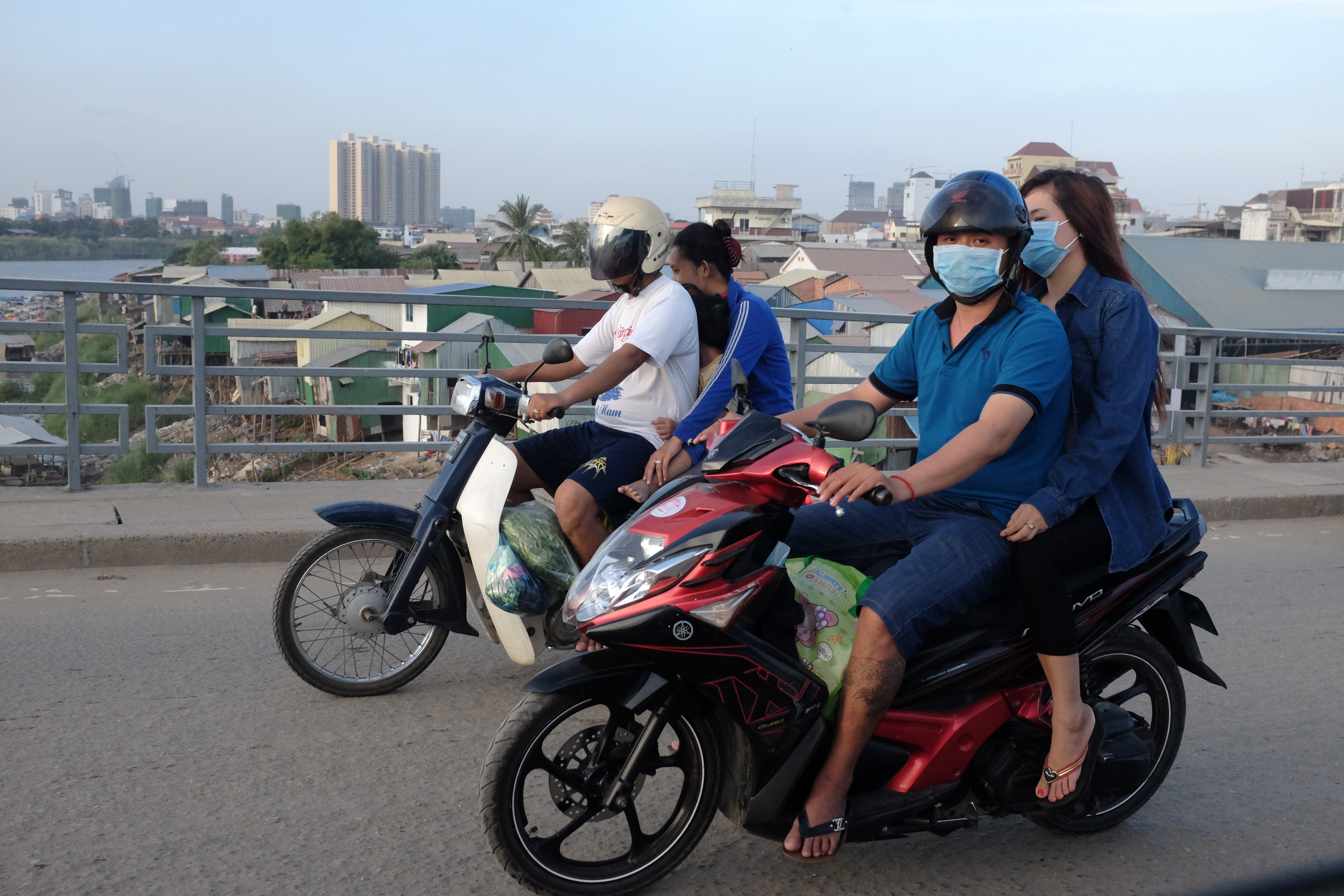
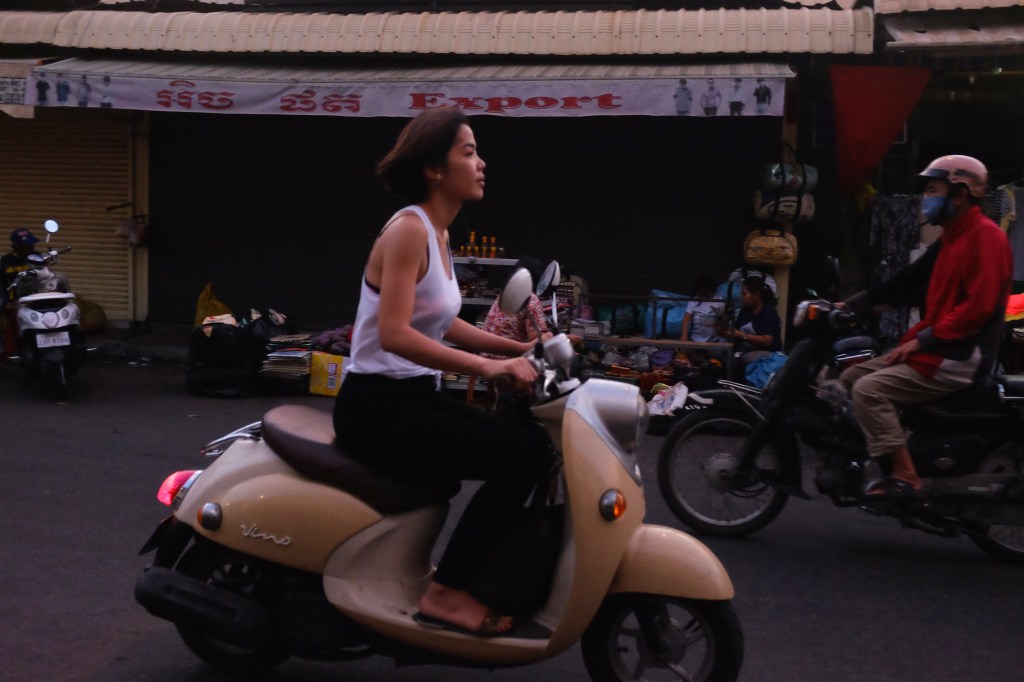
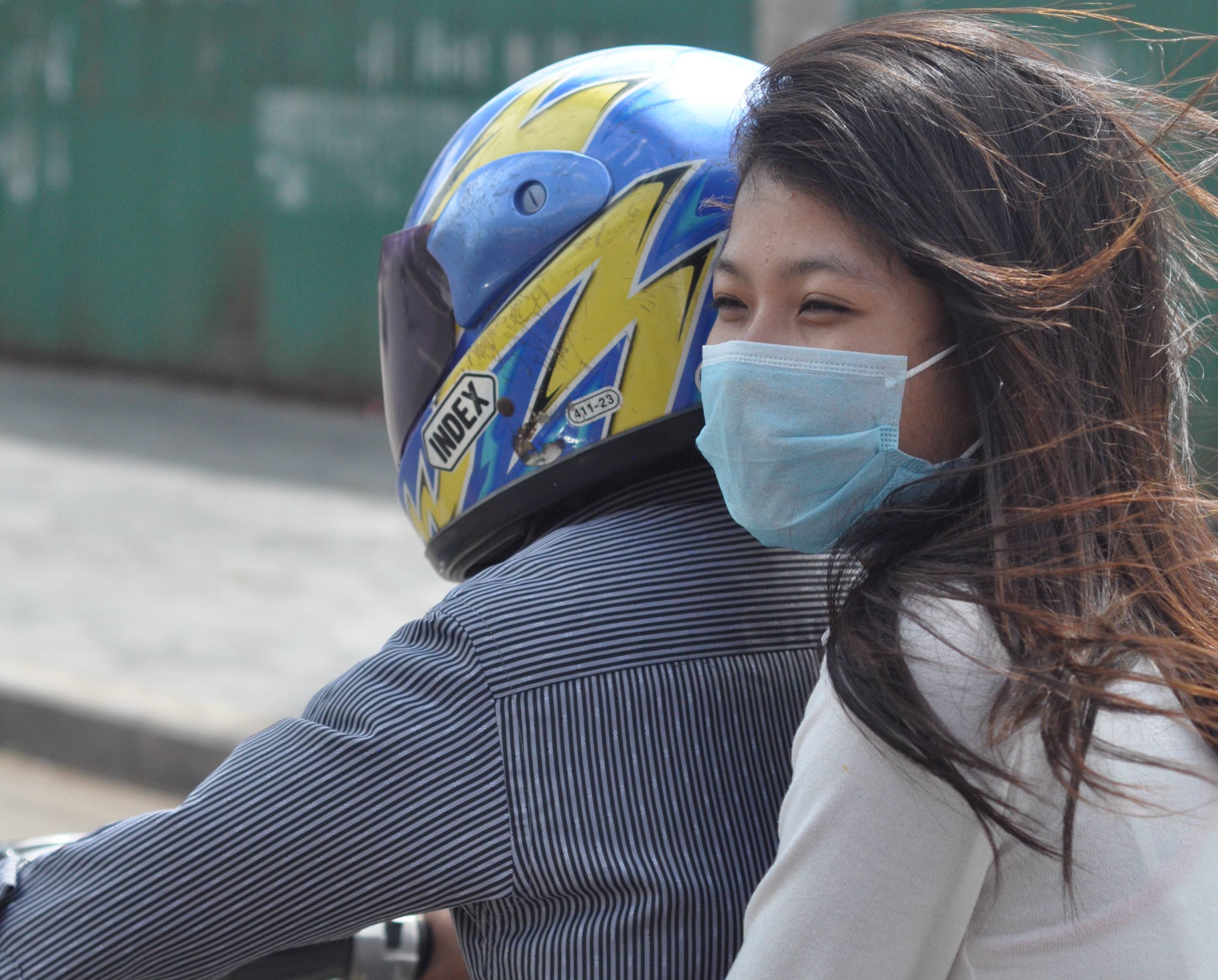
masked and moped
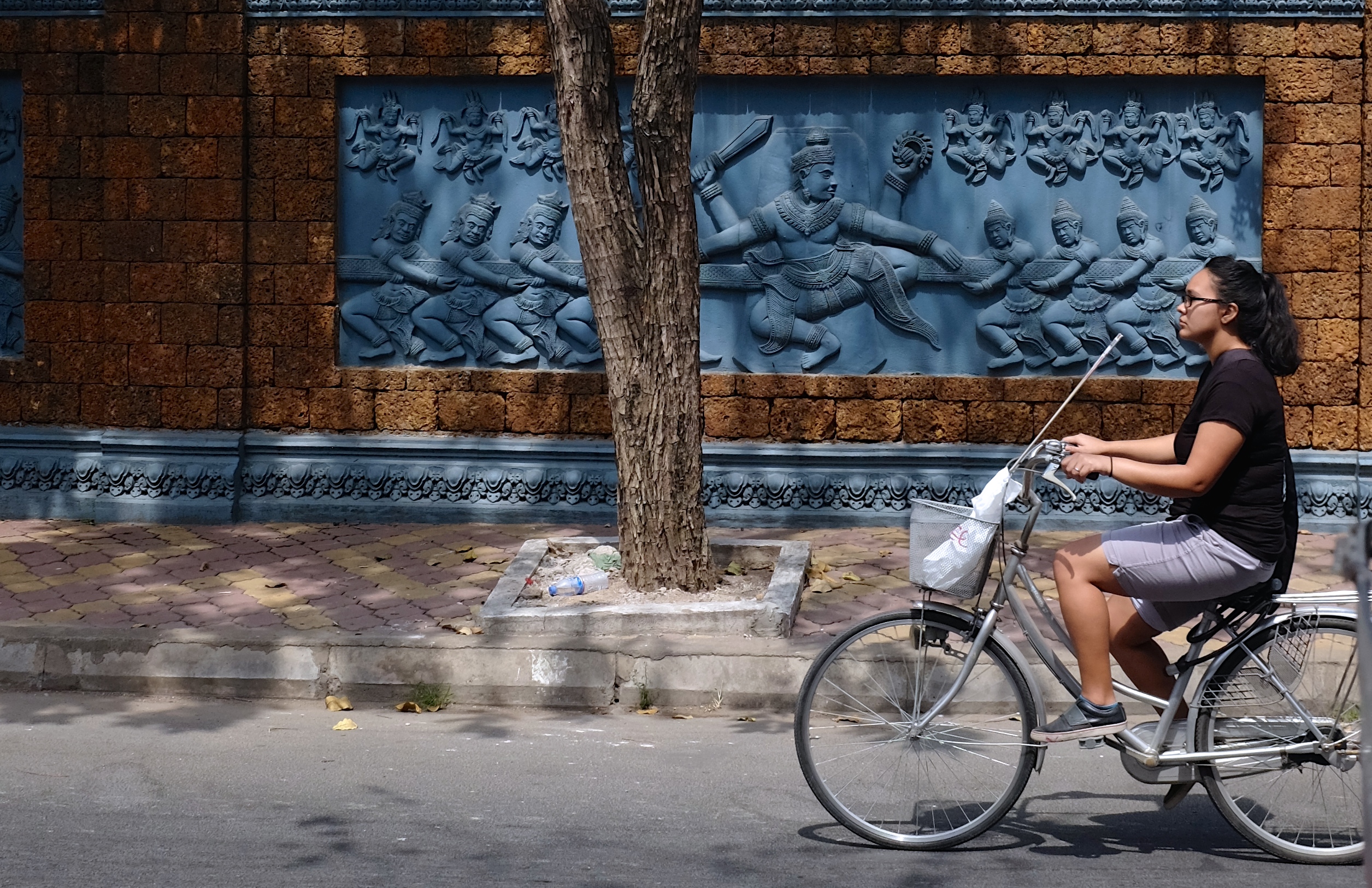
Angkorian motif outside a walled villa in the upmarket Boueng Keng Kong area
All images and text copyright Kerk Boon Leng February 2016
Except to intrepid travellers, Phnom Penh and having a good time don’t come readily together. This medium-sized capital of a small South East Asian nation, which claim to fame is a magnificent cluster of ruins and faces of Buddha peering out of jungles and rice fields embedded with unexploded landmines and human skulls, is in reality Asia’s most free and openly tolerant city.
Amazing, because no country in Asia has endured so much physical and psychological abuse as Cambodia.
According to recently released data, the US Forces during the American Indochina war dropped 2,756,941 tons of bombs on Cambodia- almost a third more than the entire Allied bombs used in World War II making Cambodia the most heavily-bombed country in history.
between songs in the downtown casino
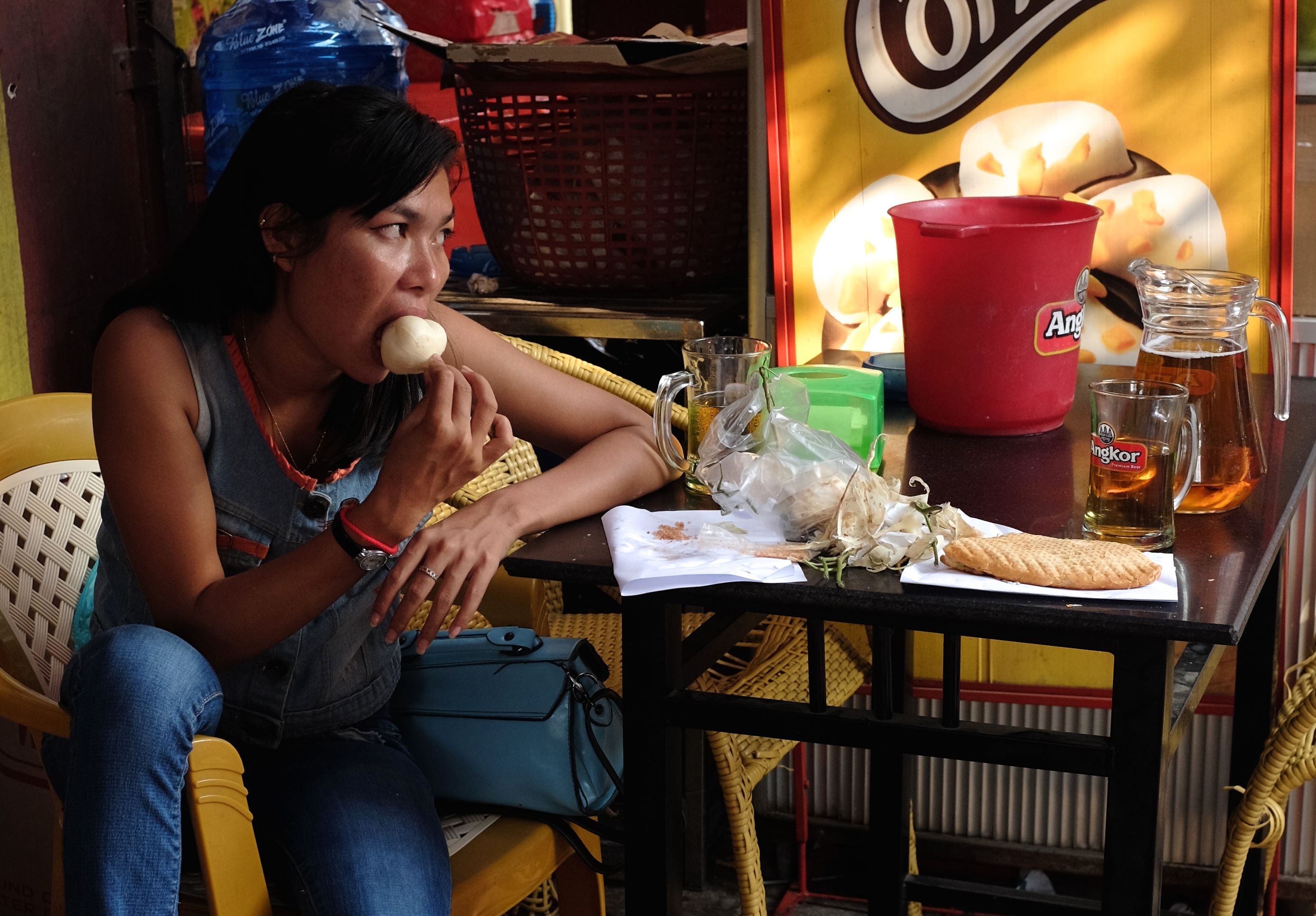
breakfast of beer, bread and fruit
The National Museum of Cambodia built by the French in 1920 houses possibly the world’s largest collection of Khmer art
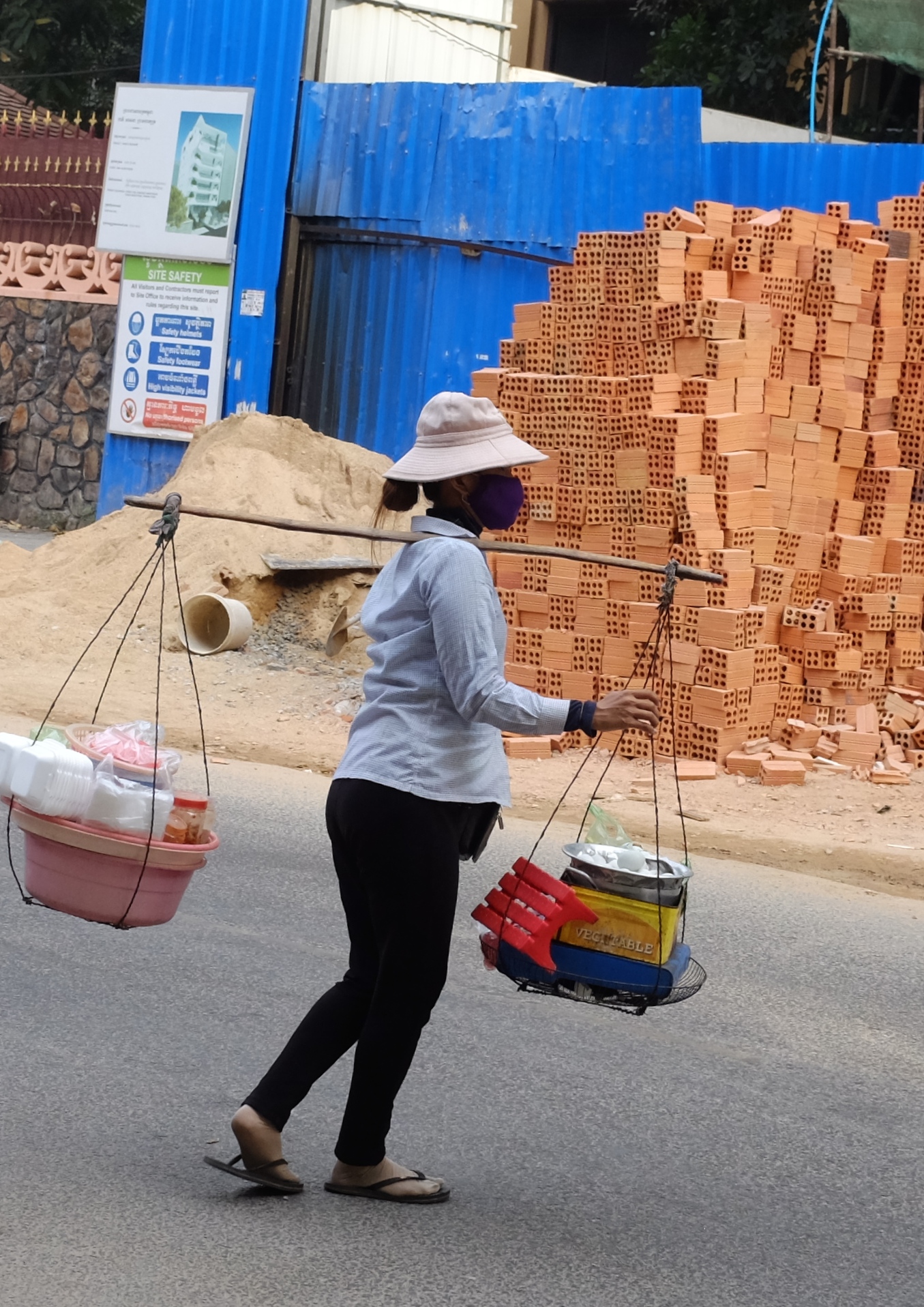
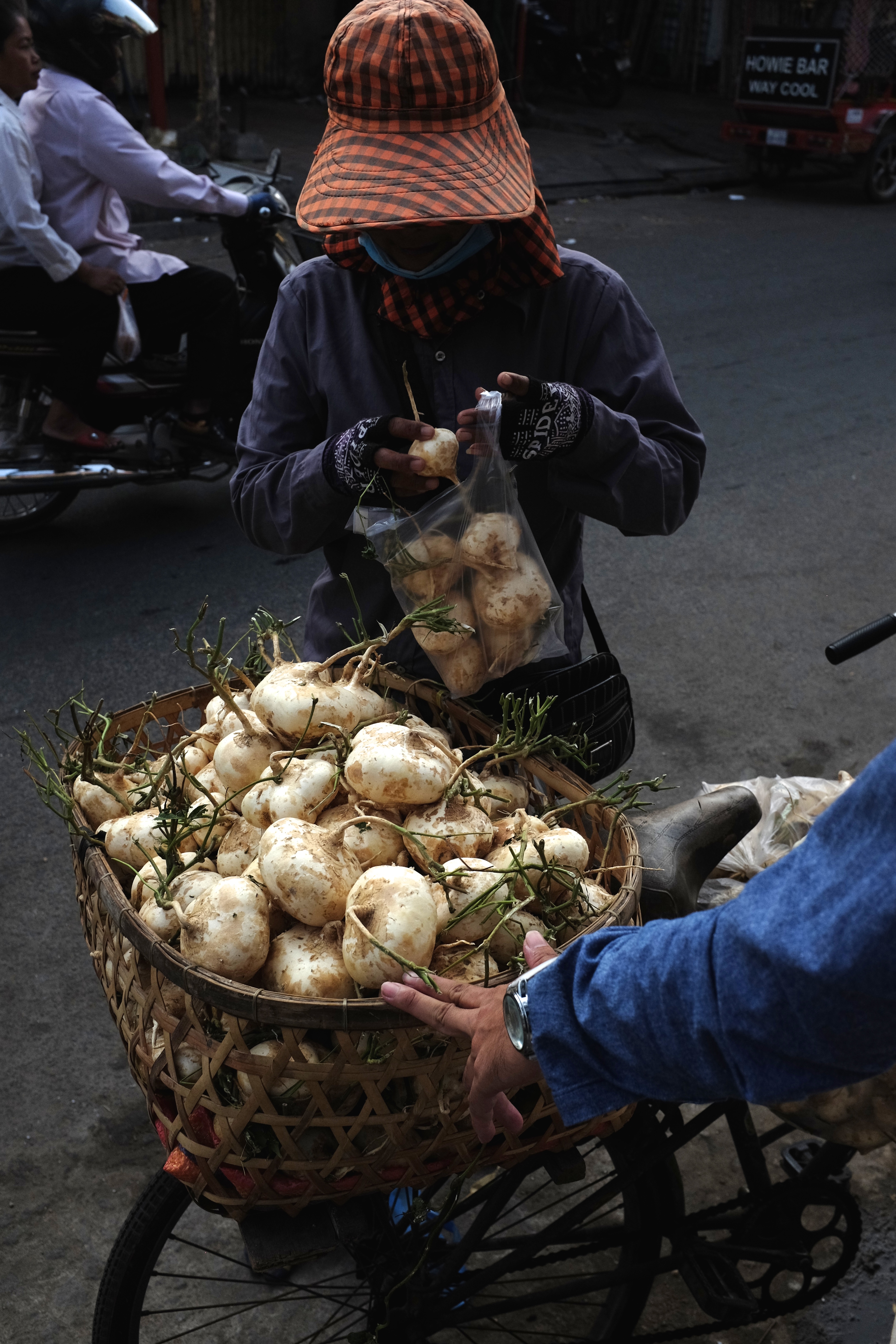
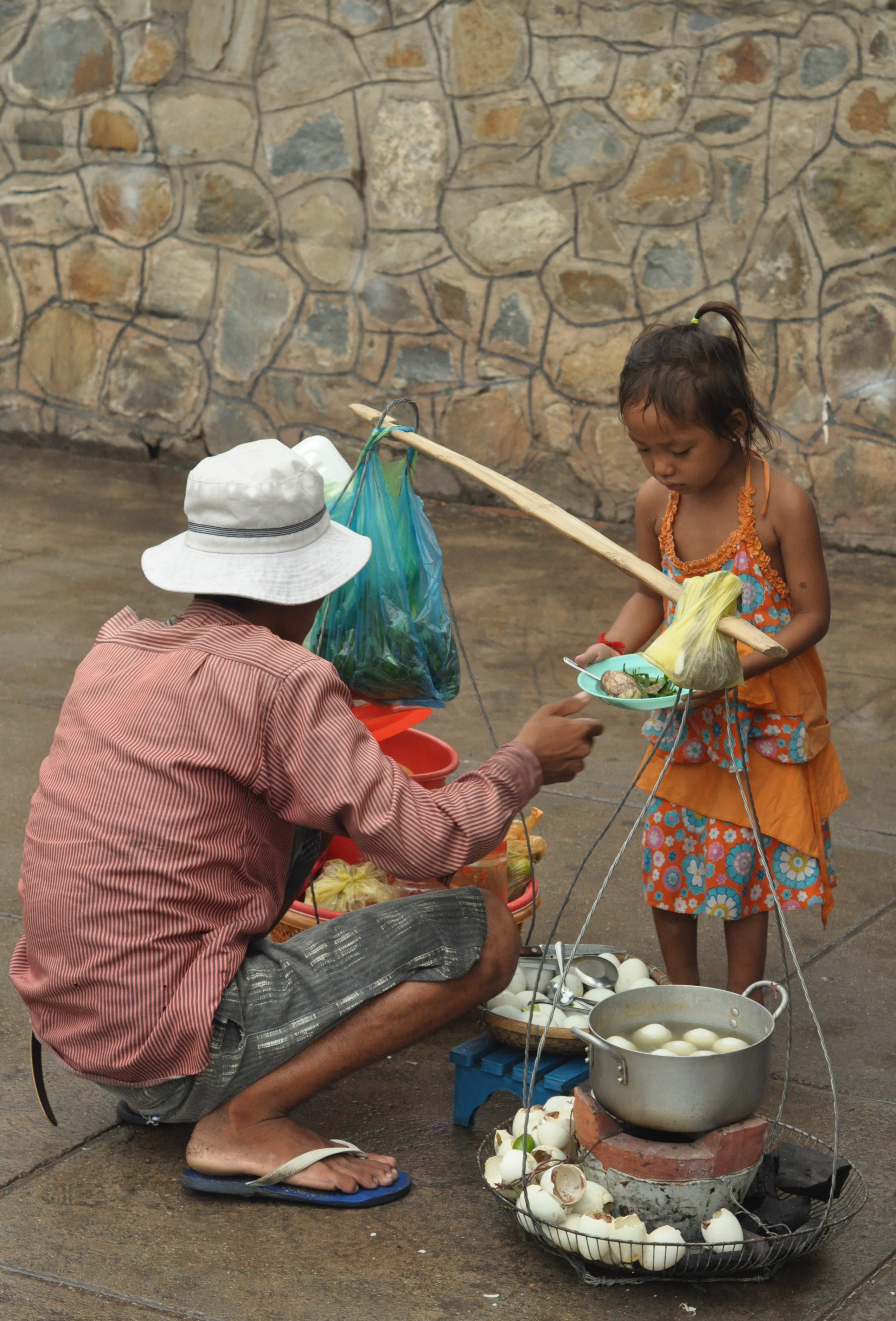
mobile vendor of unnamed vegetable
stylo on a cyclo – waiting for shoppers on a Saturday
Not Paris – late evening view of the Royal Palace from the Mekong River promenade. Historians say that of all the cities the French built in Indochina Phnom Penh was the prettiest.
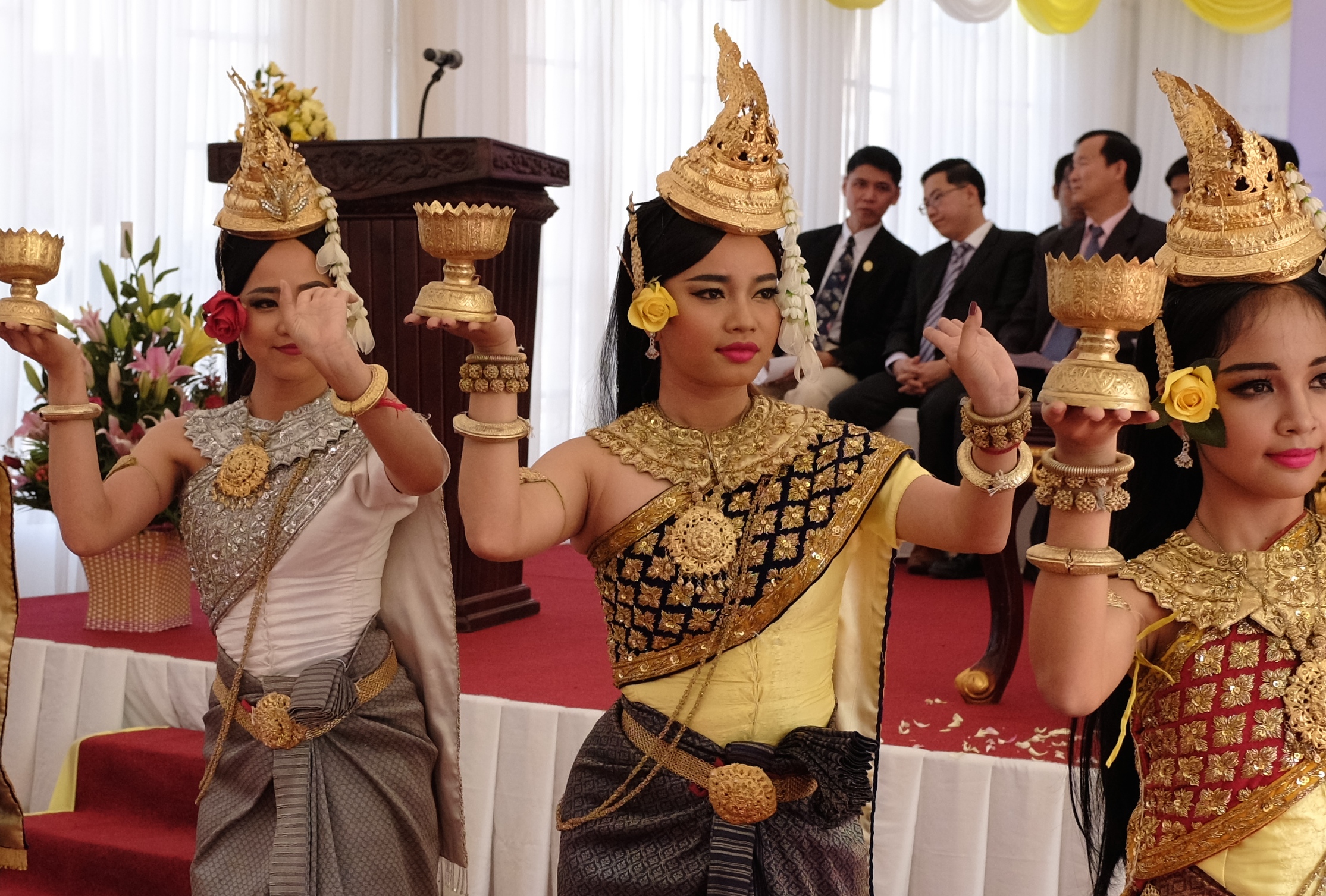
dancing for the boss – modern live version of the celestial nymphs, Apsara
education in horror – children on a visit to Tuol Sleng Genocide Museum a former high school turn prison known as “S-21” where as many as 20,000 men, women and children were photographed, chained, beaten and gruesomely murdered
Then, exactly forty years and a fortnight ago, Communist troops drove out the US-backed government of Prime Minister Lon Nol forcing him to flee into exile in Hawaii. The band of ragtag peasant soldiers led by an ex-teacher from a local French school named Saloth Sar, known to the world after 1976 as Pol Pot, took over Phnom Penh and within hours emptied it of people by ordering everyone out to the countryside where they were to face exploitation, cruel beatings and death.
In less than four years of rule by Pol Pot and his followers called Khmer Rouge, the regime overworked, starved, tortured and executed to death a quarter of Cambodia’s population. The Khmer Rouge wanted to create a socialist Utopia. In their mad experiments of horror and paranoia they laid waste to the entire country and literally set Cambodia back to ‘Year Zero’ by abolishing money, markets, schooling, religion and private ownership.
Things did not exactly turn rosy when the Vietnamese Army invaded in 1979 getting rid of Pol Pot. Fighting continued between the Vietnamese installed government of People’s Republic of Kampuchea (PRK later rebranded in 1989 as State of Cambodia to attract a wider international appeal) and the China-backed Khmer Rouge who retreated to territories along the Thai border.
Other groups such as the Khmer People’s National Liberation Front (KPNLF) and FUNCIPEC under Prince Sihanouk soon joined in the fray creating a four-corner fight.
By the time Peace Agreements were signed in Paris on 23 October 1991 hundreds of thousand of Cambodians had been displaced in refugee camps in Thailand and tens of thousands killed by the civil war.
The Paris Agreements created the United Nations Transitional Authority in Cambodia (UNTAC) to temporarily run Cambodia. UNTAC with a 22,000 strong multinational civilian and military peacekeeping force drawn from 45 countries was given the mandate to disarm and de-mobilize the four Cambodian armed factions and to prepare the country for elections which eventually took place in May 1993.
Today Phnom Penh has come a long way from its previous incarnations as a French colonial gem in 1920s, independence-era model city in the 1950’s, Khmer Rouge Ghost city in the 1970’s and UN-NGO cowboy town of the 1990s.
In its freewheeling and anything goes spirit, Phnom Penh is now peerless in this part of the world, perhaps reminiscent of Macau or Hong Kong in its mid colonial heyday or Malaya during the tin rush. With its high number of entrepreneurs and emigres from Asia and beyond, a magnificent river frontage, excellent Chinese restaurants and budding coffee culture, Phnom Penh is ready to take on its larger, richer but socially and politically shackled regional rivals.
As proof, Cambodia is already growing faster than China, India,Indonesia and Malaysia.
young entrepreneurs at a company inaugural event
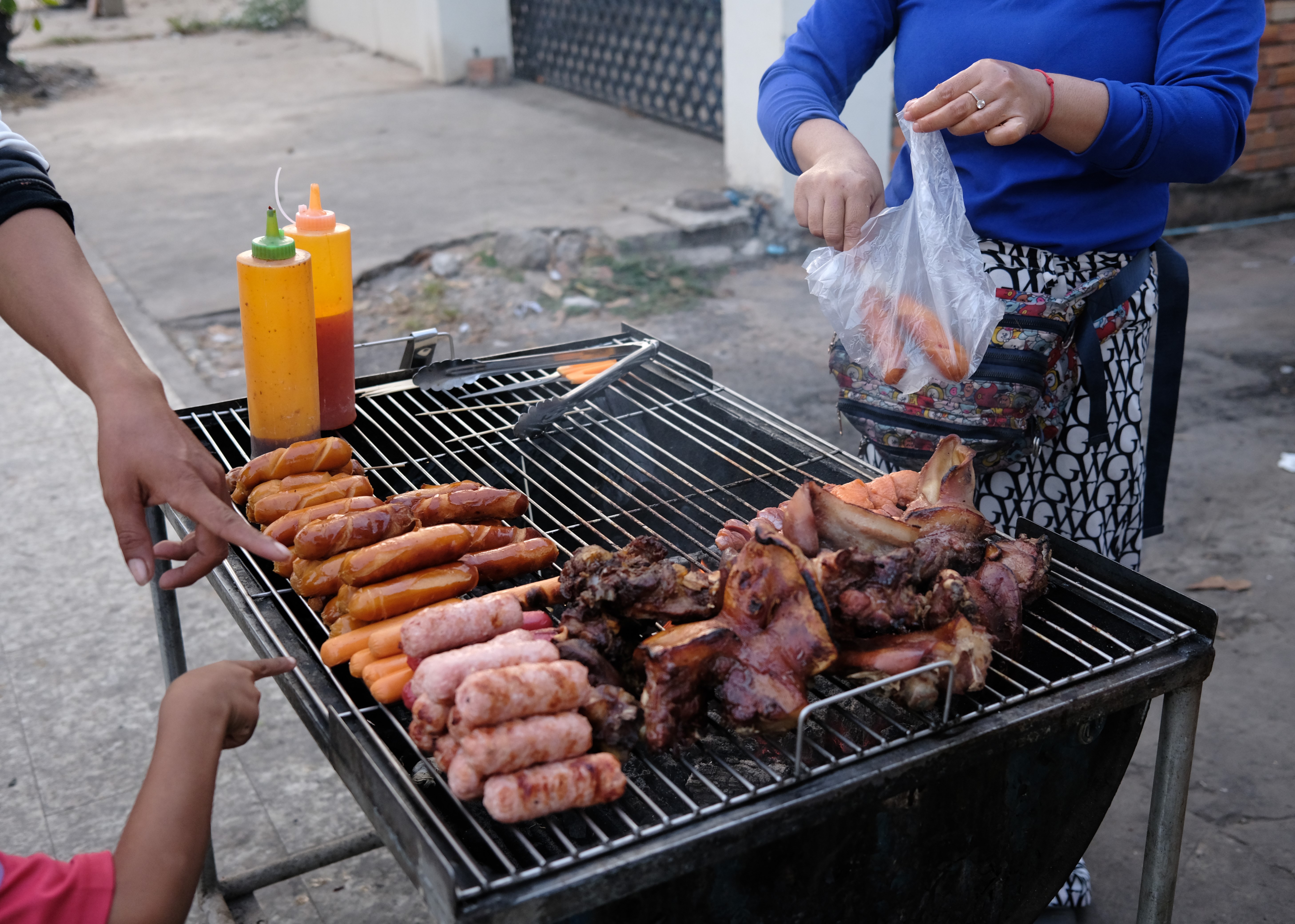
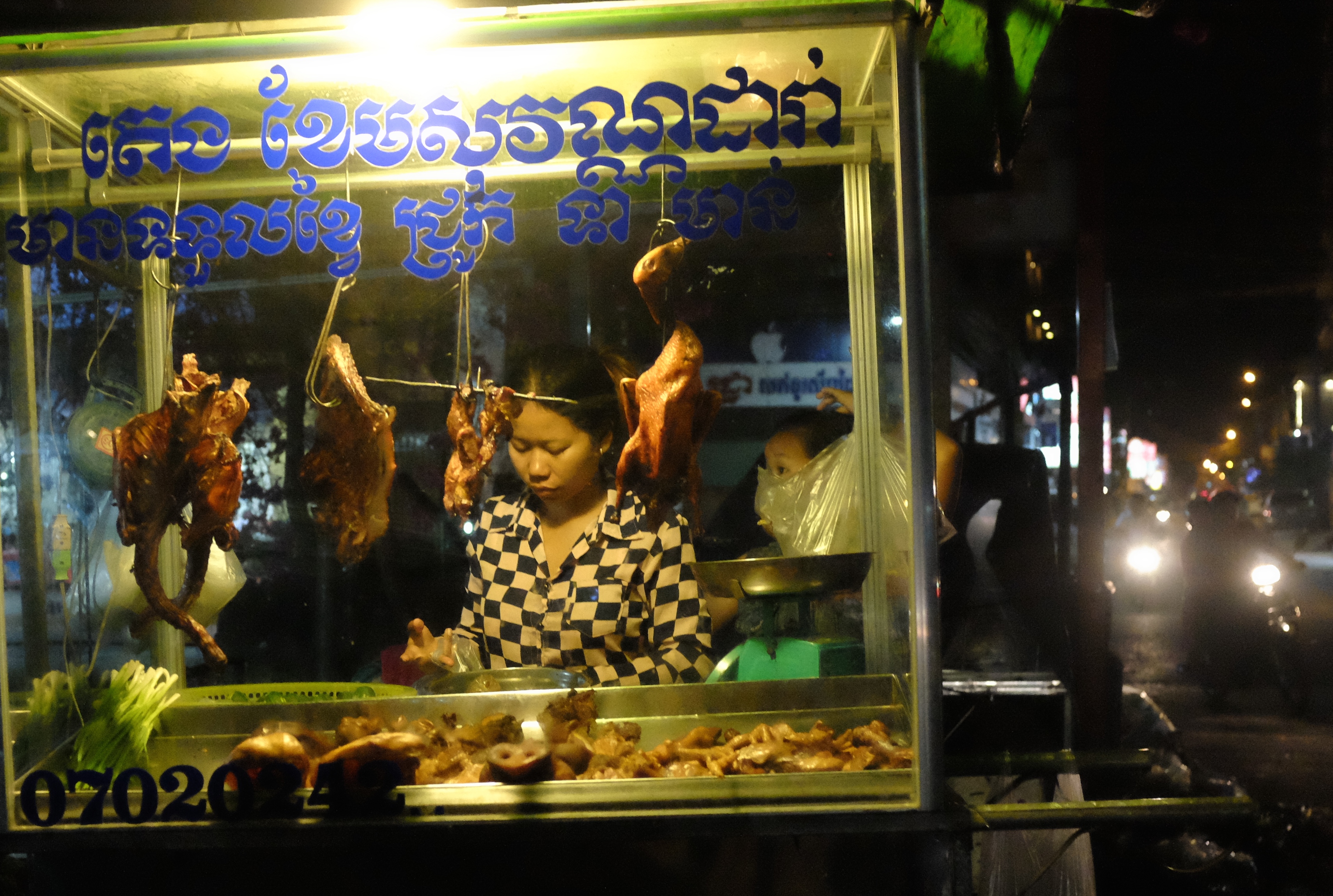
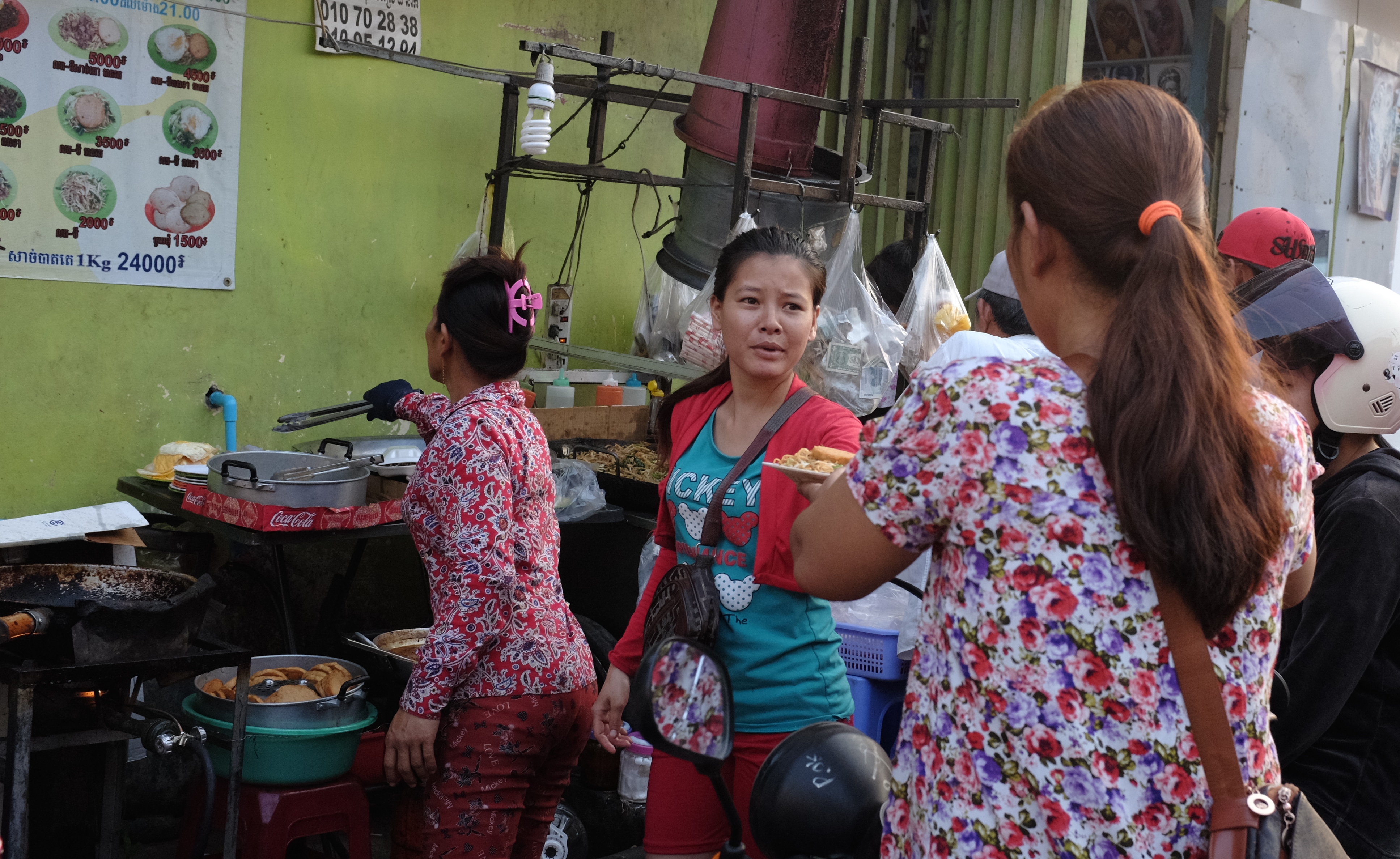
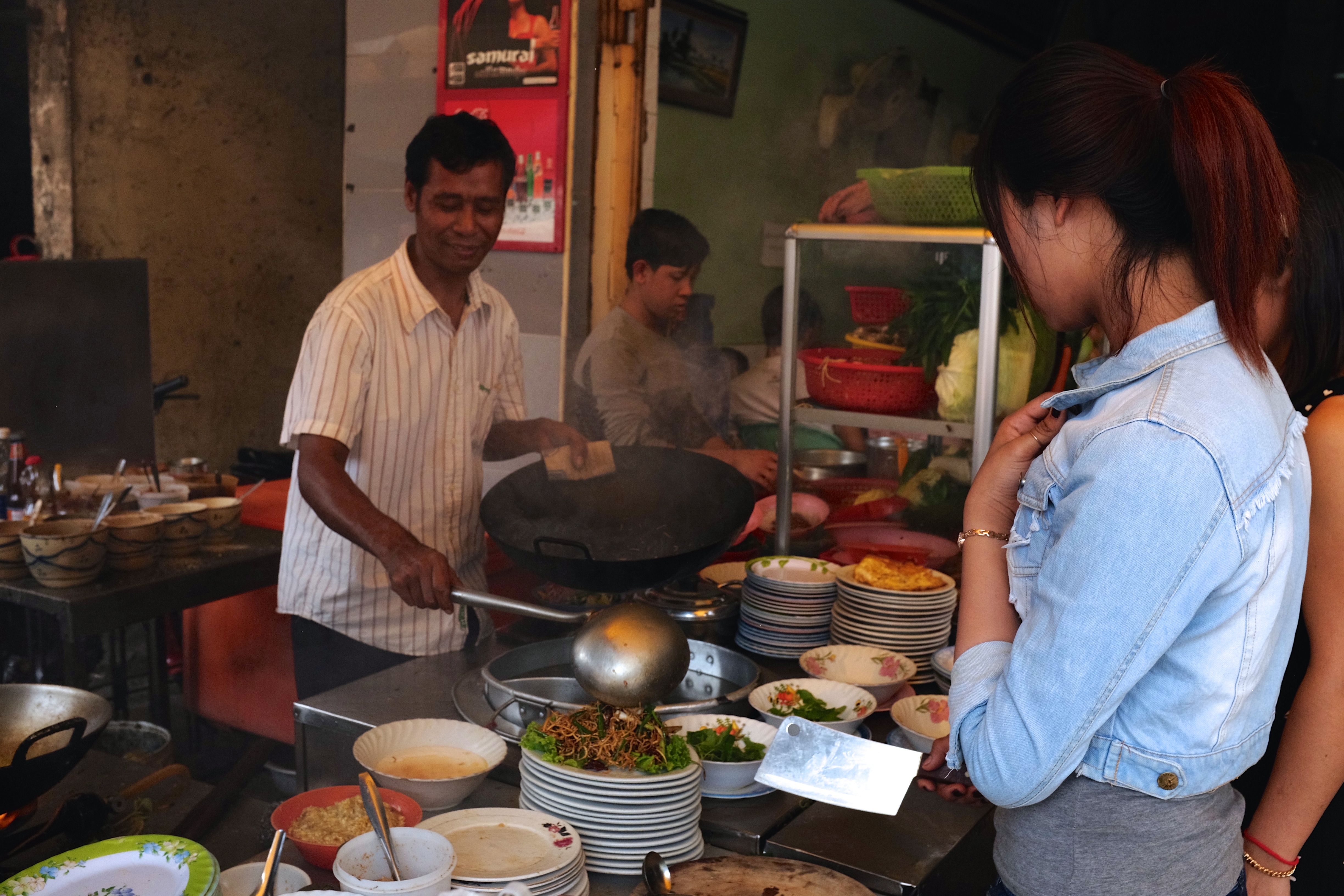
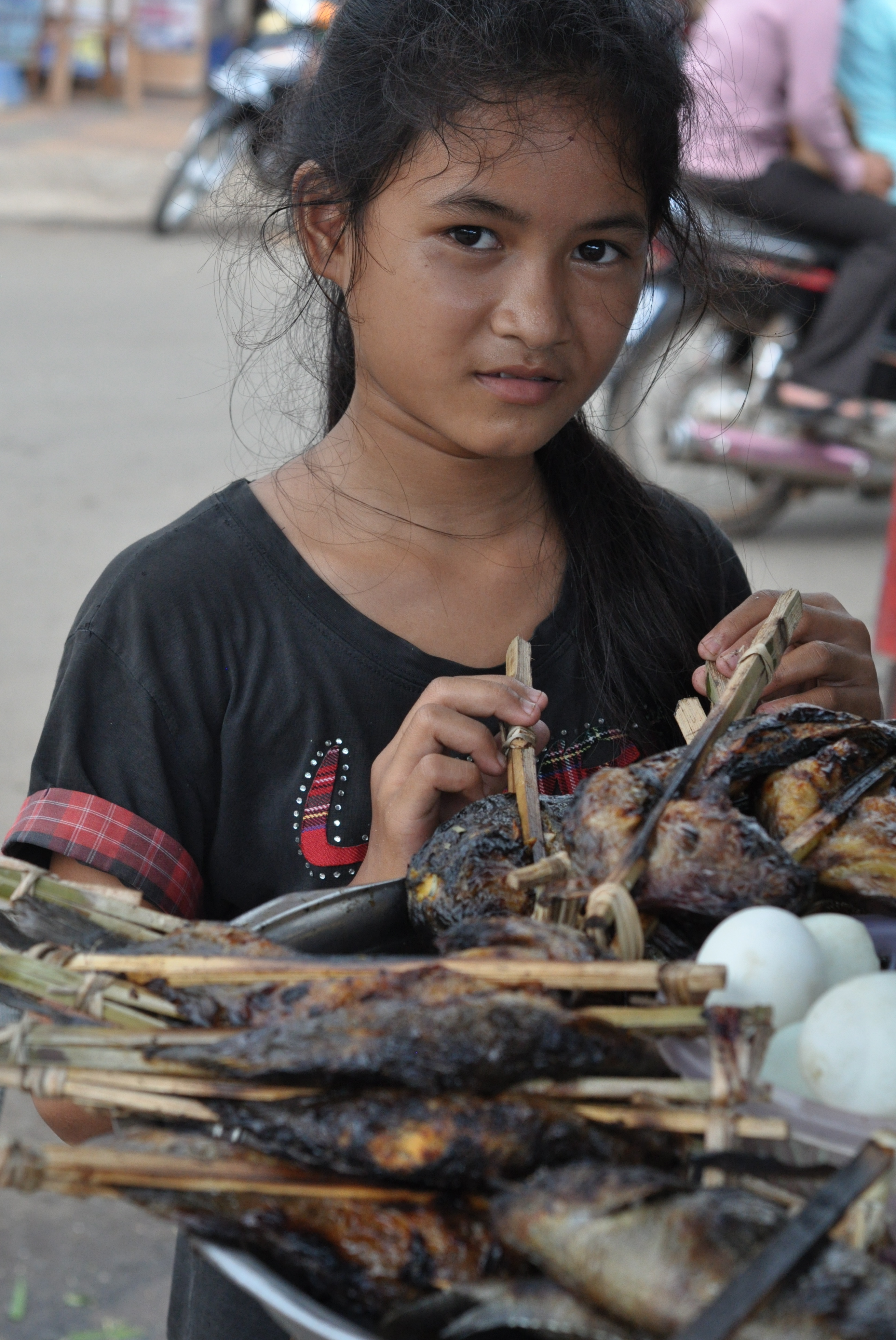
Cambodian food may not be world renowned as Thai or even Vietnamese but in its street version it is varied and uses lots of fresh seafood and organic ingredients
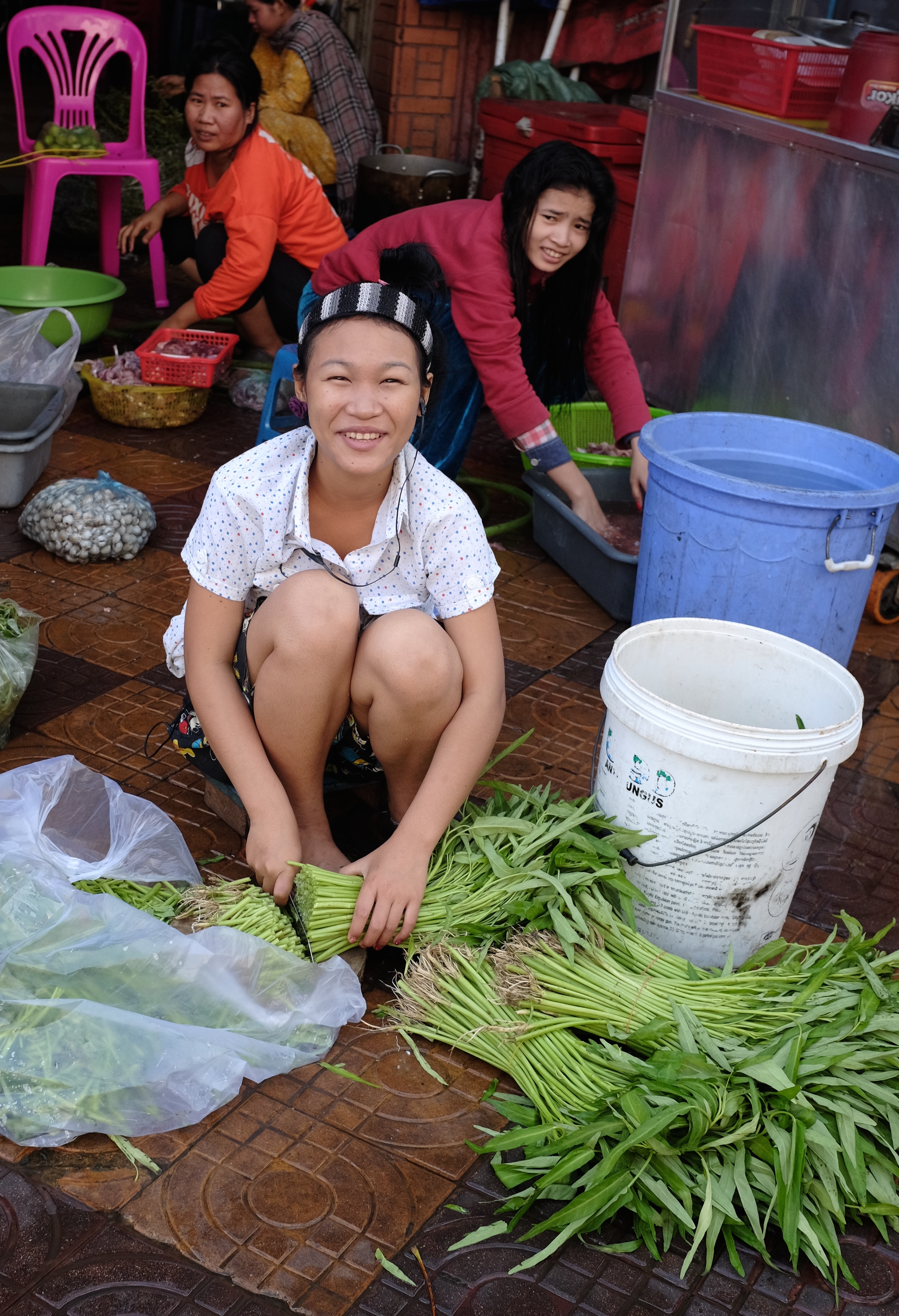
chopping up trokuon / kangkung an aquatic vegetable cultivated and eaten throughout tropical south east Asia
quintessentially phnom penh
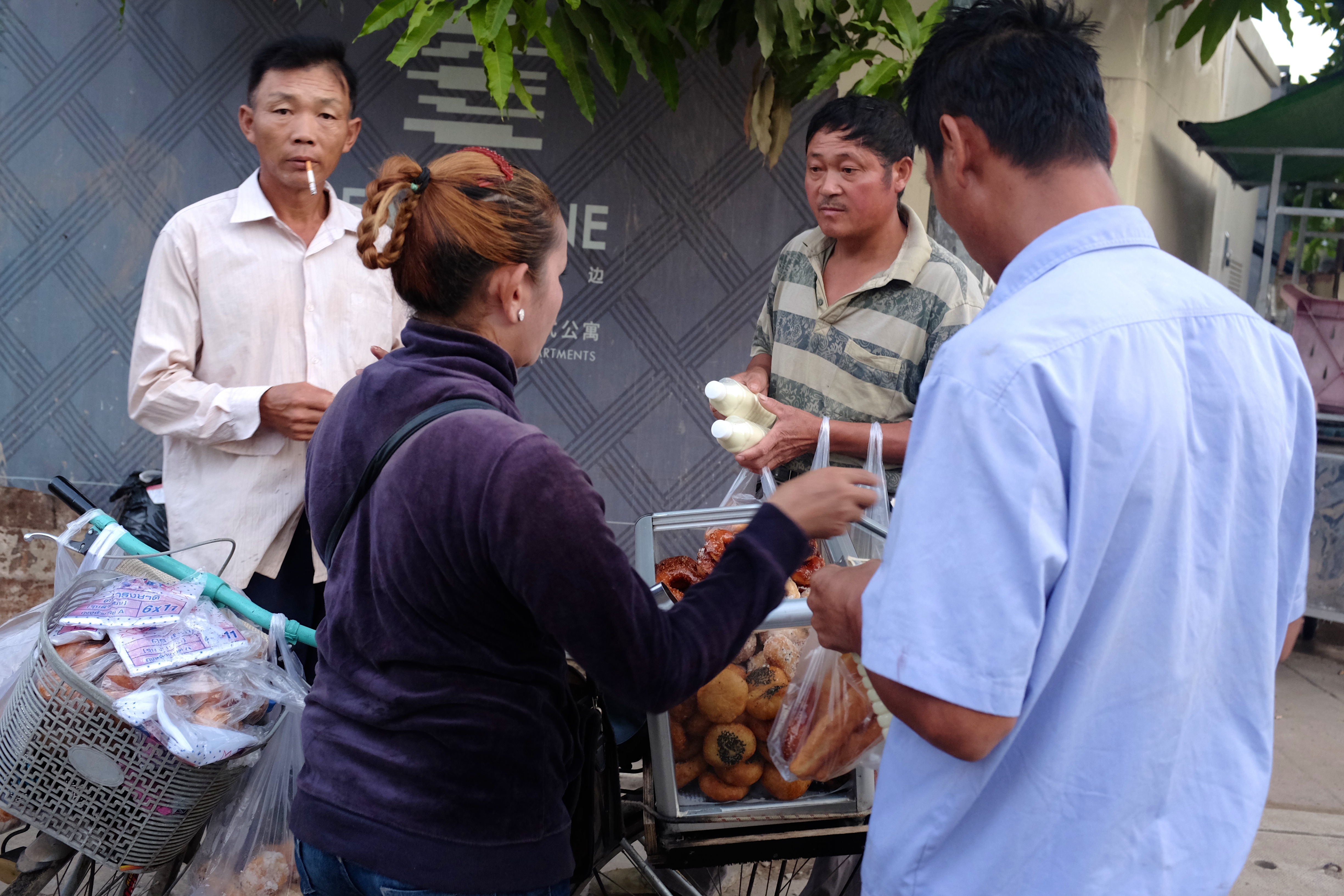
Vietnamese newcomers make up a huge percentage of migrants in Phnom Penh. Like successful immigrants and ethnic groups elsewhere Vietnamese are often targets of discrimination in part because of historic enmity between the two. Cambodians have been taught that large parts of southern Vietnam and the Mekong Delta including where Ho Chi Minh City now stands were once Khmer Lands.
Modern Cambodian cooking style shows a strong Chinese influence
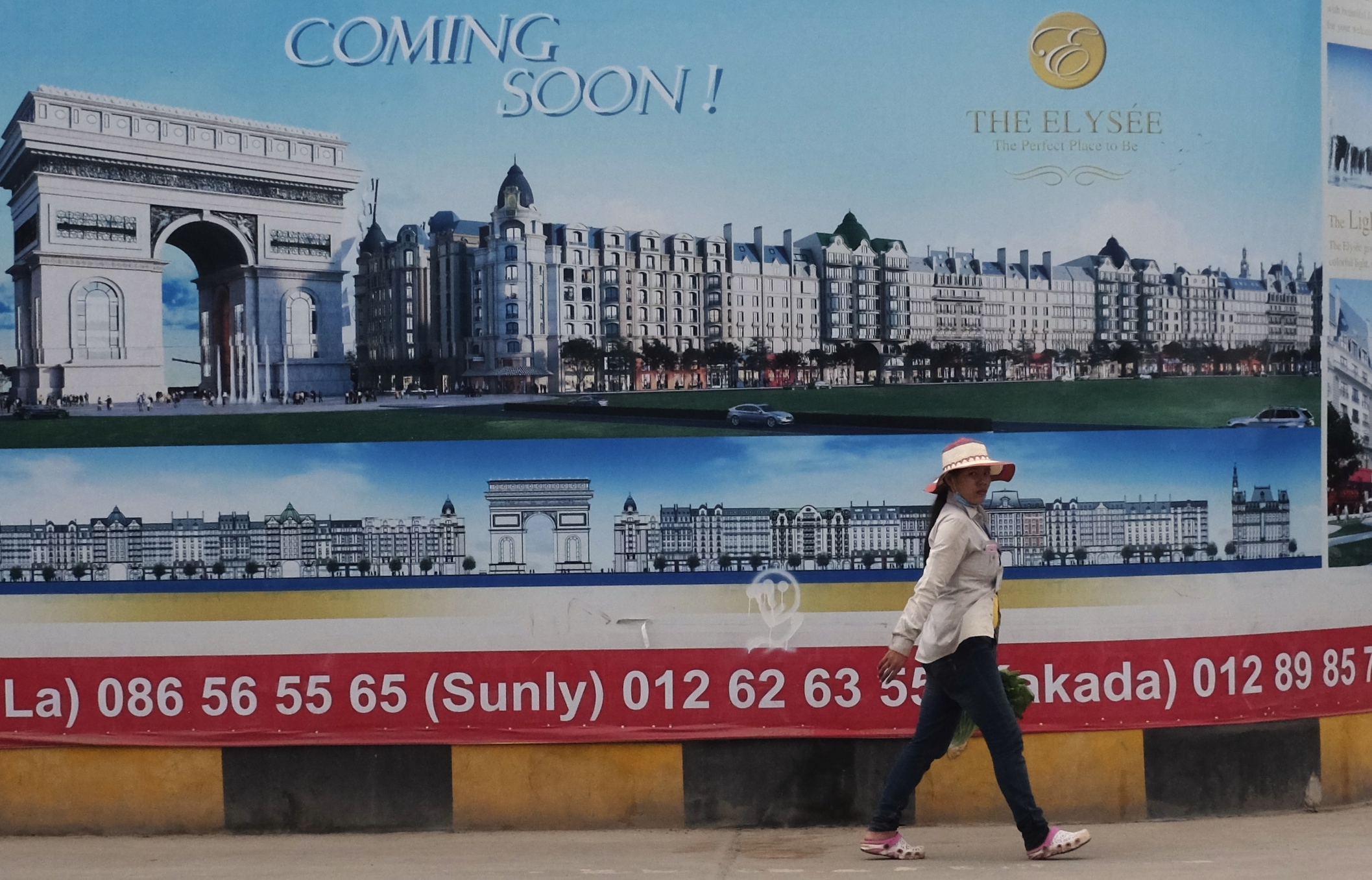
disappearing view – older buildings have been torn down or refurbished at a quick rate to make way for glass, steel and concrete as Phnom Penh zooms ahead
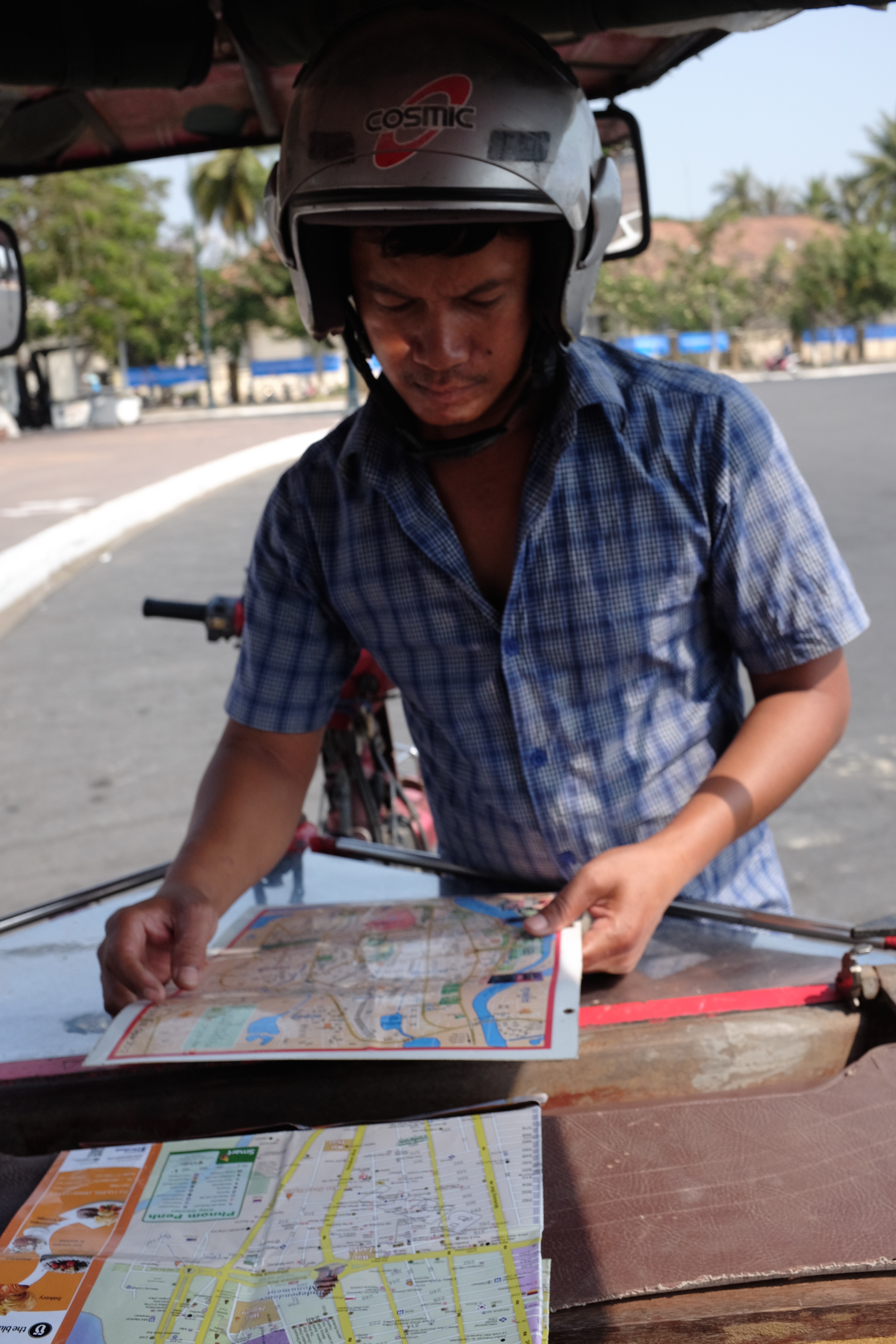
tuk tuk driver reading a map – many young Cambodians are gaining fluency in English as more foreigners come to visit, work and stay in their country. Their mother tongue Khmer is mainland South East Asia’s only non-tonal language and is a cousin of the indigenous Orang Asli languages of the Malay Peninsula.
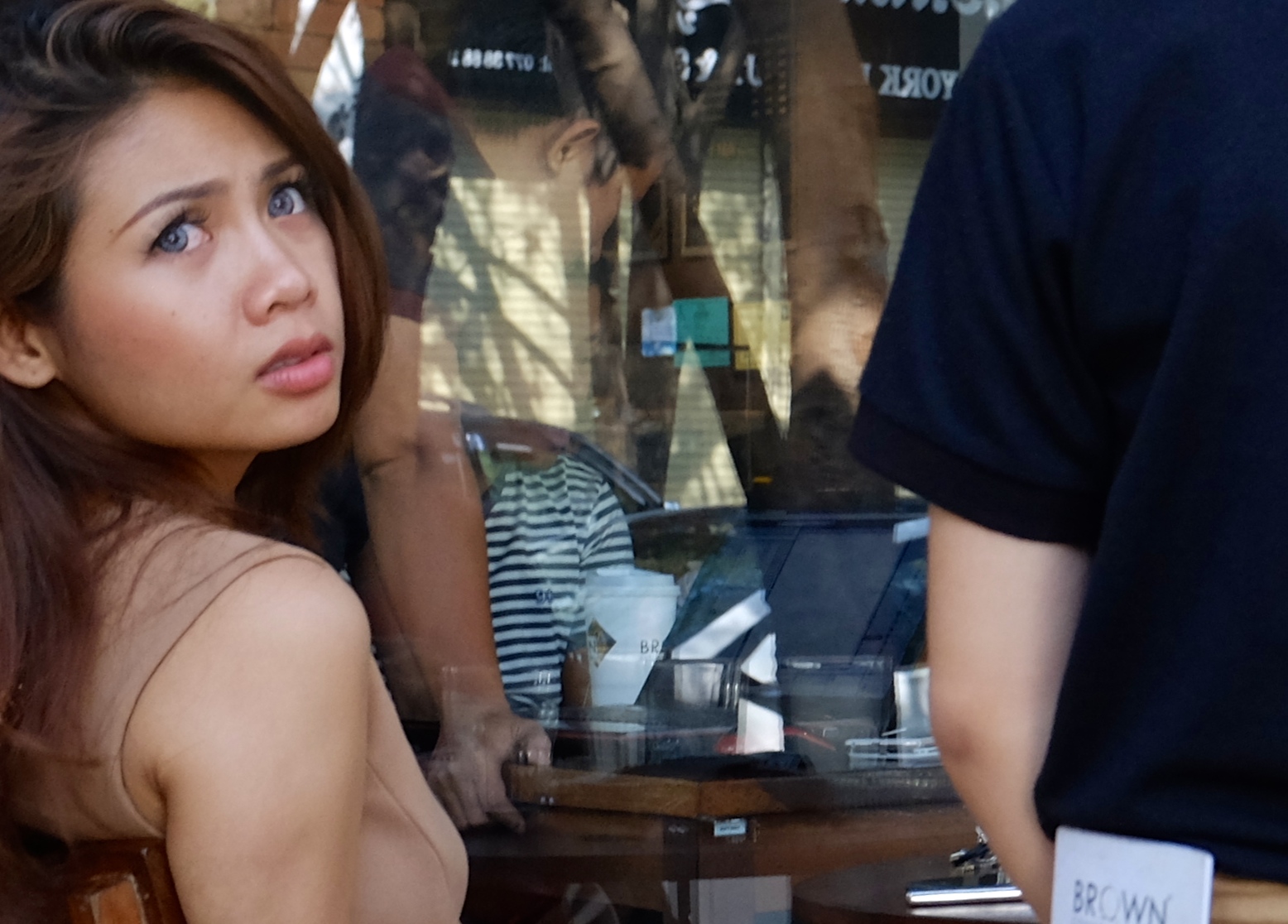
Beautiful but shy – waitress at Sam Doo, a downtown restaurant open until the early hours of the morning that serve I think the best wonton noodle in the world
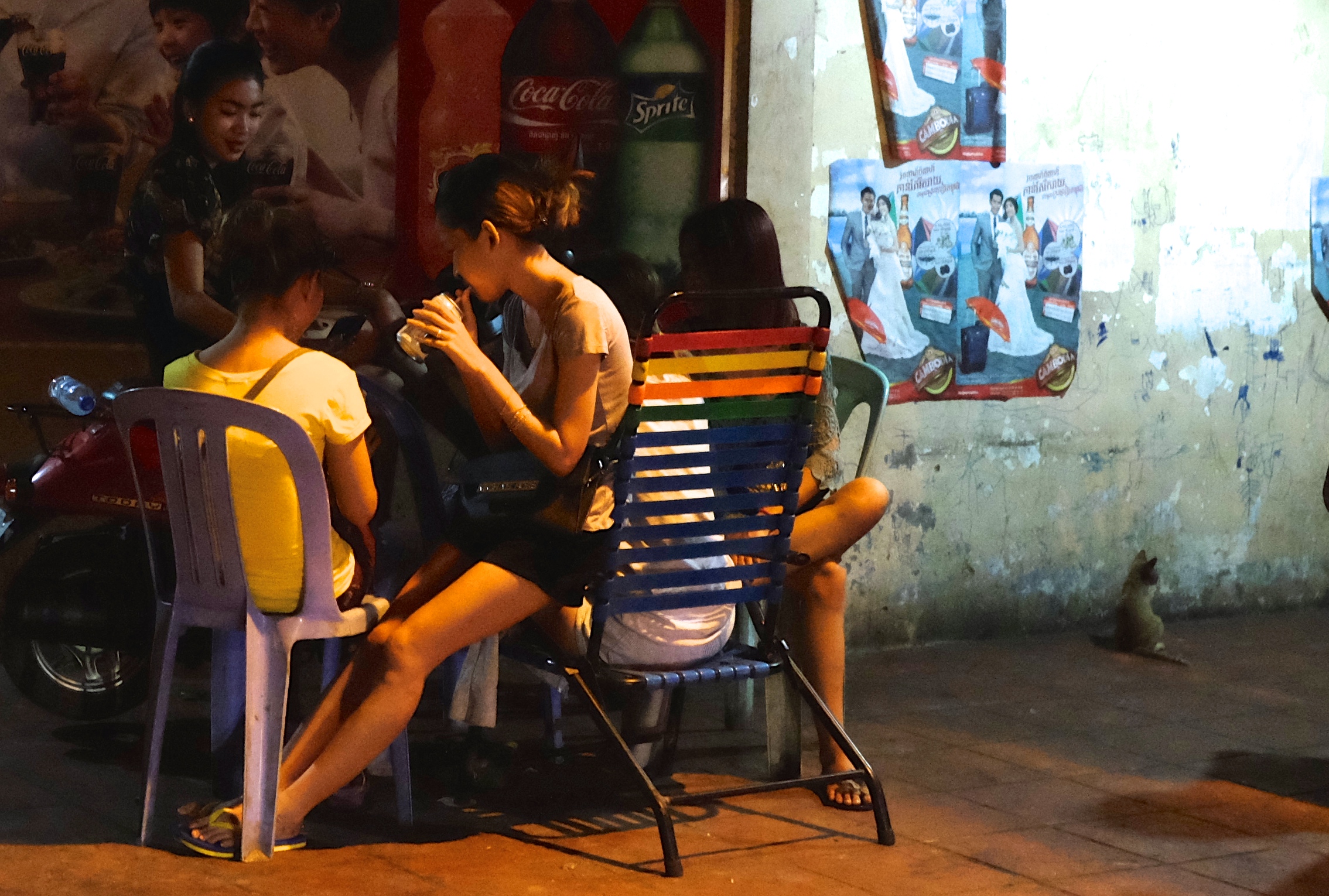
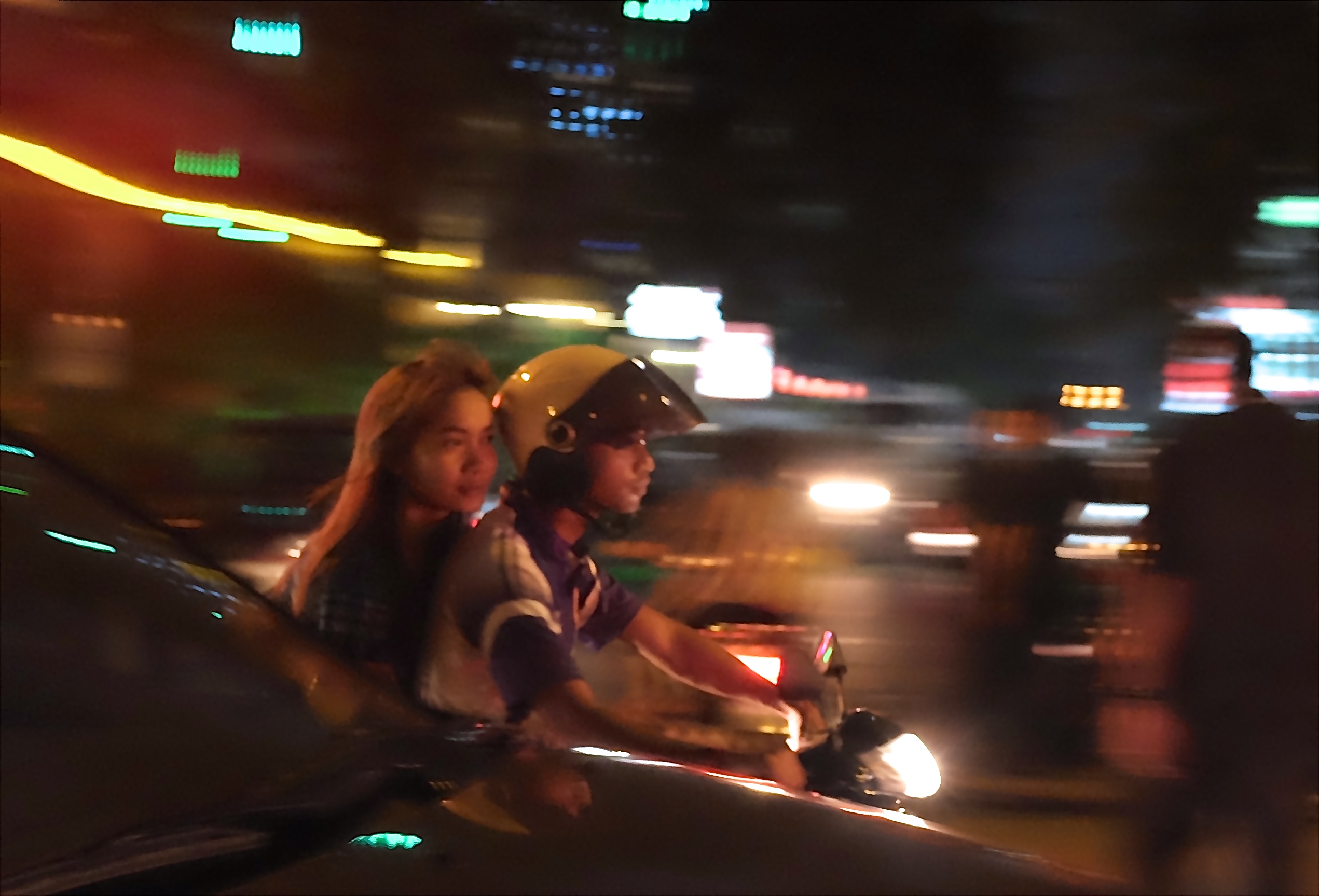
a typical view of a youthful tropical Asia at nightfall
flower shop at the Phnom Penh’s famous art deco Central Market
family day out
door boys at the city’s hotel and casino
friends at breakfast
Lotus seller at Wat Phnom
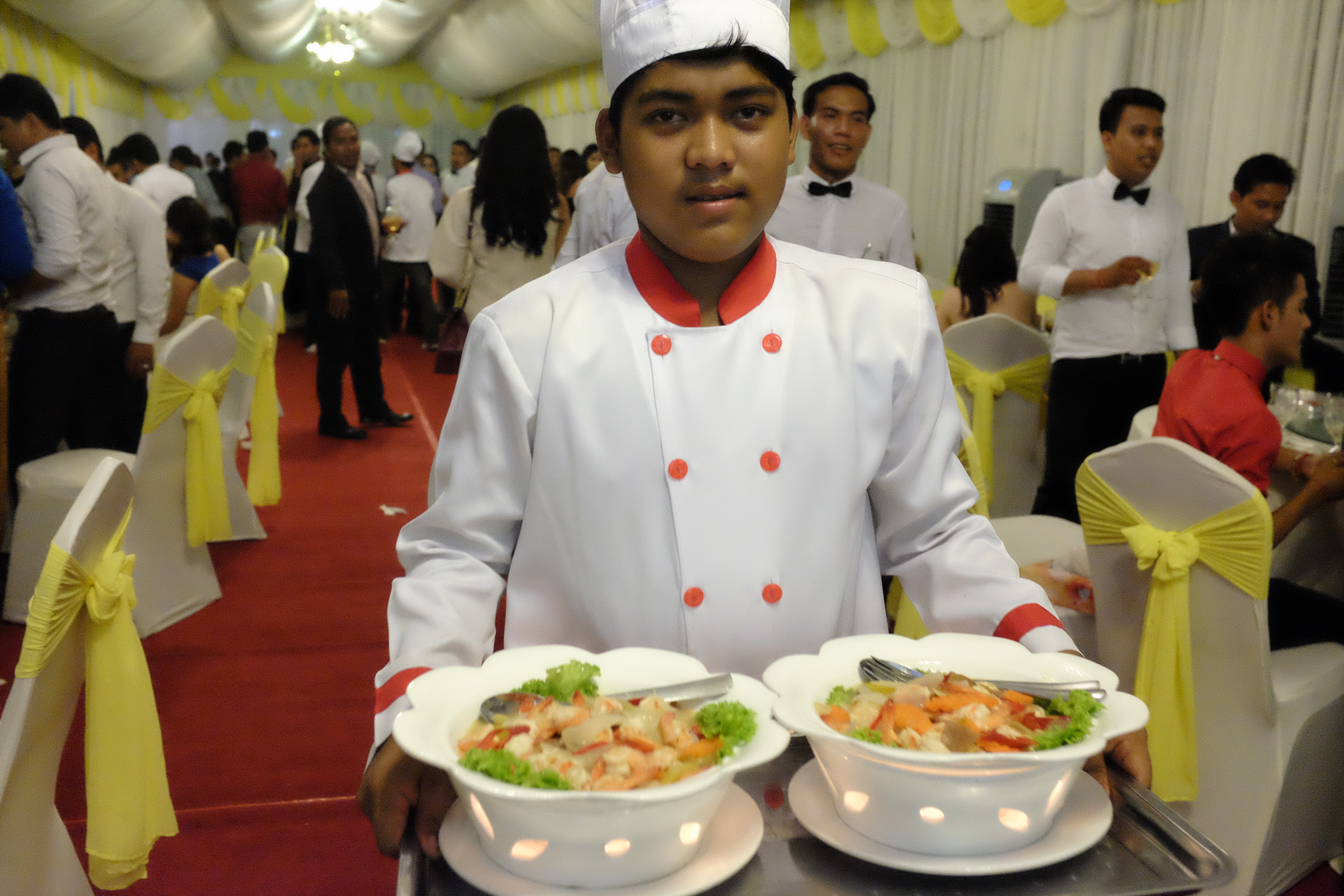
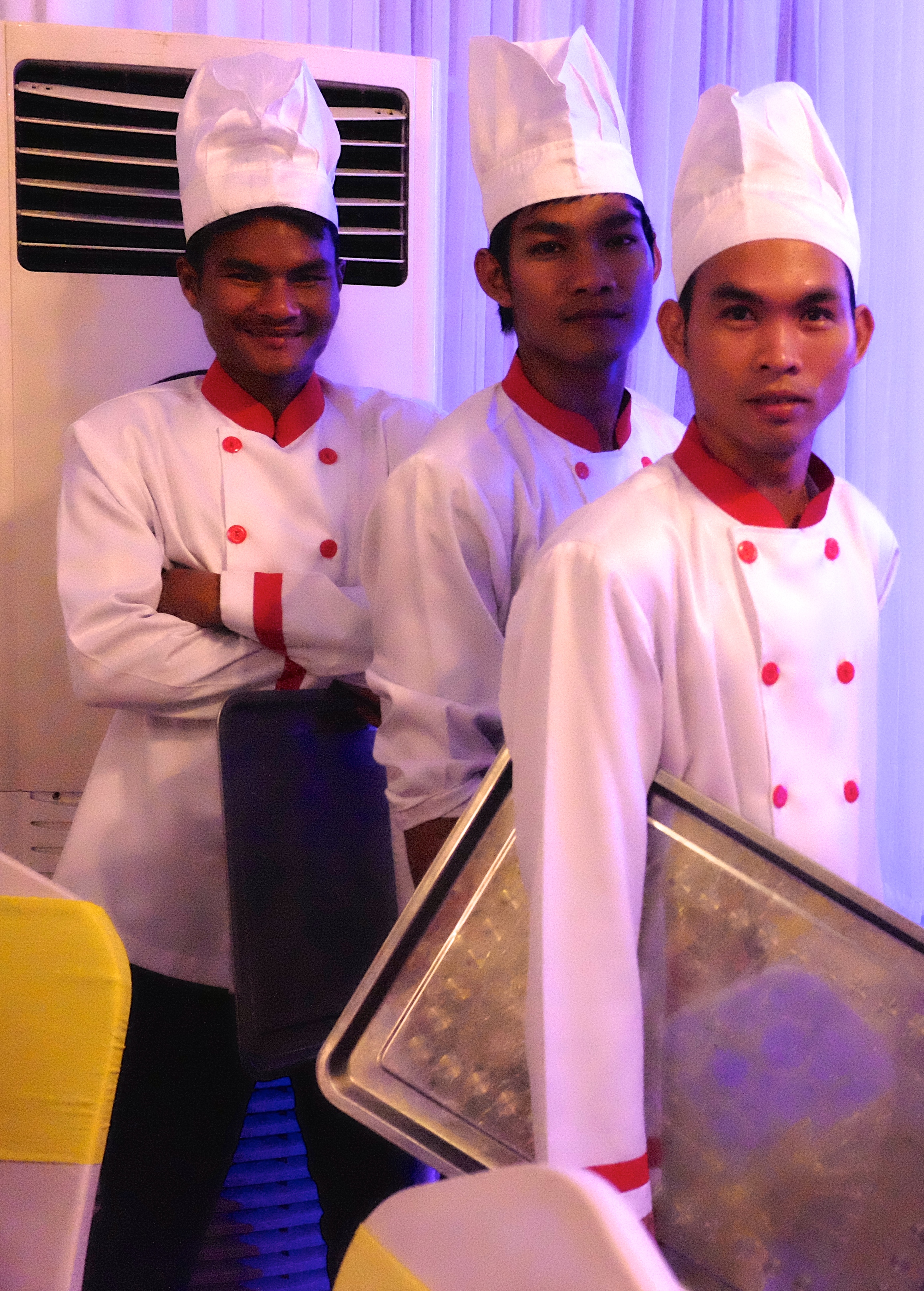
waiters at an annual dinner
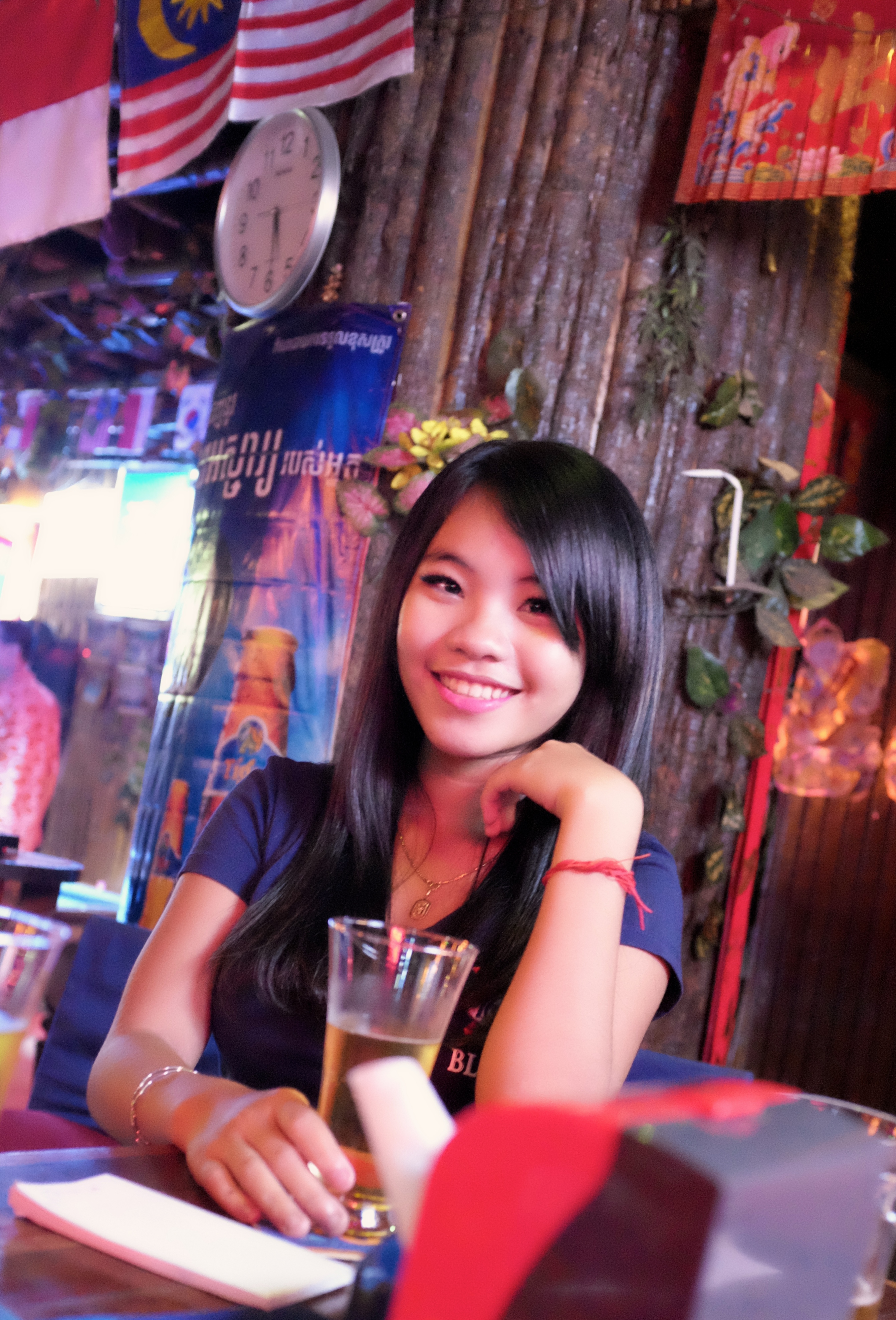
hostess at the Cat House one of the city’s oldest pubs
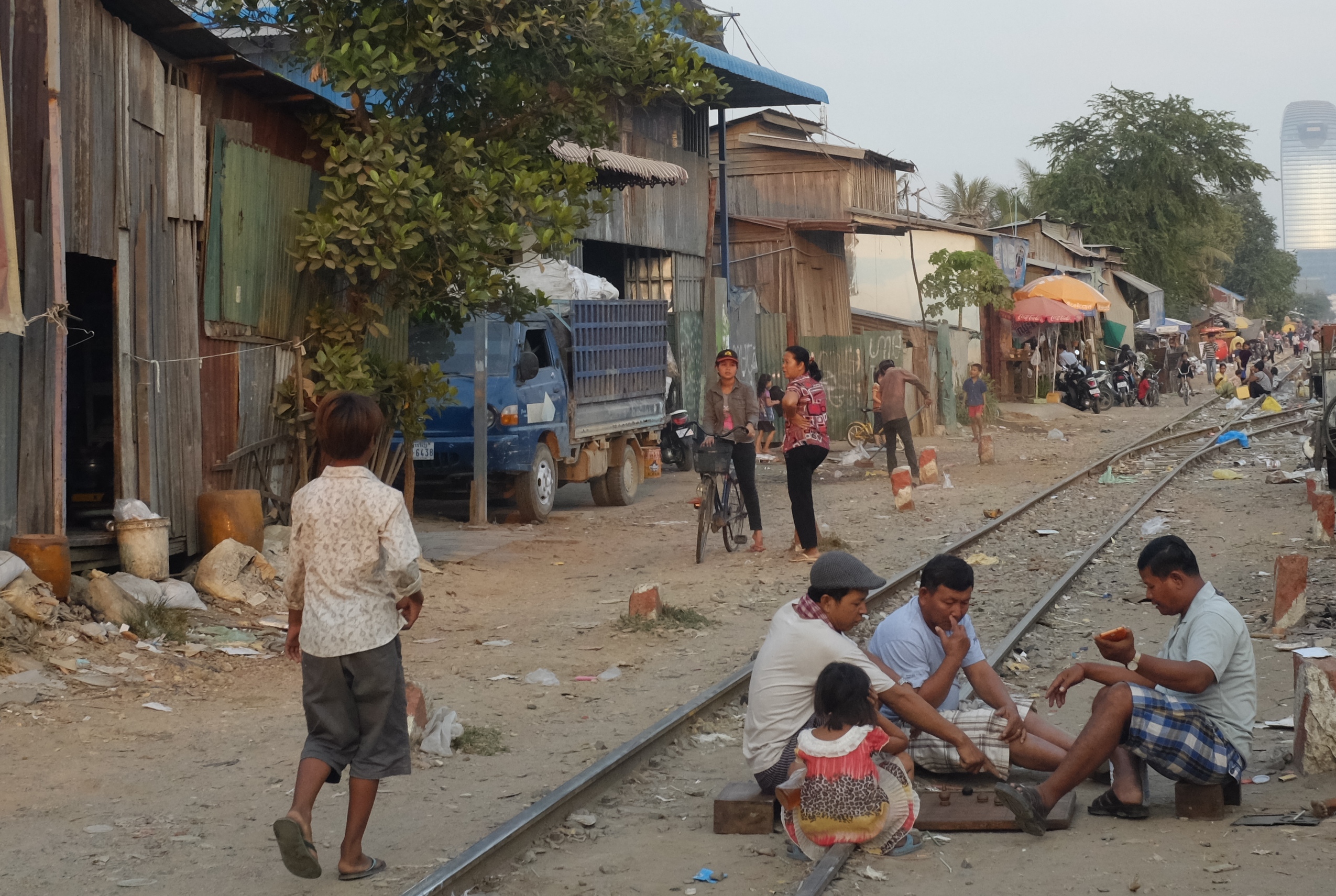
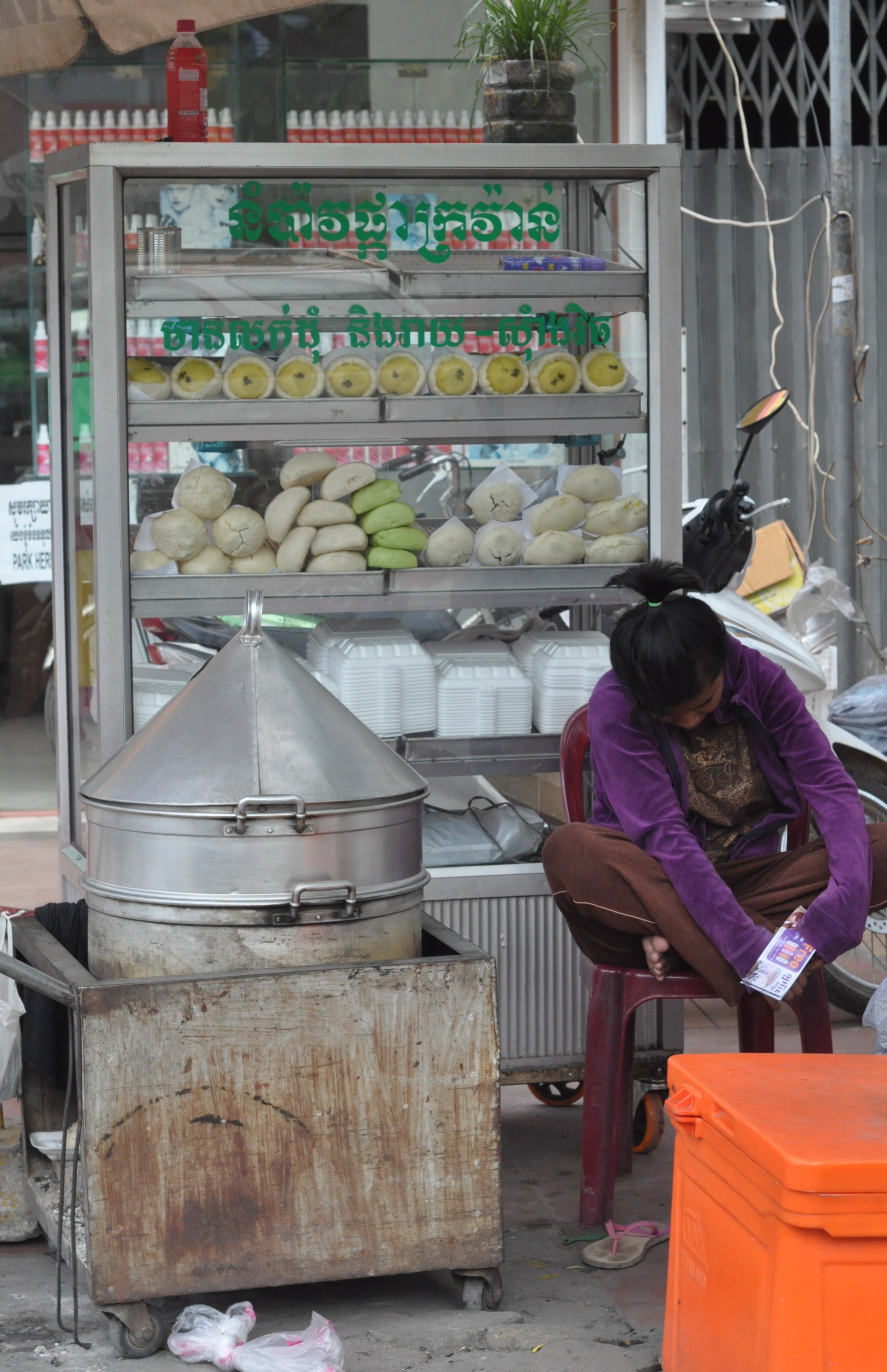
A reminder that despite breakneck progress Phnom Penh is still a poor city. Here residents of an inner city slum on Street 99 prepare their food stalls for the day’s business
woman crushing cane juice for sale on a hot day
boom town phnom penh
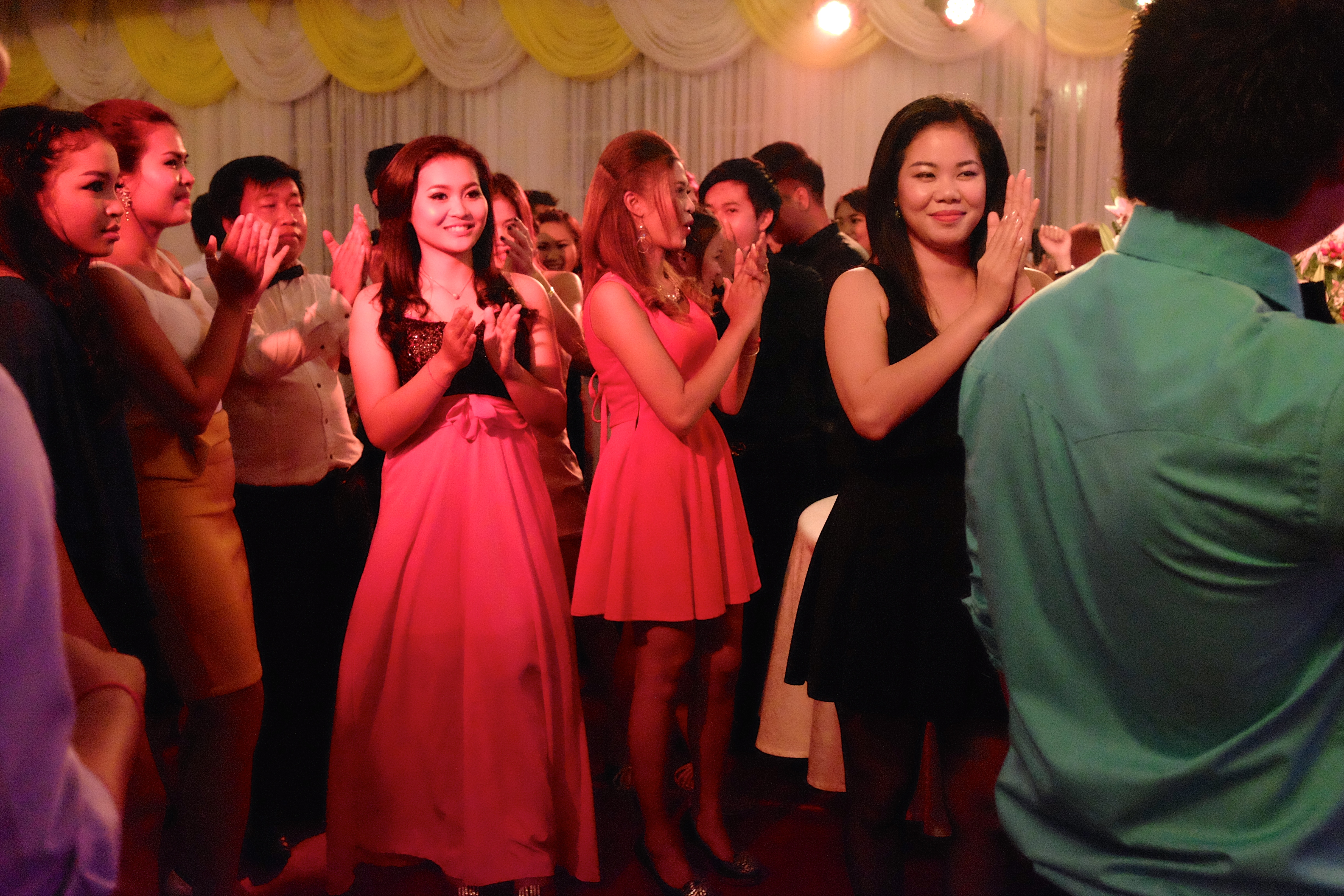
applause
and peace signs at a party in Phnom Penh
All words and images Copyright Kerk Boon Leng April 2015













































 Kerk Boon Leng Photographs & Notes