Adhering to the credo “Rather Underdeveloped than Enslaved”, Algeria’s worldview and deep mistrust of globalization stem from a fear of losing its hard-won independence and the lingering trauma of the Dark Decades.
Hardly anyone arrives in Algeria truly prepared. Not that it is hard to access (though the visa process can be a test of patience unless you’re blessed with one of those seven lucky passports – Malaysia, curiously, among them). No, the real surprise is that so little is said, written or whispered about this immense, enigmatic land. Politically prickly, culturally complex, and taking up the largest chunk of North Africa, Algeria is the great omission in travel writing. It remains half-unknown and glaringly overlooked in the travelers atlas not for lack of sights or selfie feeds, but because of a long-standing isolation—much of it self-imposed, a legacy of its violent and unresolved past.
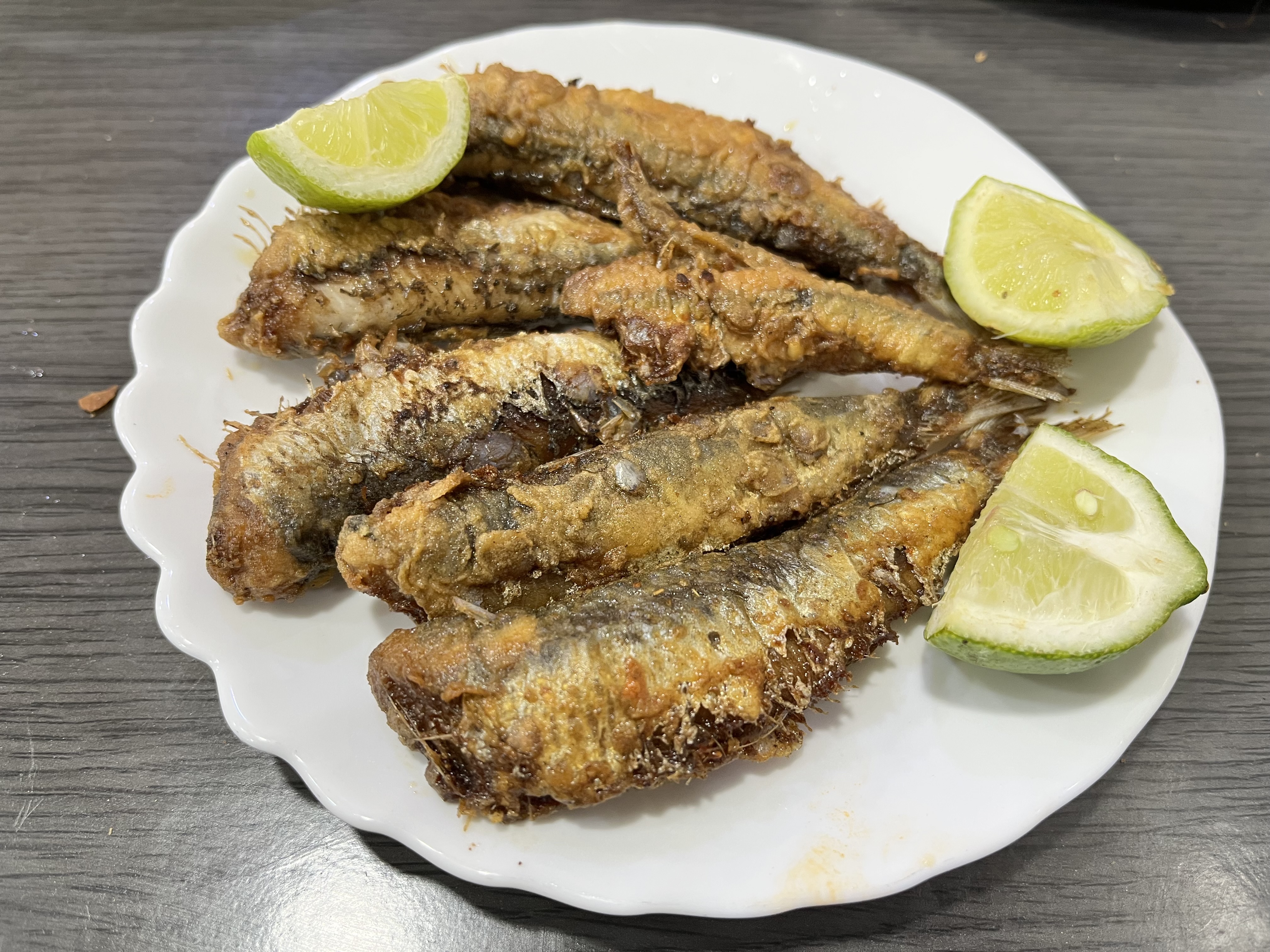
A quick gulp of Slim, Algeria’s favourite fizzy fruit soda, while crossing a road in Bab Ezzouar, Algiers.Sardines Frites – a fiercely local lunch ritual of working-class Algiers. Fresh morning catch of the Mediterranean, tossed in flour, fried crispy golden, served with wedges of lemon and a plastic bag of cold crusty bread in the city’s backlane cafes.Worn but steady workhorse: a faithful Peugeot barrels down the A1, Algeria’s Autoroute Est-Ouest, near Sétif with its loyal owner and appurtenances.
Absence and Obsession: Despite years of nationalism and Arabisation, France’s influence still runs deep in Algeria—seen in the buildings, heard in the language, and felt through family ties. Almost everyone has a cousin in France, many speak better French than Arabic, yet the relationship is full of bitterness and mixed feelings. Sunlit fields near Setif in Hauts Plateaux – undulating steppe-like plains sitting between the Atlas Mountains in eastern Algeria at 900 to 1,200 meters. It is one of Algeria’s principal grain-growing areas where durum wheat (used for semolina, couscous, and bread) is the main cereal crop.
Despite being rich in oil, Algeria has consistently refused to sell off its national assets or open them to privatization. Its Constitution firmly declares: “All public property belongs to the national community… It includes the subsoil, mines, and energy sources.”
Algeria’s modern identity is shaped by a harsh colonial experience under France, one of the most violent wars of independence in the 20th century, and a civil conflict in the 1990s so throat-slittingly senseless and gut-wrenchingly cruel that it left excruciating psychological and social wounds. These layers are not just historical—they are recent and still felt in how the country interacts with the world and with itself.
And yet, what stands out to any visitor is not the weight of its past, but the deep heartfelt warmth of its people. Algerians could possibly be the kindest and most generous individuals I’ve ever encountered. The hospitality here is not culturally demanded or performed—it is a genuine welcome and a quiet readiness to assist, to offer food or conversation without expecting anything in return. This is sociologically striking and psychologically perplexing when viewed against a backdrop of political fatigue, economic hardships, and a general mistrust of outsiders rooted in a long history of cultural erasure, broken promises and betrayal.
The contradiction is hard to process at first: how can a country with such a painful and brutal past, one that remains politically wary and deeply private, still be so open-hearted to strangers? But this, in many ways, is Algeria. It is not a place that invites surface-level understanding and content-seeking travel influencers. It demands time, immersion, and humility.
This photo essay is a modest attempt to document what I saw and felt during our twelve days in Algeria’s Mediterranean belt —a land of scars and smiles, of stoic disobedience and astonishing kindness. It is not a comprehensive portrait, but a record of moments: a personal tribute and expression of gratitude to a people who, despite everything they’ve endured, remain remarkably generous and deeply human—even in the face of mass indifference, western misinformation and the flattening forces of globalization.
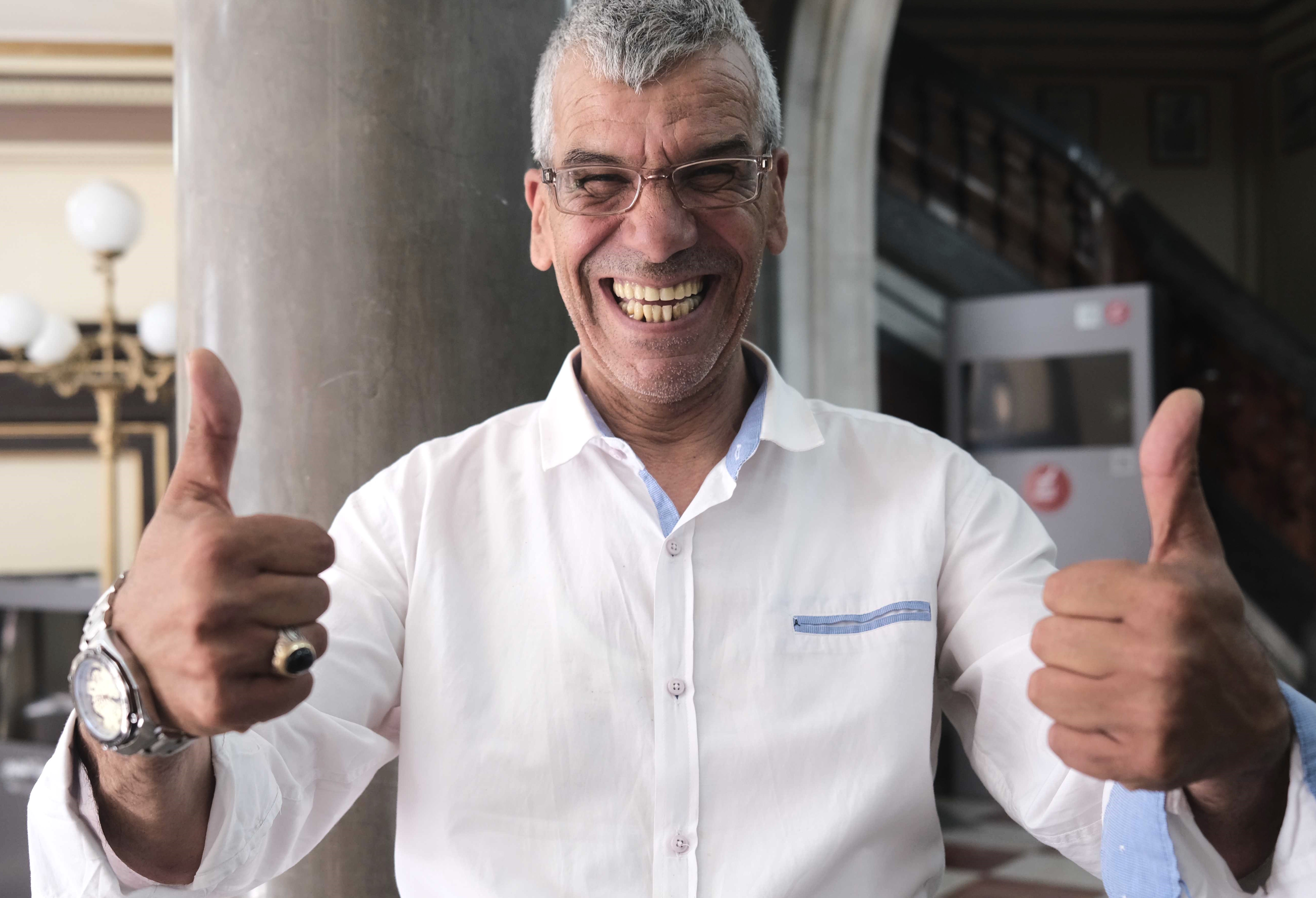
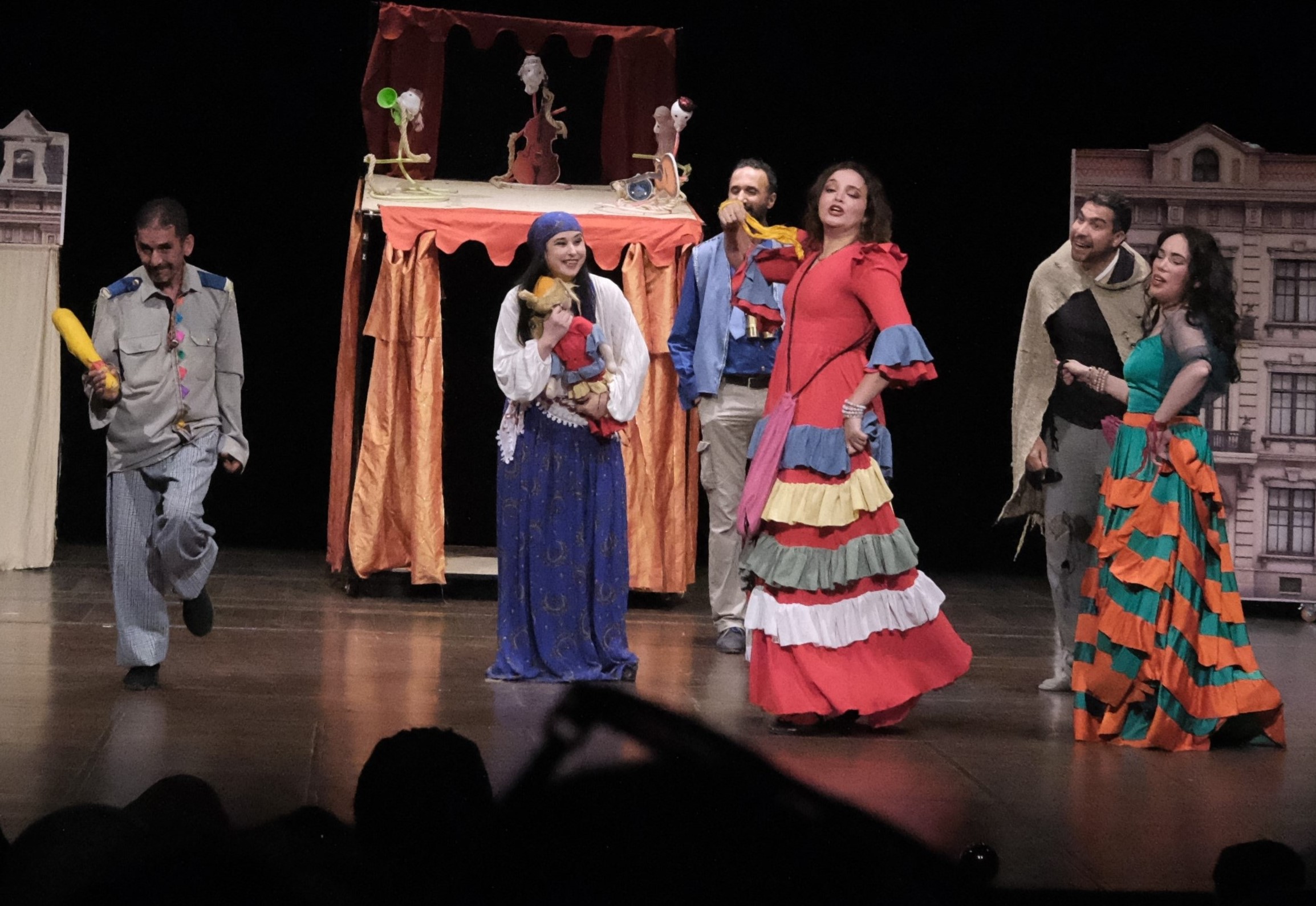
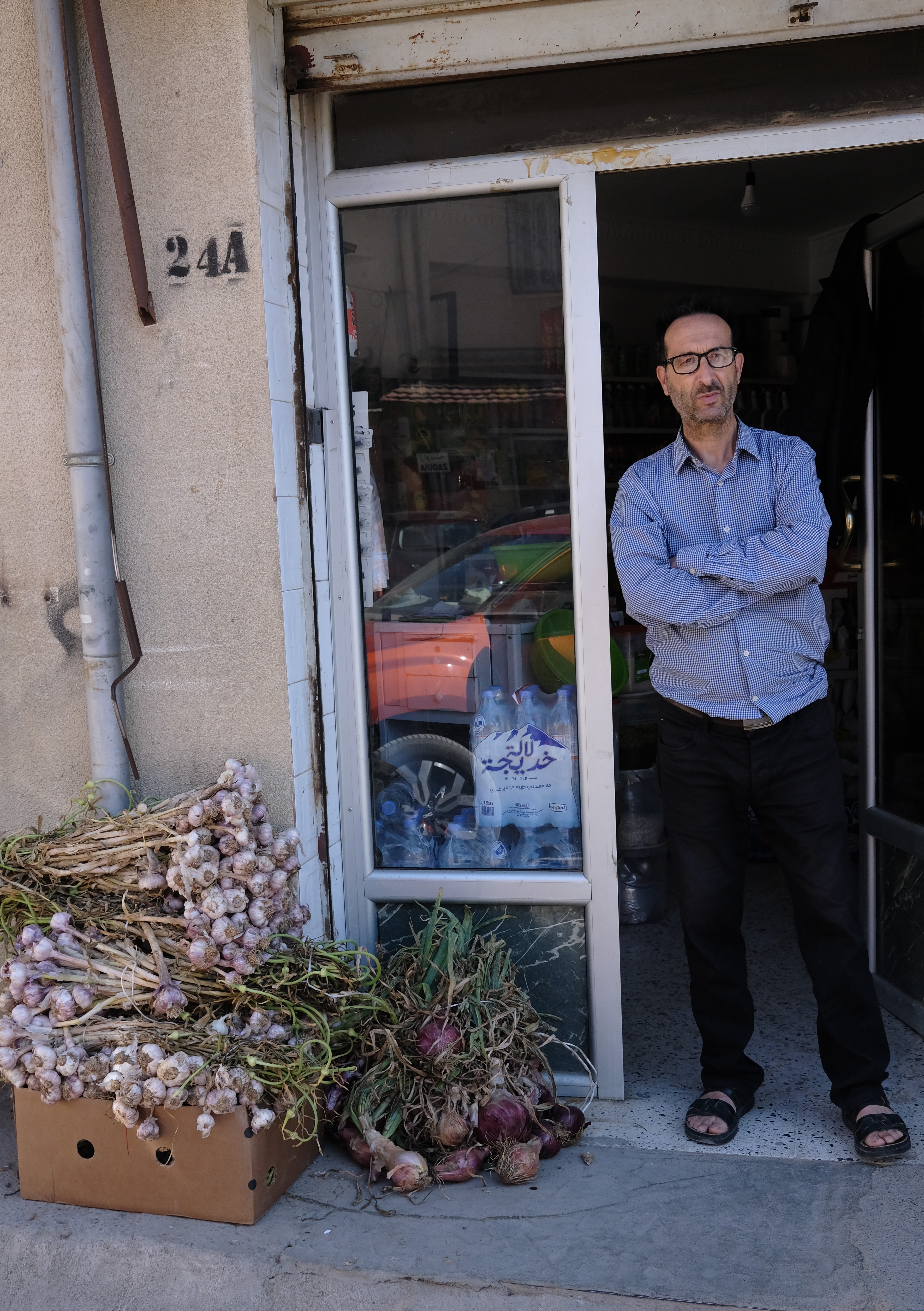
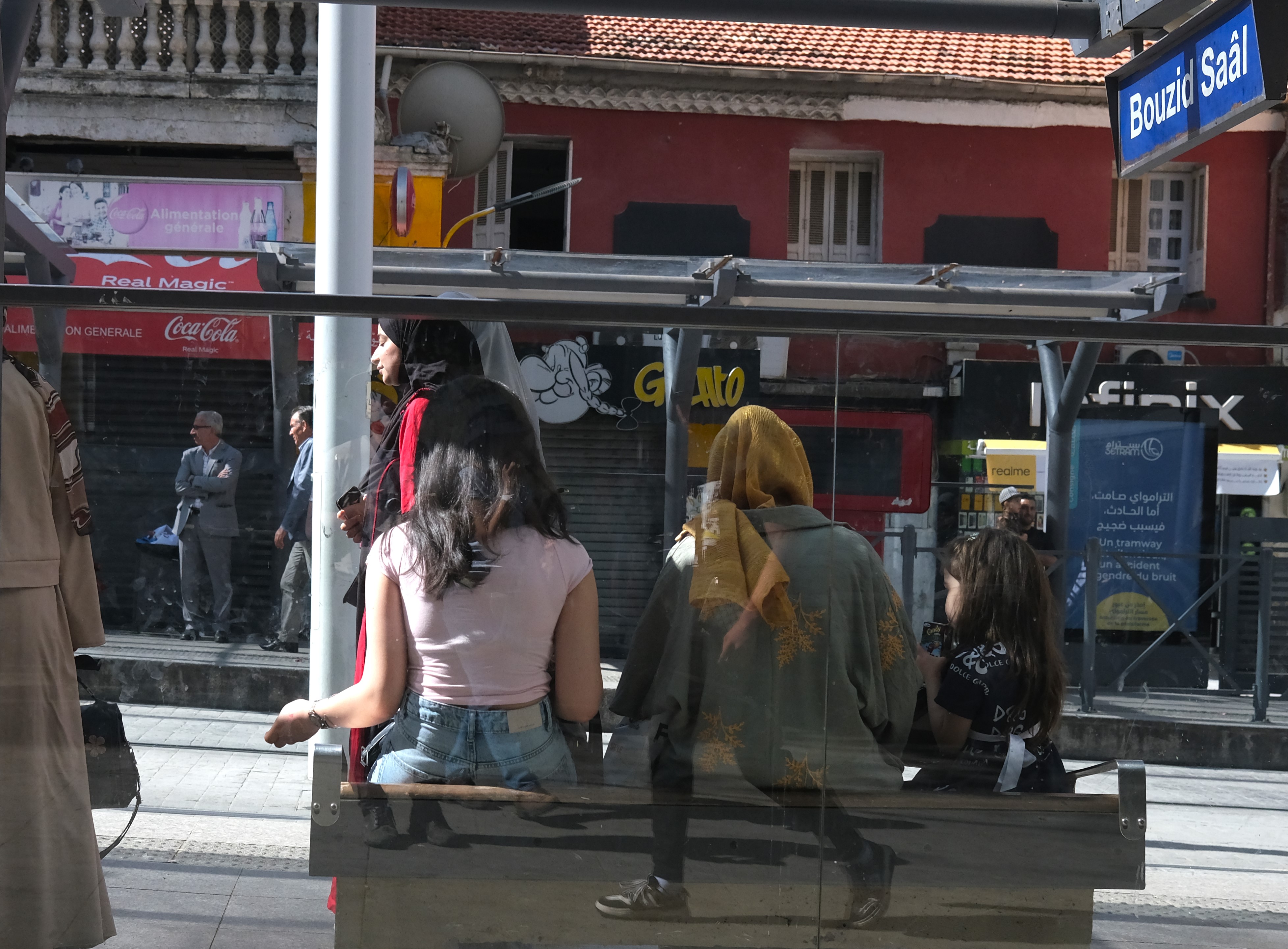
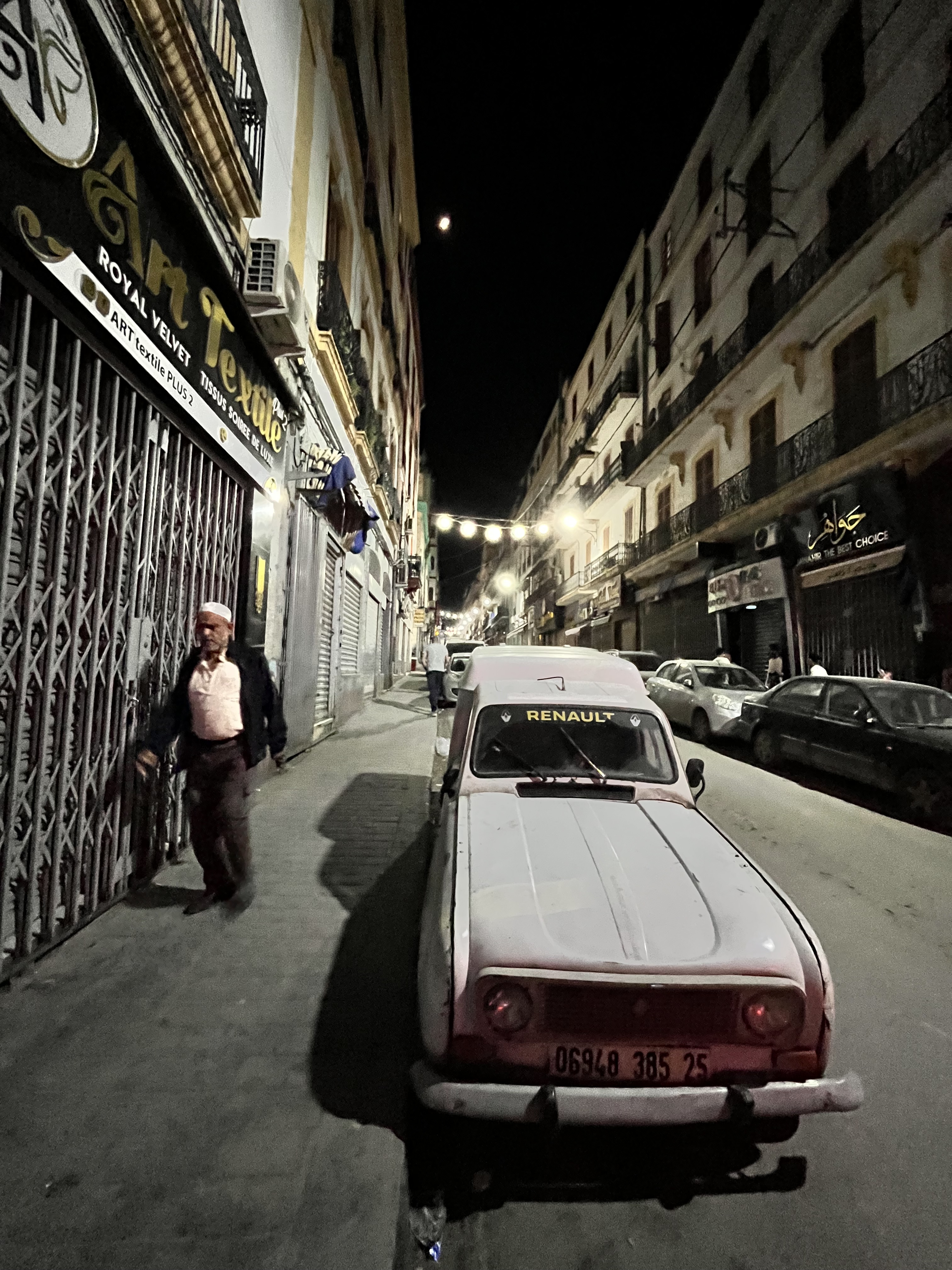
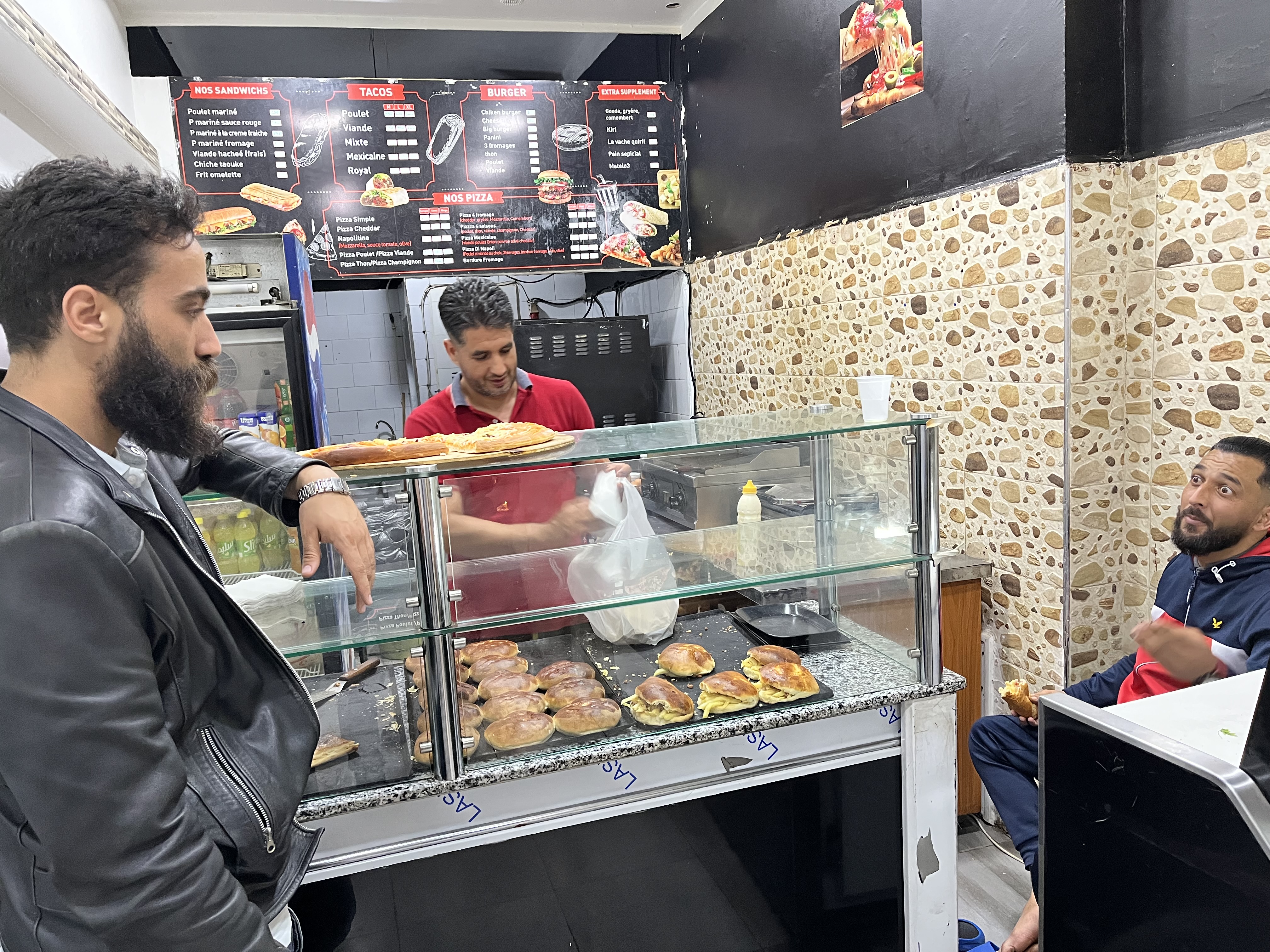
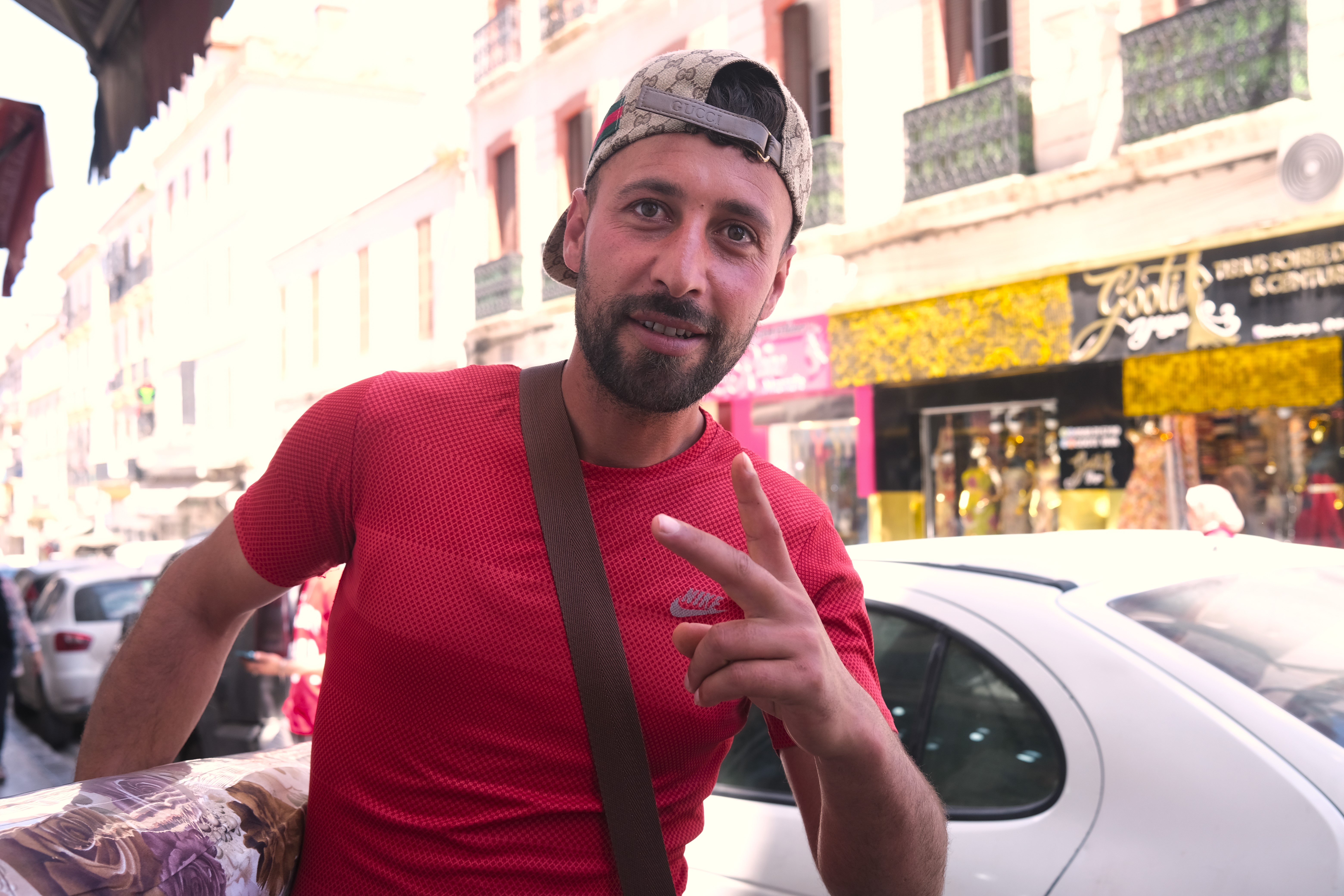
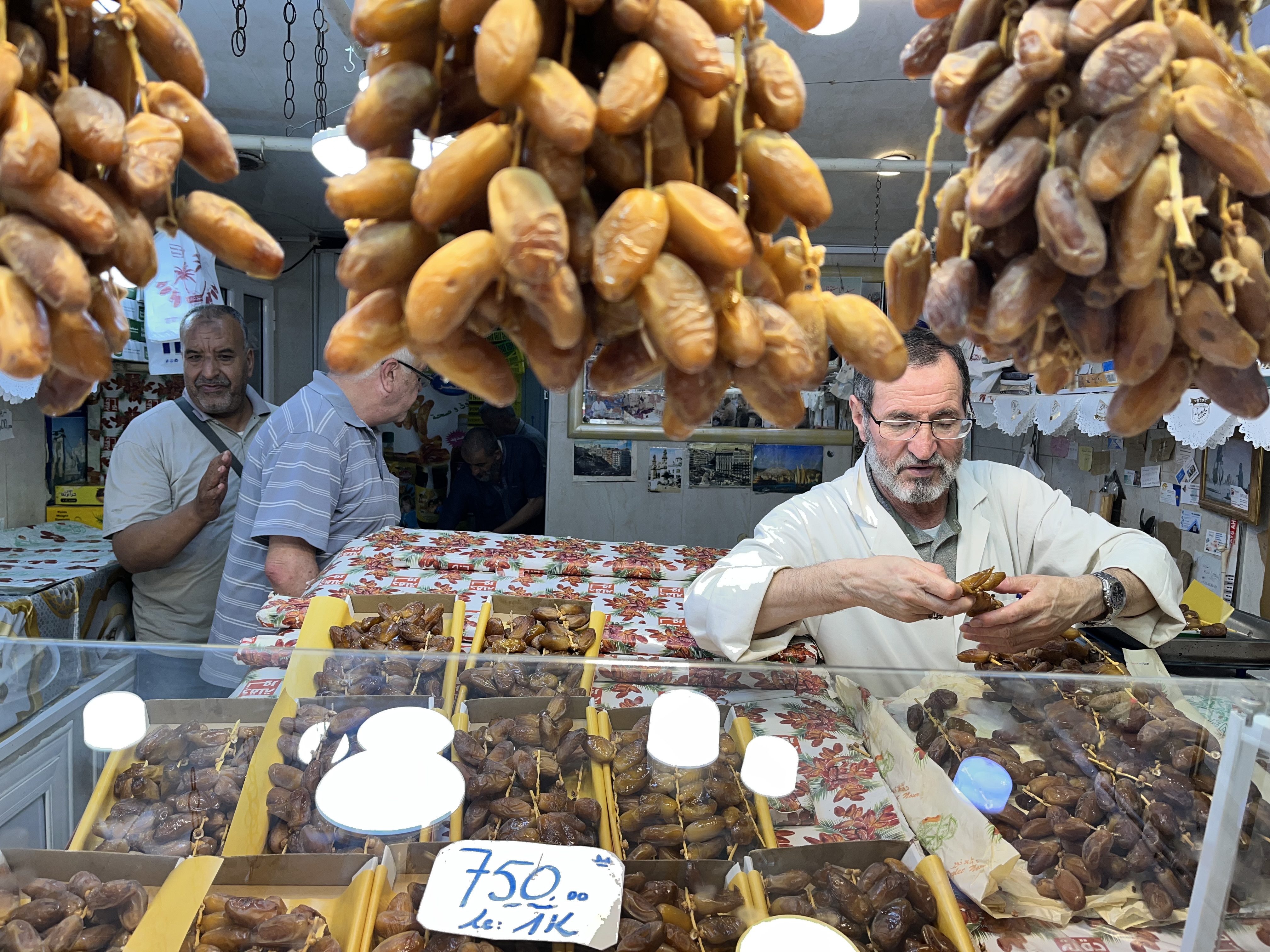
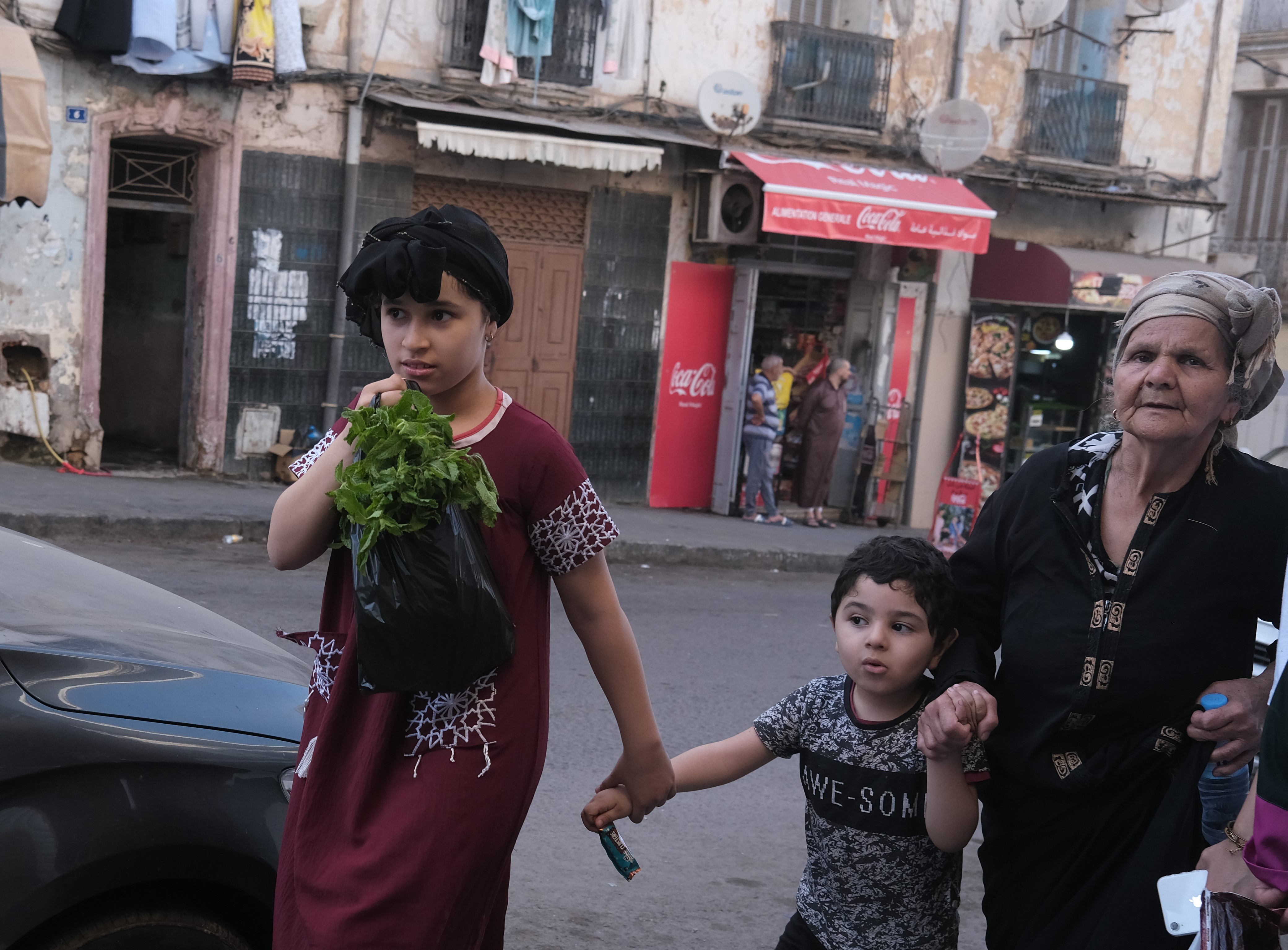
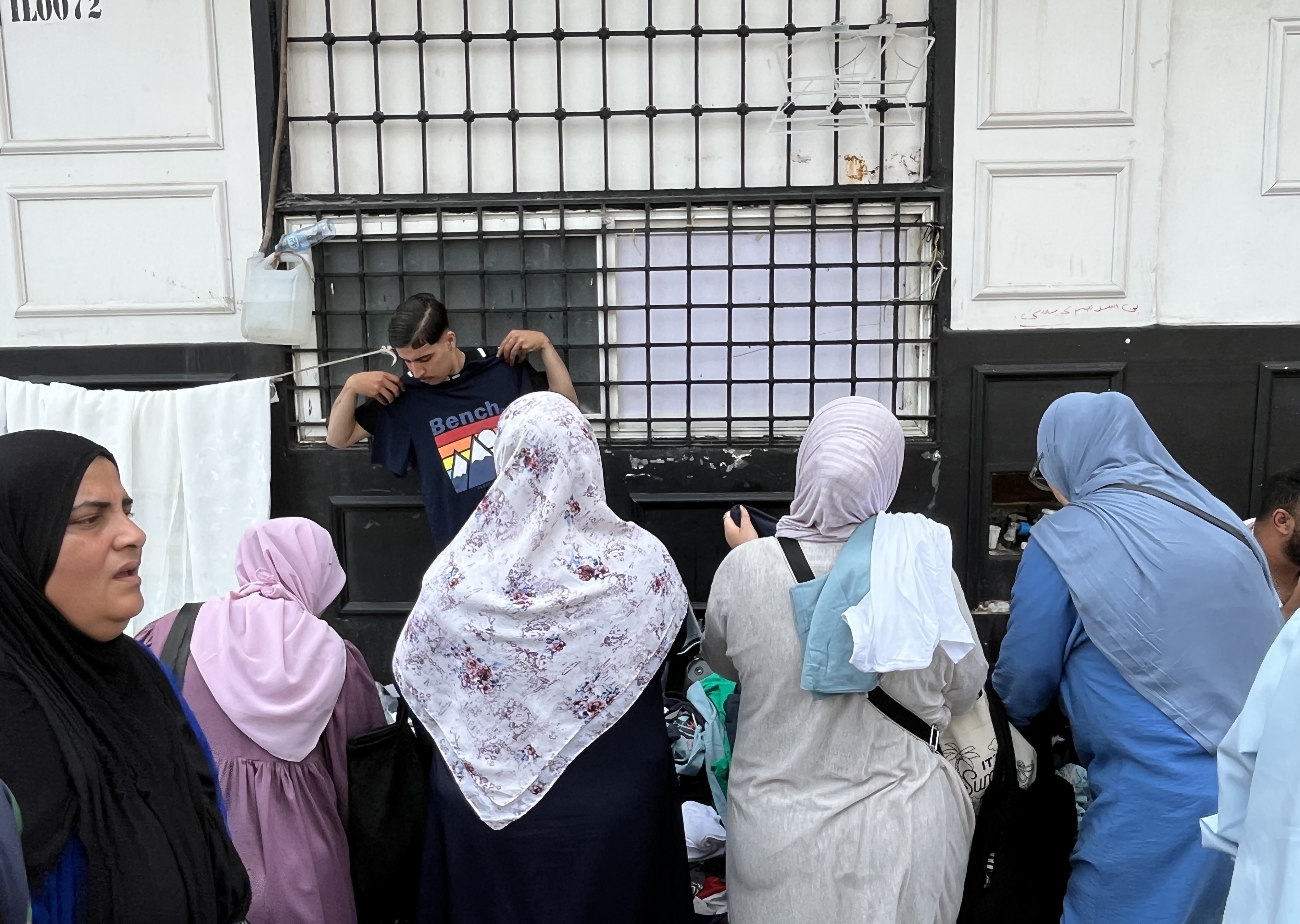
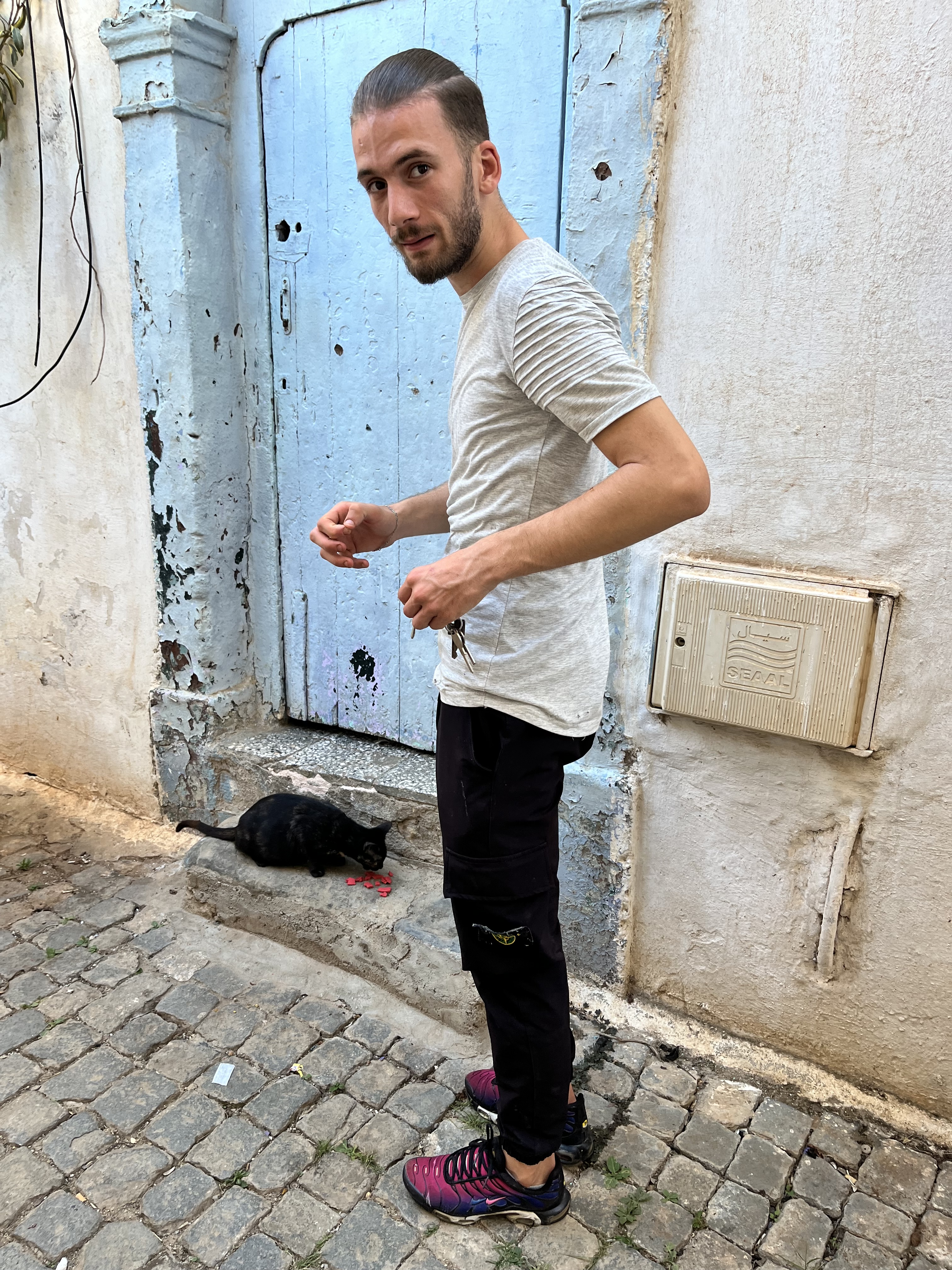
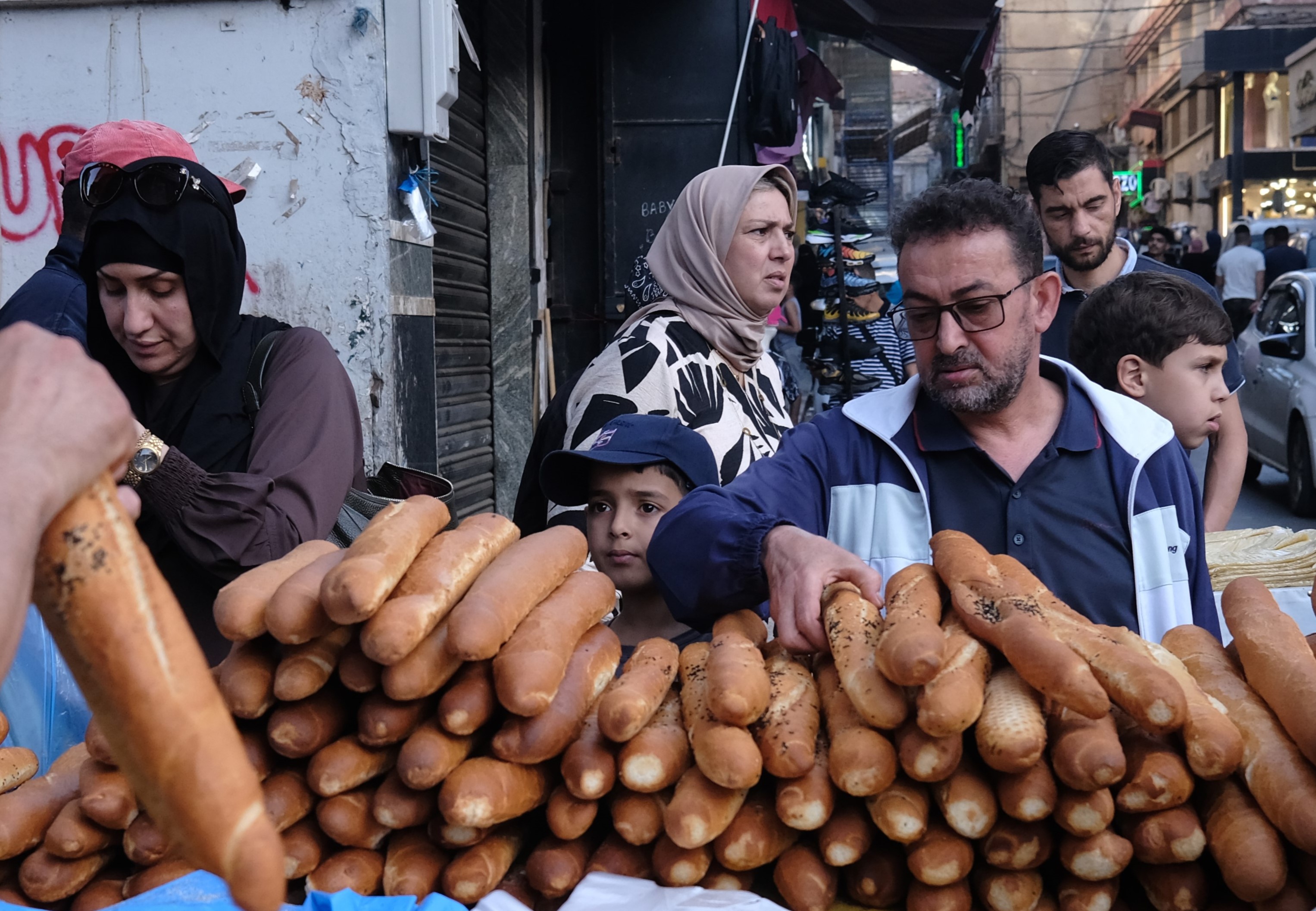
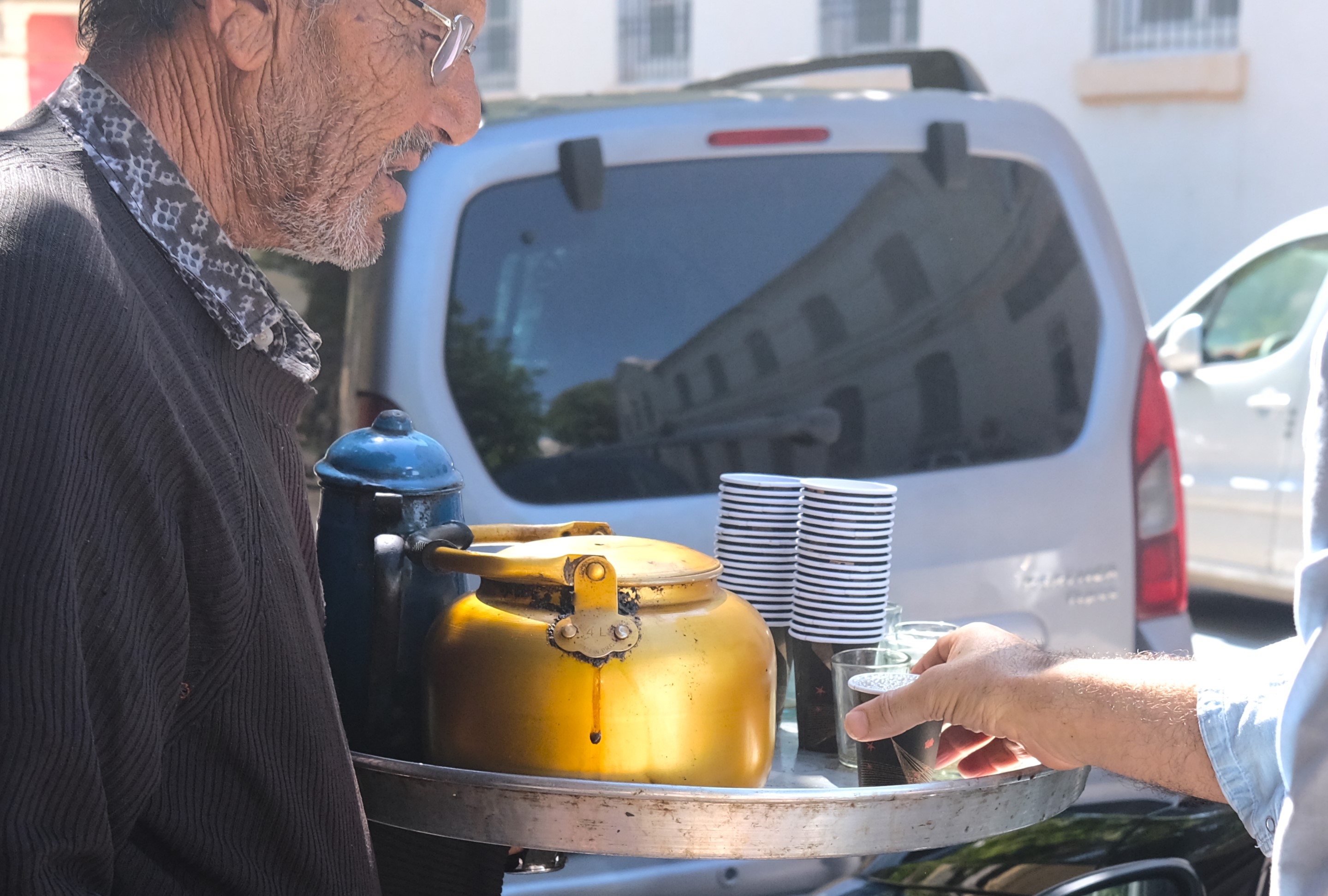
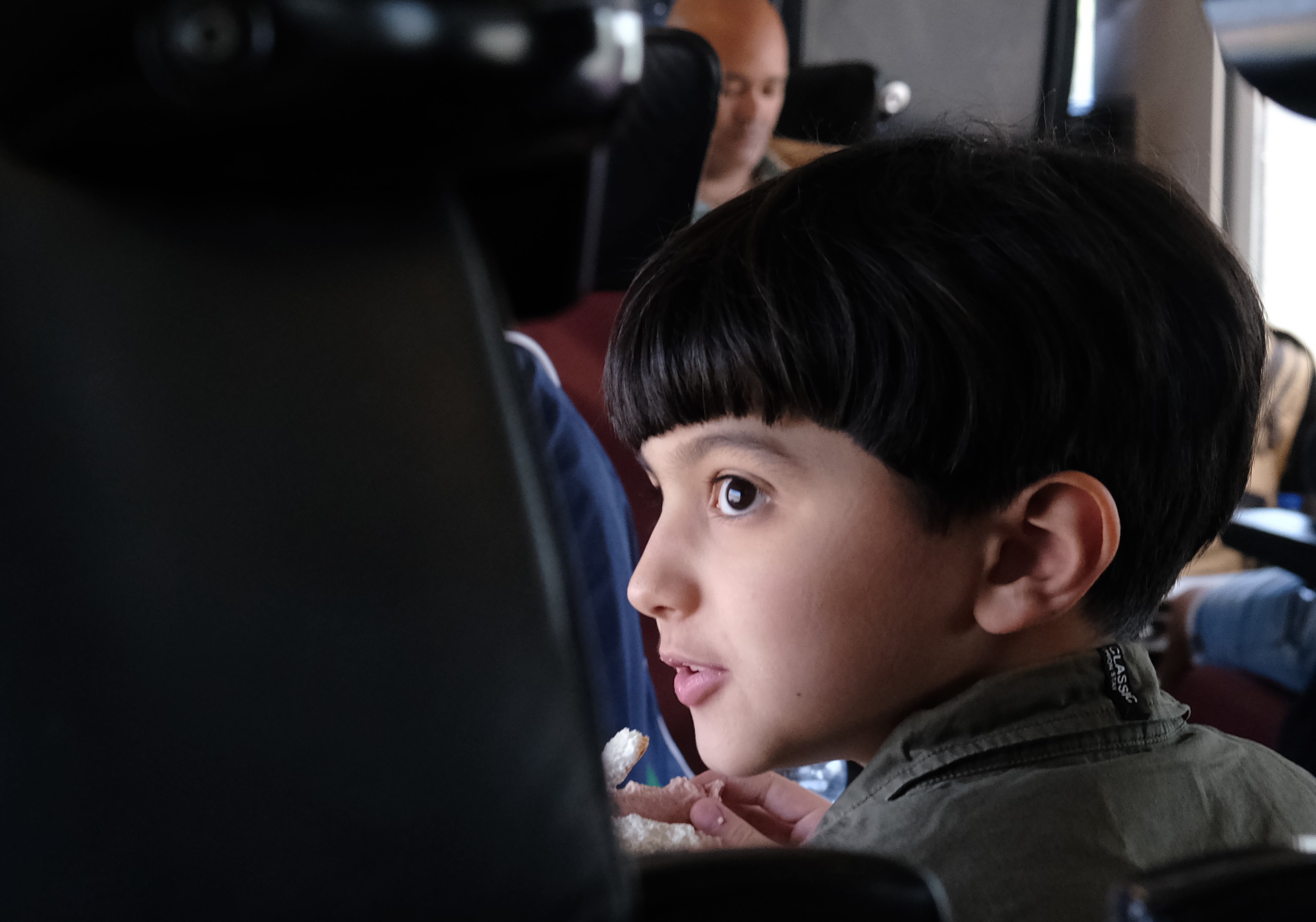
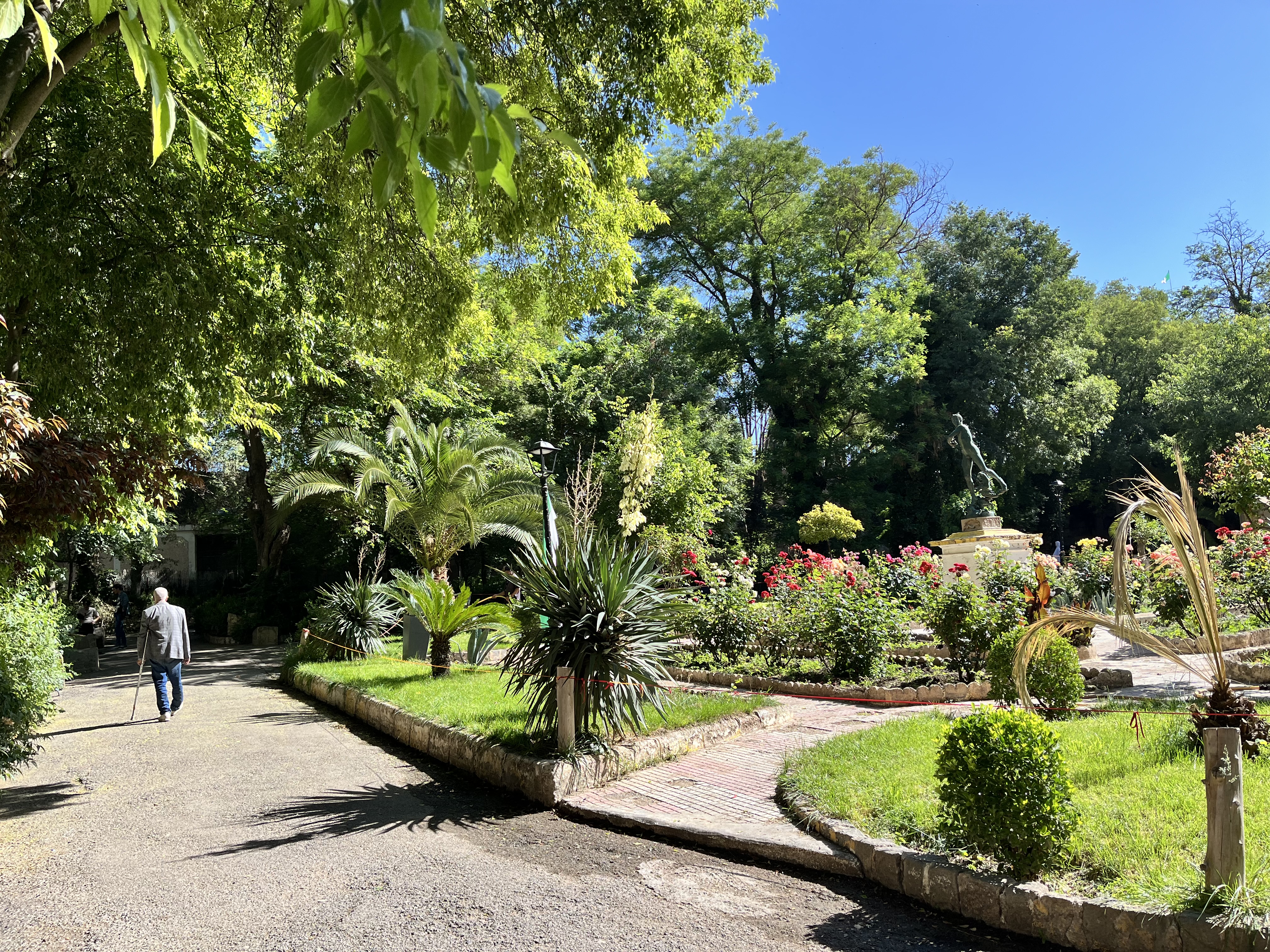
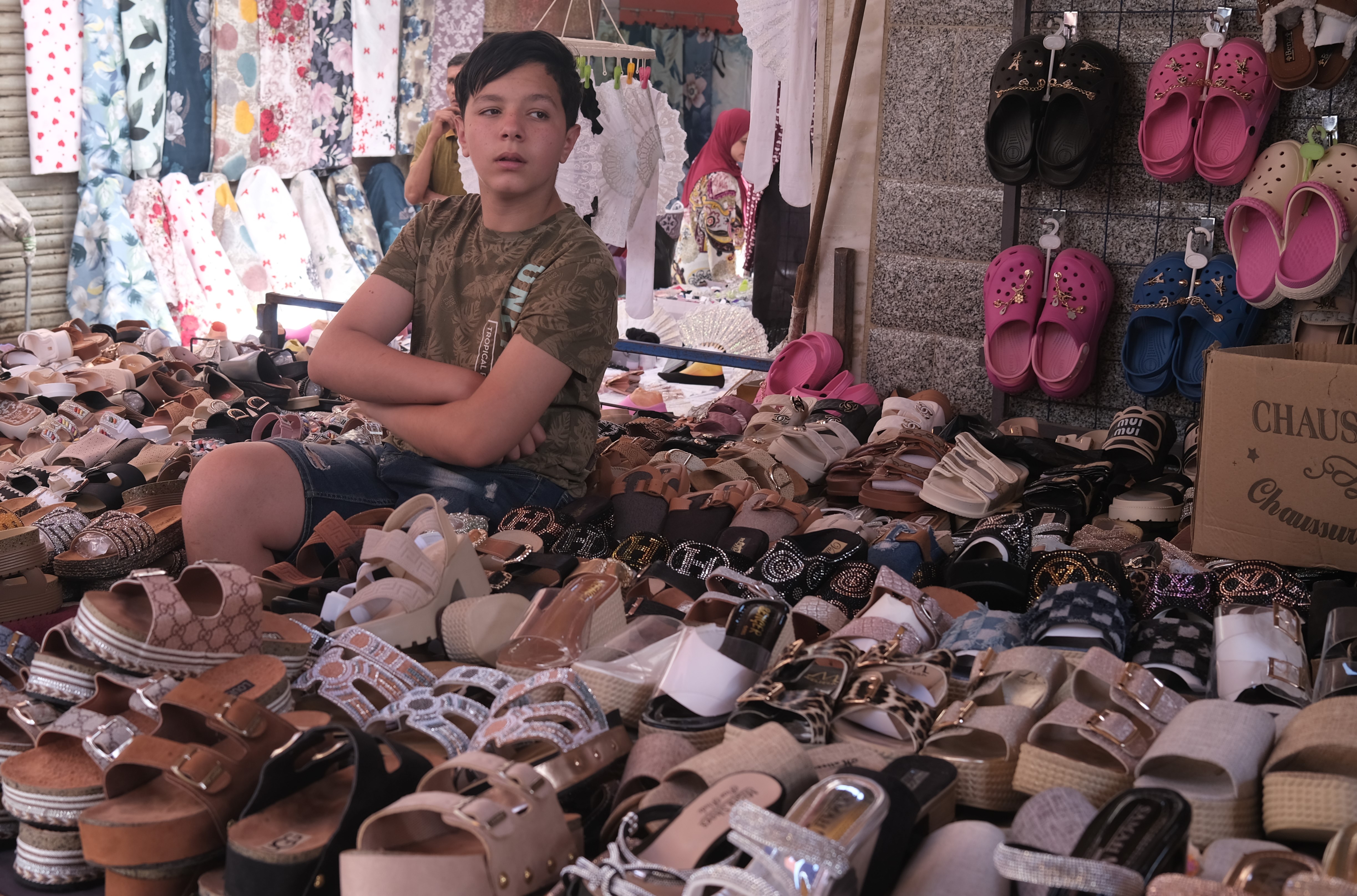
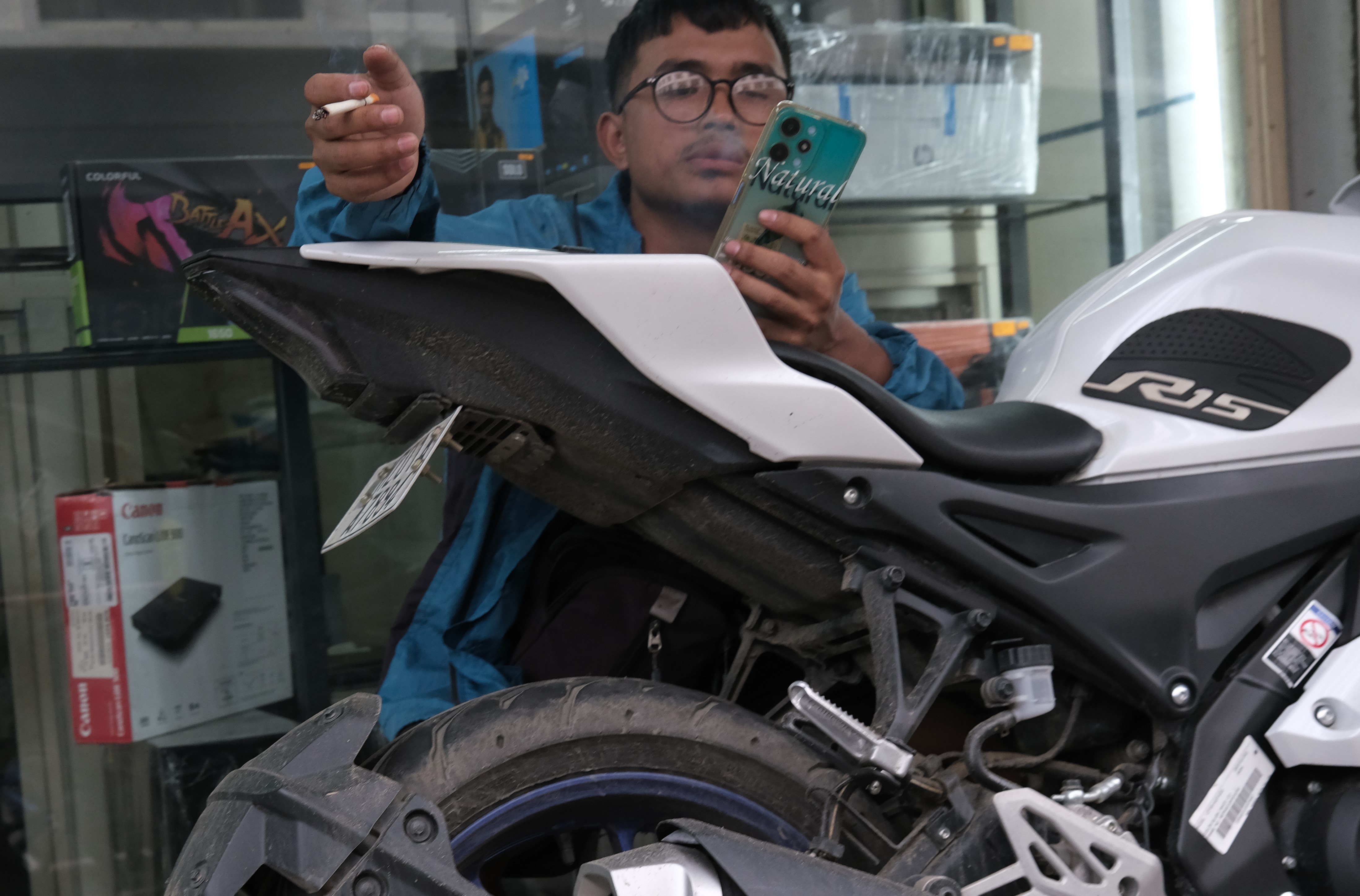
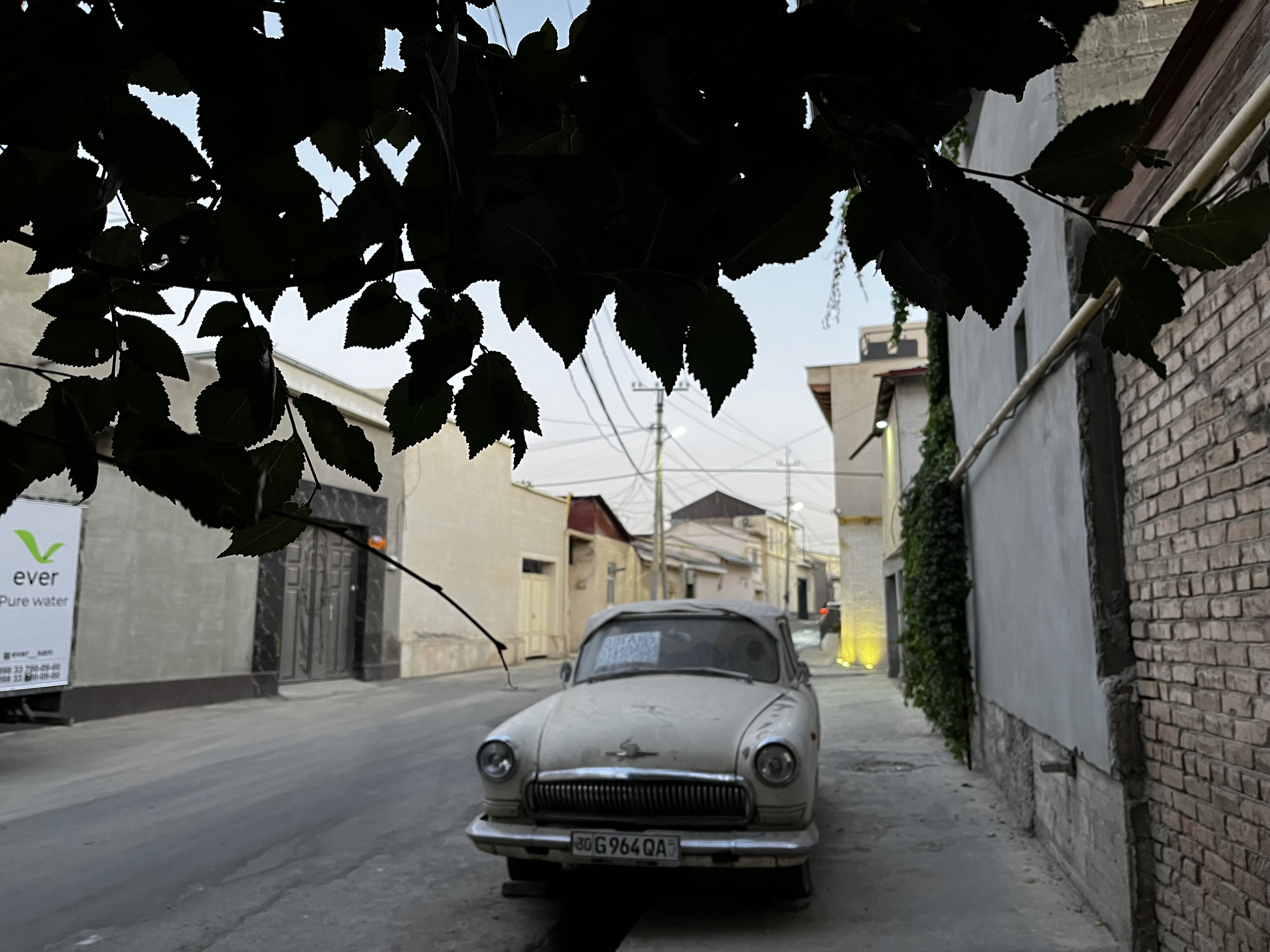
The face that has seen it all: Place des Martyrs, Algiers. Sun-drenched streets still carry the memory of Algeria’s revolution and also its Dark Decade – the 1990s, when civil war between the state and Islamists tore through the nation, claiming over one hundred thousand lives. The trauma is still visible in a generation that learned to survive by keeping quiet.Wildflowers on the last day of May in DjemilaOran, Algeria’s second biggest city, is known for being more easygoing and less conservative maybe because of its Andalusian heritage, port city mentality and the fact that during French colonial rule it had a large European population.The beaming smile of a producer director after a successful show at the Theatre Regional de Constantine – Mohamed Tahar Fergani in the eastern city of ConstantineWe were unexpectedly ushered in and offered free seats to a play performed for a mostly children audience at Constantine’s historic Italian-style opera house – a grand venue built between 1861 and 1883 by French architect Paul Gion.A shopkeeper in Azazga stands outside his shop next to piles of freshly-harvested garlic and onions, still wearing their stalks – a simple, every morning scene in the Kabyle mountains.The press reflects the country’s linguistic diversity. There are over 45 independent Arabic and French publications alongside four government-owned newspapers (two Arabic, two French), and a growing but still limited number in Berber (Tamazight).Constantine’s colorful open-air street bazaarRiding the cable car from Jardin d’Essai to the Maqam Echahid (Martyrs’ Memorial) in AlgiersIn the evening back streets turn into a busy market in OranA glorious sunset at Cap Carbon in Béjaïa casts a golden light over the Mediterranean, turning the sea into a glowing stage, with cliffs and slopes rising around it like an oceanic amphitheater — nature’s drama at its most breathtaking. Setif, an important highland city perched at 1,100 meters has ancient roots stretching back to Roman times. It was here, in 1945 at the end of WWII, that the brutal suppression by the French of a nationalist uprising marked a turning point in the struggle for Algerian independenceShuttered shops and emptier streets after dark in Constantine Due to a misreading of the Airbnb reviews and descriptions, we ended up spending our first night in a flat in Al Harrach – the suburb of Algiers that looked like the kind of place a minor Taliban warlord might call home on the outskirts of Kabul. But the genial proprietor at the nearby fast food joint grilled a decent chicken sandwich and threw in our first bottle of orange Slim on the house. A girl clutching a bag of baguettes on her way home in Algiers Mother and daughter shopping in OranAn unknown delivery man pauses and turns with a smile to say hello – a fleeting moment of warmth on the street of Constantine Fresh delicious dates sold by the box at the row of shops at the entrance to the Kasbah, AlgiersOran has passed through many hands – Arab, Almoravid, Spanish, Ottoman, and French. It remains beautiful – though in a menacing, time-worn way. Like a rich man’s mansion taken over by his servants, who inherited the building but not the wealth to maintain it.An afternoon at a popular cafe in Constantine on a sweltering dayOran is atmospheric, crumbled and I was told, a little unsafe after dark.The Algerian flag fluttering in the wind atop Fort Santa Cruz in Oran. Algeria achieved its independence on 5 July 1962, after 132 years of French rule. Shopping for clothes before Aid al-AdhaAlgiers is famous for its cats – mainly strays many are well-fed and in good healthPicking the right bread in OranSetif is home to a large proportion of young people. Roughly 30% of residents are under 25 years old contributing to the city’s dynamic social and economic life.The Arch of Caracalla at ancient Cuicul – a gateway to Djemila’s Roman past, still standing after nearly two thousand years.Tea-seller in SetifYoung passenger chomping on a sandwich aboard the train from Algiers to Oran.We met this local in a sailor cap who beckoned us into a traditional home in the Kasbah, guiding us up narrow stairs to a rooftop that opened onto a panoramic view of the harbour and Bay of Algiers.Constantine was founded as Cirta by the Phoenicians about 2,000 years before the French came to colonise Algeria. It became a major city under the Numidian Kingdom and later part of the Roman Empire. After being destroyed during civil wars, it was rebuilt and renamed Constantina by Emperor Constantine the Great in 313 AD.Friends having lunch at the Kasbah, Algiers Our wonderful guide at the Palace of Ahmed Bey in Constantine.Prayer time at the Kasbah, AlgiersYoung female footballers in the village of Cheurfa Bahloul near Azazga in the heart of the Kabyle Country.A bakery in OranDefending Tamazight culture in Bouzeguine. The Kabyles have long been the most active proponents of Amazigh (Berber) identity, language, and aspirations for autonomy.Boys lead their sheep through the streets in Algiers- just days before Aid al-Adha, the feast of sacrifice.Sidi El Houari is Oran’s historic core steeped in layers of Spanish, Ottoman, and French history.Setif Young migrants begging in the streets of Constantine – reminders that beneath the arches and boulevards, this is Africa.Algiers is nicknamed Alger la Blanche or Algiers the White for its dazzling white buildings set against the Mediterranean that are more French than Arab or North African.A small park in Setif Apprentice stall-keeper, Constantine
All photographs and texts copyright reserved (c) Kerk Boon Leng July 2025
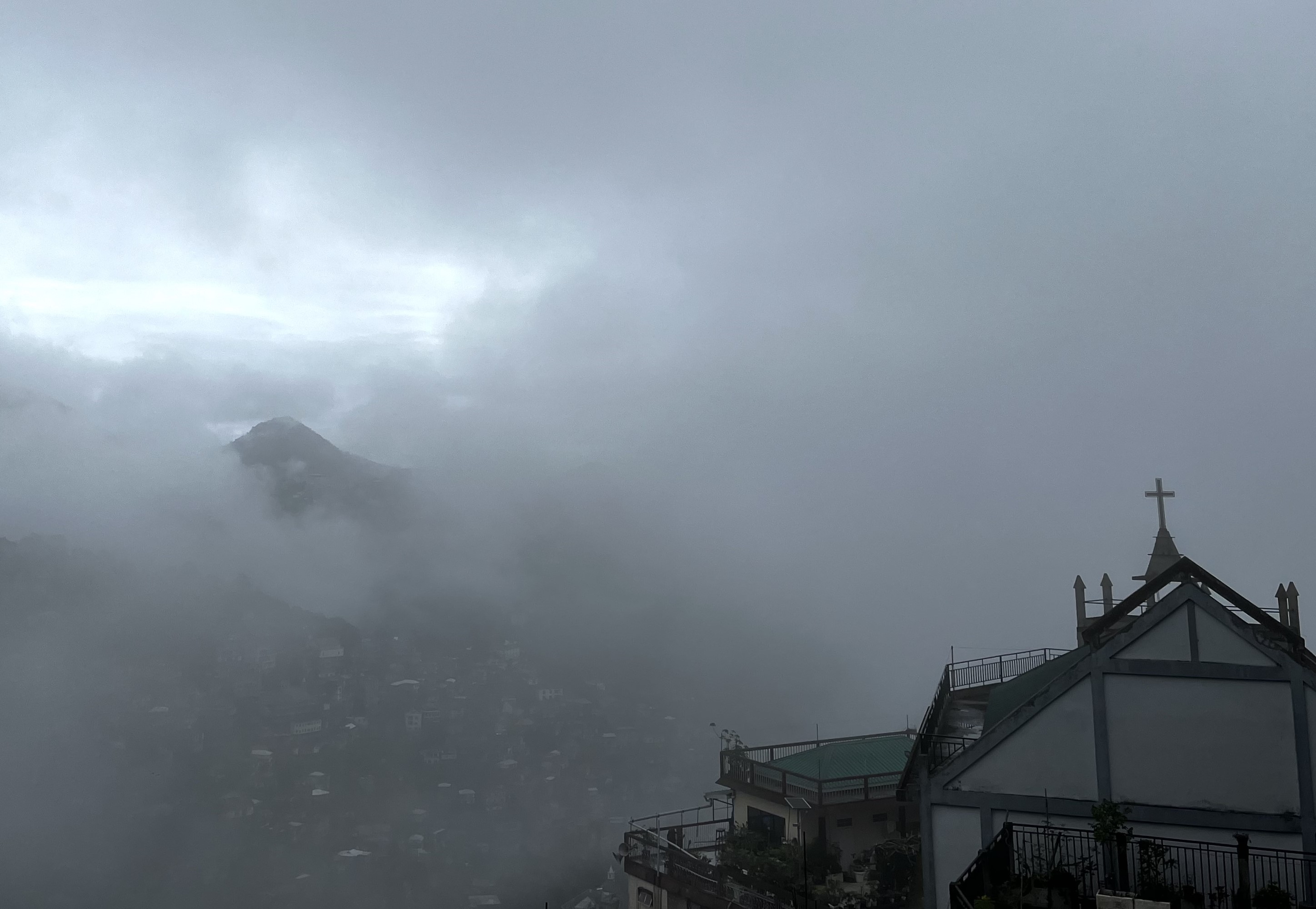
A church in Bethlehem Veng, Aizawl, stands steadfastly against the stormy backdrop of Muthi Tlang—‘Prayer Mountain’—its peak peeking through the rain clouds as the unsettled weather of the southwest monsoon lingers till mid October.
I’m hitting a milestone this year, and instead of celebrating, I’m doing what I do best—running from it. So I grab Yen, and set off this time to one of India’s most remote corners—the overlooked, underrated Northeast. Our destination? Aizawl, the capital of Mizoram, a place Rough Guide describes as looking more like a country in Central America than a state squashed between Burma and Bangladesh. No tourist hordes, no flashing signs—just the kind of place that hides in plain sight, quietly under the radar, with just enough urban niceties and modern comforts to keep it from feeling too off the grid.
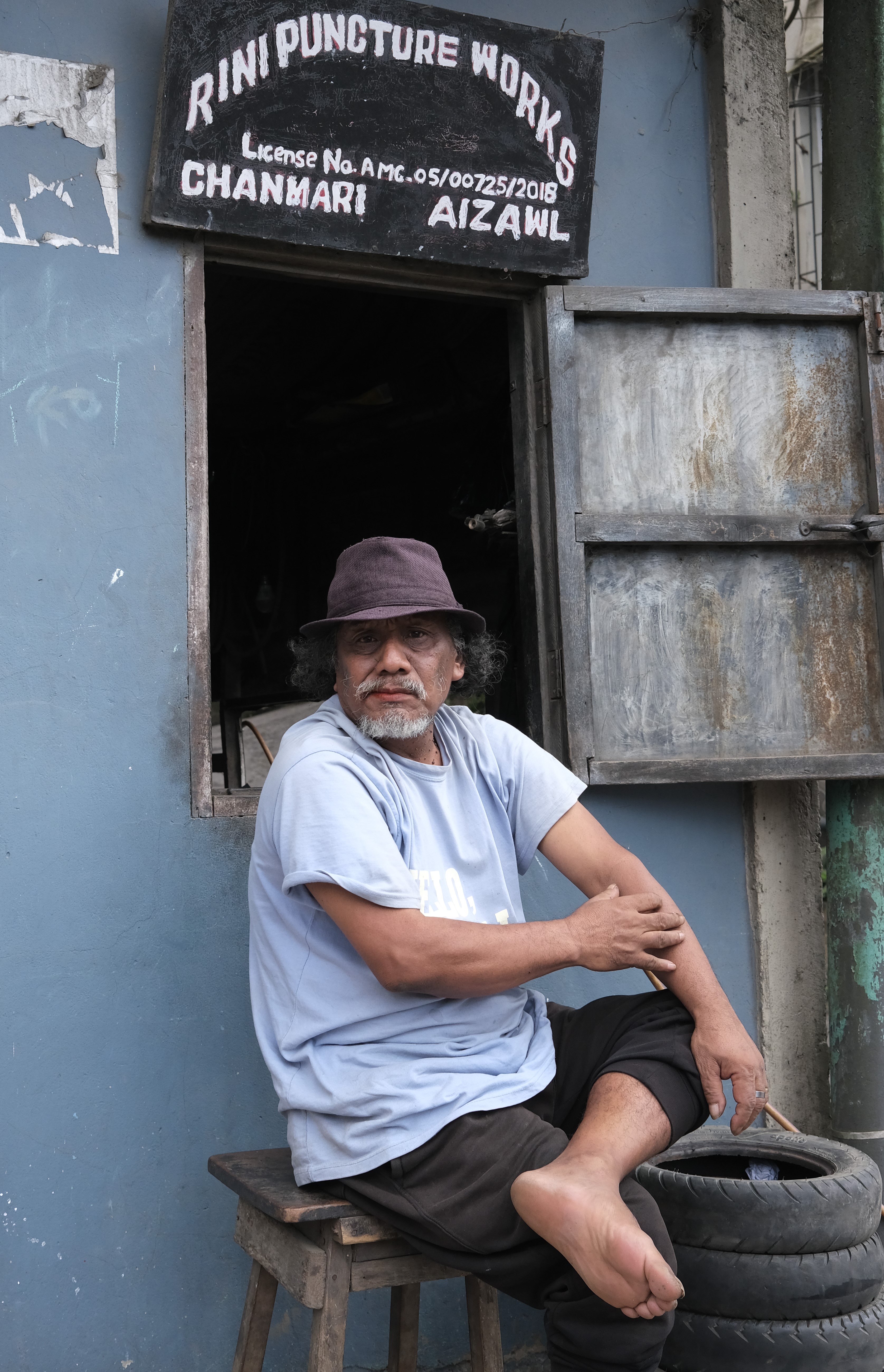
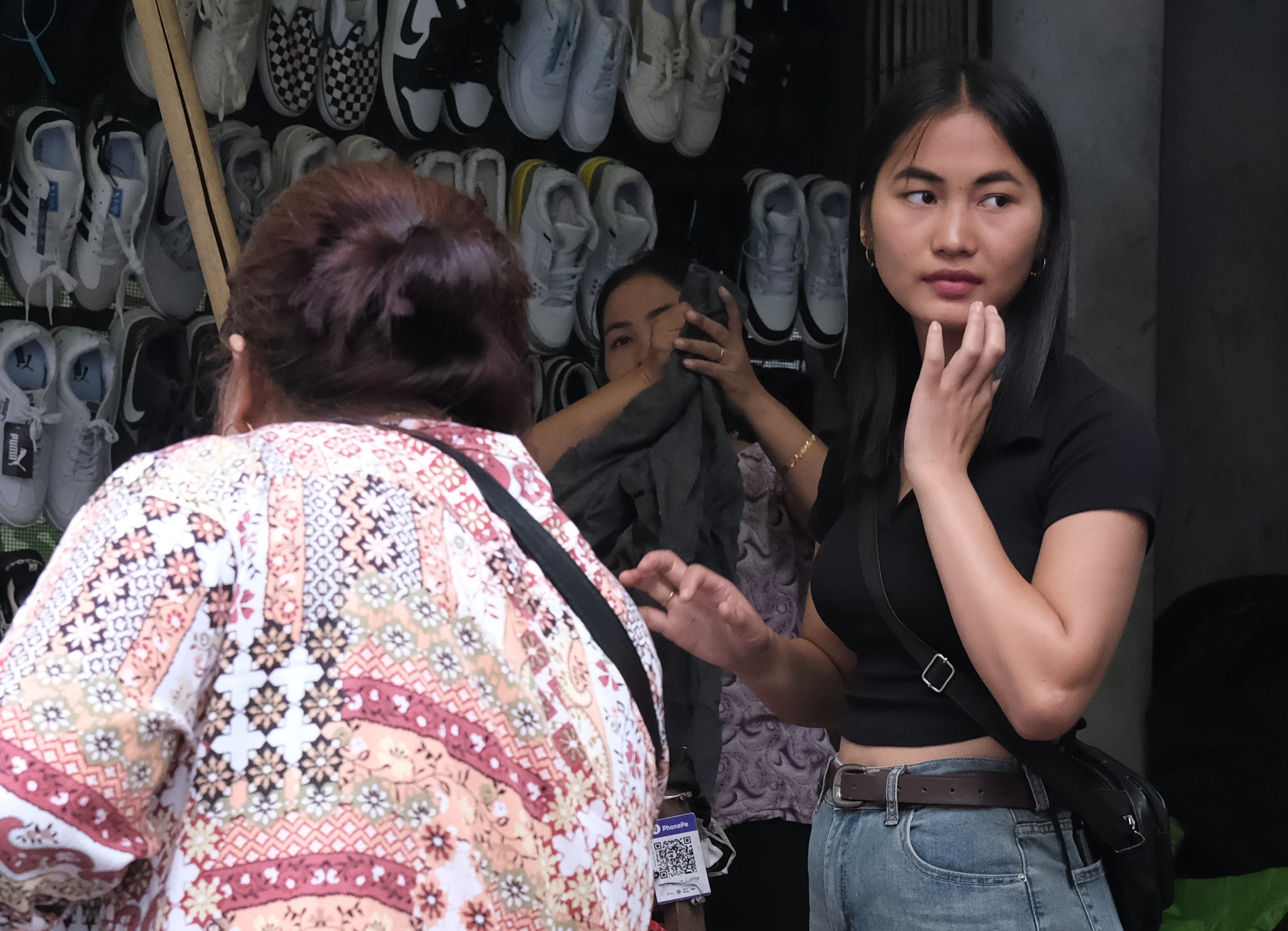
With around 1.3 million people, Mizoram is one of India’s least populated states—half of whom live in Aizawl and its hill-perched district. It’s a society where men slightly outnumber women.Young store assistant, Bara BazaarTin shed shop in Muthivillage
We touch down at Lengpui Airport, where the red carpet’s rolled out, and soldiers in parade headdresses and a military band stand by, ready to welcome delegates to some important conference. After the obligatory paperwork to get our Inner Line Permit, we meet Buanga, the driver sent by our homestay, who’s here to take us to a neighborhood with the no-nonsense name of Bethlehem Veng.
The drive up to Casablanca Homestay winds through vine-draped jungles, passing houses and huts with rusty roofs that extend over the steep slopes, presenting a panorama of untouched, primeval greenery. It is the kind of ride that shakes you from any travel daze as the road takes on twists and turns sharp enough to make your stomach question its last meal. I roll down the window; the air is filled with the earthy scent of wet foliage and the decibel-defying sound of chattering cicadas.
When we finally arrive, there’s nothing to say “Welcome, tourists.” From the car porch, it looks more like a storehouse or bunker clinging to the hillside than a cozy hideaway—iron sliding gate, plain walls, no plants to cheer things up.
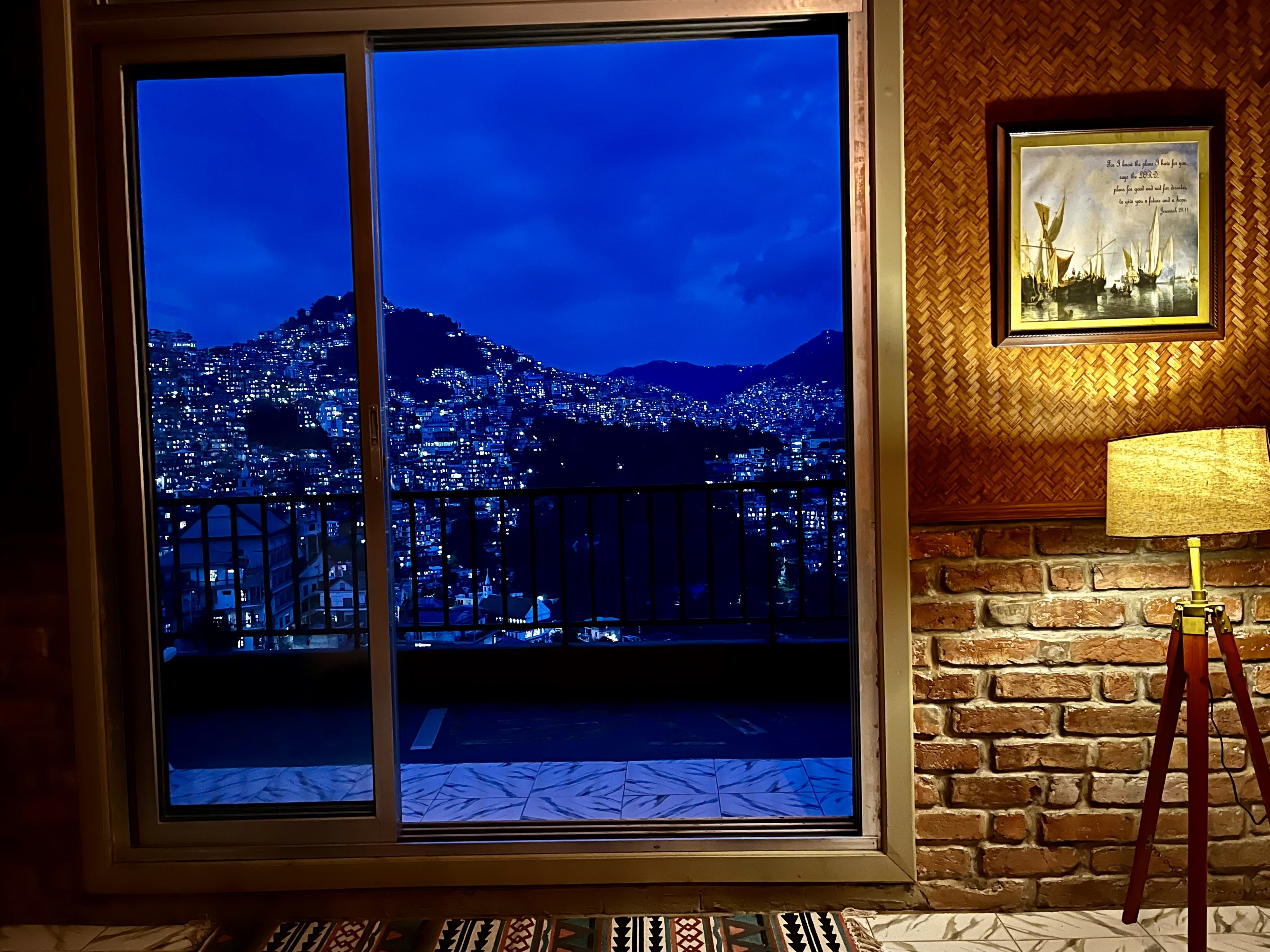
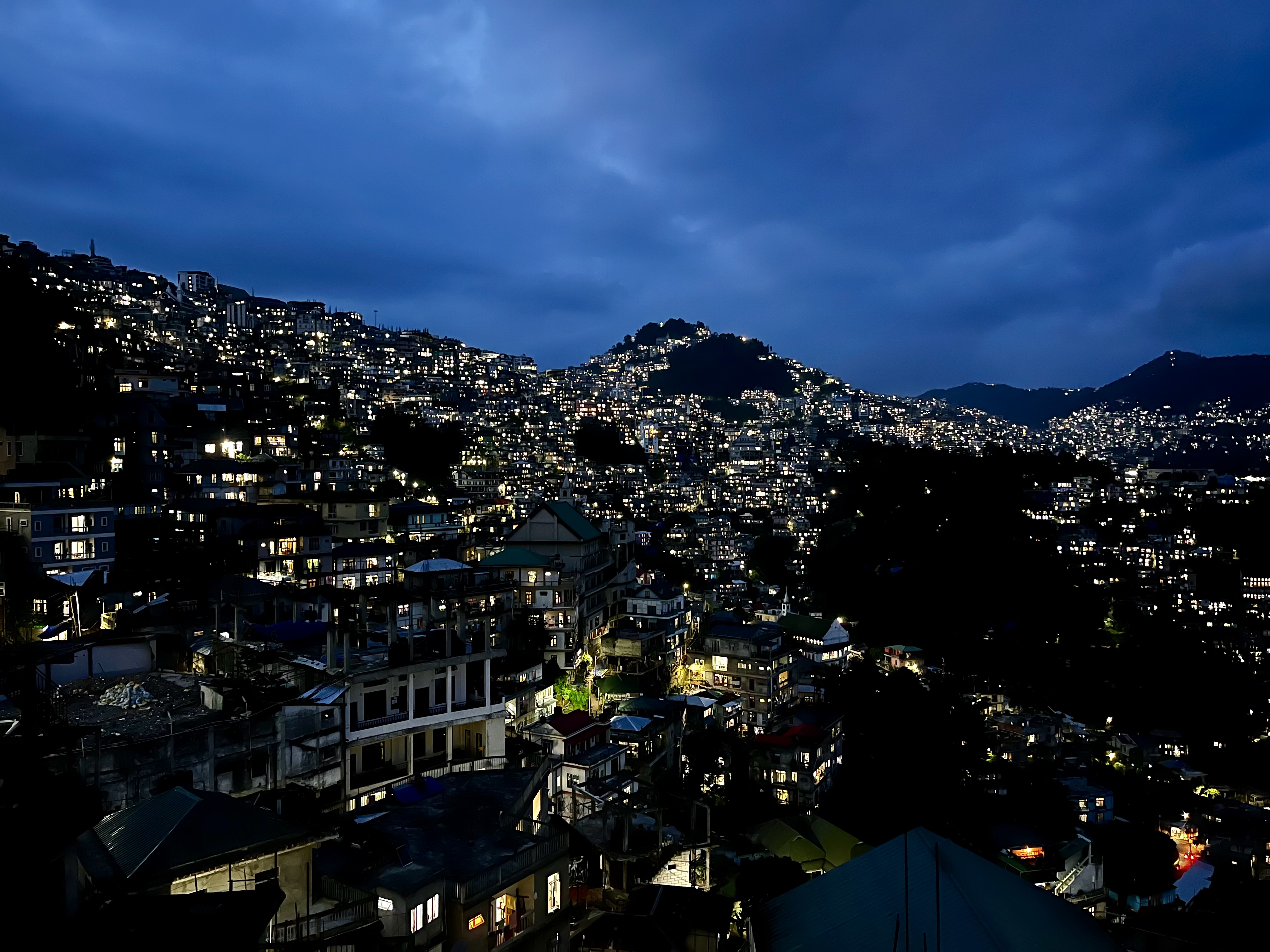
But then Isak Vanlalruata, our host, brings us through the door, and the mood changes. Inside, it’s a different world—wooden furniture, warm standing lights, tasteful and partly ethnic decor — cottagey, but with a certain elegance and class. Through the wide windows that span our whole room, the entire city unfolds. Aizawl astounds us like a sudden slap to our sleepy faces—a sprawling, buzzing city clinging to the hillsides, gripping the ridges like barnacles on a rock. The view is absolutely amazing. We can’t take our eyes off it, at that moment and for the next couple of days.
At night, the city transforms into something magical. The hills sparkle like a Christmas tree, thousands of tiny light bulbs scattered over the mountain slopes, each one clinging to its own precarious ledge.
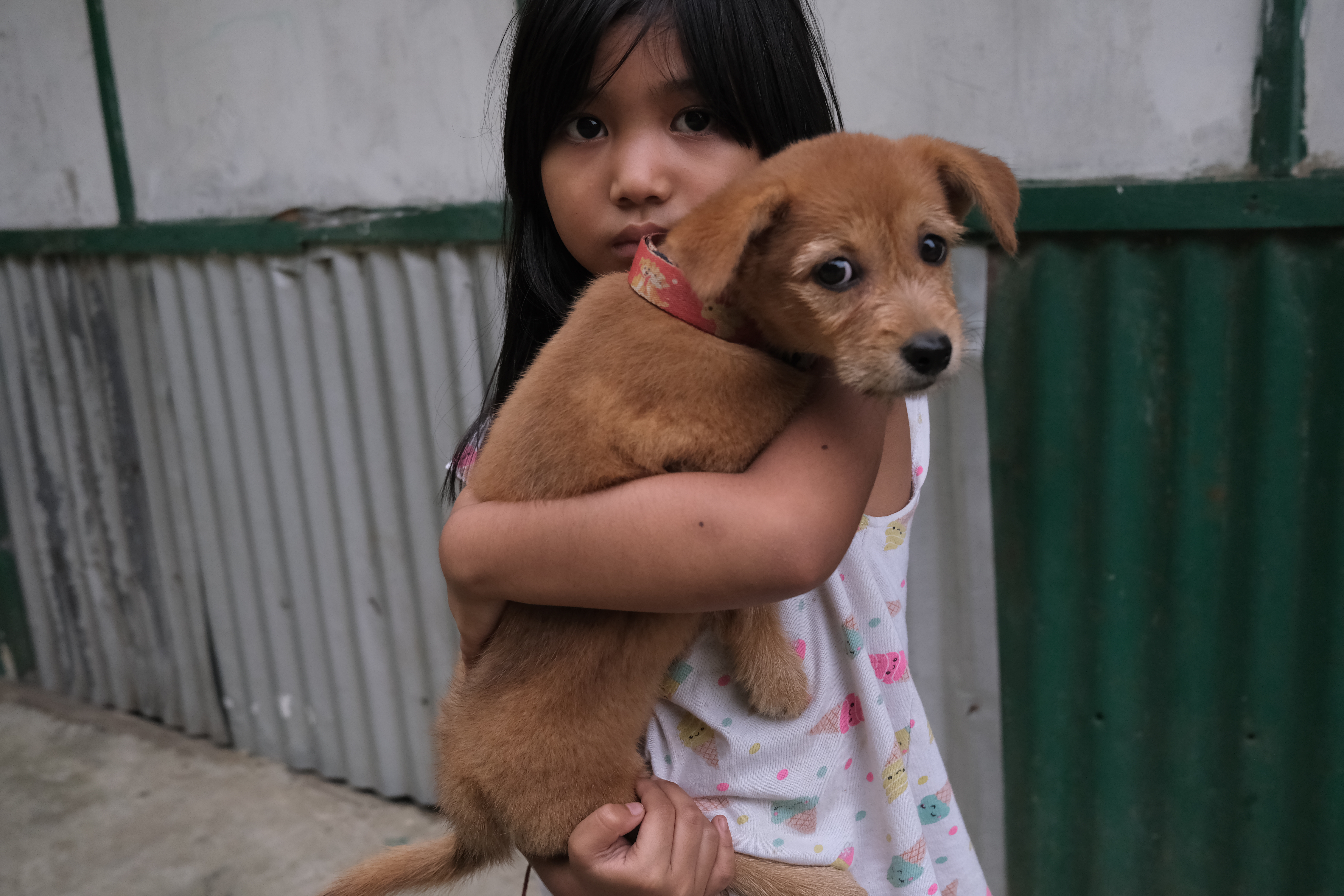
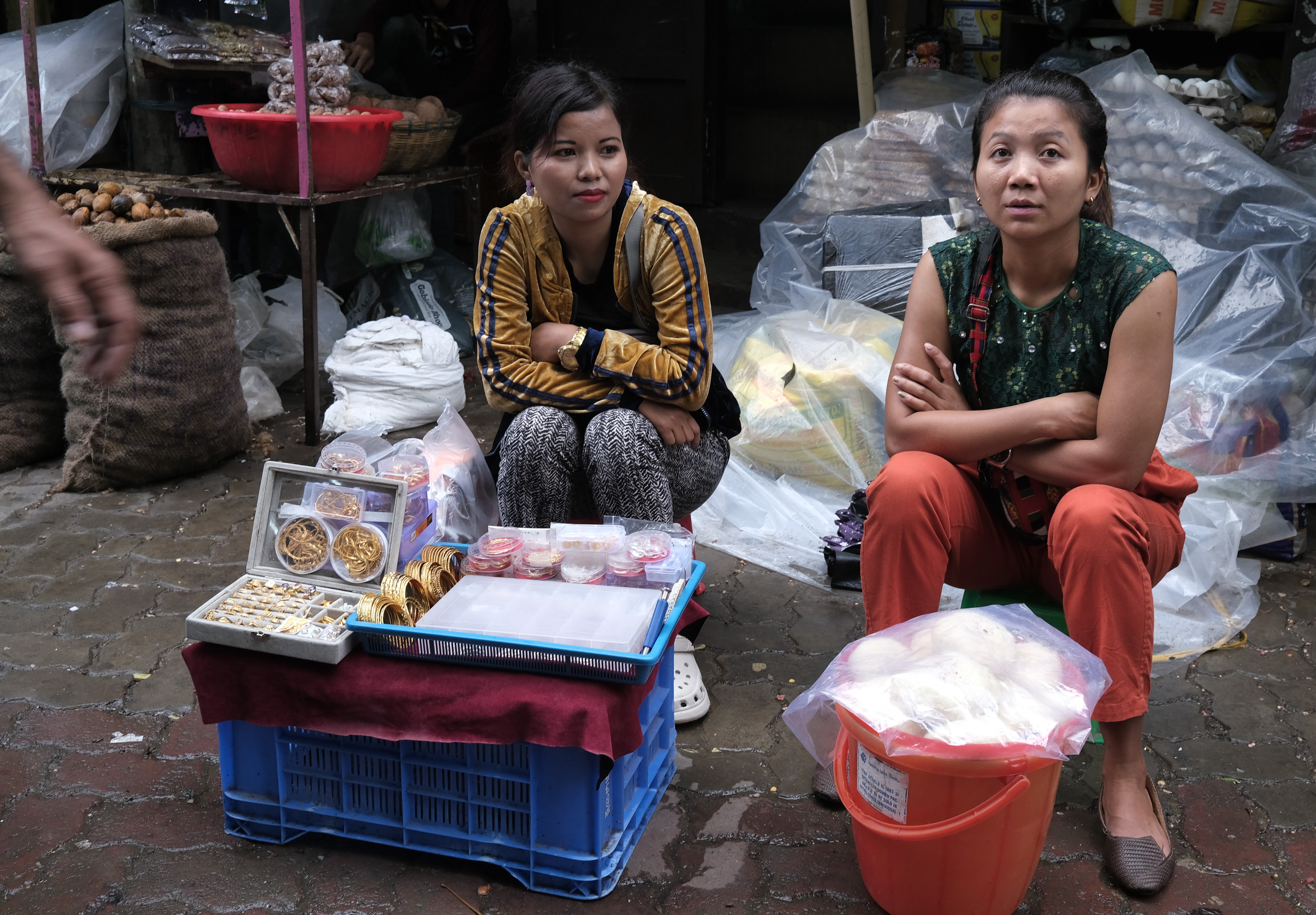
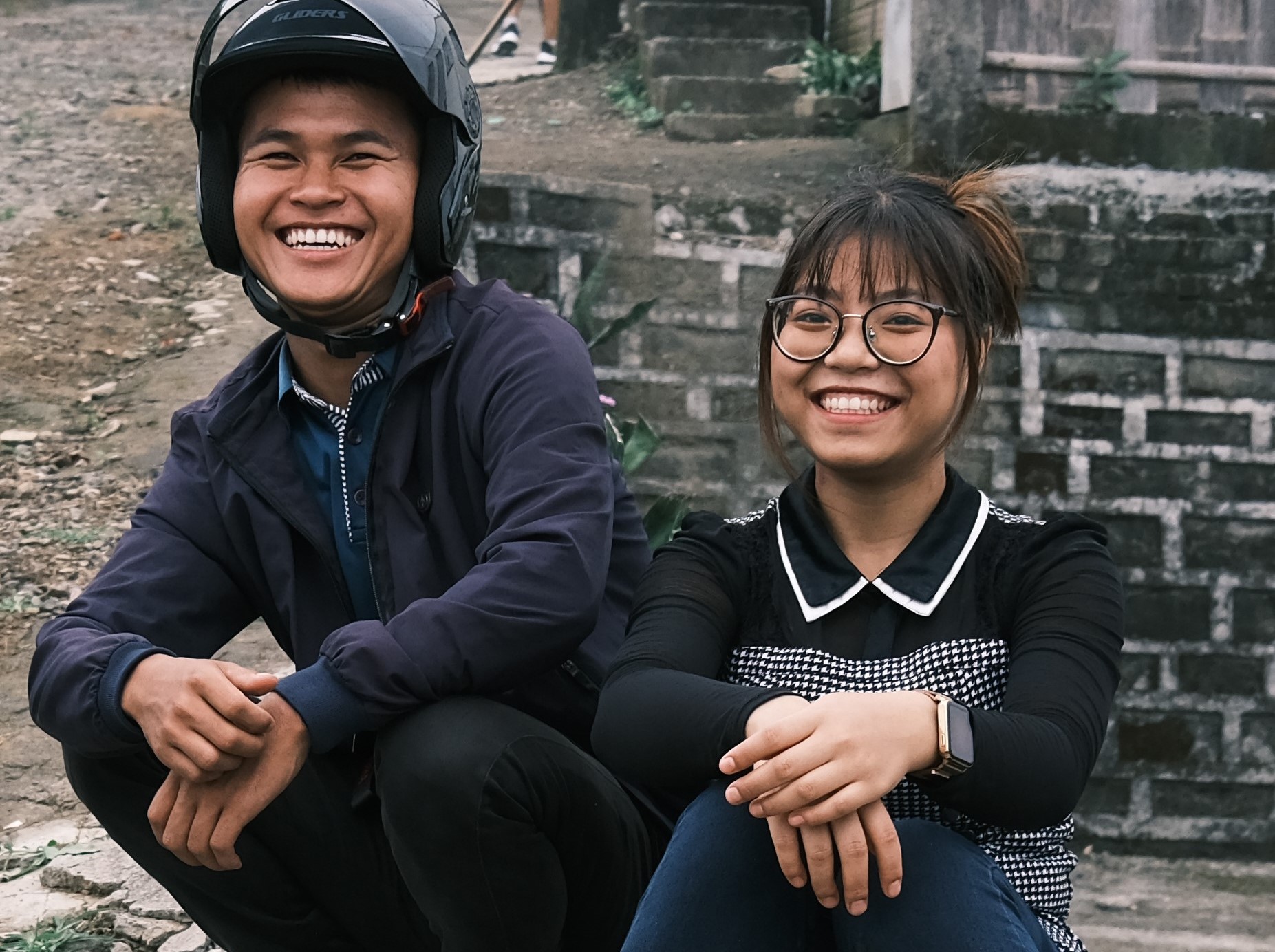
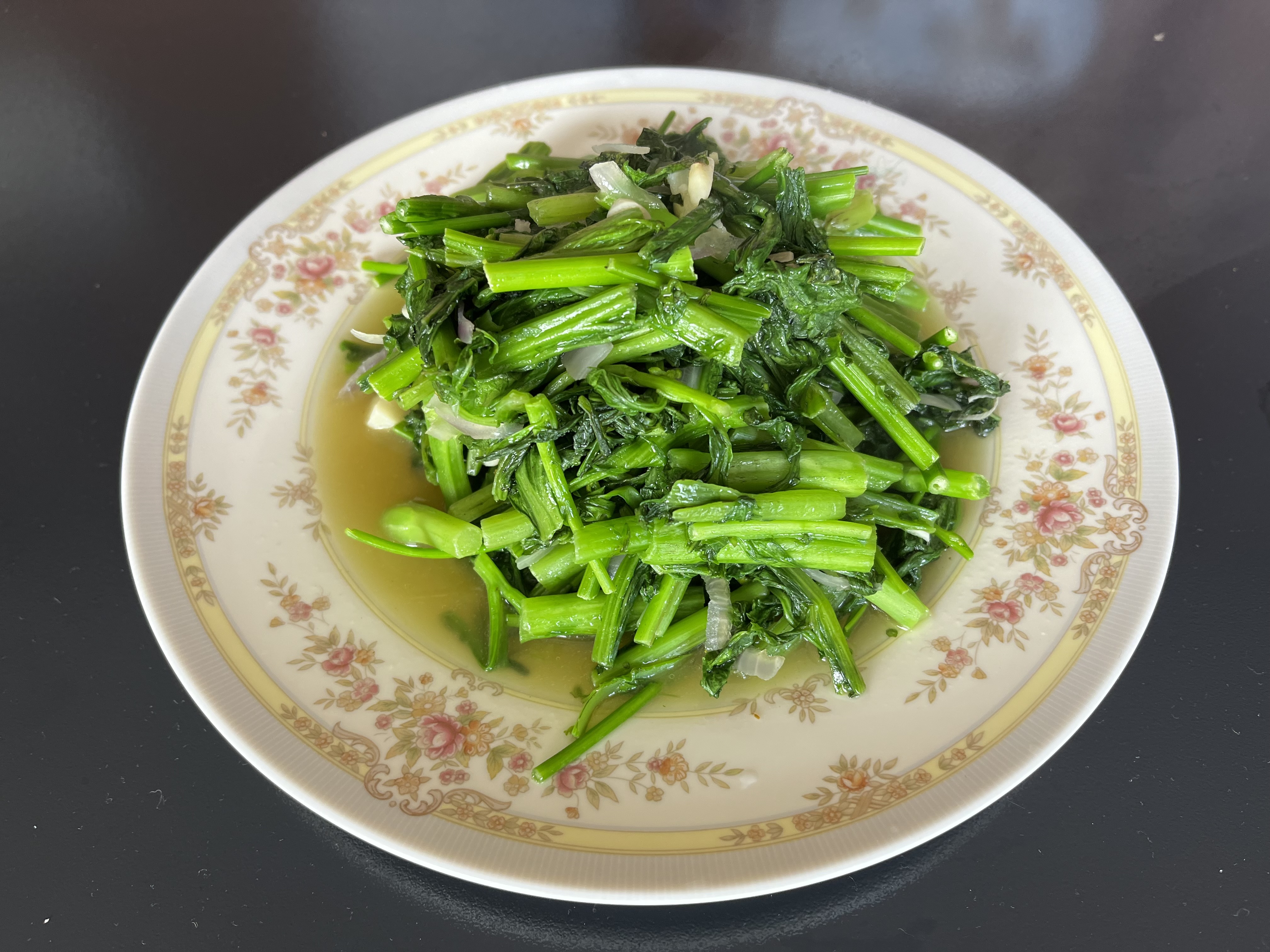
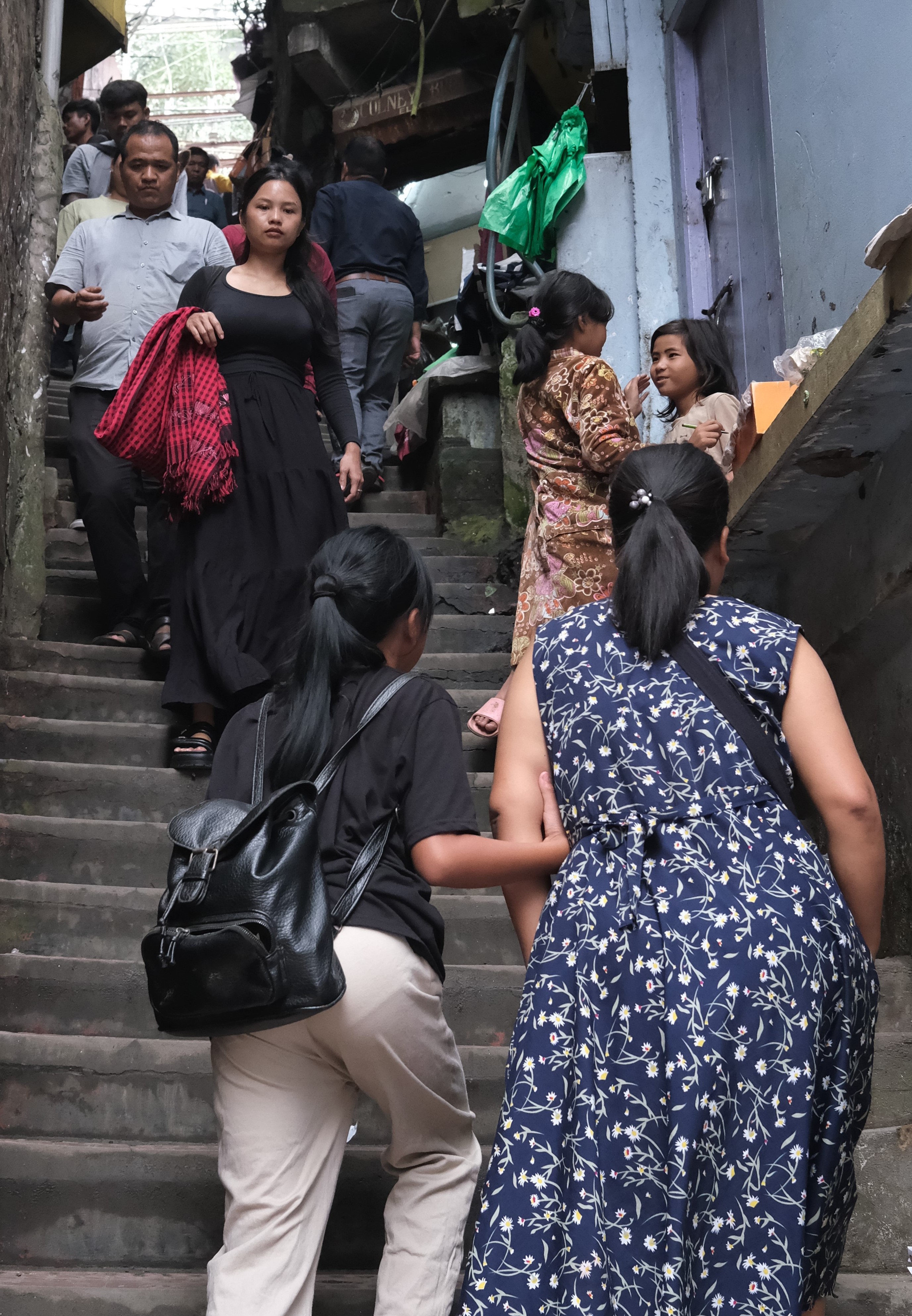
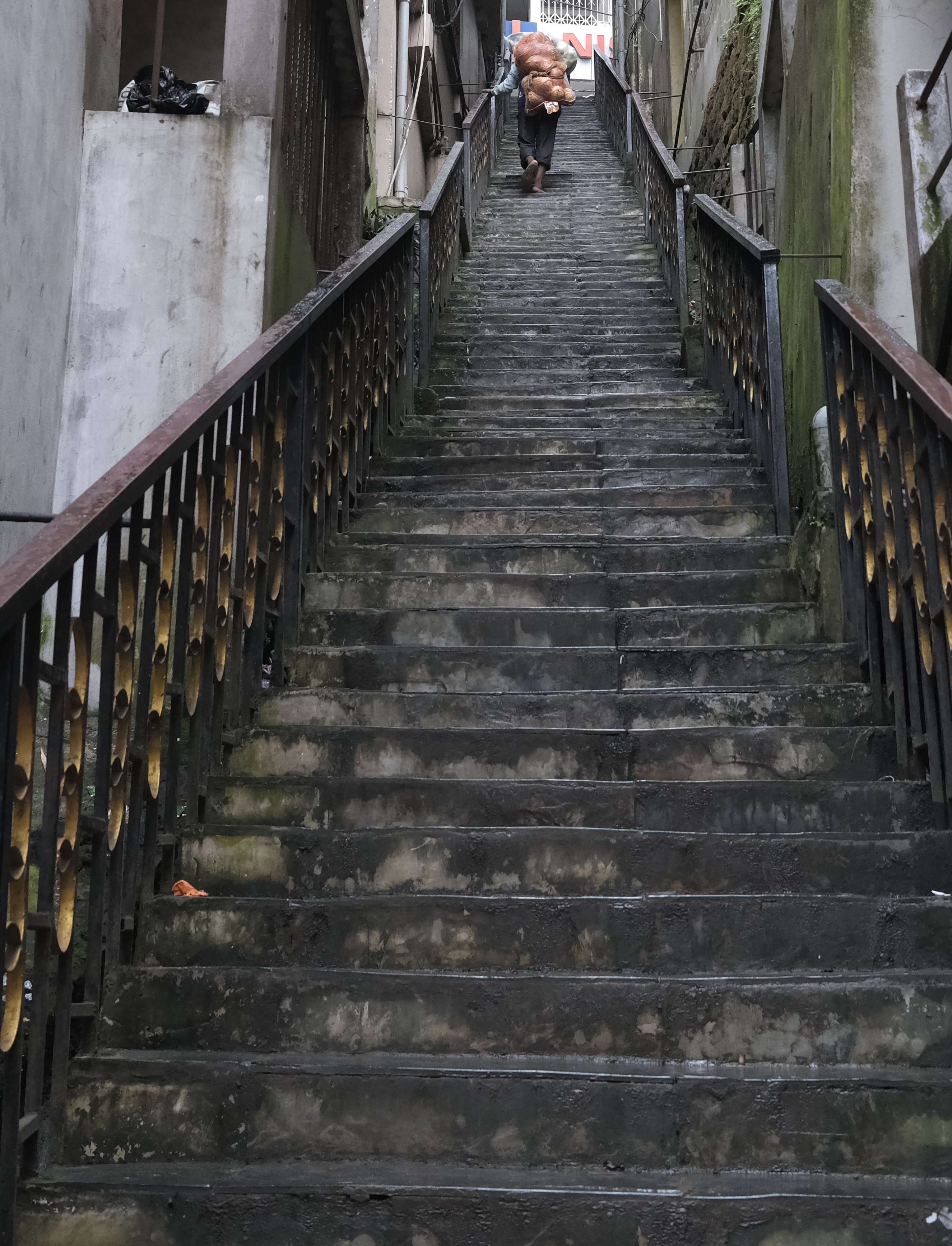
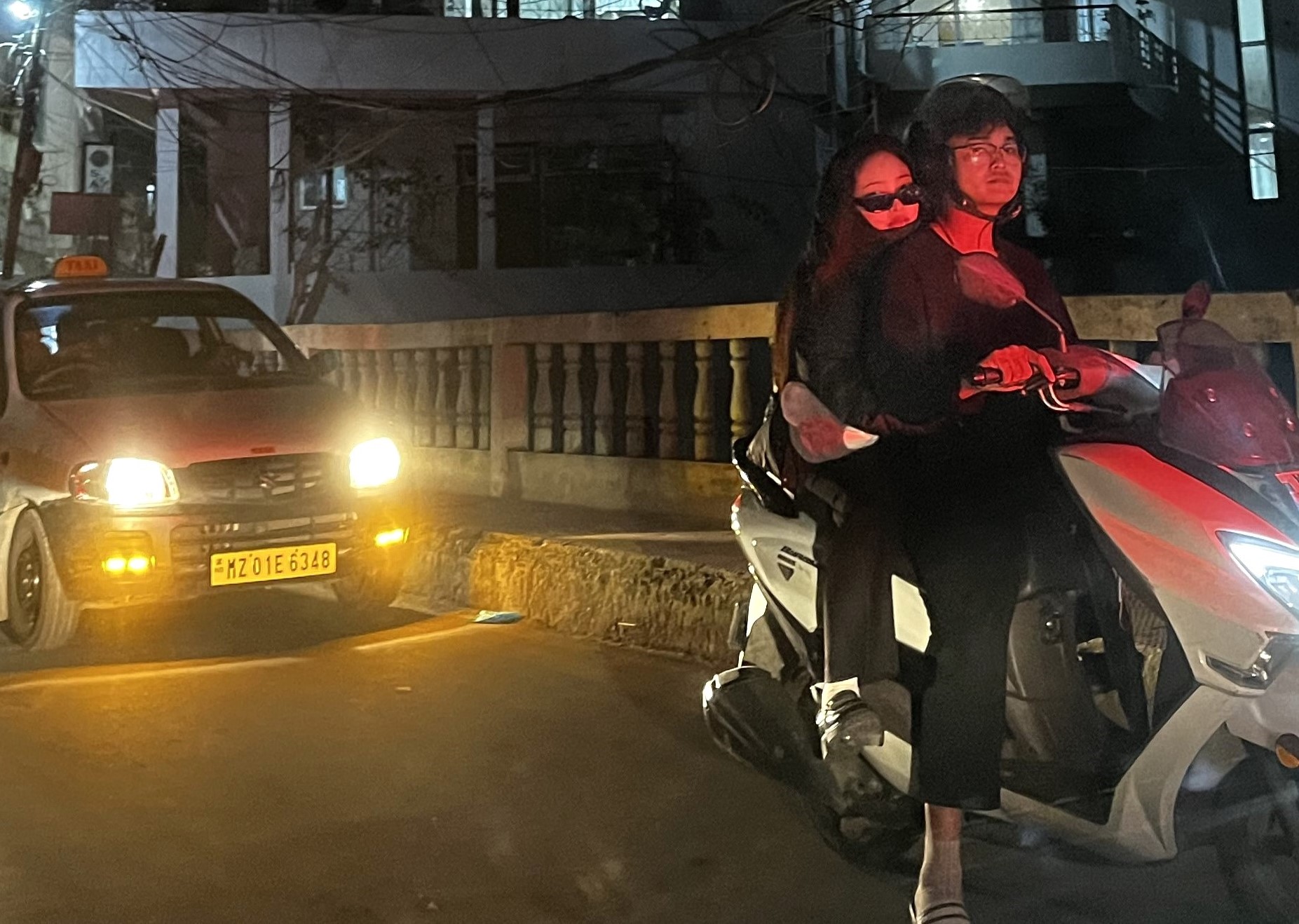
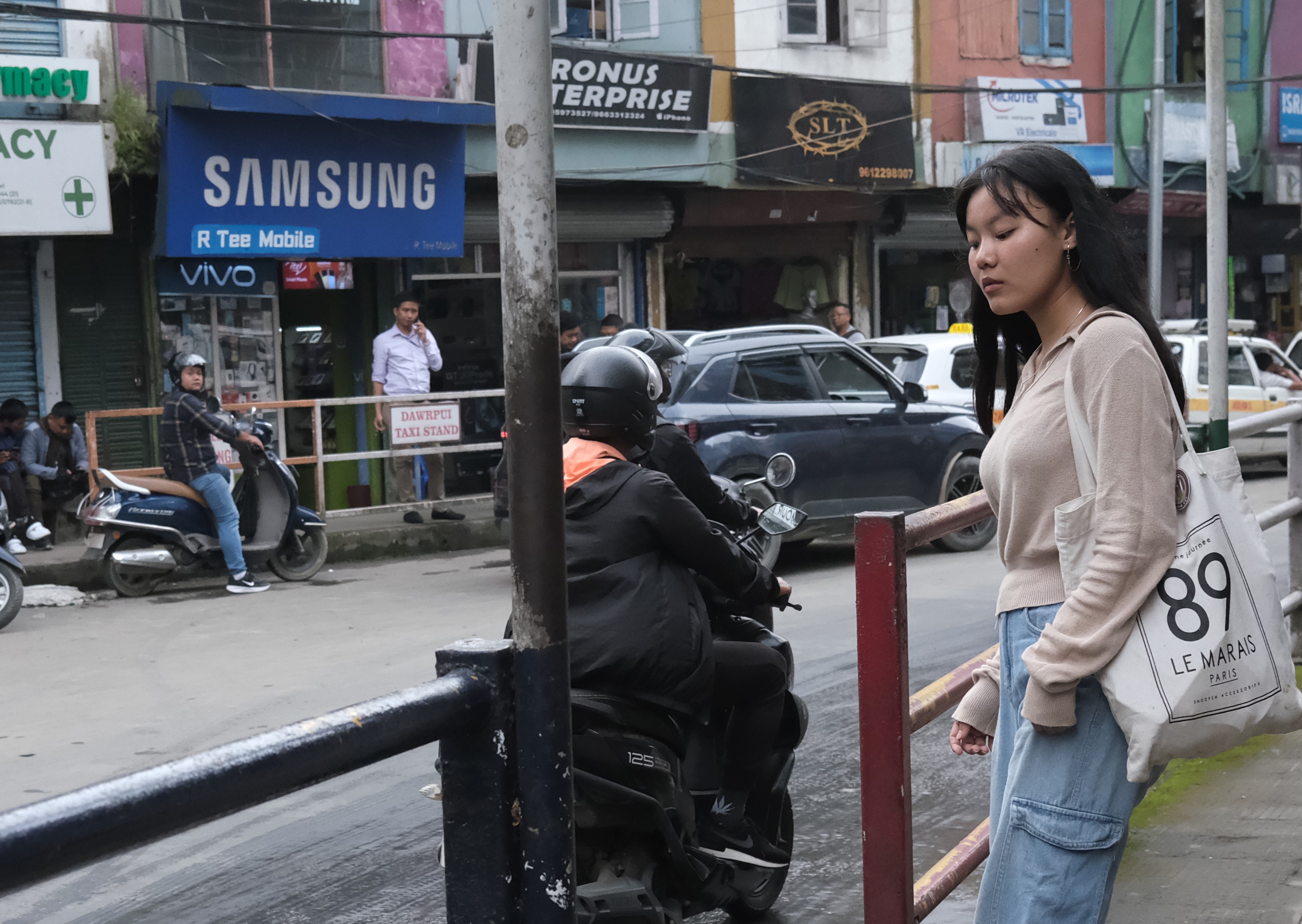
The glass patio door of Casablanca Homestay frames an enchanting evening picture of AizawlThis is as far from India as you can get, without actually leaving the country. In terms of geography, genealogy, and general gravitation, Mizoram distinctively leans more toward Southeast Asia – and in certain aspects, even China- than the Indian Subcontinent.Freshly-caught river crabs or chakai are eaten in a stew cooked with cowpea leaves and green chilies.Young girl with puppy, Bethlehem VengHonest Women Vendors: Bara Bazaar is Aizawl’s main market, where locals and people from surrounding hills come to buy and sell everything from bread to bracelets.Fresh air and sweet smiles: motorcyclist couple rides up to Muthi to spend time in nature together.What real vegetables taste like: freshly-harvested greens sold at 50 Rupees (about RM2.60)per bunch that can feed a large family.Stairways in Aizawl serve as both shortcuts and shopping lanes, linking streets and neighborhoods. Walking them offers an intimate and interesting way to explore the city.
The Mizo people take their faith seriously. They are almost entirely Christian and Sunday here isn’t just a day of rest; it’s something sacred. The entire city shuts down. Churches fill with the sound of choral hymns, and from sunset to sunrise—and throughout the day—you can hear the soft, soothing, and rhythmic clang of bell chimes. It’s as if the whole city pauses in unison to catch its breath, to reflect, and to pray.
Aizawl is content to just quietly exist, perched on its hillside. It doesn’t seem to care whether you come here or not. It doesn’t see the need to build grand monuments or lively tribal markets to lure you in, nor are there souvenir shops peddling funny hats and fridge magnets. Nothing is plastered with “must-see” or “world heritage” signs for wide-eyed visitors. But that’s part of the charm, and that’s what I like about it.
The beauty of Aizawl is in its raw simplicity—in the happy, hardy, stair-climbing hill-dwelling people; the breath-snatching views; and the messianic voices and chimes that fill the quiet nights with sounds and sights that linger in your head and heart long after you leave.
This is how I want to spend my birthday.
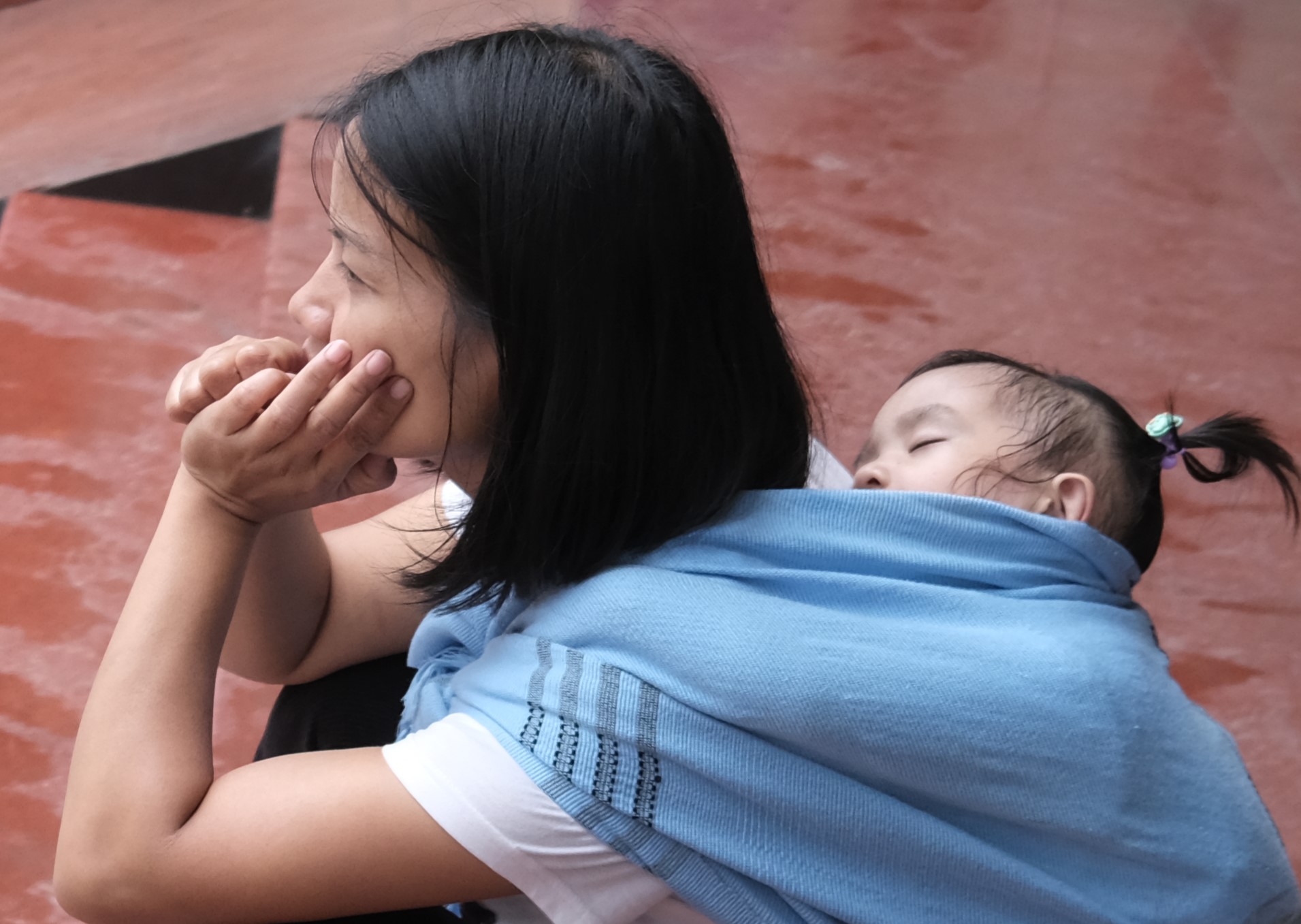
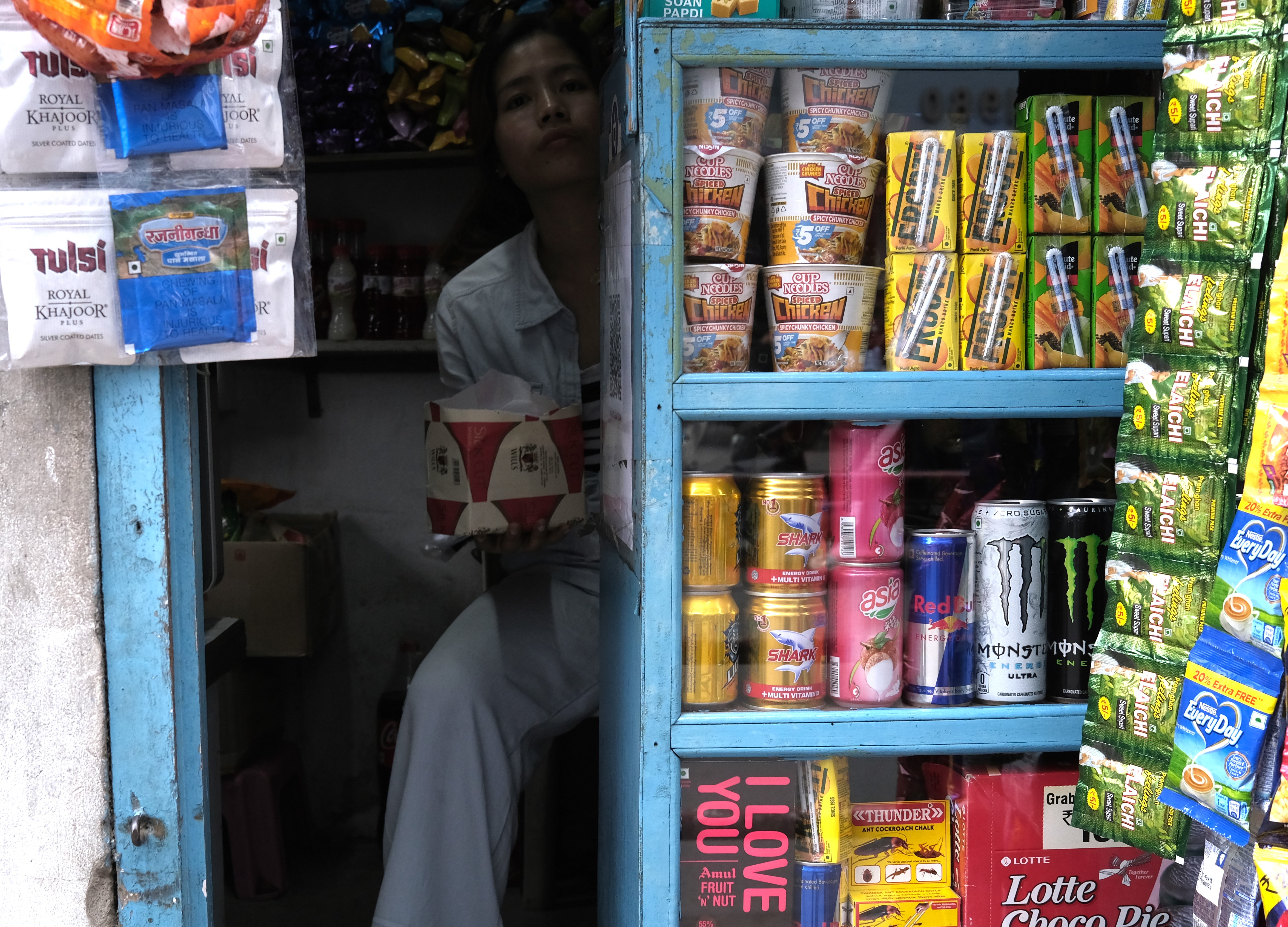
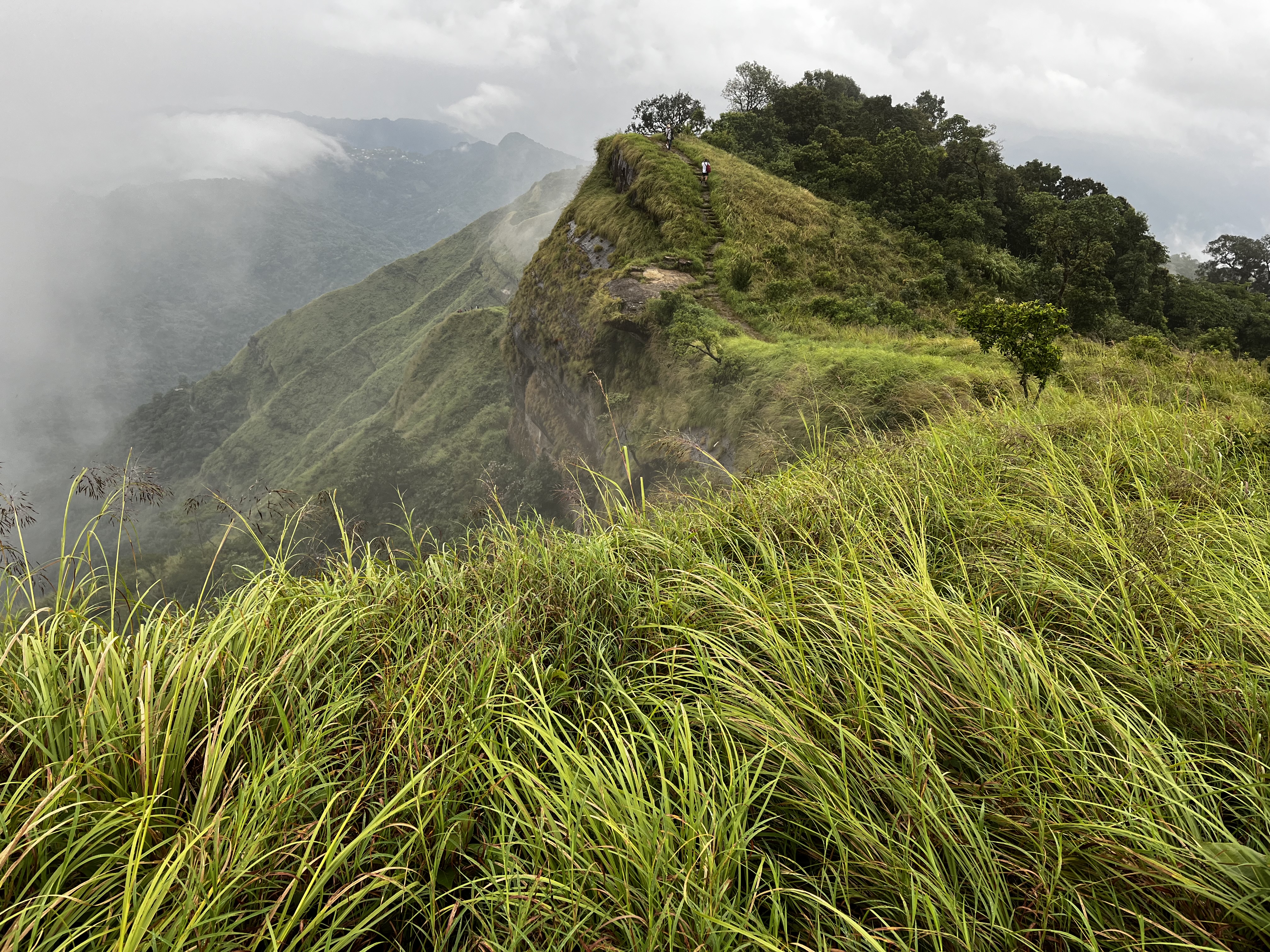
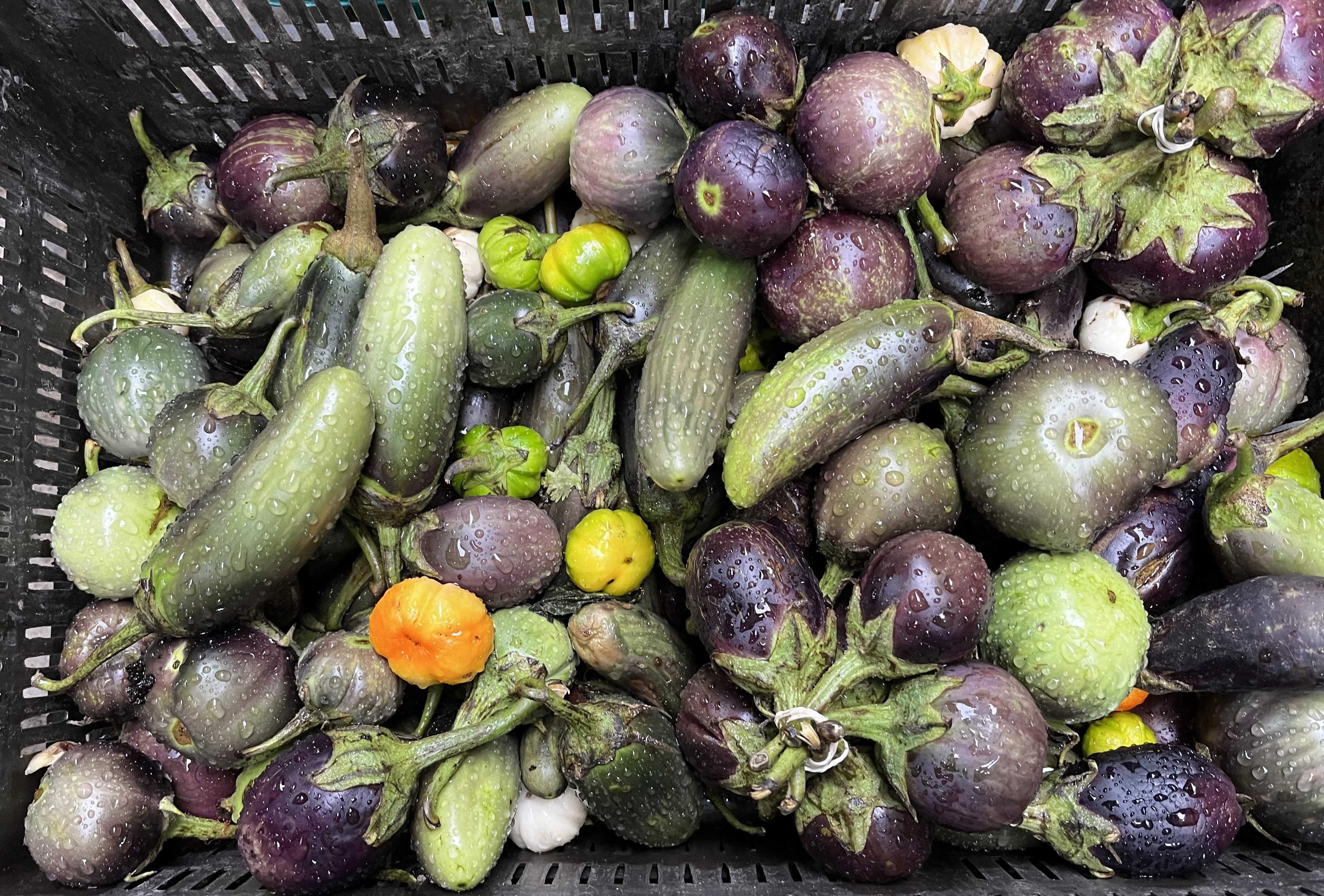
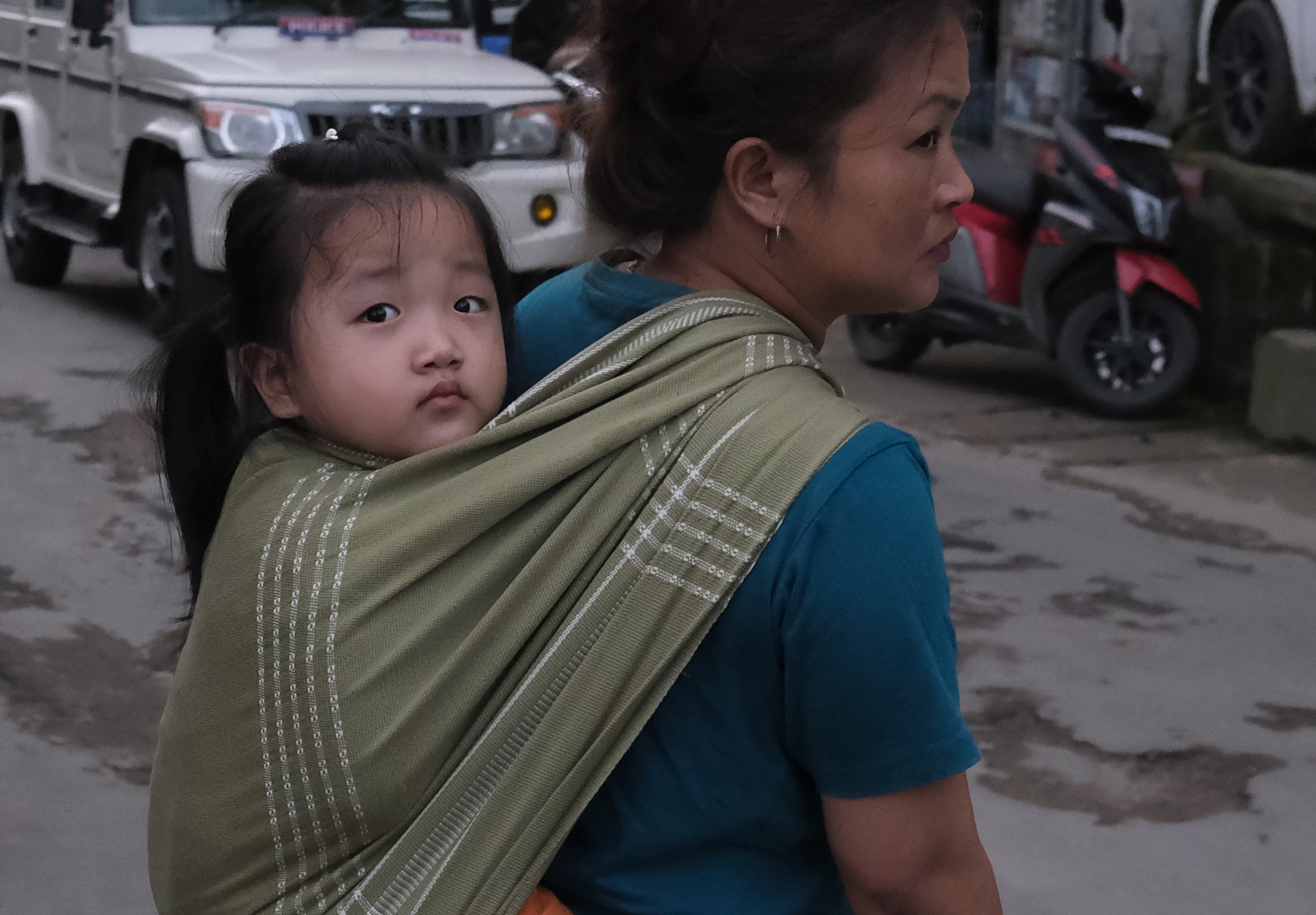
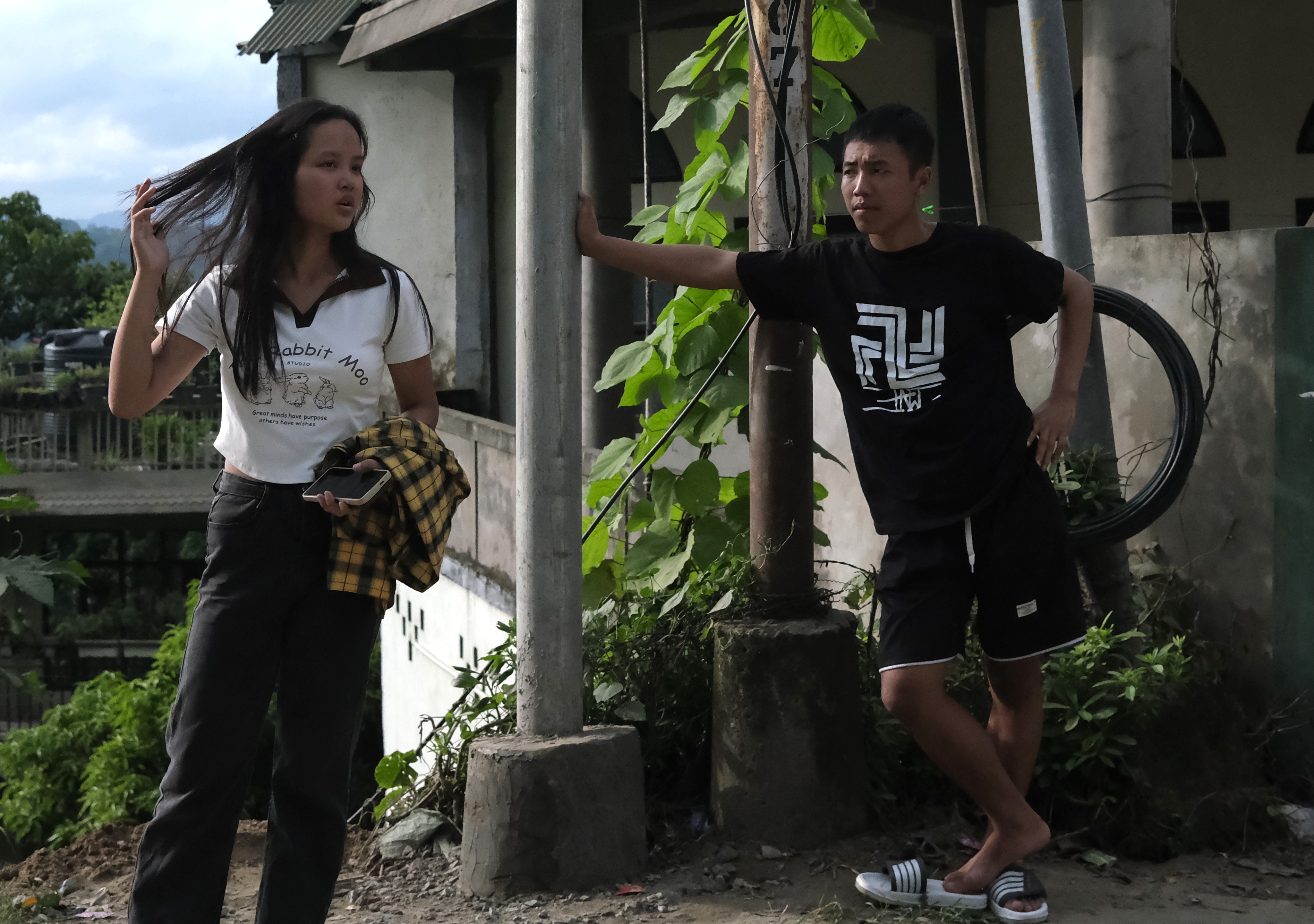
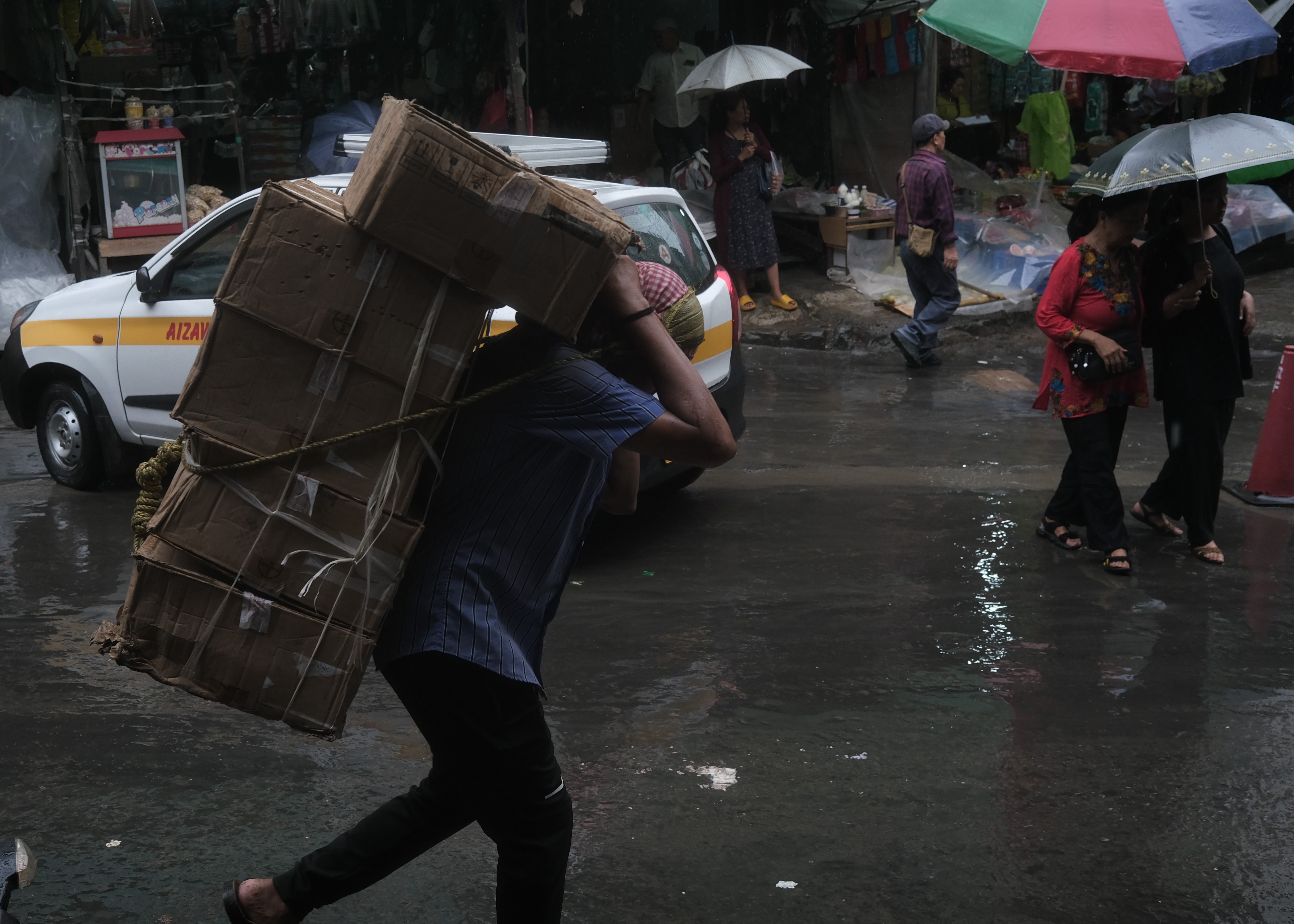
Mother and Sleeping child at the entrance of Millennium Center Shopping MallA typical hole-in-the-wall shop selling sachets, packets, and cans of drinks, along with biscuits and cup noodles, like those found in roadside corners across India.The sun shines on Reiek Tlang (1,465 m)after a heavy afternoon downpour Shoppers and school students walk along the bazaar shopsMizoram, along with Kerala, has one of the highest literacy rates in India.An assortment of aubergine for sale in the rain, Bara BazaarSchool friends exchange a quick wave and goodbyes before parting ways down separate paths toward home.Located on a ridge 20 miles north of the Tropic of Cancer at an average height of 1,132 meters above sea level, Aizawl enjoys a comfortable climate but some monsoon days in June to September can get hot, sticky and sweaty. Nothing to deter you, just pack an umbrella, sandals and some deodorant.Morning customers at the bankBlanket sling is more practical than prams and push trolleys in AizawlCakes with icing and coconut behind a glass caseThe young people of Mizoram look to the West and, these days, also eastward for inspiration, drawing their fashion and beauty trends from Korea and other parts of Asia, rather than from Mumbai, Kolkata or Hyderabad.Sheltering from the rain outside a shop selling plastic waresStairs and the CityBudding musicians on the trek in Reiek. Mizoram’s music scene is deeply rooted in the church’s choral tradition. Young artists blend Western genres with Mizo themes, producing visually striking music videos that showcase Mizoram’s picturesque landscapes.“The eyes of the Lord are in every place, beholding the evil and the good”. In the late 19th century, Christian missionaries, particularly J.H. Lorrain and F.W. Savidge from the Welsh Presbyterian Mission, created a Roman alphabet-based script for Mizo. They translated the Bible into Mizo making it accessible for reading and writing and laying the groundwork for widespread literacy. Today, Mizo and English but not Hindi are the main languages of Mizoram.Not a land of curry and hot spices: traditional Mizo cuisine is centered on meat (mainly pork), vegetables, rice, noodles and dumplings (steamed or grilled). Mizoram is renowned for its woven shawls and handcrafted baskets made from bamboo and cane.Safety in Numbers: After-work pedestrians at a road crossing After sunset in Aizawl. Night-time motorists in an early-to-bed citywhere due to its easterly location on India’s single time zone the sun sets at 5:30 pm and rises at 4:30 am. Porter in the rainSip and browse at Books Cafe with IsakIn Mizoram, alcohol is sold and consumed only in licensed hotels, reflecting the state’s strict alcohol regulations and a quiet, puritanical nightlife.
All rights reserved Kerk Boon Leng Copyright (c) October 2024
Fresh from the fields: Melons start to hit the bazaars of Uzbekistan as early as June, but it’s the late-ripening winter varieties, arriving in September, that are renowned for their tantalising textures and tastes.
We travel not for trafficking alone:
By hotter winds our fiery hearts are fanned
For lust of knowing what should not be known
We take the Golden Road to Samarkand

James Elroy Flecker, The Golden Journey to Samarkand (1913)
To be honest, I hadn’t really thought much about Samarkand before I found myself there. It’s one of those names that gets tossed around in history books and travel guides—forever linked to the Silk Road, ancient caravans, bustling markets, and epic land crossings. Writers like Goethe, Byron, and Oscar Wilde spun it into the Western imagination as a distant, exotic land, dripping with both treasures and cruelty. A place that’s half-fact, half-fantasy, sitting somewhere between legend and history. But for me, Samarkand wasn’t exactly top of my list. It was more of a “maybe someday” destination—a place you figure you’ll hit when you finally decide to get lost in the forgotten expanses of Eurasia.
And then, in September, I went. The landscape was mellowing as the leaves started to turn from green to gold, and I wasn’t chasing some romantic vision of ancient traders or long-dead kings. No, I went because the opportunity came up, and you don’t say no when it’s for Samarkand, Uzbekistan. My friend Dilshod arranged for his buddy Abdujamil to show me around, and just like that, I was in. What I found was a city that both surprised me and confirmed what I half-expected: Samarkand is as grand and imposing as they say, but there’s something raw and real beneath the surface. It’s a city where history doesn’t sit quietly in the background—it’s in your face.
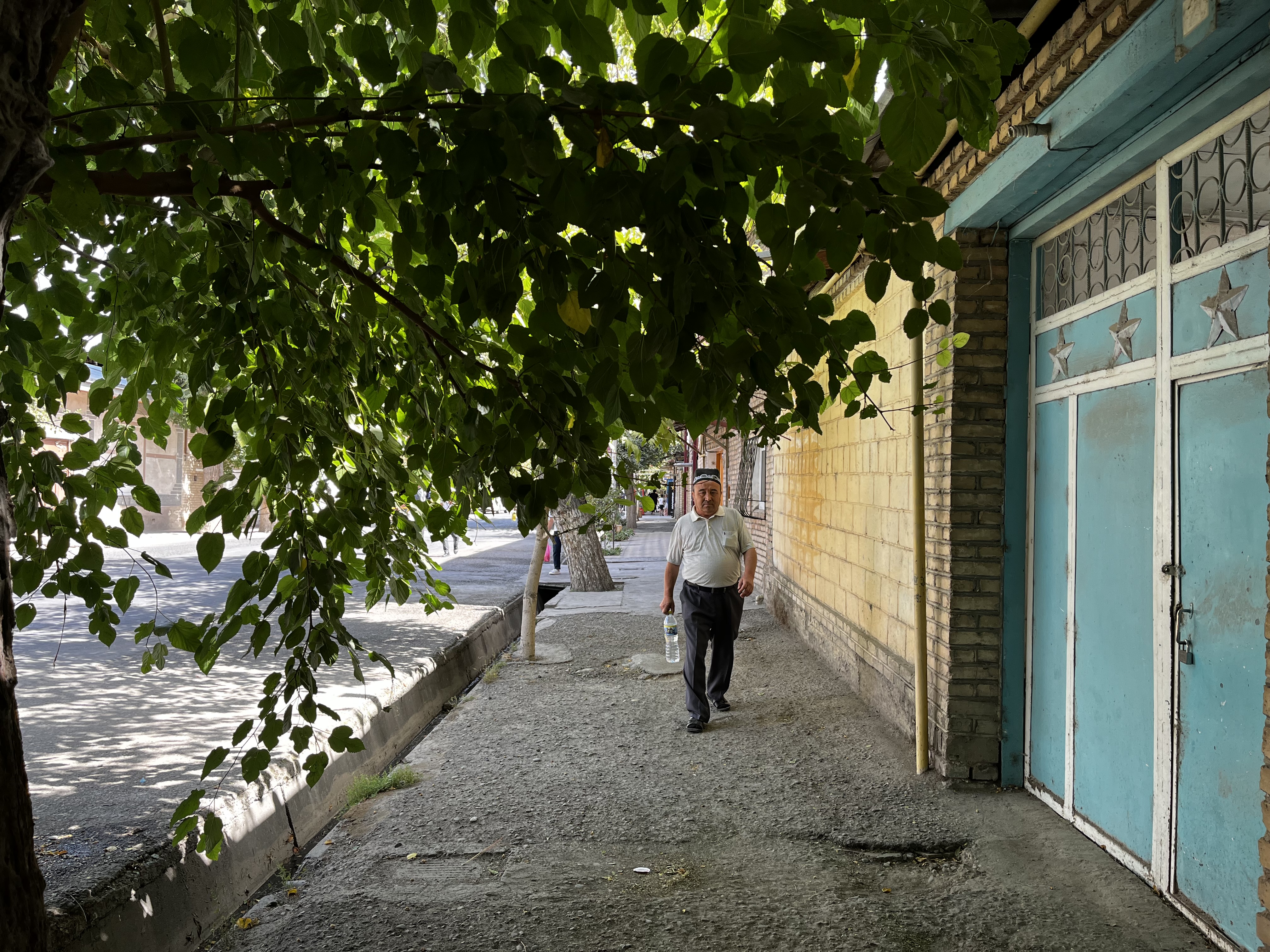
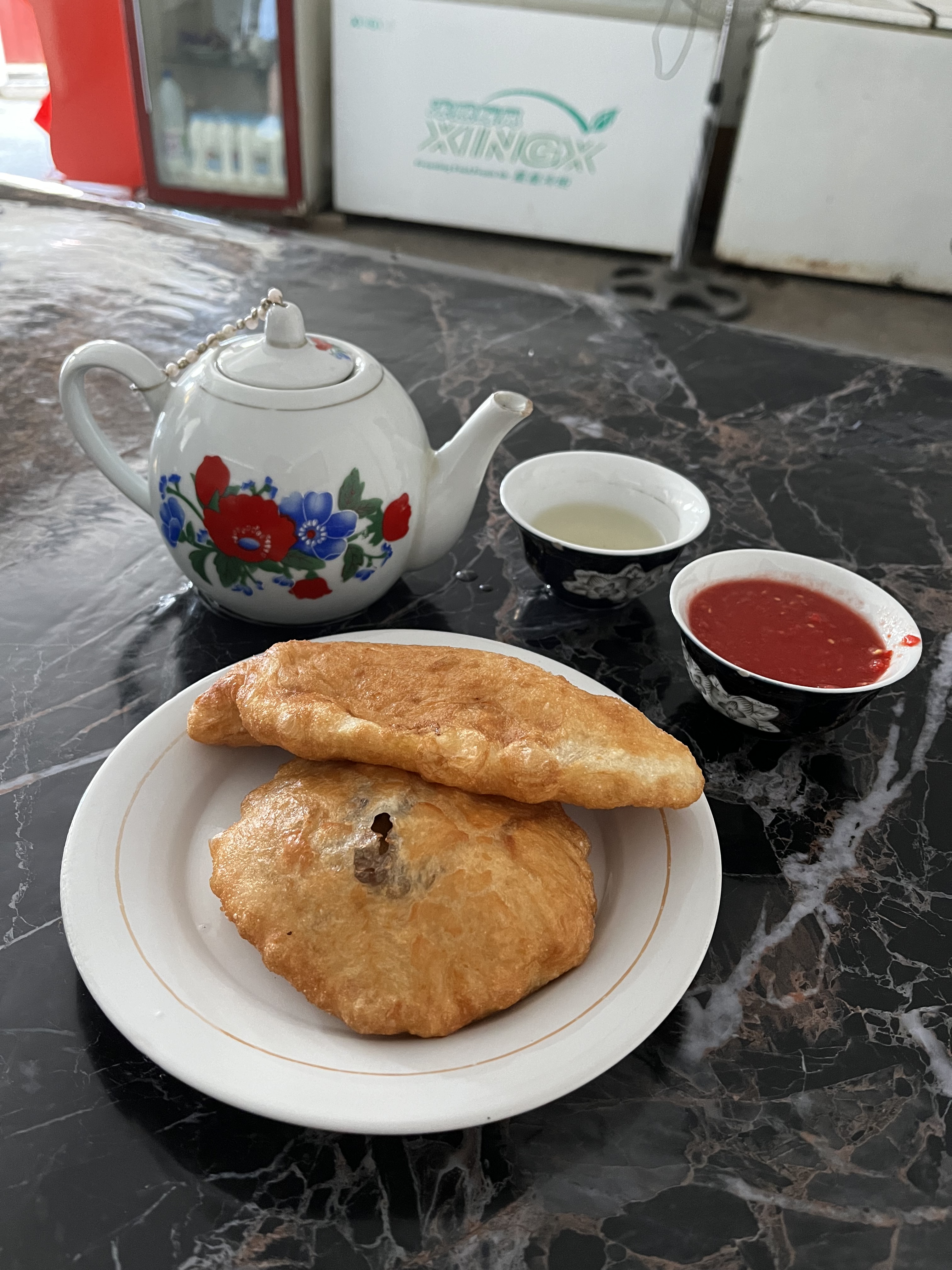
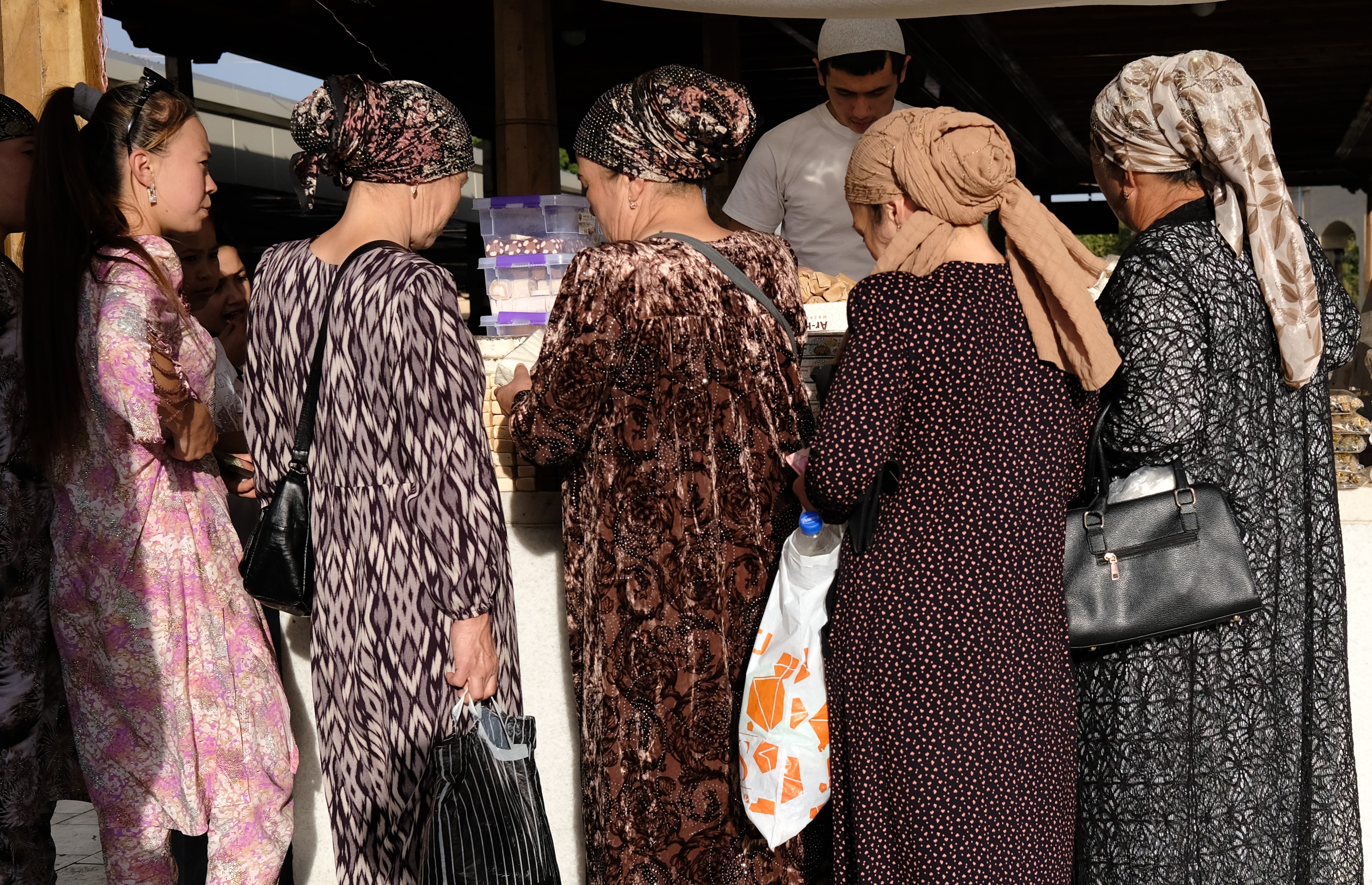
In my humble reckoning, the shaded streets of Samarkand offer a more authentic glimpse into Uzbek culture and memory, than the tourist-driven “Silk Road” fantasy.Working man snacks: fried bread with meat or potato fillings dipped into a salsa-type sauce and washed down with kuk choy (green tea) Chinese-style.Bibi-Khanum when completed in 1404 was one of the most magnificent mosques in the world. It collapsed in an earthquake in 1897 and by mid-20th century survived as a ruin until restoration by the Soviets.
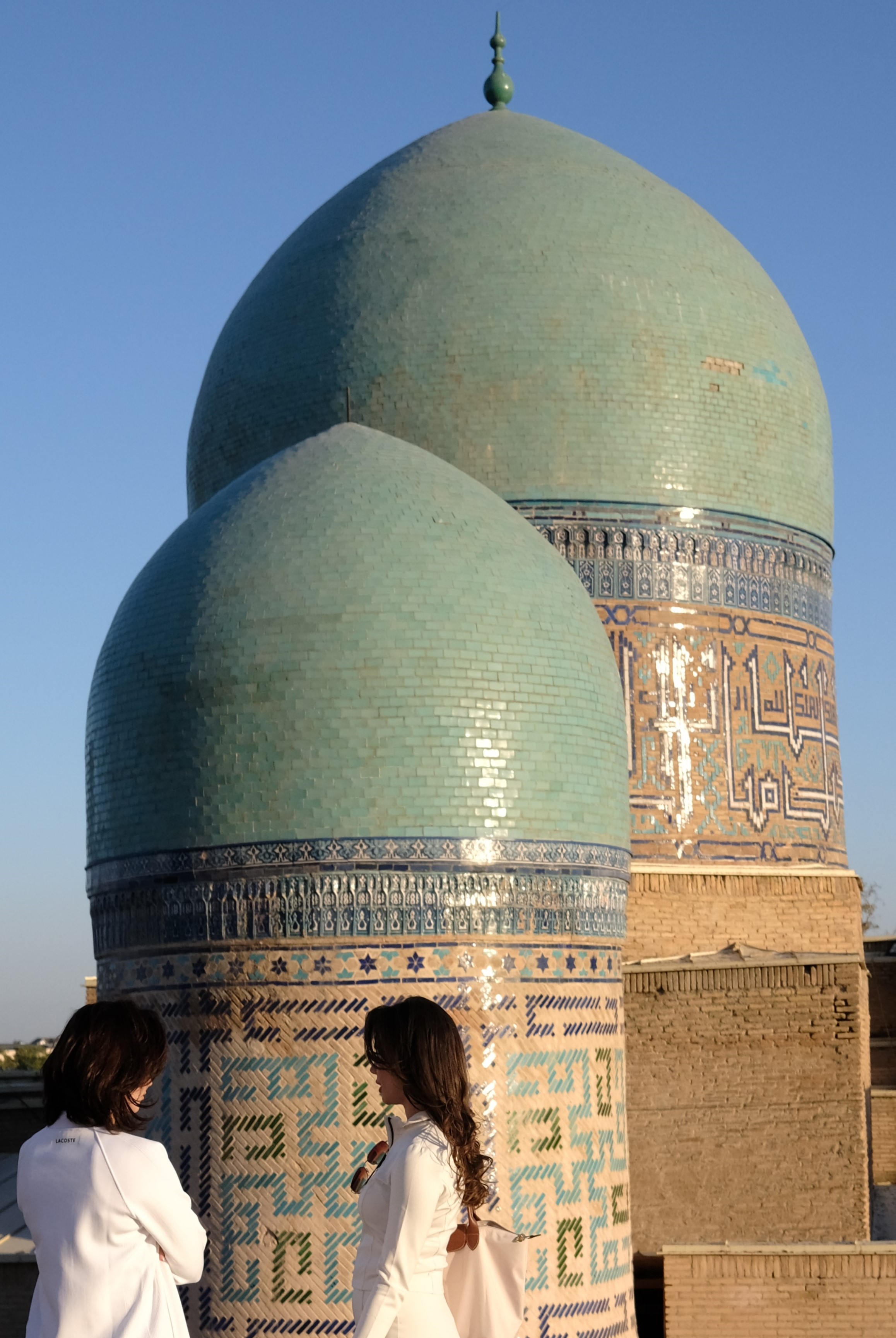
Let’s be clear about one thing: Tamerlane—Amir Timur as the locals call him—still looms large over everything. Born 50 miles from Samarkand, he built his empire with blood and a brutal efficiency that would make even the toughest modern-day despot flinch. And yet, amid all the conquering, he decided to make Samarkand his masterpiece. You can’t run far without seeing his mark. Monuments, mosques, and mausoleums stamp his gleaming blue presence all over the city, shimmering in the sunlight and reminding you of the power he wielded. The place feels like a shrine to conquest.
But Samarkand isn’t just about Tamerlane. This city is older than his empire, older than most things you can name. Long before Timur, this place was home to the Sogdians—an Iranian people who built their own version of Samarkand before the Arabs rolled in, swords in hand and the Qur’an, and changed everything. The city’s history is layered like that—one civilization piled on top of another. You can feel it as you walk the streets—there’s something Persian in the air, something ancient beneath all the grand monuments.
And even though you’re standing in modern Uzbekistan, Samarkand feels more like a distant cousin to ancient Persia. People here speak Tajik, a near twin to Farsi, and the atmosphere of the city is steeped in that blend of Persian and Turkic culture. Samarkand, along with Bukhara, gives you a glimpse of Transoxiana—the land beyond the Oxus River—where every alley, courtyard, and market stall tells you a little more about a place that has been at the crossroads of history for thousands of years.
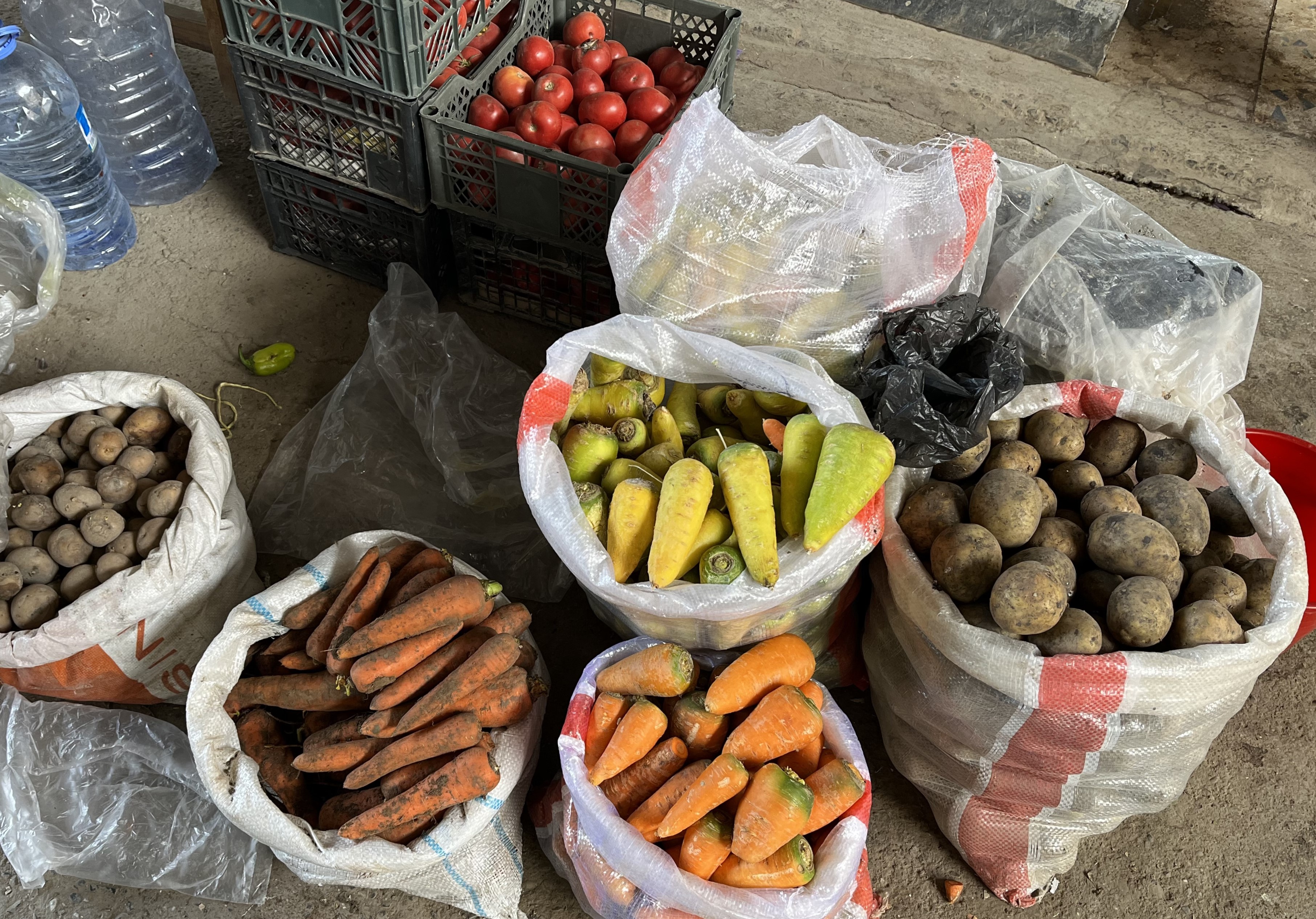
As the sun begins to dip lower at Shah-I-Zinda the light hits the turquoise tiles just right, casting an almost magical glow. It’s hard not to feel like you’re standing in the most stunning necropolis on earth.Although officially a secular country with a predominantly muslim population, Uzbekistan has been experiencing a revival in its religious identity after more than a century of Russian and Soviet rule.Organic vegetables sold at a stall in Siab (Siyob) Market. Even with Samarkand’s dry climate near the Kyzylkum Desert, old irrigation techniques, fertile land by the Zerafshan River and plenty of sunshine help produce great harvests.
Normally, I wouldn’t go on about fruit, but the melons here deserve a mention. They’re something else: sweet as honey, fragrant like something you’d bottle and sell as perfume, bursting with the flavour of the earth they grew in.
Sun, soil, desert—it all comes together in a way I wasn’t ready for. Melons of every size and shade, sold on the streets like the season’s finest delights. Honestly, they’re worth the trip alone.
Picking the prize, Siab Market. Uzbekistan ranks 32nd globally in fruit production by quantity and it holds 12th place in melon export.Khoja Zudmurod Mosque (10th century) is steeped in legend, with stories claiming that Tamerlane buried the relics of St. George here. True to its name, prayers at this mosque are believed to bring the fulfillment of noble desires.Puppet seller at the entrance to Bibi-Khanum Mosque.
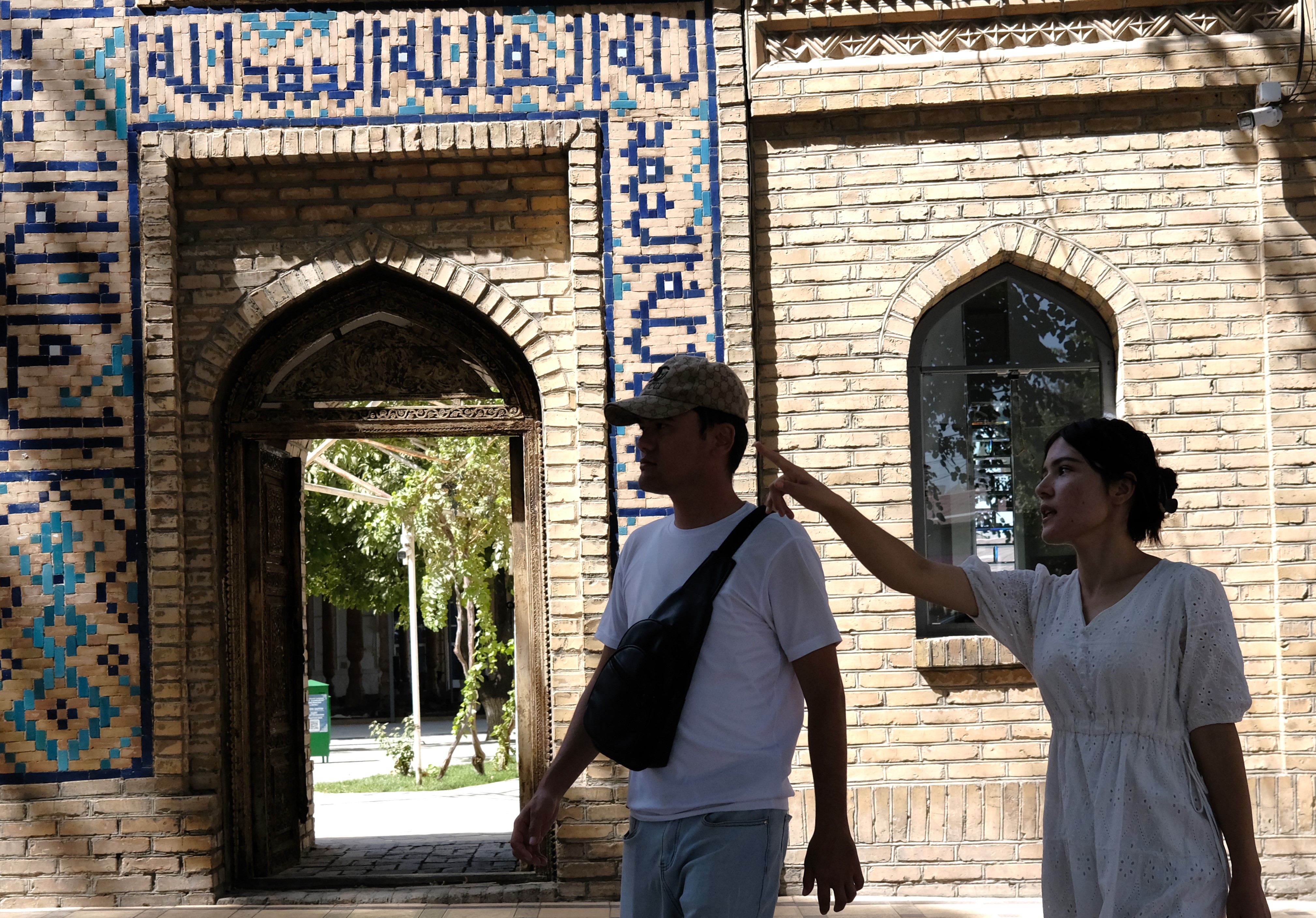
I spent most of my two and a half days walking the tree-lined streets and exploring the hidden courtyards. These are the places where Samarkand still holds onto its quiet, Central Asian charm. The heyday of the Silk Road is long gone. The Russians rolled through in the 19th century, leaving parts of the city in ruins before it was rebuilt by the Soviets in their signature blocky, concrete style. Today Samarkand is a thriving, modern city, the third largest in Uzbekistan. But somehow, despite all that, there’s a sense that Samarkand has never really let go of its past. It’s still there.
Samarkand might not be the bustling trade hub it once was. The atmosphere has shifted—modernity has taken over, with Chinese-made BYD electric cars gliding down the tidy streets where camels and donkeys once trod. The bearded traders with their sunburnt faces and laden beasts are gone, now only seen in old photographs. But even so, Samarkand still has that weight of history pressing down on you. You feel it in the silence, in the stillness of the dappled sunlight filtering through the trees where time appear to move a little slower, if at all.
Uzbekistan with 36 million people and a median age of 27 years has the biggest population in Central Asia.An afternoon with friends at the Sher Dor Madrasah, one of three madrasahs (Islamic schools) making up Registan. The name “Having Tigers” refers to the murals of pouncing tigers on its tiled facade – rare and audacious in Islamic art where imagery is typically forbidden.Samarkand’s version of the Uzbek plov is a lighter but savoury blend of young lean lamb, golden carrots, beans, quail eggs, raisins, and ceremonial chillies served in a large dish for sharing.Preserve or erase? In its push for nationhood since gaining independence 33 years ago, Uzbekistan may be overdoing the renovations of its historic landmarks. Bibi Khanum Mosque, while stunning, is no longer the structure Timur commissioned—the domes have been rebuilt, walls enlarged, and even the tiles and calligraphy are modern additions.Shopping for halva at Siab Market.Staying at Kamila Boutique Hotel just next to Registan Square, we are rewarded with a prime view especially from our rooftop terrace. My first view of the Registan was at night as locals filled the square with a festive atmosphere.
Copyright Kerk Boon Leng October 2024, All Rights Reserved.
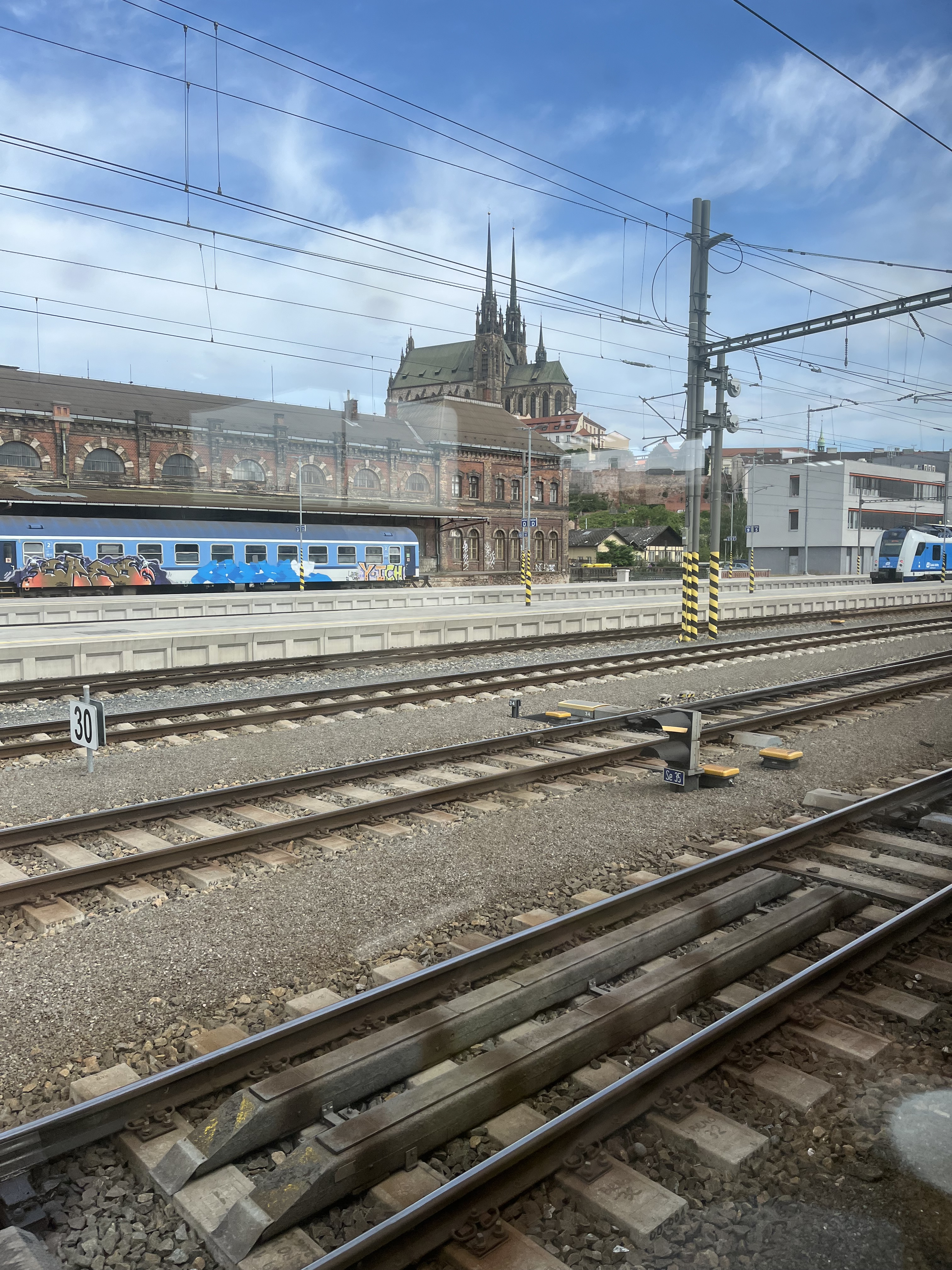
Waiting for the morning train to Budapest at the Brno main train station. Opened in 1839 Brno Hlavní Nádraží is one of the first train stations in the world.
We arrived in Brno on the night the Czech Republic clinched the World Ice Hockey Championship with a 2-0 victory over Switzerland. The bus ride from Vienna was practically a private charter, save for the three young ladies seated behind the driver who were watching the match on their phones. Each time the Czech team made a positive move, they let out volleys of exuberant cheers that filled the quiet bus with excitement and alarm.
As we neared the city center, Špilberk Castle stood majestically on the hill and the iconic twin spires of the Peter and Paul Cathedral appeared in the distance, illuminated against the night sky. It was nearing midnight when we got down from the bus and saw Chelsea who walked over from Hlavní Nádraží, starting our long-anticipated family reunion with a warm gentle hug.
With the public buses and trams overflowing with jubilant hockey fans, we opted for a Bolt taxi to Marco’s Airbnb. Our taciturn driver, with a flair for the fast and furious sped down the eerily empty yet comfortingly familiar streets, beating the traffic lights. As we arrived at our destination, a police car, strobe lights flashing, instantly pulled up behind us. Three officers in bullet-proof vest including a female with a gun emerged, and demanded the driver produce his ID. It was a tense and a scary moment for us. We quickly heaved our bags and belongings out from the car boot and made our way quickly but reverently through the inquest into the house, bewildered and slightly shaken.
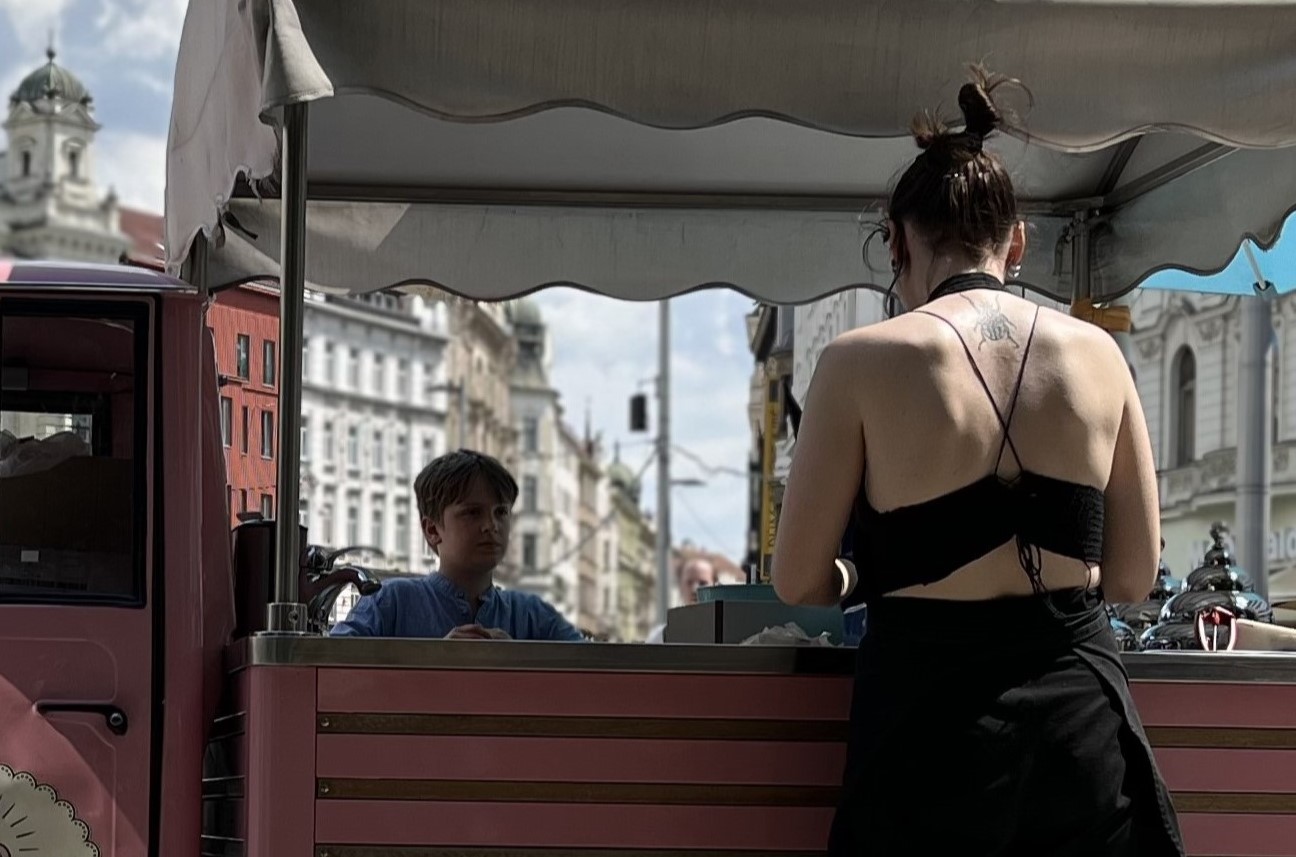
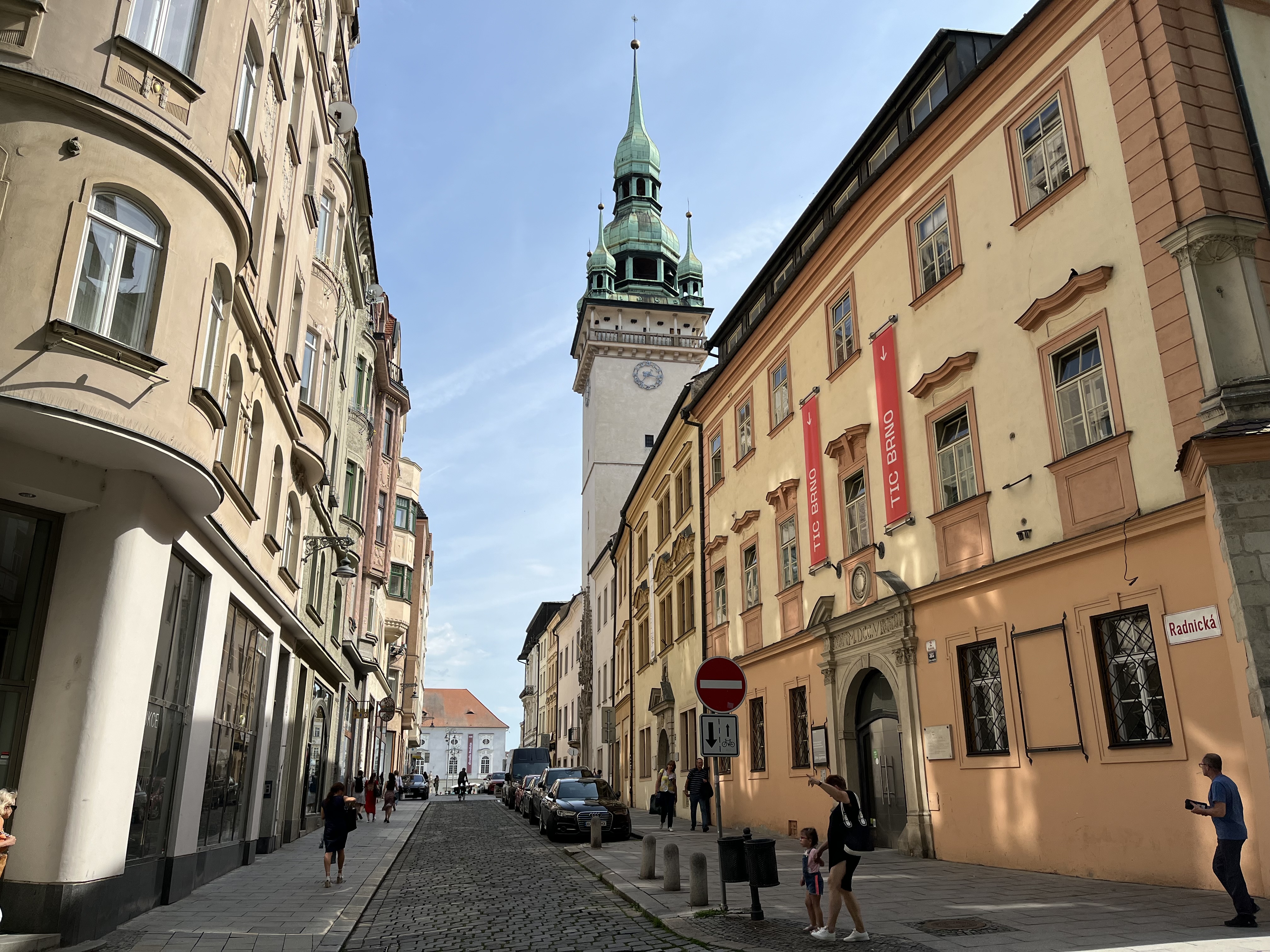
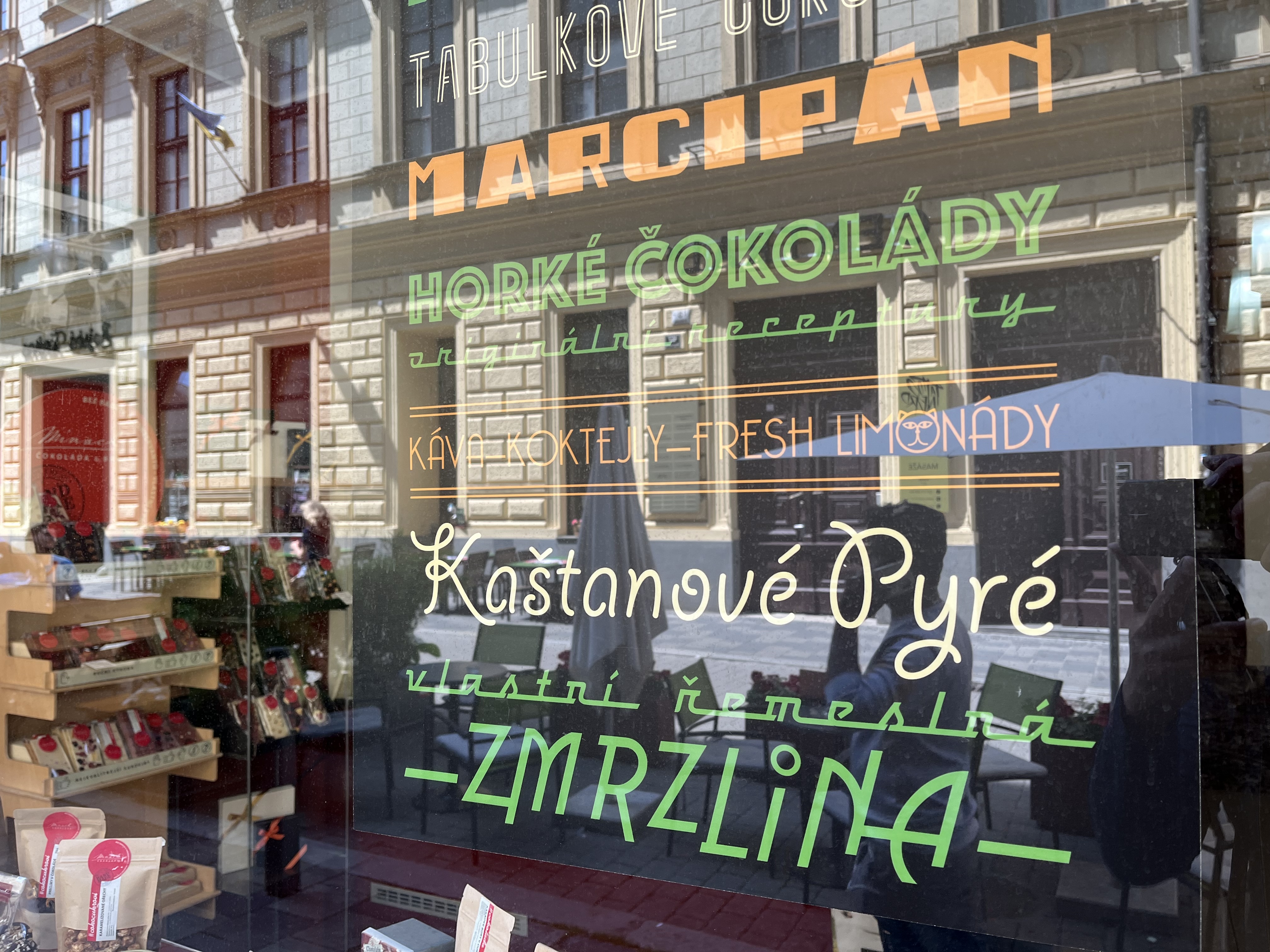
Brno is located in South Moravia the more modest and overlooked eastern part of the Czech Republic. Czechs are intensely proud of their country and its rise as a nation from the ashes of the Austrian Empire. Milan Kundera, one of Brno’s famous sons, said: “The Czechs loved their country not because it was glorious but because it was unknown; not because it was big but because it was small and in constant danger”. My favorite street art at the Komarov stationIce cream at Náměstí Svobody (Freedom Square), Brno’s central point and site for its summer concerts and Easter and Christmas markets.
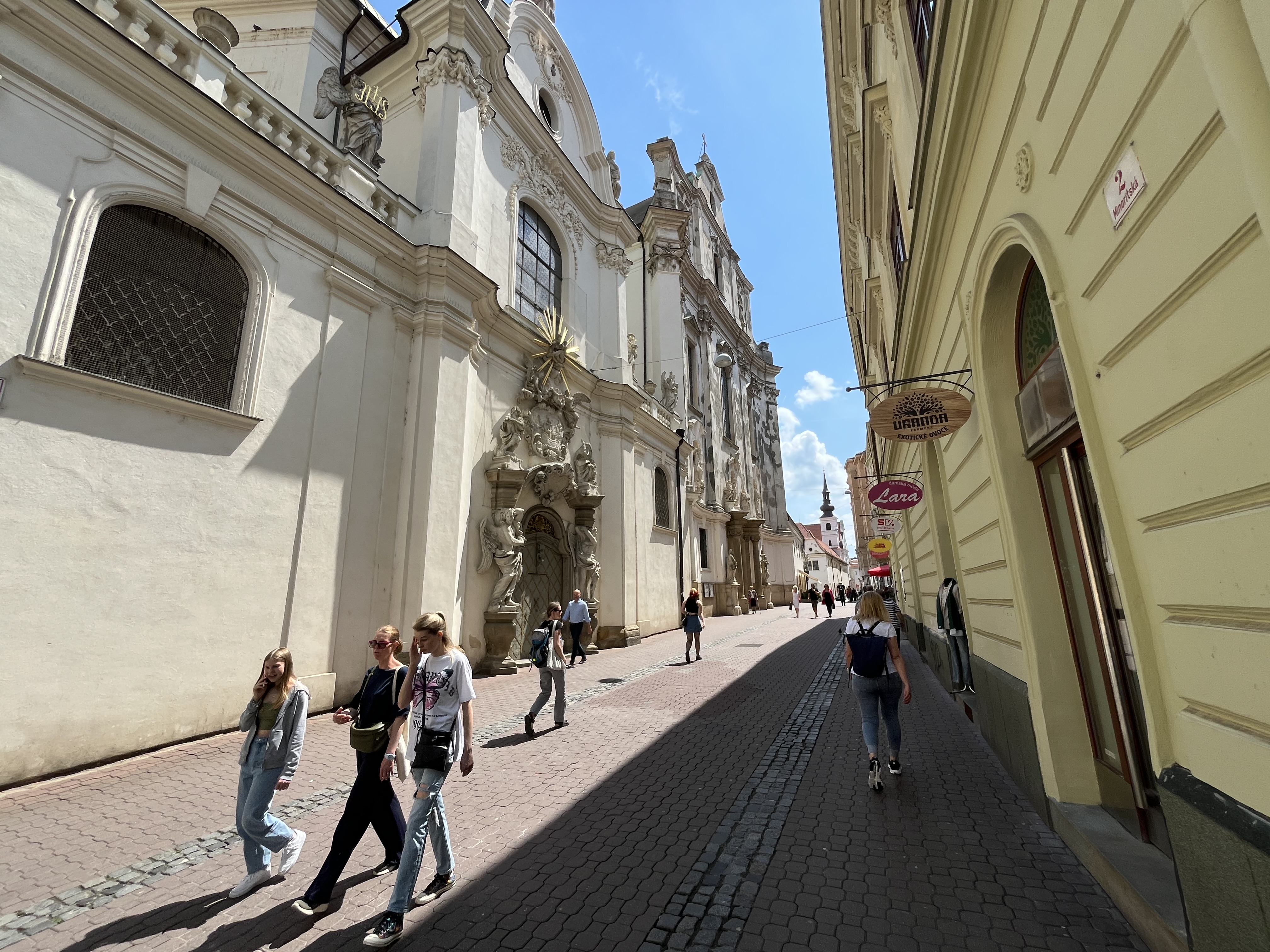
This wasn’t my first time in Brno. I had been here before when Chelsea came in February 2022 to begin her studies at the university. In fact, I’ve spent more time in Brno than in any other European city. It doesn’t boast the fairy-tale charm of Prague, the imperial grandeur of Vienna, or the romantic allure of Budapest. But, Brno possesses the understated, androgynous appeal of the girl-next-door. It’s a pleasantly small city with a vibrant student population and an atmosphere that subtly grows on you with each new discovery.
Brno is authentic, affordable, and predominantly white. Apart from the Vietnamese shopkeepers running grocery stores, recent delivery boys from India zipping around on bikes and skates, and the growing number of international students at its half dozen universities, it still has the look and feel of Europe the way things used to be before the onset of infestive tourism and invasive third-world migration.
It’s also a place where the soul of Central Europe still finds expression and home amidst fragments of communist-era Czechoslovakia, from the stoic architecture to the unvarnished attitude of its people. It might at first appear cold and apathetic, sulky and sloshed, lugubrious and unromantic as only a country’s second city can be. Yet, it is undoubtedly a place that tugs at your heartstrings, revealing its beauty and true self to those who linger long enough to uncover its hidden depths and extraordinary beer drinking habits.
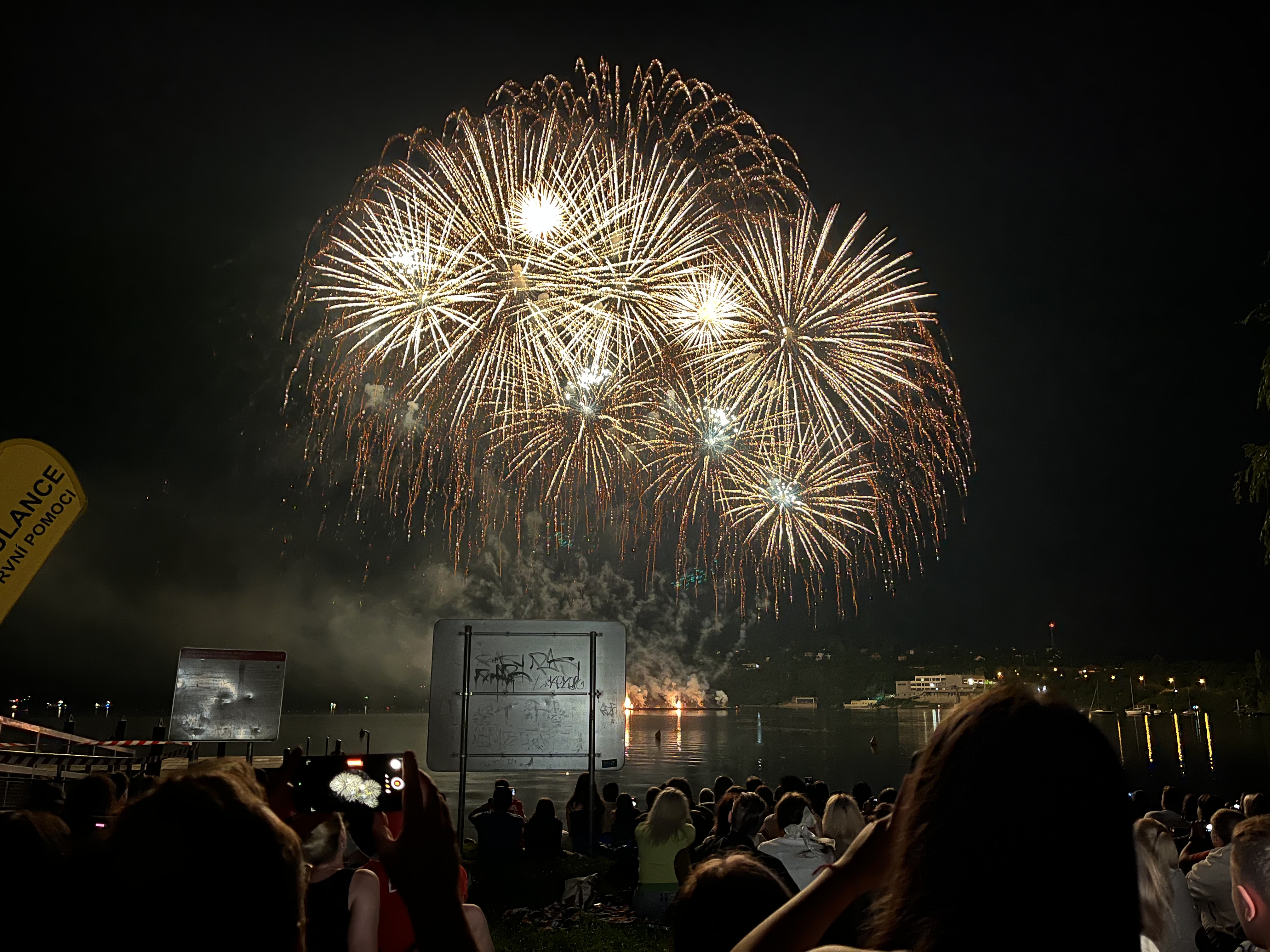
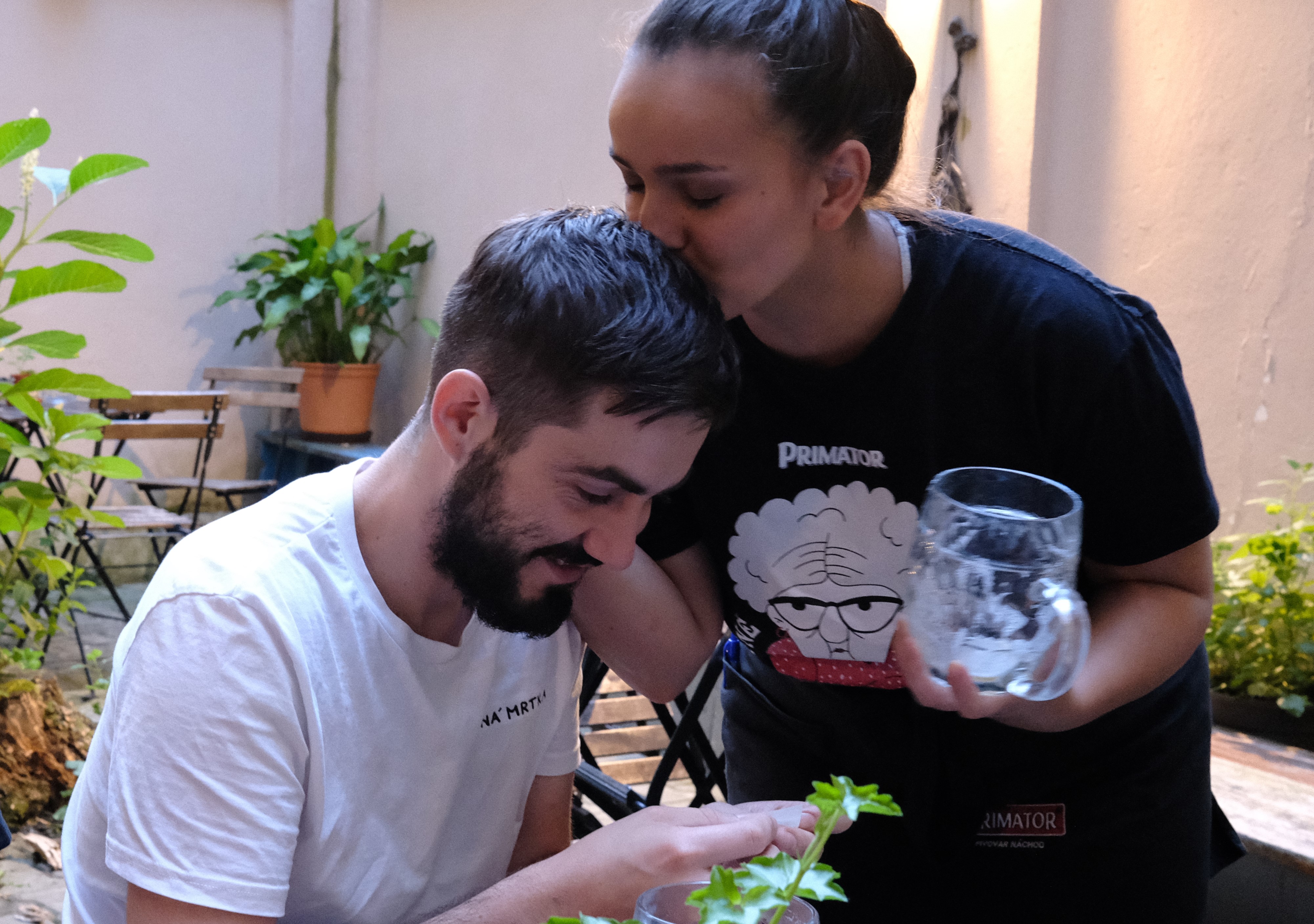
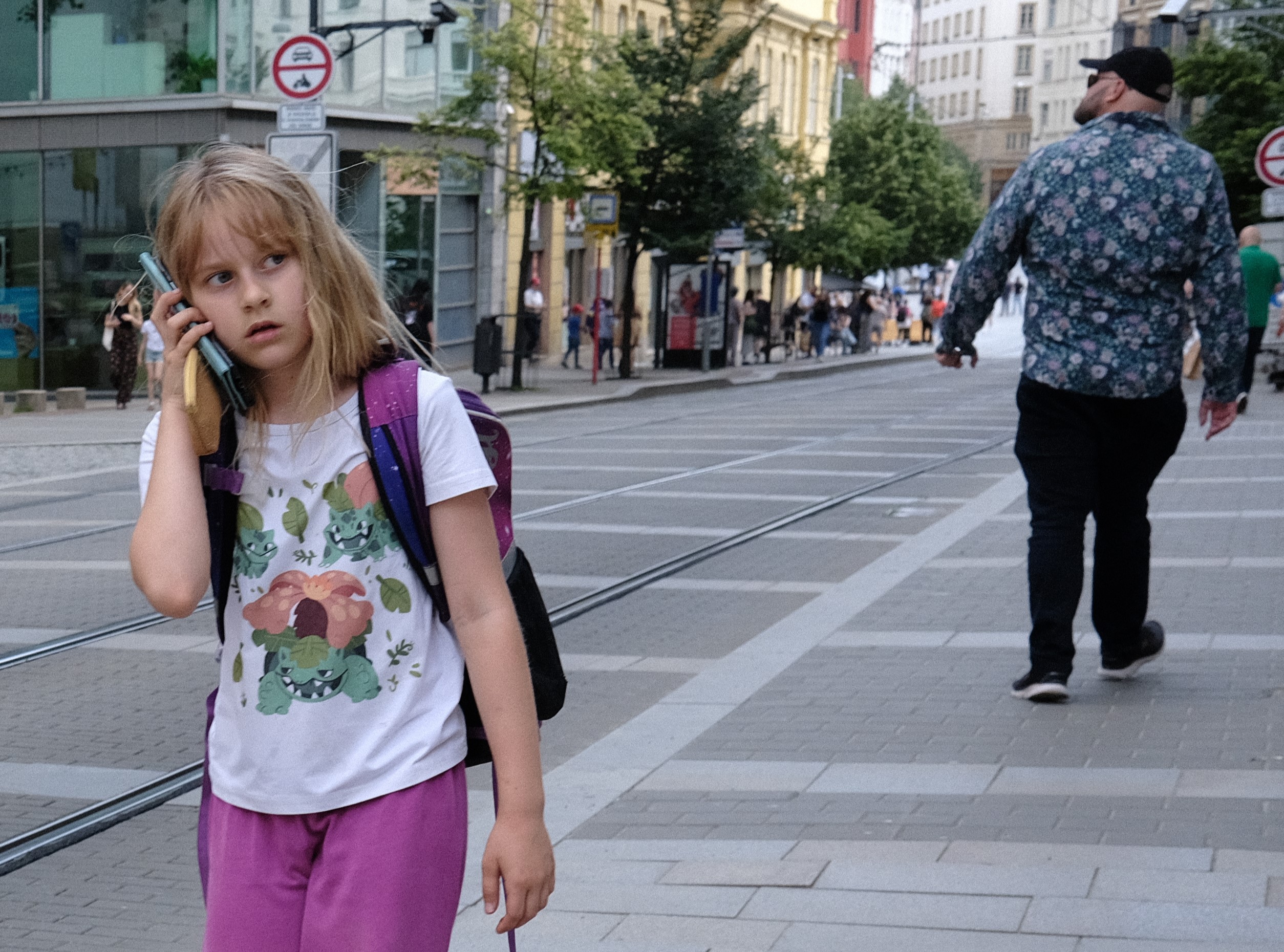
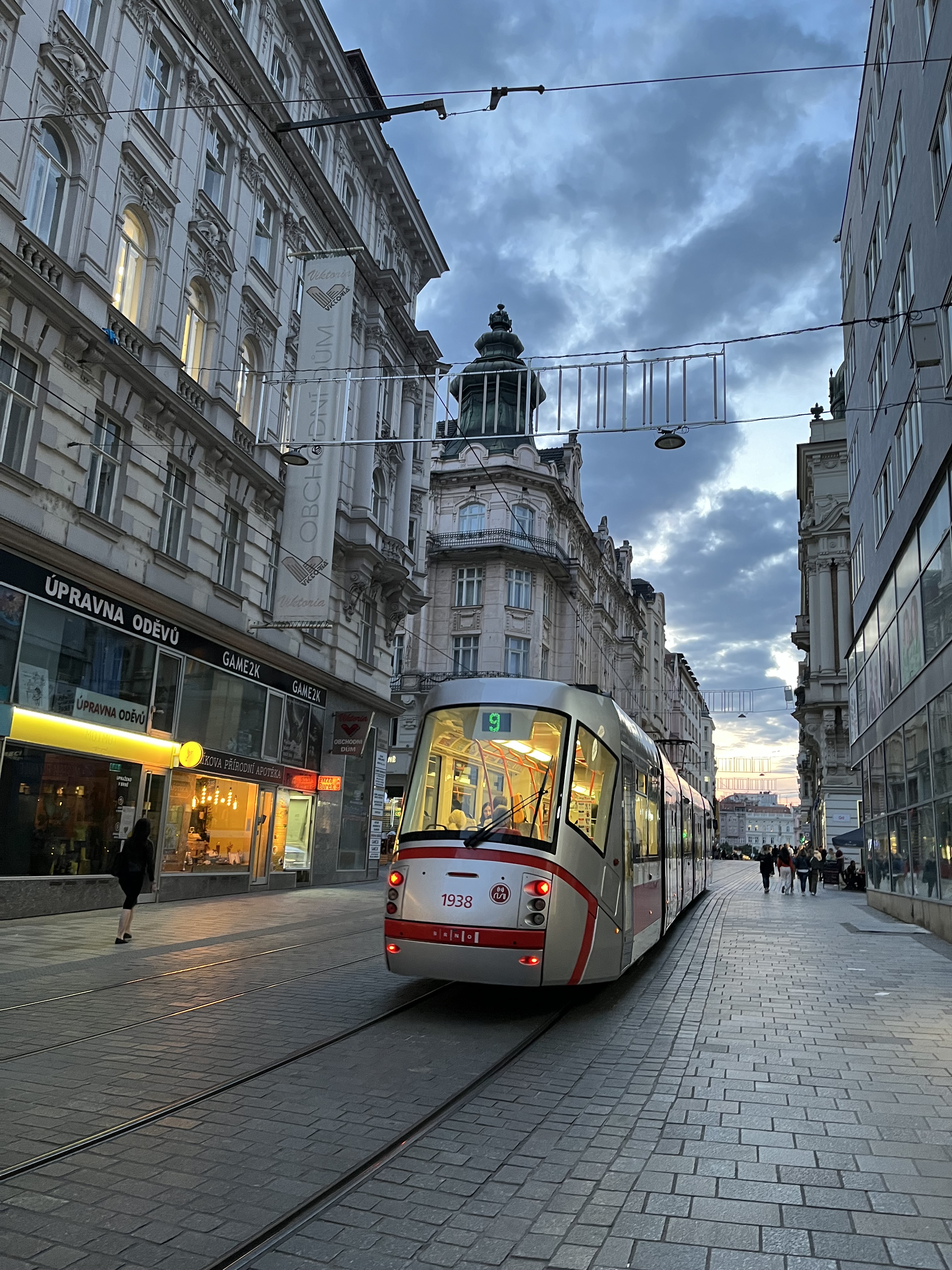
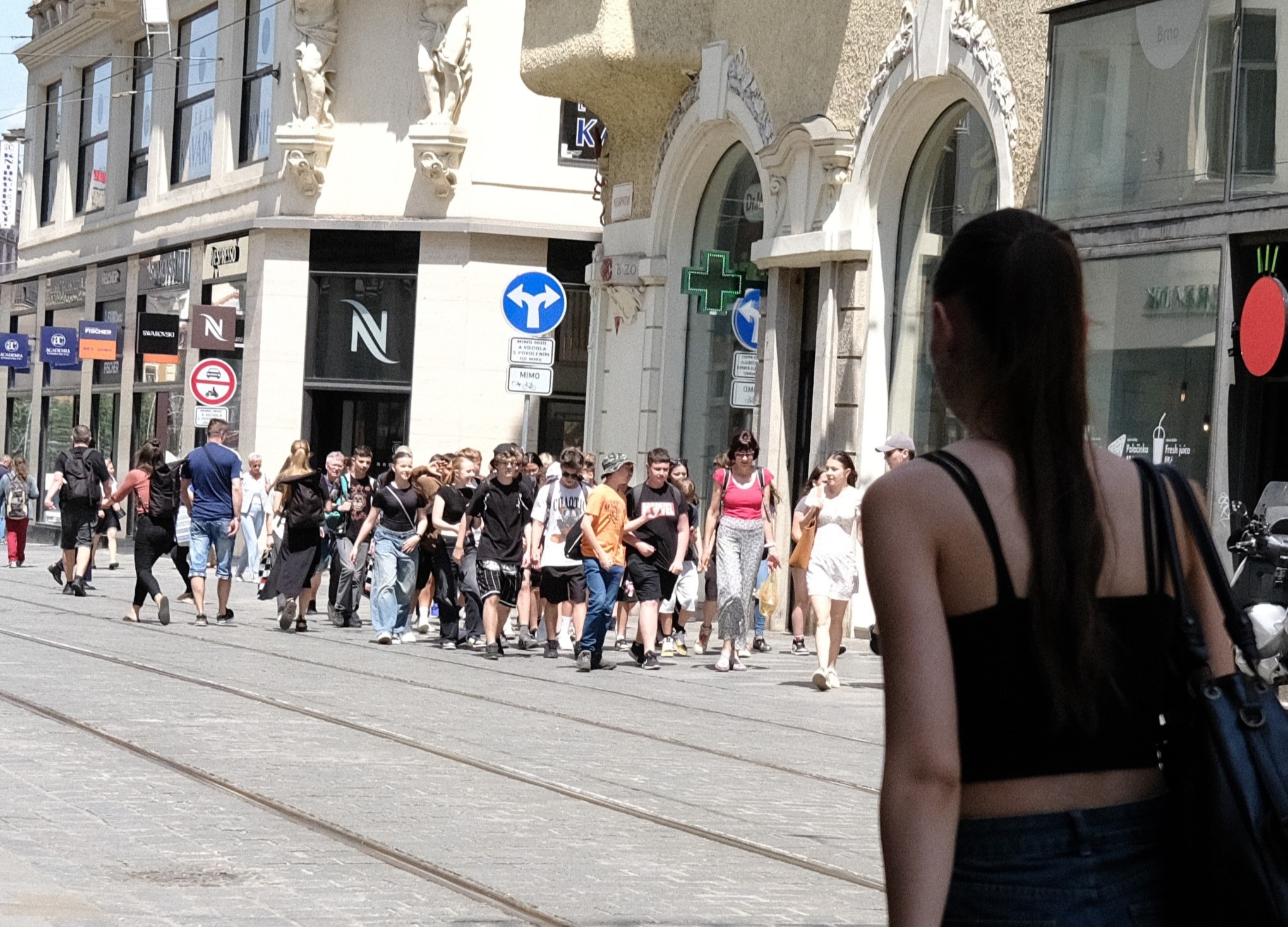
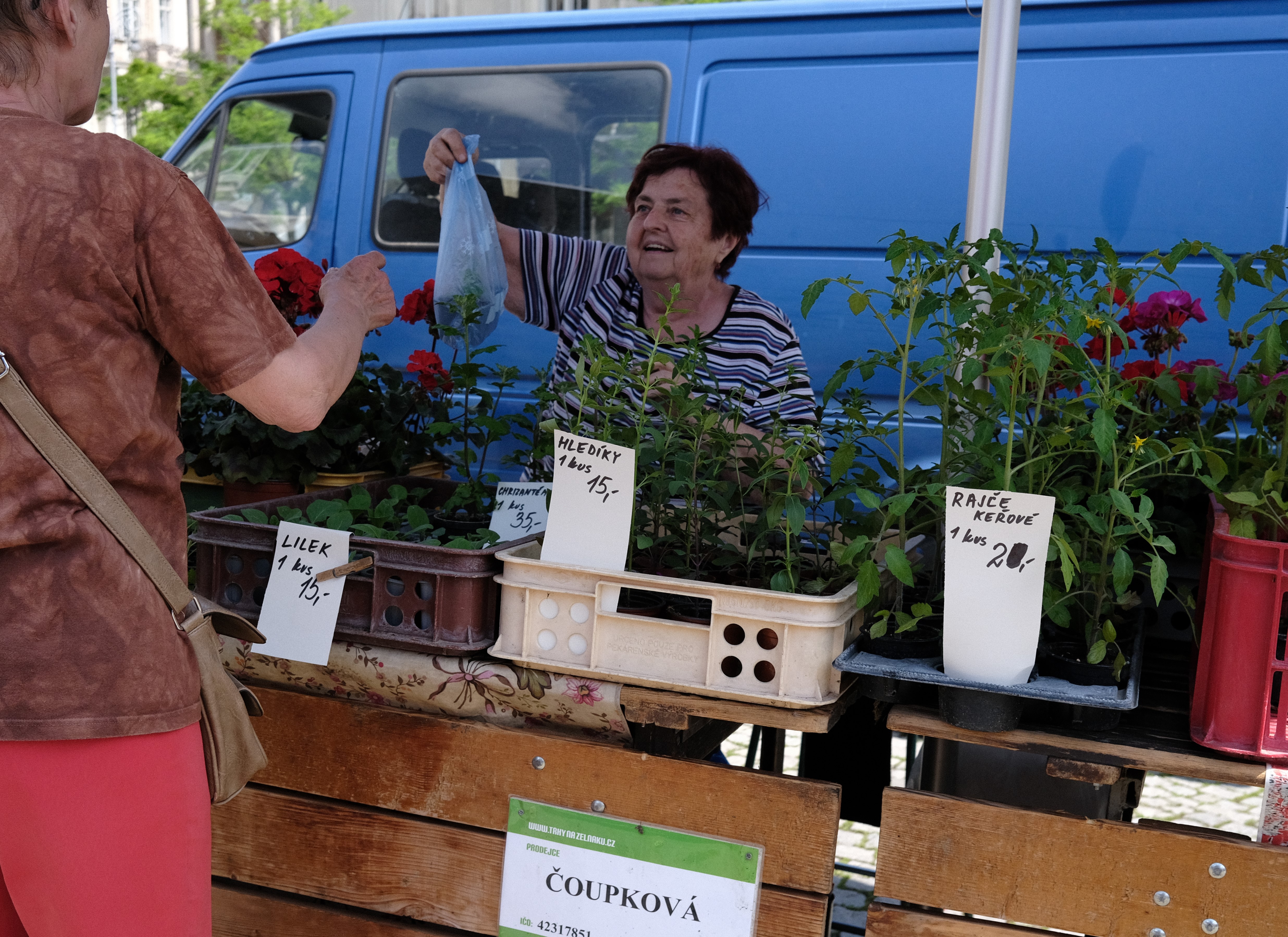
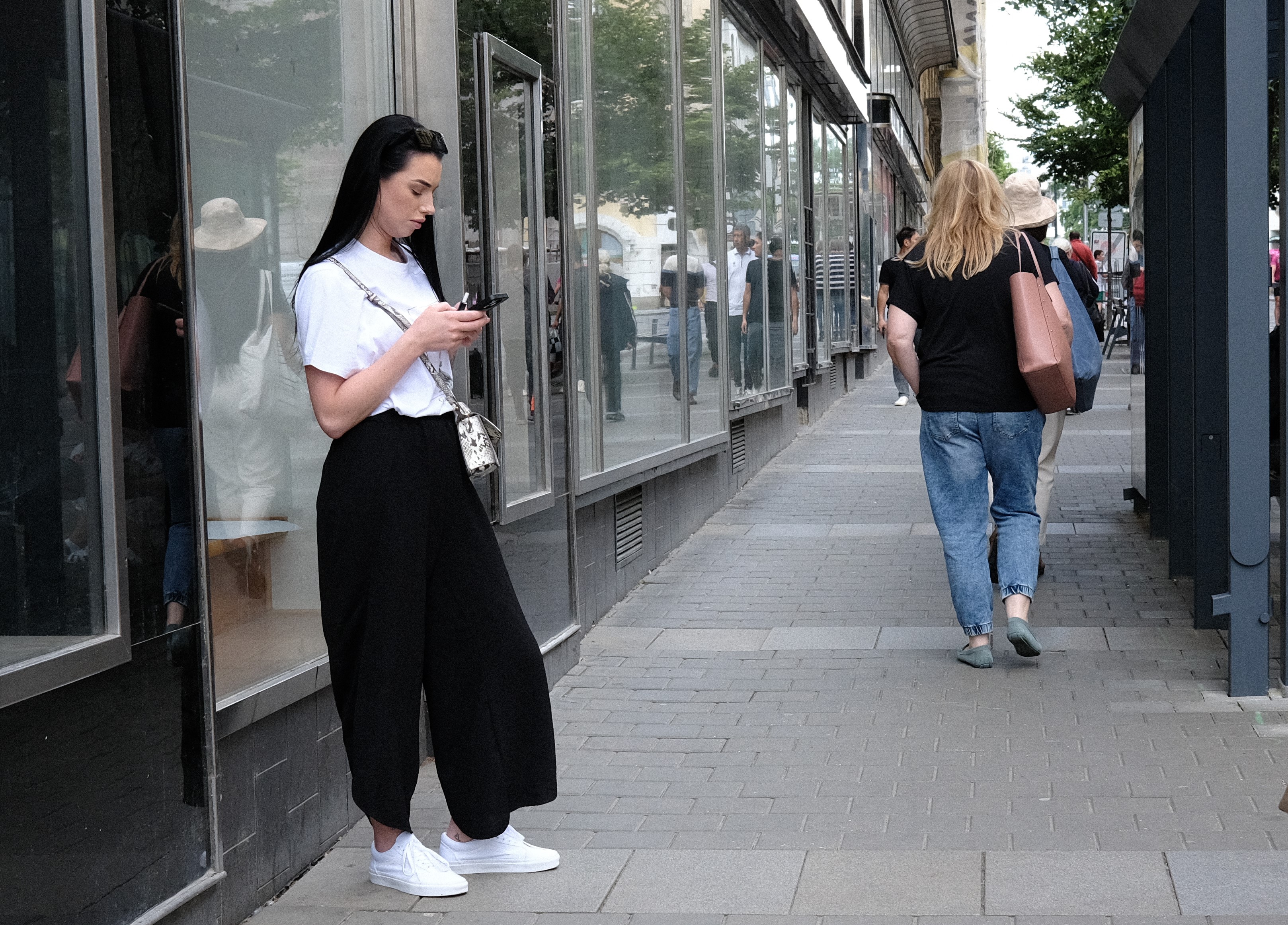
We rushed back from Poland with Chelsea to join her friends Rosa, Fernanda, and David for this amazing fireworks and drones show at the Brno Dam. Marco who came to meet us there commented on the huge crowd: “70% of Brno came to see the firework, the 30% who did not are now sleeping at home.”Beers, kisses and roast potatoes on skewers. What more do you want from Brno?Unlike other European cities that see the need to bring in hordes of migrants to buttress their collapsing demography, Brno retains its youthfulness by attracting students from Europe and the world to its colleges and universities.Called Šalina in the local Hantec dialect, the trams of Brno were first installed as horse-drawn trams on 17 August 1869 becoming steam-powered in 1884 then to electric trams in the 1910s. My morning view of Brno at Marco’s place a stone-throw away from the Julianov tram stop. Although noted for its architectural styles ranging from classic modernism to functionalism, Brno is a city with medieval roots dating back 900 years. Zelny Trh (Cabbage market), the baroque market square in the center of Brno. Under it lies a labyrinth of passages and cellars for storing beers and wines dating back to the Middle Ages.Hlavní Nádraží, the Brno main station – where the city’s trains, buses and trams, and assortment of commuters and colorful characters converge.Brno’s badge from its religious past. The Cathedral of St Peter and Paul looks over the now proudly atheist city from Petrov Hill. A view that rivals any in Europe. Lužánky Park established in 1786 is the oldest city park in the Czech Republic. Over 22 hectares of green space for lovers, introverts and their loyal friend.
All pictures and texts are the copyrights of Kerk Boon Leng. All rights reserved July 2024.


















































 Kerk Boon Leng Photographs & Notes