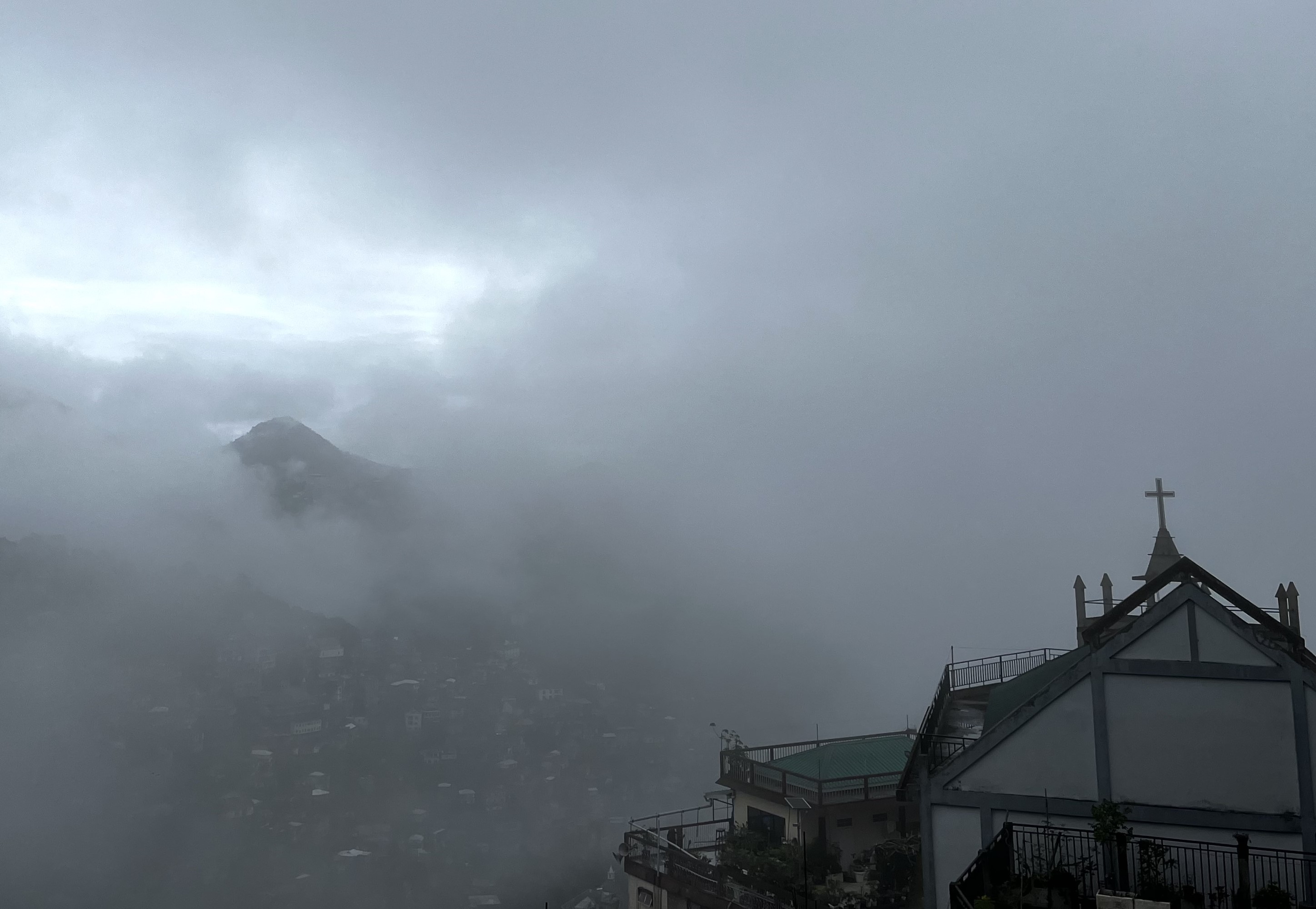
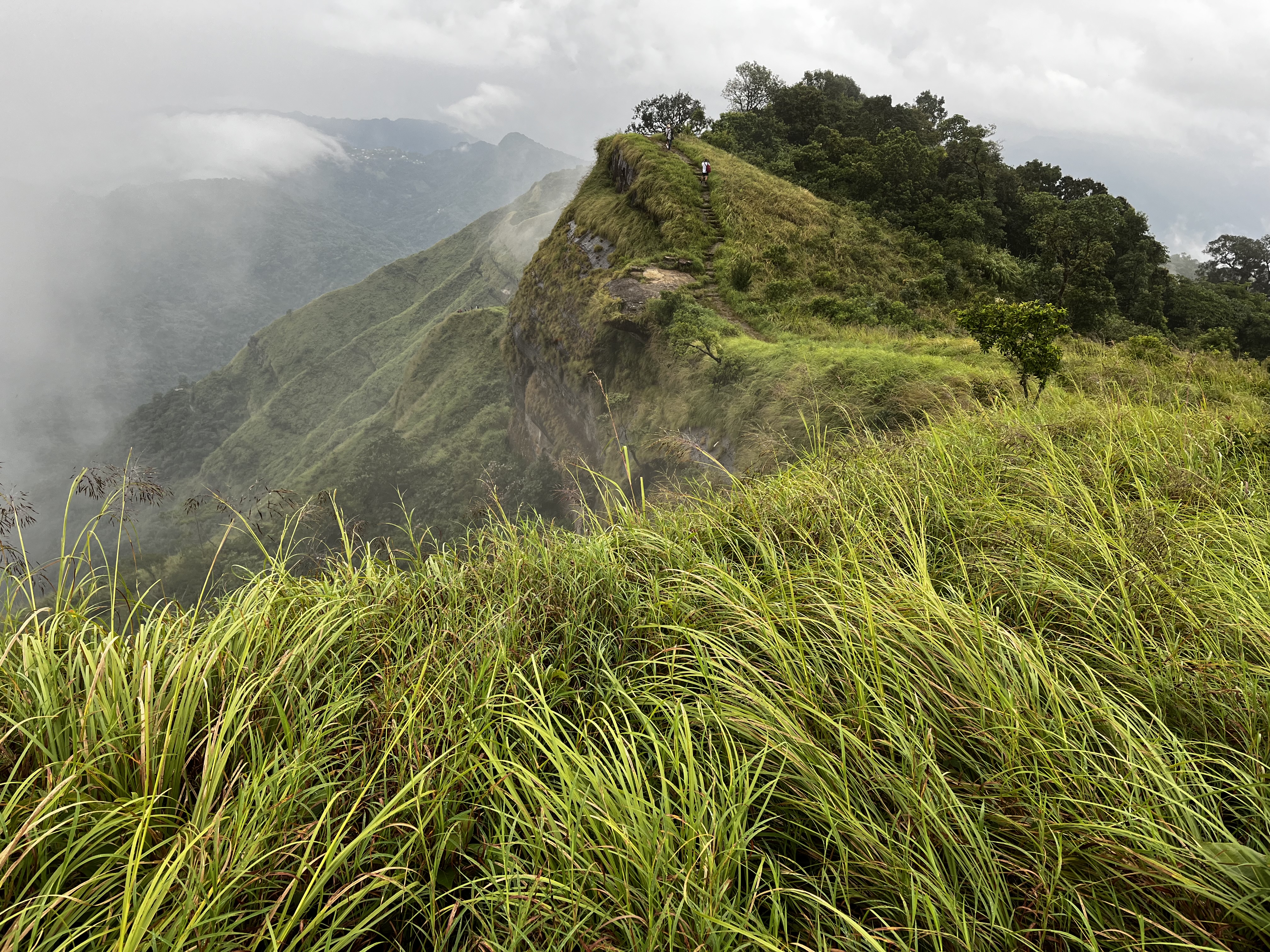
A church in Bethlehem Veng, Aizawl, stands steadfastly against the stormy backdrop of Muthi Tlang—‘Prayer Mountain’—its peak peeking through the rain clouds as the unsettled weather of the southwest monsoon lingers till mid October.
I’m hitting a milestone this year, and instead of celebrating, I’m doing what I do best—running from it. So I grab Yen, and set off this time to one of India’s most remote corners—the overlooked, underrated Northeast. Our destination? Aizawl, the capital of Mizoram, a place Rough Guide describes as looking more like a country in Central America than a state squashed between Burma and Bangladesh. No tourist hordes, no flashing signs—just the kind of place that hides in plain sight, quietly under the radar, with just enough urban niceties and modern comforts to keep it from feeling too off the grid.
With around 1.3 million people, Mizoram is one of India’s least populated states—half of whom live in Aizawl and its hill-perched district. It’s a society where men slightly outnumber women.Young store assistant, Bara BazaarTin shed shop in Muthivillage
We touch down at Lengpui Airport, where the red carpet’s rolled out, and soldiers in parade headdresses and a military band stand by, ready to welcome delegates to some important conference. After the obligatory paperwork to get our Inner Line Permit, we meet Buanga, the driver sent by our homestay, who’s here to take us to a neighborhood with the no-nonsense name of Bethlehem Veng.
The drive up to Casablanca Homestay winds through vine-draped jungles, passing houses and huts with rusty roofs that extend over the steep slopes, presenting a panorama of untouched, primeval greenery. It is the kind of ride that shakes you from any travel daze as the road takes on twists and turns sharp enough to make your stomach question its last meal. I roll down the window; the air is filled with the earthy scent of wet foliage and the decibel-defying sound of chattering cicadas.
When we finally arrive, there’s nothing to say “Welcome, tourists.” From the car porch, it looks more like a storehouse or bunker clinging to the hillside than a cozy hideaway—iron sliding gate, plain walls, no plants to cheer things up.
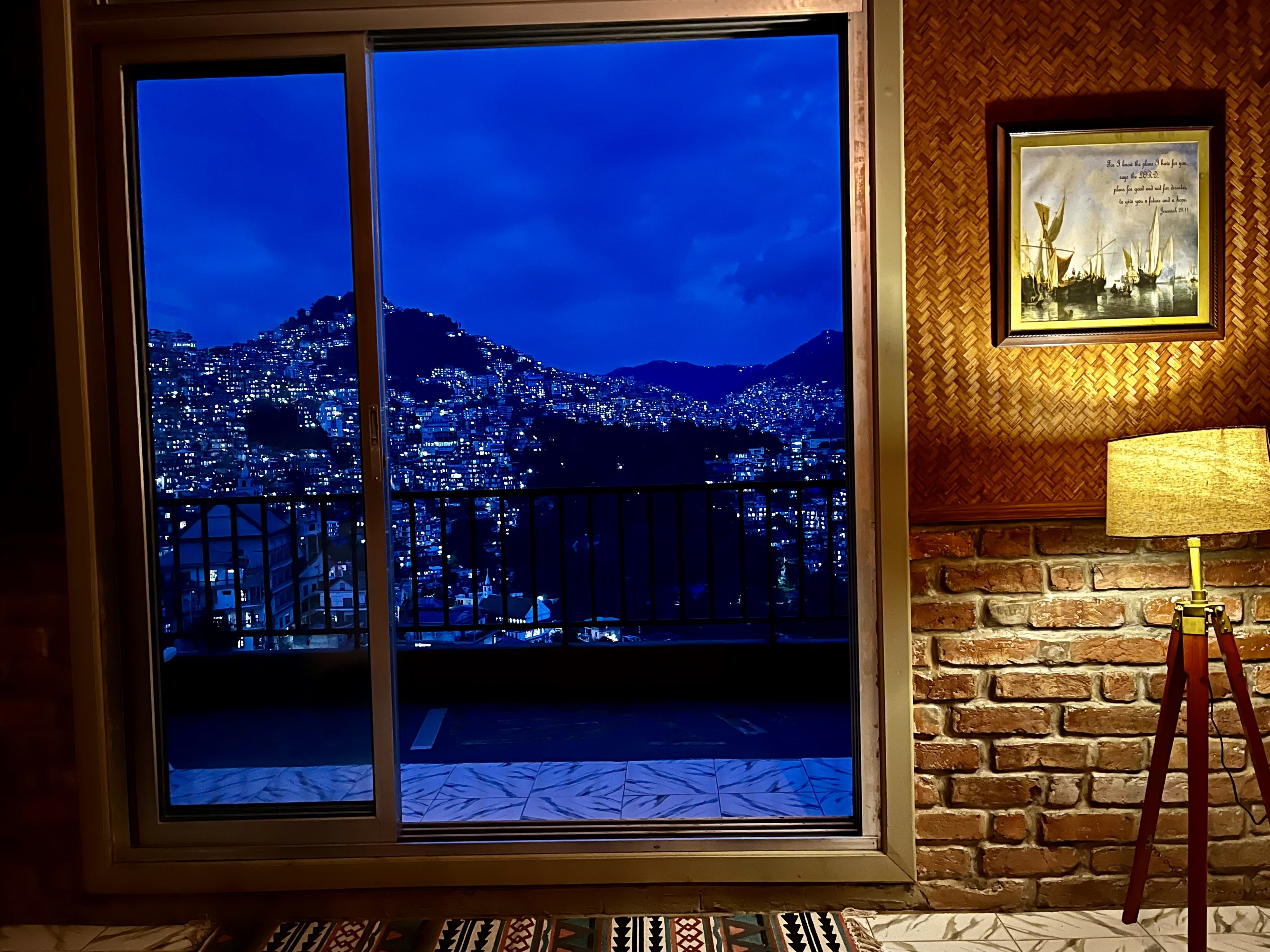
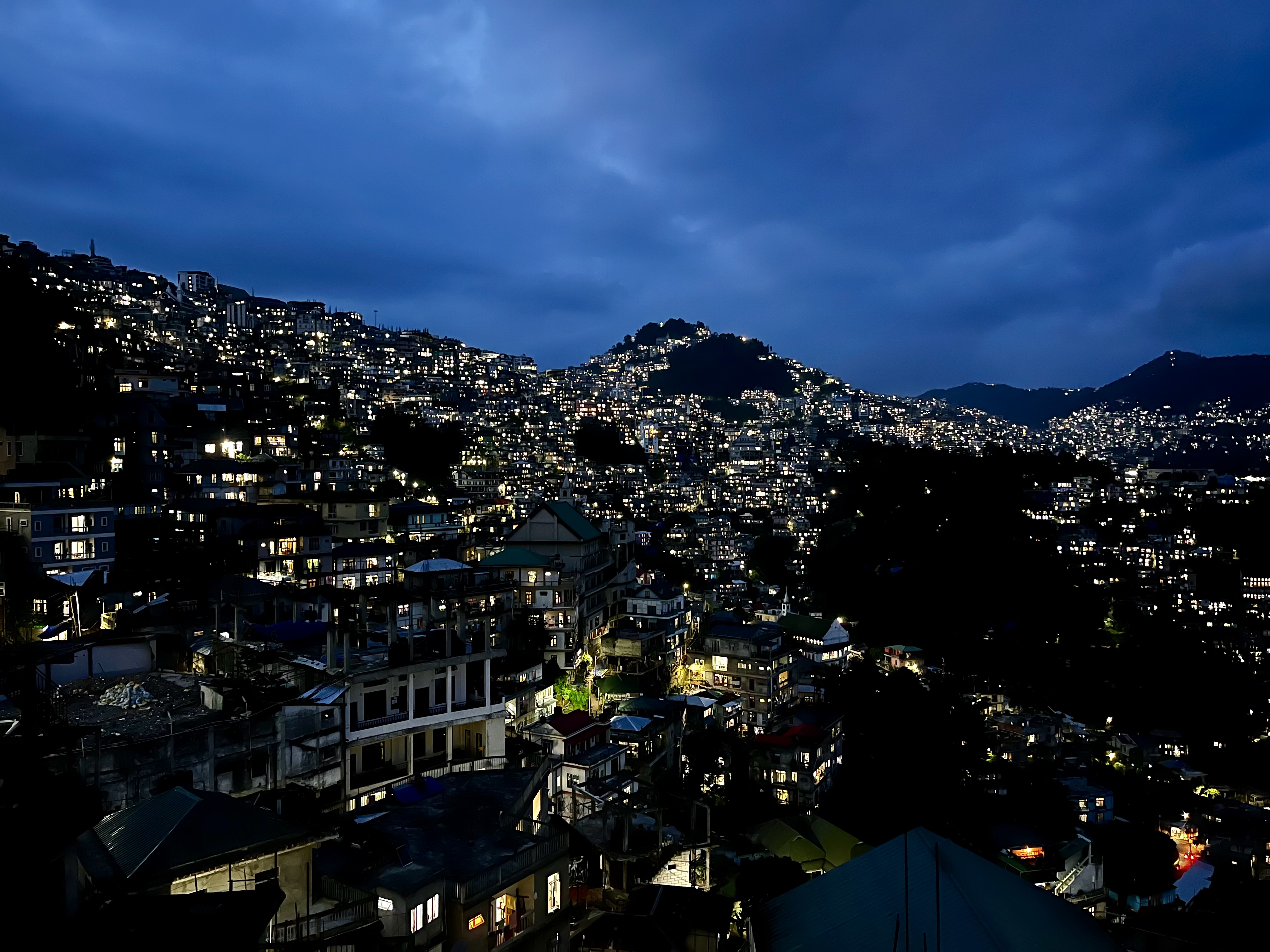
But then Isak Vanlalruata, our host, brings us through the door, and the mood changes. Inside, it’s a different world—wooden furniture, warm standing lights, tasteful and partly ethnic decor — cottagey, but with a certain elegance and class. Through the wide windows that span our whole room, the entire city unfolds. Aizawl astounds us like a sudden slap to our sleepy faces—a sprawling, buzzing city clinging to the hillsides, gripping the ridges like barnacles on a rock. The view is absolutely amazing. We can’t take our eyes off it, at that moment and for the next couple of days.
At night, the city transforms into something magical. The hills sparkle like a Christmas tree, thousands of tiny light bulbs scattered over the mountain slopes, each one clinging to its own precarious ledge.
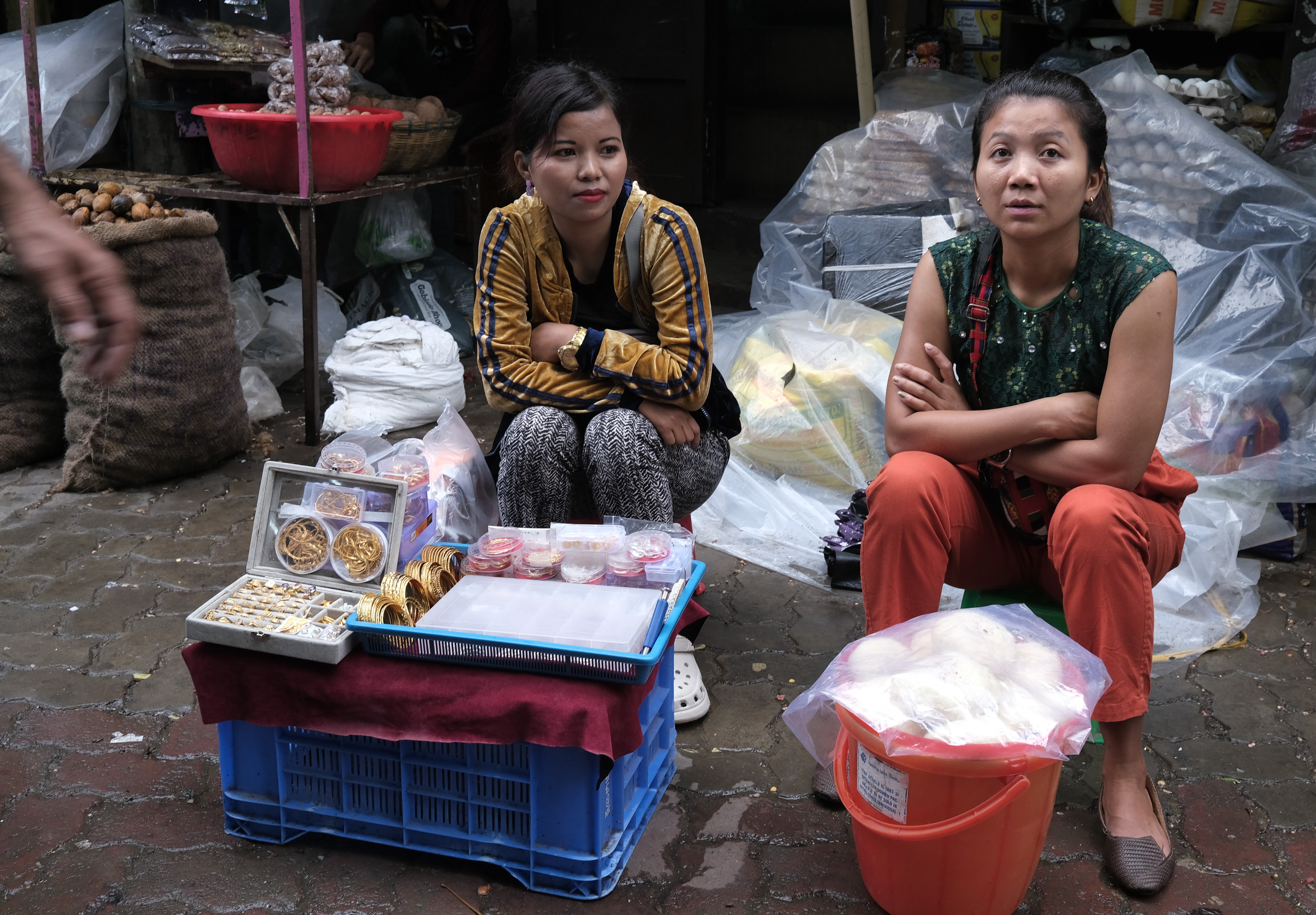
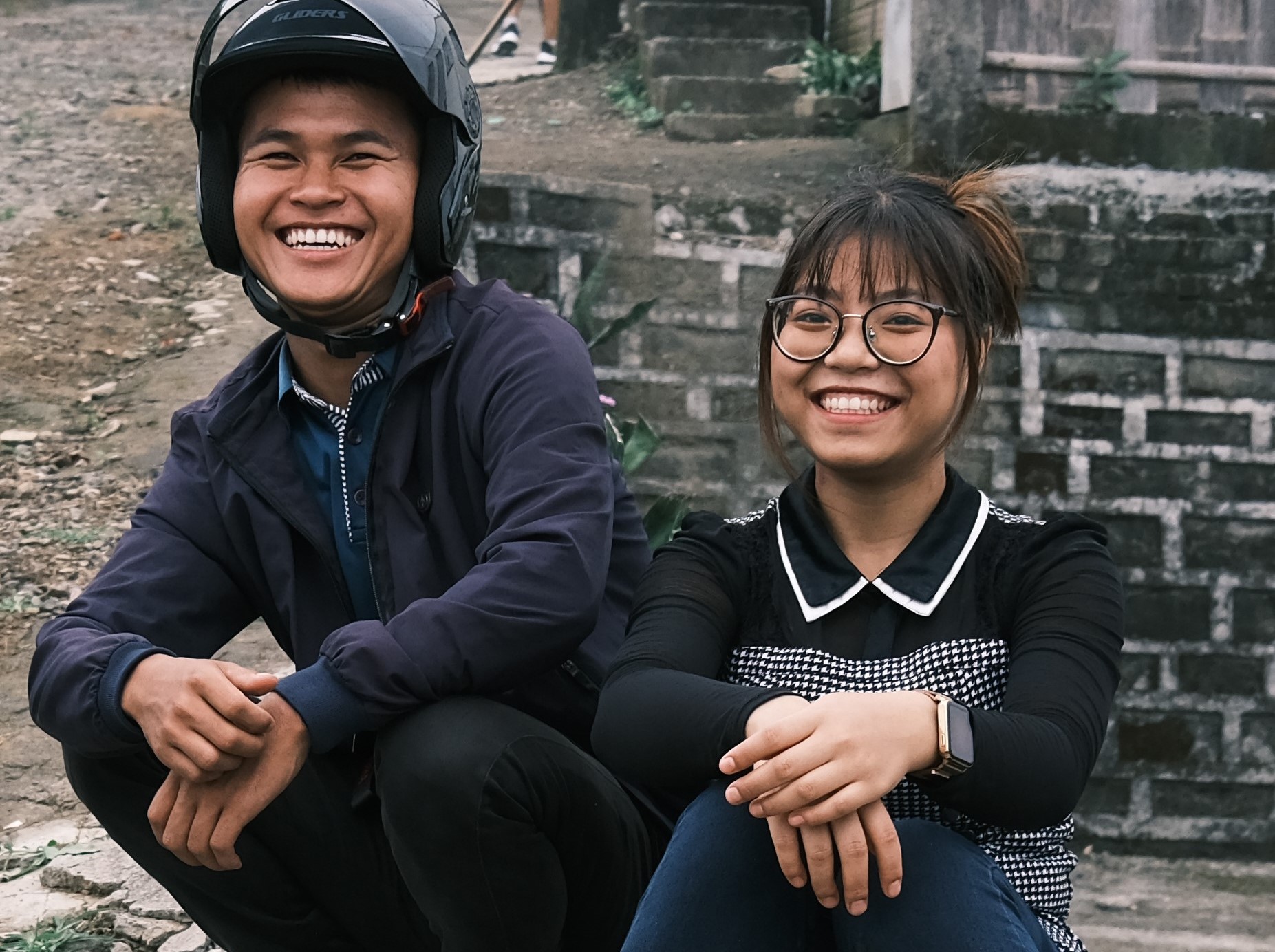
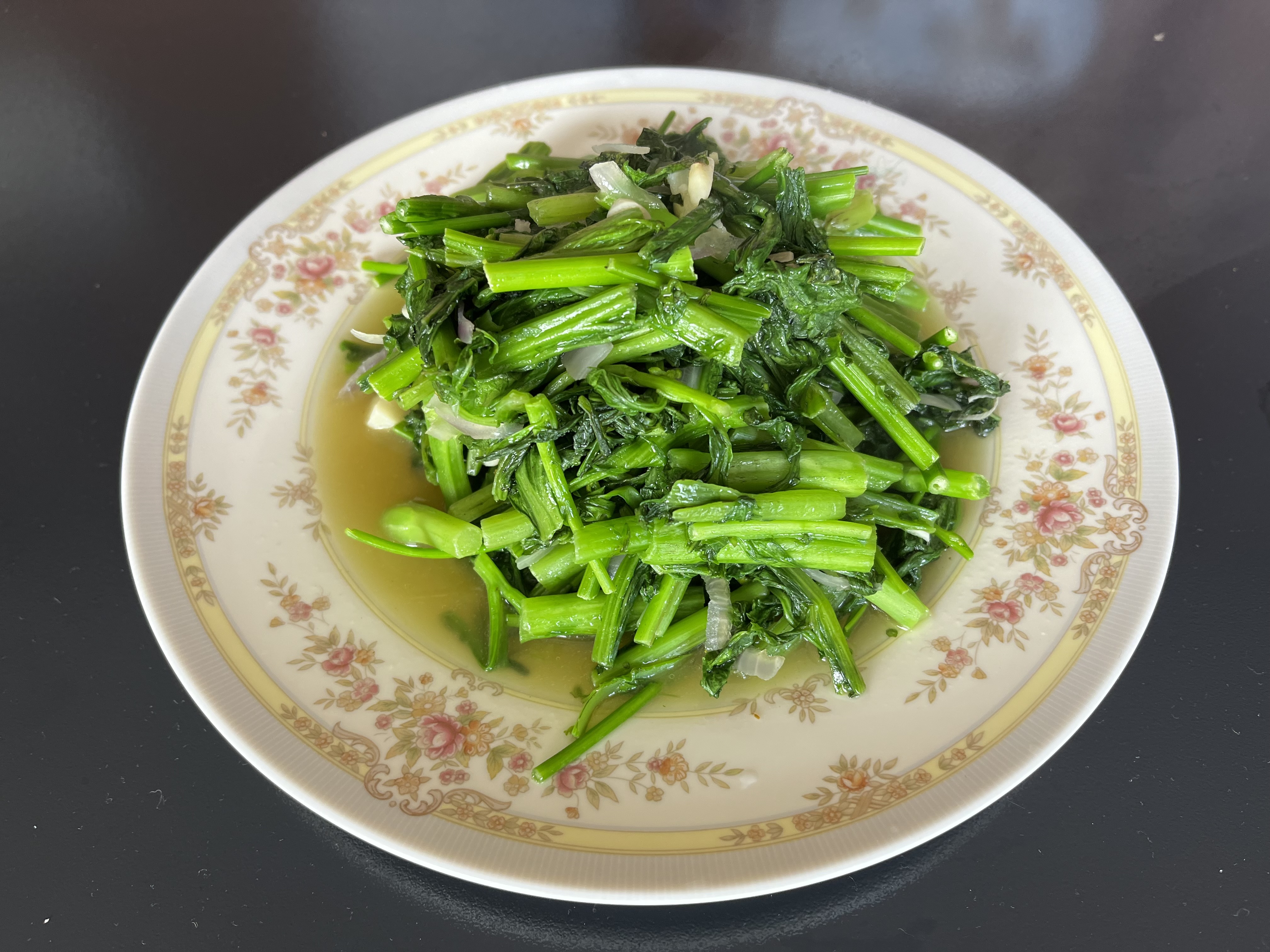
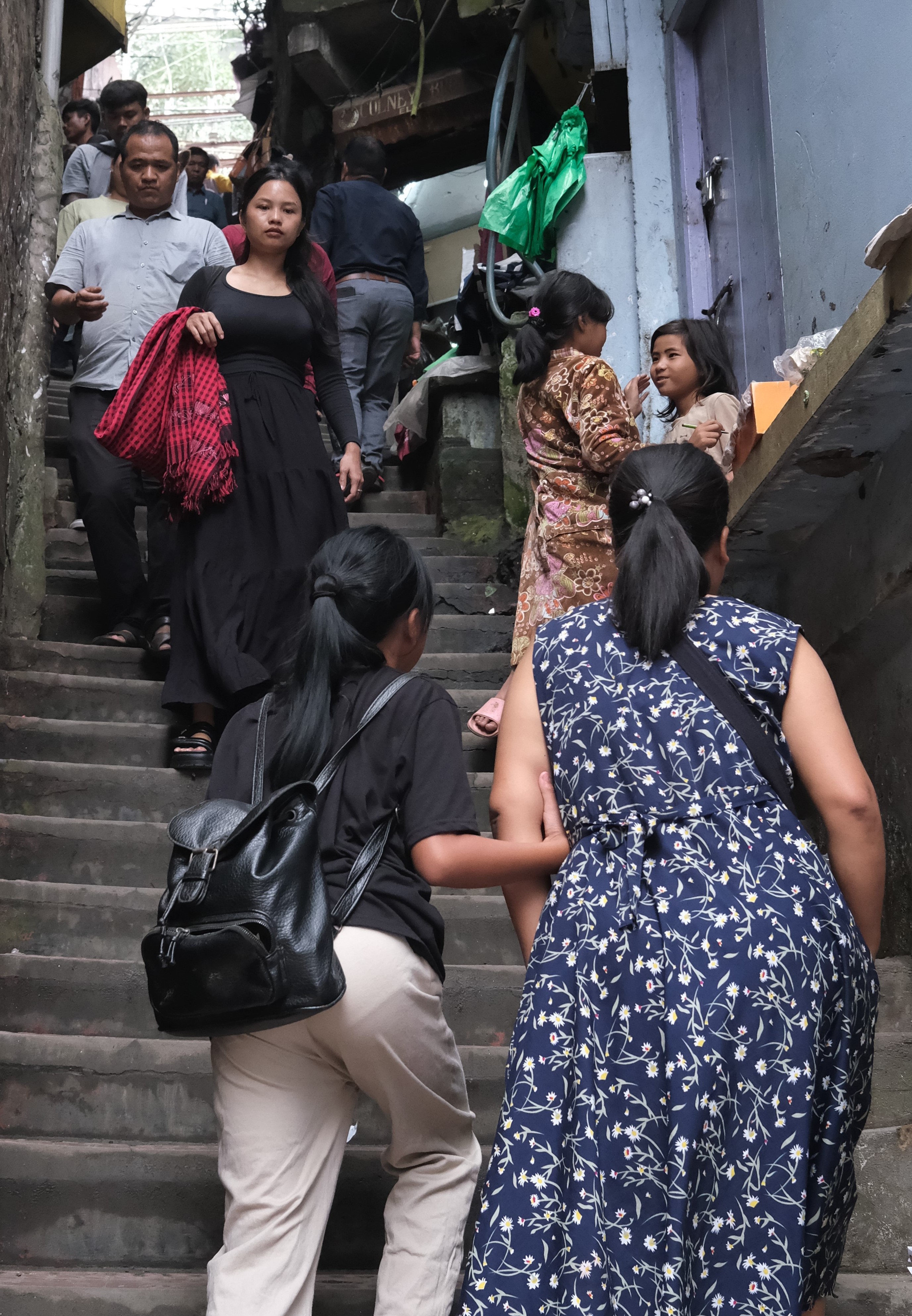
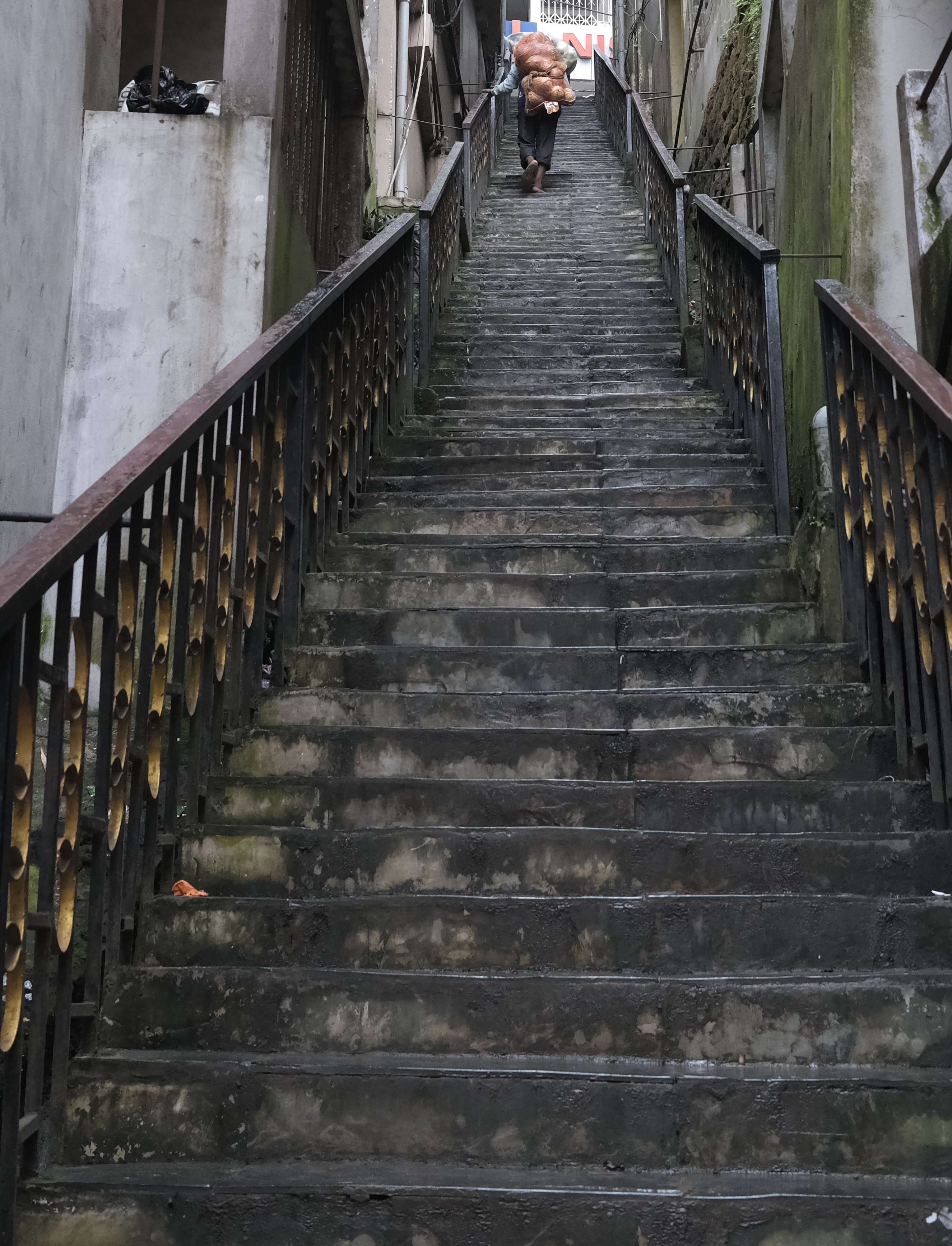
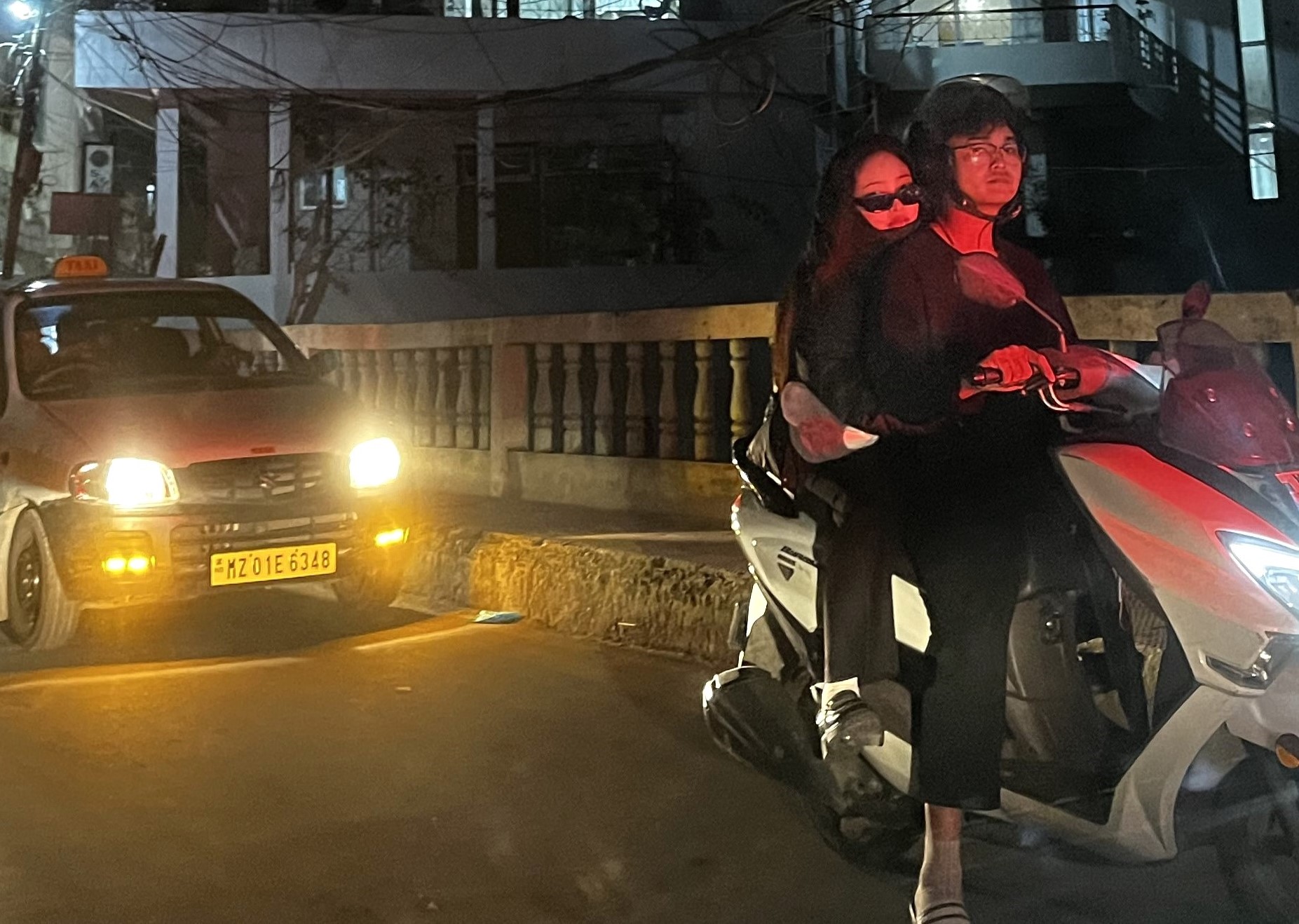
The glass patio door of Casablanca Homestay frames an enchanting evening picture of AizawlThis is as far from India as you can get, without actually leaving the country. In terms of geography, genealogy, and general gravitation, Mizoram distinctively leans more toward Southeast Asia – and in certain aspects, even China- than the Indian Subcontinent.Freshly-caught river crabs or chakai are eaten in a stew cooked with cowpea leaves and green chilies.Young girl with puppy, Bethlehem VengHonest Women Vendors: Bara Bazaar is Aizawl’s main market, where locals and people from surrounding hills come to buy and sell everything from bread to bracelets.Fresh air and sweet smiles: motorcyclist couple rides up to Muthi to spend time in nature together.What real vegetables taste like: freshly-harvested greens sold at 50 Rupees (about RM2.60)per bunch that can feed a large family.Stairways in Aizawl serve as both shortcuts and shopping lanes, linking streets and neighborhoods. Walking them offers an intimate and interesting way to explore the city.
The Mizo people take their faith seriously. They are almost entirely Christian and Sunday here isn’t just a day of rest; it’s something sacred. The entire city shuts down. Churches fill with the sound of choral hymns, and from sunset to sunrise—and throughout the day—you can hear the soft, soothing, and rhythmic clang of bell chimes. It’s as if the whole city pauses in unison to catch its breath, to reflect, and to pray.
Aizawl is content to just quietly exist, perched on its hillside. It doesn’t seem to care whether you come here or not. It doesn’t see the need to build grand monuments or lively tribal markets to lure you in, nor are there souvenir shops peddling funny hats and fridge magnets. Nothing is plastered with “must-see” or “world heritage” signs for wide-eyed visitors. But that’s part of the charm, and that’s what I like about it.
The beauty of Aizawl is in its raw simplicity—in the happy, hardy, stair-climbing hill-dwelling people; the breath-snatching views; and the messianic voices and chimes that fill the quiet nights with sounds and sights that linger in your head and heart long after you leave.
This is how I want to spend my birthday.
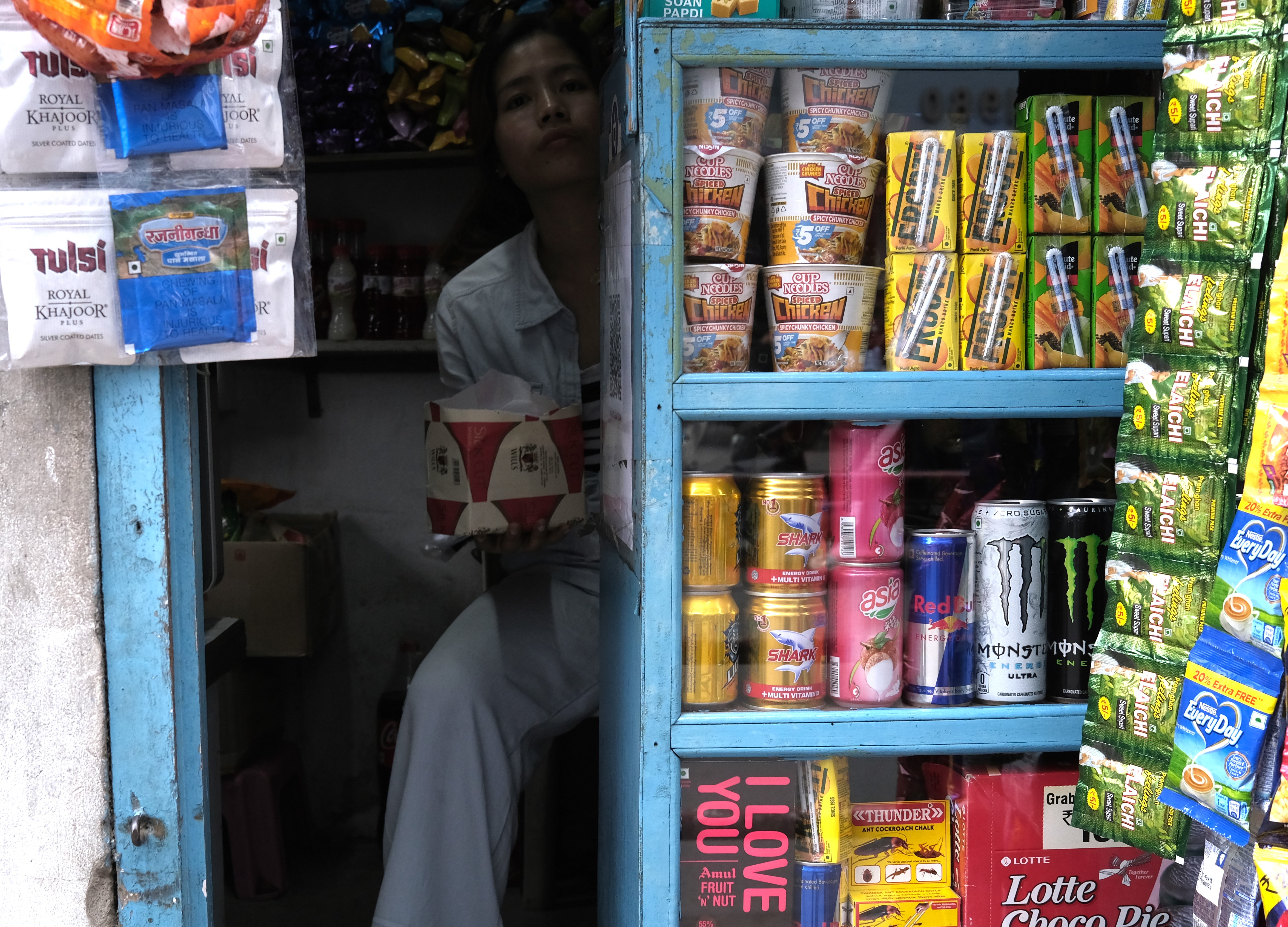
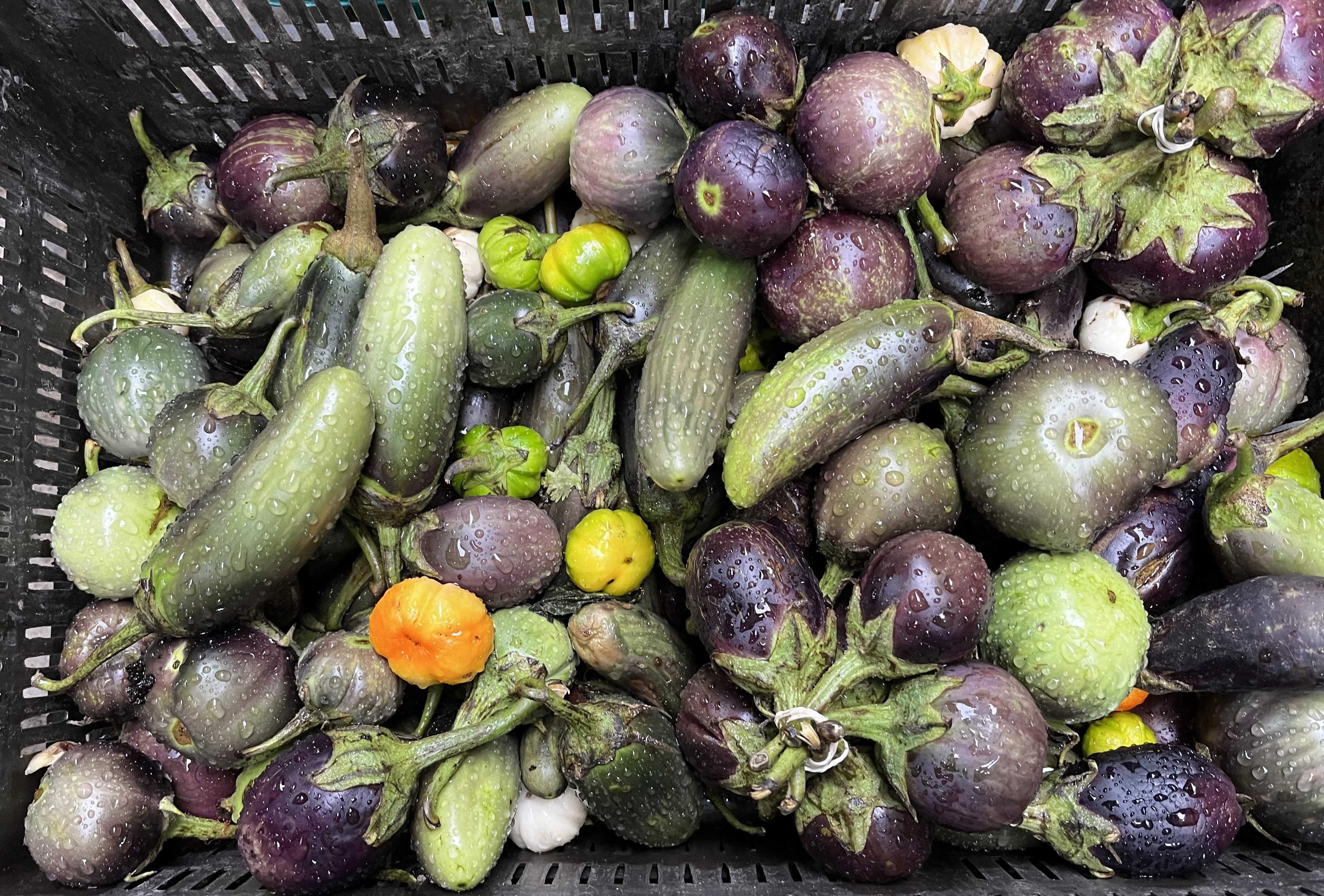
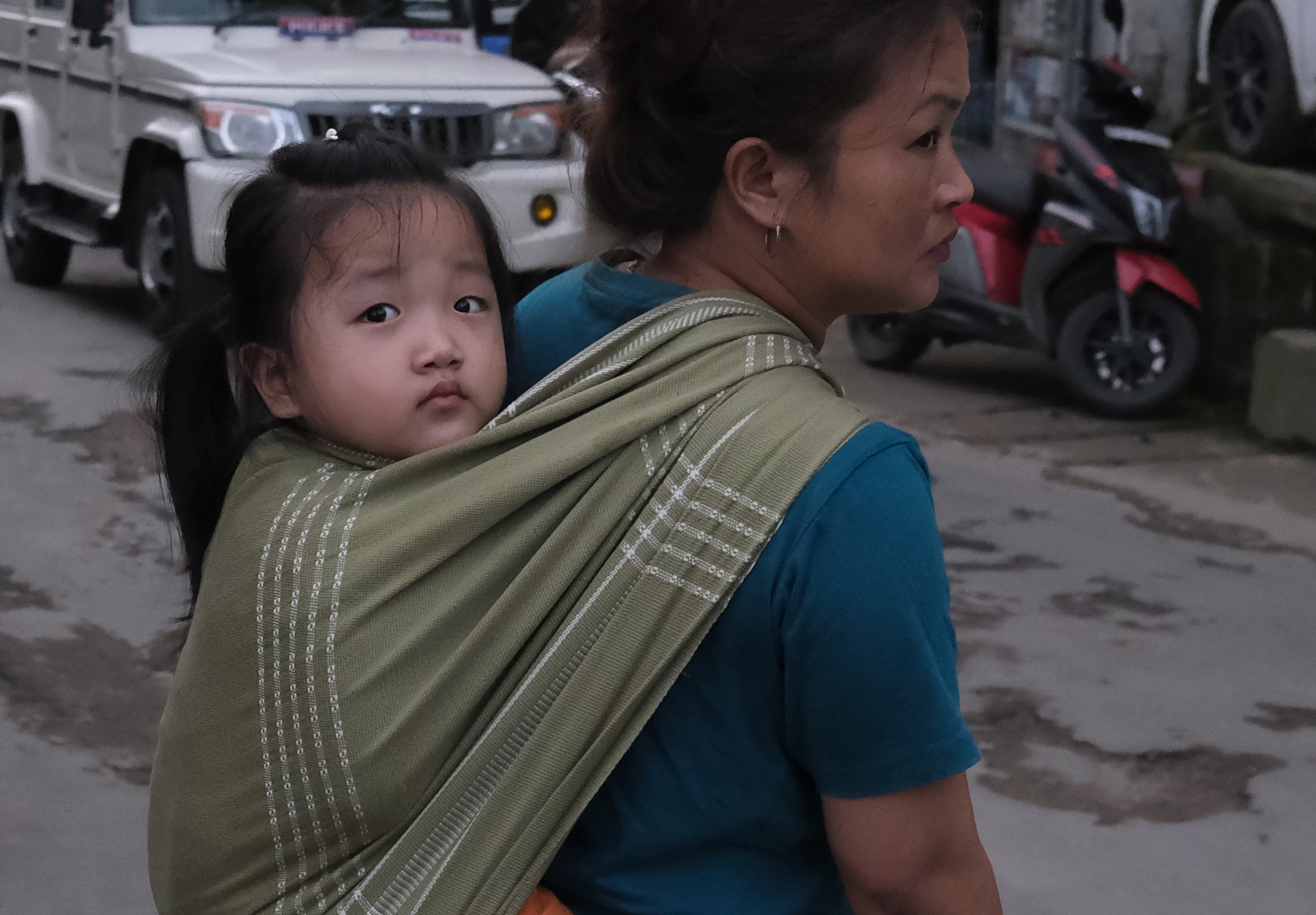
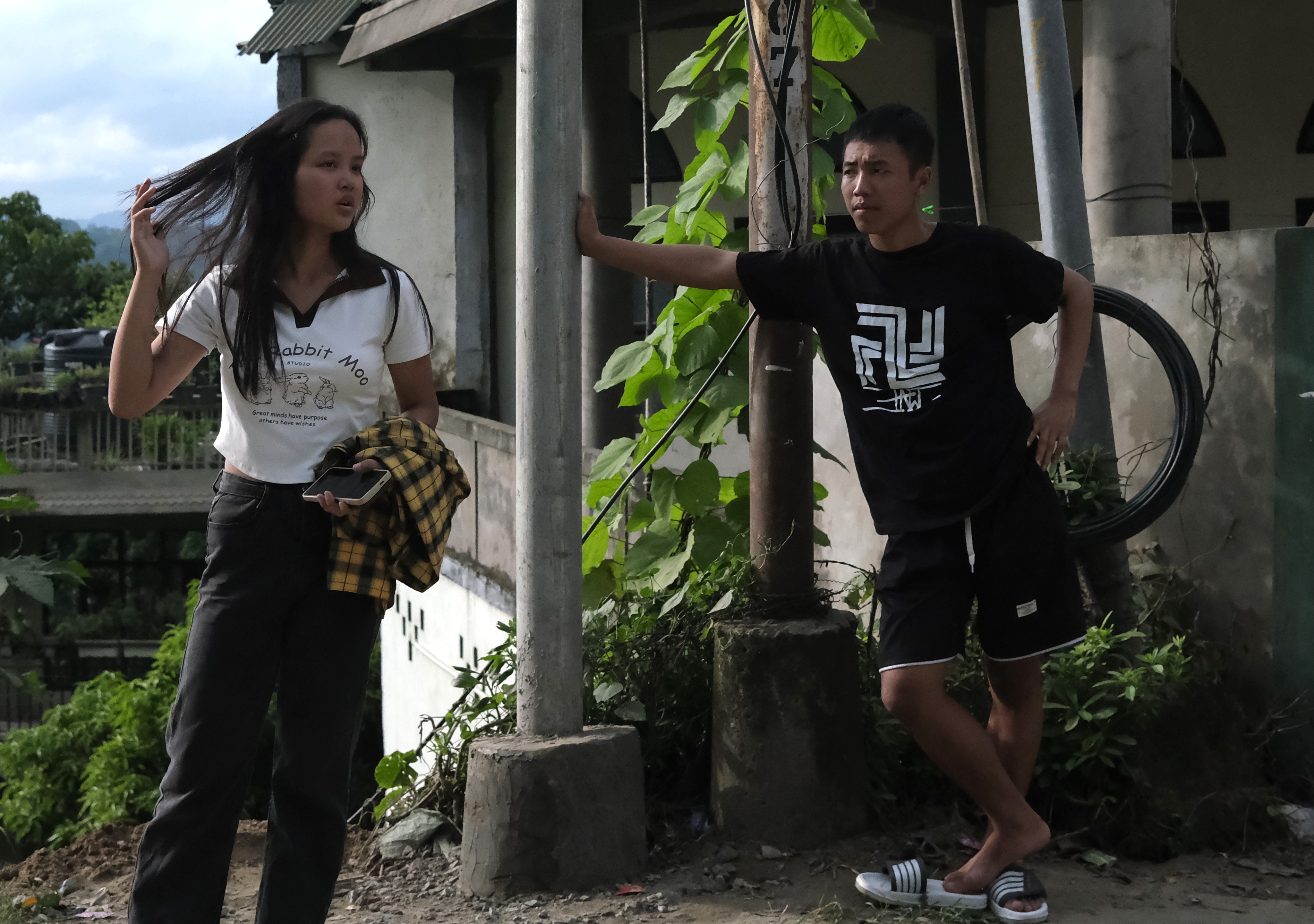
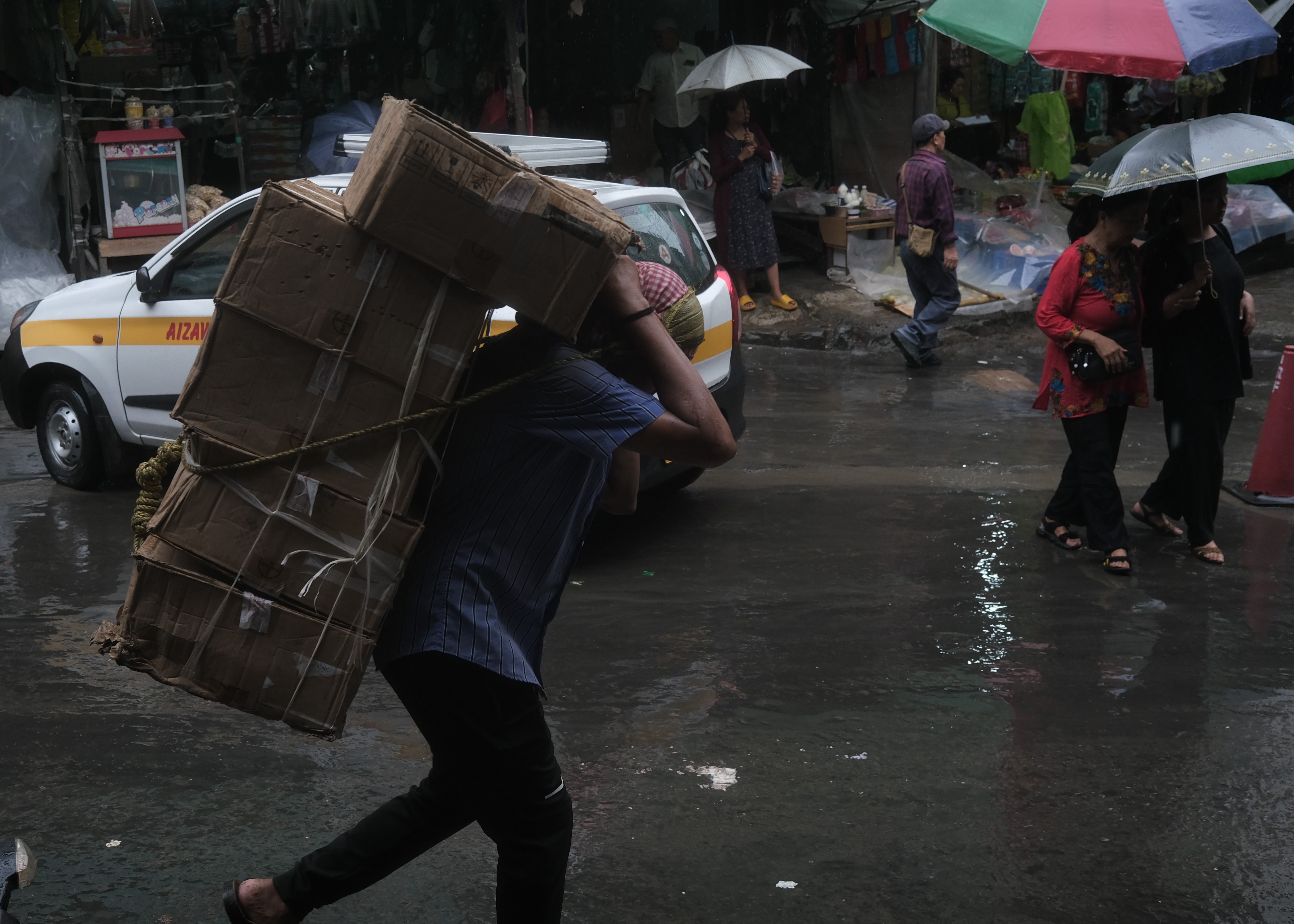
Mother and Sleeping child at the entrance of Millennium Center Shopping MallA typical hole-in-the-wall shop selling sachets, packets, and cans of drinks, along with biscuits and cup noodles, like those found in roadside corners across India.The sun shines on Reiek Tlang (1,465 m)after a heavy afternoon downpour Shoppers and school students walk along the bazaar shopsMizoram, along with Kerala, has one of the highest literacy rates in India.An assortment of aubergine for sale in the rain, Bara BazaarSchool friends exchange a quick wave and goodbyes before parting ways down separate paths toward home.Located on a ridge 20 miles north of the Tropic of Cancer at an average height of 1,132 meters above sea level, Aizawl enjoys a comfortable climate but some monsoon days in June to September can get hot, sticky and sweaty. Nothing to deter you, just pack an umbrella, sandals and some deodorant.Morning customers at the bankBlanket sling is more practical than prams and push trolleys in AizawlCakes with icing and coconut behind a glass caseThe young people of Mizoram look to the West and, these days, also eastward for inspiration, drawing their fashion and beauty trends from Korea and other parts of Asia, rather than from Mumbai, Kolkata or Hyderabad.Sheltering from the rain outside a shop selling plastic waresStairs and the CityBudding musicians on the trek in Reiek. Mizoram’s music scene is deeply rooted in the church’s choral tradition. Young artists blend Western genres with Mizo themes, producing visually striking music videos that showcase Mizoram’s picturesque landscapes.“The eyes of the Lord are in every place, beholding the evil and the good”. In the late 19th century, Christian missionaries, particularly J.H. Lorrain and F.W. Savidge from the Welsh Presbyterian Mission, created a Roman alphabet-based script for Mizo. They translated the Bible into Mizo making it accessible for reading and writing and laying the groundwork for widespread literacy. Today, Mizo and English but not Hindi are the main languages of Mizoram.Not a land of curry and hot spices: traditional Mizo cuisine is centered on meat (mainly pork), vegetables, rice, noodles and dumplings (steamed or grilled). Mizoram is renowned for its woven shawls and handcrafted baskets made from bamboo and cane.Safety in Numbers: After-work pedestrians at a road crossing After sunset in Aizawl. Night-time motorists in an early-to-bed citywhere due to its easterly location on India’s single time zone the sun sets at 5:30 pm and rises at 4:30 am. Porter in the rainSip and browse at Books Cafe with IsakIn Mizoram, alcohol is sold and consumed only in licensed hotels, reflecting the state’s strict alcohol regulations and a quiet, puritanical nightlife.
All rights reserved Kerk Boon Leng Copyright (c) October 2024
















 Kerk Boon Leng Photographs & Notes