Queen of the Arabian Sea: According to local history, Cochin grew into a trading centre after the so-called great flood of Periyar wiped out without a trace the legendary Malabar port of Muziris in 1341. Before the arrival of the Europeans, Cochin was already a regular port of call for Arab, Greek, Jewish, Chinese and other great ancient traders who sailed into its harbour and channels to purchase pepper and other aromatic spices from India .
Old Portuguese churches, clean tidy streets, and women in floral dresses. These are few of my favourite things that imbue Fort Kochi, Cochin’s historic heart, with an almost monasterial vibe and weirdly out-of-era nostalgia. By faith, temperament and looks, Cochin is more evocative of the Caribbean than Indian. Many older travelers like me yearn for places like Cochin. But after many trips missing, not finding, and unaware, we serendipitously discover them either by discernment or chance.
Not even the fanciest Instagram post nor the finest blog can fully describe Cochin. It seems true that it is part place and fully feeling. Which somewhat explains why I have only scant memory of my first visit about ten years ago, dropping by for one or two days before leaving for business to Hyderabad. I can only remember the sweaty heat, spices stored in historic houses and flashing sunset scenes of Chinese fishing nets along the lagoons on my way to the airport, with a taxi driver who enthused over the daily digestive benefits of consuming pineapple.
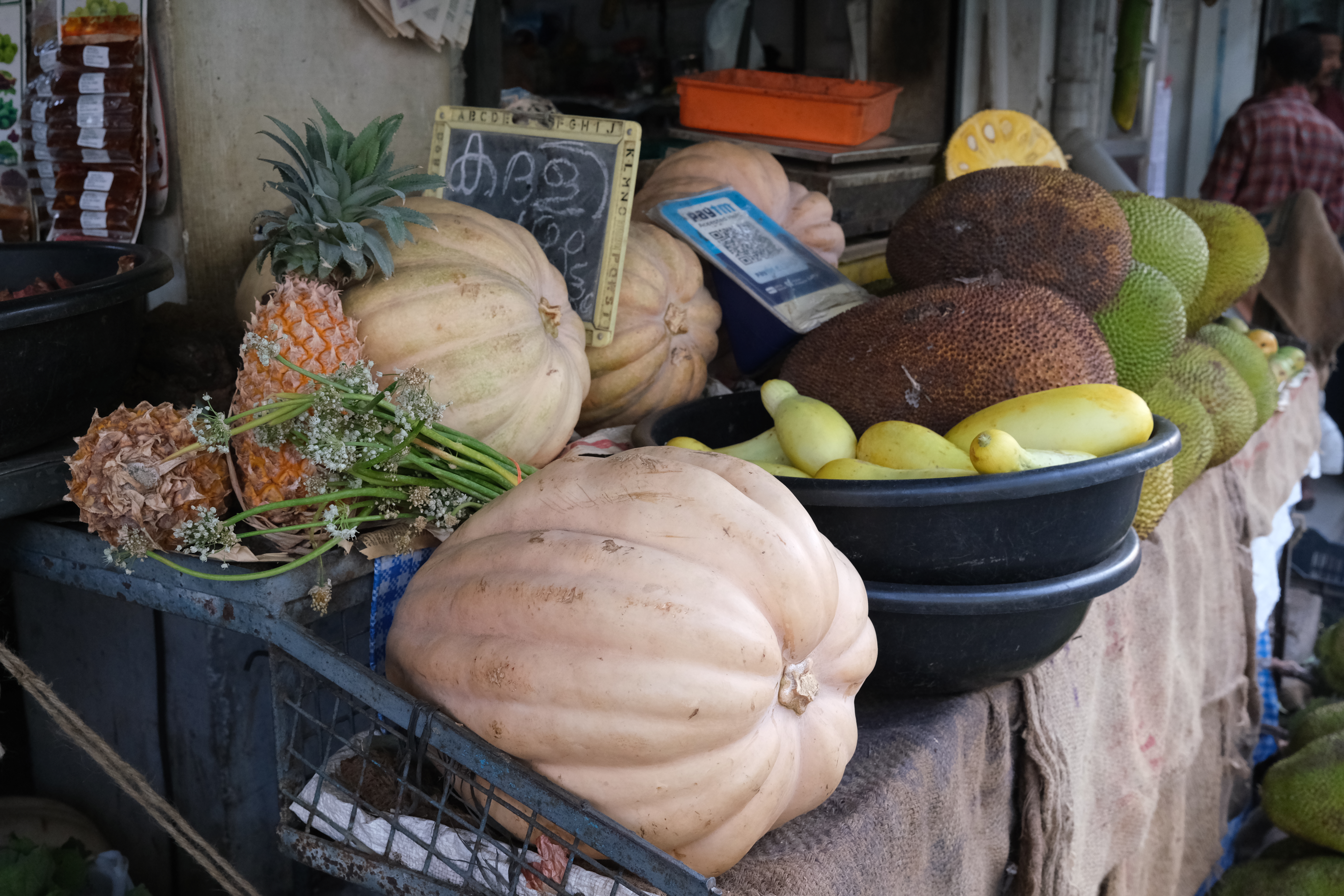
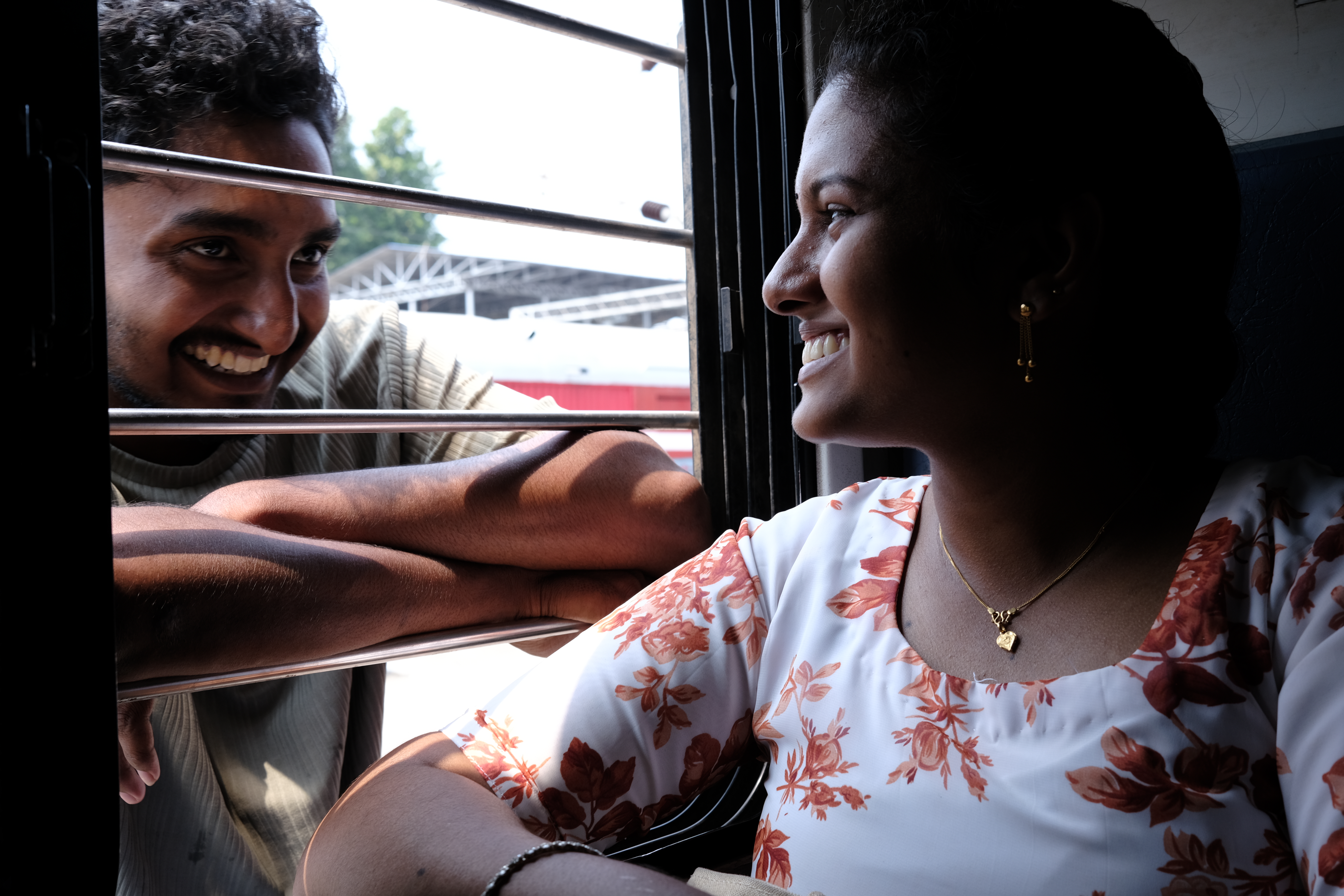
Cochin Lite: India at its cleanest, most civic-conscious and civilised.A shop showcasing its prime Kerala produce of pineapple, pumpkin, jackfruit and the popular mango – a fruit that is grown in the front garden of nearly every home in Cochin. Unripe mango cooked in fish curry is a house specialty on many Cochin menus.Smiling sweethearts at the train stationKerala bananas sold by bunch or 5 rupees per piece wrapped in newspaper and tied with thin jute strings.
Diverting from my original plan of a modest loop around Malabar I end up spending my whole trip just in Cochin with a side train trip to Thrissur. For almost a week I allow myself to linger languidly in Fort Kochi and Mattancherry, taking in Kerala’s top sights and it’s five hundred years maritime history of enticing Europeans to Asia, starting with Vasco da Gama who landed on a beach north of here in Calicut on 20 May 1498.
To get beneath the harbour-city’s Malayali sheen and savour her true spirit, I learn quickly to slow down my steps, my food and my thoughts.
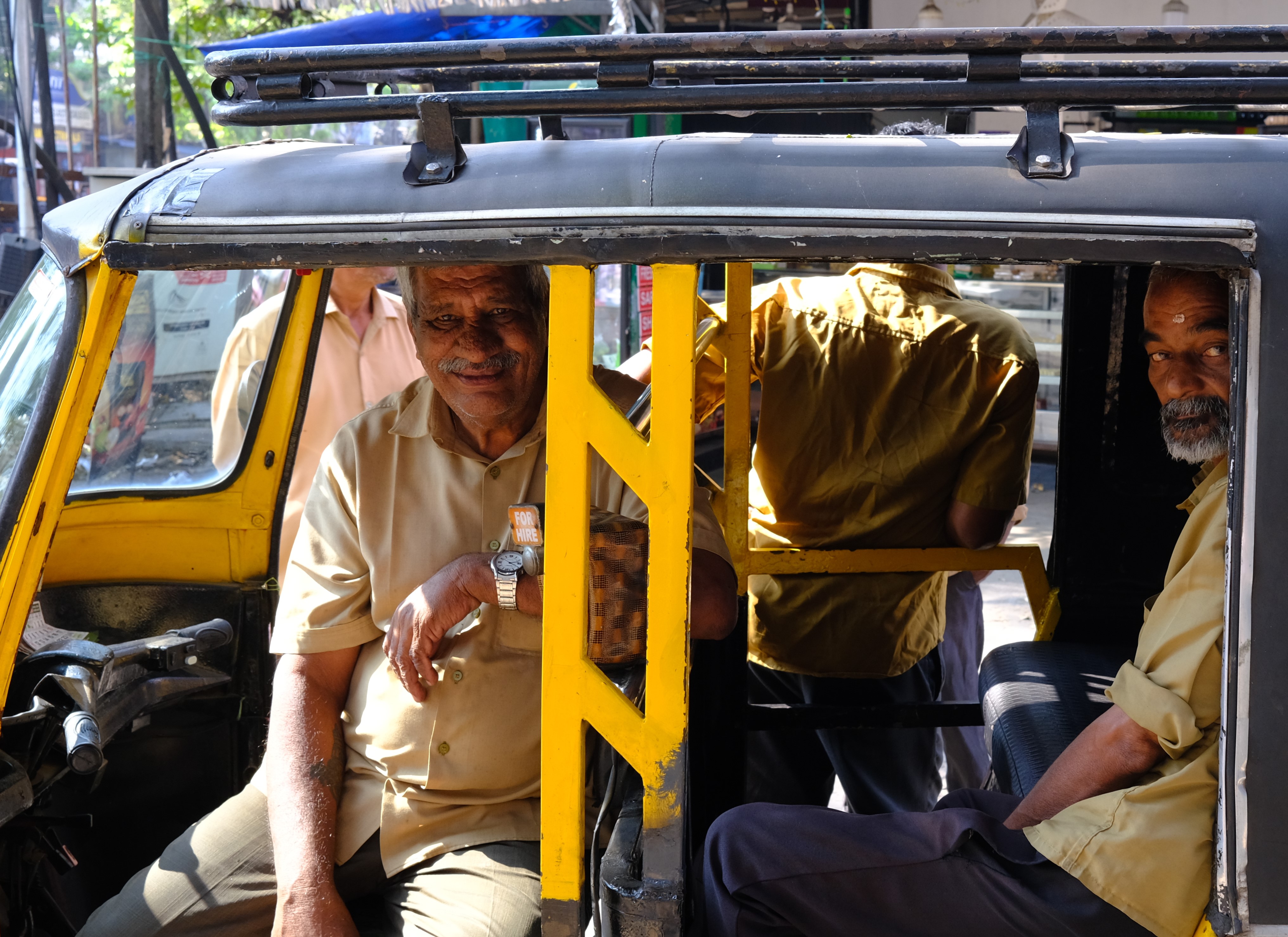
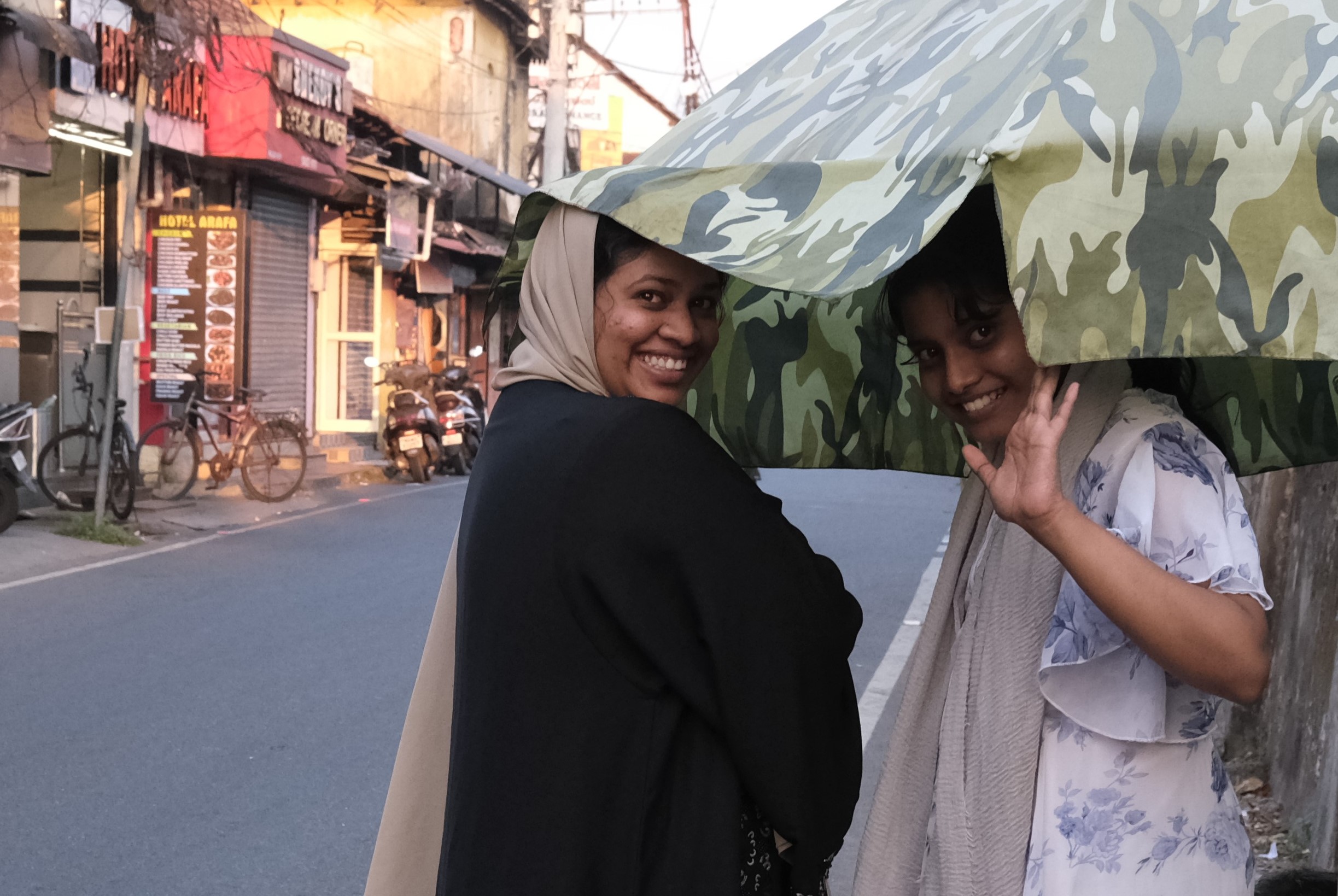
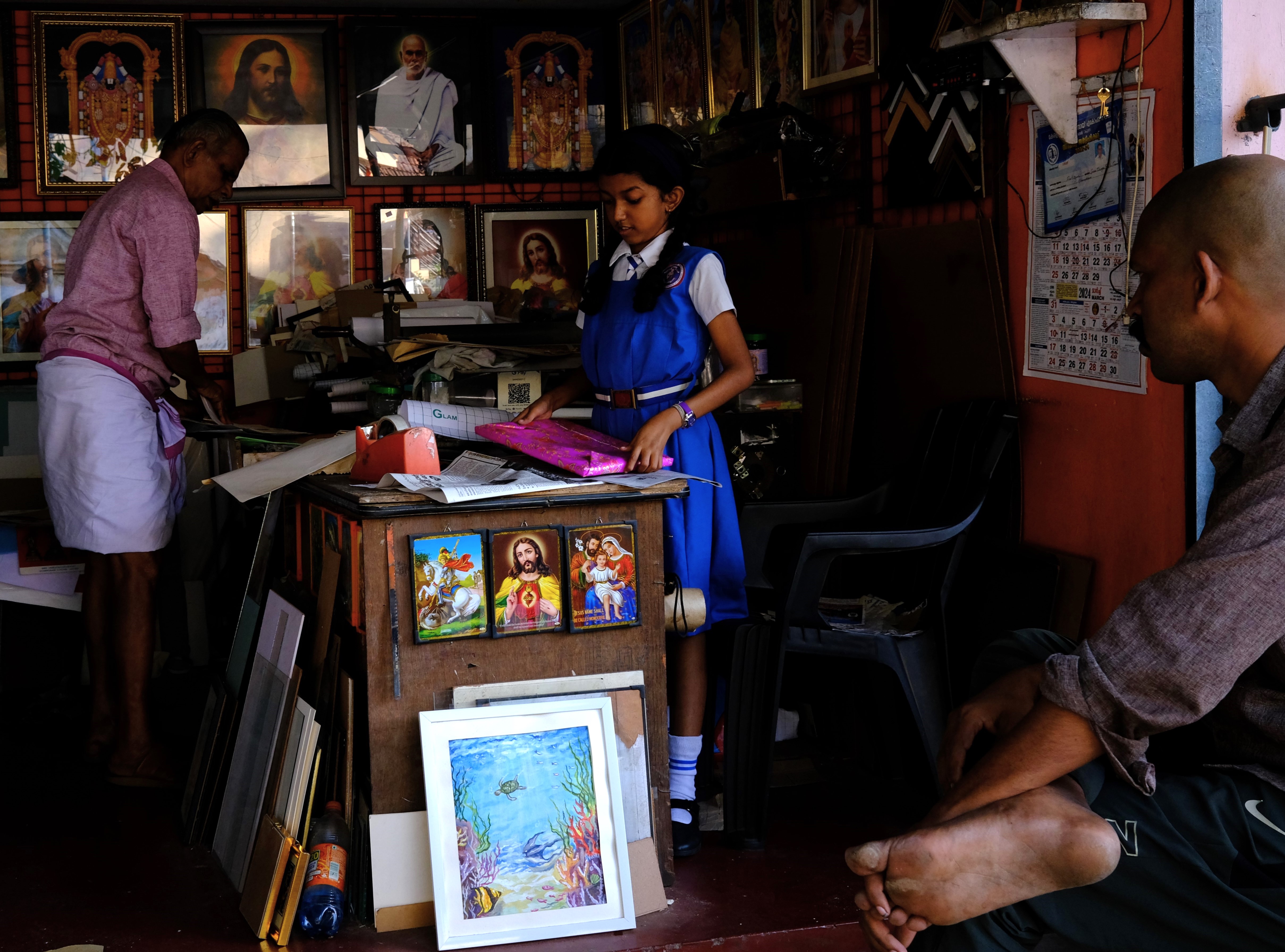
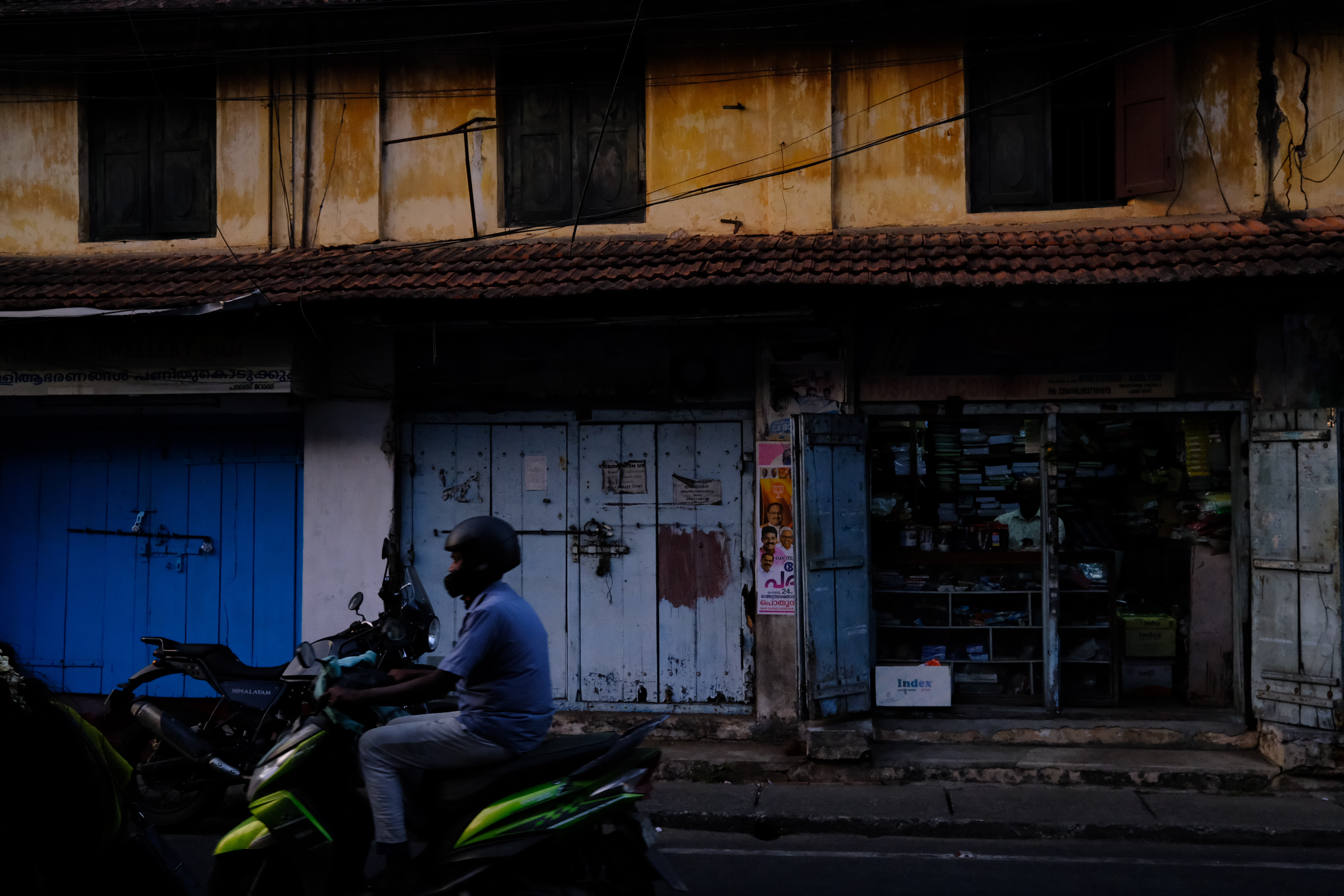
Discussion with a school friend over the gate.A Kerala-wide strike happens on my third day in Kochi obliging businesses to pull down their shutters leaving travelers like me with nothing to eat except fruits, biscuits and fried snacks. Thankfully, a kind woman coconut seller serves me at the roadside a breakfast of idli and chickpea curry that she prepared for her family.Garland makers on Palace RoadA wall portrait art of Pinarayi Vijayan, the Communist Chief Minister of Kerala, who mysteriously resembles a former Malaysia Prime Minister.Cochin’s three-wheeled chauffeurs in smart khaki shirts.Fresh catch of the sea are sold by daily vendors on bicyclesmoving from door to door along the tree shaded lanes of Fort KochiReflections on the afternoon ferry to ErnakulamPupils from a school across the road play outside the Indo-Portuguese Museum during their recessChurch of Our Lady of Life near Jew Town in Mattancherry. Built in the second half of the sixteenth century in the Portuguese Style, it is one of the oldest churches in Cochin. In 1622 in an act of religious defiance a congregation of St Thomas Syrian Christians gathered in front of the church to resist the Portuguese colonial authorities move to latinise their rites and liturgy. A lucky seated passenger in the crowded unreservedcoach on the train bound for North Kerala.Disembarking from the 6 rupee government-run ferry at Ernakulam TerminalFort Kochi, the historic heart of Cochin, is home to an unrivalled assemblage of European colonial buildings and low rise homesconnected by pedestrian and bicycle lanes. Kerala means land of the coconuts in the local Malayalam language.Maria’s kitchen helperDog days in Fort KochiWaves and warm smiles every few meters in CochinCochin’s architecture is an empire mix of the elements of Portugal, Holland, England and native India.Spices and ayurvedaThe majority population of Cochin are Christians followed by Hindus and Muslims.Peeling shop fronts near the ferry jettyGrandpa George with his pride and joyForeign tourists especially Europeans and noticeably the French flock to Cochin and Kerala in huge numbers from November to February when the weather is at its most pleasant and least hot.The pull of Malaya in MalabarMaking-upAnd after
Photographs and text copyright Kerk Boon Leng February 2024. All Rights Reserved












 Kerk Boon Leng Photographs & Notes