
We arrived in Brno on the night the Czech Republic clinched the World Ice Hockey Championship with a 2-0 victory over Switzerland. The bus ride from Vienna was practically a private charter, save for the three young ladies seated behind the driver who were watching the match on their phones. Each time the Czech team made a positive move, they let out volleys of exuberant cheers that filled the quiet bus with excitement and alarm.
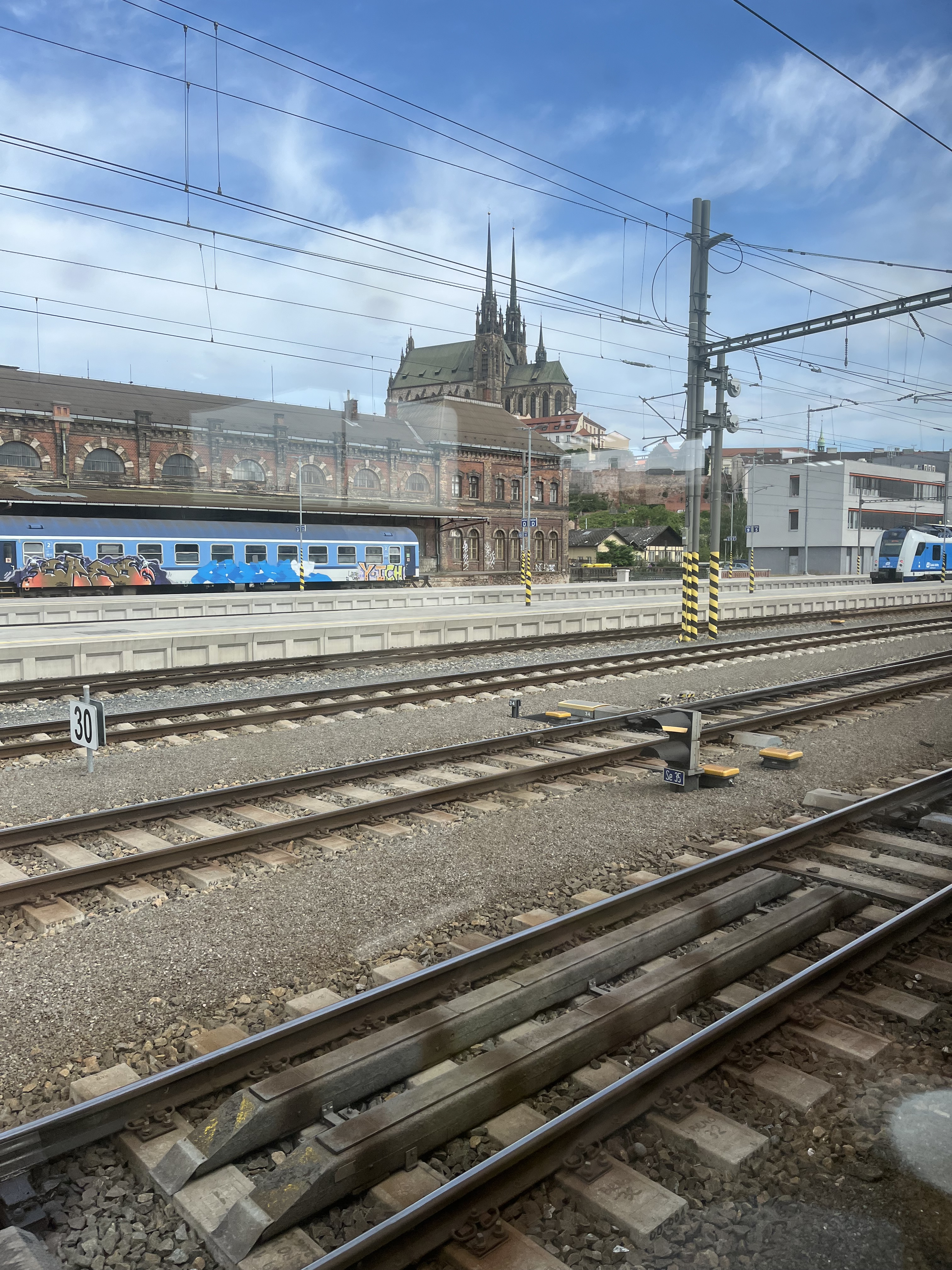
As we neared the city center, Špilberk Castle stood majestically on the hill and the iconic twin spires of the Peter and Paul Cathedral appeared in the distance, illuminated against the night sky. It was nearing midnight when we got down from the bus and saw Chelsea who walked over from Hlavní Nádraží, starting our long-anticipated family reunion with a warm gentle hug.
With the public buses and trams overflowing with jubilant hockey fans, we opted for a Bolt taxi to Marco’s Airbnb. Our taciturn driver, with a flair for the fast and furious sped down the eerily empty yet comfortingly familiar streets, beating the traffic lights. As we arrived at our destination, a police car, strobe lights flashing, instantly pulled up behind us. Three officers in bullet-proof vest including a female with a gun emerged, and demanded the driver produce his ID. It was a tense and a scary moment for us. We quickly heaved our bags and belongings out from the car boot and made our way quickly but reverently through the inquest into the house, bewildered and slightly shaken.


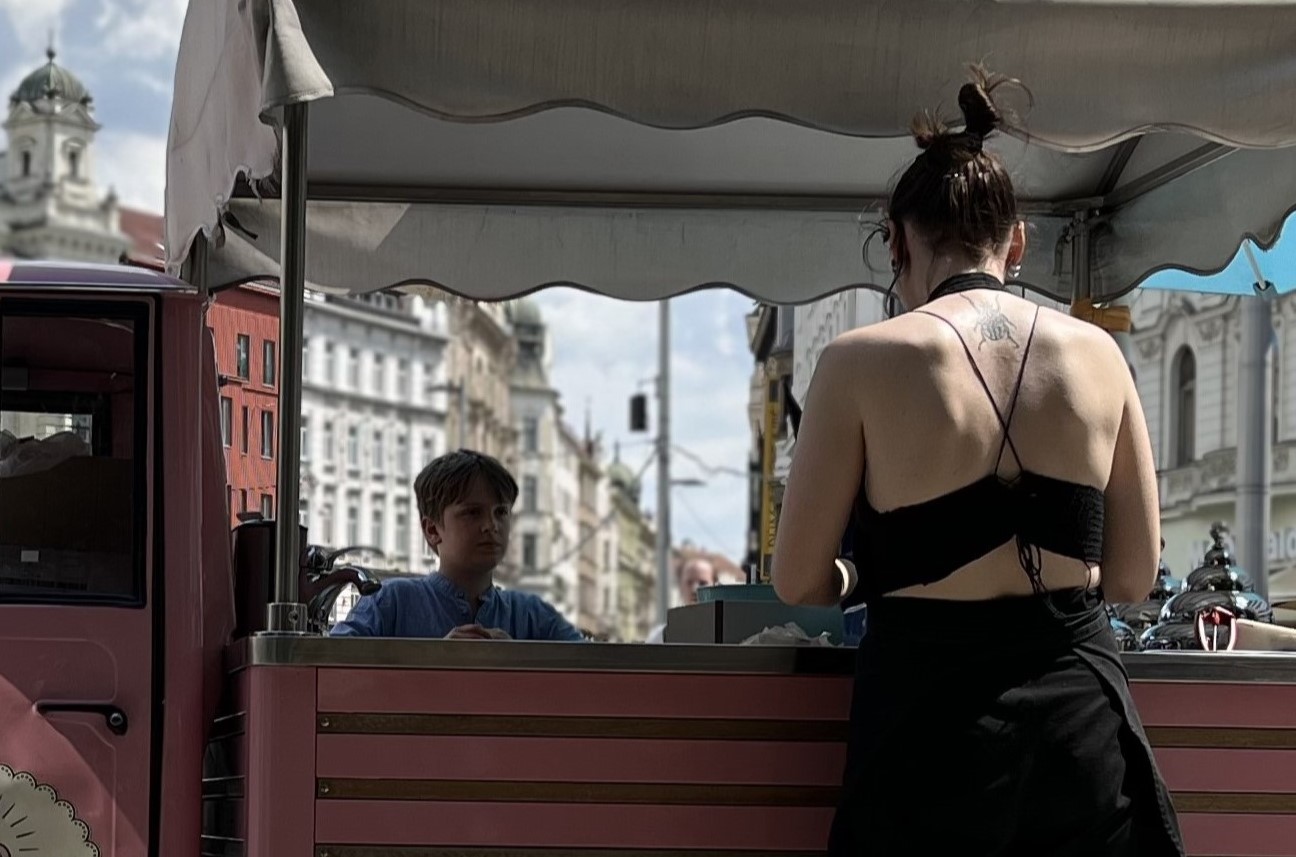
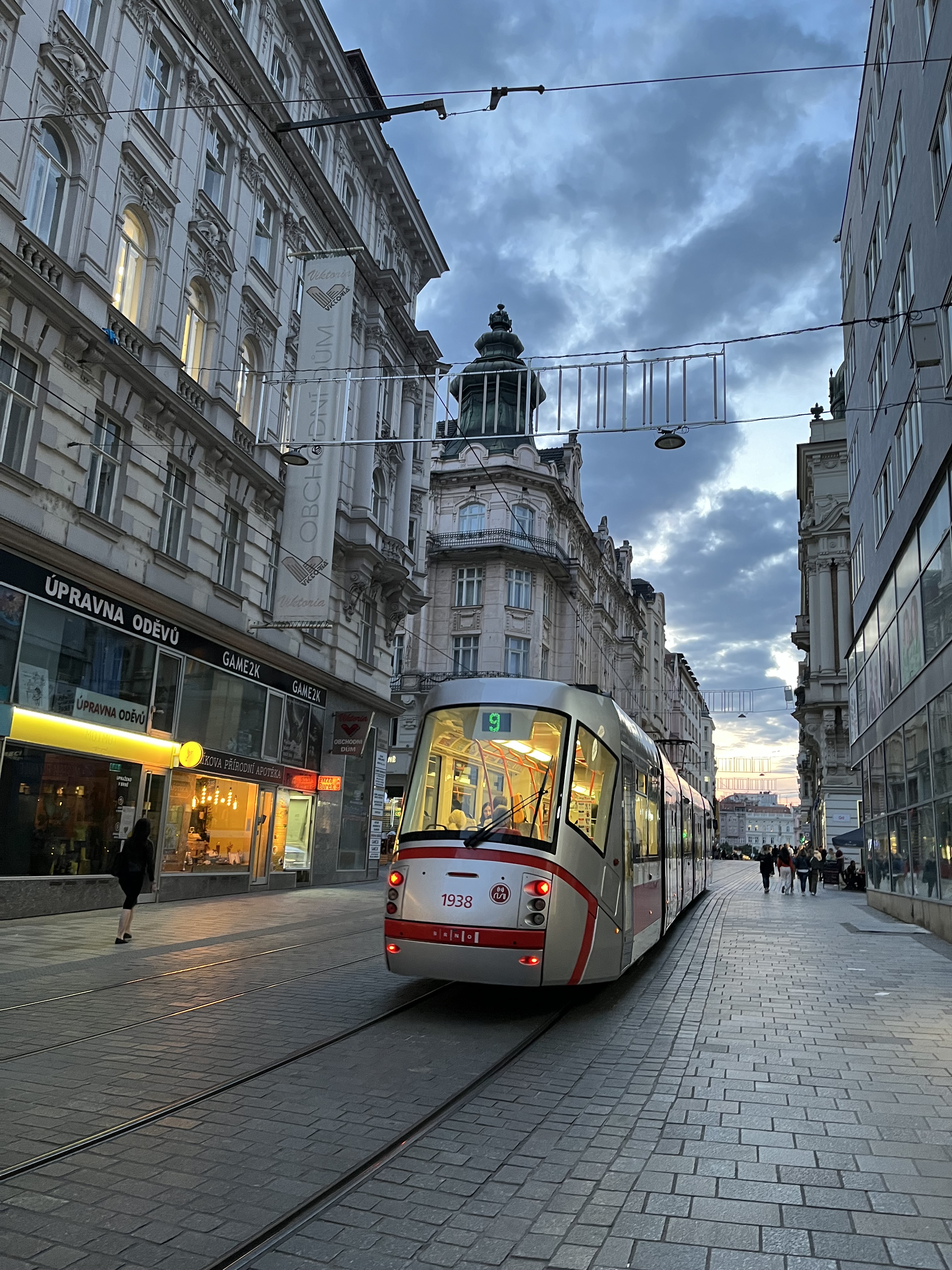
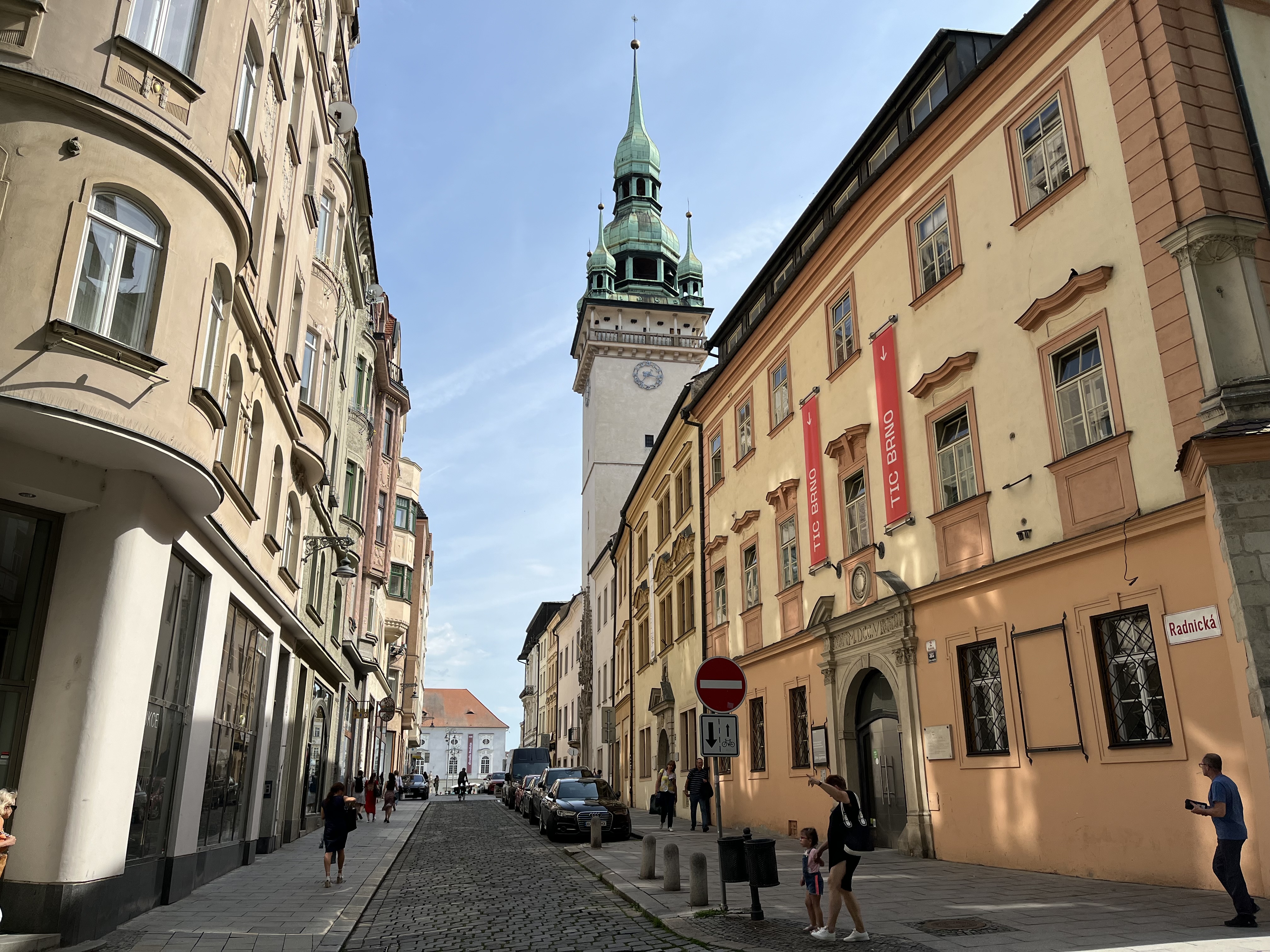
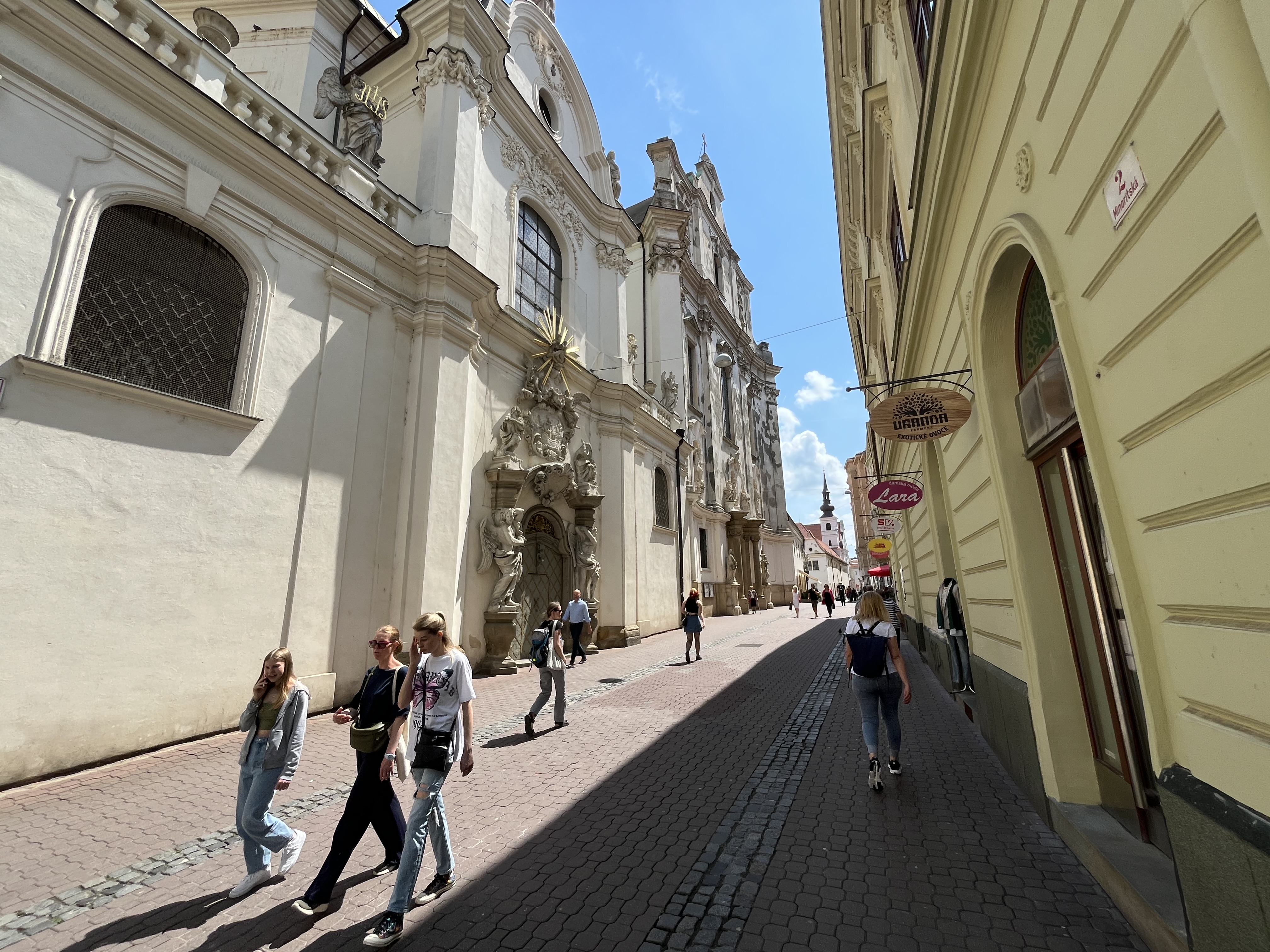
This wasn’t my first time in Brno. I had been here before when Chelsea came in February 2022 to begin her studies at the university. In fact, I’ve spent more time in Brno than in any other European city. It doesn’t boast the fairy-tale charm of Prague, the imperial grandeur of Vienna, or the romantic allure of Budapest. But, Brno possesses the understated, androgynous appeal of the girl-next-door. It’s a pleasantly small city with a vibrant student population and an atmosphere that subtly grows on you with each new discovery.
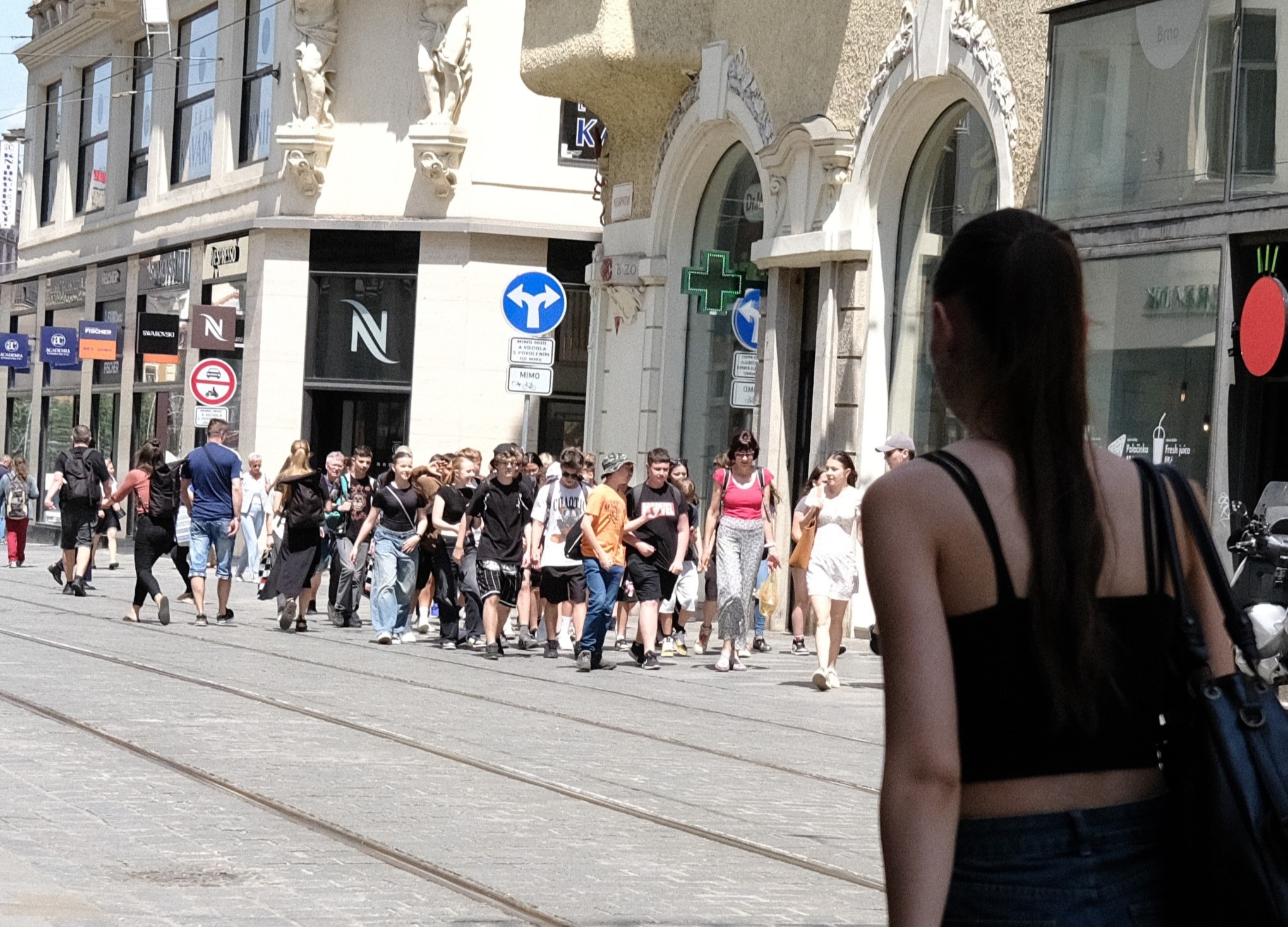
Brno is authentic, affordable, and predominantly white. Apart from the Vietnamese shopkeepers running grocery stores, recent delivery boys from India zipping around on bikes and skates, and the growing number of international students at its half dozen universities, it still has the look and feel of Europe the way things used to be before the onset of infestive tourism and invasive third-world migration.
It’s also a place where the soul of Central Europe still finds expression and home amidst fragments of communist-era Czechoslovakia, from the stoic architecture to the unvarnished attitude of its people. It might at first appear cold and apathetic, sulky and sloshed, lugubrious and unromantic as only a country’s second city can be. Yet, it is undoubtedly a place that tugs at your heartstrings, revealing its beauty and true self to those who linger long enough to uncover its hidden depths and extraordinary beer drinking habits.













 Kerk Boon Leng Photographs & Notes