Adhering to the credo “Rather Underdeveloped than Enslaved”, Algeria’s worldview and deep mistrust of globalization stem from a fear of losing its hard-won independence and the lingering trauma of the Dark Decades.
Hardly anyone arrives in Algeria truly prepared. Not that it is hard to access (though the visa process can be a test of patience unless you’re blessed with one of those seven lucky passports – Malaysia, curiously, among them). No, the real surprise is that so little is said, written or whispered about this immense, enigmatic land. Politically prickly, culturally complex, and taking up the largest chunk of North Africa, Algeria is the great omission in travel writing. It remains half-unknown and glaringly overlooked in the travelers atlas not for lack of sights or selfie feeds, but because of a long-standing isolation—much of it self-imposed, a legacy of its violent and unresolved past.
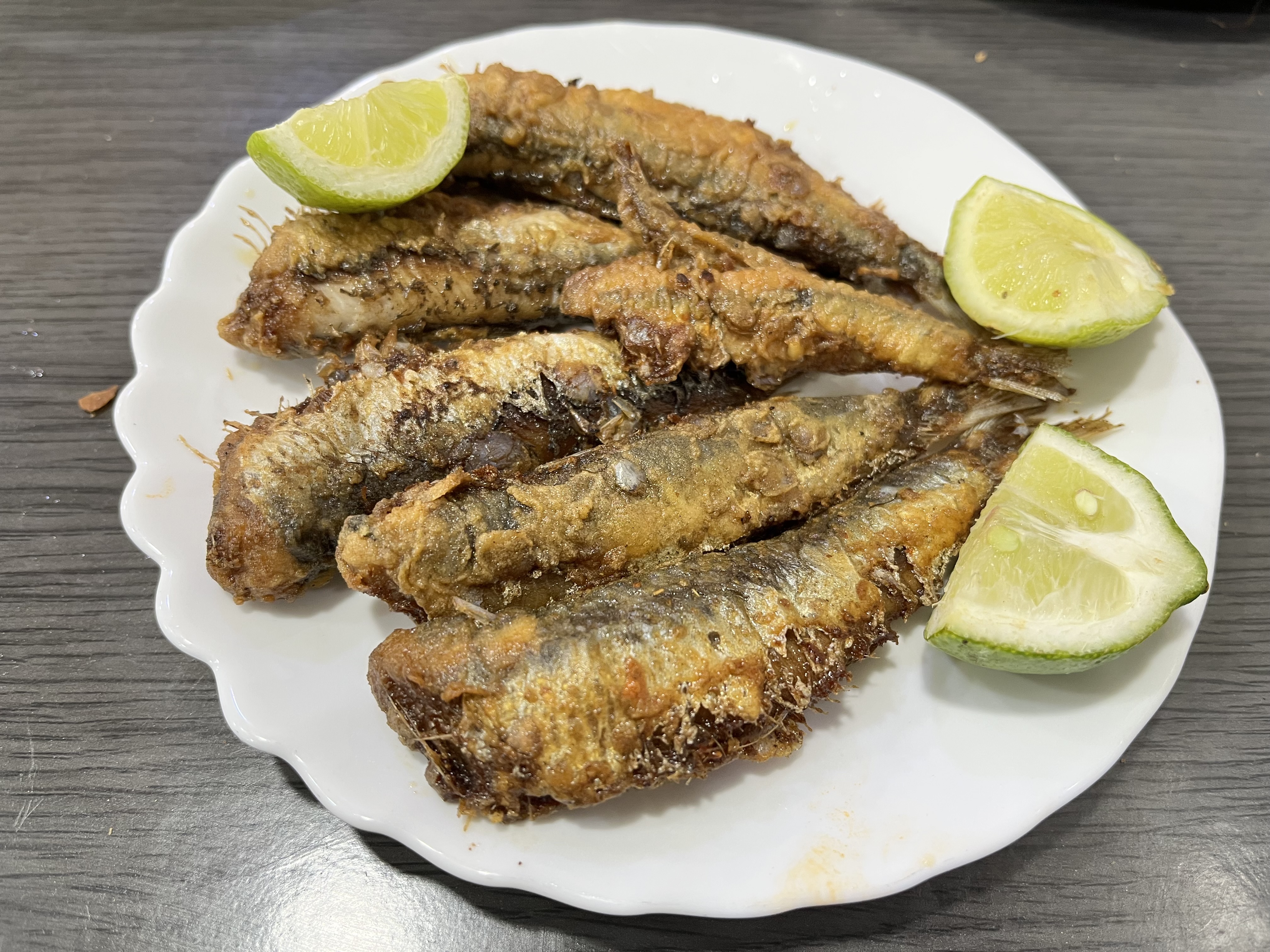
A quick gulp of Slim, Algeria’s favourite fizzy fruit soda, while crossing a road in Bab Ezzouar, Algiers.Sardines Frites – a fiercely local lunch ritual of working-class Algiers. Fresh morning catch of the Mediterranean, tossed in flour, fried crispy golden, served with wedges of lemon and a plastic bag of cold crusty bread in the city’s backlane cafes.Worn but steady workhorse: a faithful Peugeot barrels down the A1, Algeria’s Autoroute Est-Ouest, near Sétif with its loyal owner and appurtenances.
Absence and Obsession: Despite years of nationalism and Arabisation, France’s influence still runs deep in Algeria—seen in the buildings, heard in the language, and felt through family ties. Almost everyone has a cousin in France, many speak better French than Arabic, yet the relationship is full of bitterness and mixed feelings. Sunlit fields near Setif in Hauts Plateaux – undulating steppe-like plains sitting between the Atlas Mountains in eastern Algeria at 900 to 1,200 meters. It is one of Algeria’s principal grain-growing areas where durum wheat (used for semolina, couscous, and bread) is the main cereal crop.
Despite being rich in oil, Algeria has consistently refused to sell off its national assets or open them to privatization. Its Constitution firmly declares: “All public property belongs to the national community… It includes the subsoil, mines, and energy sources.”
Algeria’s modern identity is shaped by a harsh colonial experience under France, one of the most violent wars of independence in the 20th century, and a civil conflict in the 1990s so throat-slittingly senseless and gut-wrenchingly cruel that it left excruciating psychological and social wounds. These layers are not just historical—they are recent and still felt in how the country interacts with the world and with itself.
And yet, what stands out to any visitor is not the weight of its past, but the deep heartfelt warmth of its people. Algerians could possibly be the kindest and most generous individuals I’ve ever encountered. The hospitality here is not culturally demanded or performed—it is a genuine welcome and a quiet readiness to assist, to offer food or conversation without expecting anything in return. This is sociologically striking and psychologically perplexing when viewed against a backdrop of political fatigue, economic hardships, and a general mistrust of outsiders rooted in a long history of cultural erasure, broken promises and betrayal.
The contradiction is hard to process at first: how can a country with such a painful and brutal past, one that remains politically wary and deeply private, still be so open-hearted to strangers? But this, in many ways, is Algeria. It is not a place that invites surface-level understanding and content-seeking travel influencers. It demands time, immersion, and humility.
This photo essay is a modest attempt to document what I saw and felt during our twelve days in Algeria’s Mediterranean belt —a land of scars and smiles, of stoic disobedience and astonishing kindness. It is not a comprehensive portrait, but a record of moments: a personal tribute and expression of gratitude to a people who, despite everything they’ve endured, remain remarkably generous and deeply human—even in the face of mass indifference, western misinformation and the flattening forces of globalization.
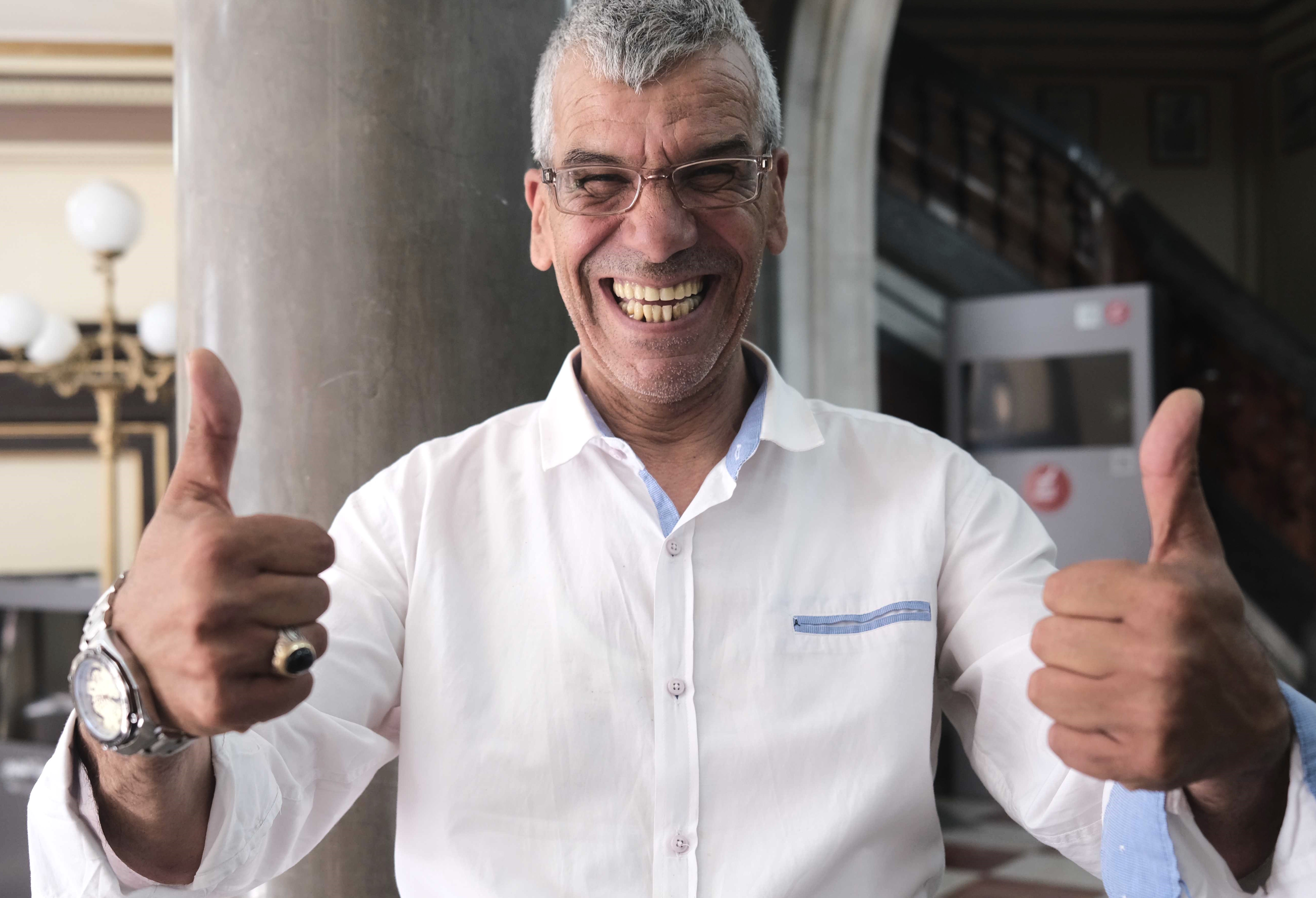
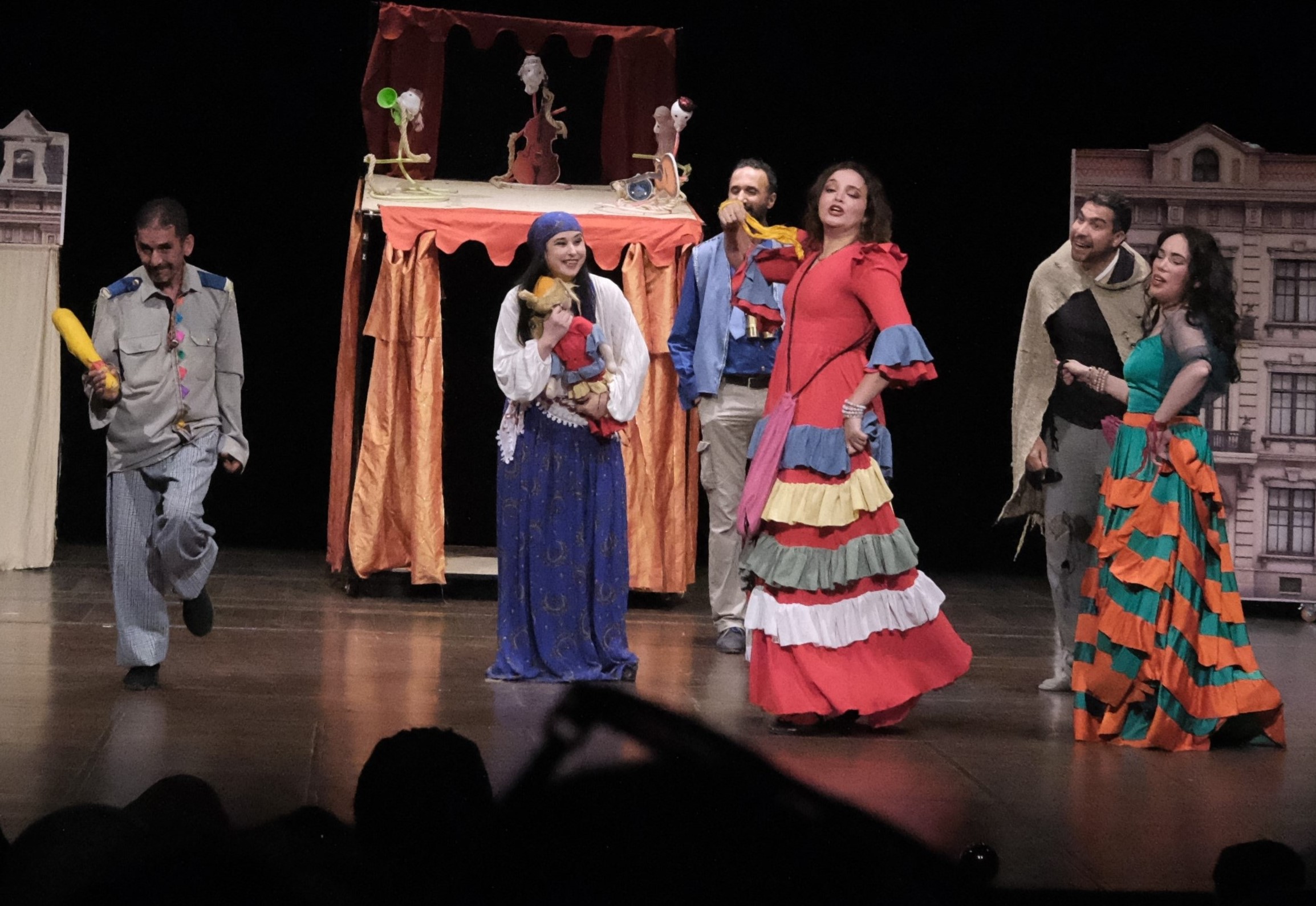
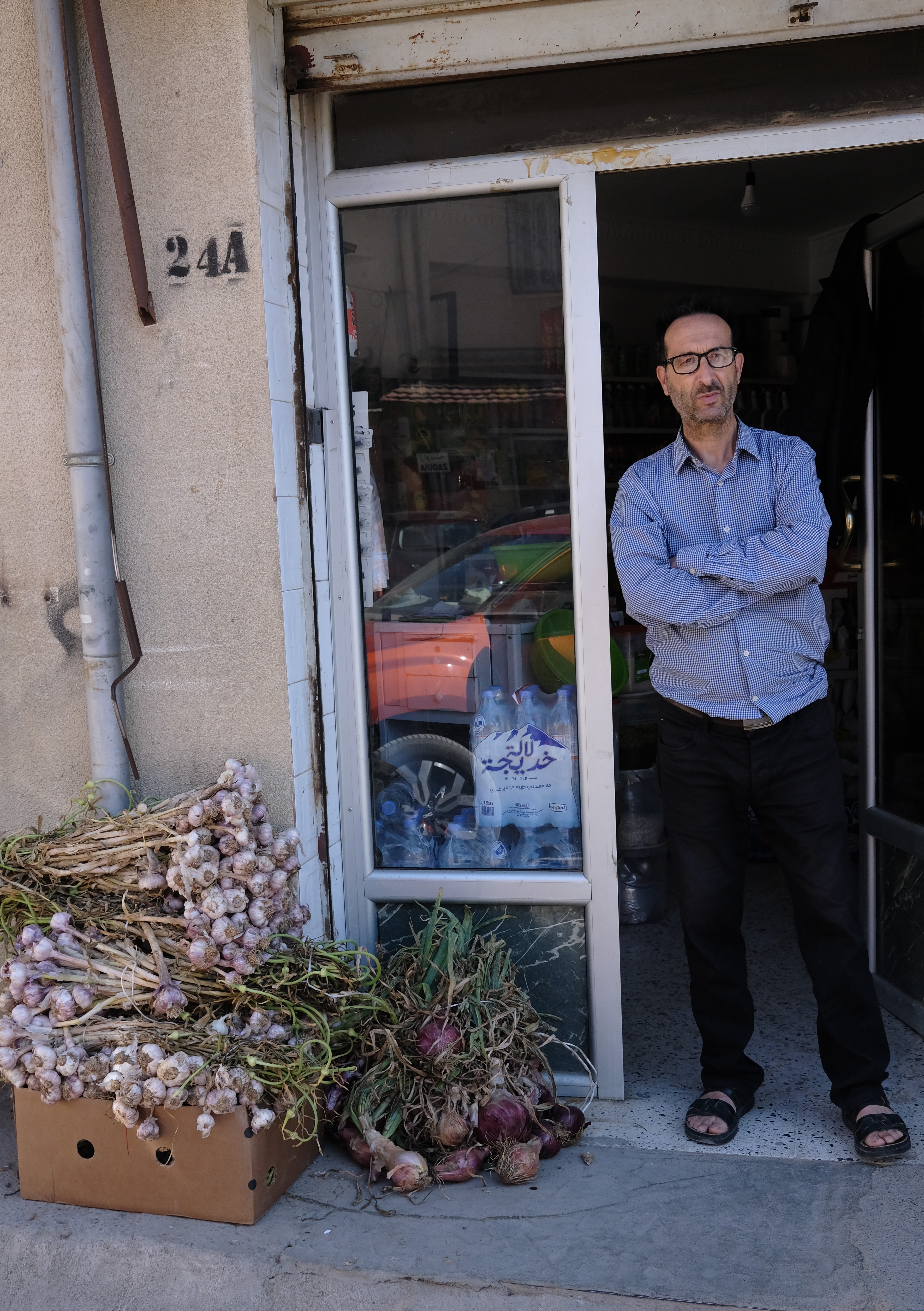
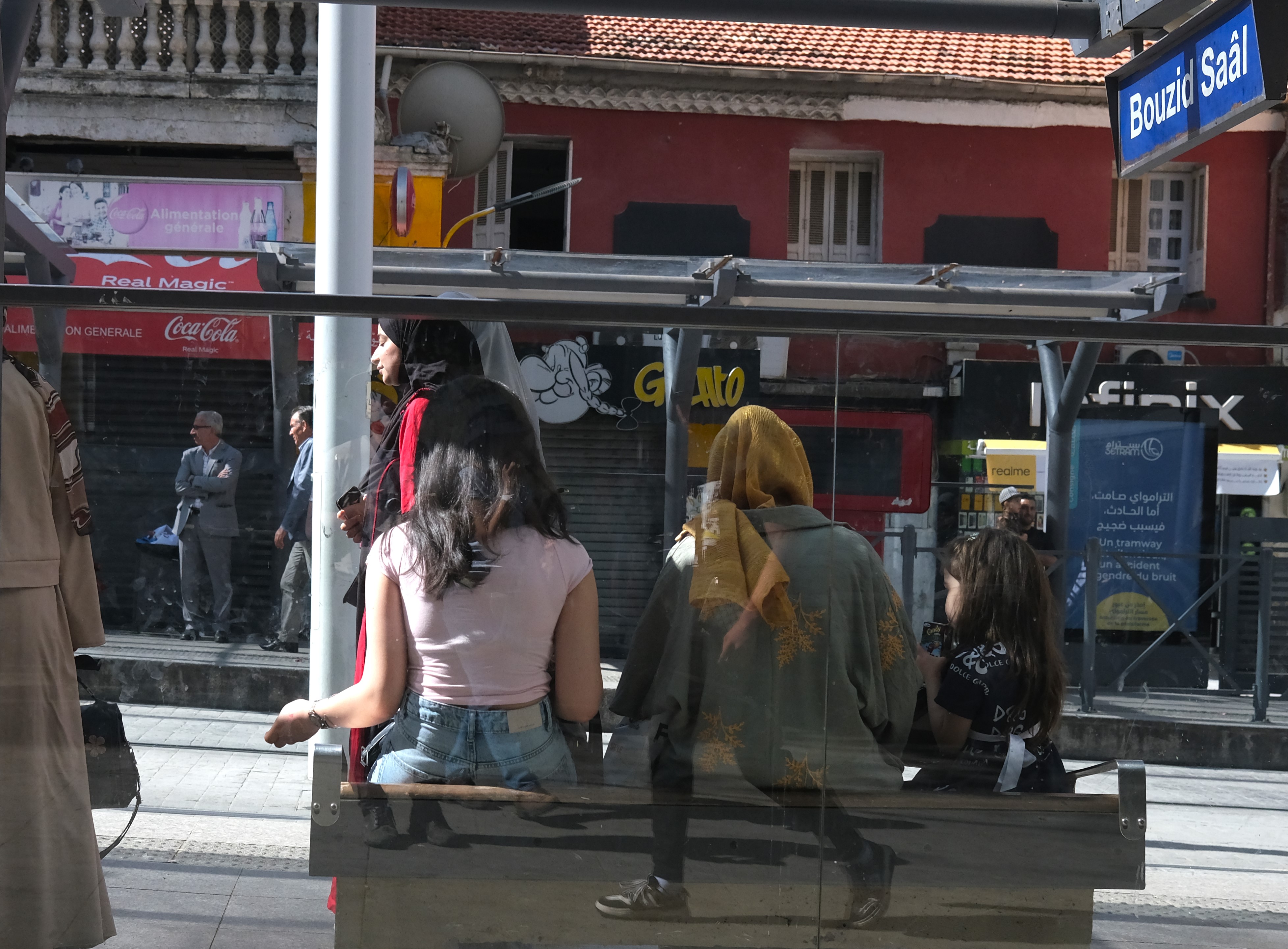
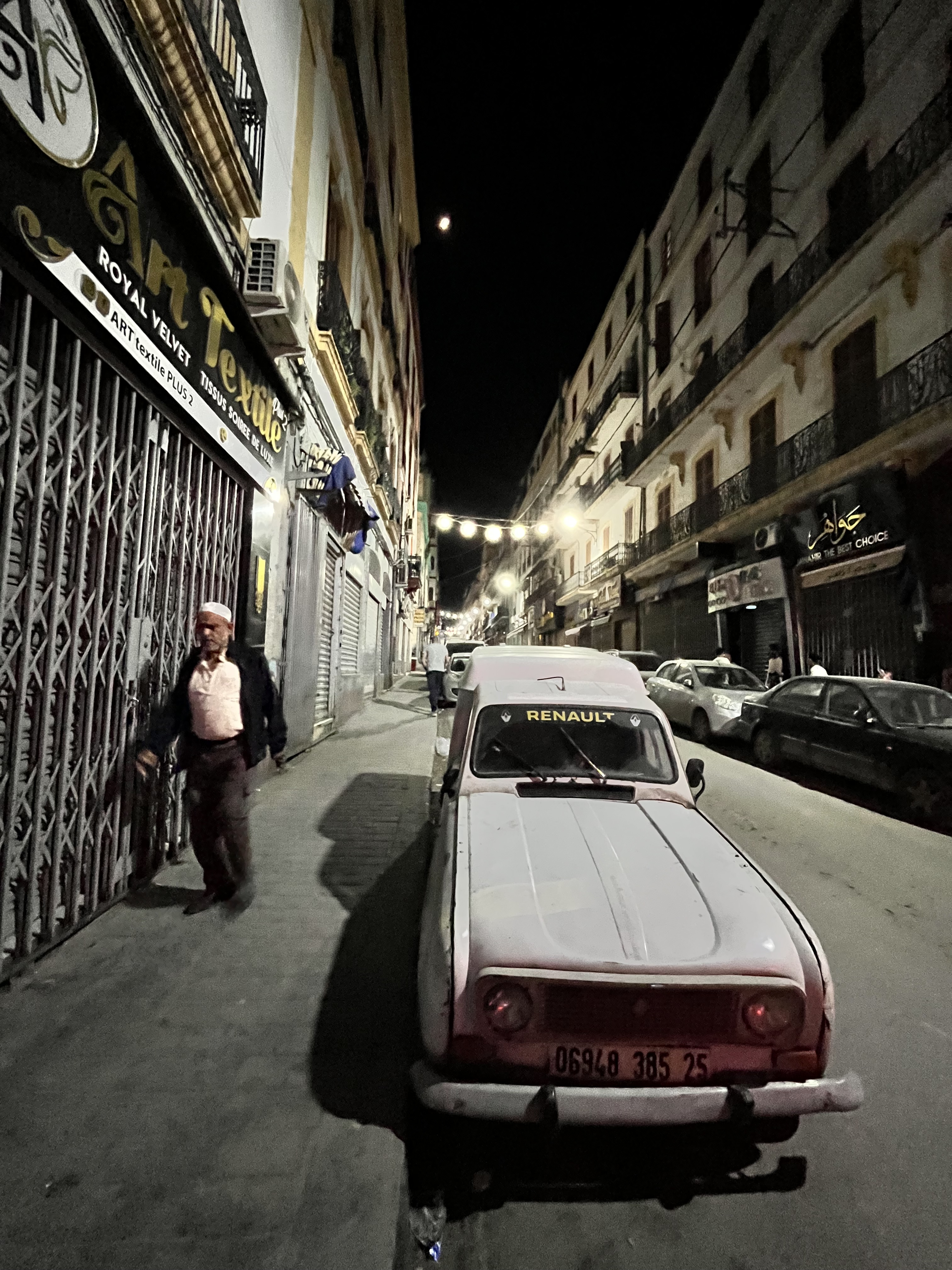
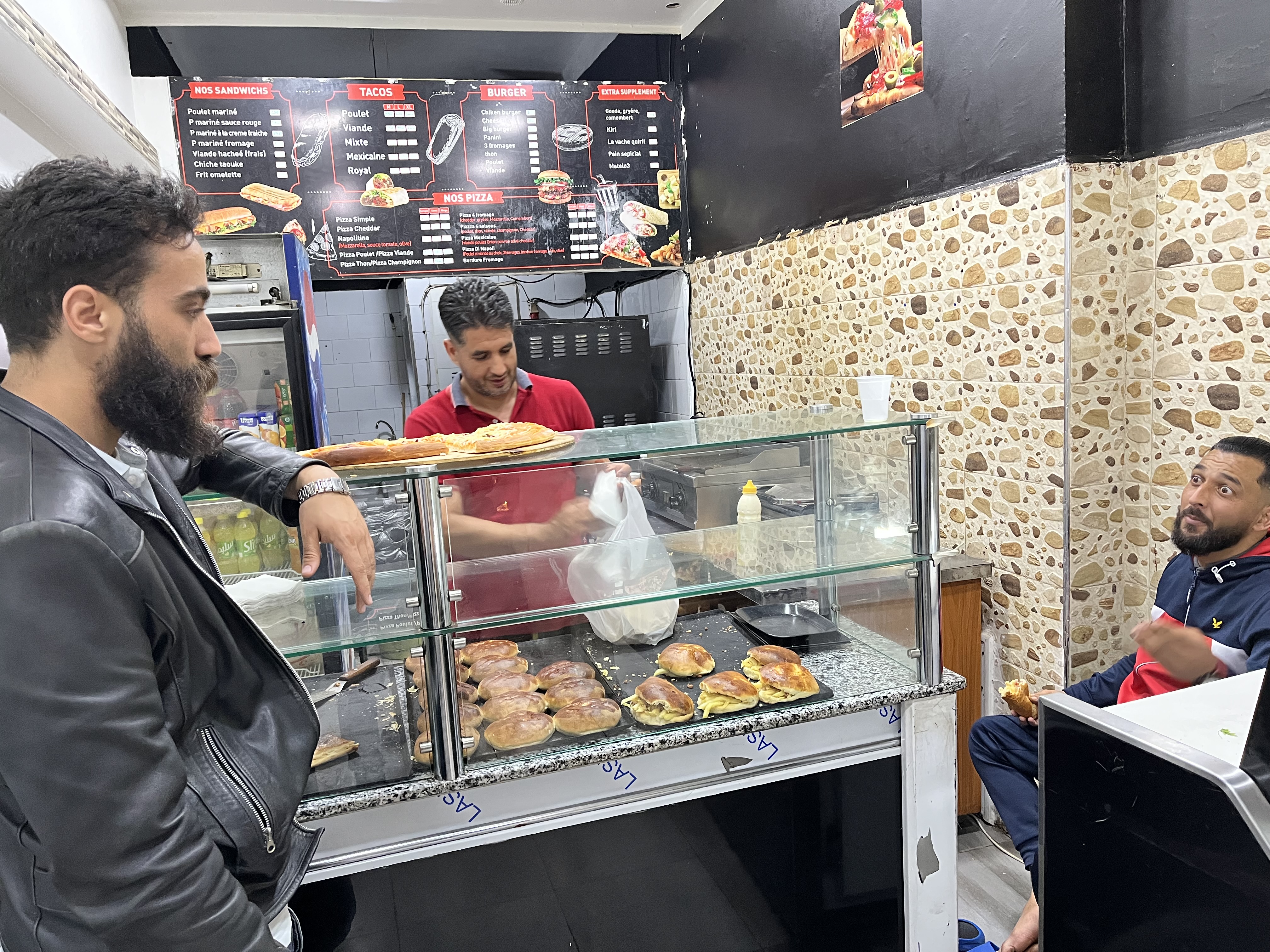
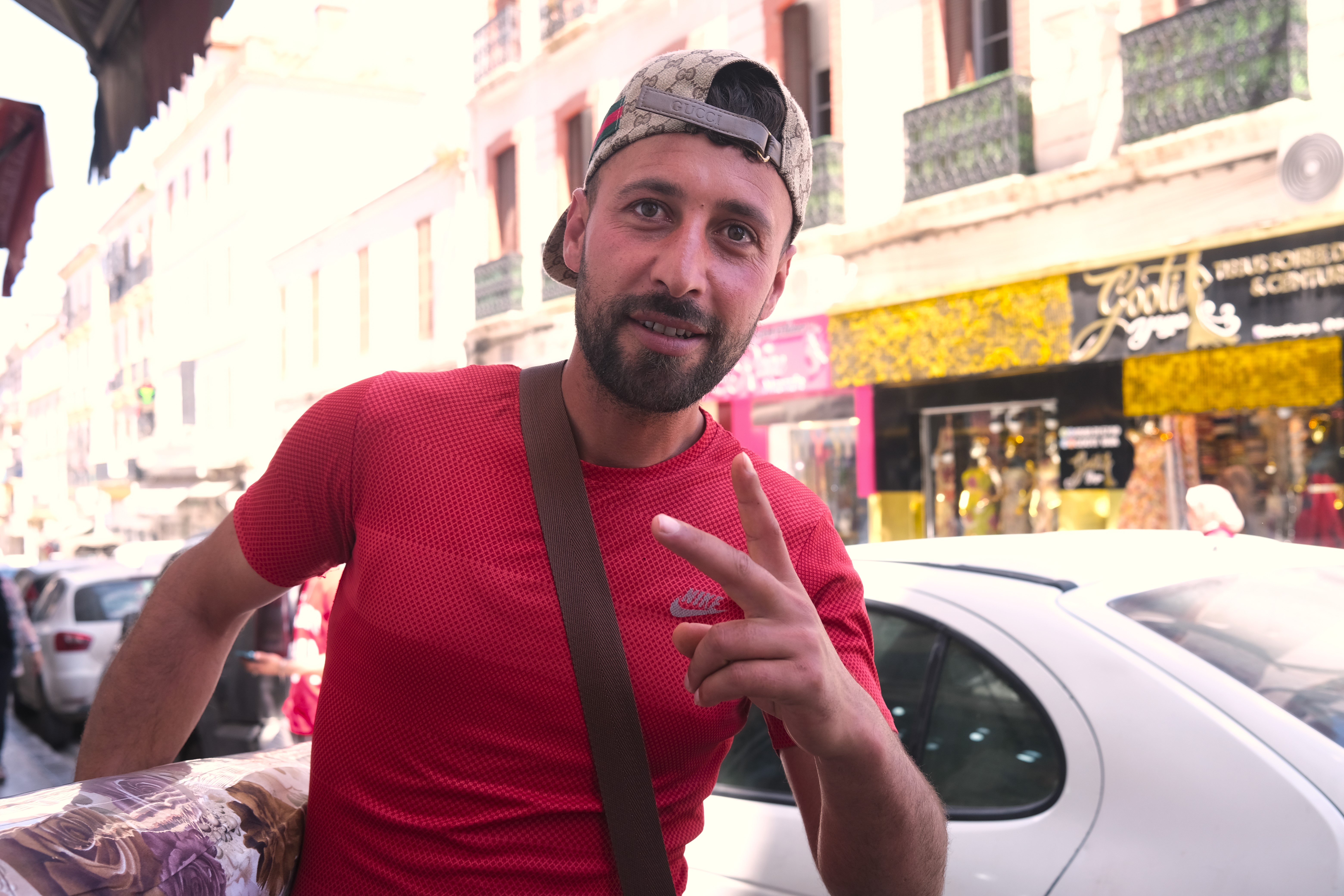
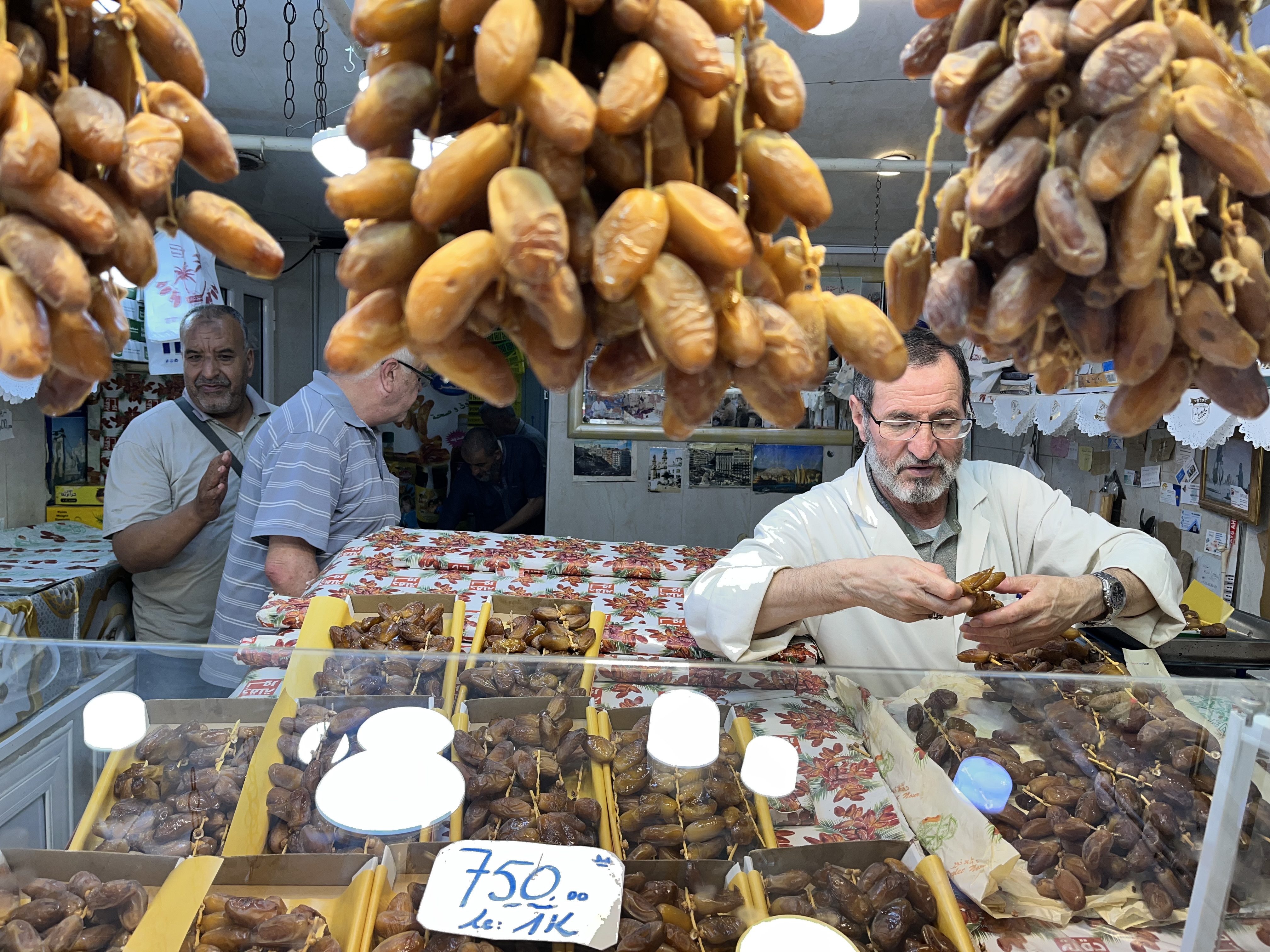
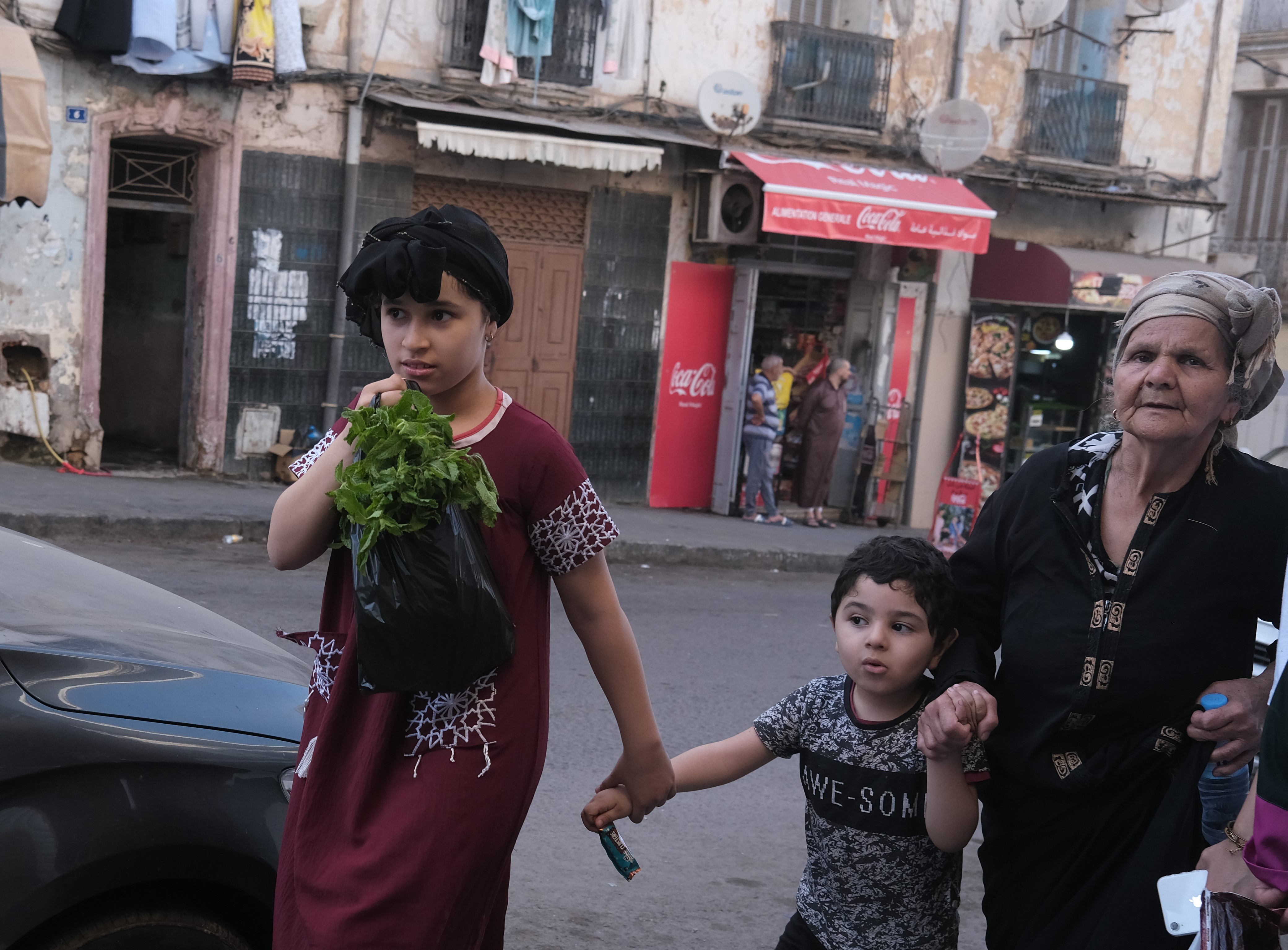
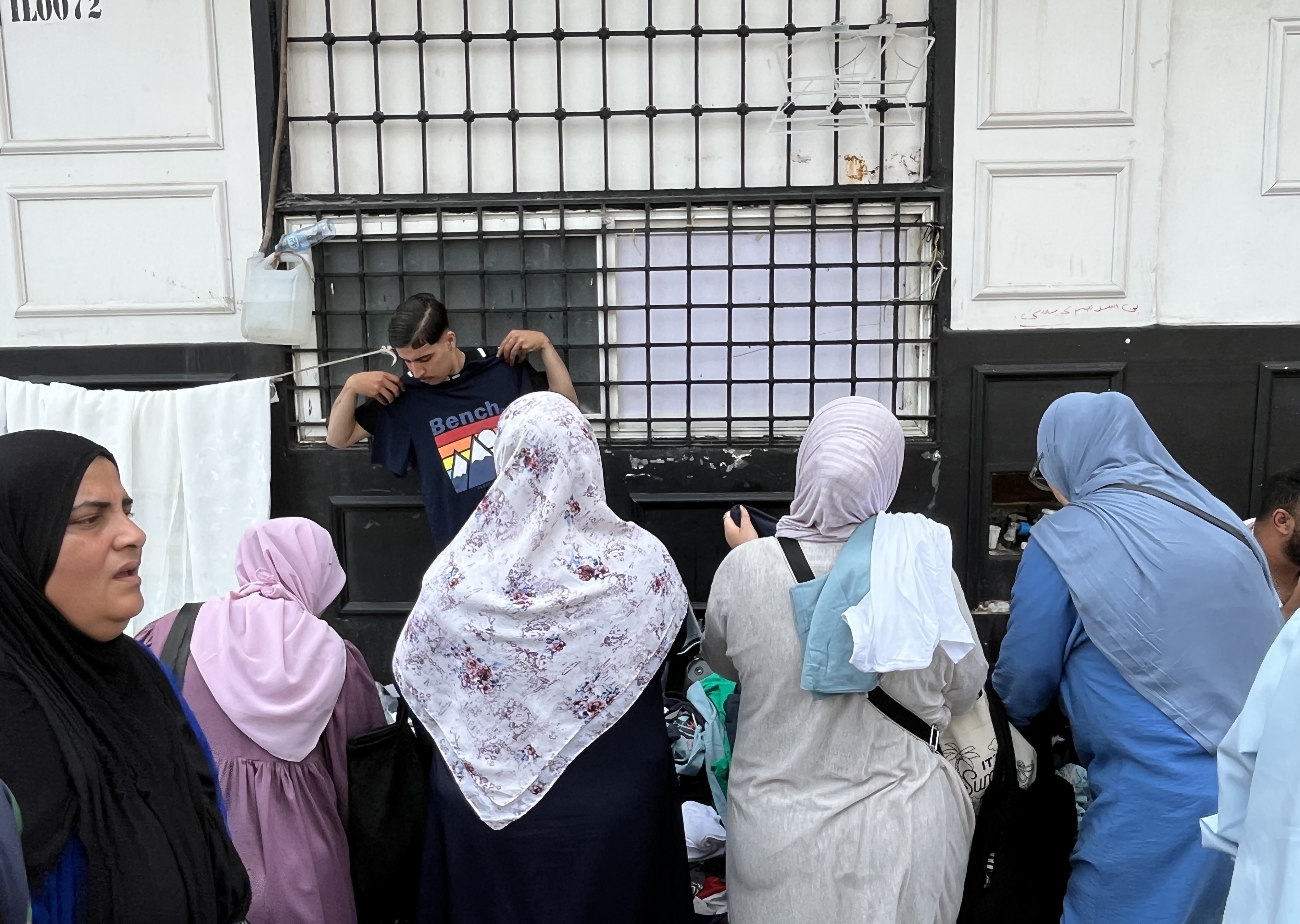
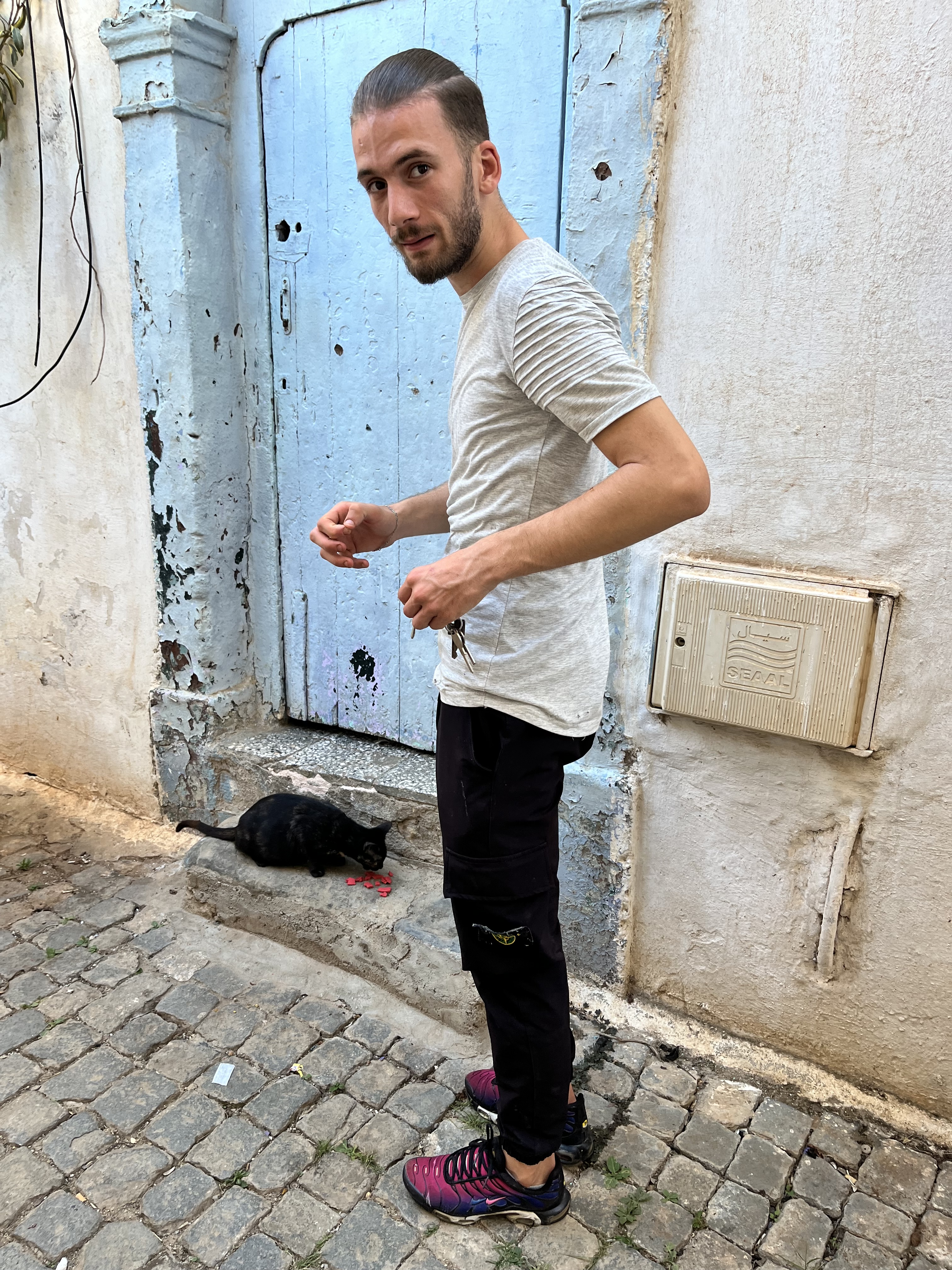
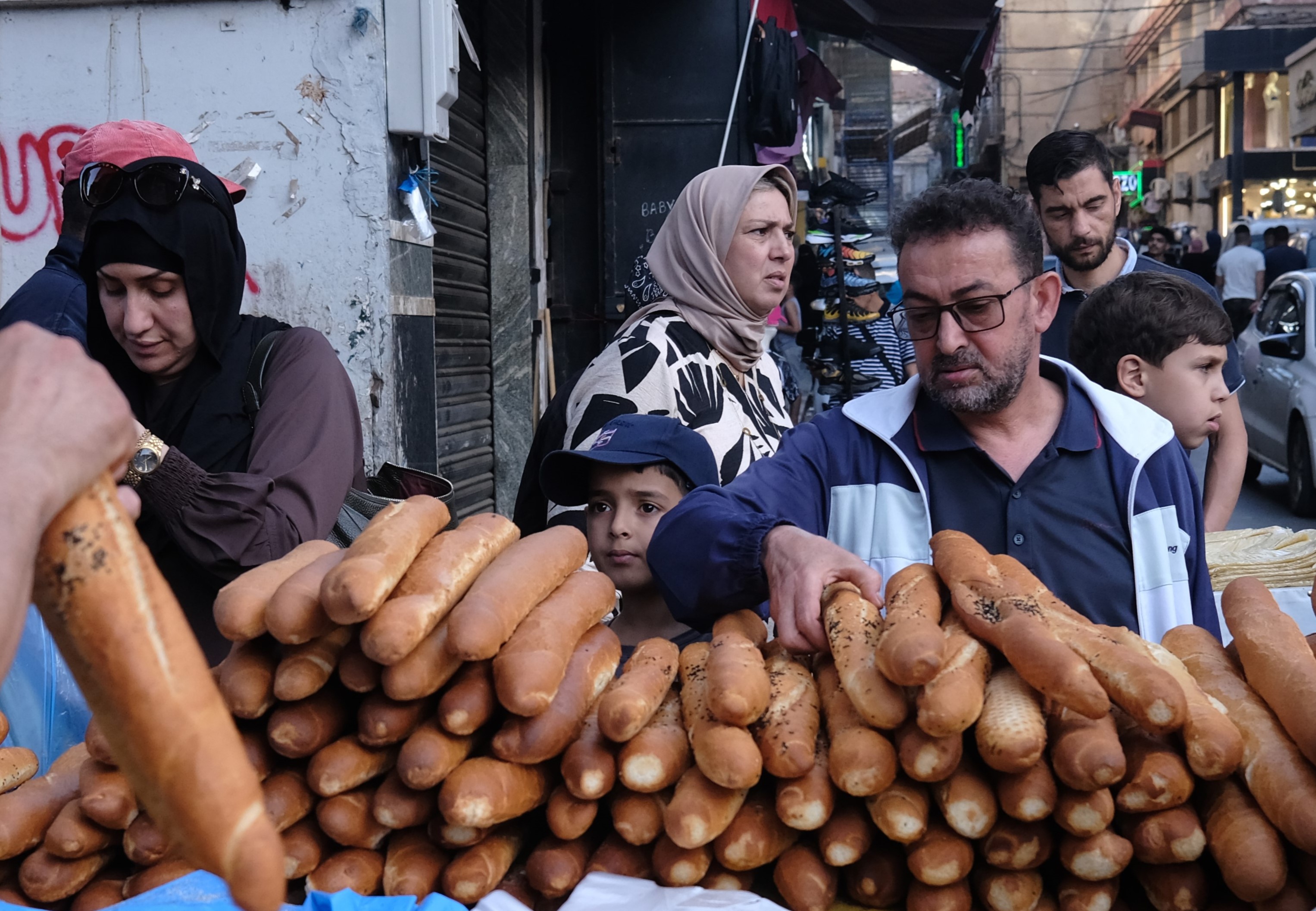
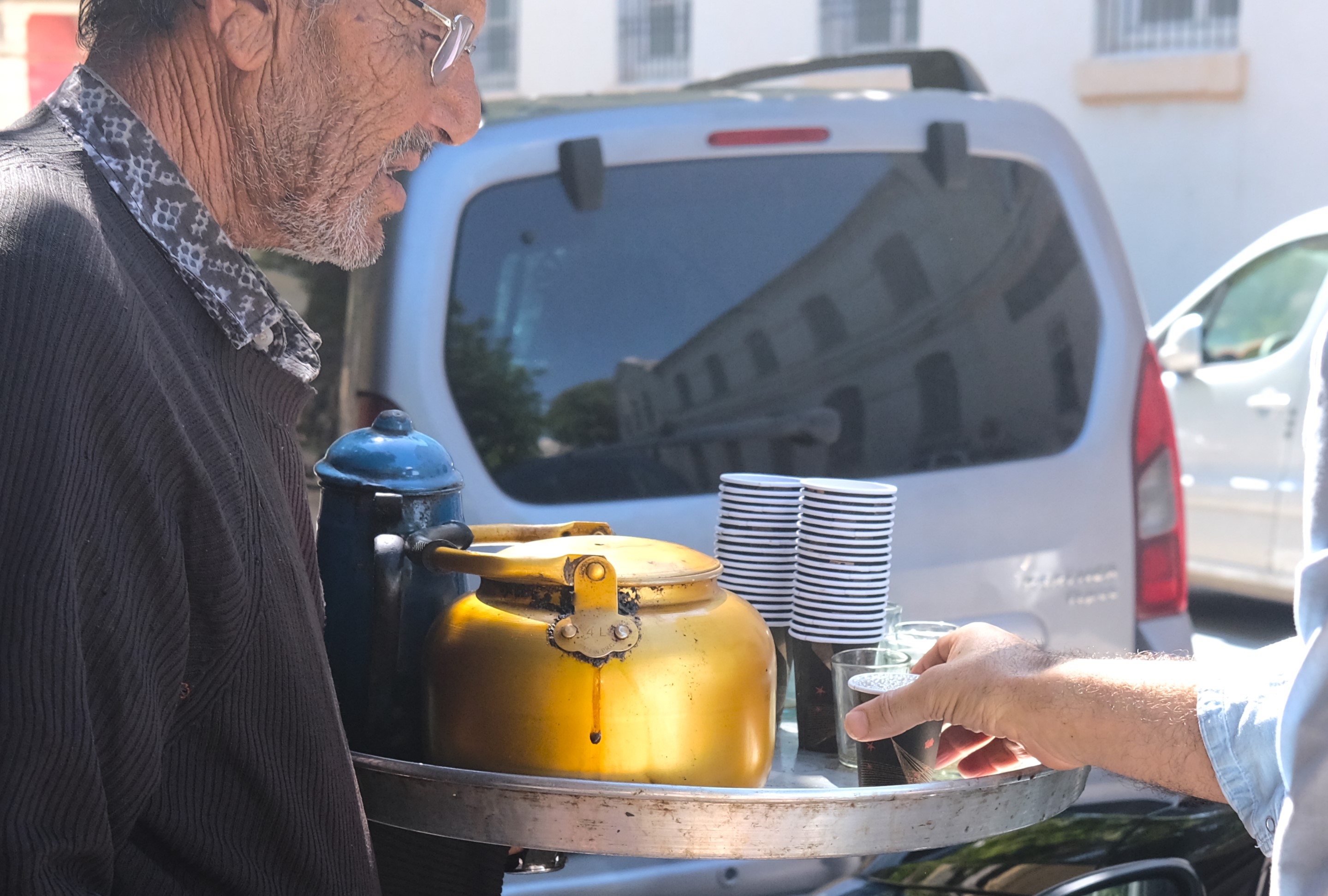
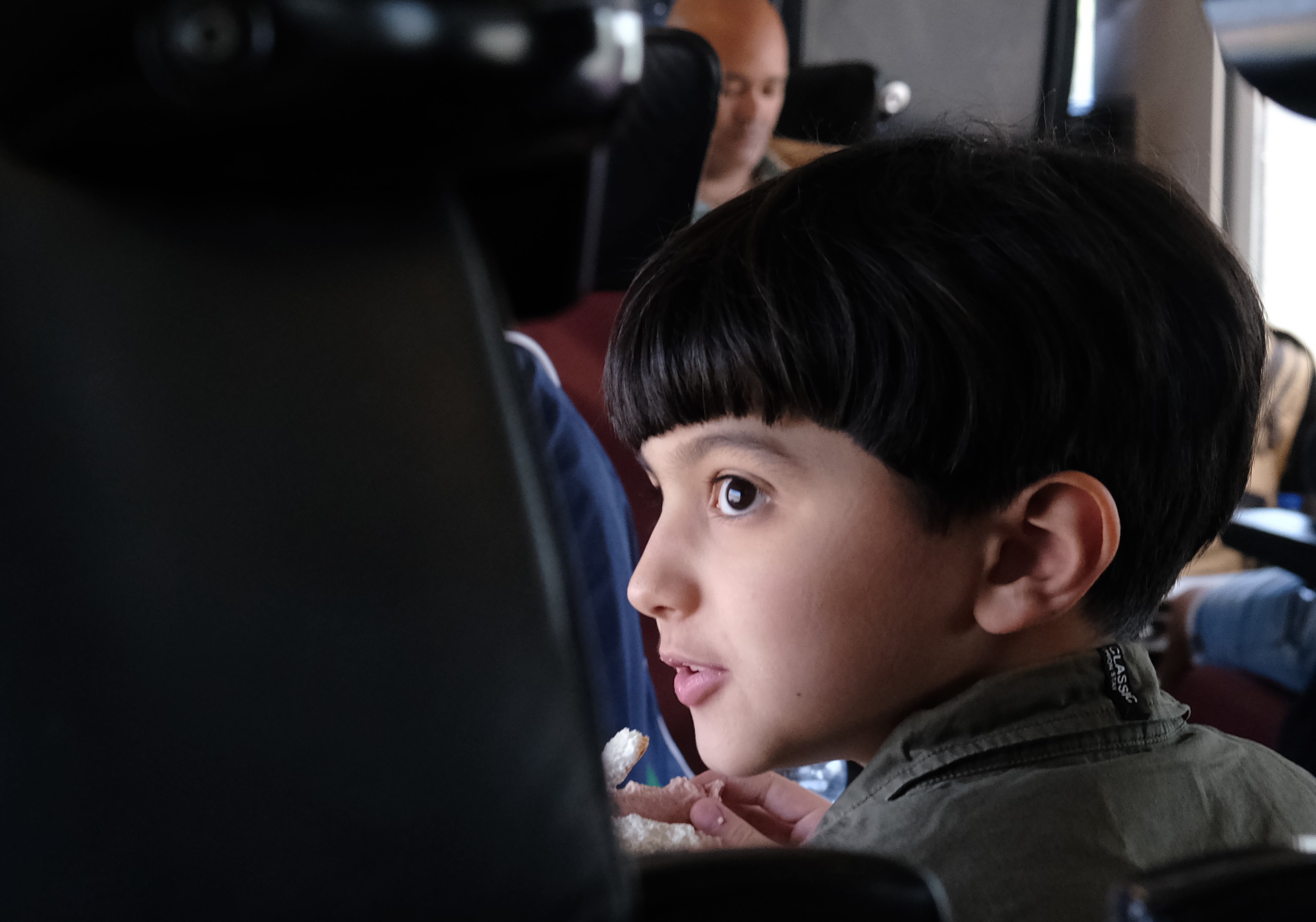
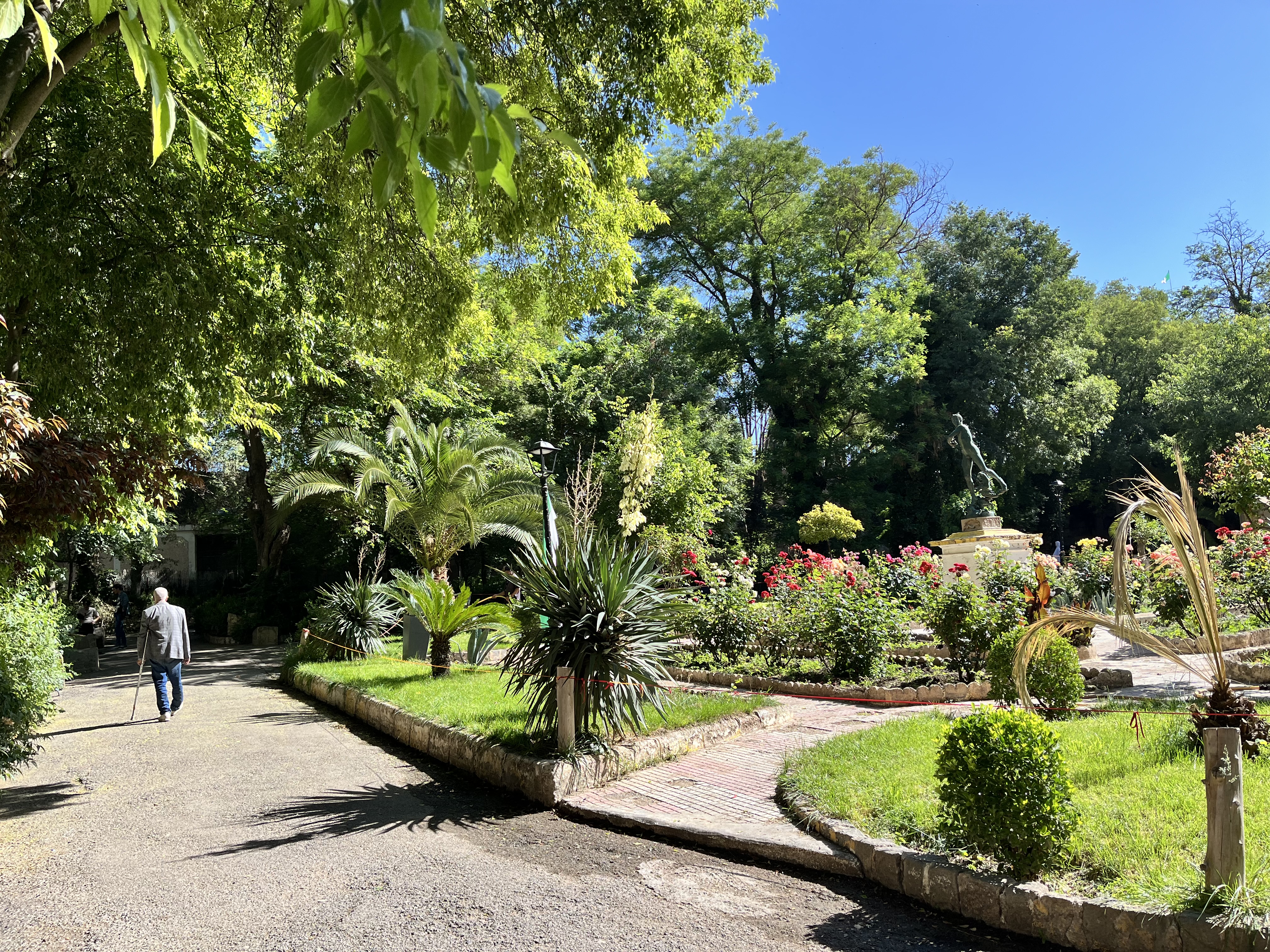
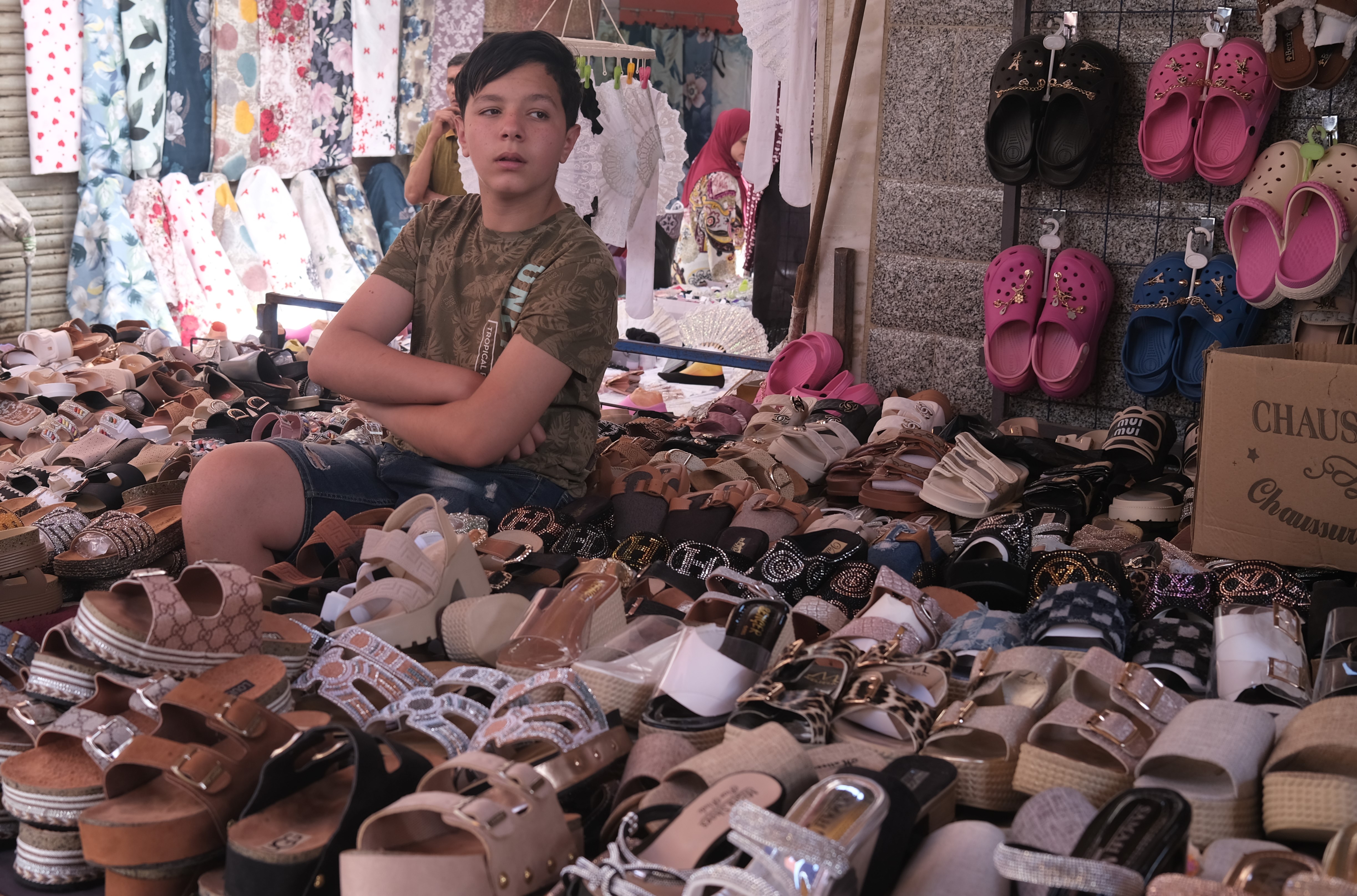
The face that has seen it all: Place des Martyrs, Algiers. Sun-drenched streets still carry the memory of Algeria’s revolution and also its Dark Decade – the 1990s, when civil war between the state and Islamists tore through the nation, claiming over one hundred thousand lives. The trauma is still visible in a generation that learned to survive by keeping quiet.Wildflowers on the last day of May in DjemilaOran, Algeria’s second biggest city, is known for being more easygoing and less conservative maybe because of its Andalusian heritage, port city mentality and the fact that during French colonial rule it had a large European population.The beaming smile of a producer director after a successful show at the Theatre Regional de Constantine – Mohamed Tahar Fergani in the eastern city of ConstantineWe were unexpectedly ushered in and offered free seats to a play performed for a mostly children audience at Constantine’s historic Italian-style opera house – a grand venue built between 1861 and 1883 by French architect Paul Gion.A shopkeeper in Azazga stands outside his shop next to piles of freshly-harvested garlic and onions, still wearing their stalks – a simple, every morning scene in the Kabyle mountains.The press reflects the country’s linguistic diversity. There are over 45 independent Arabic and French publications alongside four government-owned newspapers (two Arabic, two French), and a growing but still limited number in Berber (Tamazight).Constantine’s colorful open-air street bazaarRiding the cable car from Jardin d’Essai to the Maqam Echahid (Martyrs’ Memorial) in AlgiersIn the evening back streets turn into a busy market in OranA glorious sunset at Cap Carbon in Béjaïa casts a golden light over the Mediterranean, turning the sea into a glowing stage, with cliffs and slopes rising around it like an oceanic amphitheater — nature’s drama at its most breathtaking. Setif, an important highland city perched at 1,100 meters has ancient roots stretching back to Roman times. It was here, in 1945 at the end of WWII, that the brutal suppression by the French of a nationalist uprising marked a turning point in the struggle for Algerian independenceShuttered shops and emptier streets after dark in Constantine Due to a misreading of the Airbnb reviews and descriptions, we ended up spending our first night in a flat in Al Harrach – the suburb of Algiers that looked like the kind of place a minor Taliban warlord might call home on the outskirts of Kabul. But the genial proprietor at the nearby fast food joint grilled a decent chicken sandwich and threw in our first bottle of orange Slim on the house. A girl clutching a bag of baguettes on her way home in Algiers Mother and daughter shopping in OranAn unknown delivery man pauses and turns with a smile to say hello – a fleeting moment of warmth on the street of Constantine Fresh delicious dates sold by the box at the row of shops at the entrance to the Kasbah, AlgiersOran has passed through many hands – Arab, Almoravid, Spanish, Ottoman, and French. It remains beautiful – though in a menacing, time-worn way. Like a rich man’s mansion taken over by his servants, who inherited the building but not the wealth to maintain it.An afternoon at a popular cafe in Constantine on a sweltering dayOran is atmospheric, crumbled and I was told, a little unsafe after dark.The Algerian flag fluttering in the wind atop Fort Santa Cruz in Oran. Algeria achieved its independence on 5 July 1962, after 132 years of French rule. Shopping for clothes before Aid al-AdhaAlgiers is famous for its cats – mainly strays many are well-fed and in good healthPicking the right bread in OranSetif is home to a large proportion of young people. Roughly 30% of residents are under 25 years old contributing to the city’s dynamic social and economic life.The Arch of Caracalla at ancient Cuicul – a gateway to Djemila’s Roman past, still standing after nearly two thousand years.Tea-seller in SetifYoung passenger chomping on a sandwich aboard the train from Algiers to Oran.We met this local in a sailor cap who beckoned us into a traditional home in the Kasbah, guiding us up narrow stairs to a rooftop that opened onto a panoramic view of the harbour and Bay of Algiers.Constantine was founded as Cirta by the Phoenicians about 2,000 years before the French came to colonise Algeria. It became a major city under the Numidian Kingdom and later part of the Roman Empire. After being destroyed during civil wars, it was rebuilt and renamed Constantina by Emperor Constantine the Great in 313 AD.Friends having lunch at the Kasbah, Algiers Our wonderful guide at the Palace of Ahmed Bey in Constantine.Prayer time at the Kasbah, AlgiersYoung female footballers in the village of Cheurfa Bahloul near Azazga in the heart of the Kabyle Country.A bakery in OranDefending Tamazight culture in Bouzeguine. The Kabyles have long been the most active proponents of Amazigh (Berber) identity, language, and aspirations for autonomy.Boys lead their sheep through the streets in Algiers- just days before Aid al-Adha, the feast of sacrifice.Sidi El Houari is Oran’s historic core steeped in layers of Spanish, Ottoman, and French history.Setif Young migrants begging in the streets of Constantine – reminders that beneath the arches and boulevards, this is Africa.Algiers is nicknamed Alger la Blanche or Algiers the White for its dazzling white buildings set against the Mediterranean that are more French than Arab or North African.A small park in Setif Apprentice stall-keeper, Constantine
All photographs and texts copyright reserved (c) Kerk Boon Leng July 2025















 Kerk Boon Leng Photographs & Notes