Queen of the Arabian Sea: According to local history, Cochin grew into a trading centre after the so-called great flood of Periyar wiped out without a trace the legendary Malabar port of Muziris in 1341. Before the arrival of the Europeans, Cochin was already a regular port of call for Arab, Greek, Jewish, Chinese and other great ancient traders who sailed into its harbour and channels to purchase pepper and other aromatic spices from India .
Old Portuguese churches, clean tidy streets, and women in floral dresses. These are few of my favourite things that imbue Fort Kochi, Cochin’s historic heart, with an almost monasterial vibe and weirdly out-of-era nostalgia. By faith, temperament and looks, Cochin is more evocative of the Caribbean than Indian. Many older travelers like me yearn for places like Cochin. But after many trips missing, not finding, and unaware, we serendipitously discover them either by discernment or chance.
Not even the fanciest Instagram post nor the finest blog can fully describe Cochin. It seems true that it is part place and fully feeling. Which somewhat explains why I have only scant memory of my first visit about ten years ago, dropping by for one or two days before leaving for business to Hyderabad. I can only remember the sweaty heat, spices stored in historic houses and flashing sunset scenes of Chinese fishing nets along the lagoons on my way to the airport, with a taxi driver who enthused over the daily digestive benefits of consuming pineapple.
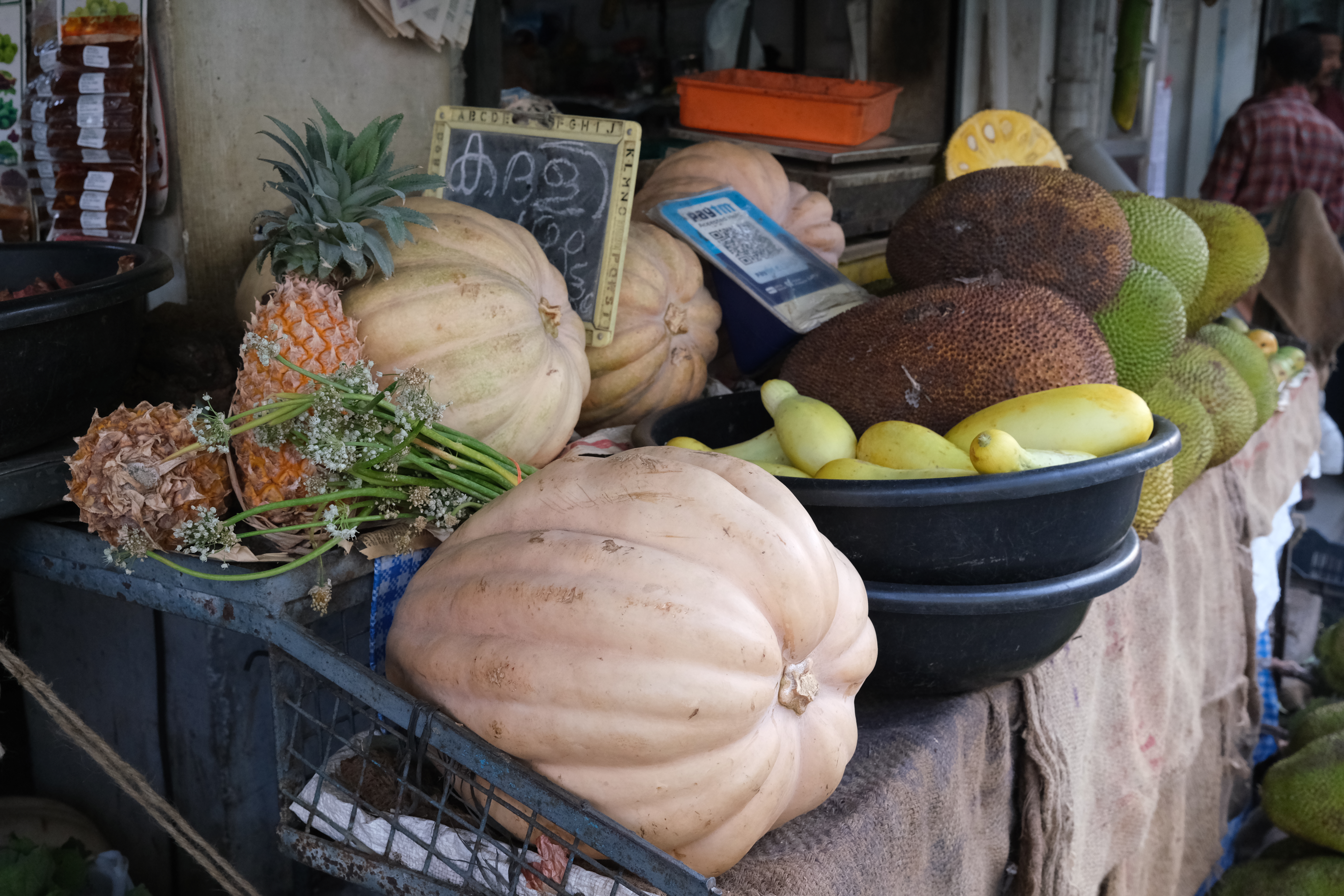
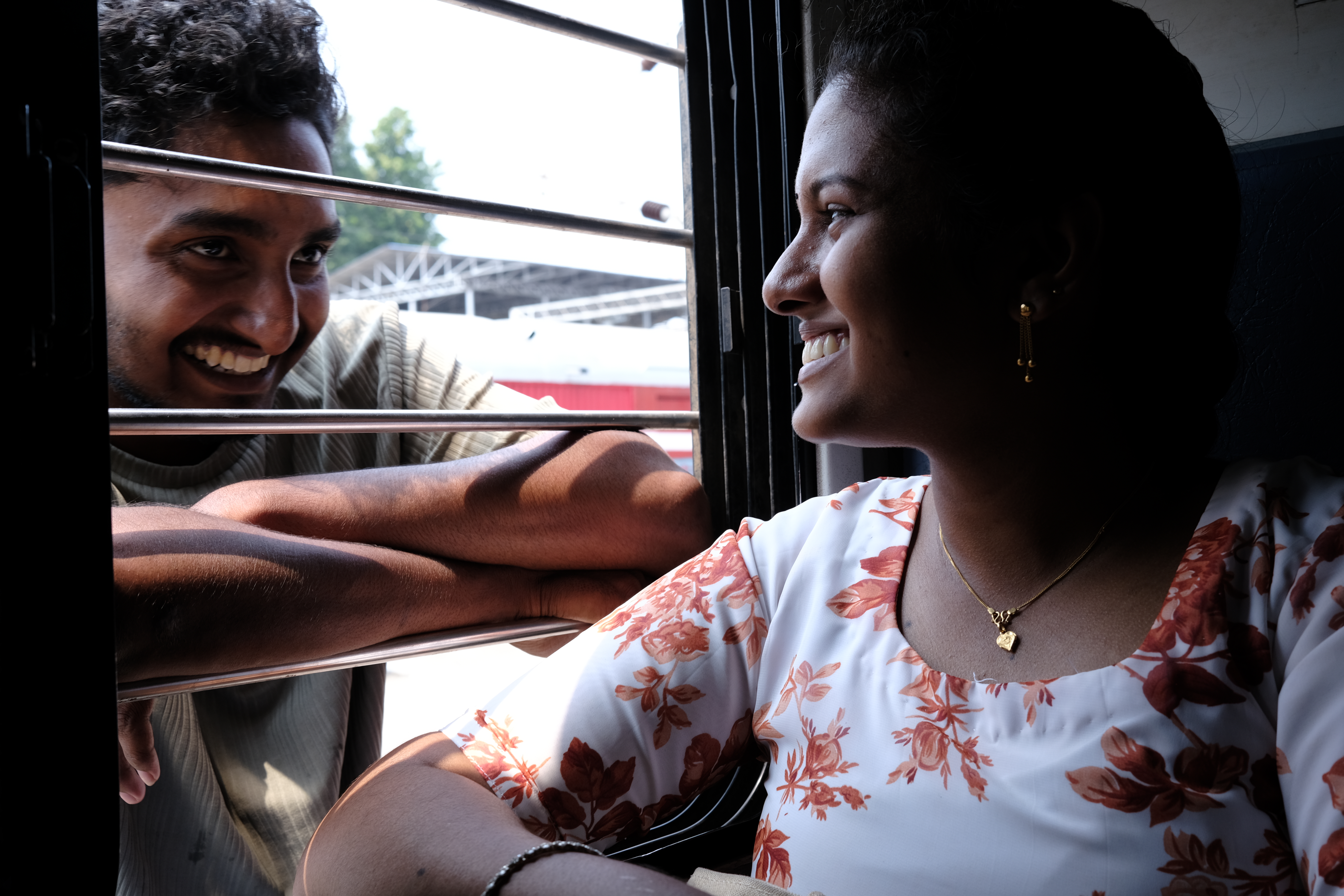
Cochin Lite: India at its cleanest, most civic-conscious and civilised.A shop showcasing its prime Kerala produce of pineapple, pumpkin, jackfruit and the popular mango – a fruit that is grown in the front garden of nearly every home in Cochin. Unripe mango cooked in fish curry is a house specialty on many Cochin menus.Smiling sweethearts at the train stationKerala bananas sold by bunch or 5 rupees per piece wrapped in newspaper and tied with thin jute strings.
Diverting from my original plan of a modest loop around Malabar I end up spending my whole trip just in Cochin with a side train trip to Thrissur. For almost a week I allow myself to linger languidly in Fort Kochi and Mattancherry, taking in Kerala’s top sights and it’s five hundred years maritime history of enticing Europeans to Asia, starting with Vasco da Gama who landed on a beach north of here in Calicut on 20 May 1498.
To get beneath the harbour-city’s Malayali sheen and savour her true spirit, I learn quickly to slow down my steps, my food and my thoughts.
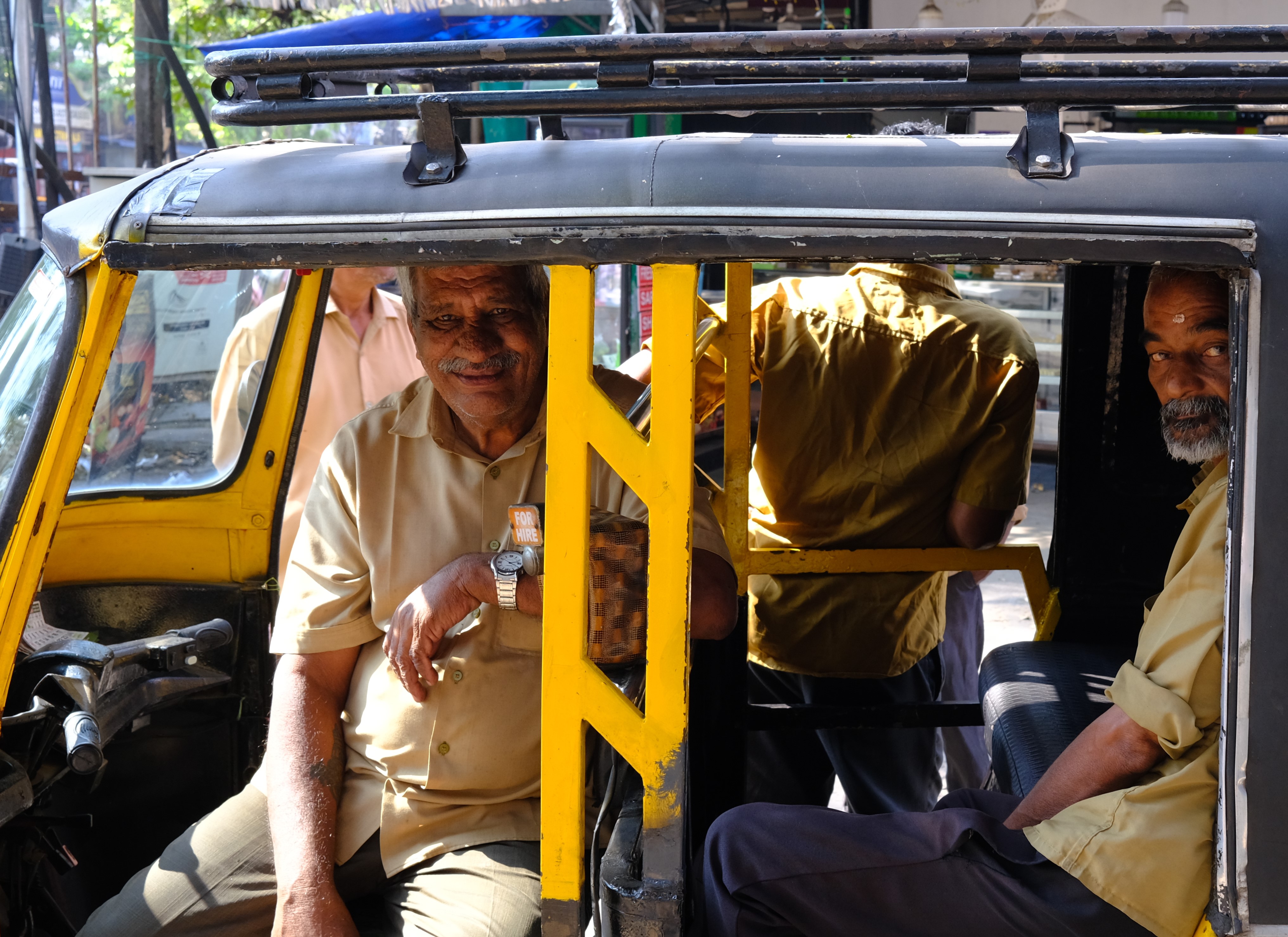
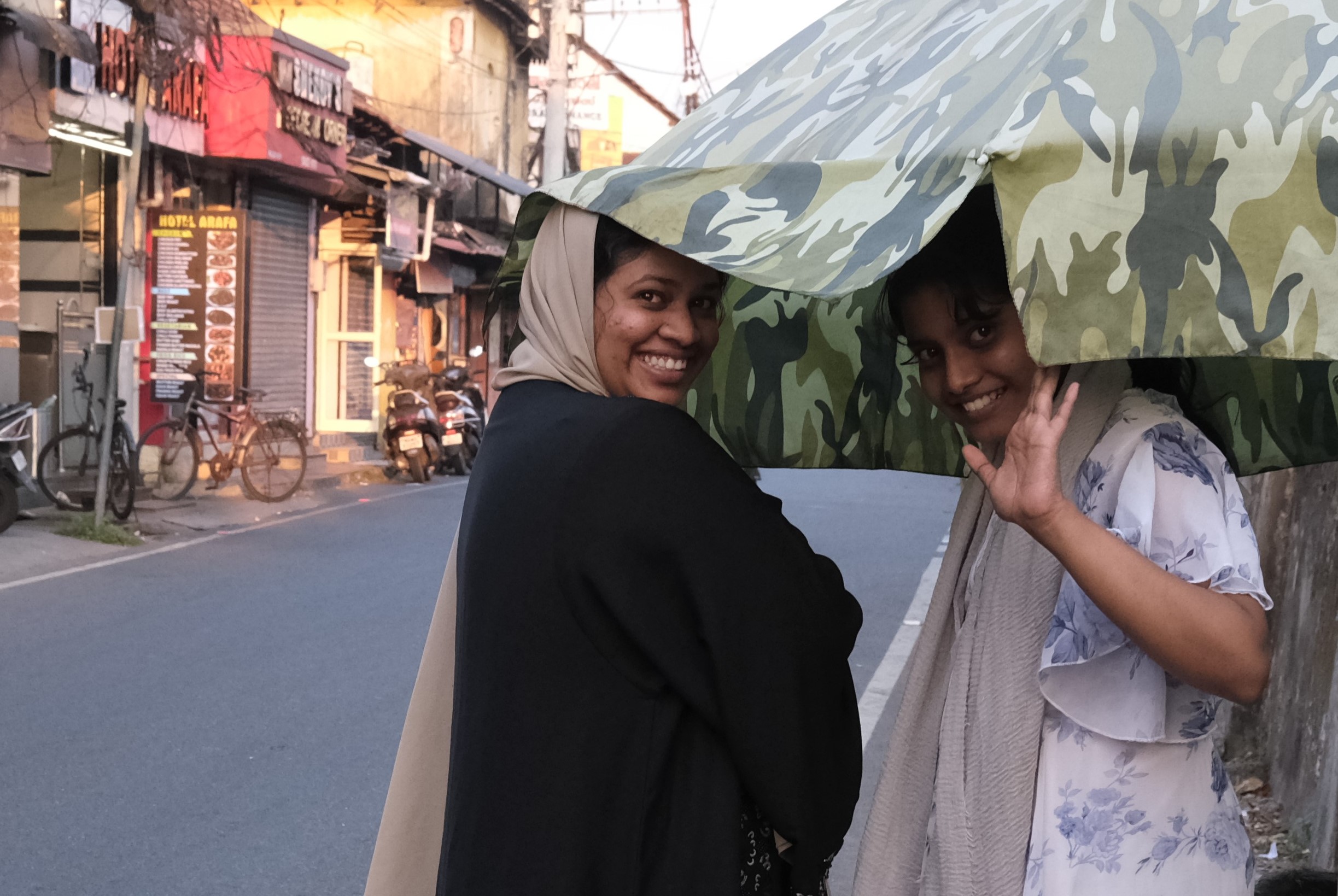
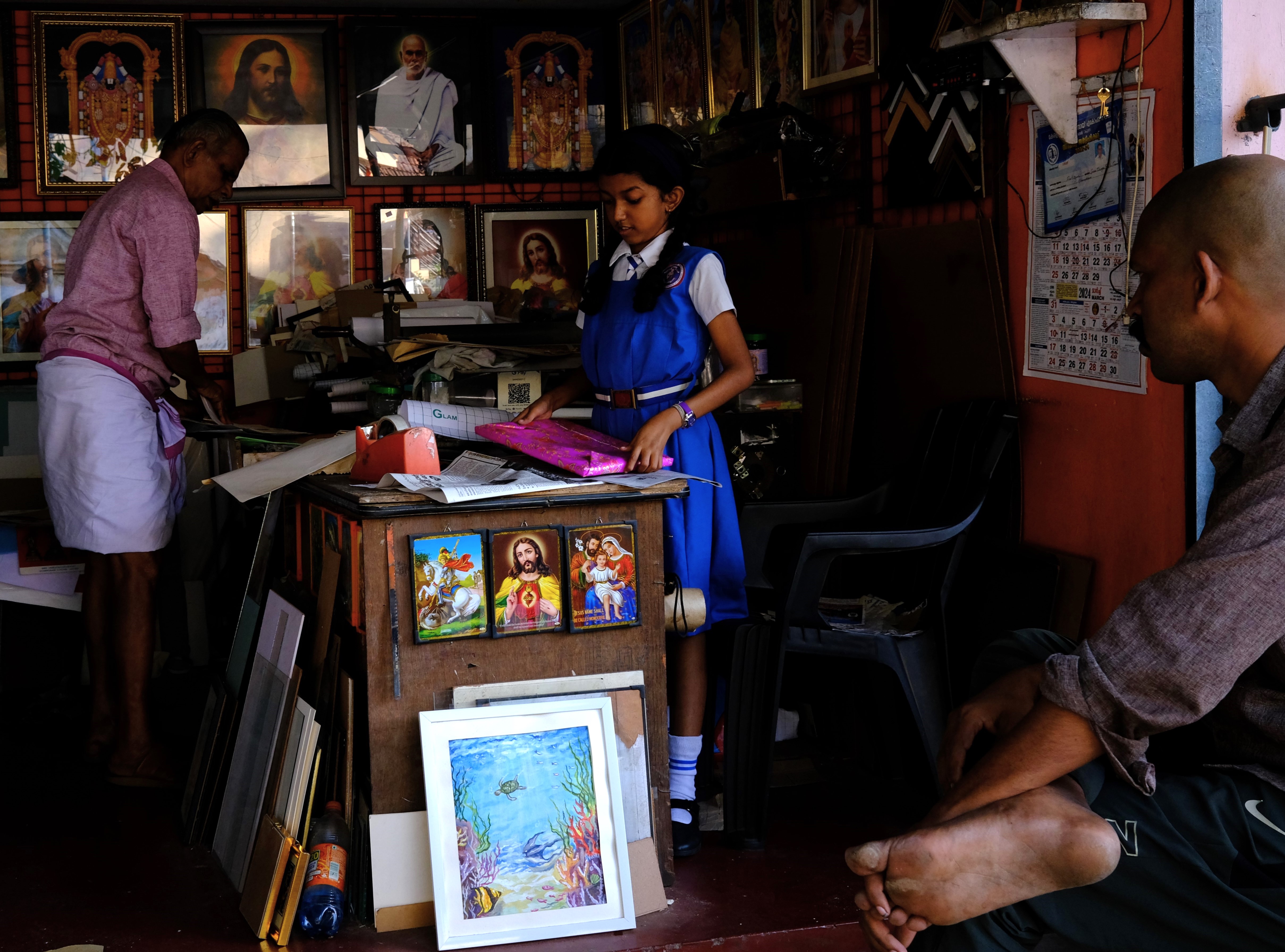
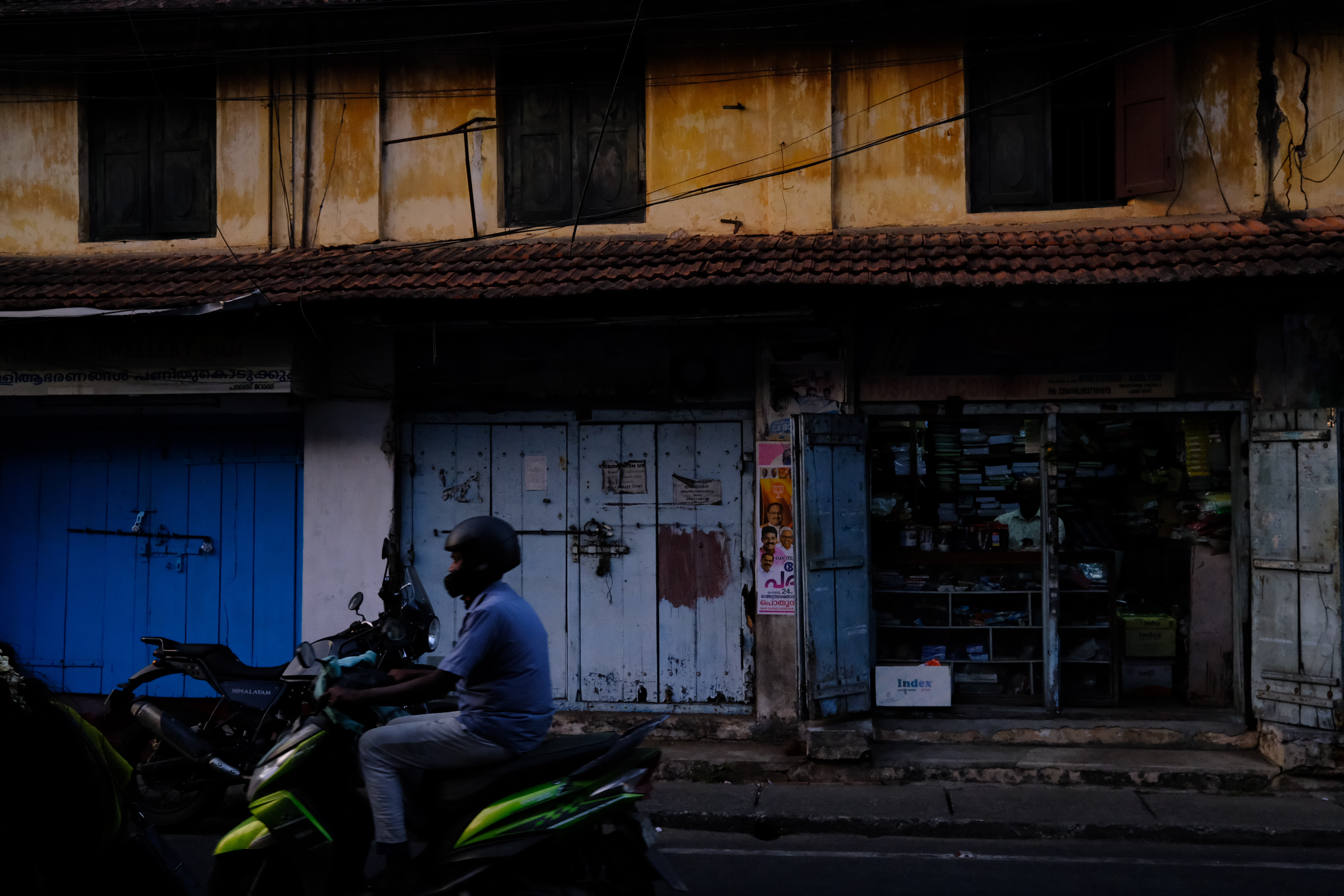
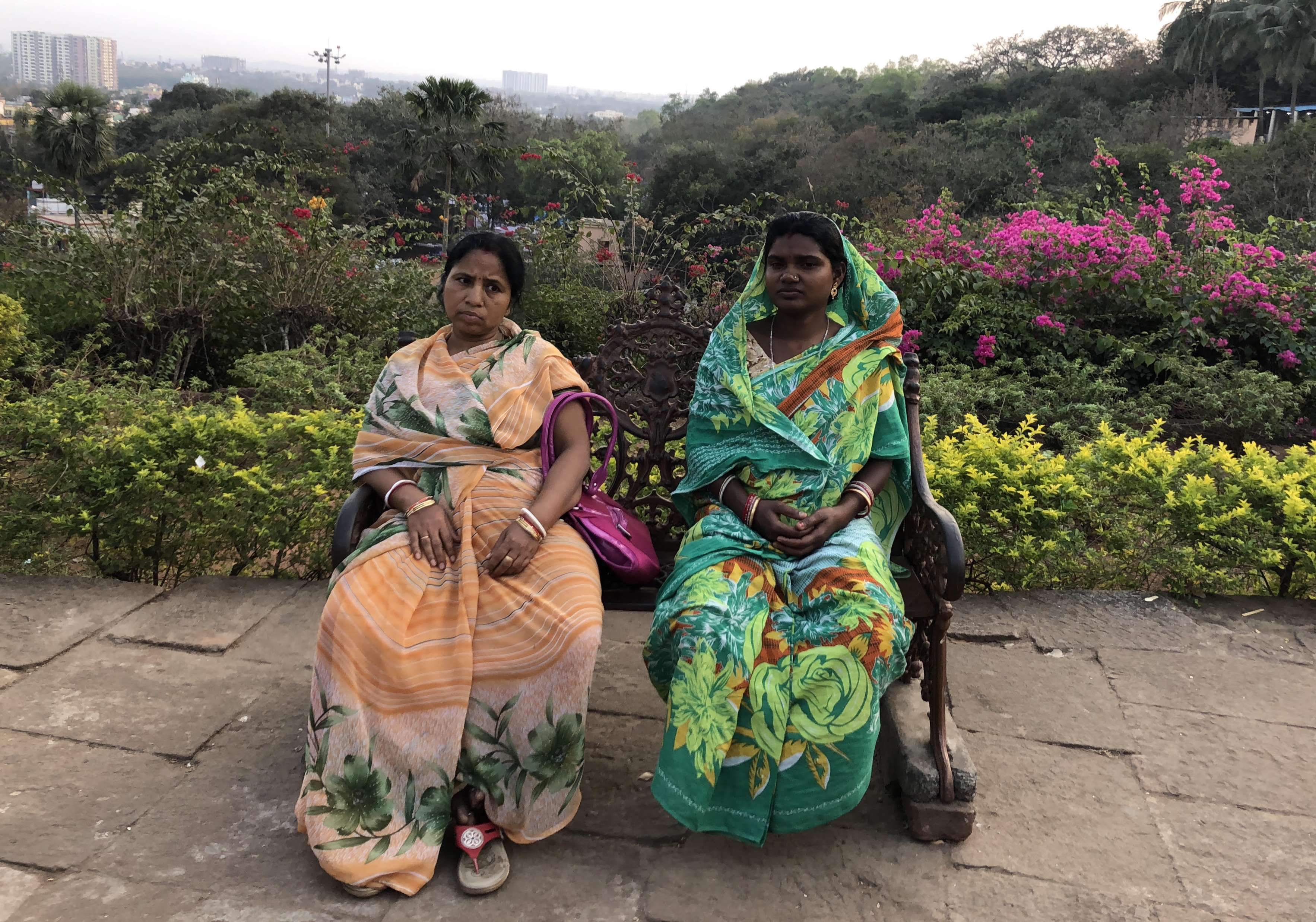
Discussion with a school friend over the gate.A Kerala-wide strike happens on my third day in Kochi obliging businesses to pull down their shutters leaving travelers like me with nothing to eat except fruits, biscuits and fried snacks. Thankfully, a kind woman coconut seller serves me at the roadside a breakfast of idli and chickpea curry that she prepared for her family.Garland makers on Palace RoadA wall portrait art of Pinarayi Vijayan, the Communist Chief Minister of Kerala, who mysteriously resembles a former Malaysia Prime Minister.Cochin’s three-wheeled chauffeurs in smart khaki shirts.Fresh catch of the sea are sold by daily vendors on bicyclesmoving from door to door along the tree shaded lanes of Fort KochiReflections on the afternoon ferry to ErnakulamPupils from a school across the road play outside the Indo-Portuguese Museum during their recessChurch of Our Lady of Life near Jew Town in Mattancherry. Built in the second half of the sixteenth century in the Portuguese Style, it is one of the oldest churches in Cochin. In 1622 in an act of religious defiance a congregation of St Thomas Syrian Christians gathered in front of the church to resist the Portuguese colonial authorities move to latinise their rites and liturgy. A lucky seated passenger in the crowded unreservedcoach on the train bound for North Kerala.Disembarking from the 6 rupee government-run ferry at Ernakulam TerminalFort Kochi, the historic heart of Cochin, is home to an unrivalled assemblage of European colonial buildings and low rise homesconnected by pedestrian and bicycle lanes. Kerala means land of the coconuts in the local Malayalam language.Maria’s kitchen helperDog days in Fort KochiWaves and warm smiles every few meters in CochinCochin’s architecture is an empire mix of the elements of Portugal, Holland, England and native India.Spices and ayurvedaThe majority population of Cochin are Christians followed by Hindus and Muslims.Peeling shop fronts near the ferry jettyGrandpa George with his pride and joyForeign tourists especially Europeans and noticeably the French flock to Cochin and Kerala in huge numbers from November to February when the weather is at its most pleasant and least hot.The pull of Malaya in MalabarMaking-upAnd after
Photographs and text copyright Kerk Boon Leng February 2024. All Rights Reserved
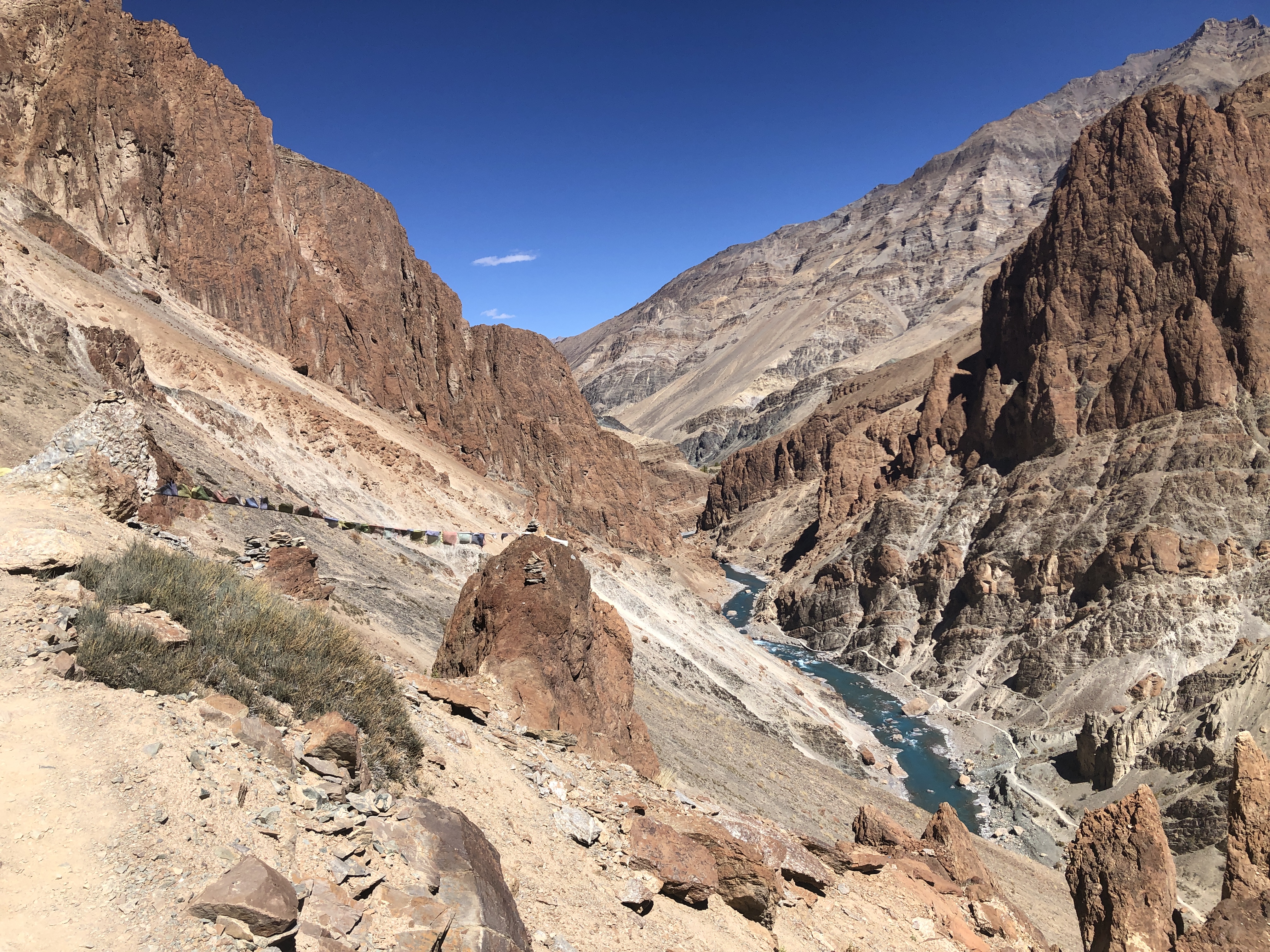
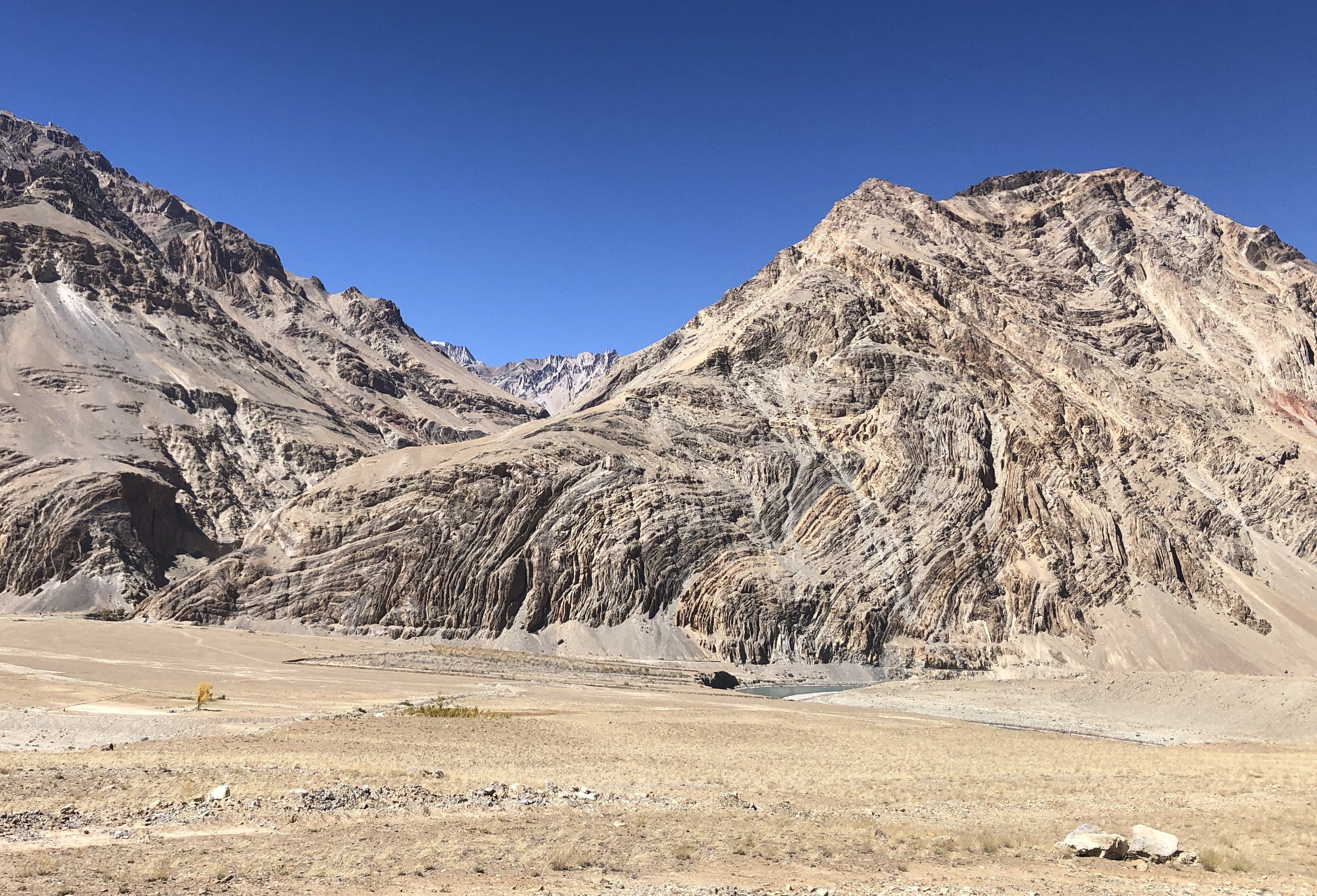
Zanskar is frigid, forbidding and faraway. A place with a geographical character of its own. A land of bizarre mountains, treeless valleys and rocky plains zig zagged by narrow blue rivers where, even in the milder parts, the growing season is only from end of April to the second half of September.
Autumn is a season of calm and uncomplicated beauty in Kashmir. Something out of a children’s tale. We spent only 24 hours in Srinagar, on a houseboat, enchanted by the goldening leaves of the chinar trees, ducks waddling in single files, coots and moorhens pecking on the water hyacinth, eagles spreading their wide wings soaring through the evening sky, and especially when night fell, the mid autumn festival’s full moon reflecting on Dal Lake from a shikara.
But there was no time to linger. It was the last day of September. We must leave for Zanskar or Ladakh before the winter snow closes the mountain roads in one to two weeks time.
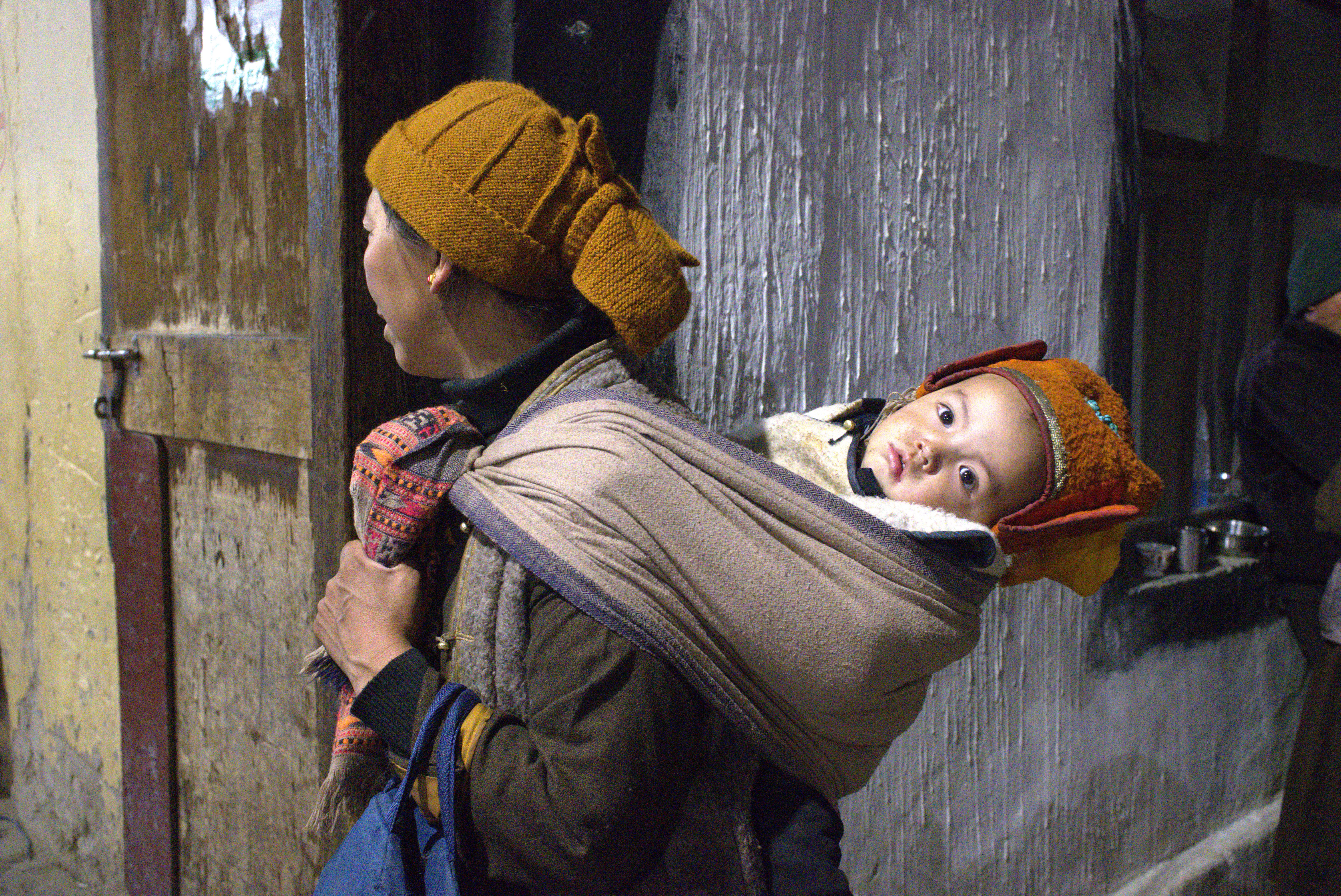
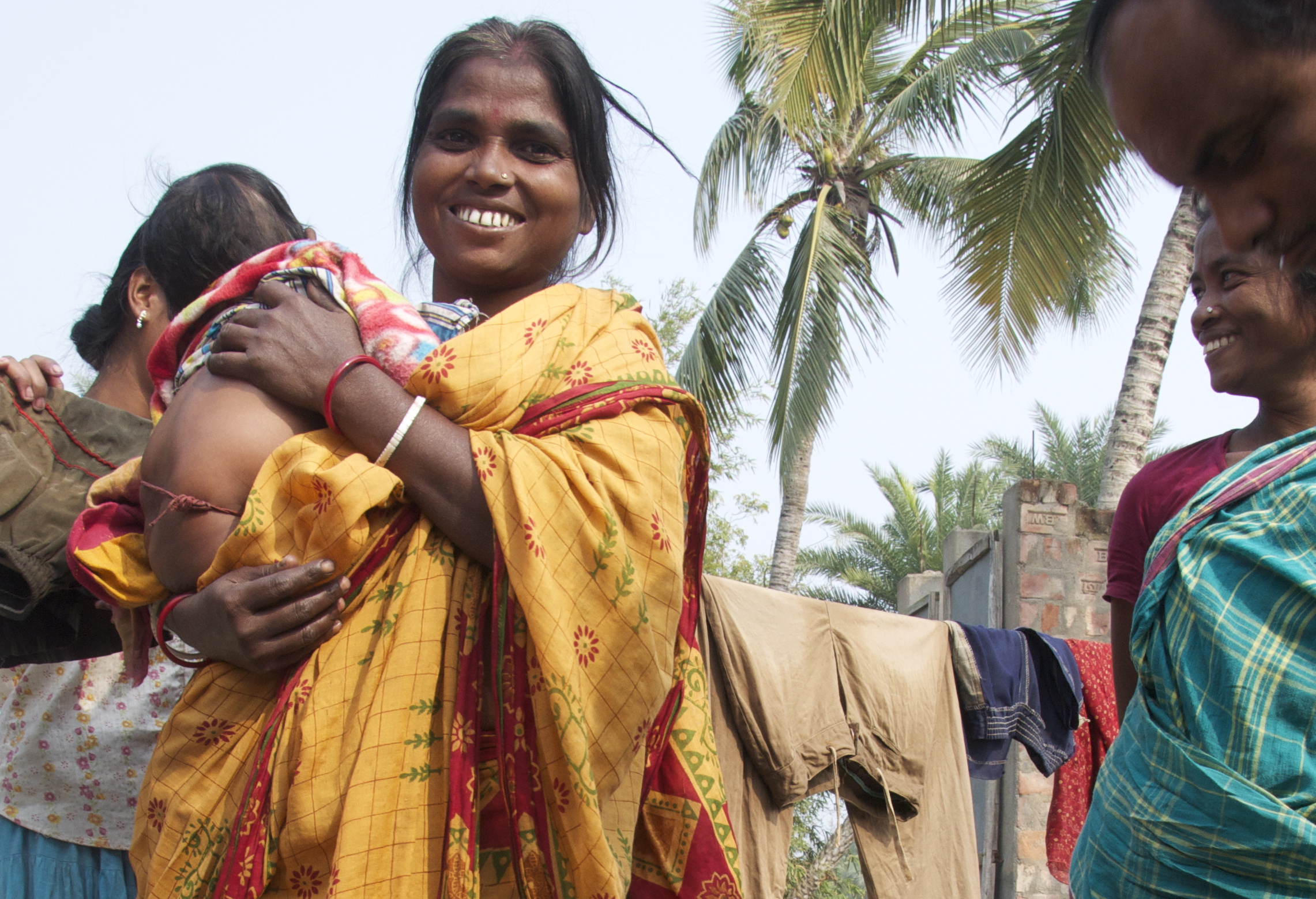
A celestial first sight from the car windscreen of the great Drang-drung Glacier below the Pensi-la. Karsha, visible for miles and probably the biggest gompa in Zanskar, is situated on a mountainside high above the central plain. The abbot and monks were making their way down to the village for prayers as we arrived.Young mother and her baby in a sling, Sani village
In the morning I gave Firdaus, the houseboat owner, a quick excuse to cancel the car he said he had arranged for us to Leh. I had found a driver who called me on whatsapp to offer his “new” car – a four wheeler to take us to Padum, the nub of Zanskar valley for 34,000 rupees, stopping a day in Kargil to acclimatise.
Politically, Zanskar is governed from Kargil, one of two halves of Ladakh after that region was separated from Jammu and Kashmir on 31 October 2019 to become a Union Territory under direct rule from Delhi. Put another way, Zanskar is a predominantly Buddhist district of a Muslim county inside a Buddhist province that was previously part of a majority Muslim state but now answers directly to a Hindu majority secular republic.
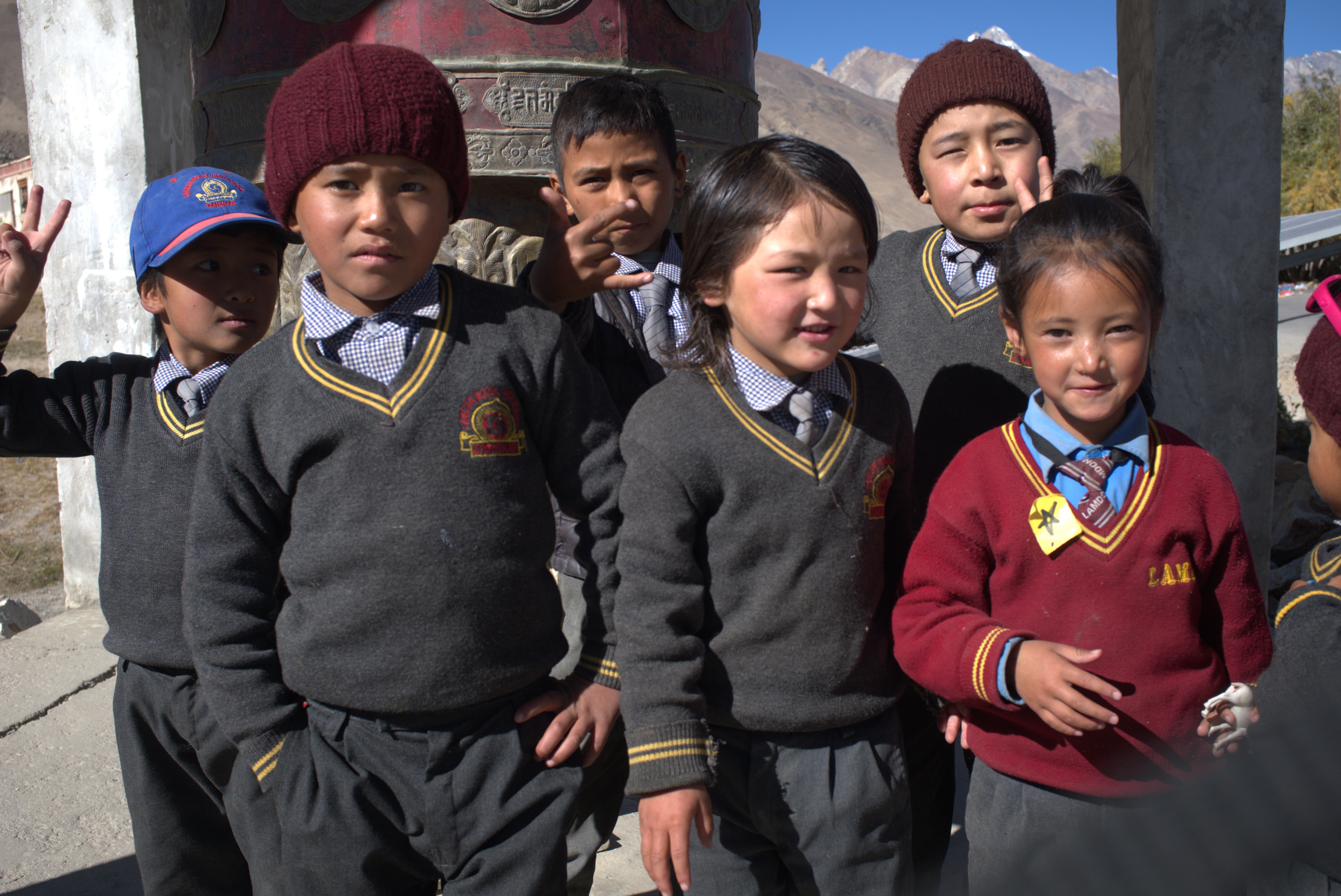
Rocks and stone wall fragments around the Zangla Palace summit site School kids at a road junction prayer wheel shrine in Padum. The Nunnery in Zangla
Ever since the modern road through the Pensi La pass completed in 1980, Zanskar had been on the travel list of those in search of ethereal landscapes and heart-stopping terrain. As far as Himalayan journey goes, Zanskar is the real deal. Covering an area a bit bigger than the US state of Delaware but slightly smaller than Selangor in Malaysia, the Zanskar Valley lies between the Great Himalaya Range and the Zanskar Mountains at an altitude of between 3,500 meters to 7,000 meters. Protected by high mountains and deep snow, this remote region had been a fortress of Tibetan culture and a sacred millenium hideaway for monks, manuscripts and mysticism. Books, online stories and youtube videos have helped paint a vivid picture of a place that was as tantric as it was tantalising.
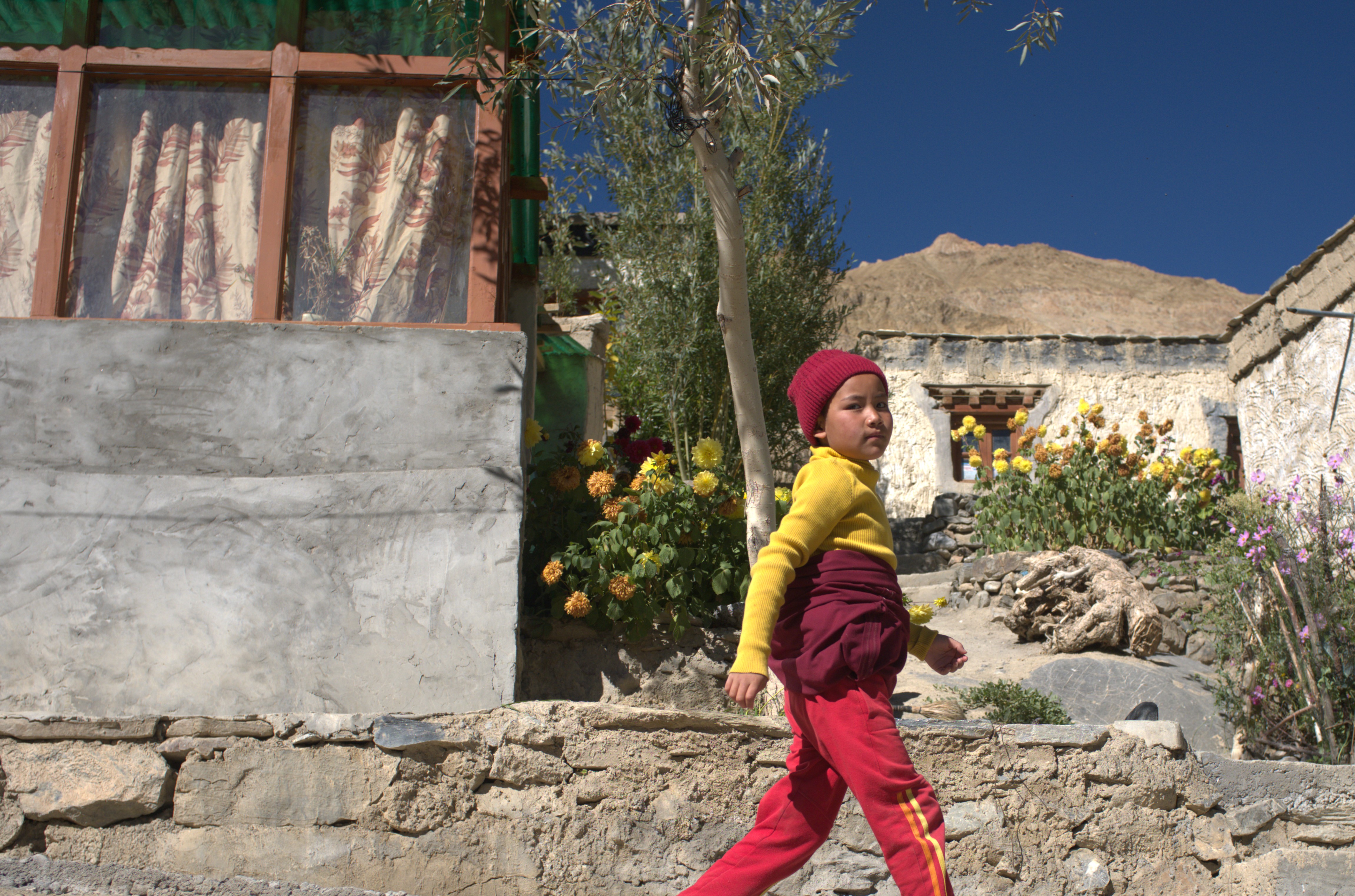
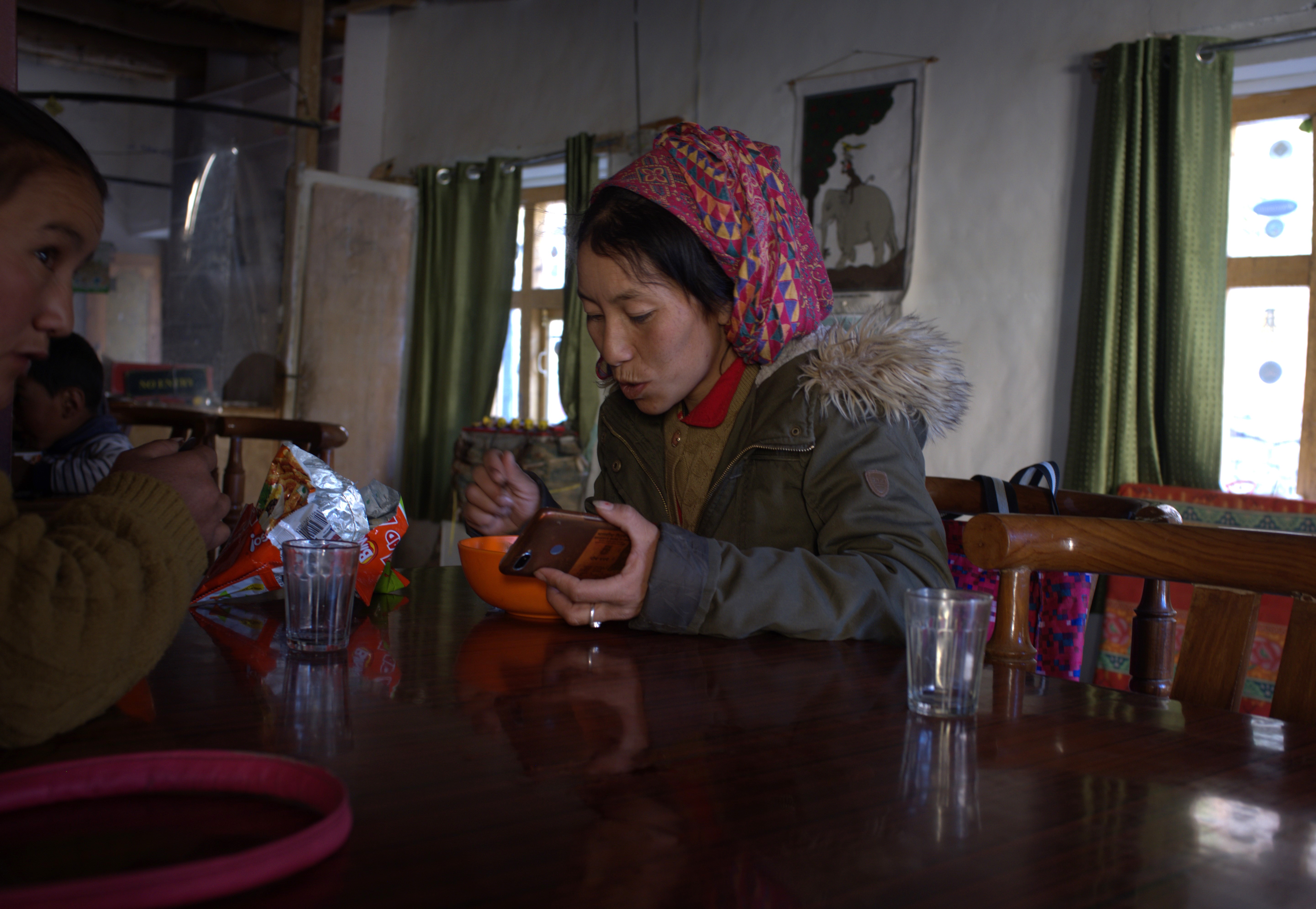
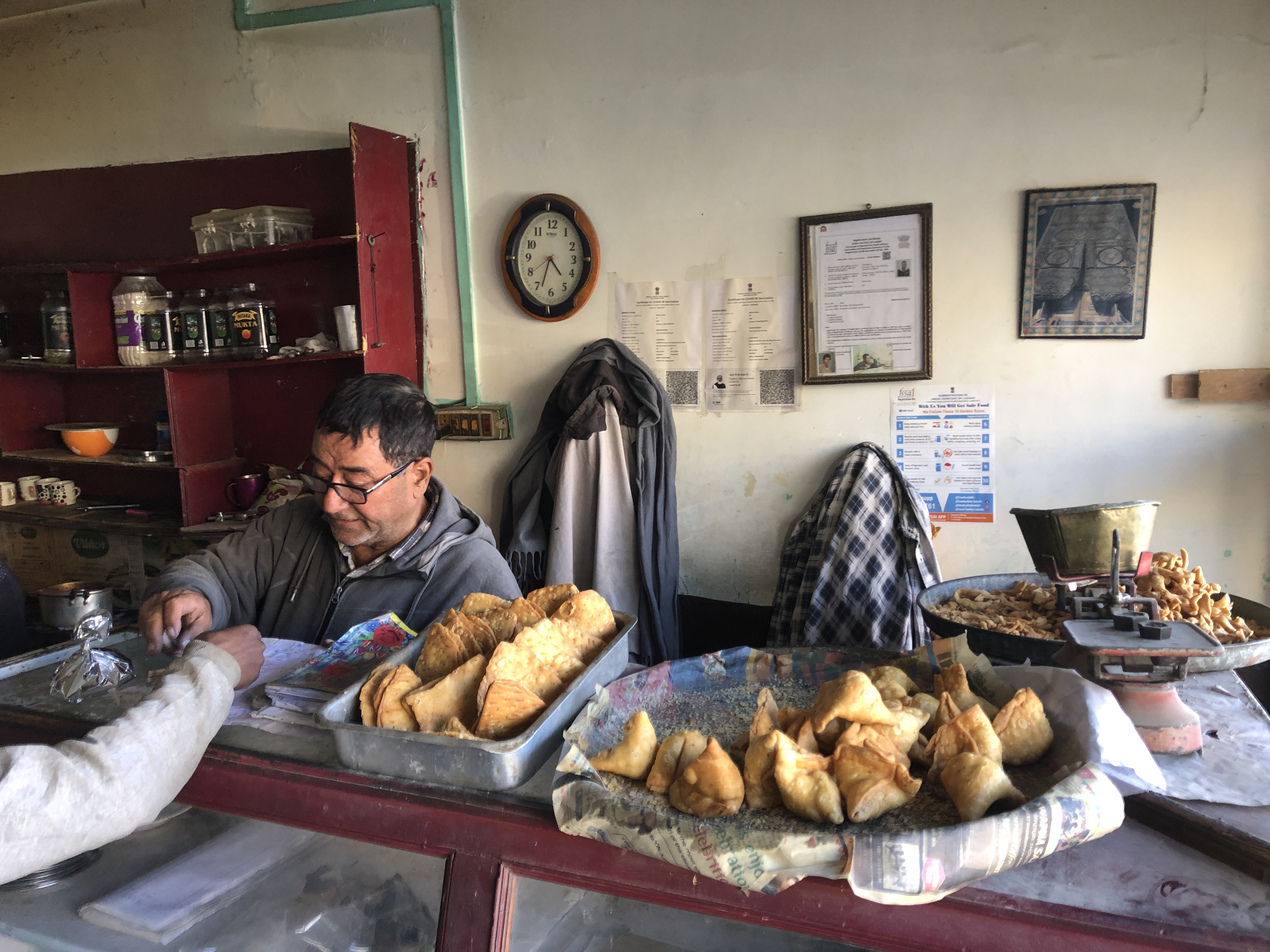
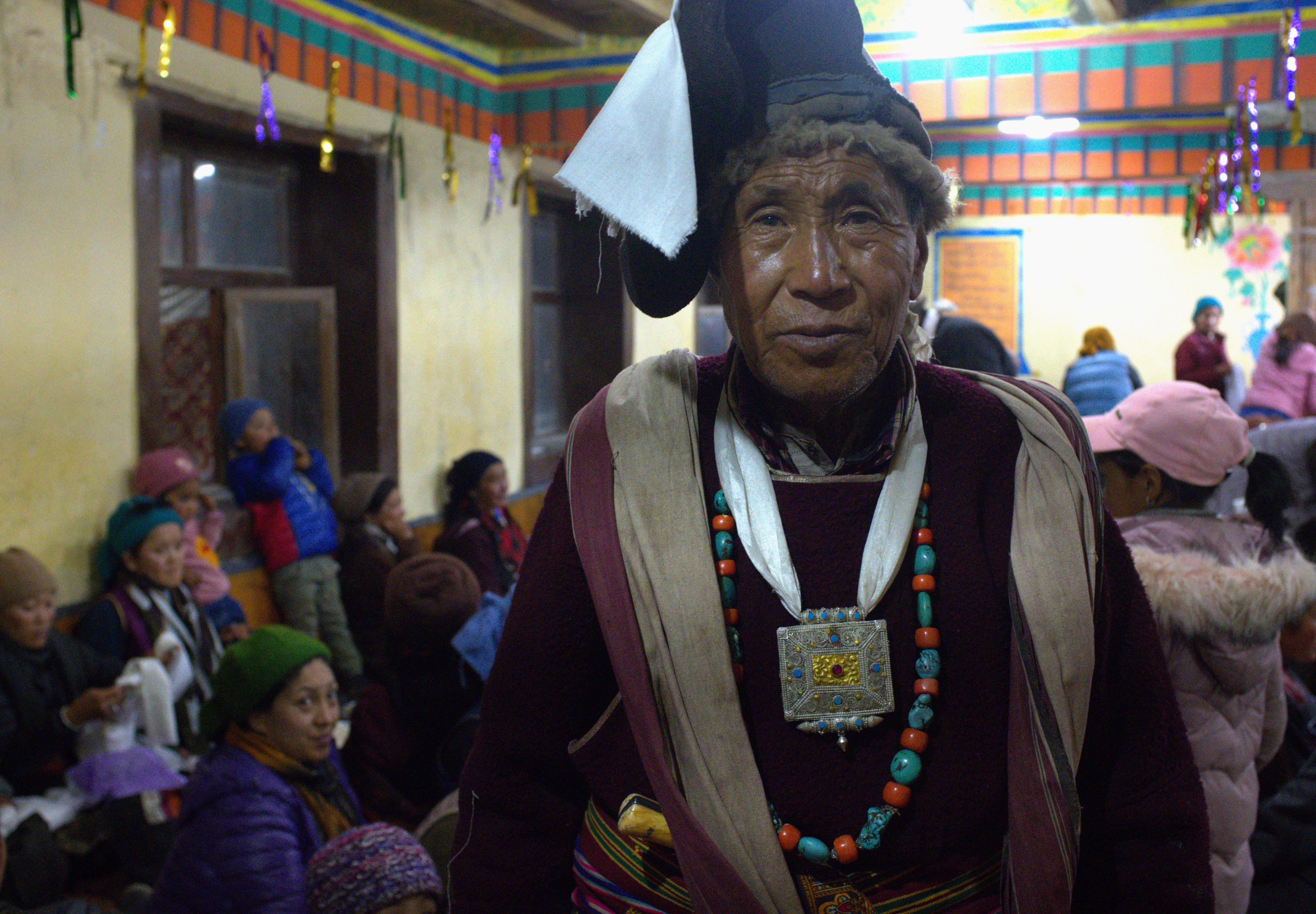
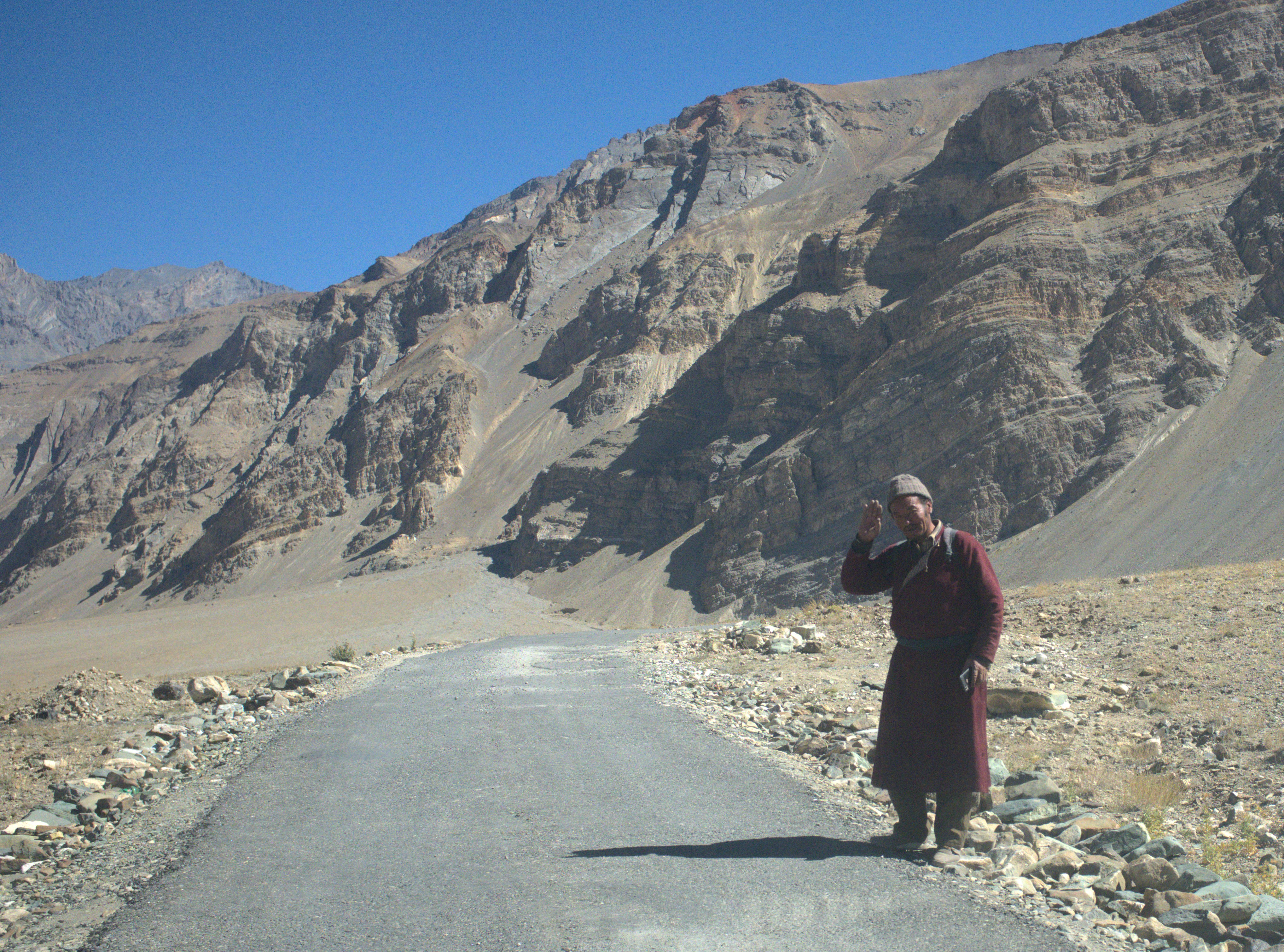
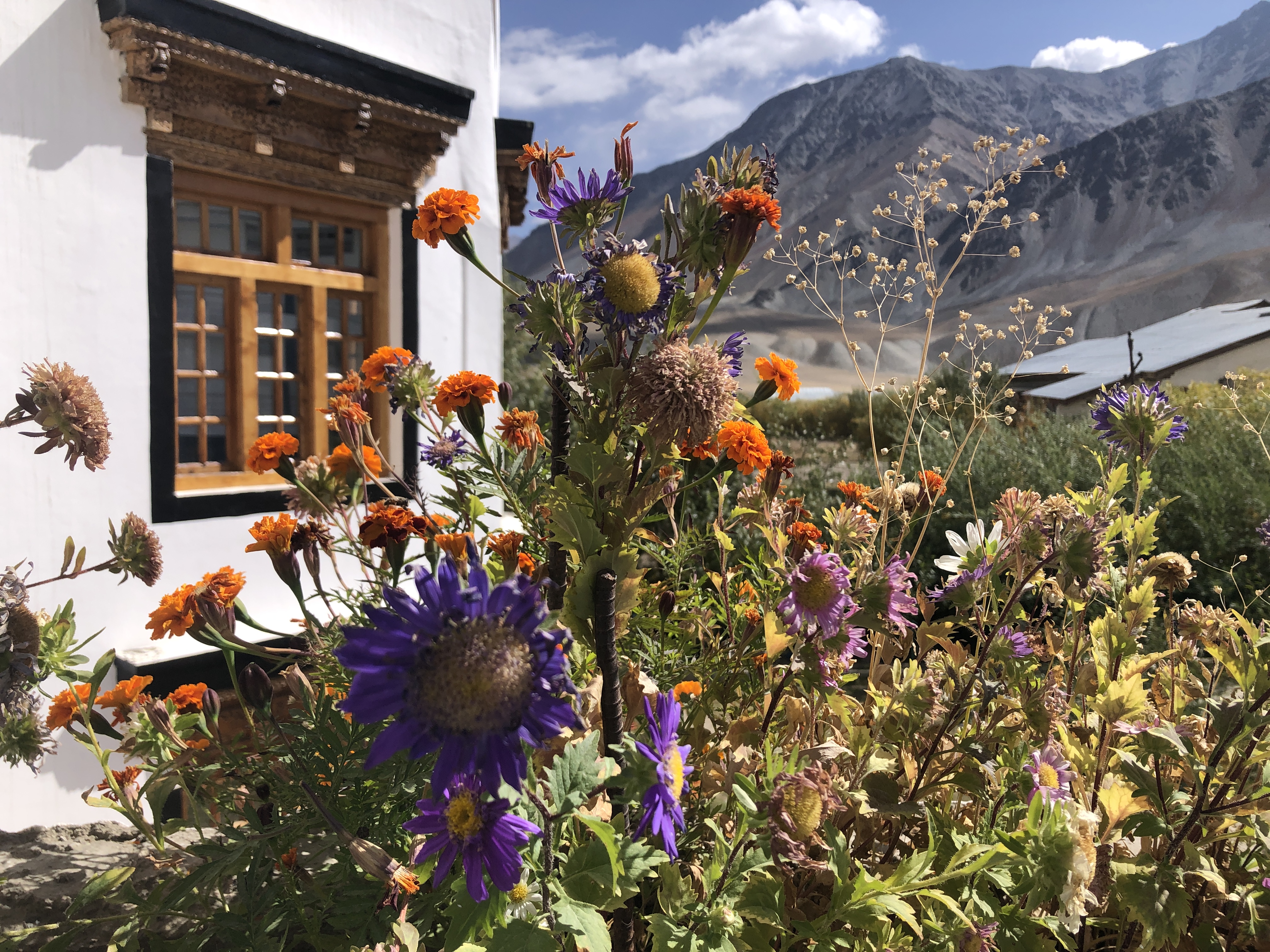
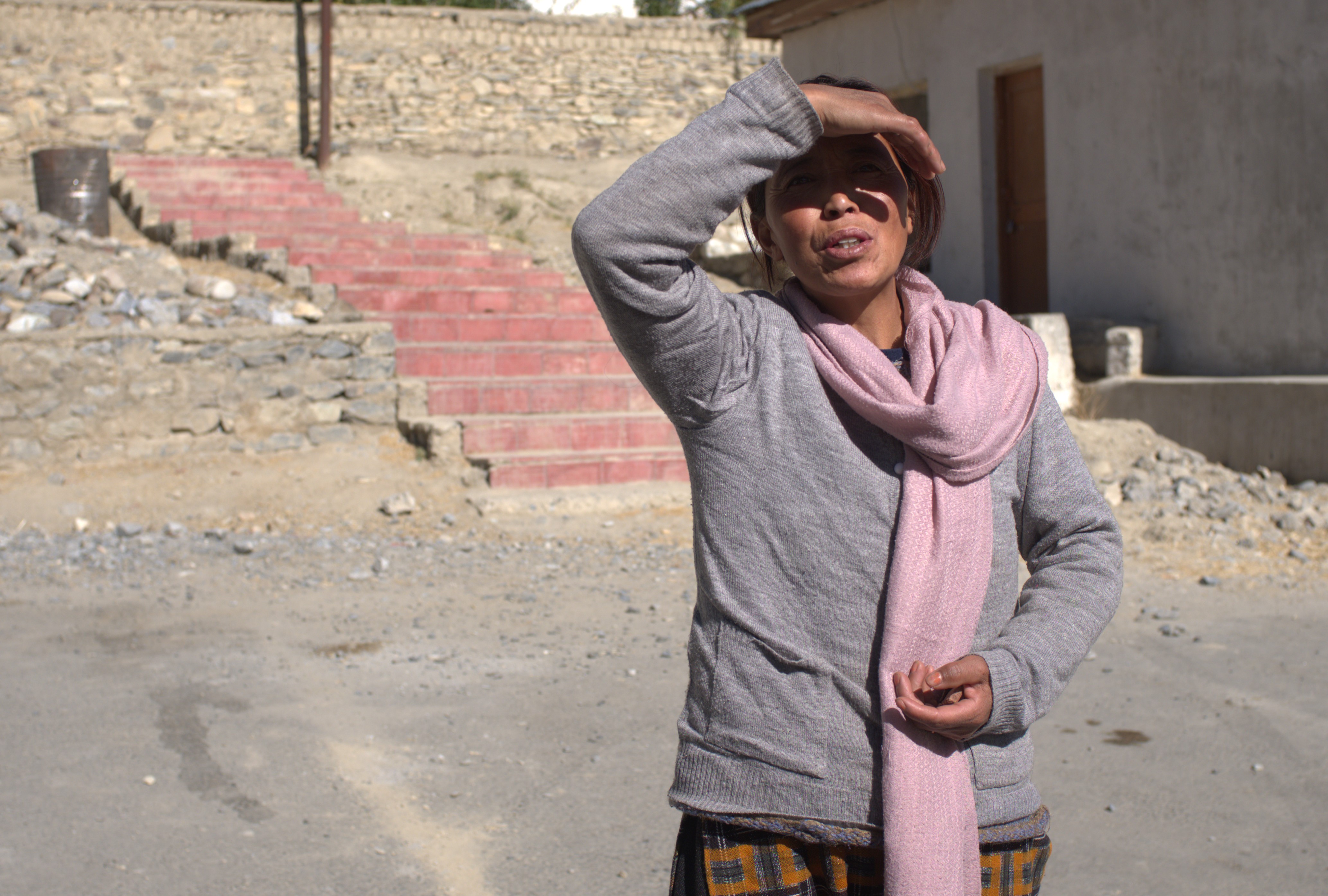
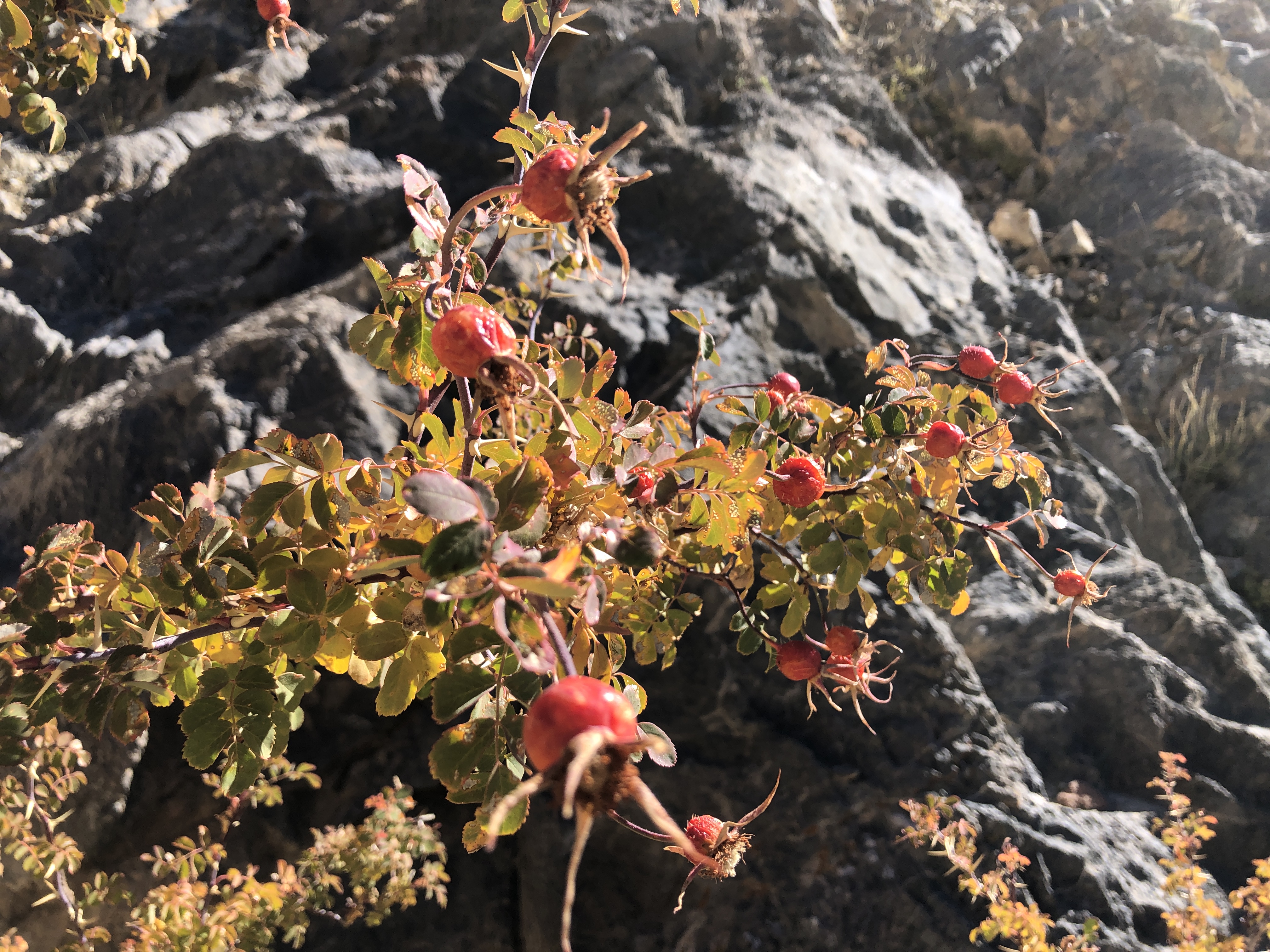
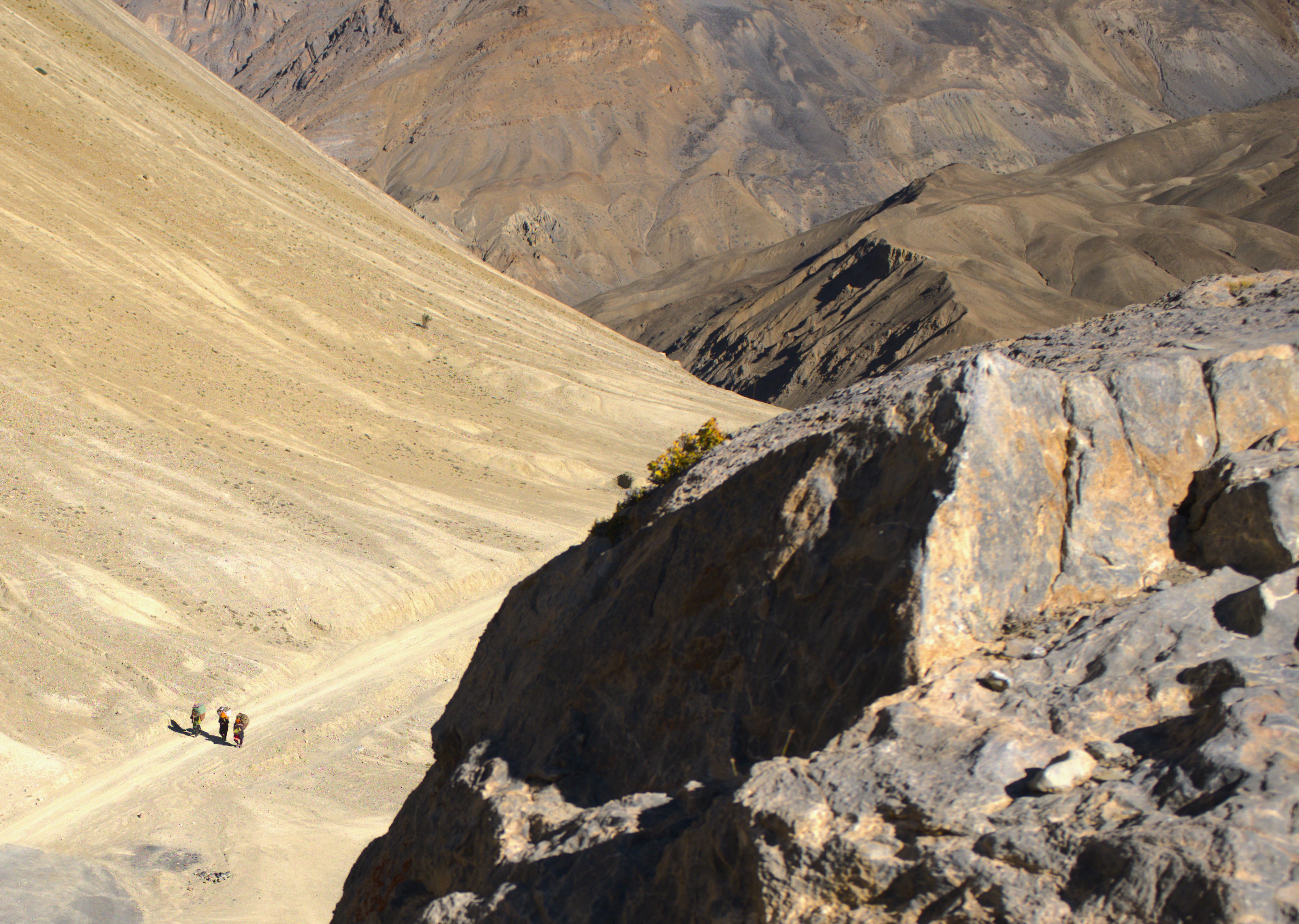
Pilgrims and visitors snack on maggi noodles in the cafe at the bottom of Phugtal GompaYoung guest at a wedding, Pipiting villageZanskar means white copper in the local Tibetan language.The culture of Zanskar is an interesting mixture of Tibetan and Non-Tibetan elements. Zanskar is the western extension of the great Tibetan plateau. The people are mainly of Tibetan stock with some amount of Central Asian and Indo-Aryan genes.Colourful prayer flags fluttering in the wind on the abandoned hilltop ruin of Zangla Palace. A hundred years ago the Hungarian philologist Sándor Körösi Csoma stayed here from 1823-24 where he studied Tibetan, compiled a dictionary and slept on sheepskins in a 9ft by 9ft room in the old palace.Afternoon samosa and chai in a Padum teashopVillage elder at a wedding in Pibiting The Tsarap river (a tributary of the Lungnak) flowing through the gorge as seen from the high level trek to the Phugtal Gompa.The cook and caretaker of the Gompa, Phugtal Road to Stongde Monastery. Zanskar is dotted with gompa (secluded monasteries) and chörten (roadside shrines) and is known across Ladakh as the Land of Religion.A shy guest outside the window of the wedding hall, PibitingLate season flowers at Omasila Hotel located just a road turn from Padum Despite its secludedness and harsh environment, Zanskar wears an air of wholesome self-reliance and modest sufficiency.Blazing fall colours, Stongde MonasteryA delicious free lunch of simple nutritious rice, beans and tomatoes at the community meal room of Zangla NunneryThe main street and market in Padum, the capital of ZanskarAsking for direction from a helpful villager in Zangla. Zanskari is mutually intelligible with Ladakhi, both belonging to the Balti-Ladakhi subgroup of Tibetan. Most Zanskari can also speak and understand Tibetan, Hindi and Urdu.Himalayan flowers sunning on the rocks. A surrealist landform sculptured by wind, snow and iceThree women carrying loads on their back walking back to their village near Zangla. With 20,000 people inhabiting 7,000 square km of land (much of it is uninhabitable), Zanskar is one of the least populated places in India with one person to an area the size of sixty soccer fields. Zanskar is the domain of ibex, wolves, markhor, sheep, goats and the elusive snow leopardDzongkhul Gompa, a monastery of the Drugpa Order of Tibetan Buddhism, is situated in the Stod Valley near a side valley that leads to the Omasi-la, an important pass across the Great Himalaya range.Stoic and content without material comfort . Sociologists studying happiness in countries like Finland, Denmark and Bhutan as well as longevity in places like the Greek Islands and Okinawa should spend some time in Zanskar where they might find the answers.Finally Phugtal, by far the most dramatic monastery in Zanskar and maybe the whole Himalaya
All photographs and texts copyright Kerk Boon Leng November 2023
The Himalayan suburb of McLeod Ganj wearing an air of festivity and contemplation on a day celebrating the life, enlightenment and teachings of the Buddha.
Last year a day before Wesak I went to Dharamsala, a town in the far north of India situated at the foothills of the Himalayas.
Wesak or Buddha Purnima as it is called in the land of his birth commemorates the buddhahood or enlightenment of Siddharta Gautama on a full moon day under a fig tree two thousand five hundred and fifty years ago – almost six centuries before Jesus was born.
Once a domain of the semi-nomadic goat-herding Gaddi tribal people, the area now known as Dharamsala was annexed by the British in 1848. Enchanted by its English weather and scenery, the colonial newcomers constructed a cantonment for their Gurkha soldiers and established headquarters there for the surrounding district of Kangra.
Dharamsala soon developed into a popular hill station, attracting people of position and power including the Viceroy of India, the Earl of Elgin who on a visit in 1863 died of a heart attack while swinging across a river on a rope. He is buried in St John in the Wilderness, a small stone church just outside town.
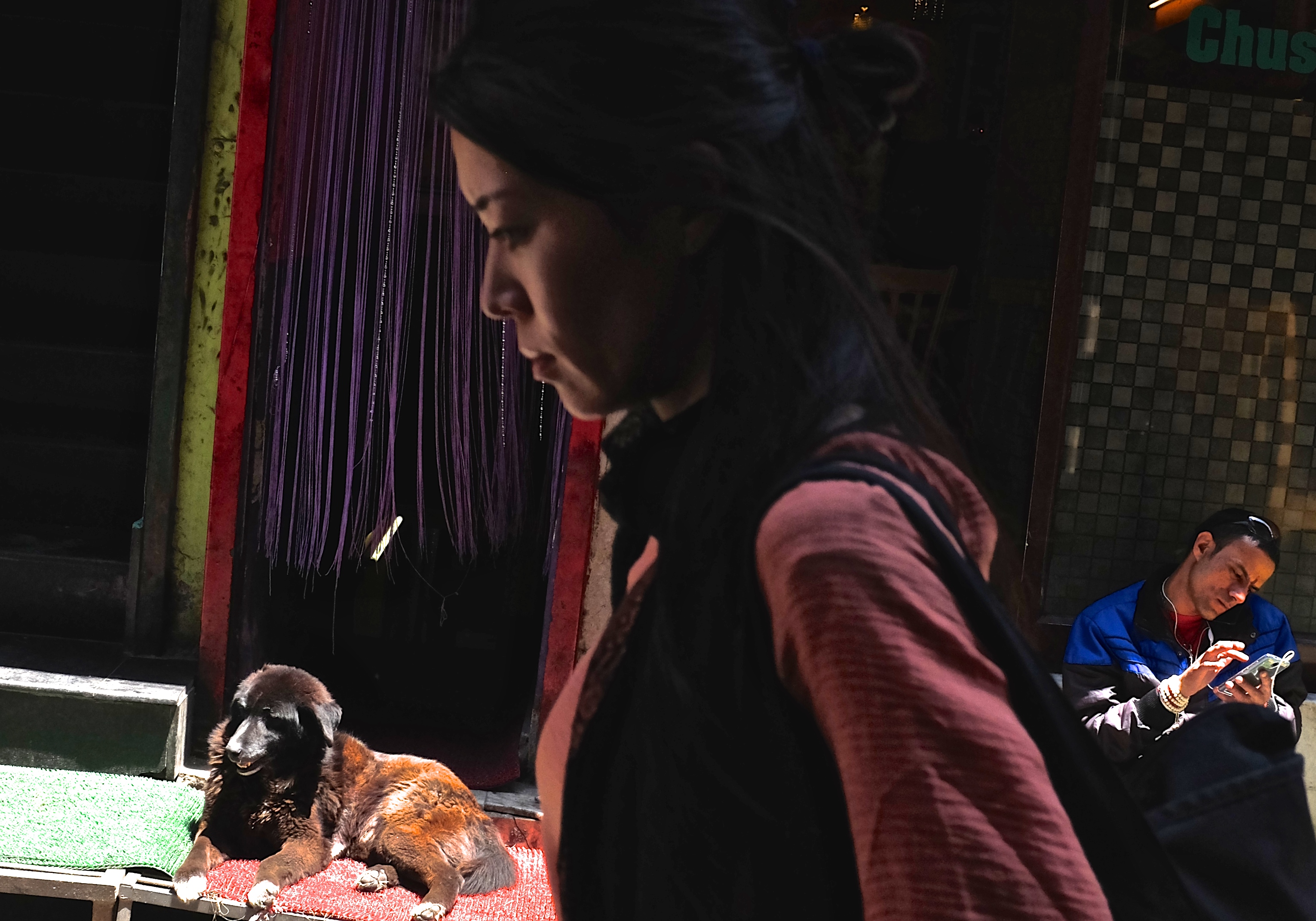
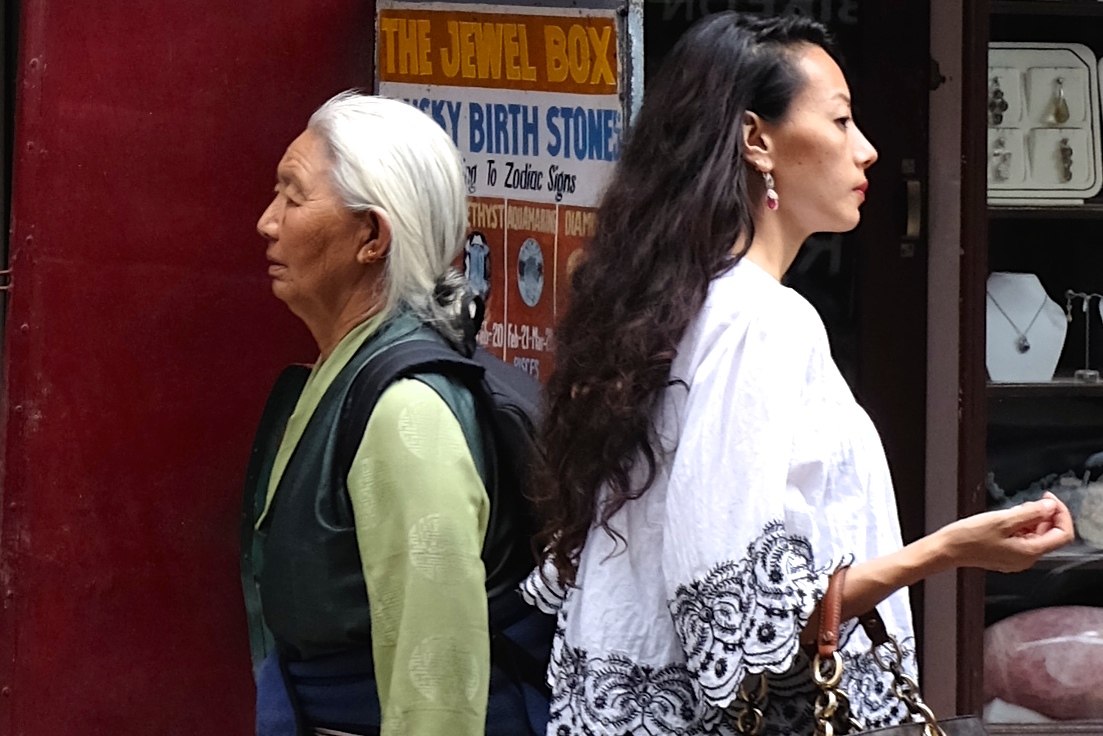
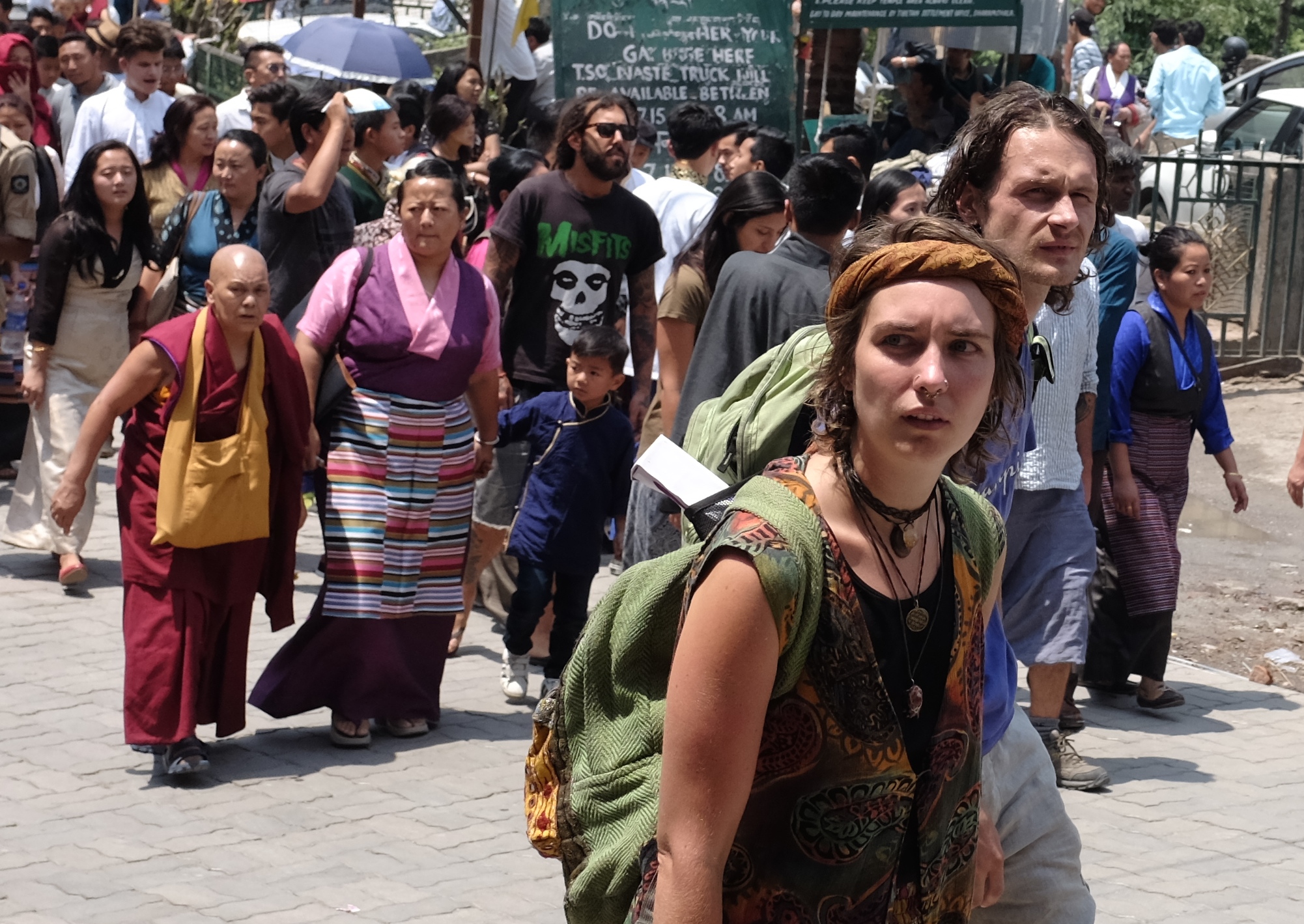
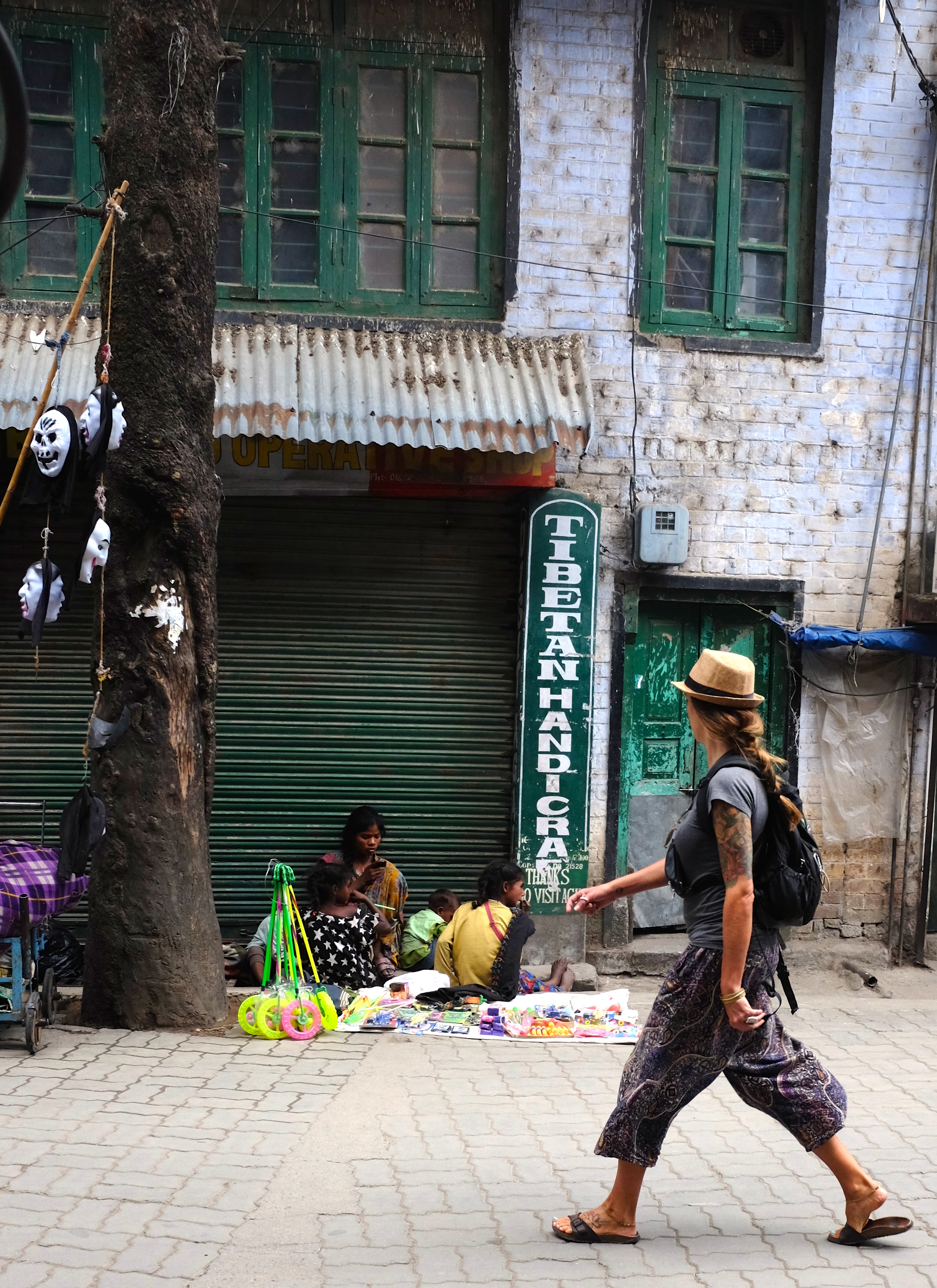
With its heady mix of Himalayan hill tribes, Tibetan exiles and western truth and thrill seekers Dharamsala is a fascinating place for political science studies, photography and people watching.
Despite its conspicuous Tibetan Buddhist population the majority (70%) of people in Dharamsala are from the indigenous Hindu ethnic groups including the Gaddis and Gujjars
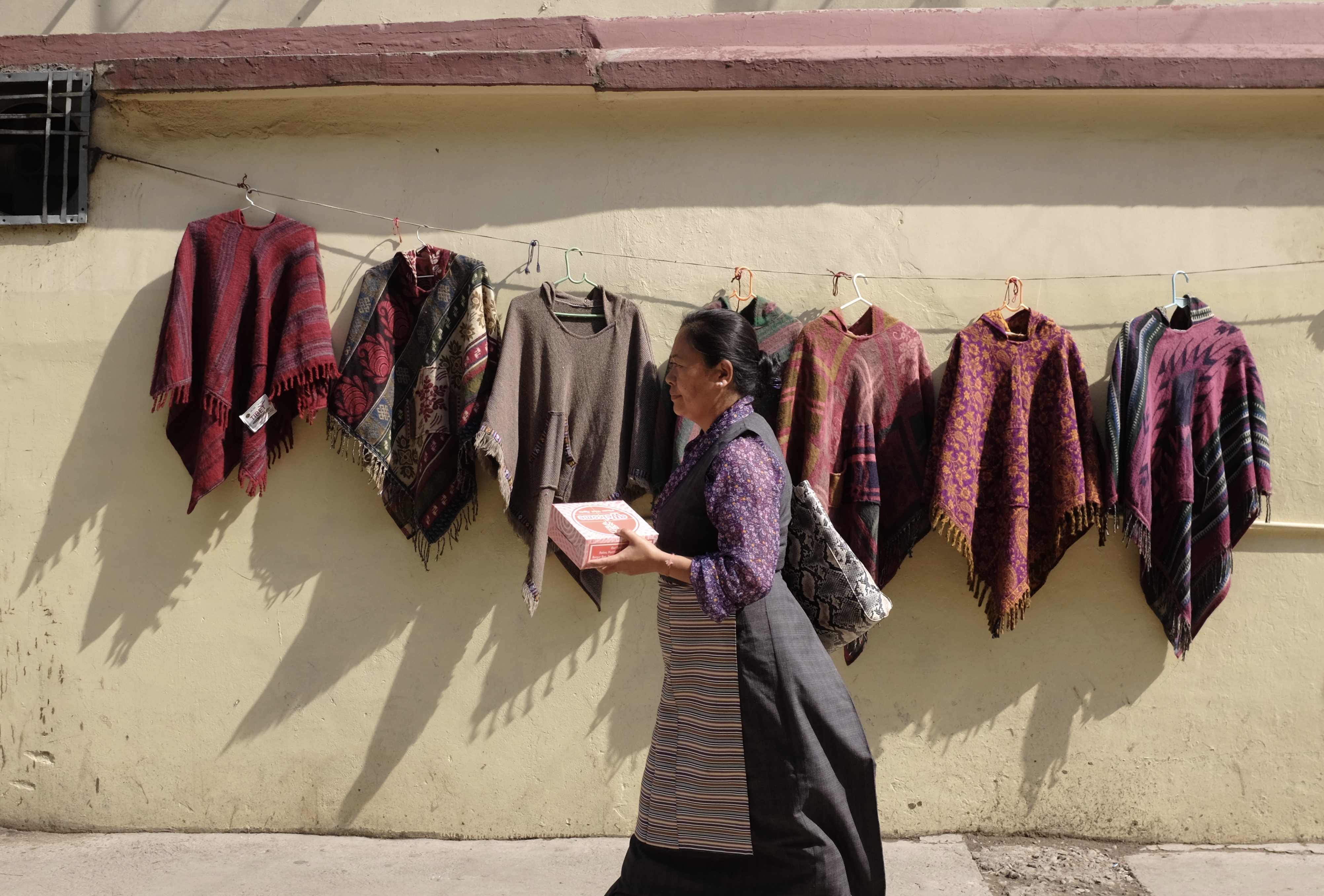
High altitude fashion: Himalayan Couture strung up and on display by the roadside
The name Dharamsala came from a religious term in Sanskrit loosely translated as “sanctuary”. It is an appropriate and prophetic name as Dharamsala has become a shelter of sorts for generations of disquieted humans running away from something somewhere.
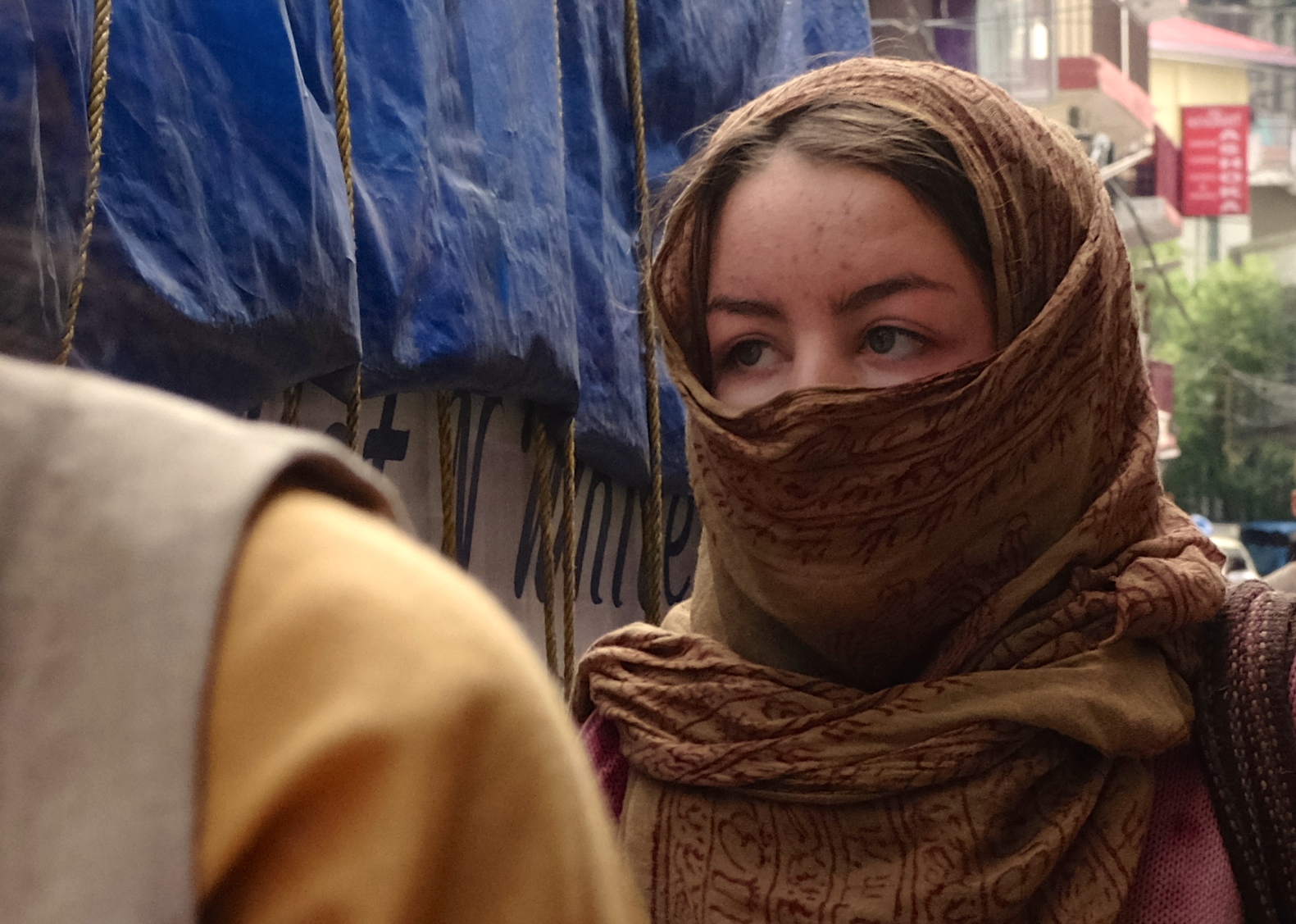
The refuge seekers included Raj-era Englishmen escaping from India’s heat; Tibetans from Chinese persecution; post-conscription Israeli youths from troubles and tensions in the Middle East; and legions of spiritual tourists of every nationality from society’s contaminating influence and stress.
Perhaps I too was seeking something, tired and anguished by the condition of my then ailing late father. I was drawn to Dharamsala by stories I had heard and news I had read about the hardships and yearnings of its exiled Tibetan community and by the happy and peaceful teachings of their deeply revered leader Tenzin Gyatso, the 14th Dalai Lama.
I got there just as the sun started to sink slowly behind the stately stands of cedar trees around McLeod Ganj, the town’s upper suburb perched scenically on the slopes of the Dhauladhar Mountains.
With its meditative monasteries, noodle and dumpling shops and high-cheeked sunbronzed faces garbed in maroon robes, McLeod Ganj exudes so much in the manner of Tibet they nostalgically nicknamed it “Little Lhasa”.
Tibetans in Dharamsala are not as harmonious and homogenous as they appear. The community is divided by the region they come from and between the descendants of the refugees who came with the Dalai Lama in 1959 and newcomers who arrived after.
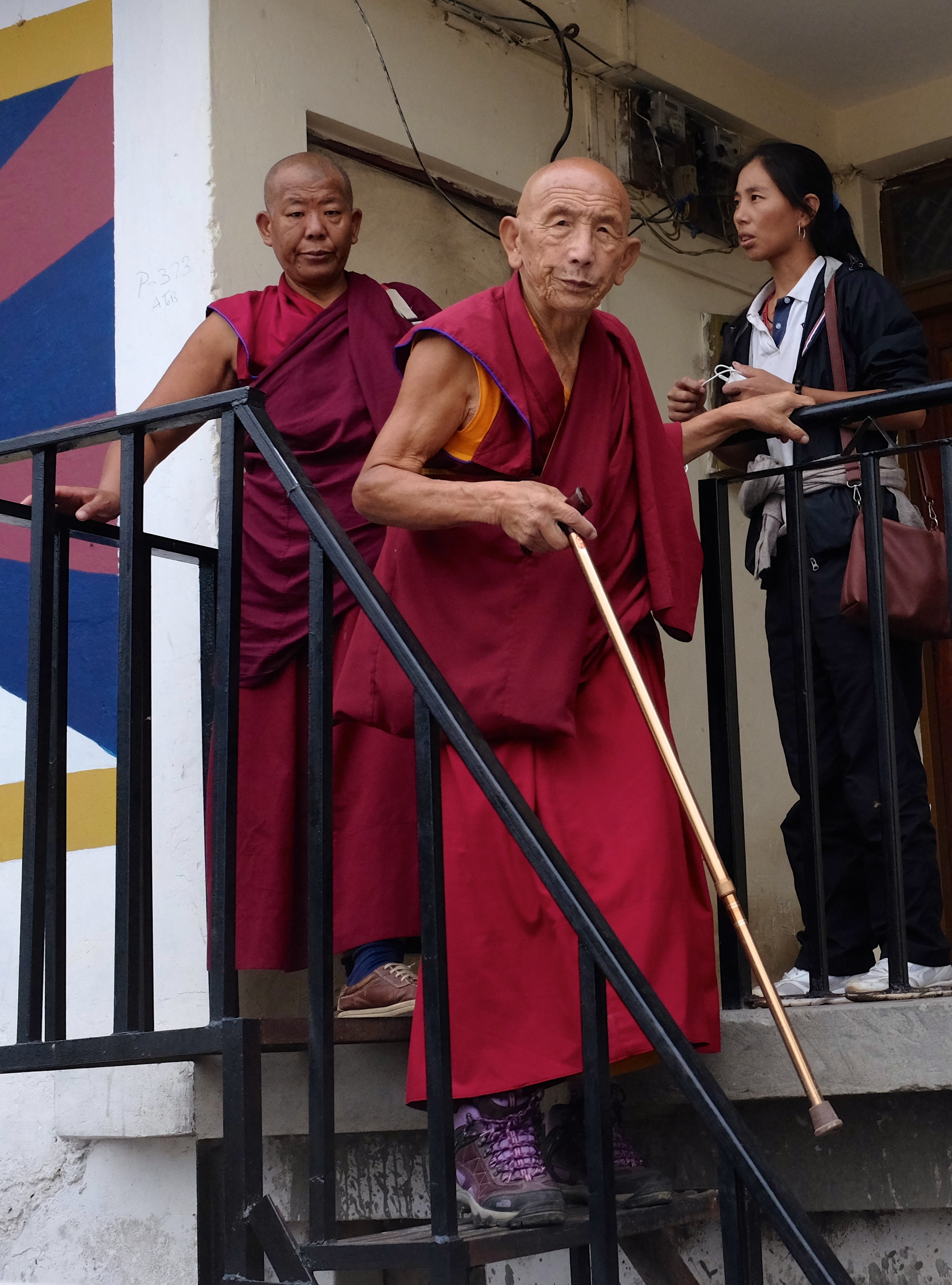
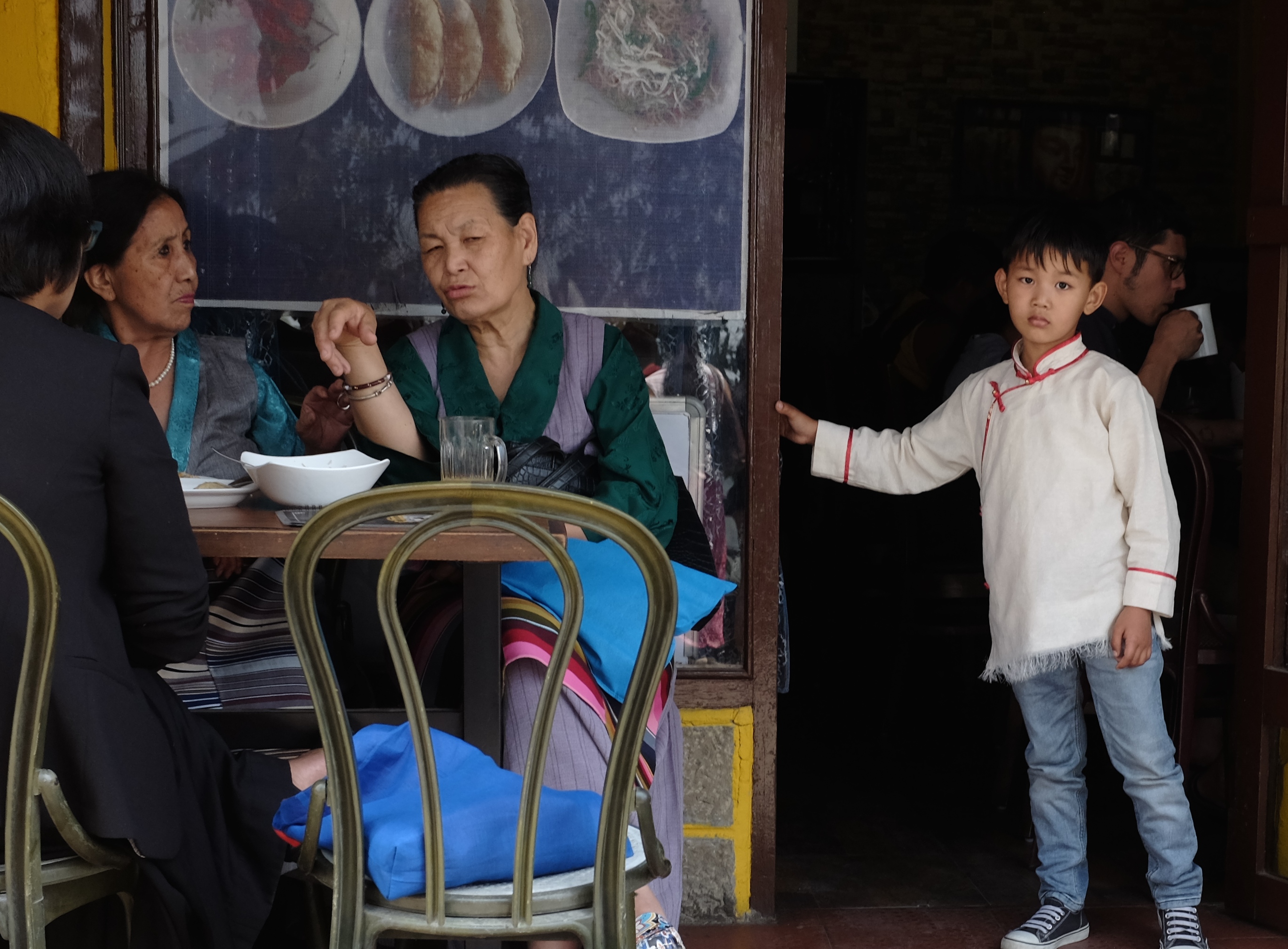
A proud patrician face of a Tibetan elder in resplendent red tunic
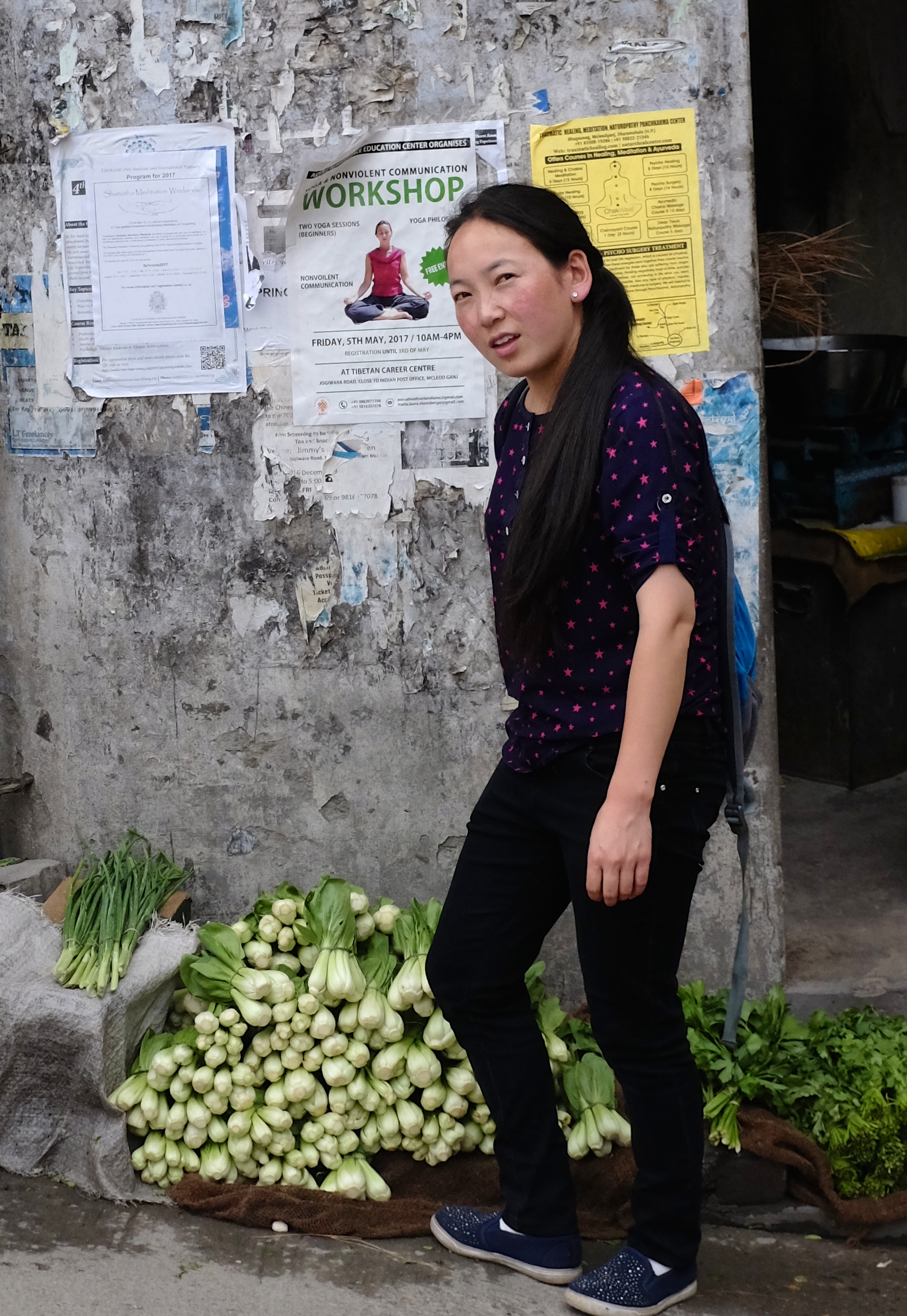
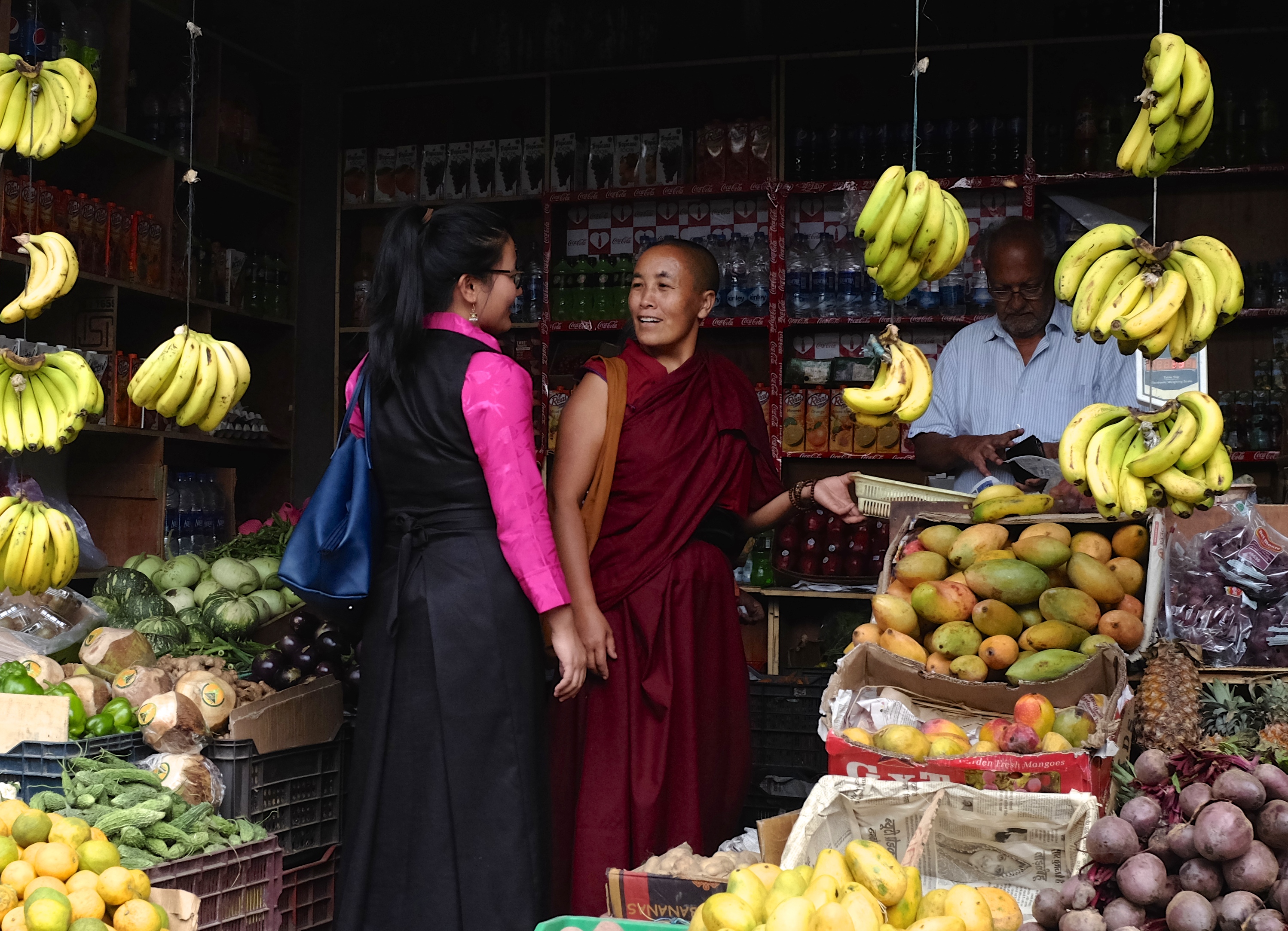
vegetable vendor near the Dalai Lama Temple
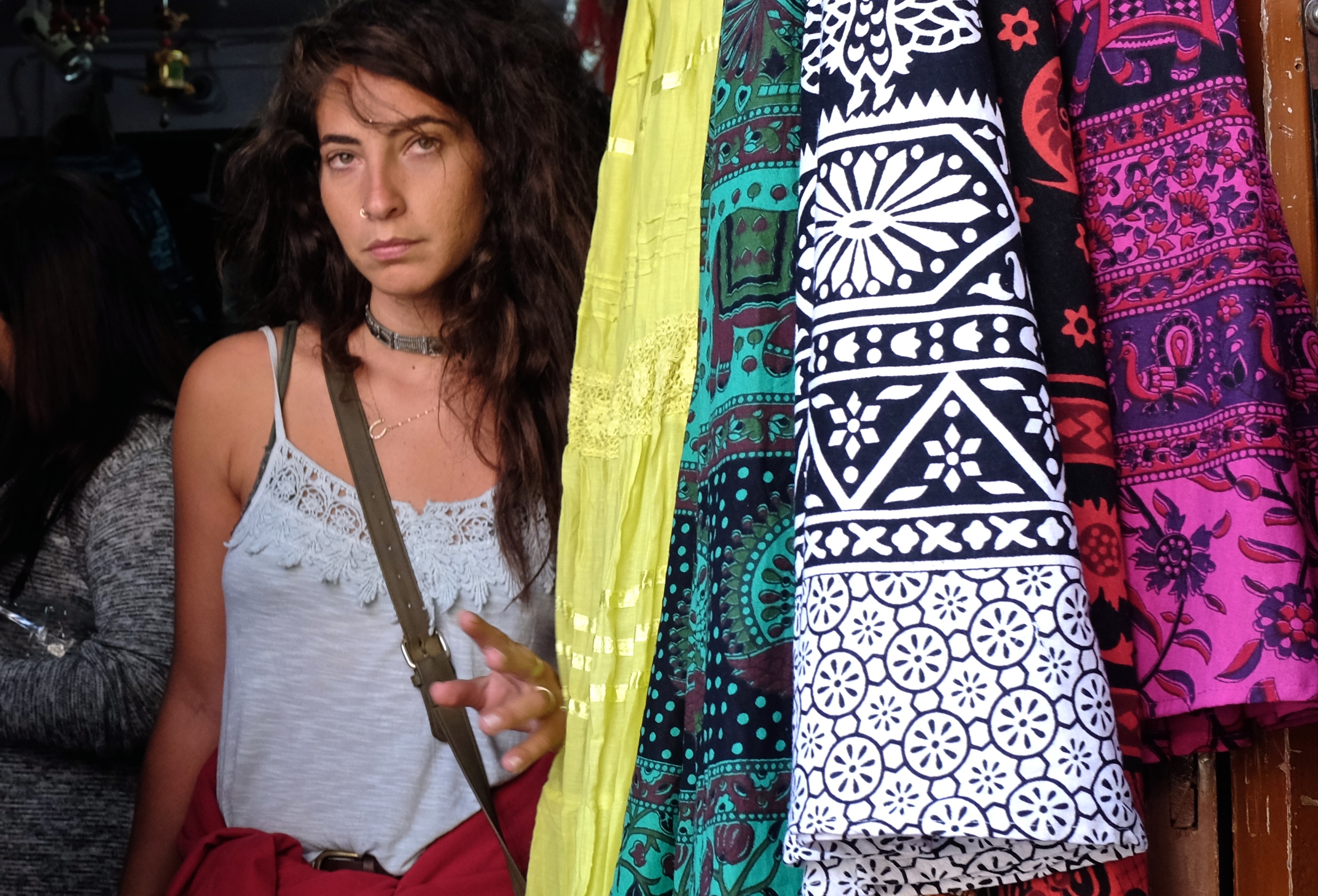
Colourful souvenir scarves for sale in a shop in McLeod Ganj.
Noon crowds coming out of the Main Temple after listening to a speech by His Holiness the Dalai Lama
Today’s young foreigners are as drawn to Dharamsala as their predecessors. Large number of Israeli youths fresh from compulsory military service now make the nearby Himalayan villages their second home. Peaceful natural environment, acceptance by the locals, cheap costs of living, and availability of marijuana have been cited as reasons.
The image many still perceive of India
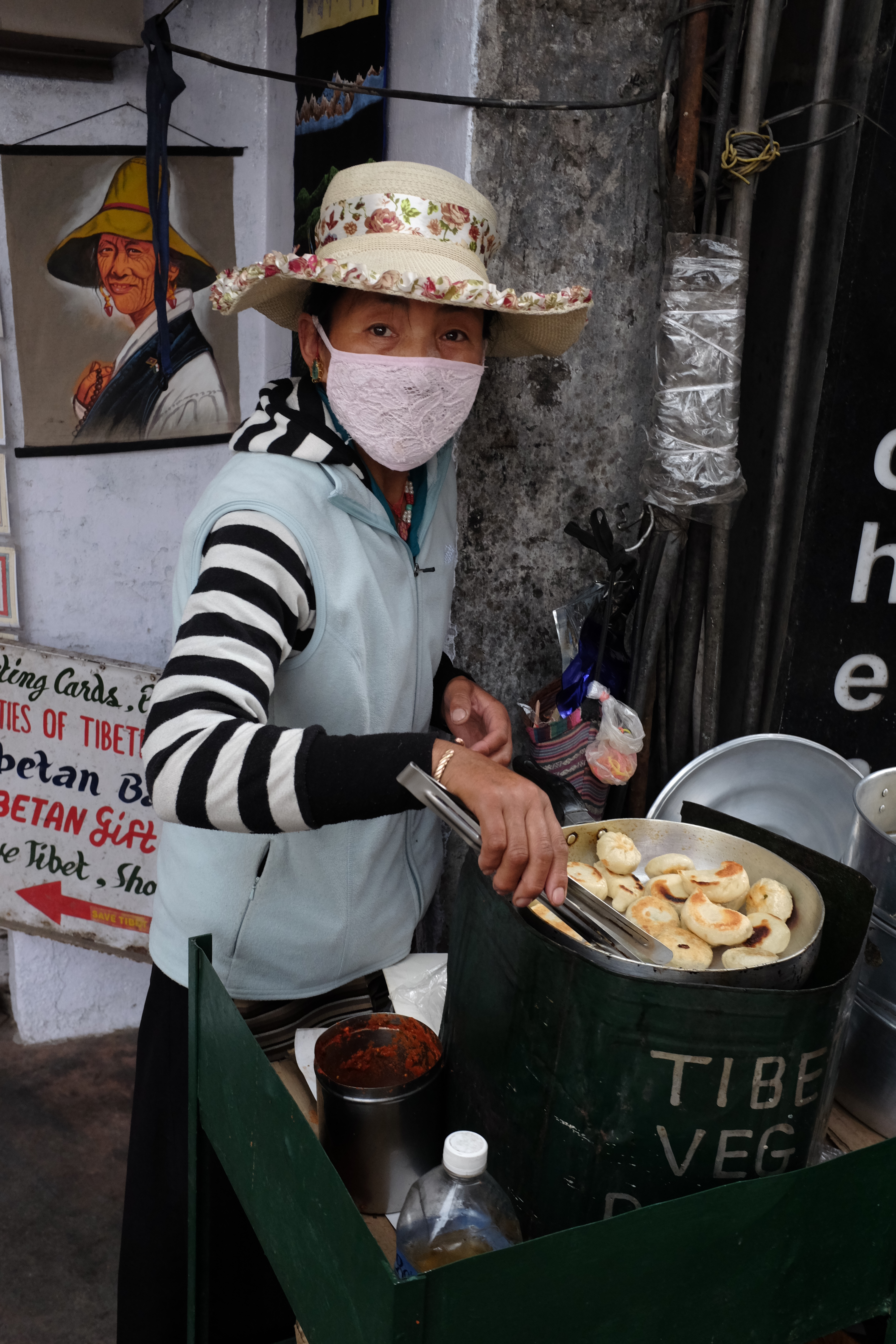
Woman making pan fried momo, the town’s Tibetan street food of choice
There are today around 100,000 Tibetans in India where their status is one of long-term guests of the country and not refugees. Rather than keeping their future in a limbo many young and educated Tibetans are migrating to the west. Such emigration plus the mere trickling of new arrivals from Tibet are the reasons for a potentially falling population.
A slow walk to the hippies hamlet of Dharamkot just 4km from McLeod Ganj
Although without citizenship rights, Tibetans have contributed greatly to the economy of Dharamsala. Their six-decade presence in India has further enhanced the country’s reputation as an accepting, welcoming and freedom-loving civilisational nation.
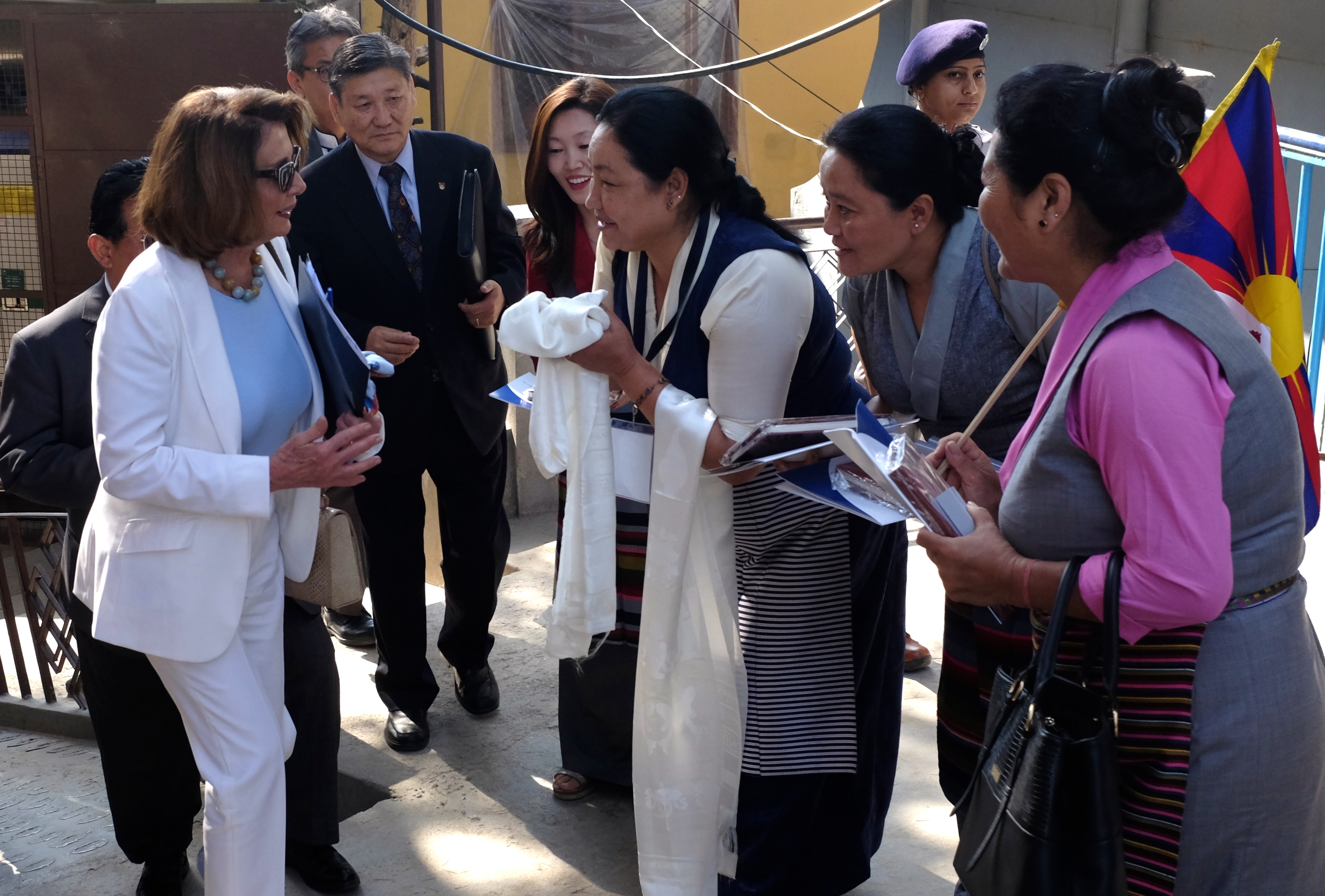
Nancy Pelosi, the former Speaker of the US House of Representatives in Dharamsala. Like Palestine and Taiwan, the Tibet question is emotionally-charged and politically divisive. Chinese view is that Tibet is historically a part of China and that the military invasion in 1950 was to liberate the Tibetan people from medieval subjugation by a slave-owning feudal theocracy.
Malaysia and many Southeast Asian places notably Java, Bali, Thailand and Cambodia owe a lot of their culture and language to an obscure historical region in India called Kalinga.
It is a fertile, fabled and forested land located a quarter way down the eastern side of the Indian Peninsula between the Bay of Bengal and an eroded broken range of mountains known as the Eastern Ghats.
The people of Kalinga were a peaceful, open-minded and artistic lot. They were also skillful with their sail boats and had good knowledge of the sea. When the wind was right they would set out south-easterly to fish for food and pearls and trade with people from distant lands.
Due to the region’s relative isolation away from the population centers of India’s Aryan north and Dravidian south, Kalinga developed its own distinct identity and an economy based on both its overland connections and maritime links.
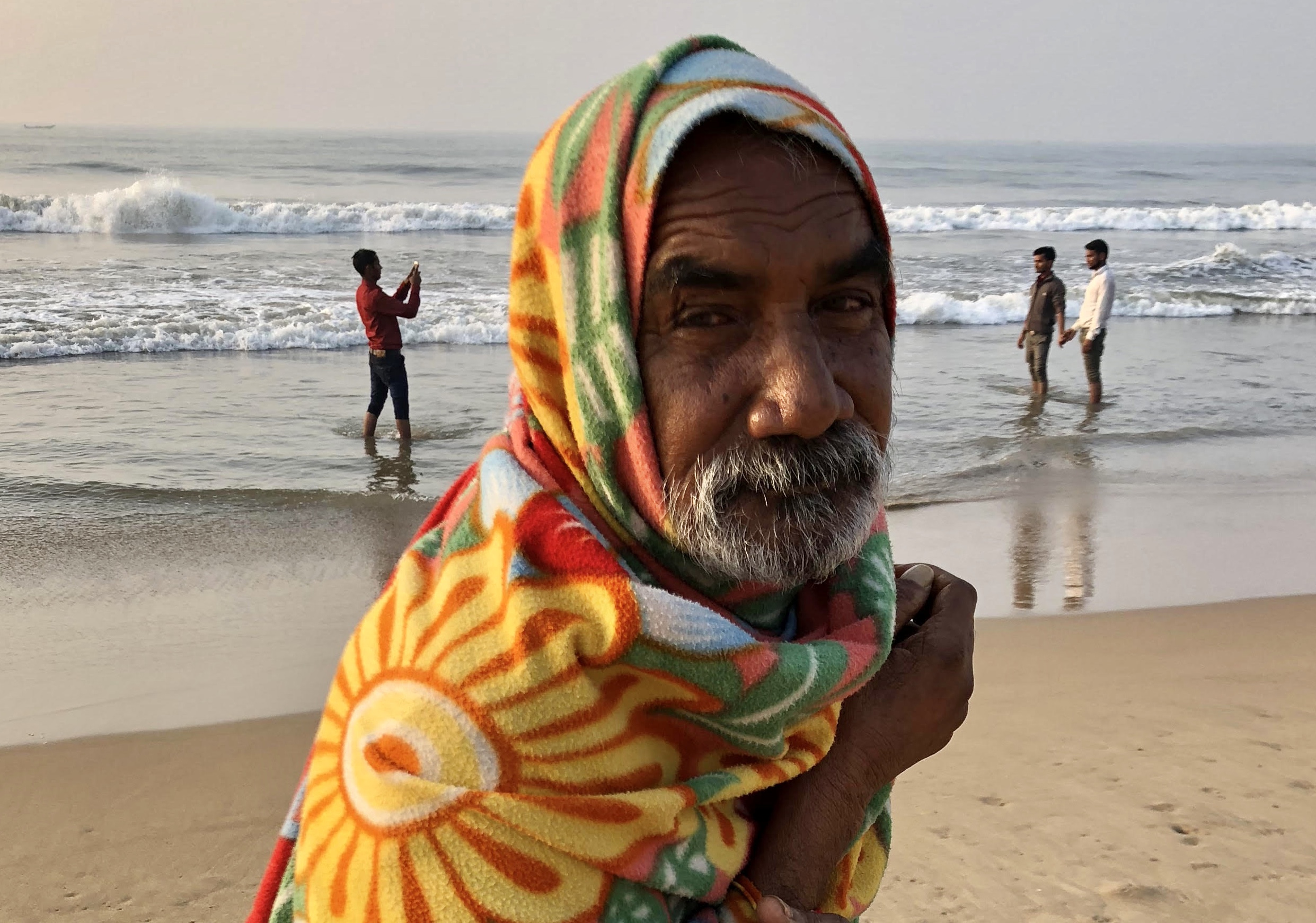
Wrapped up for the morning, a man begs for money at the beach in Puri. Coastal Odisha enjoys cool and pleasant weather from December to the middle of February. From March onwards the heat builds up until the rains arrive in June.
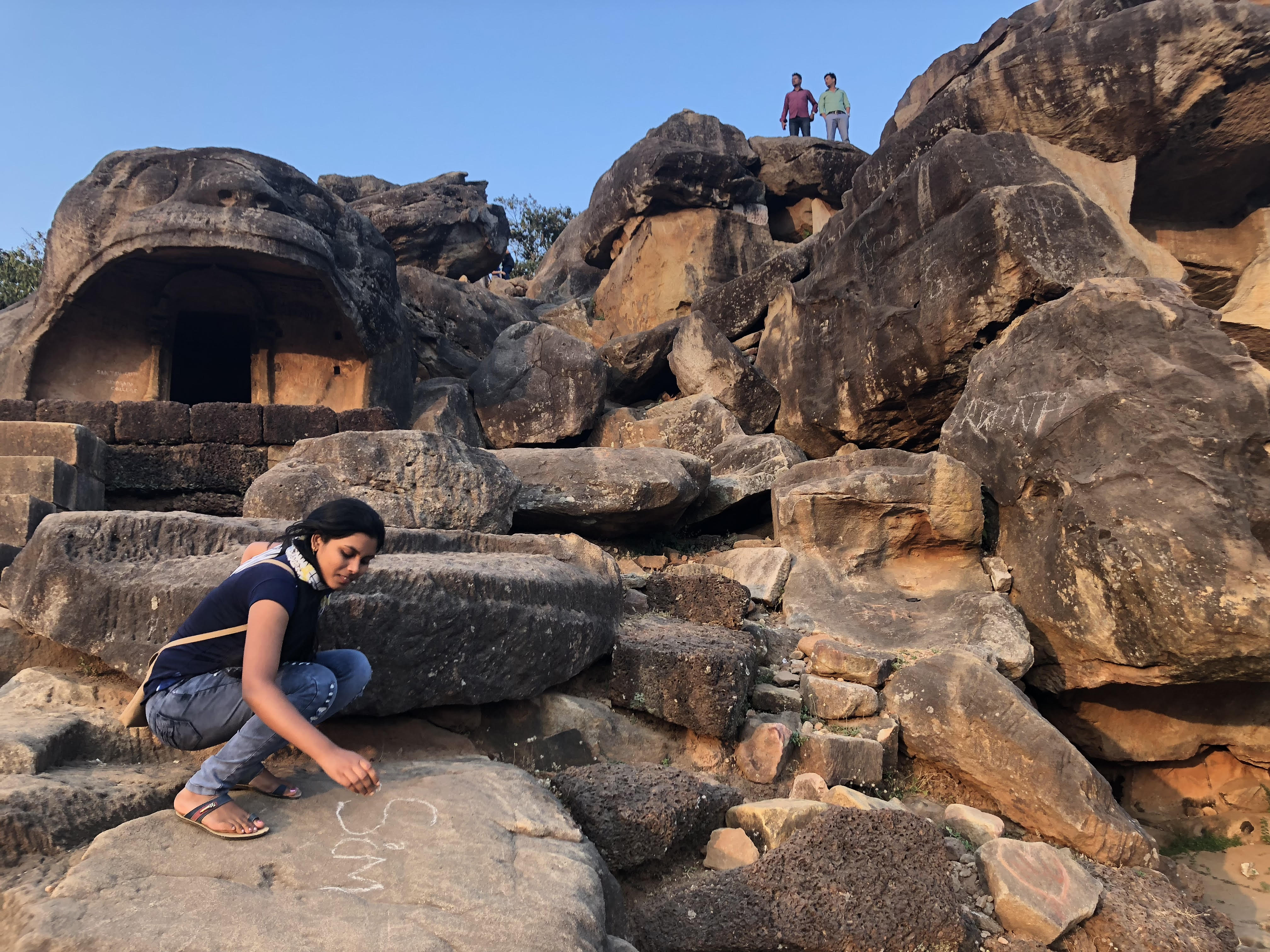
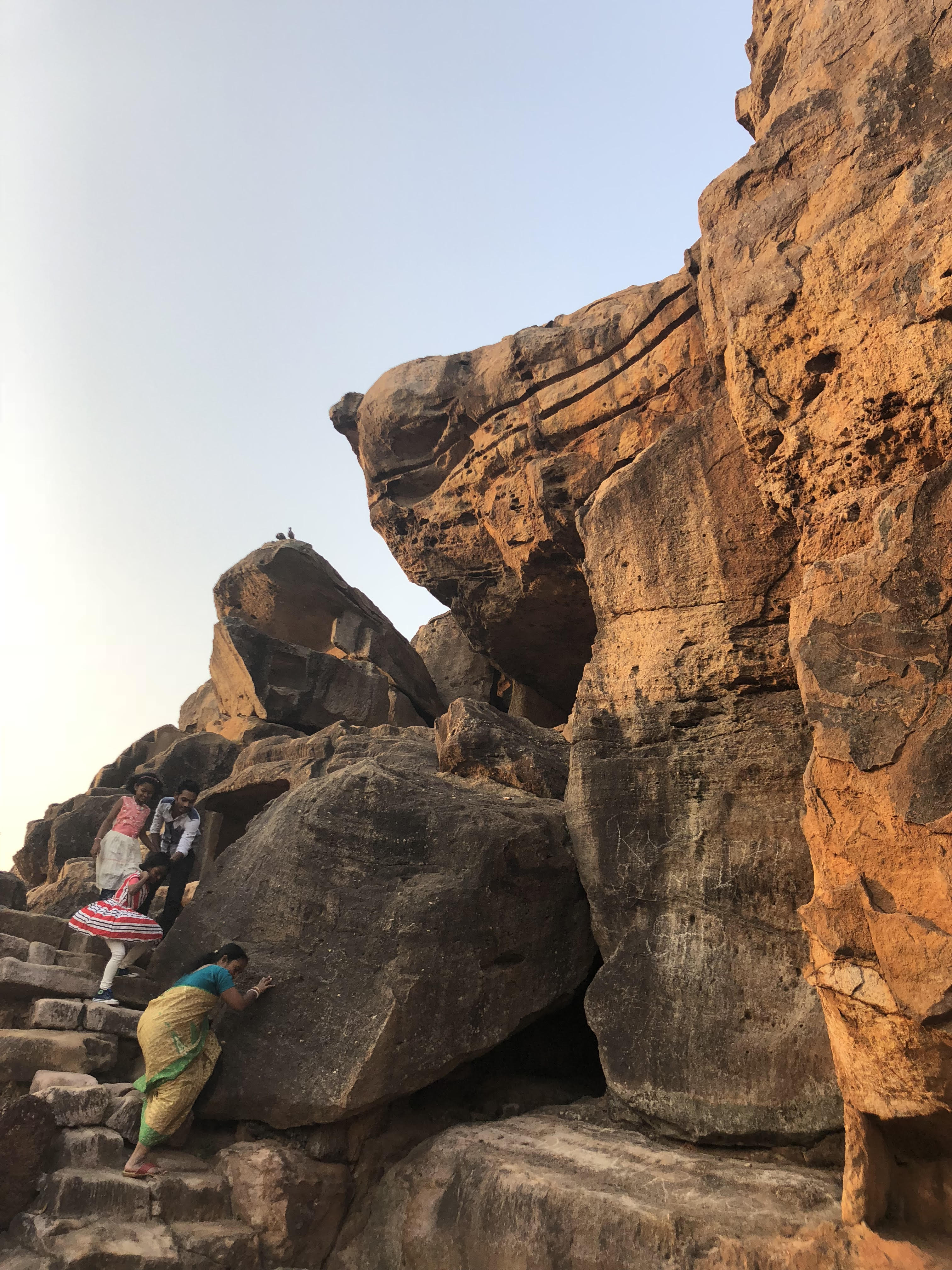
A young female visitor writing on a boulder at the caves complex in Udayagiri, which means Sunrise Hill
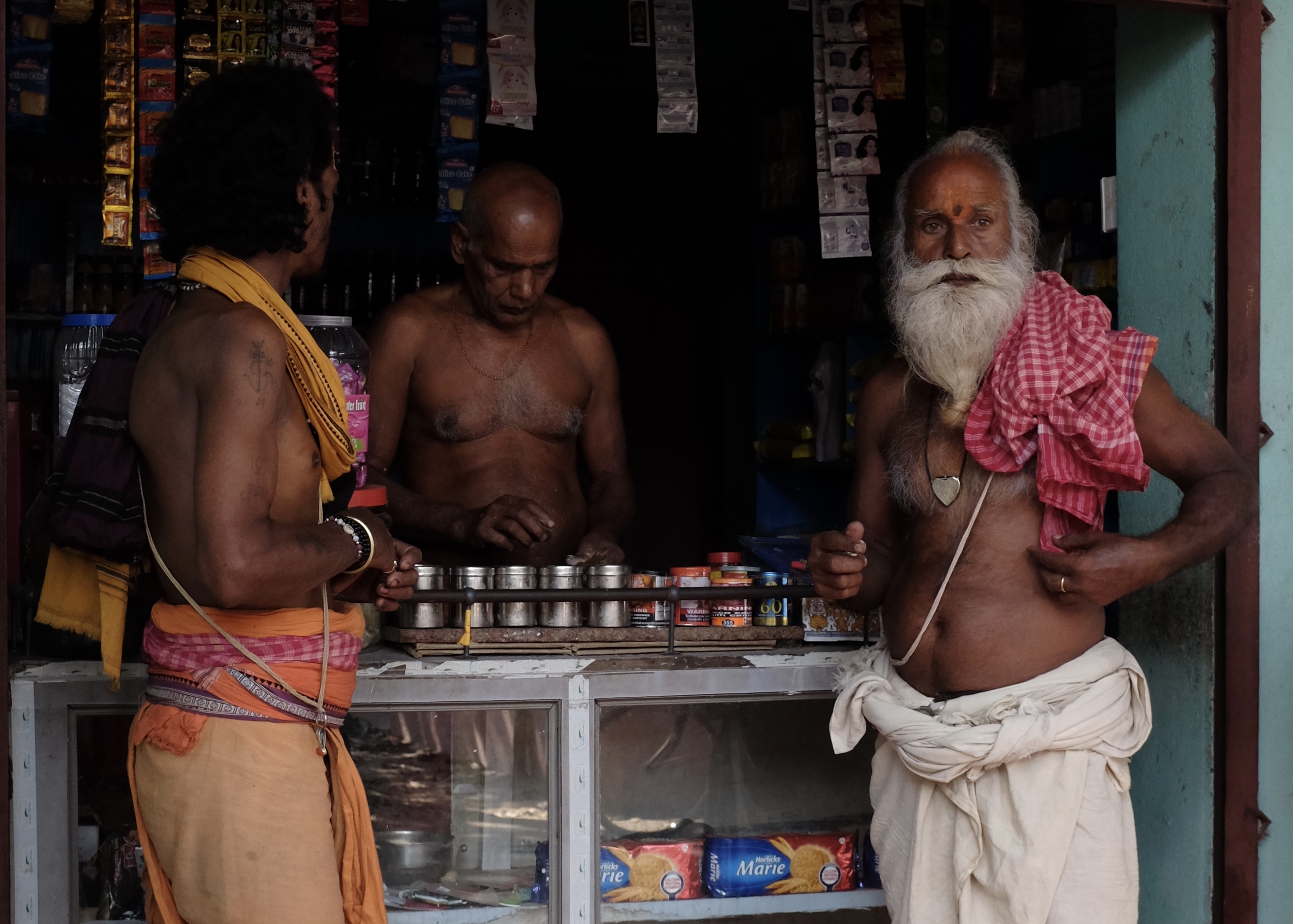
Ascetics getting their daily fix of paan in the village of Sakshigopal
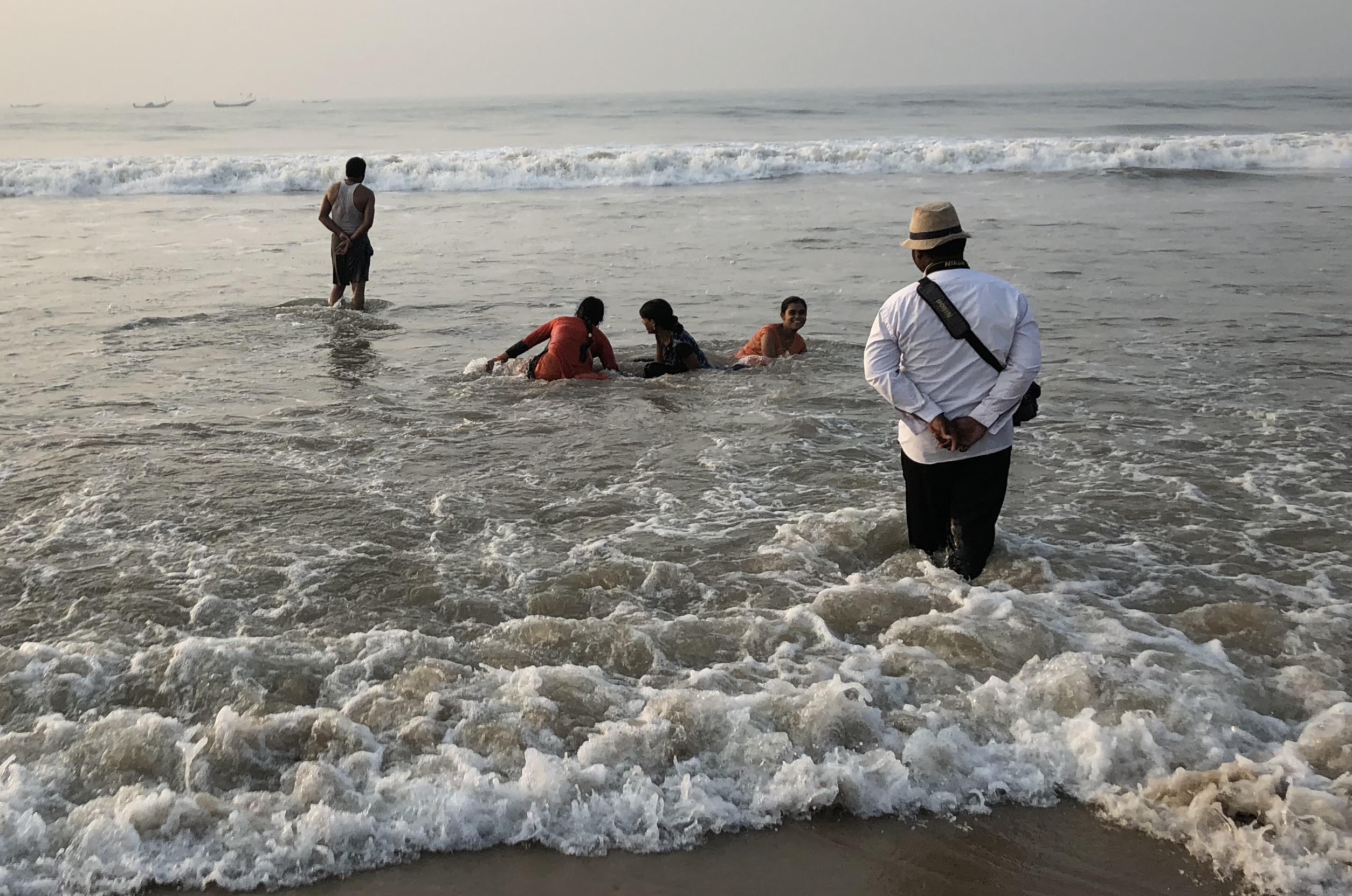
Photographer for hire, Puri
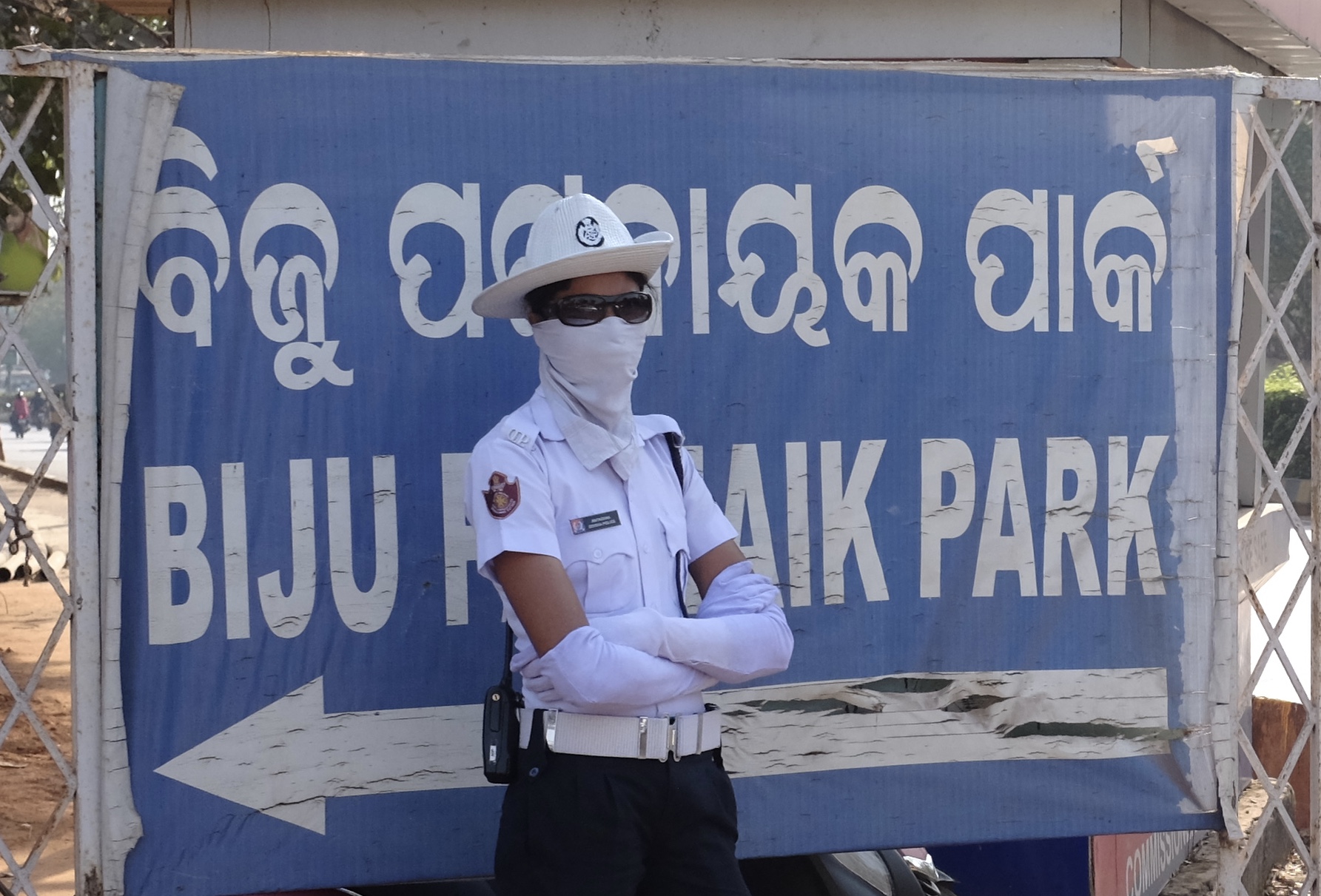
Traffic policewoman standing in front of Biju Patnaik Signboard. In Odisha’s capital Bhubaneswar many places including its airport are named after this local hero. Bijayananda or popularly Biju Patnaik was a freedom fighter, airforce pilot and two-term chief minister of Odisha. His son Naveen Patnaik is the current chief minister
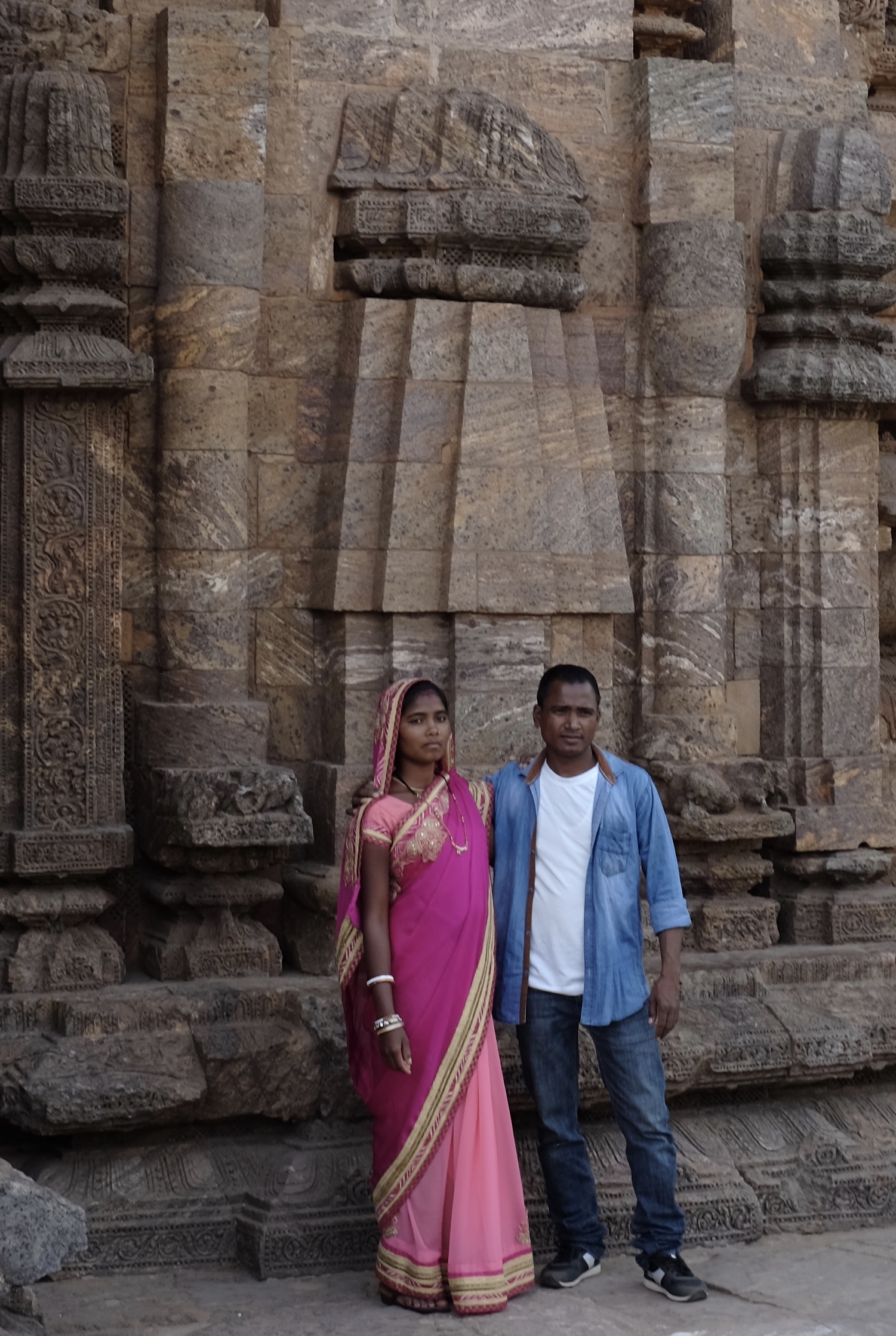
Couple having their photograph taken in front of the Sun Temple in Konark
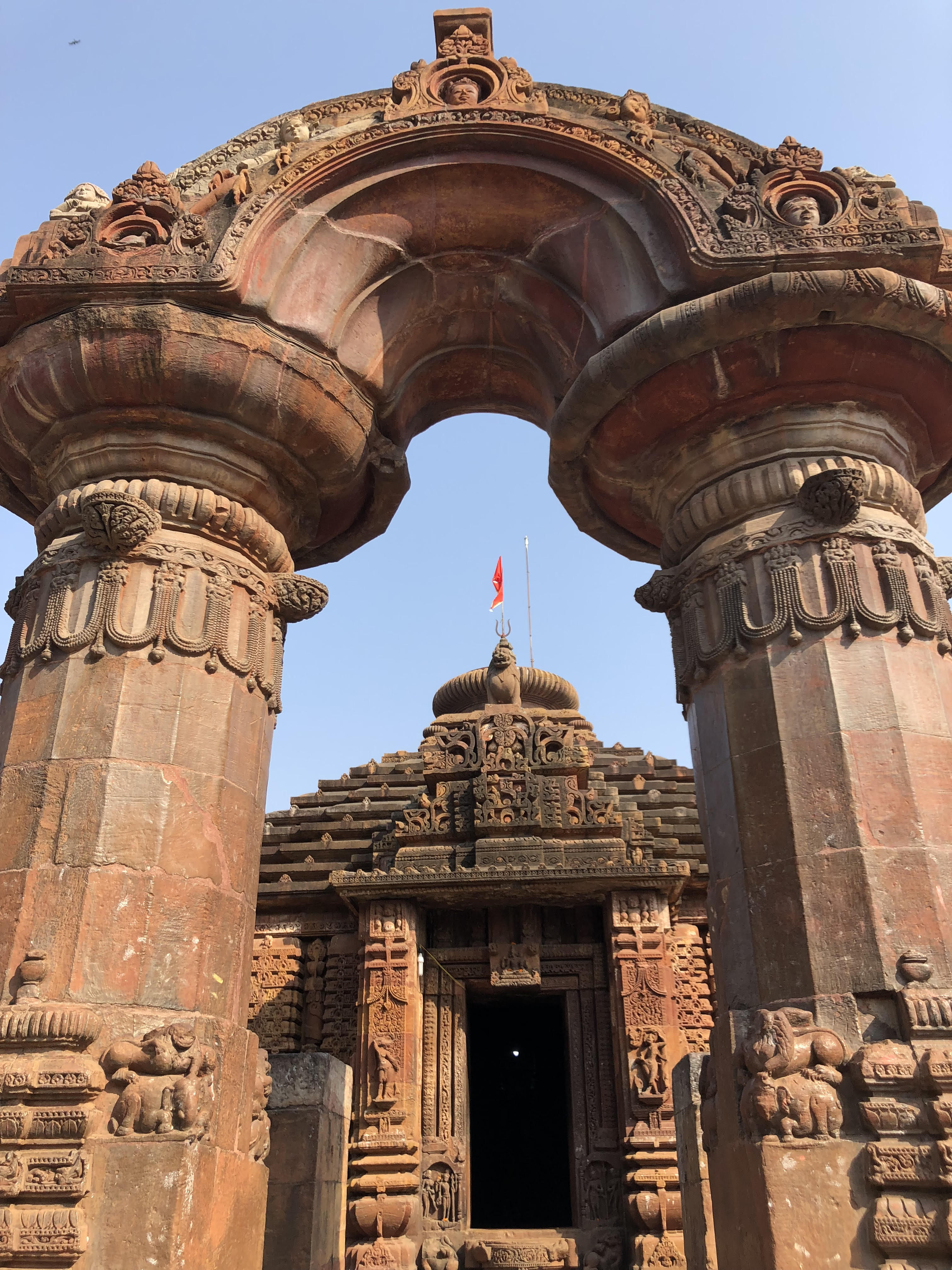
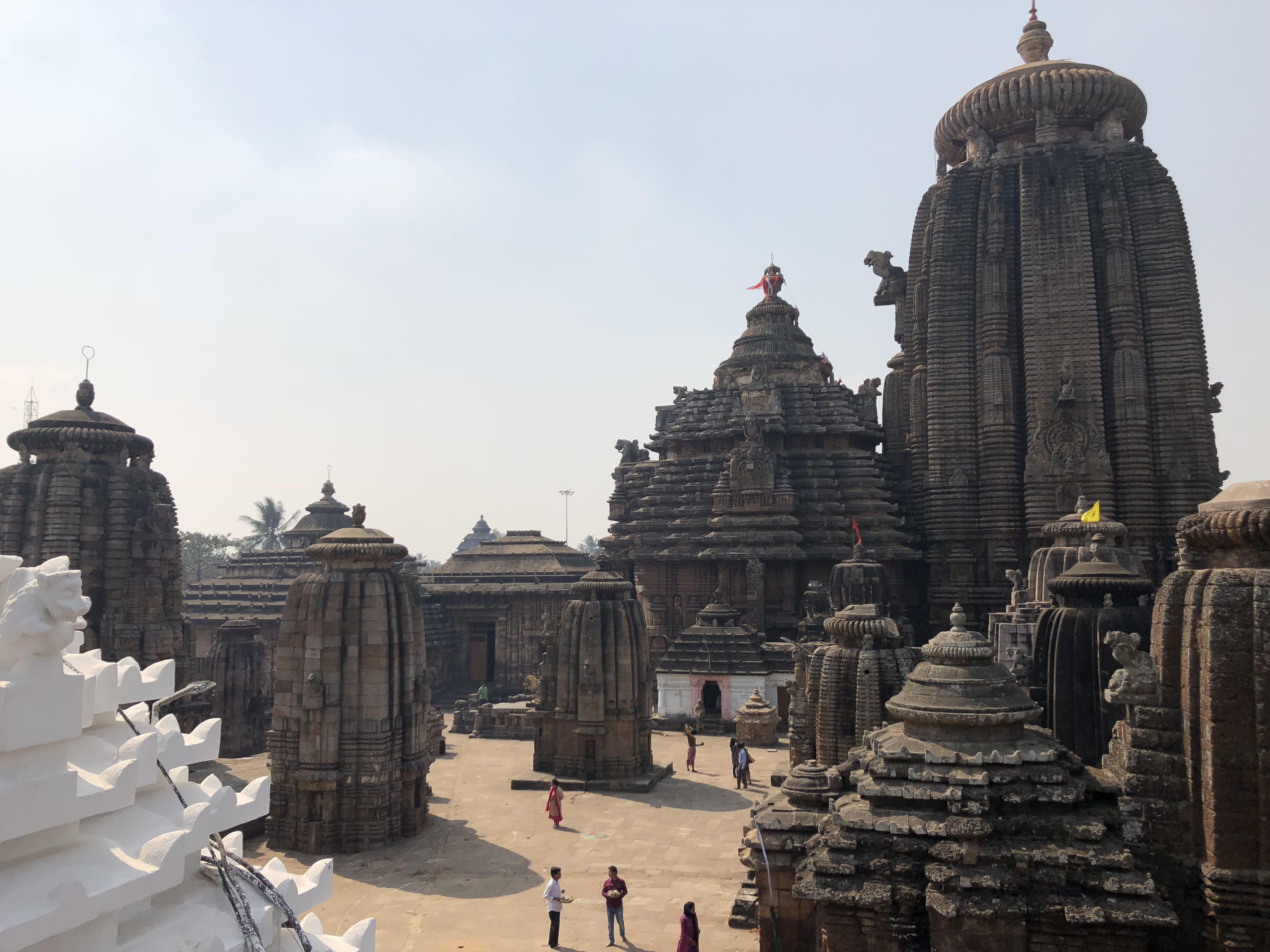
The beautiful Mukteswara Temple in Bhubaneswar built in the 10th century AD
Kalinga’s success soon attracted the attention and envy of its powerful neighbour.
Around 260 BC a king named Ashoka from the Mauryan Empire sent his armies to attack and conquer Kalinga.
The people of Kalinga fought back bravely but they were no match for Ashoka’s mighty army. The scale of death and destruction occasioned by the Kalinga War at 100,000 dead and 100,000 enslaved was epic and appalling.
Just like Hiroshima two milleniums later the effect of the war caused an unprecedented show of remorse and repentance by its victor and chief perpetrator, Ashoka the emperor himself.
Ashoka turned Buddhist and proclaimed that so long as he was king he would never let such barbarity and carnage happen again. He promised to rule justly and ordered his new pacifist policy to be carved onto stone pillars near the battle sites for all to know and to guide future rulers.
After the Mauryas, Kalinga was ruled most of the time more or less as an independent country by a succession of kings and dynasties including the famous Kharavela of the Chedis, the Guptas and the Eastern Ganga.
It was during this period that Kalinga exported its custom, religion, architecture to Southeast Asia, the region the ancient Indians called Suvarnabhumi or the Golden Lands.
By the 16 th century and with the muslim invasion in 1568 and its later absorption into the Mughal Empire, Kalinga had all but disappered as a geo-political entity.
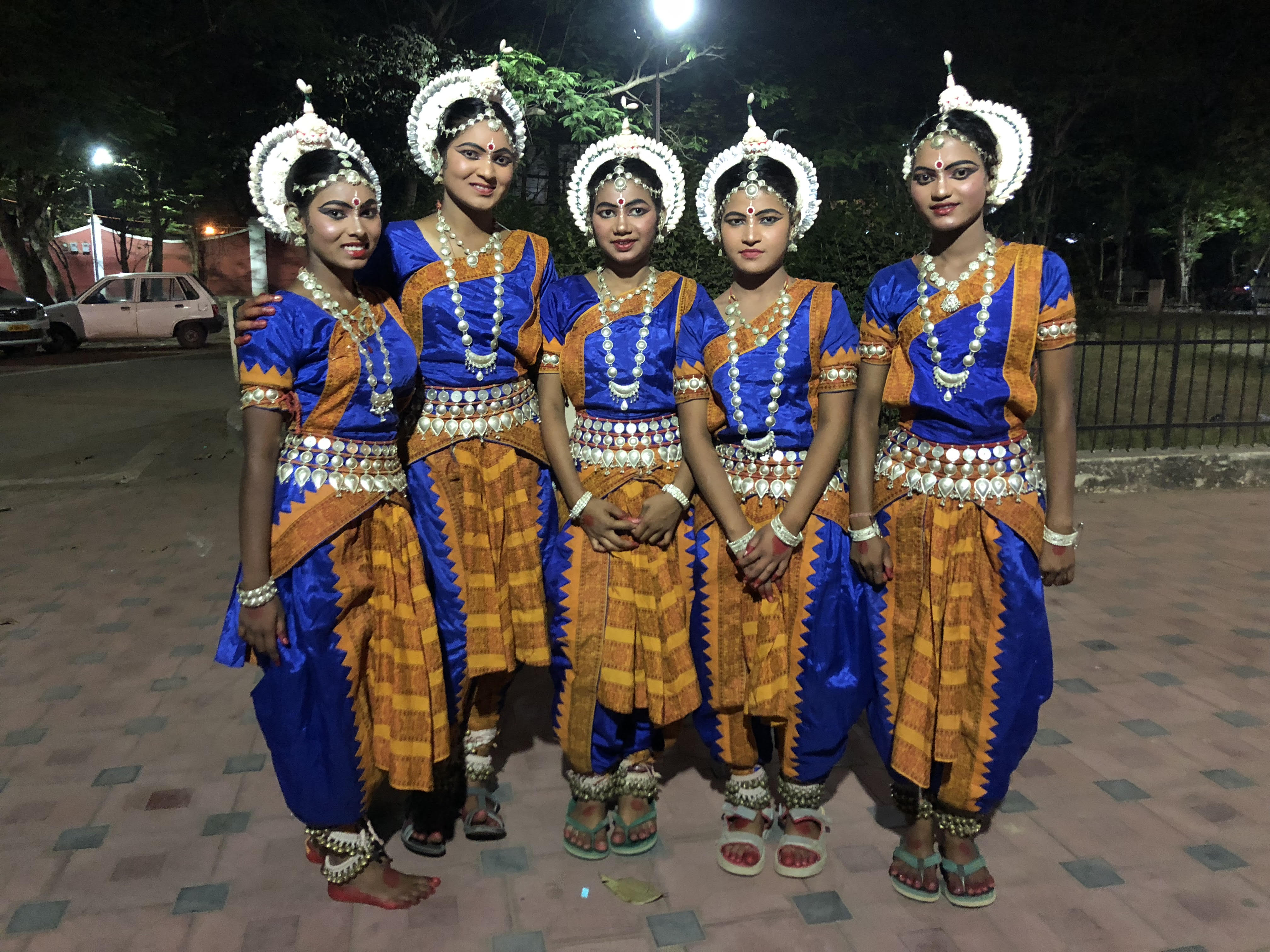
The territory of ancient Kalinga coresponds to roughly today’s Odisha, a state with a population of 42 million famous for its entrancing Odissi dance, monumental temples and indigenous tribal people.
Under British rule most of the area that was once the Kingdom of Kalinga became part of Bengal. In 1936 a separate province of Orissa was created on linguistic ground.
In 2011 Orissa became Odisha and its ancient Sanskrit-based language Oriya was renamed Odia by an Act of Parliament.
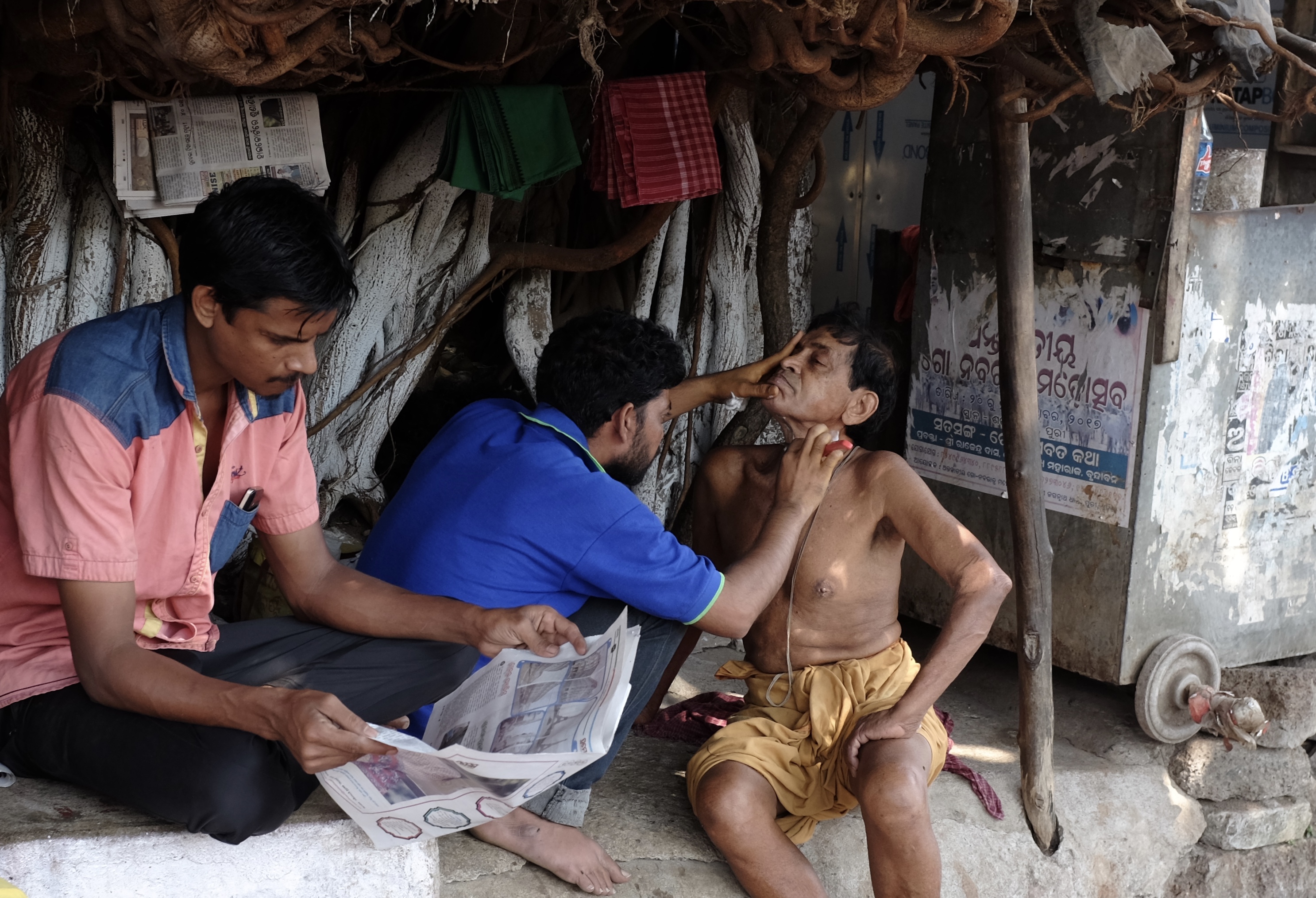
A timeless scene under an ancient tree beside the Jagannath Temple in Puri
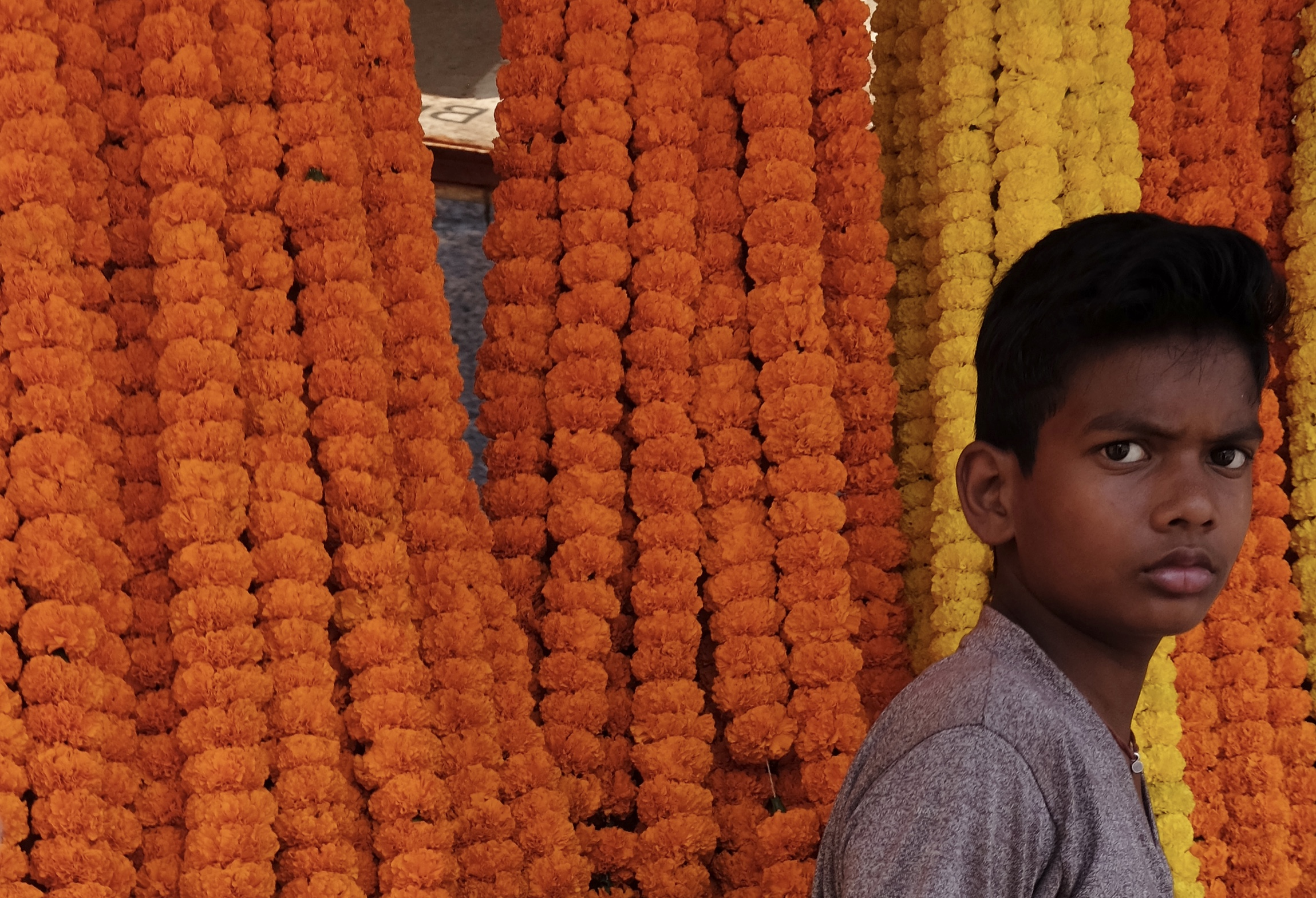
Flower Boy at the Lingaraja Temple in Bhubaneswar
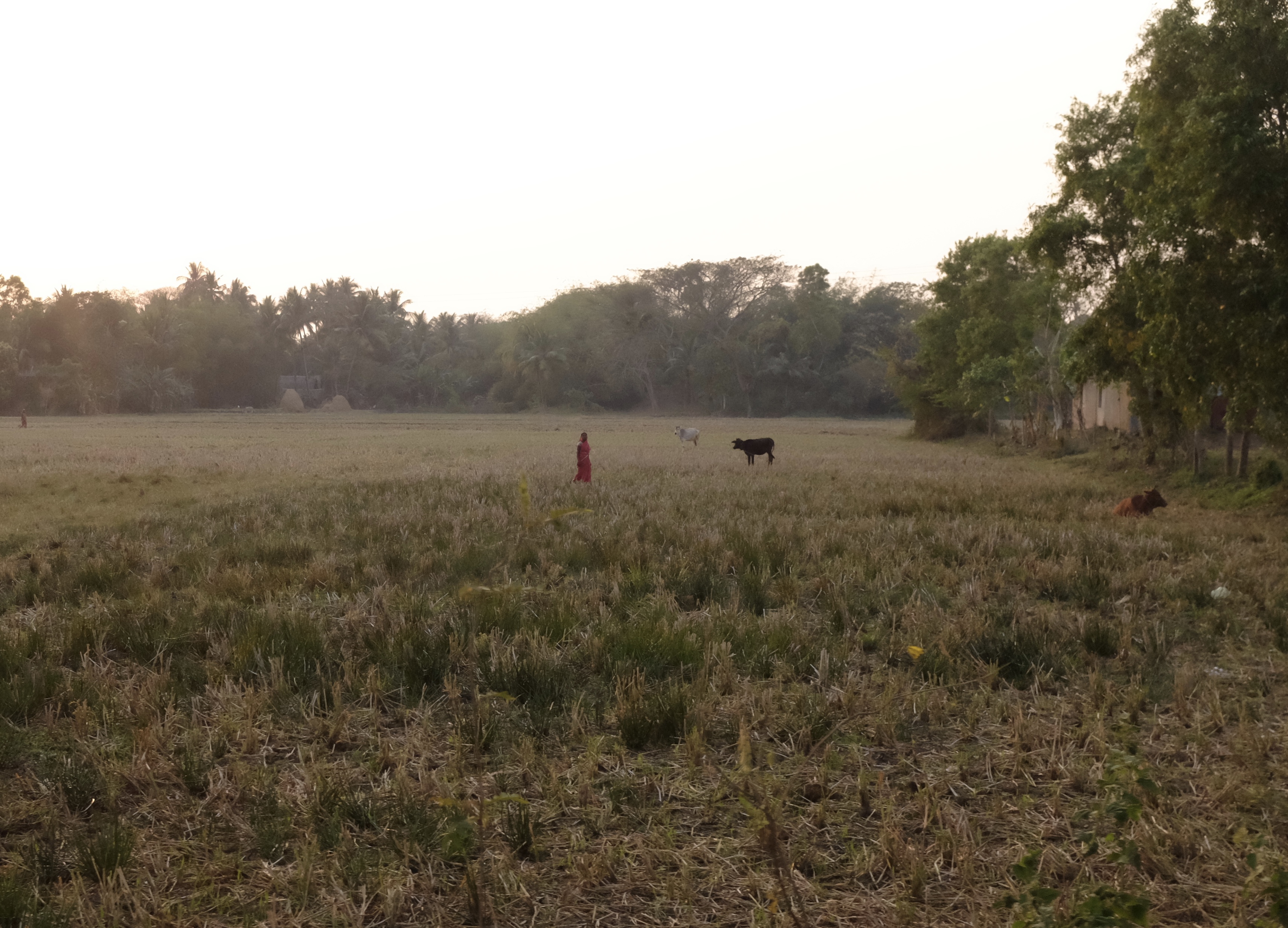
A view of rural Odisha just before sunset
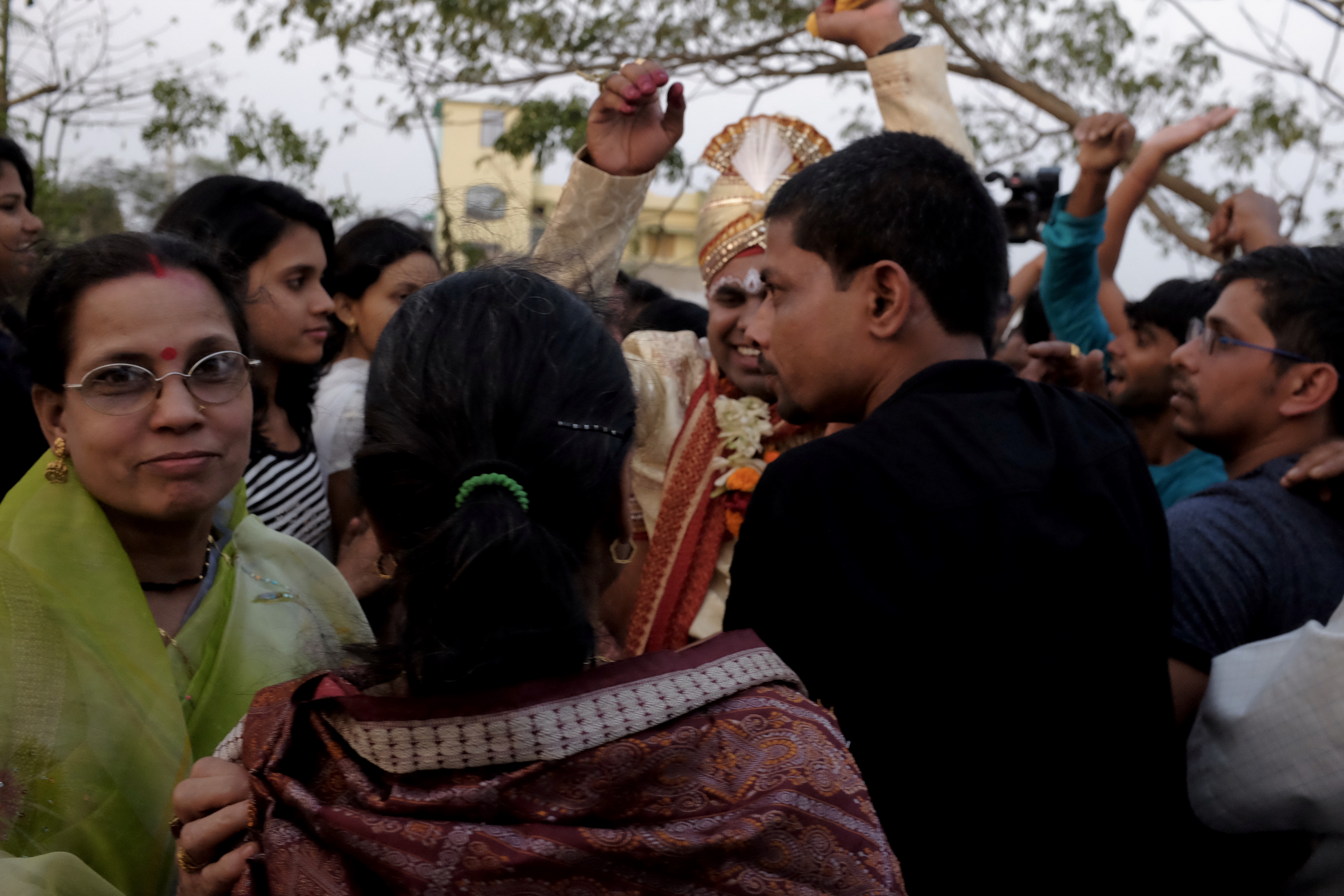
Wedding reception at a village on the way to Bhubaneswar
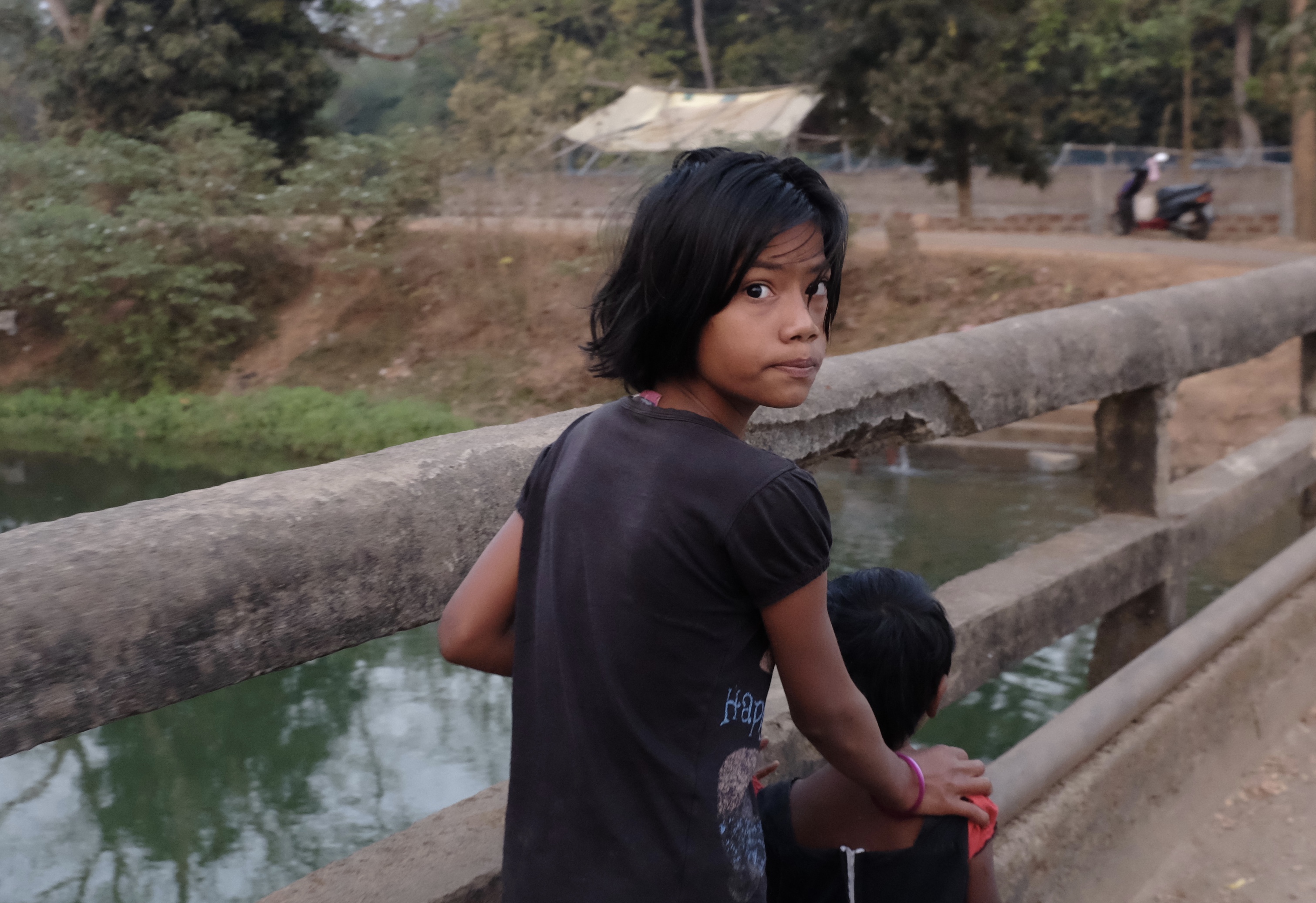
Crossing the bridge to the hidden village of Hirapur
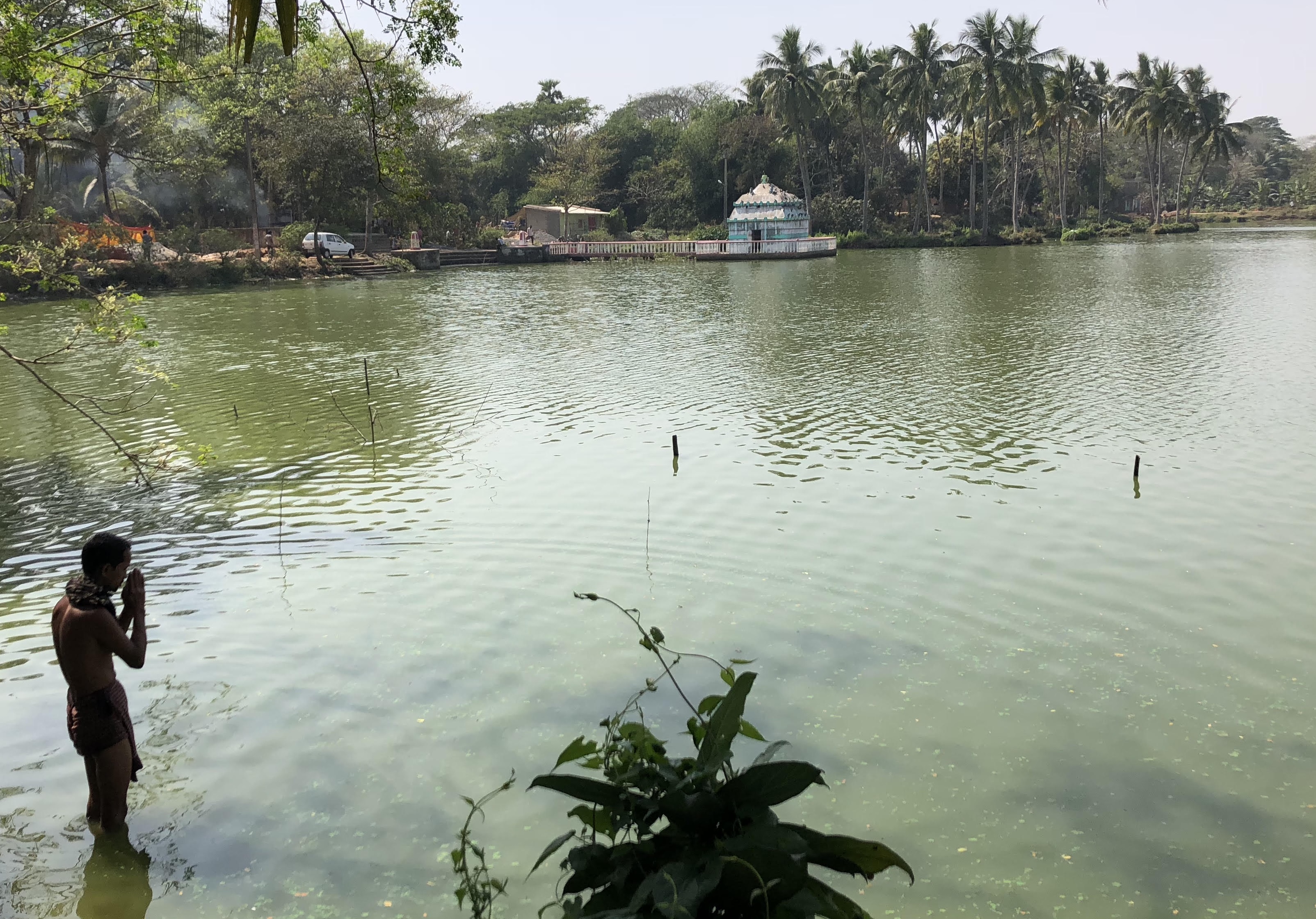
Afternoon prayer and bath at the village pond
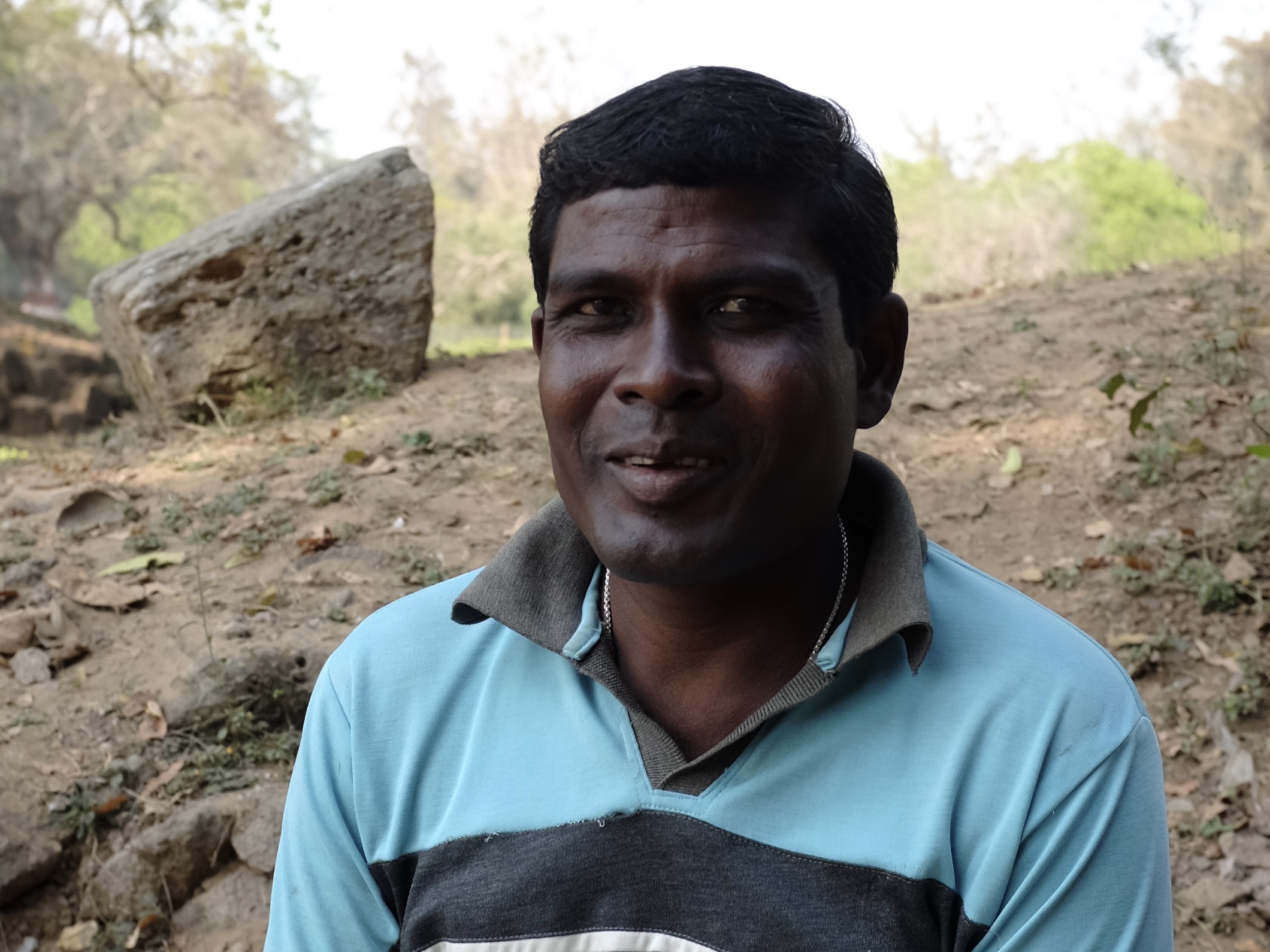
Kind Odia face at the Sun Temple in Konark
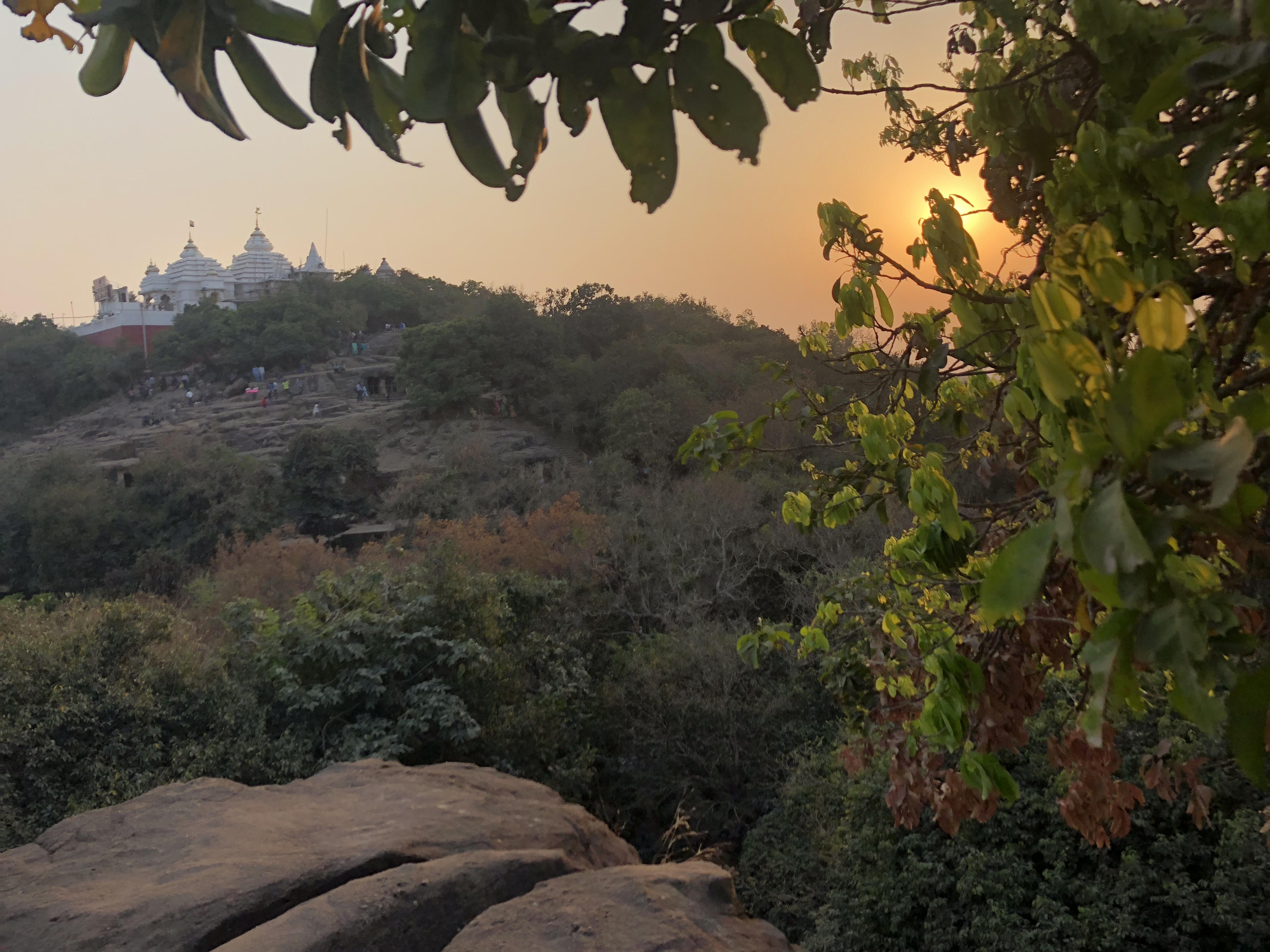
Sunset over the Udayagiri Hill
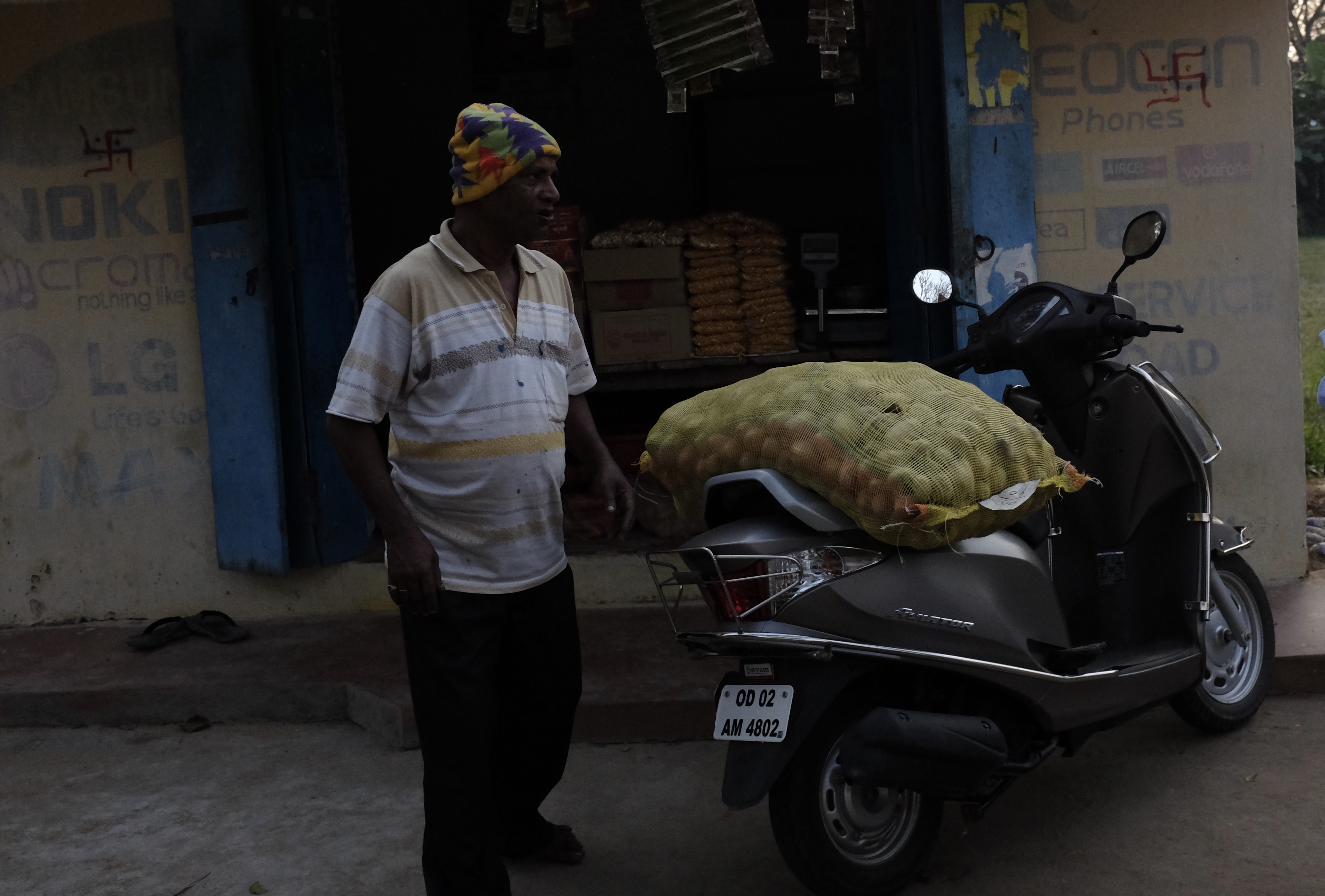
Man with colourful beanie outside a store for farm produce
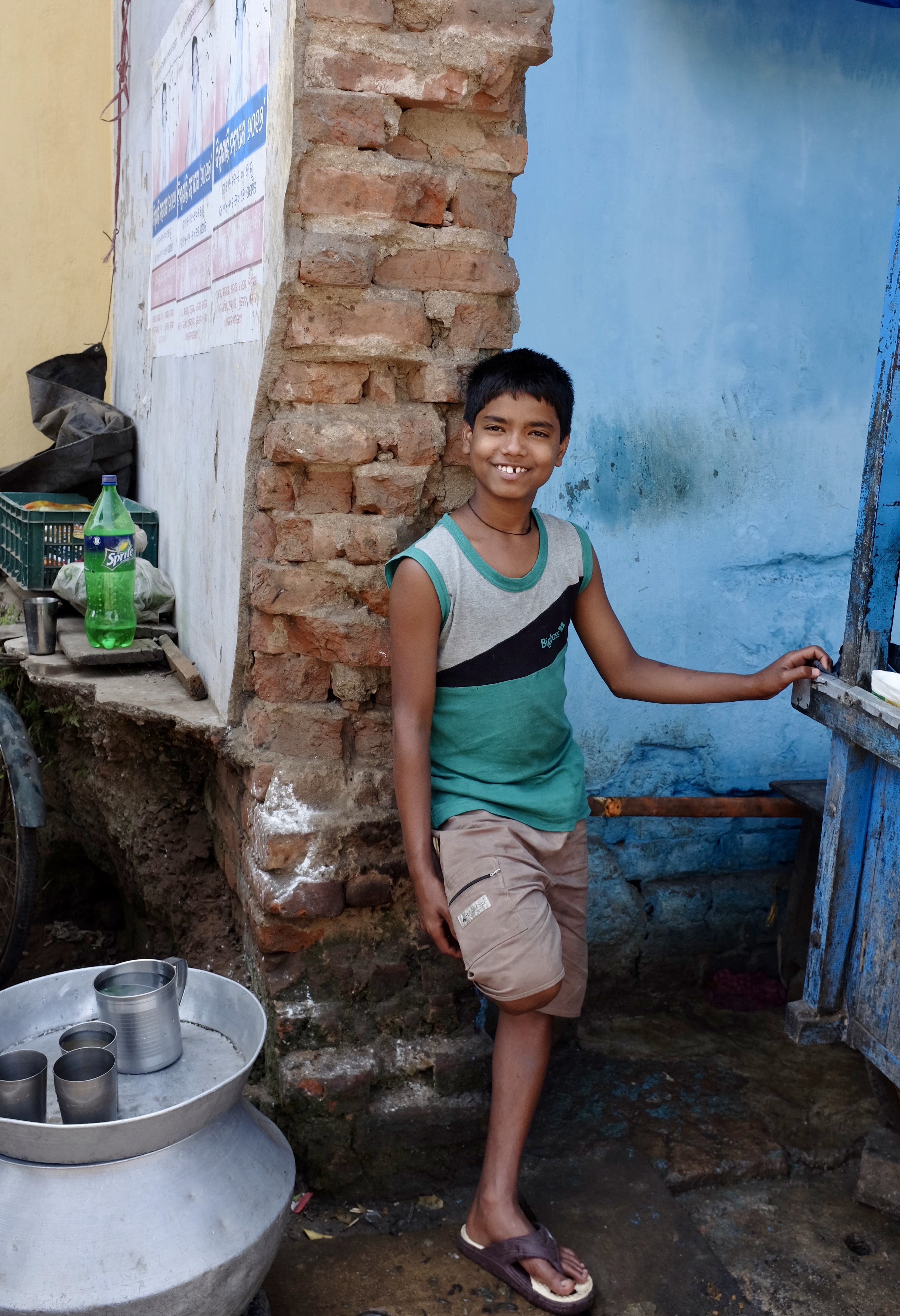
Young stall assistant, Puri
Puri with its great Jagannath Temple is one of the holiest religious sites in India.
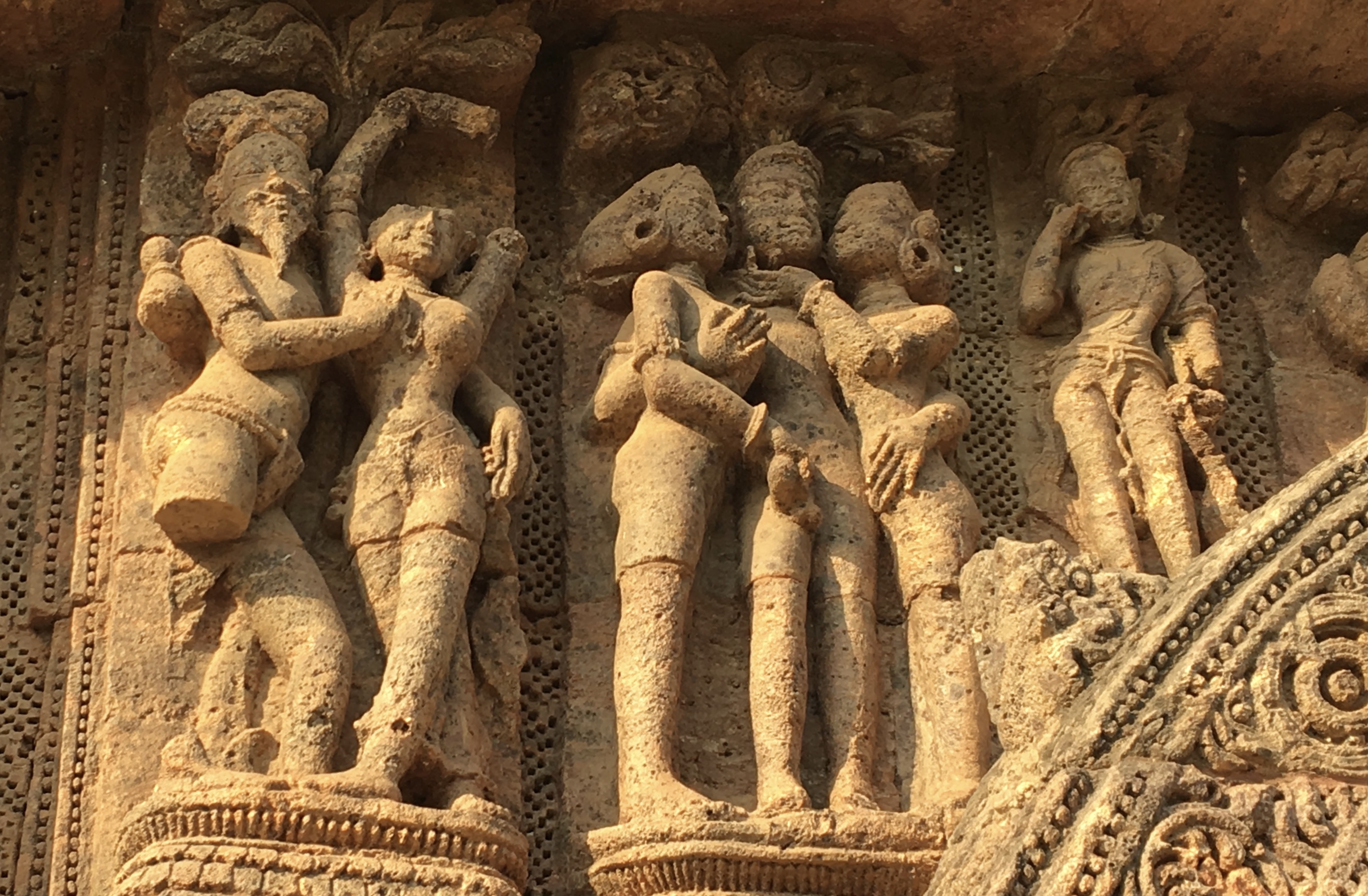
Sex in sandstone and the climax of Kalinga architectural genius at the Sun temple of Konark
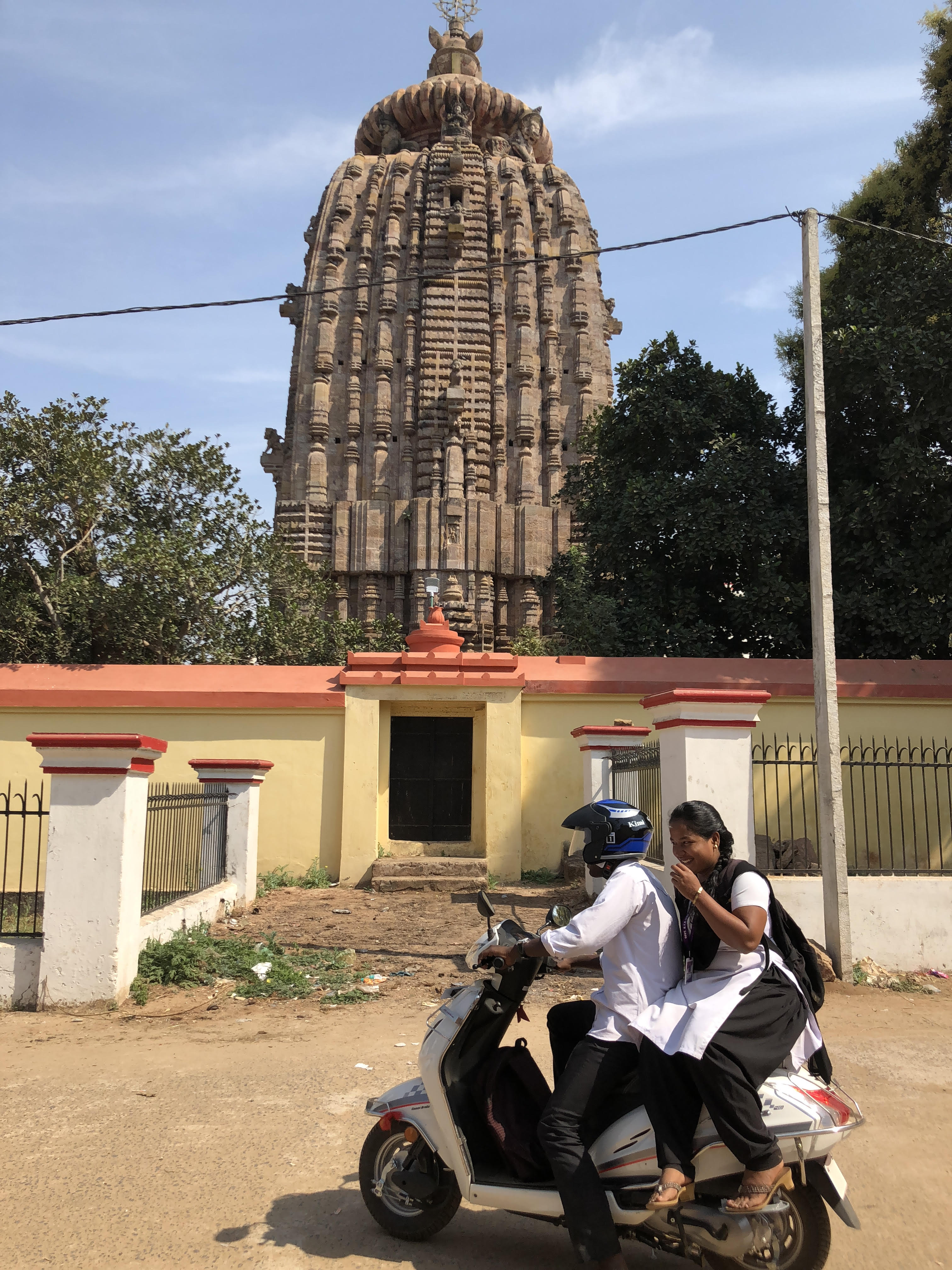
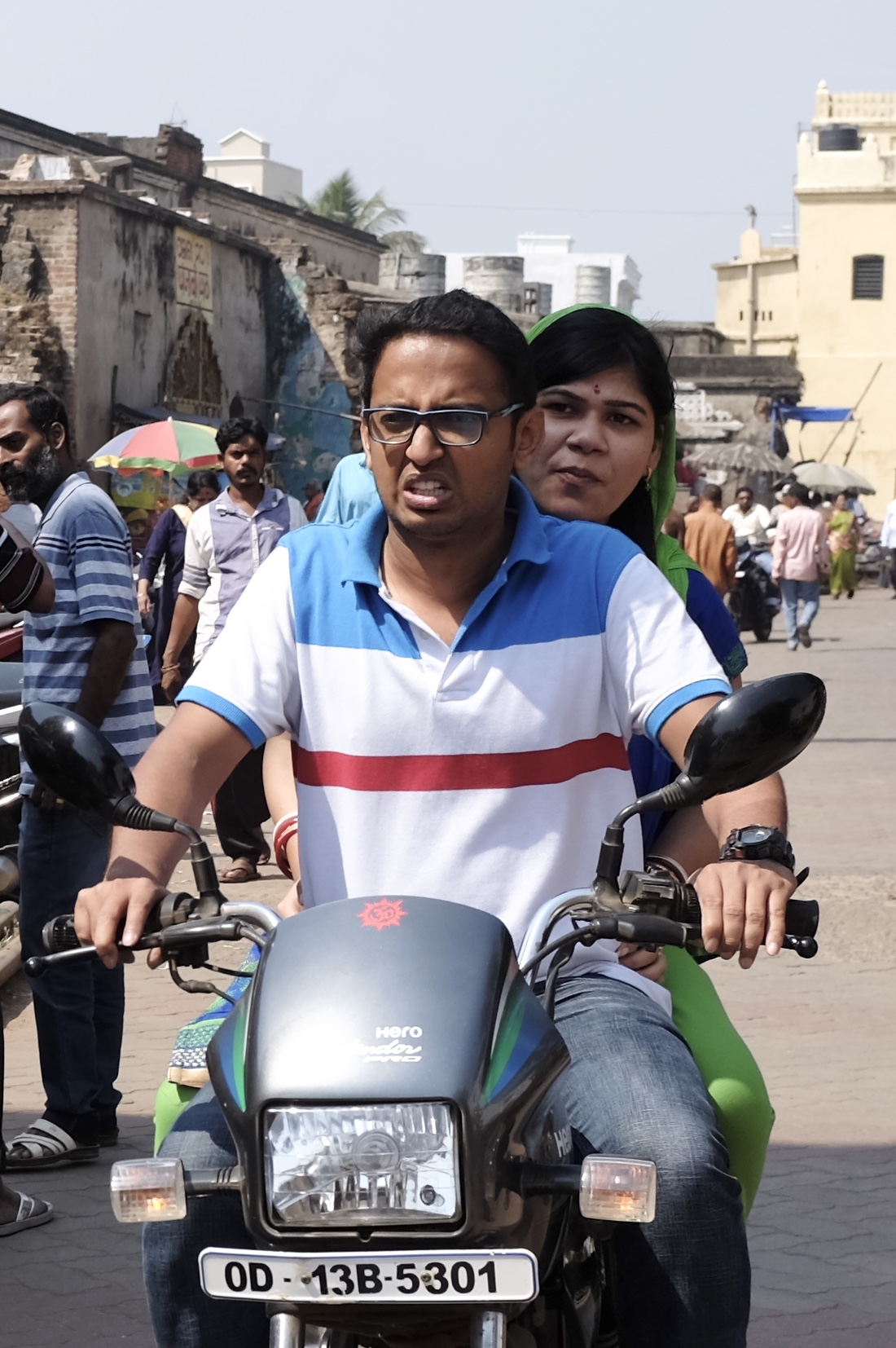
Student couple on a motorbike outside the Sakshigopal Temple
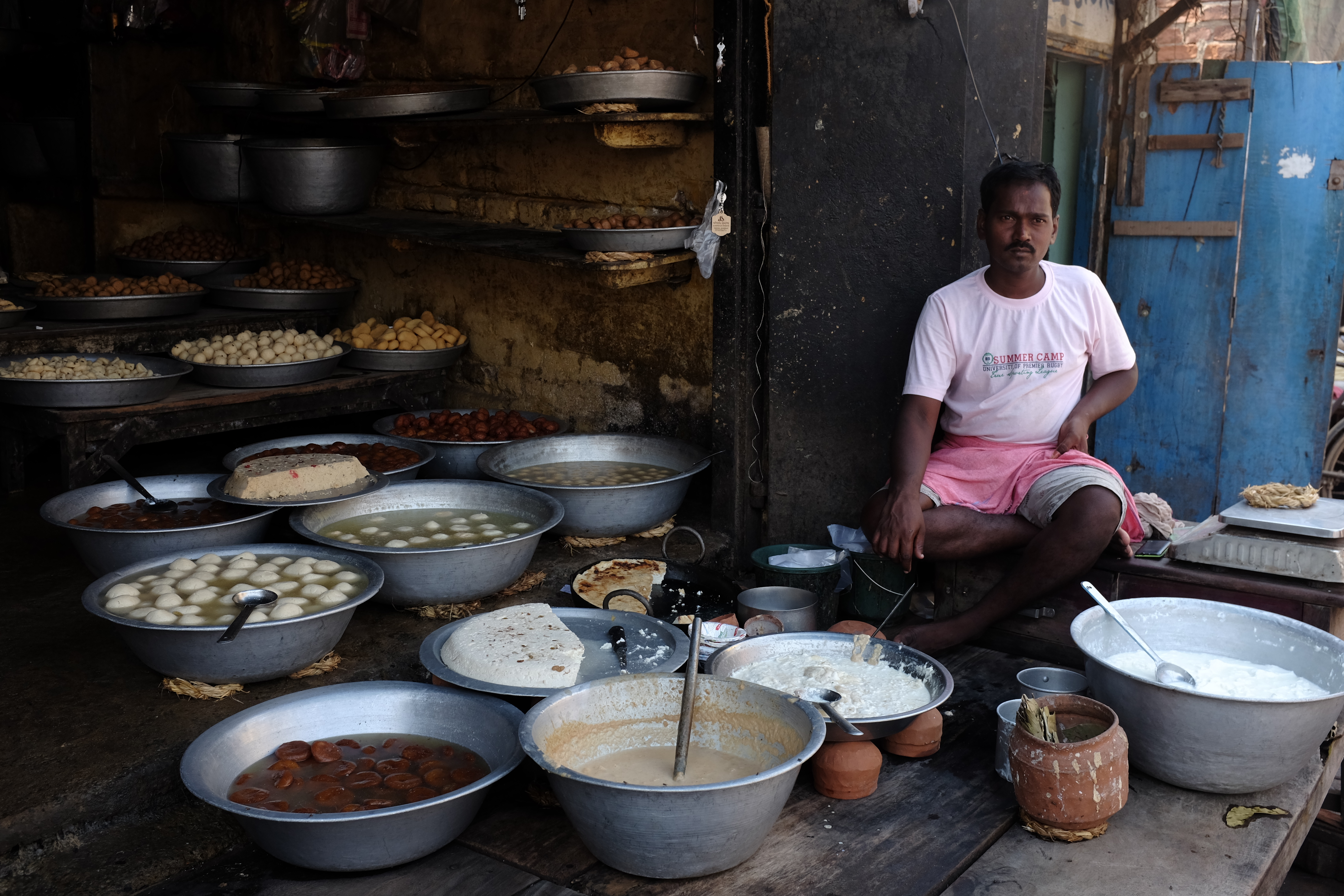
A famous sweet and dessert shop in Puri
Udayagiri Caves
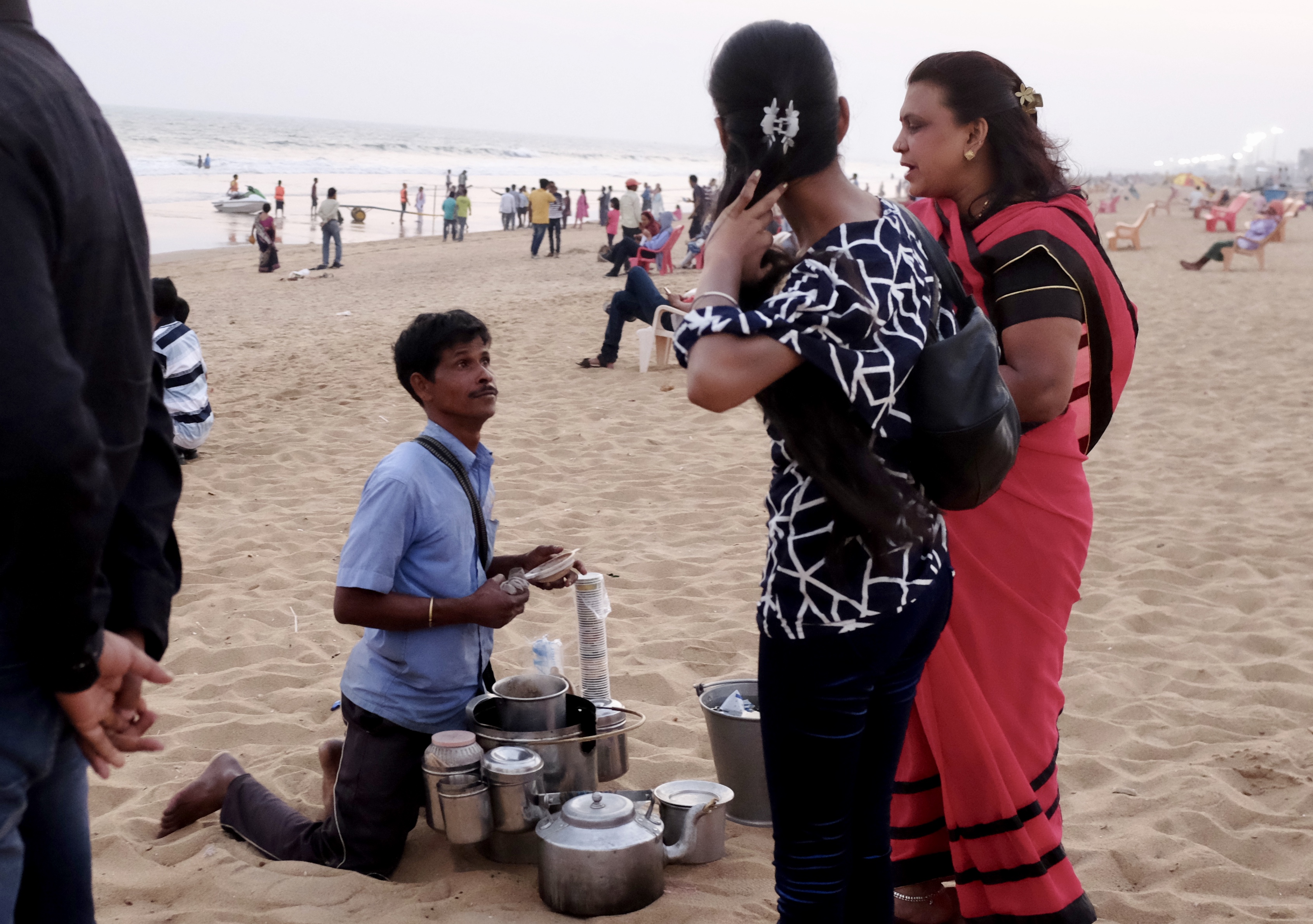
Hot tea on the beach
Greetings and smile under the hot sun in the village of Sakshigopal
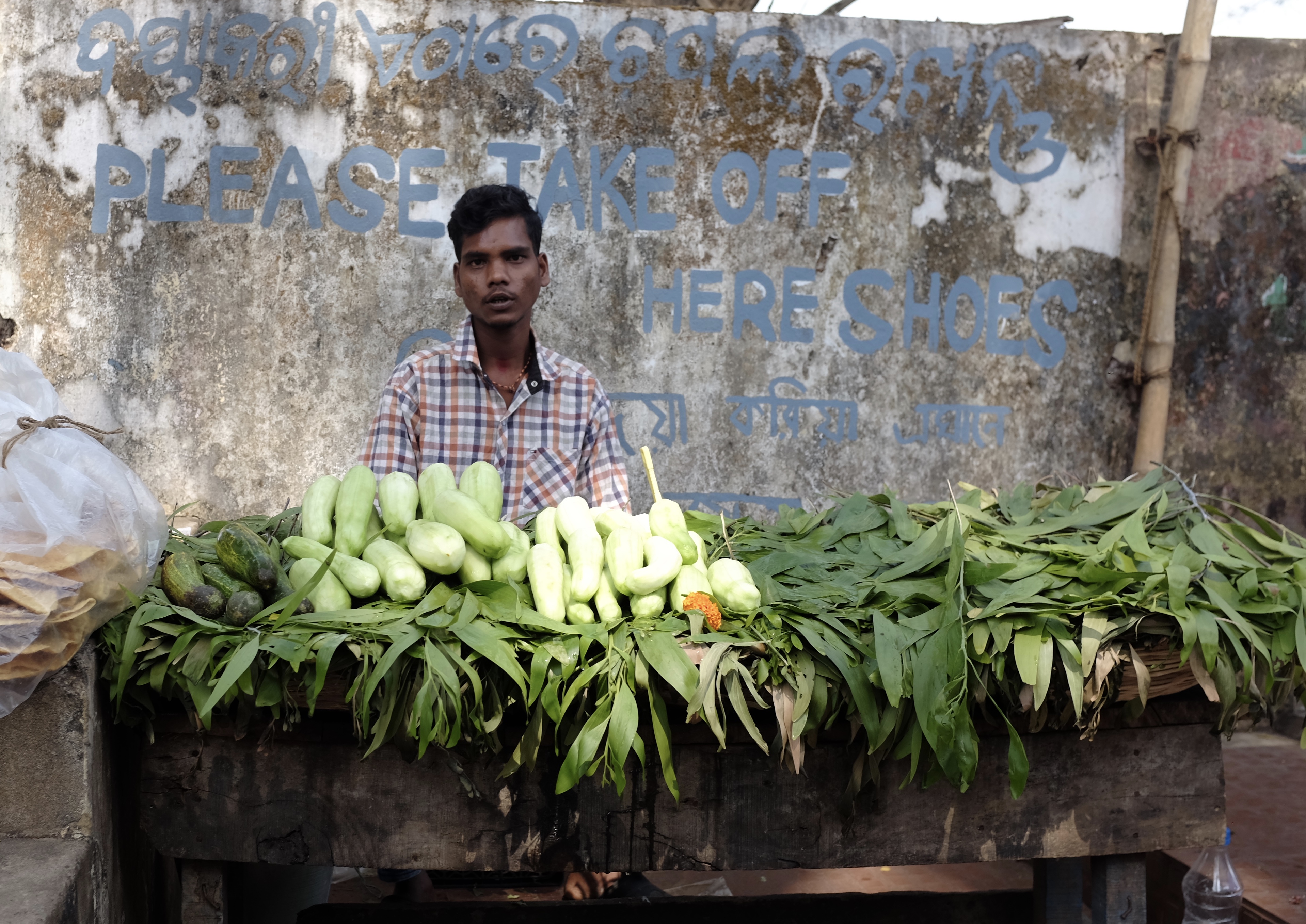
Vegetable Vendor in Dhauligiri
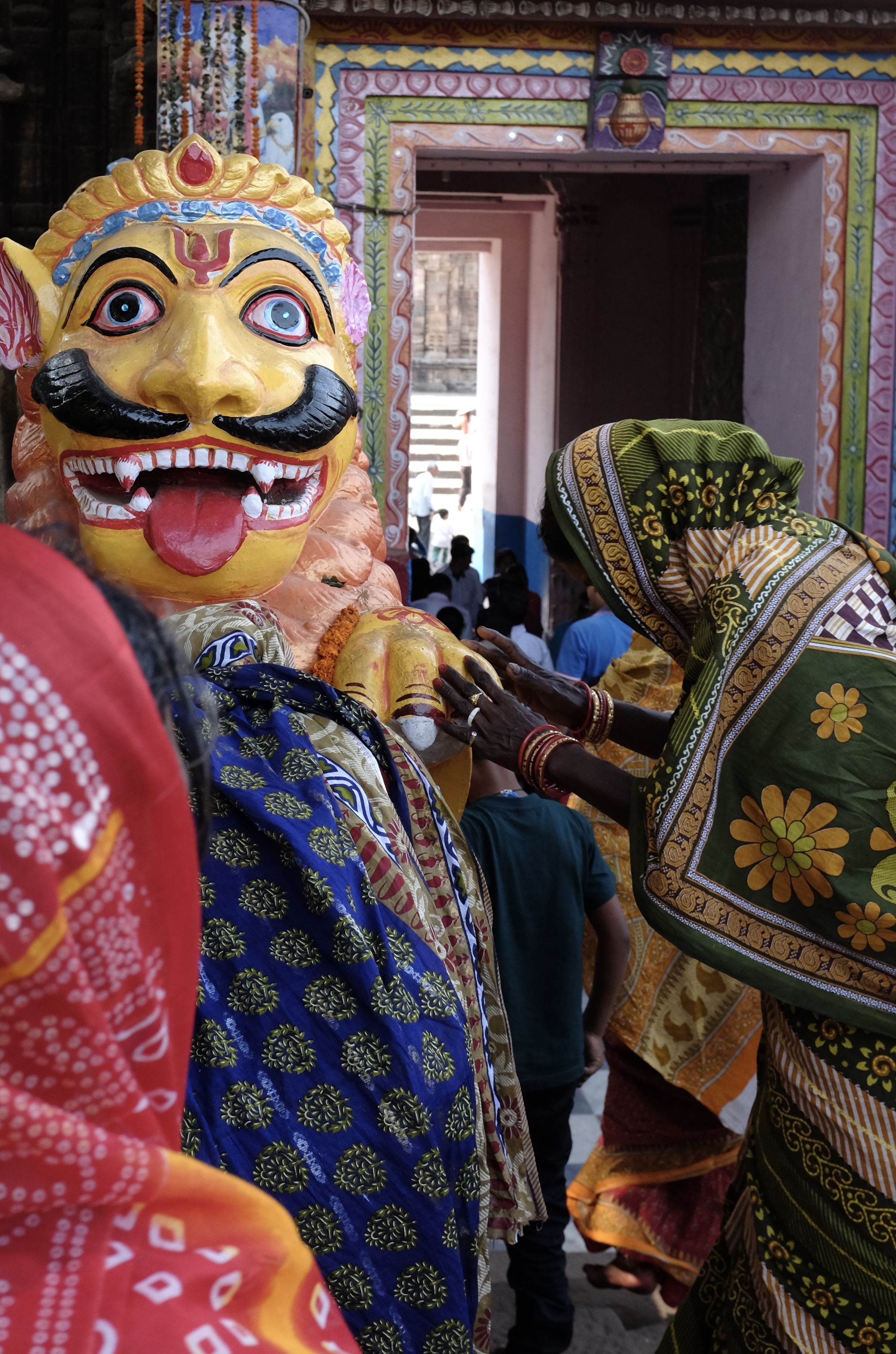
Devotees outside the Jagannath Temple in Puri
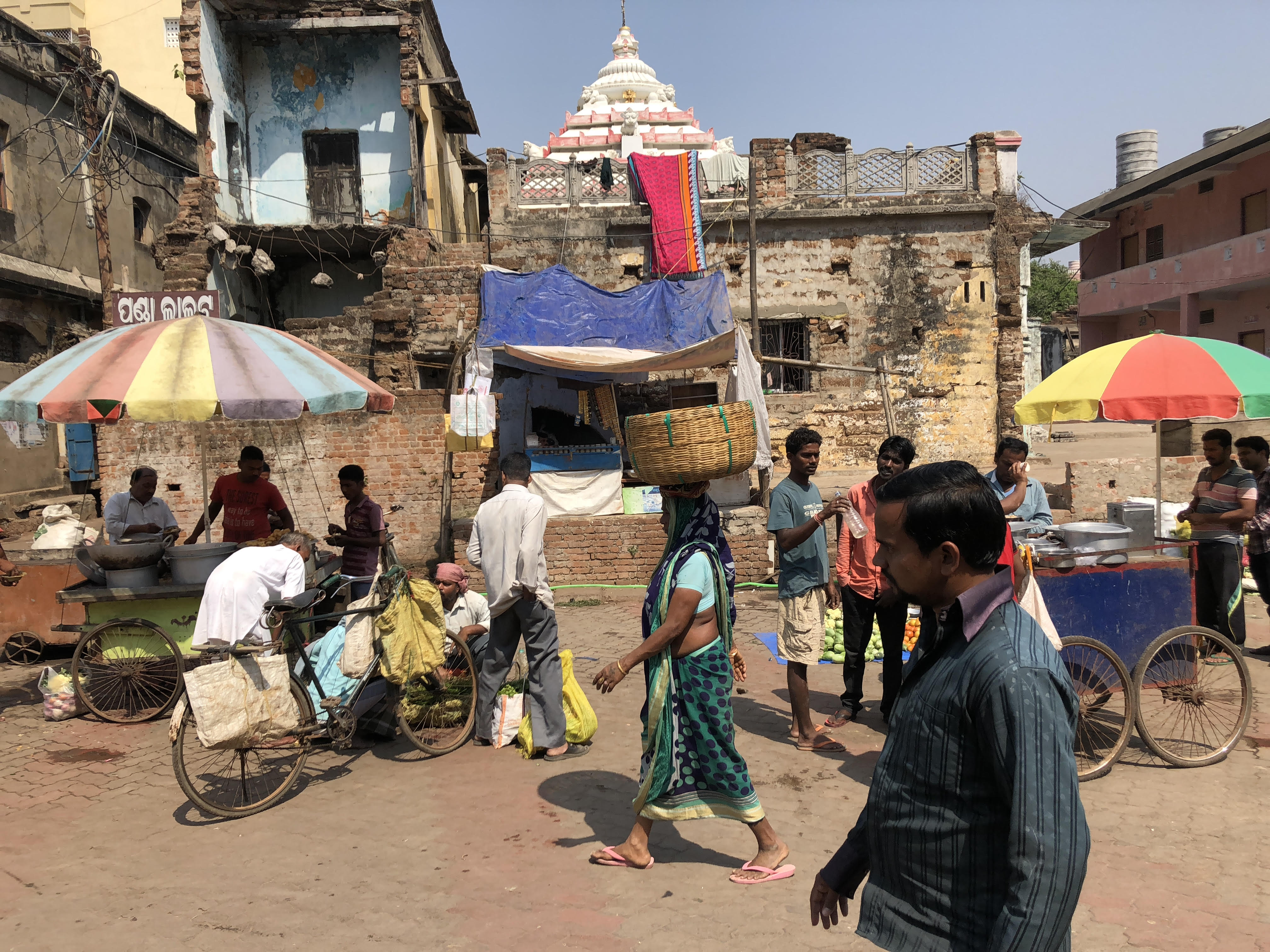
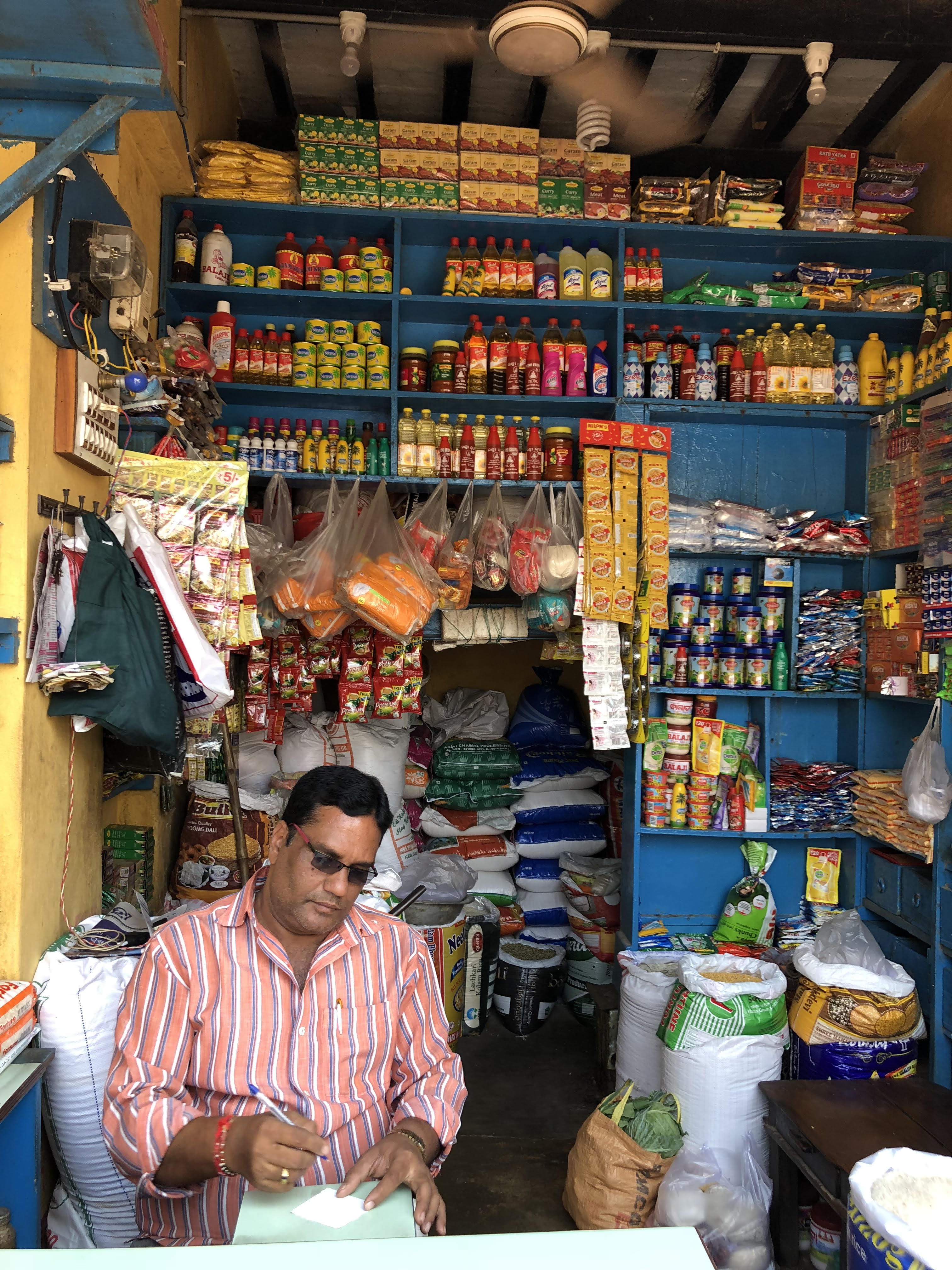
Grocery shop in the precinct of the Jagannath Temple in Puri
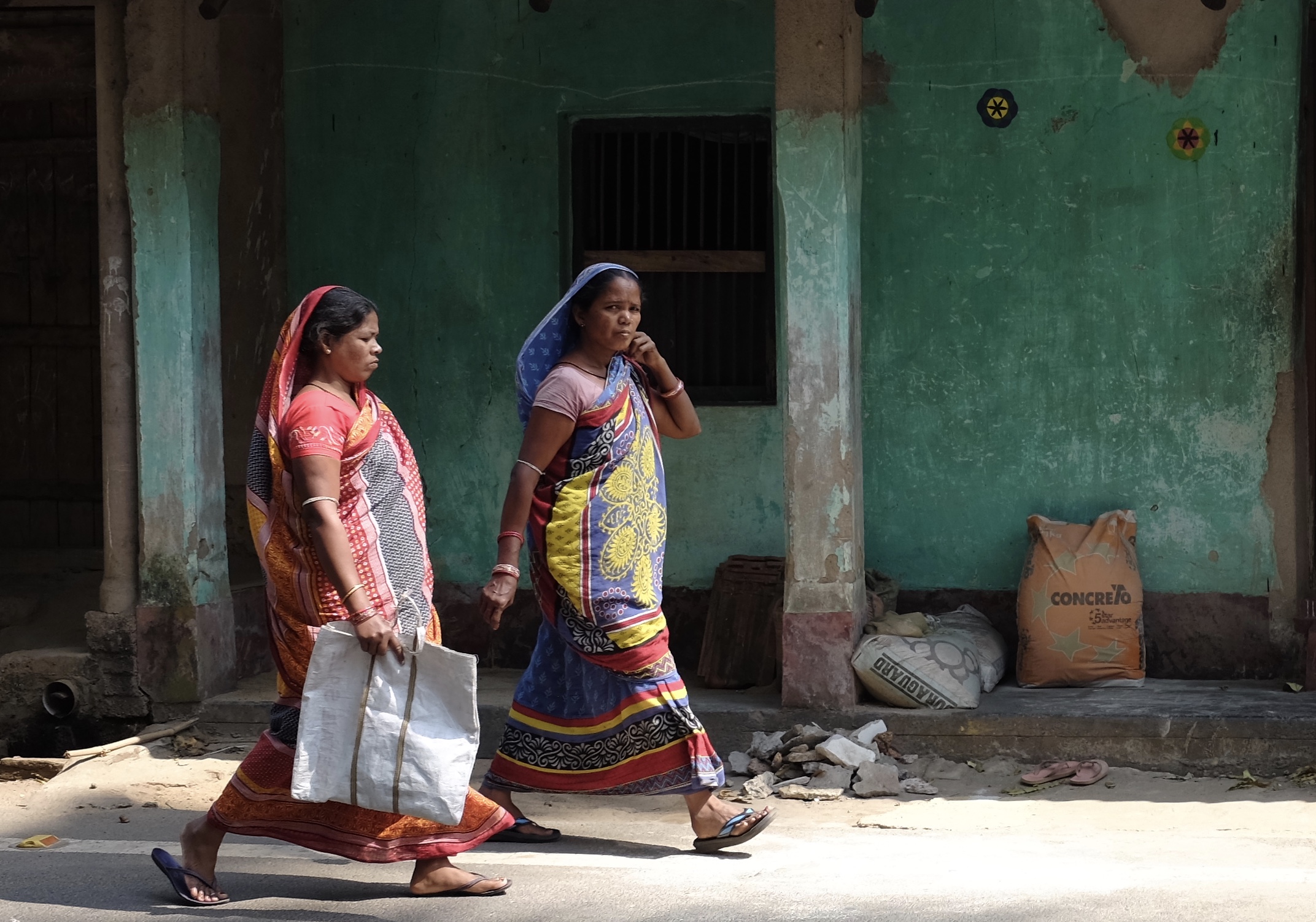
Turquoise green and Cobalt blue are favourite colours for homes like this one in a small village on the way to Puri
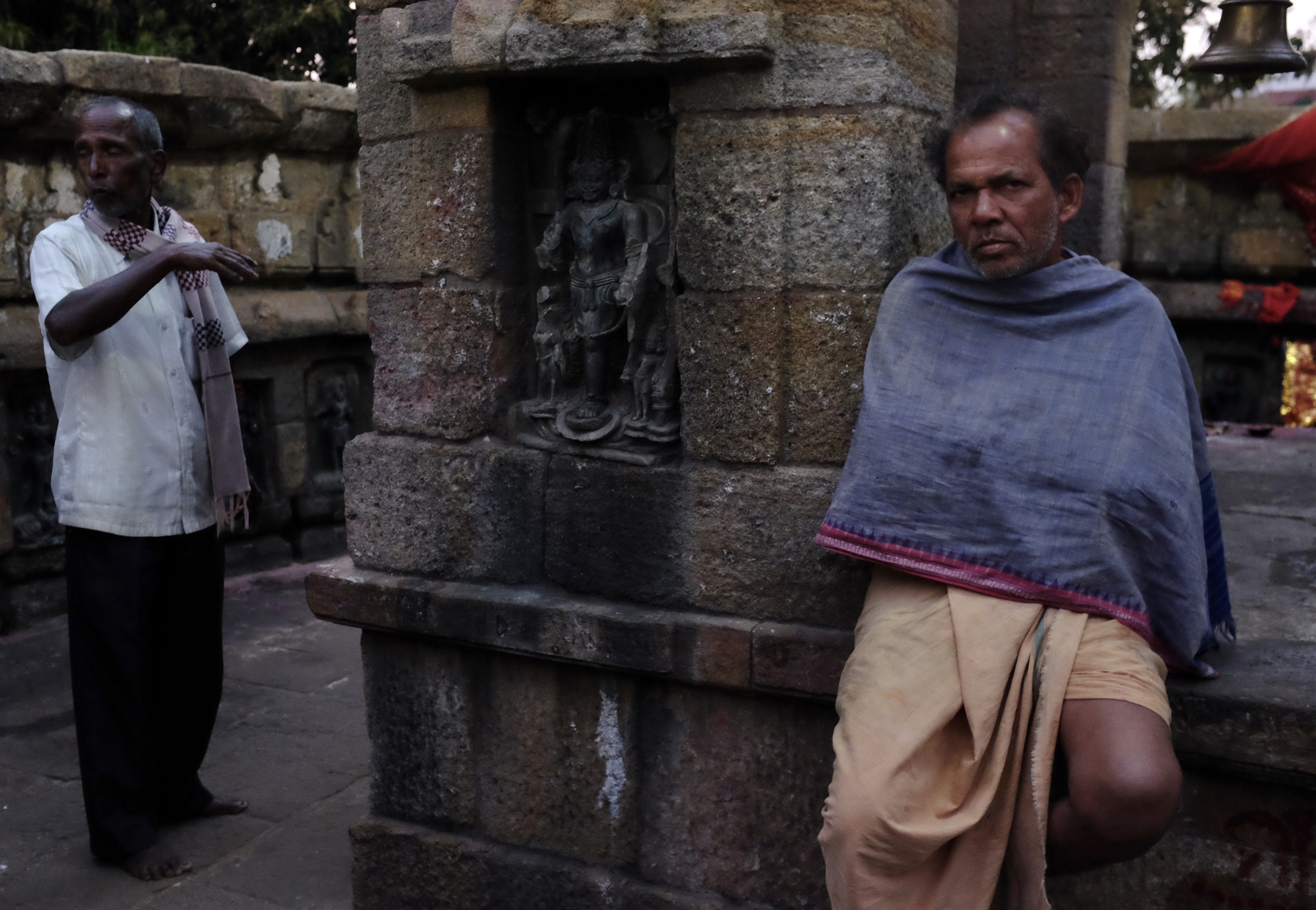
Caretaker and priest at the 9th century Chausathi Jogini Temple in Hirapur
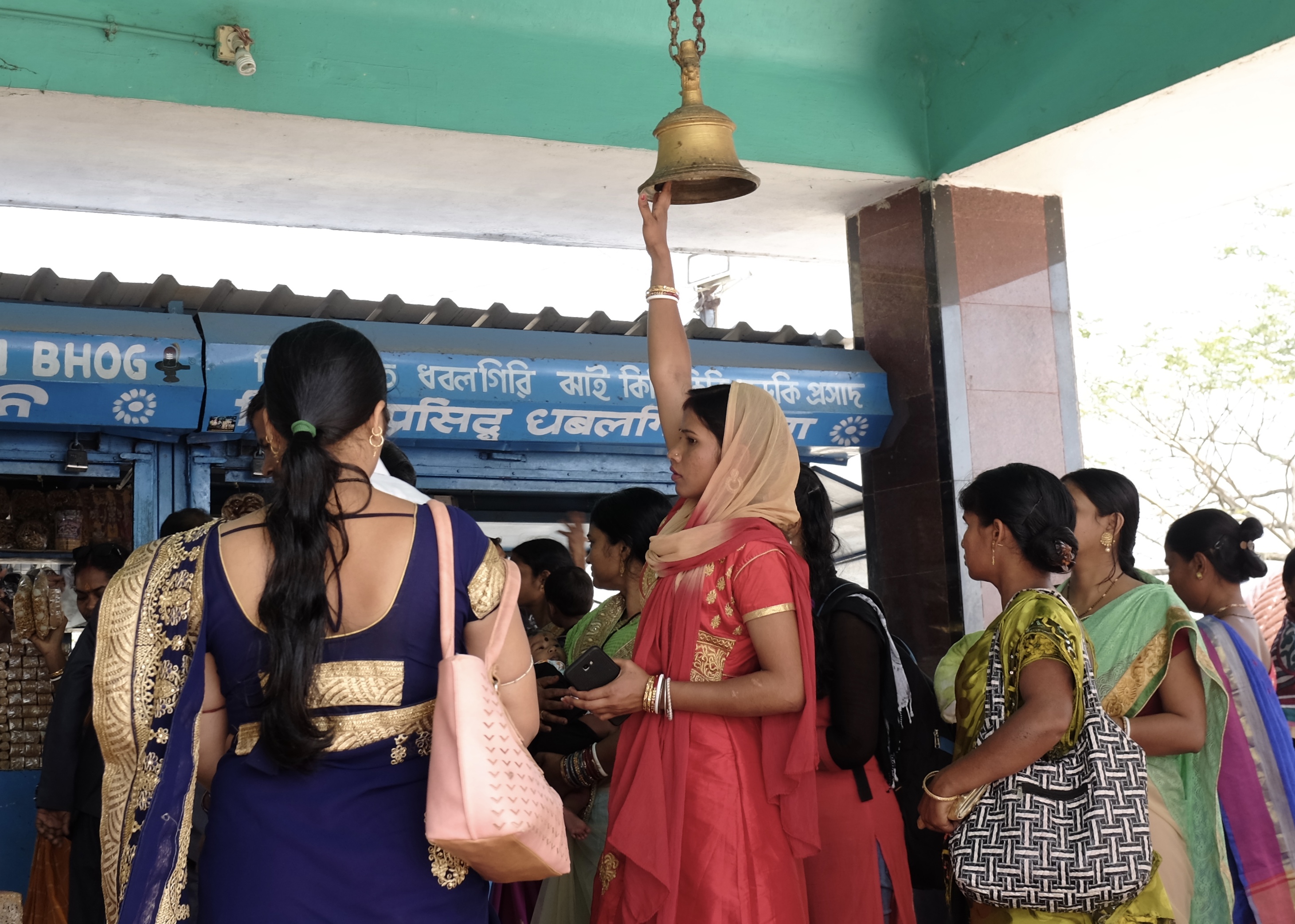
Women in colourful sarees at the main entrance to the Lingaraja Temple in Bhubaneswar
Devotees at a Hindu shrine on Dhauligiri
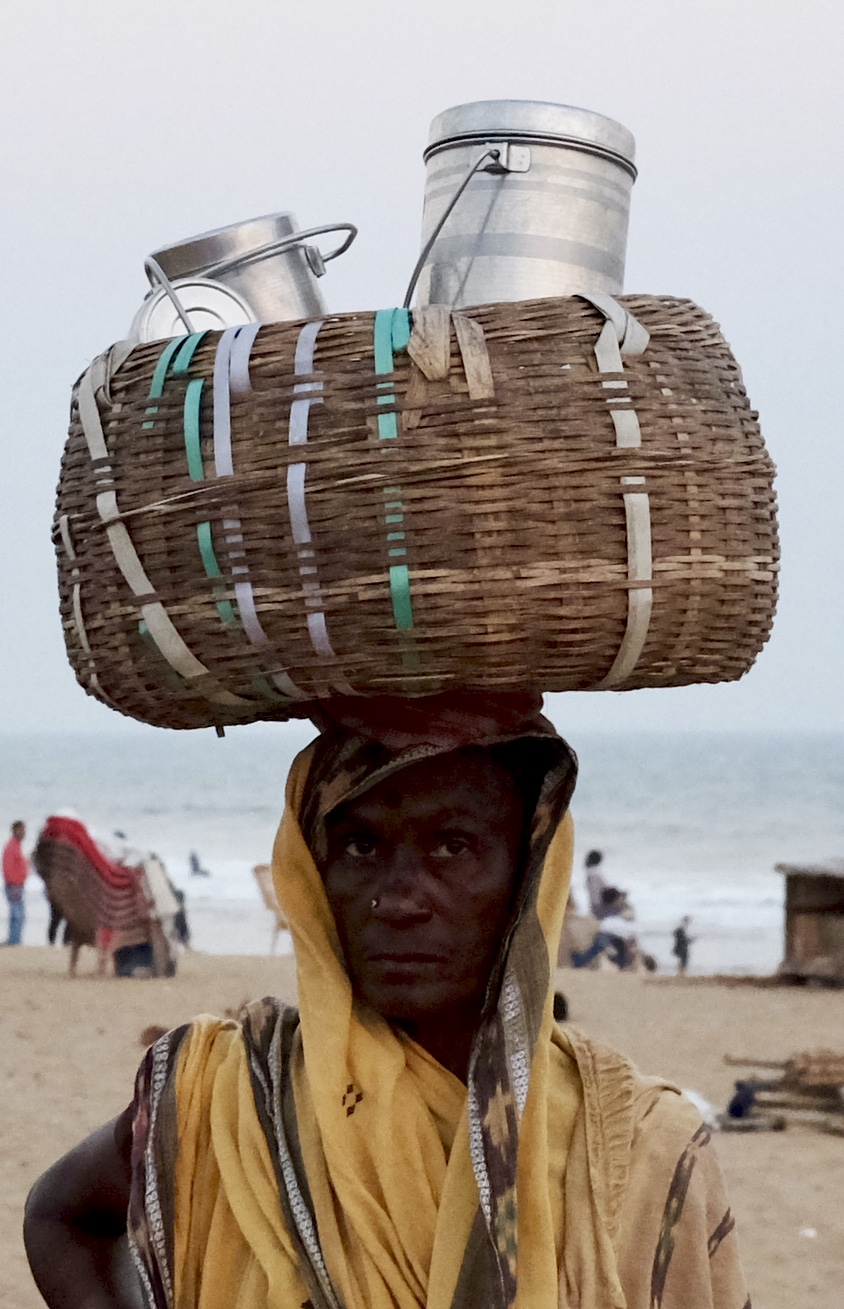
Beach vendor in Puri
A foreigner’s only view of the awesome Lingaraja Temple is from a platform outside the walls. Only Hindus and Indians are allowed inside.
Young Odissi dancers after their performance
Young souvenir vendor in Puri
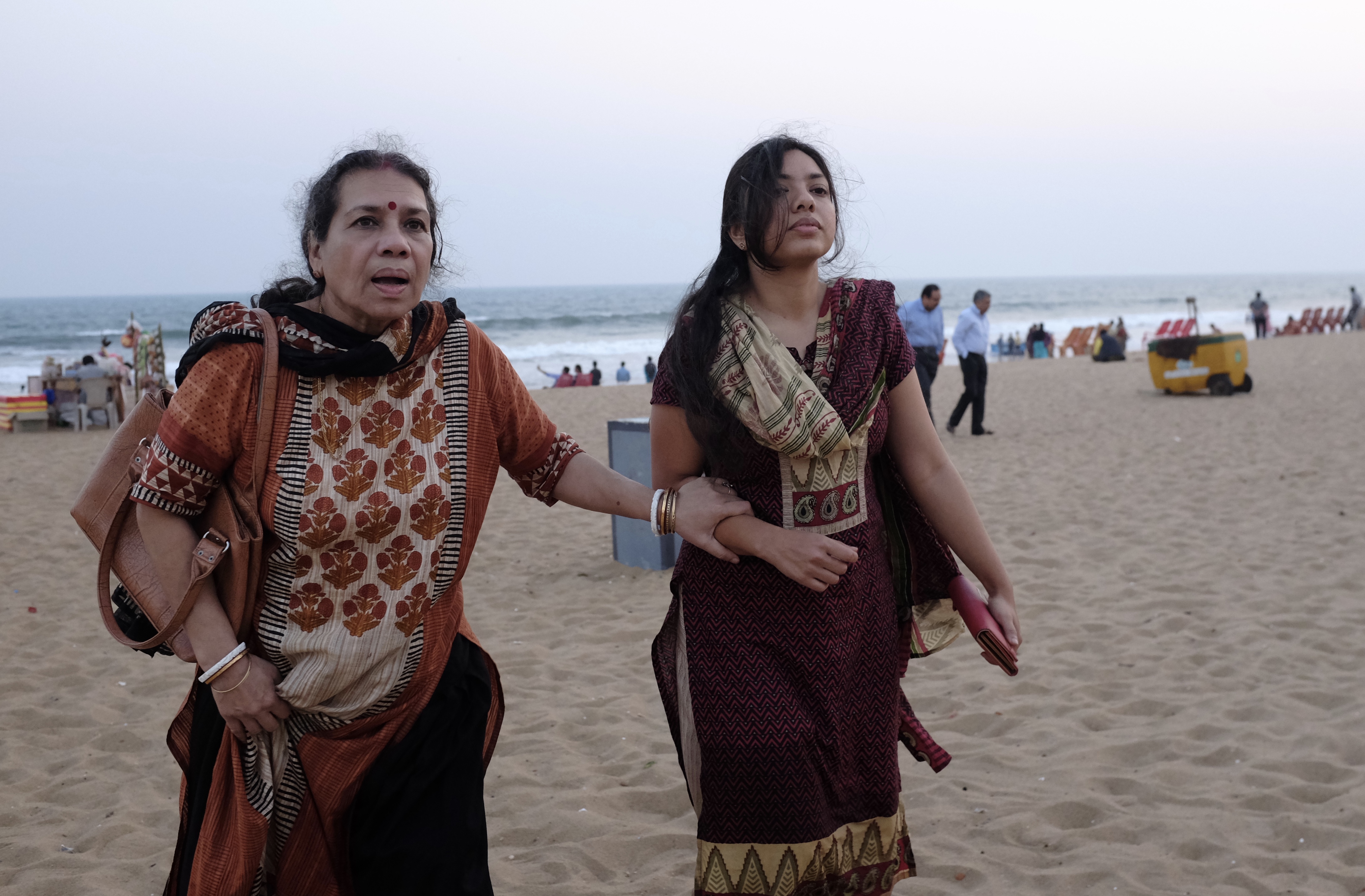
Puri the pilgrims town also plays host to many vacationers from West Bengal in search of a holiday by the beach
Motorbike riders in the Jagannath Temple precinct where motorcars are not allowed
All text and photographs copyright Kerk Boon Leng February 2018
The hairdryer heat of Amritsar gets big, serious and underway by the month of May. Amritsar is India’s most northerly city before you hit Kashmir, lying almost on the same latitude as Charleston and Shanghai. The days start early – in the morning at about five thirty.
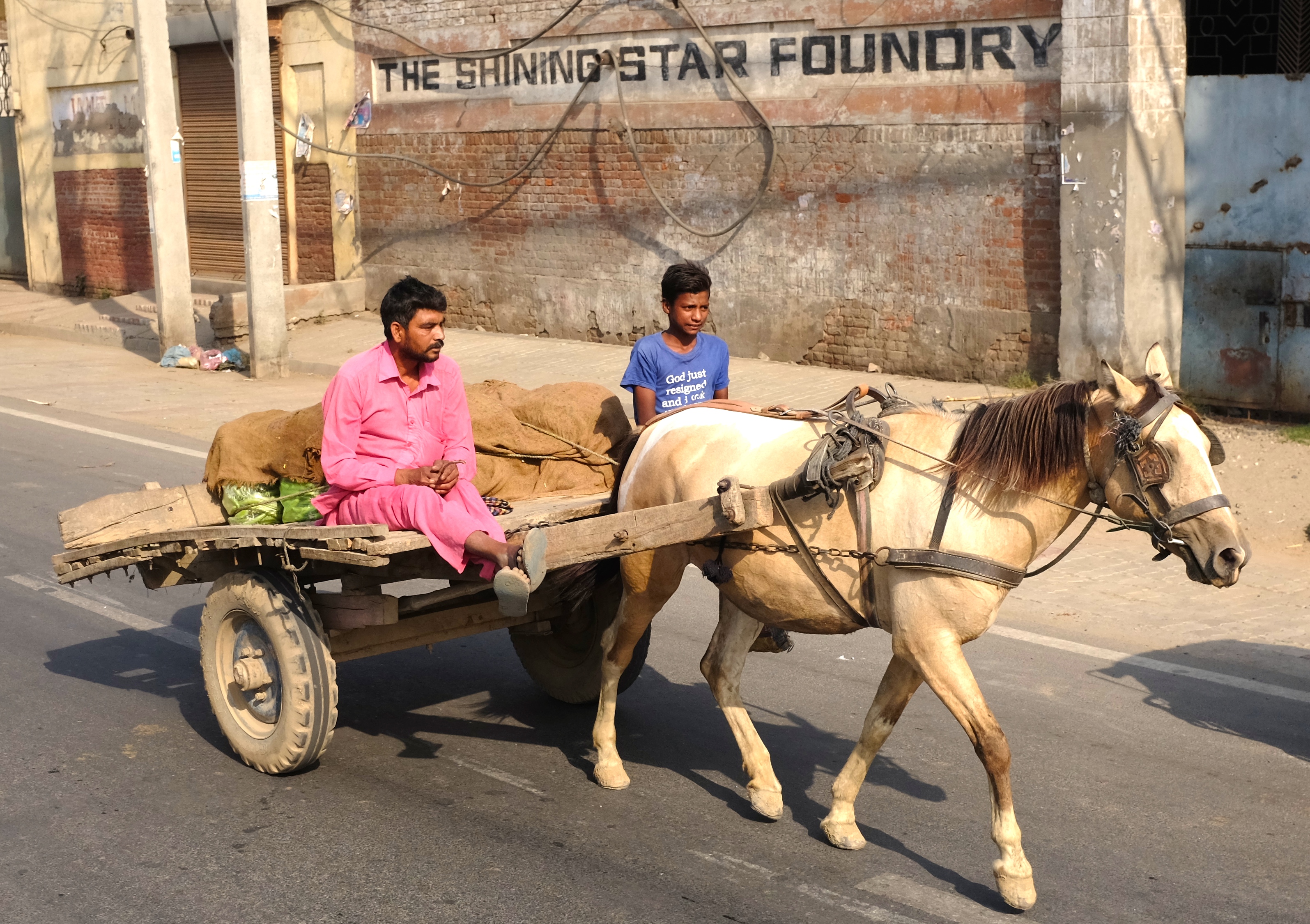
My half drawn windows look across the view of the traffic on the Grand Trunk Road – a dawn parade beneath a concrete flyover of trucks, tractors and trotting horse carts. The brightness even in the pervading dust is intense and blinding. So that by the time I wipe my breakfast plate clean of dal makhani with roti the sun is up and ready to blaze down on this city of over a million humming human souls.
Strangely, the most uncomfortable feeling about traveling in Amritsar in the hot weather is not when you are trapped in traffic inside the narrow lanes of the old city, all your senses assaulted, as you breathe in toxic and fierce furnace air.
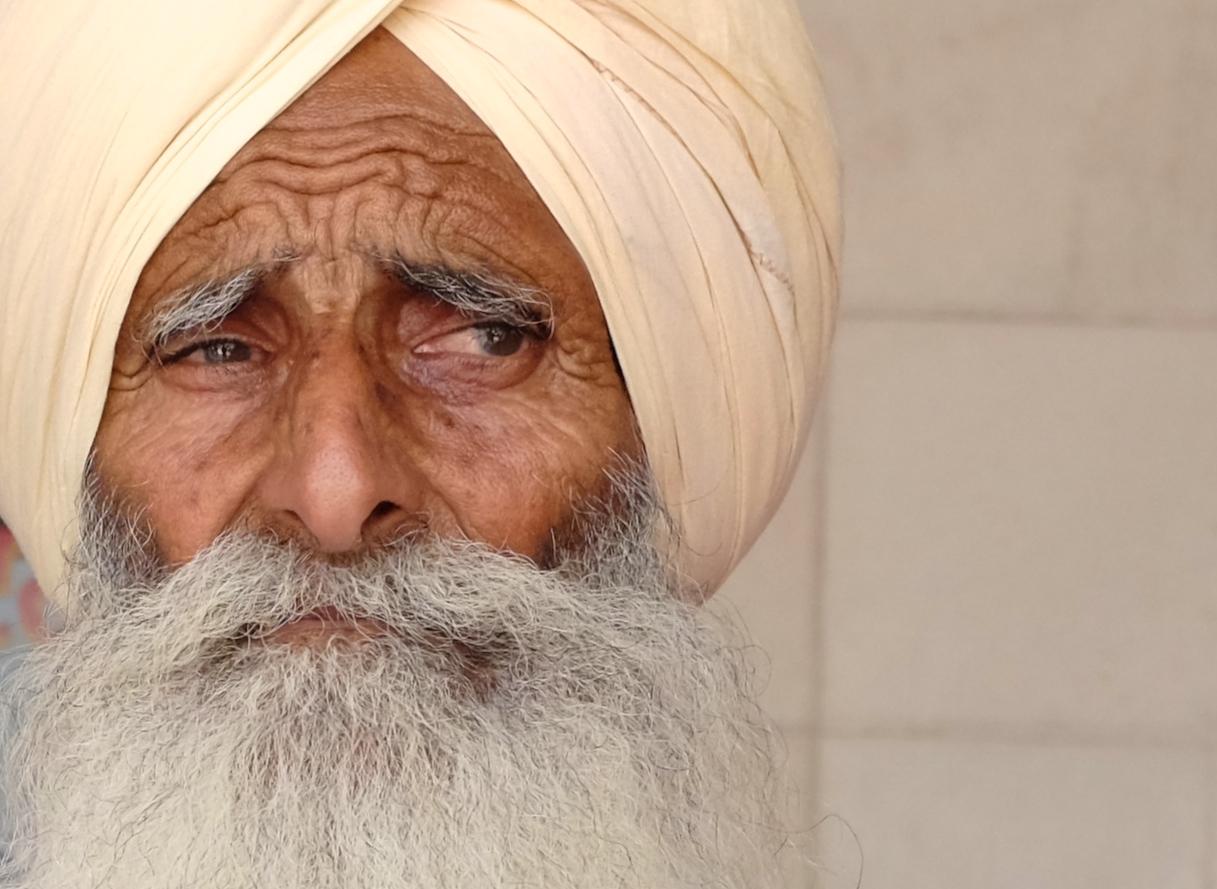
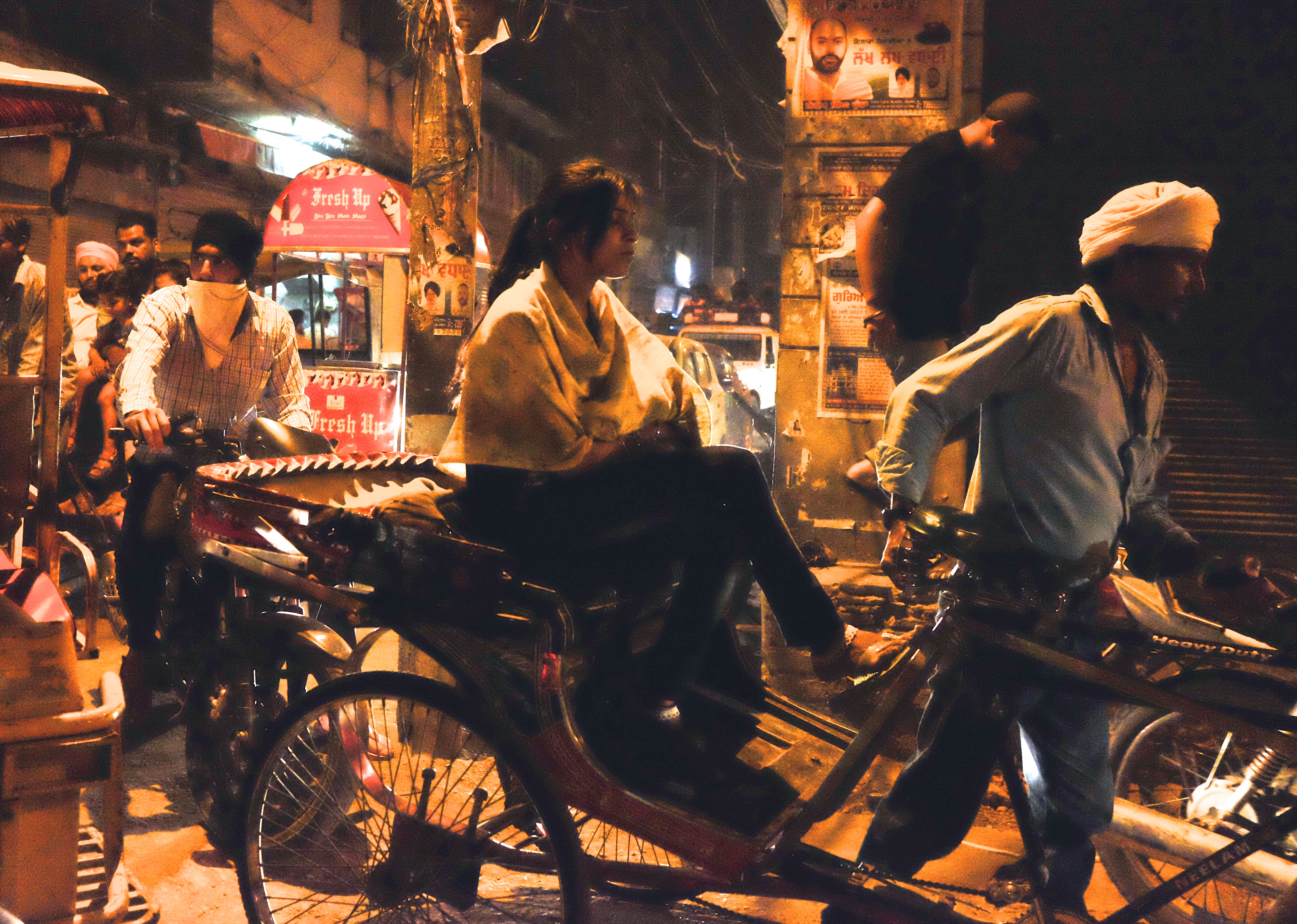
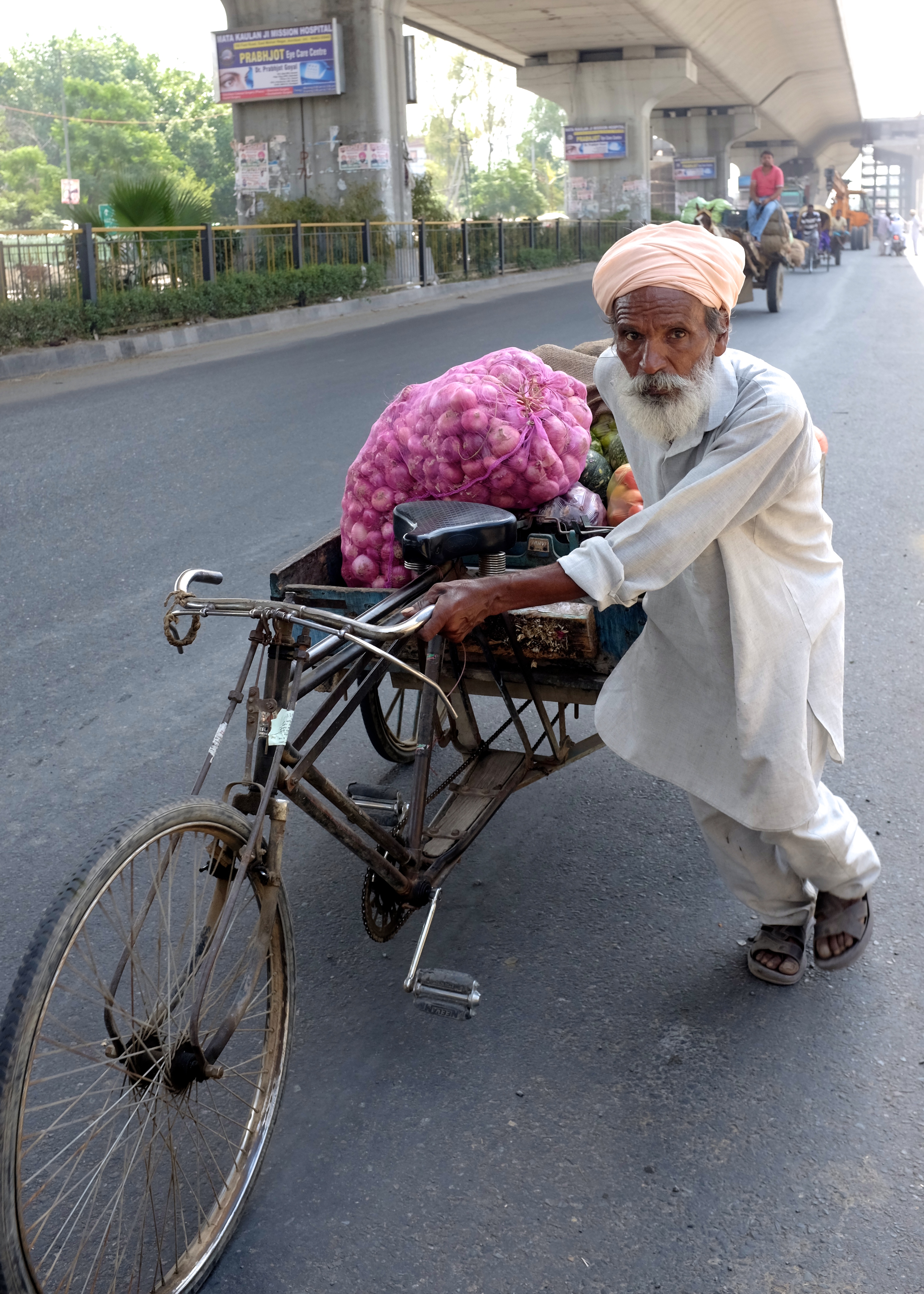
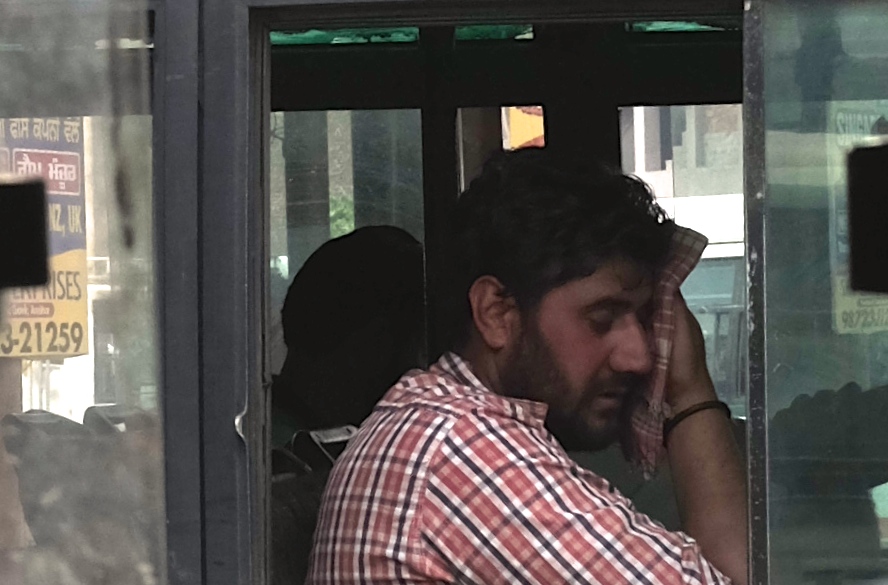
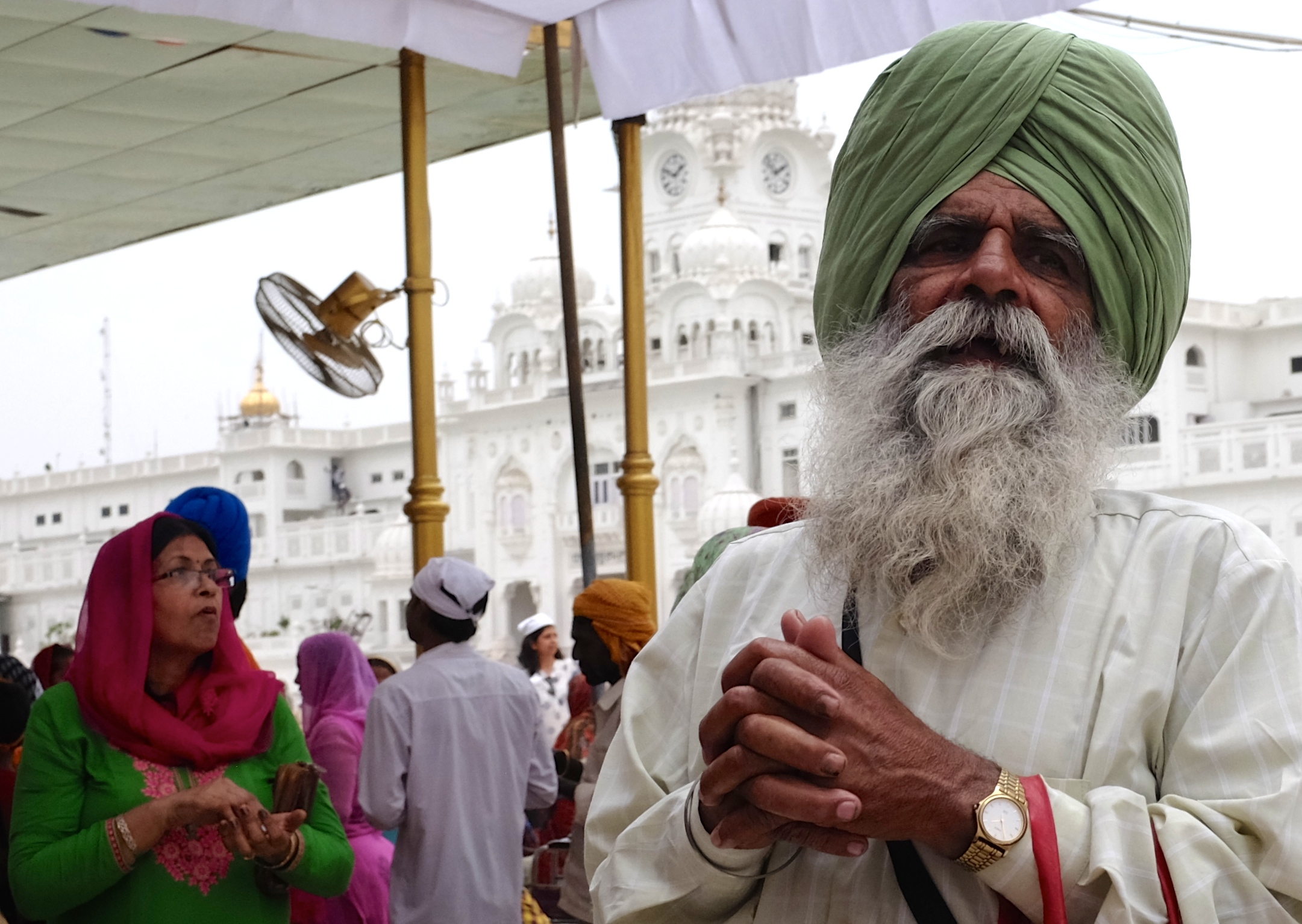
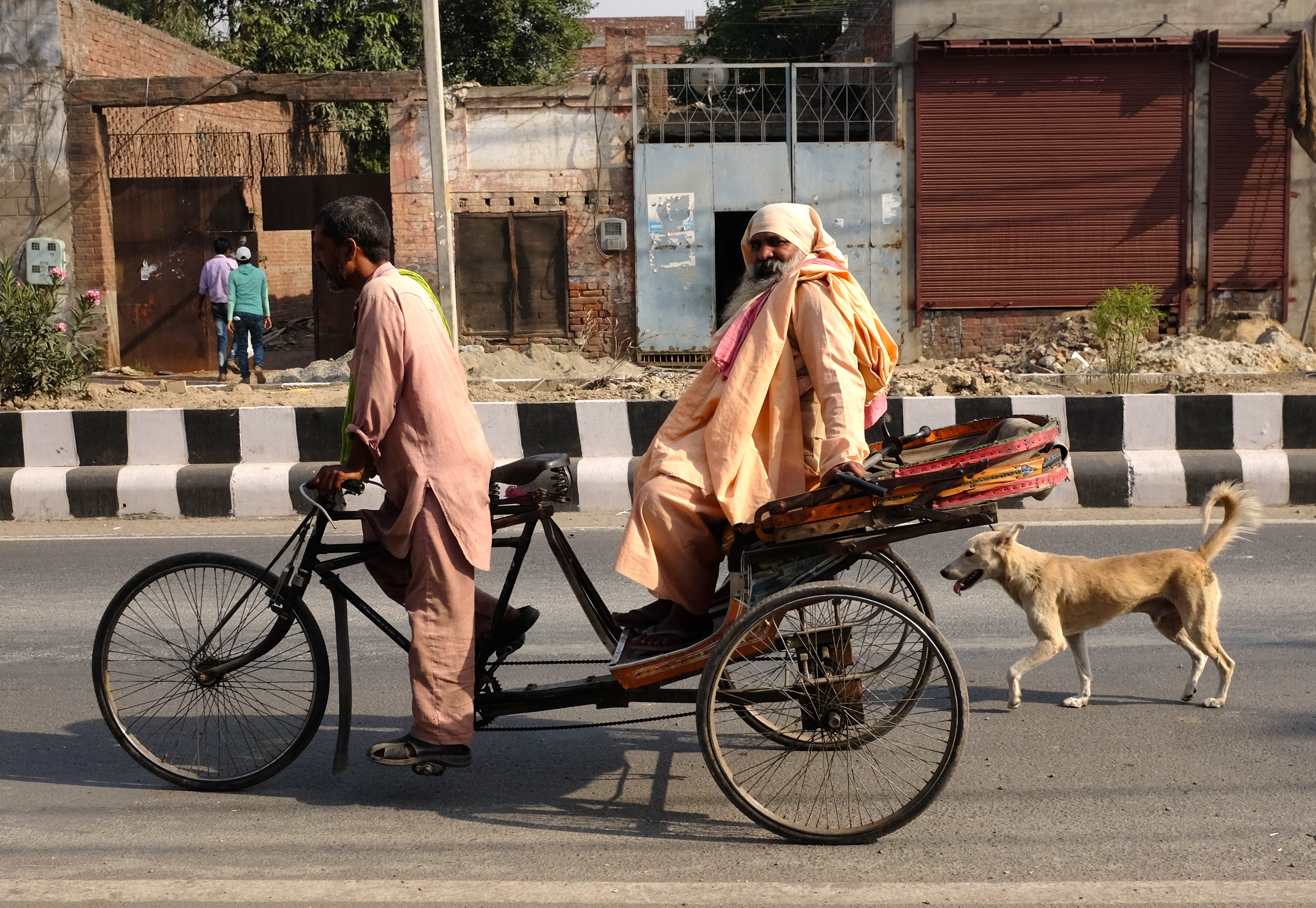
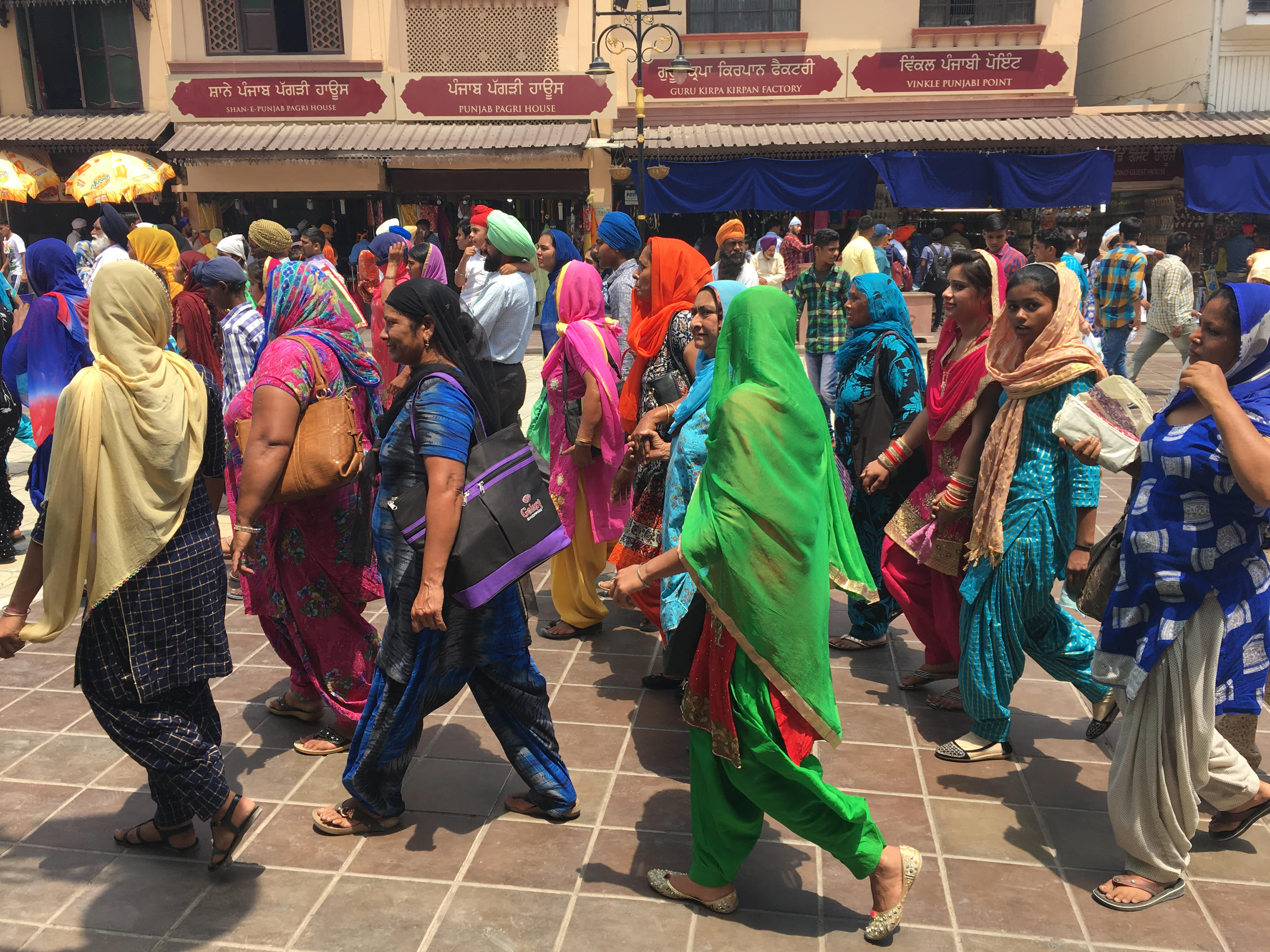
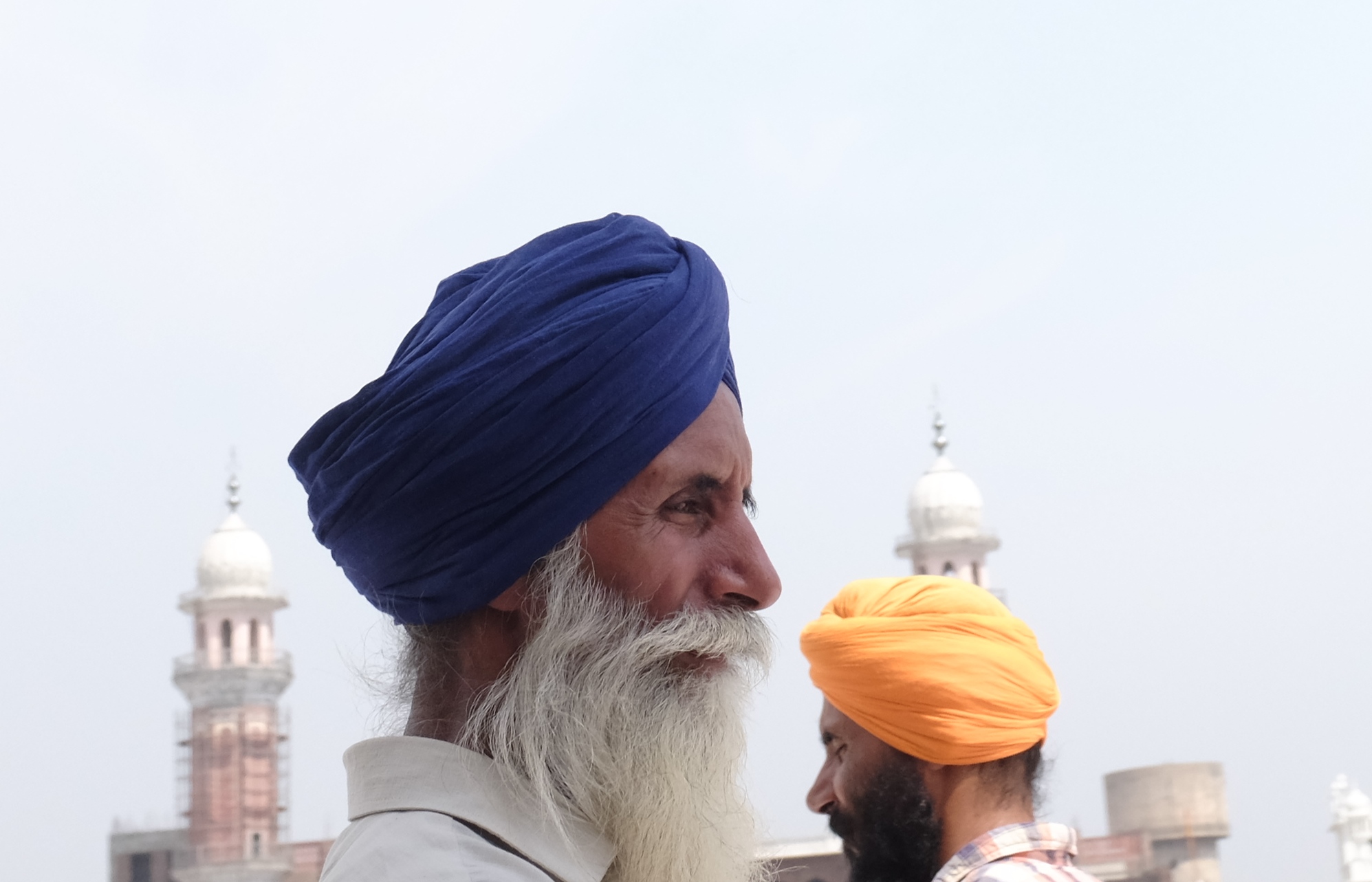
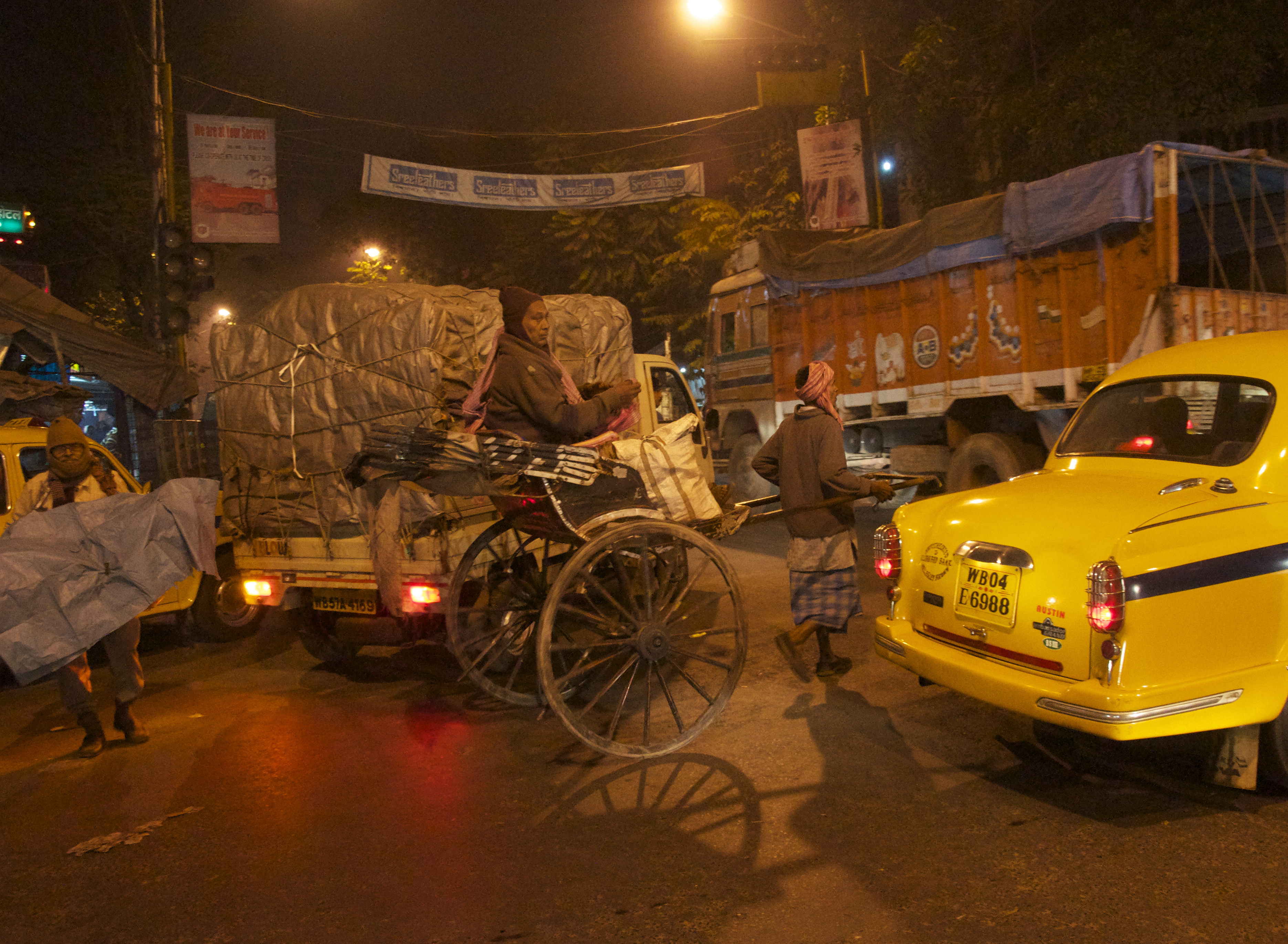
It is rather the sights of dark proud grimacing aquiline faces wrapped in turbans of elderly grandfathers who are reduced to skin, bones and muscles pedaling beastly loads of people and goods for a living in life-sapping heat.
Traffic bottlenecks at the narrow lanes of Amritsar’s old city
Morning on the GT (Grand Trunk) Road, one of the oldest and longest highways in the world. It was built by India’s first great king Ashoka, improved by the British and spanned the width of old India. Kipling described it as “a river of life as nowhere else exists in the world”.
Amritsar is only 25 km from India’s blood-stained border with Pakistan. Despite its holy tourist town reputation, Amritsar has that somewhat clandestine, multiracial and more-than-meets-the-eye appearance of a frontier town.
Amritsar is in Punjab, a smallish state in north west India. The province over the border in Pakistan is also called Punjab. Before 1947 when India and Pakistan was one country, Punjab covered a much bigger area. The Punjab region of the Indian Subcontinent is the large alluvial plain that is roughly situated between the mountains of Afghanistan and the River Ganges.
Punjab which means ” Five Waters” was named by Persian-speaking Central Asian Turks from present-day Uzbekistan who came down over the Khyber Pass to conquer and rule India in the 16th century.
The five watery expanses they referred to are Jhelum, Chenab, Ravi, Sutlej and Beas. These rivers flow and merge downstream to join the Indus – a larger and longer river that gave India its name. The dynasty they founded was known as the Mughal (from Mongol) for its first emperor Babur was believed to be descended from Genghis Khan on his mother’s side. The Mughals ruled most of India for about 300 years until the British came and took over from them.
In the early decades of their rule the Mughals proved themselves to be quite capable masters. Although they were Muslims and of foreign origin they tried to blend themselves into Indian culture and tolerated to a degree local customs and religion. Babur was said to have even banned cow slaughter out of respect for his Hindu subjects. His grandson Akbar abolished the hated tax on non-Muslims (jizyah) and started a new faith (Din-i Illahi) in the hope of bringing Muslims and Hindus together. However, not all the Mughal rulers were tolerant and wise. Aurangzeb the last in the line of famous Mughals, was a pious Muslim. He forbade music, ordered the destruction of Hindu temples and put people to the sword if they refused to convert to islam.
It was in such a restive and volatile environment that a new religion and fearless race of people emerged. One that would change forever the faith, feel and face of Punjab and make the land they live in different and distinct from the rest of India.
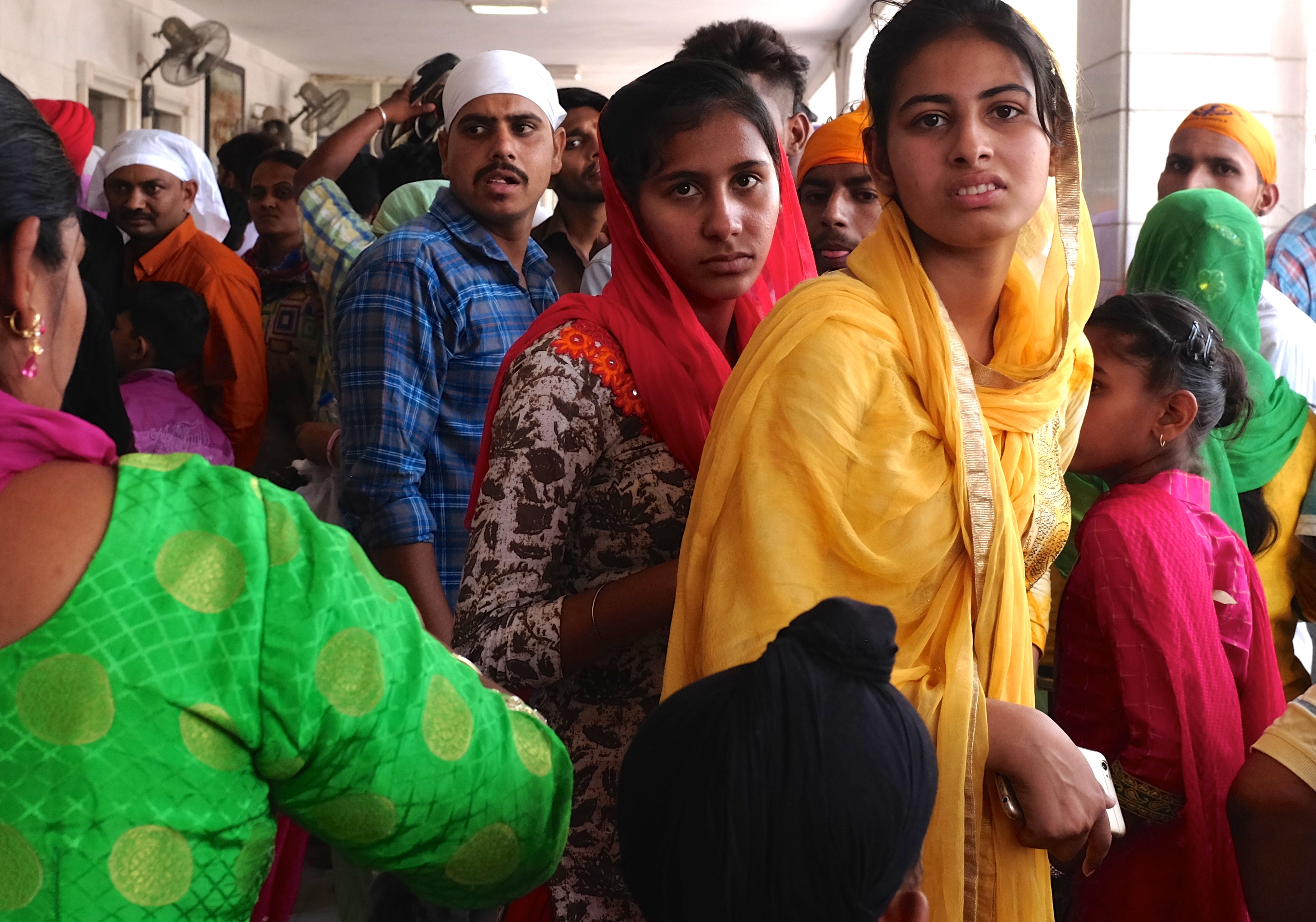
Sweltering crowd at one of the entrances to the Golden Temple
The temperatures in Amritsar in May and June, its hottest months regularly exceed 40 degrees celsius in the daytime.
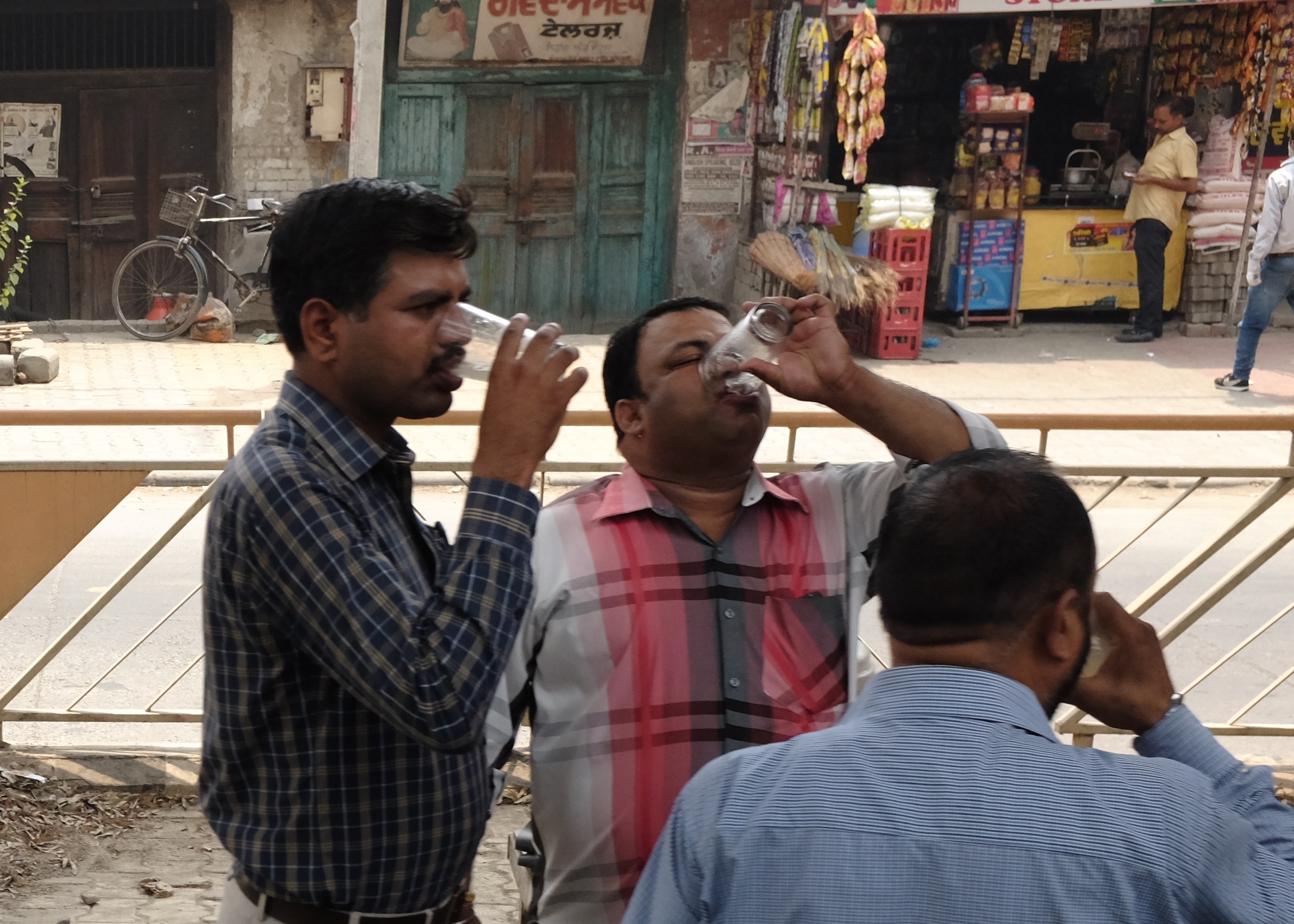
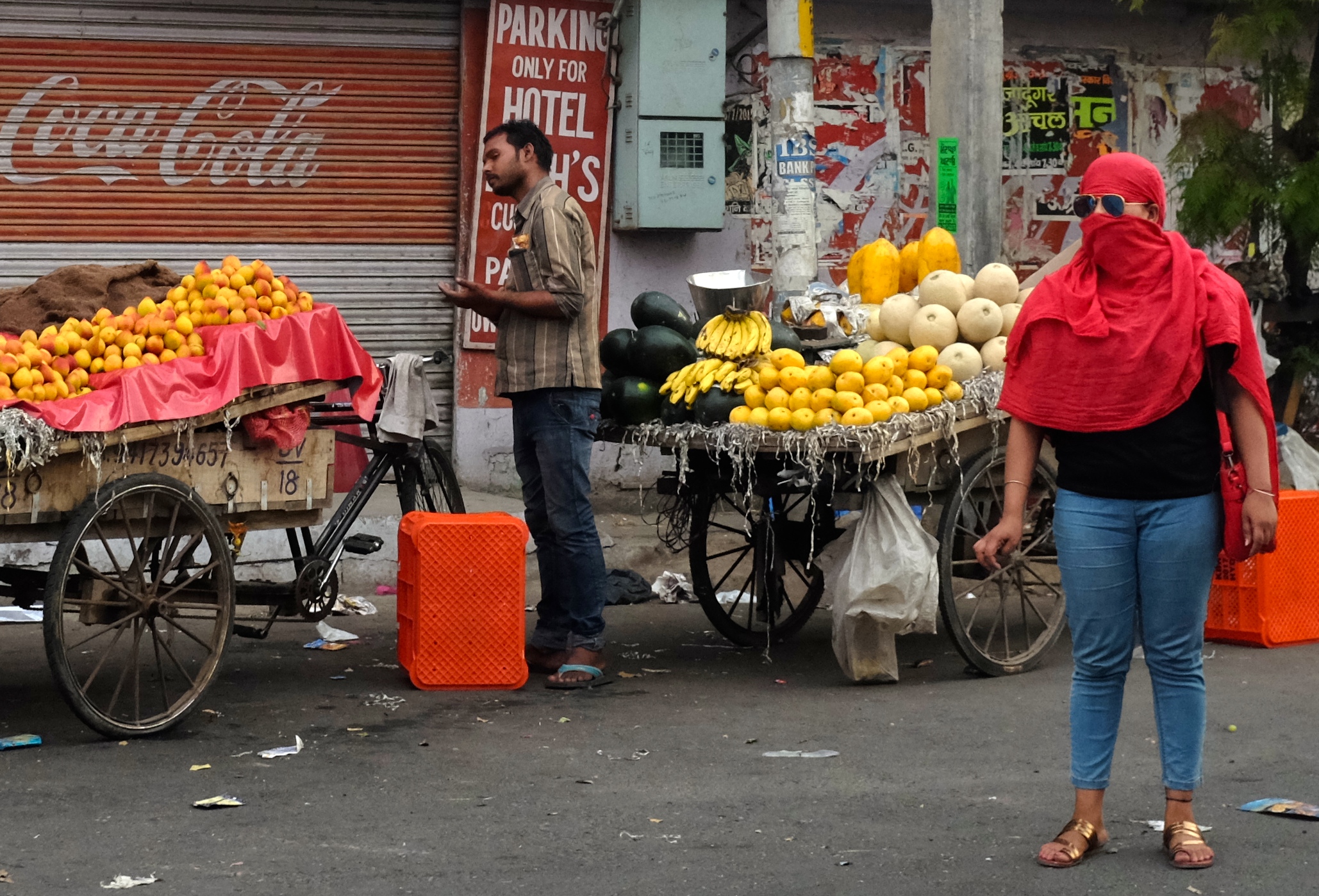
A quick douse of lime juice drink at a road divider
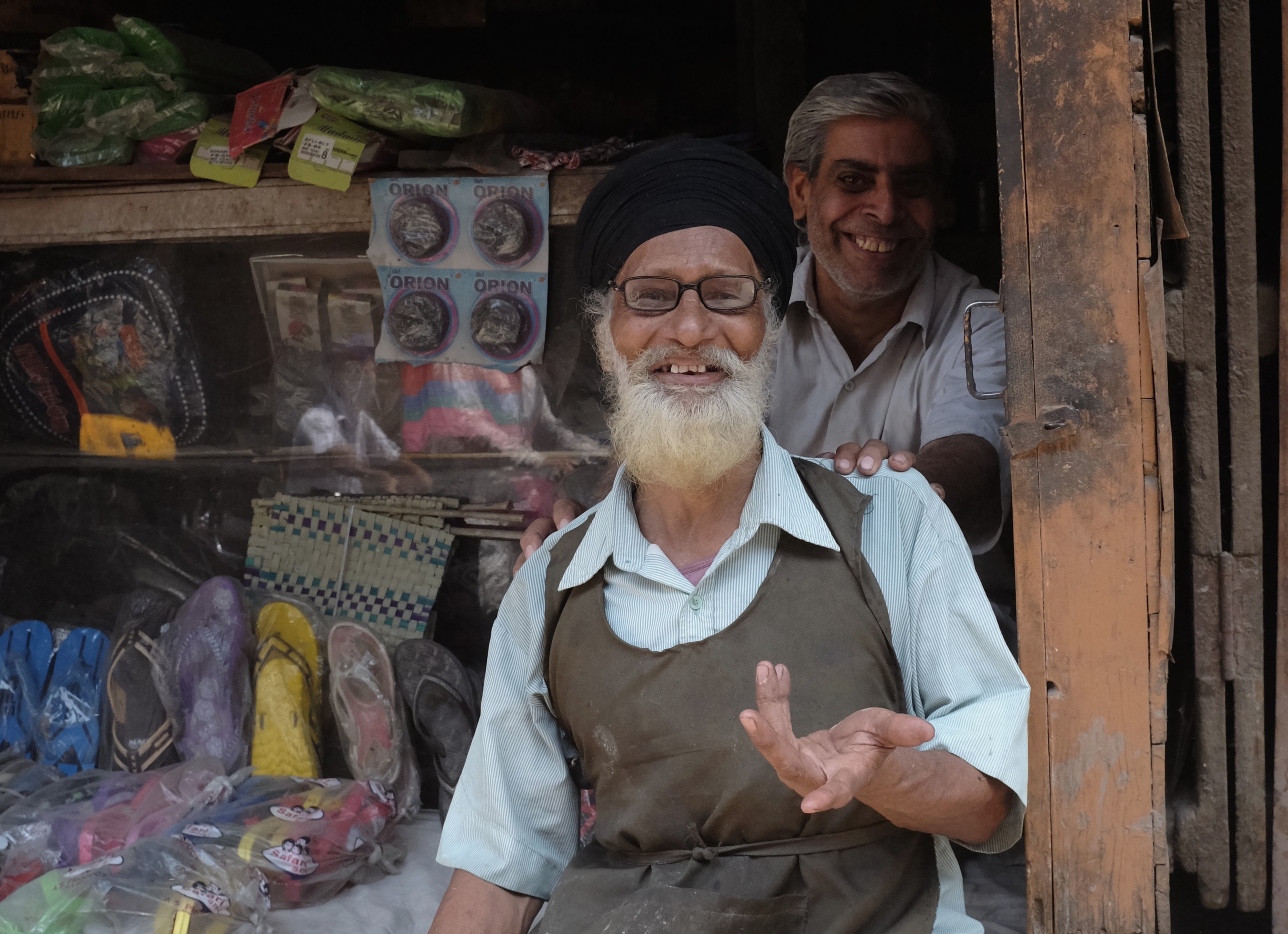
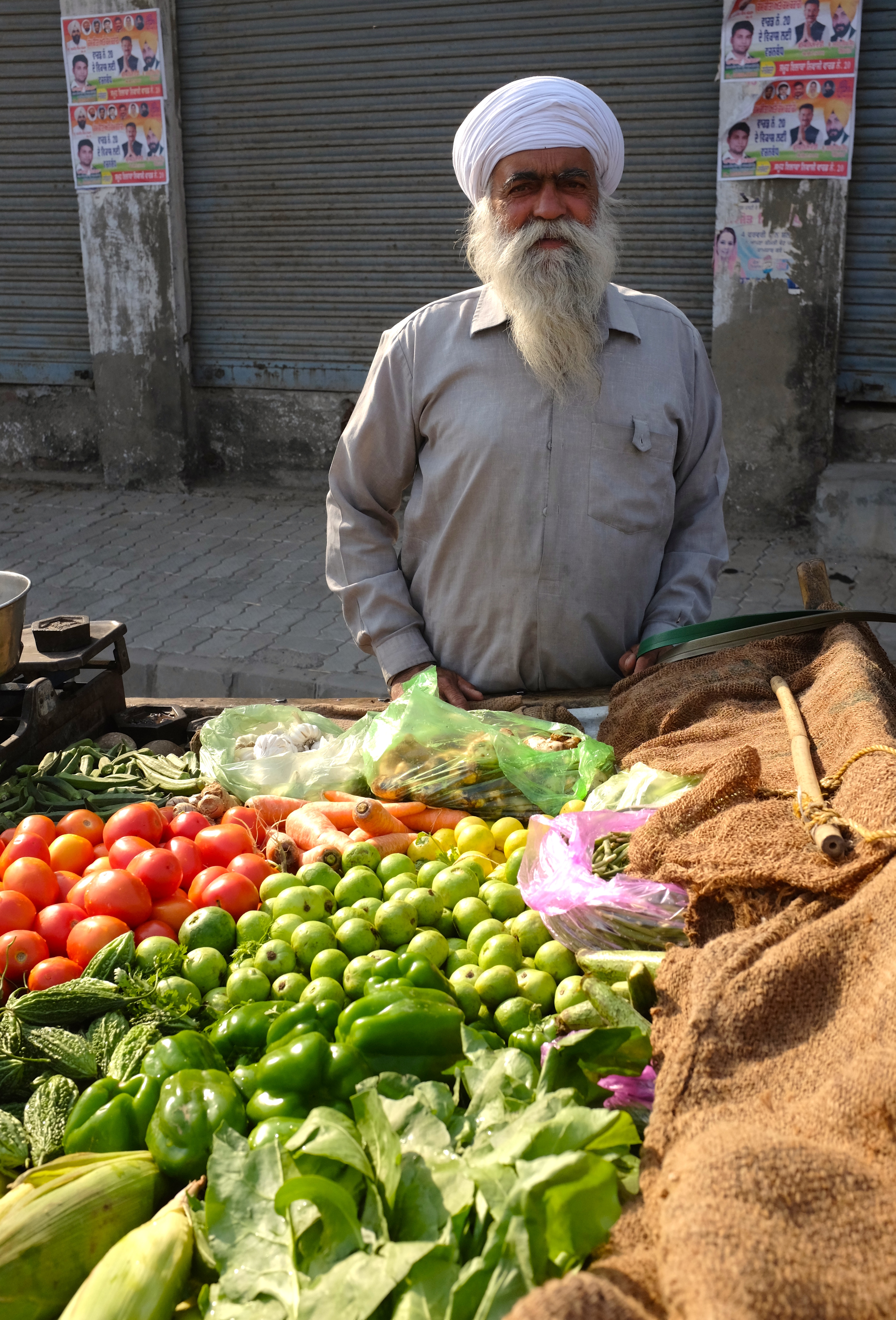
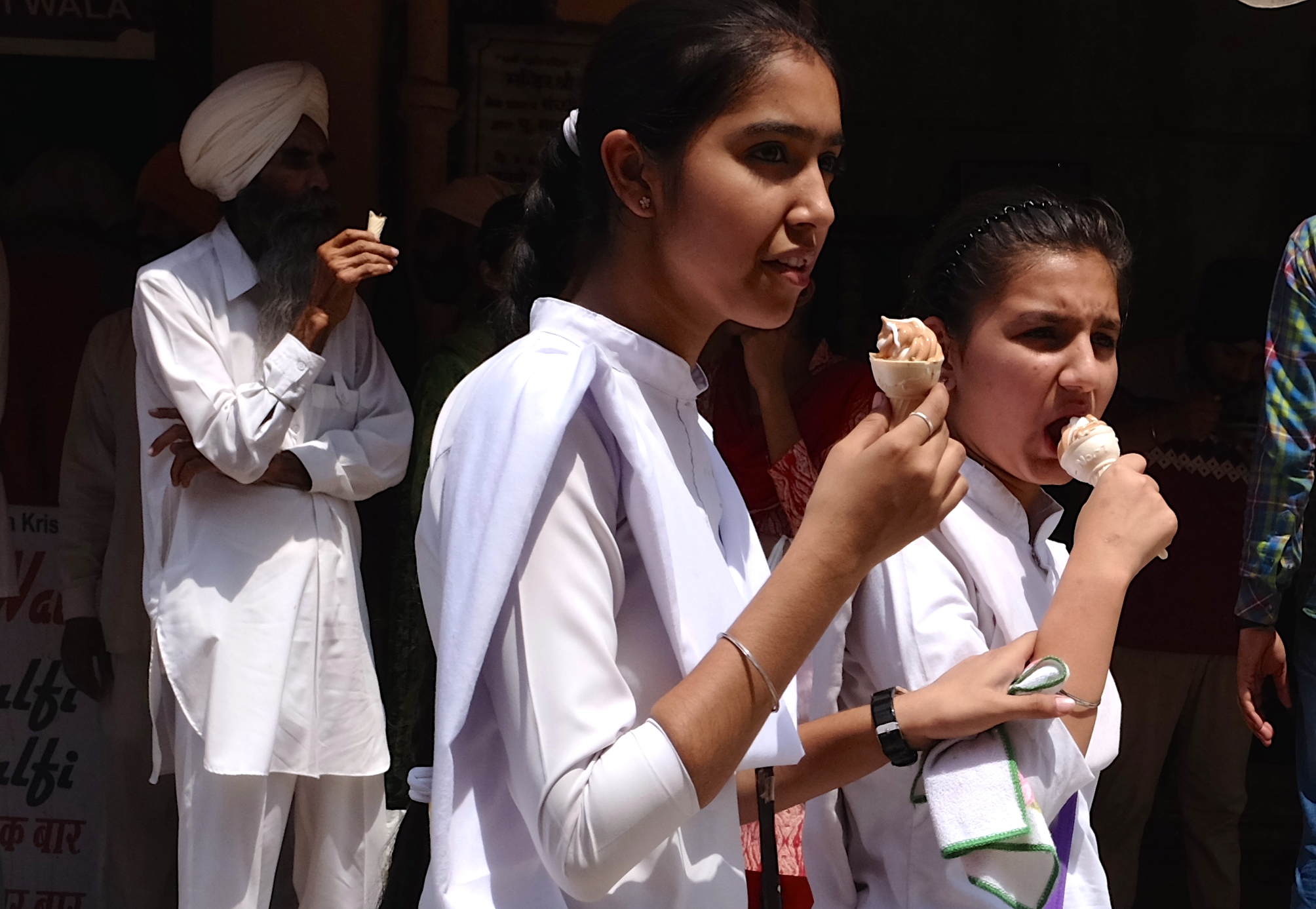
Although it is difficult to find anyone who speaks English, the shopkeepers of Amritsar are amongst the friendliest in the world
The Sikh religion was founded by a Guru (holy teacher) by the name of Nanak who lived in Punjab at the time when Babur was emperor. Guru Nanak taught his followers to worship only one God who was formless, eternal and invisible whose name was Truth. His disciples called themselves Sikh meaning someone who learns.
At a time when there was much violence between Hinduism and Islam, the early stage of Sikhism was a reformist movement that sought to combine the softer sides of both faiths into a kind of social and religious synthesis.
The Sikhs treat their Gurus with the highest adoration and respect as they believe the divine spirit is passed down from one Guru to the next. There has been a succession of ten Gurus starting with Guru Nanak. The tenth Guru, Gobind Singh declared that there would be no more human Guru after him. He decreed that thenceforth Sikhs should look to the Granth Sahib – the holy book of Sikhism that contained the writings and hymns composed by various Gurus and saints some of whom were Hindus and Muslims – as their living, sovereign and eternal Guru.
Although the Sikhs were historically a minority they largely shaped Punjab and created its unique character. The Sikhs championed the use of the Punjabi language by writing, reading, learning and spreading the words of the Gurus in its special script.
The Sikhs even had their own empire once during the time when Maharaja Ranjit Singh reigned over all of the Punjab and beyond.
The greatest testament to Punjab’s spiritual glory may still be the city that grew around its golden temple surrounding a pool of elixir – Amritsar.
The word “Singh” which means lion is appended to the name of all Sikh men
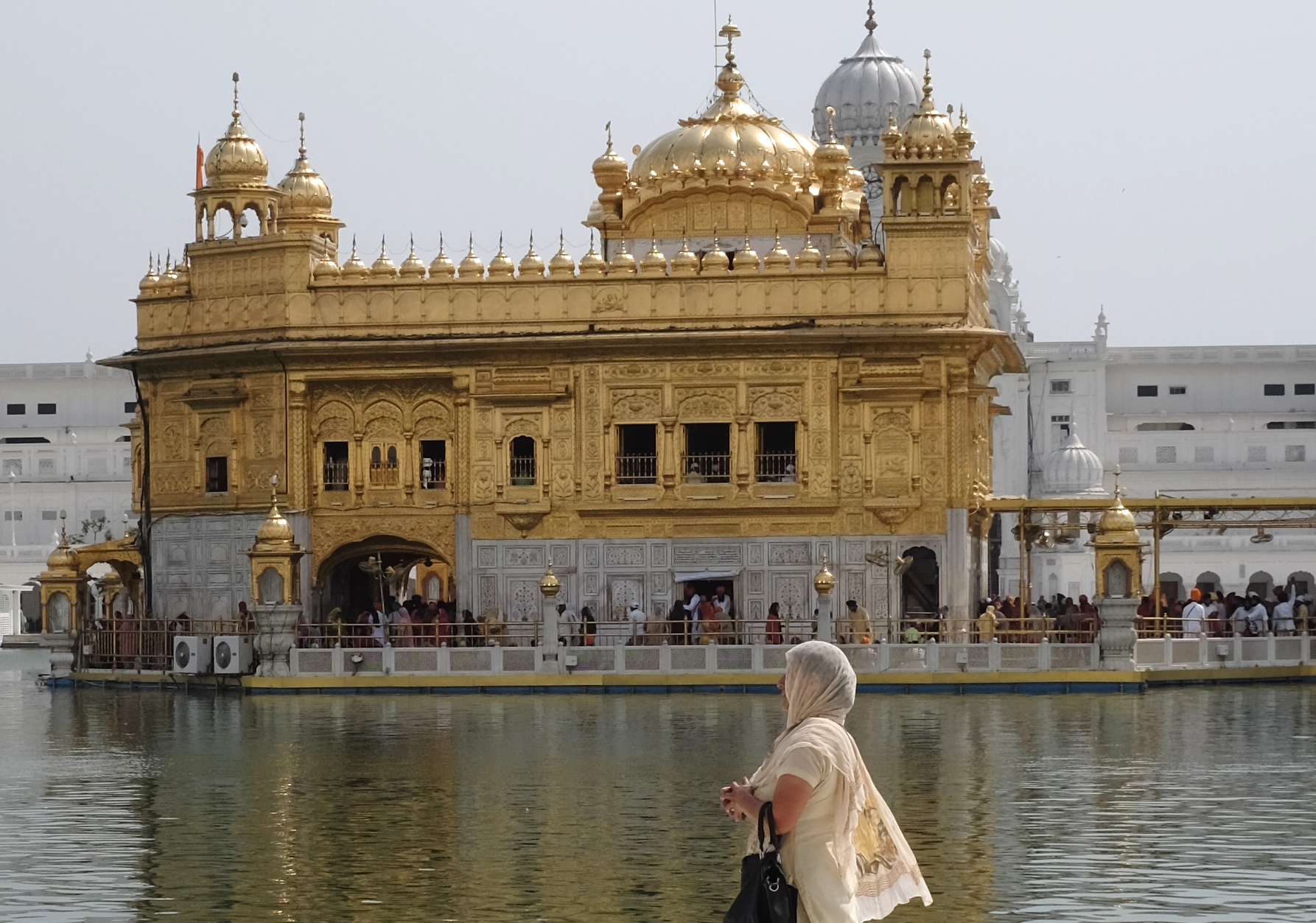
Harmandir Sahib or the Golden Temple was first built in 1604 by Arjan, the fifth Sikh Guru. The temple was destroyed several times by Afghan invaders and was rebuilt in marble, copper and gold during the reign (1801-39) of Maharaja Ranjit Singh.
Slightly more Hindu people live in Amritsar than Sikhs who together make up nearly 98% of the city’s population. Christians (1.23%) and Muslims (0.51%) are small minority groups in Amritsar.
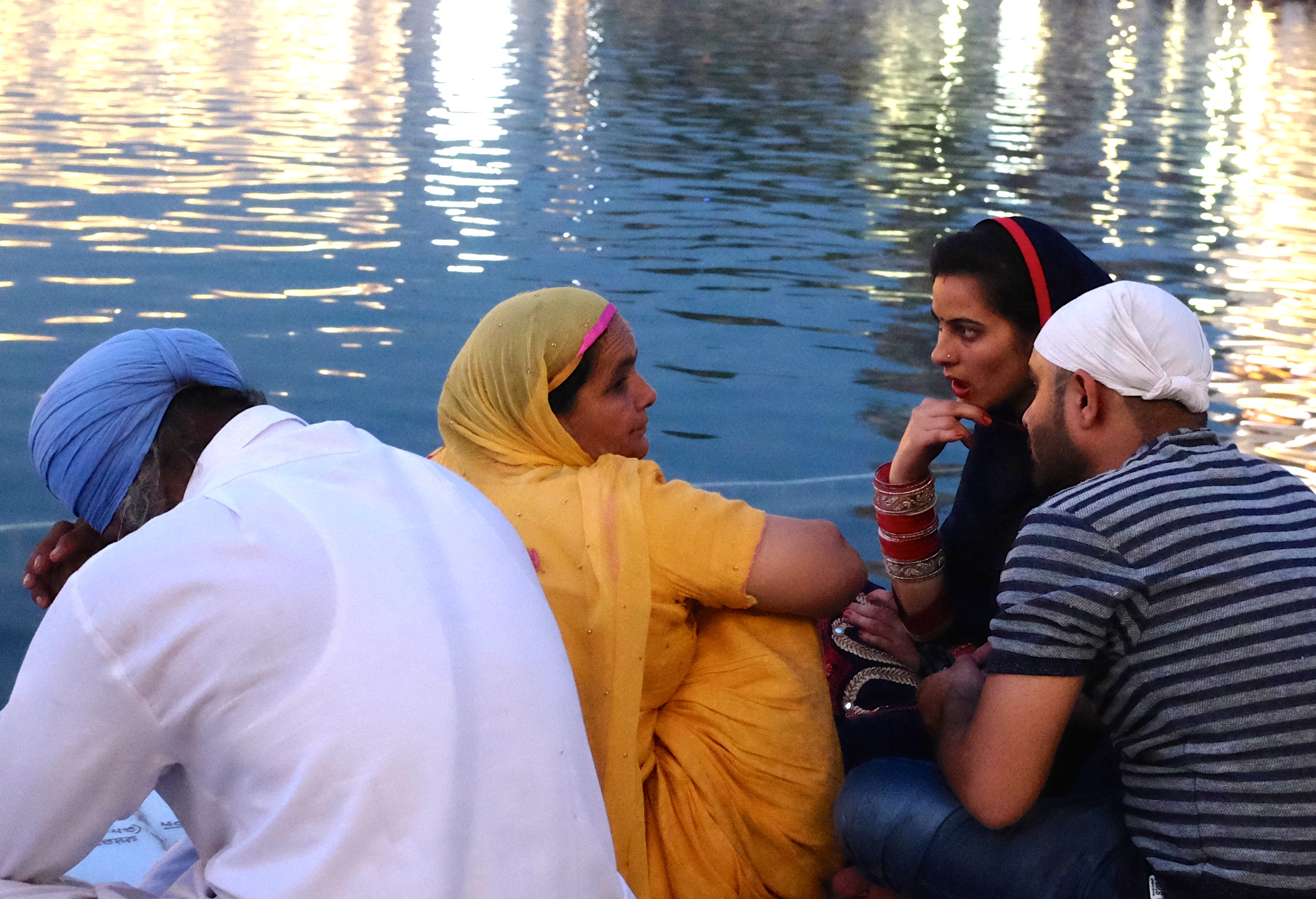
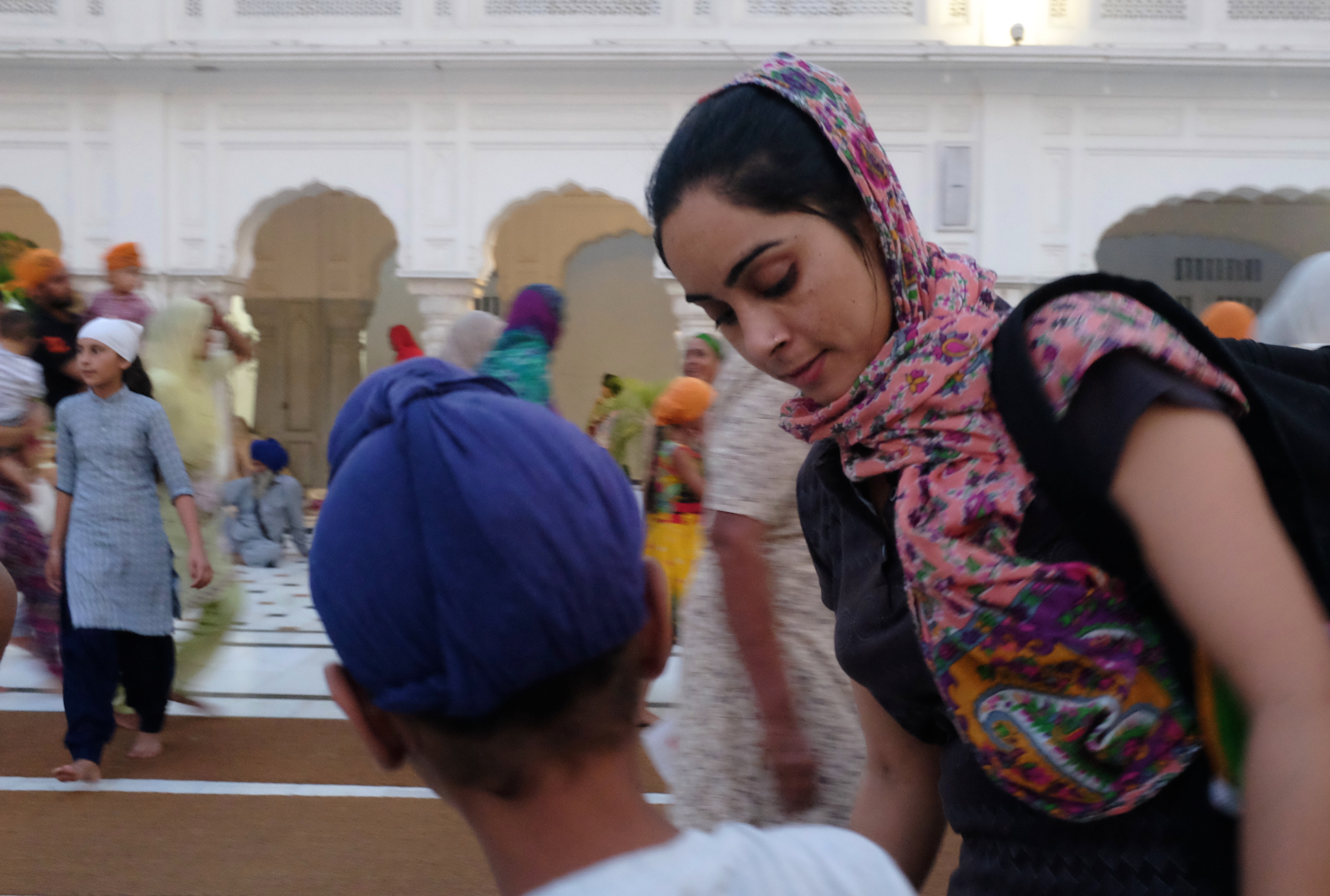
A family’s reflective moment beside the sacred tank of water called the Amrita Saras (“Pool of Nectar”)
The famous old-style midday pose of Punjab
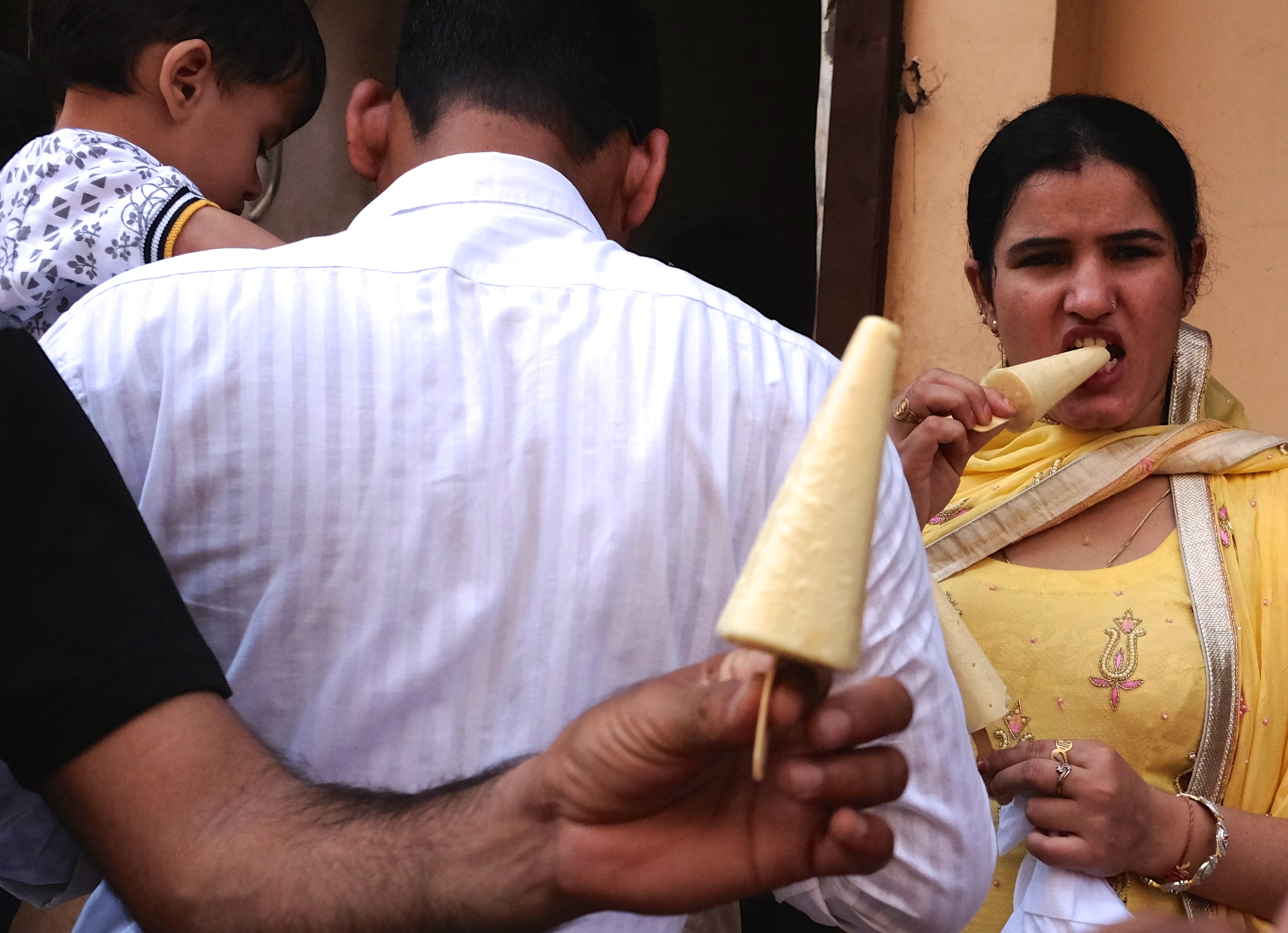
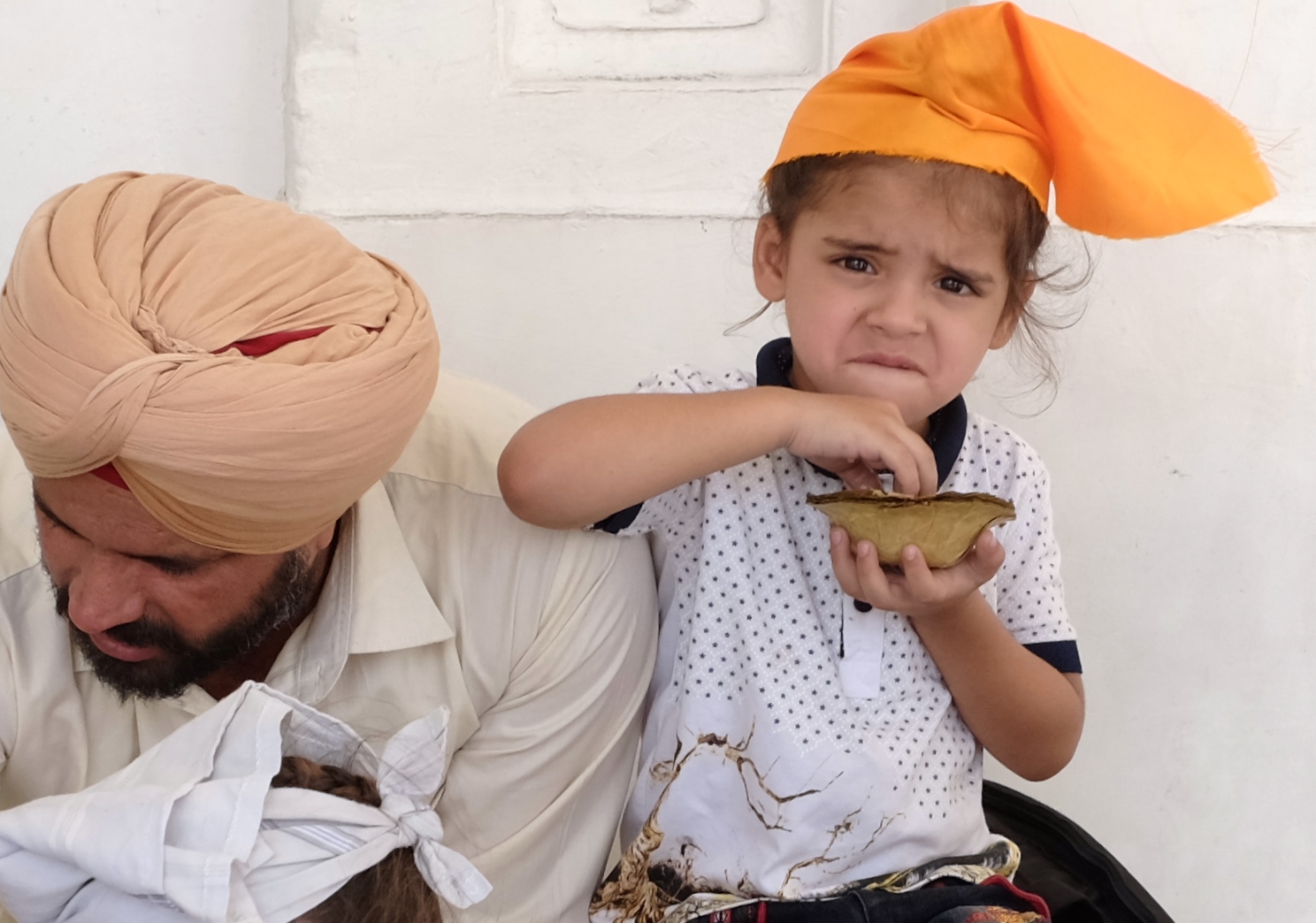
A family eating prasad (sweet offering) from a small bowl made of pressed leaf
Punjab is the food basket supplying India with wheat, rice and other cereals
Punjabi is written in its own script- Gurumukhi (” Guru’s mouth”). Standard spoken Punjabi is based on the dialect spoken in the Majha the region around the cities of Lahore and Amritsar
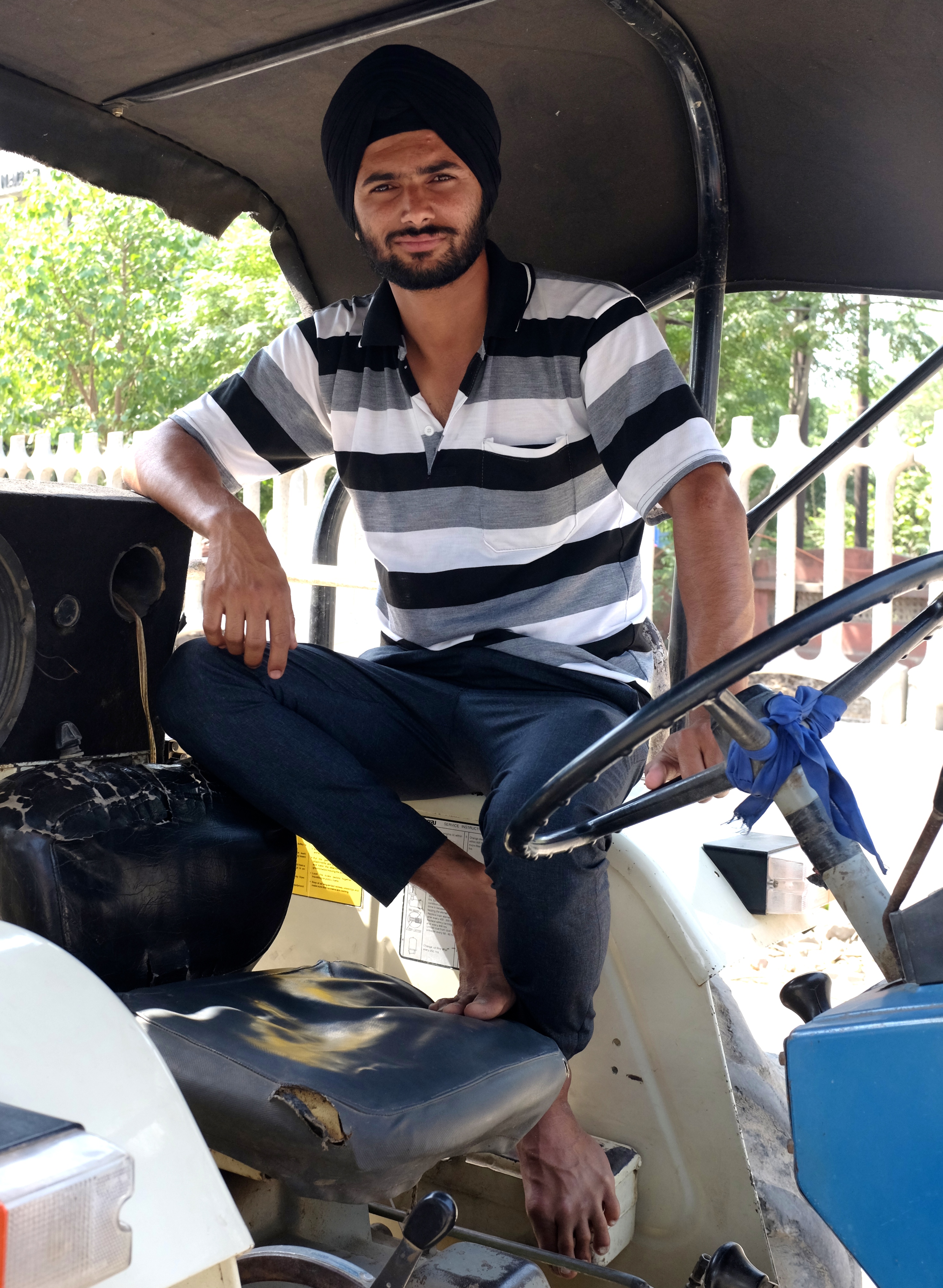
A Sikh and his tractor are the stuff of legends
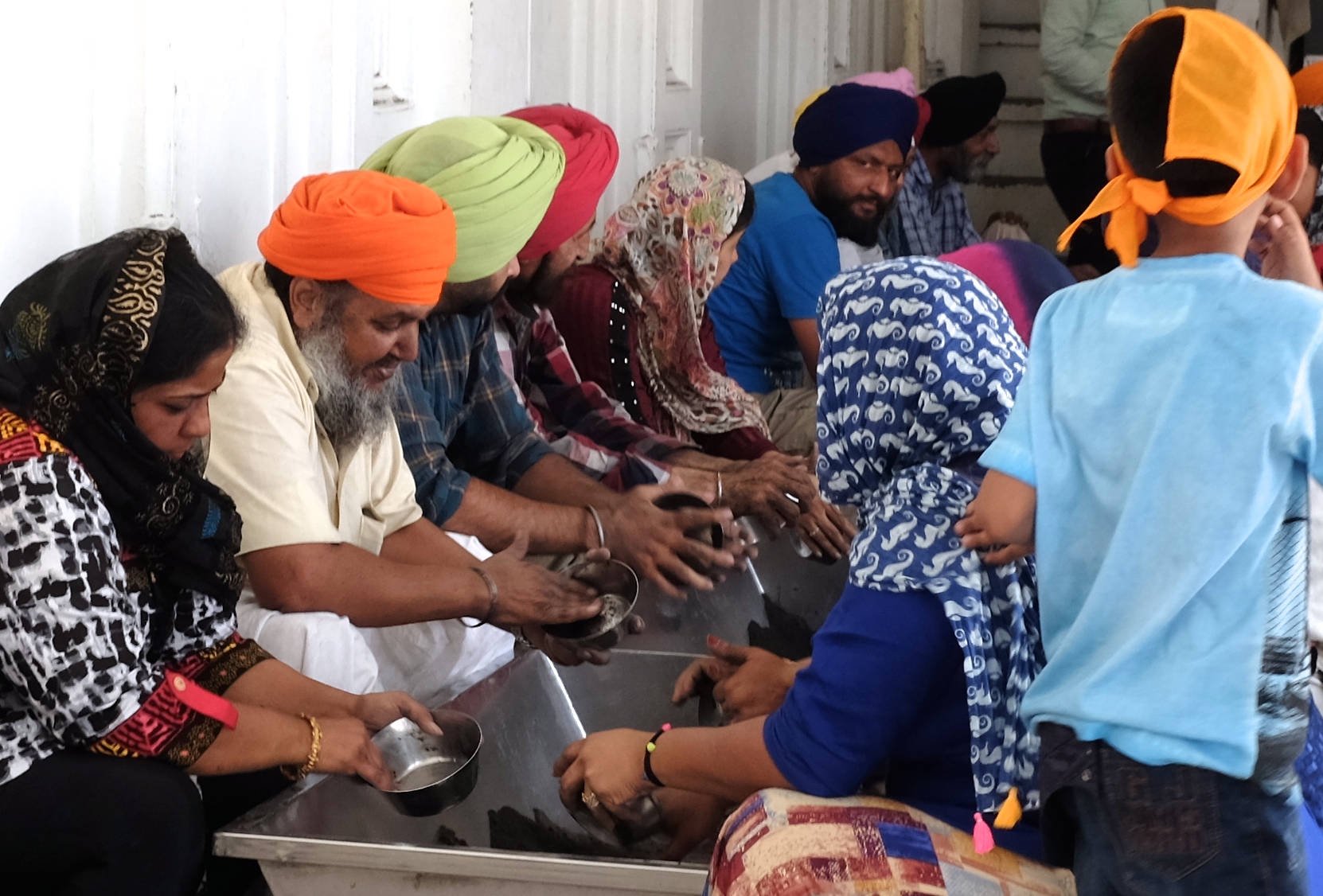
Seva or selfless service is a central concept in Sikhism
Texts and all photographs copyright Kerk Boon Leng May 2017
“Uncle! Many mutton!” Muralee exclaims from behind the wheels of our rented Innova, mustering the English he picked up as a municipal cleaner in Singapore. I awake from my front seat doze to focus blearily on a herd of grazing goats hurried along the roadside by a tall thin man with a long stick.
Muralee stops the car. I get off with my camera. Goats in the blinding afternoon sun make good foreground subjects against the featureless scenery that typifies much of Tamil Nadu – scrub forest, dusty fields and thirsty palms. We have left the hill town of Palani and are now deep in India’s spiritual South.
Being among these bearded four legged creatures is auspicious and culturally comforting. I am smitten by conscience for abandoning family and friends on the second day of the Chinese New Year of the Goat for a Hindu pilgrimage to India.
Playing with a young billy goat in the village square, south of Madurai
Owner with working pet elephant, Srirangam
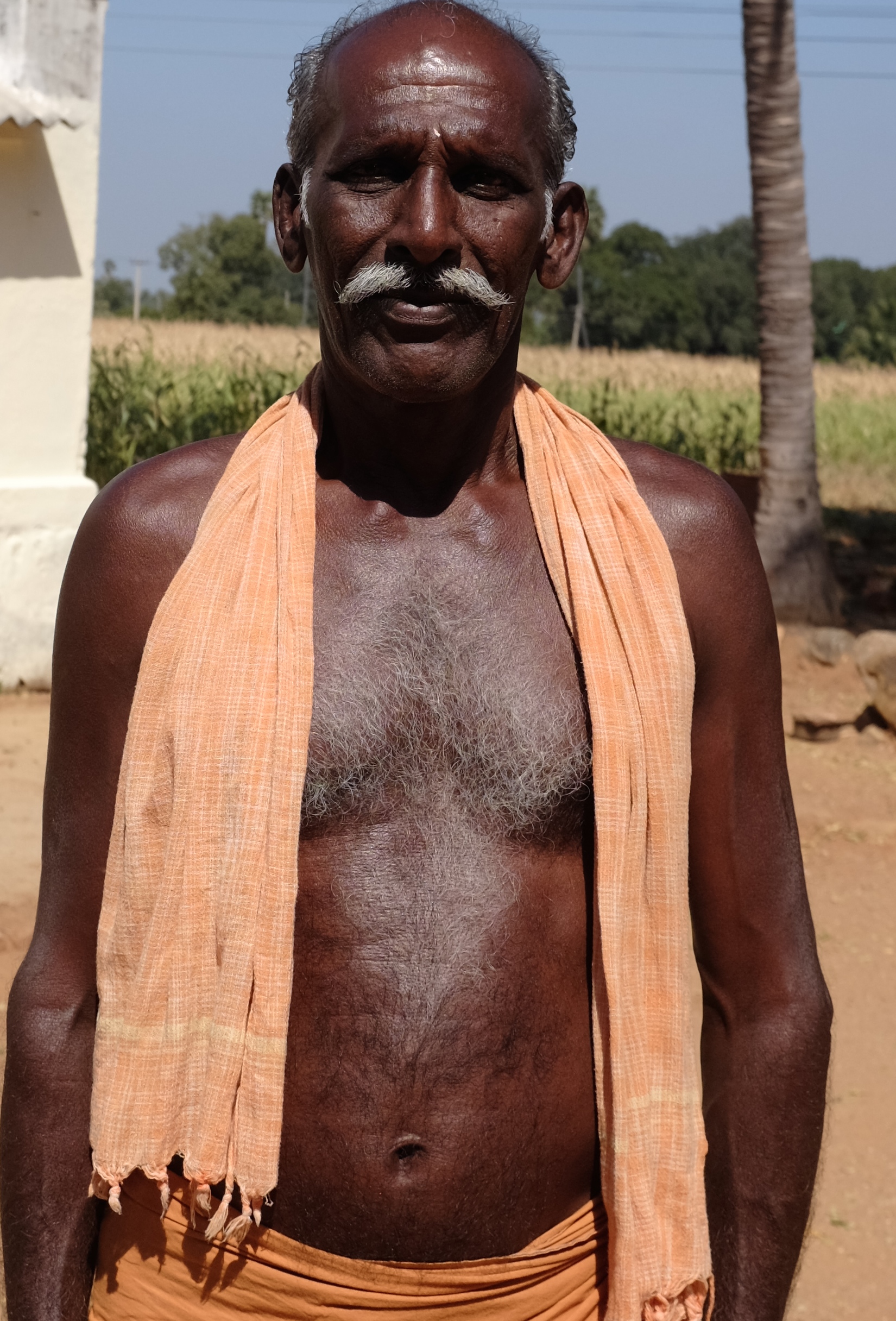
Proud and glistening. A handsome headman strikes a pose outside his homestead on a farm on the road to Palani
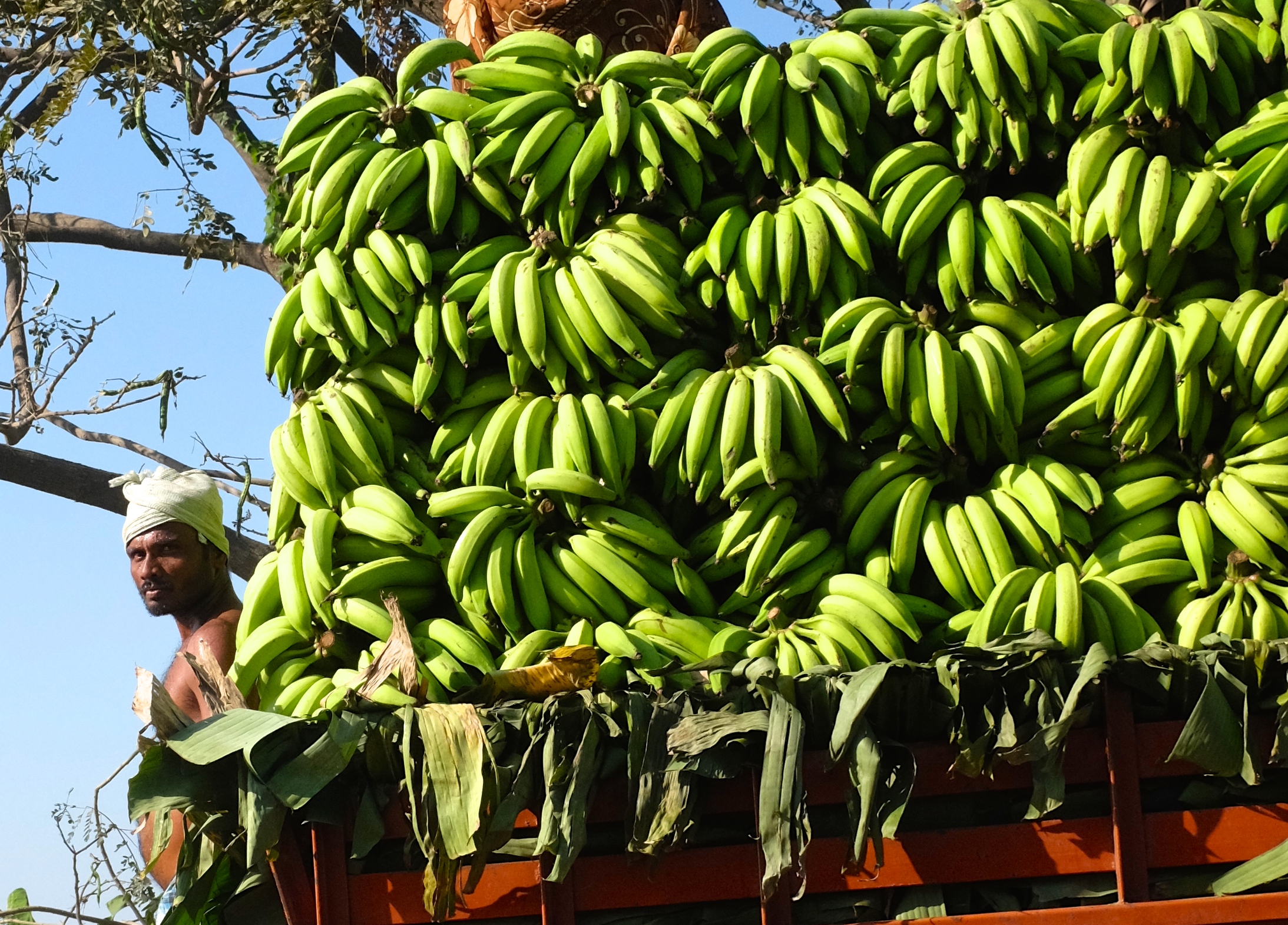
Freshly harvested bananas near Kallanai Dam in the Kaveri River, Tiruchirappalli District
The desire for this trip was born more than a few years ago when I made a call to my late friend and guide Logan for his help in planning it. He asked for my horoscope to prepare an astrological chart to work out the right temple to go to for the prayers. Sadly, Logan passed away before our trip details were discussed and finalised. I make this trip now to pay belated obeisance to Murugan -the God of the Tamils, in his home temples located in the plains, hill and shore of Tamil Nadu and in memory of Logan.
Tamil Nadu -the land of the Tamils, is vintage Vedic India in so many ways.Here Hinduism has managed to still keep many of its traditions, lexicons and amazing temples. Separated from the racial and religious cauldron of the northern plains by monsoonal seas and the Deccan plateau, the land of the Tamils developed its own kingdoms, culture and customs, safe and far away from the pathway of muslim invaders and conquerors.
Today together with the rest of South India, Tamil Nadu is the domain of the Dravidian people. Smaller, darker brown and speaking melodic tongue-twisting languages, Dravidians have been “Indians” for far longer than the Indo-Aryan northerners whose ancestors only began settling in India around 3500 years ago. Tamil civilisation is one of mankind’s oldest. It is the world’s only surviving classical civilisation, one that has continued in almost its original form unchanged since the age of ancient Greeks and Romans.
Making a pilgrimage through the temples and holy shrines of Tamil Nadu is for me a deeply meaningful experience and a privilege. It is also the closest thing to time travel in the 21st century.
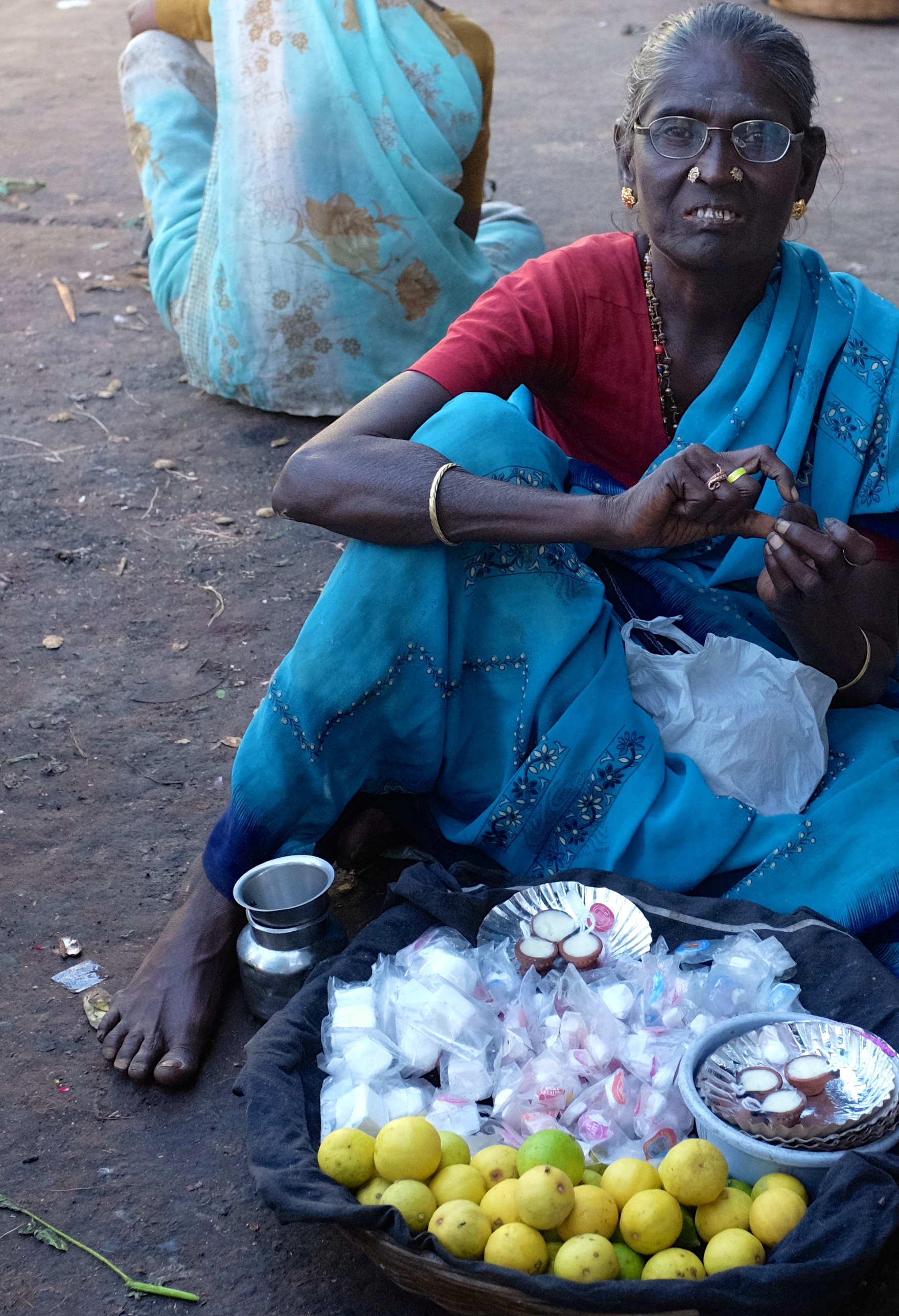
Vendor selling limes and lamps at the entrance to the Samayapuram Mariamman Temple, outside Tiruchirappalli
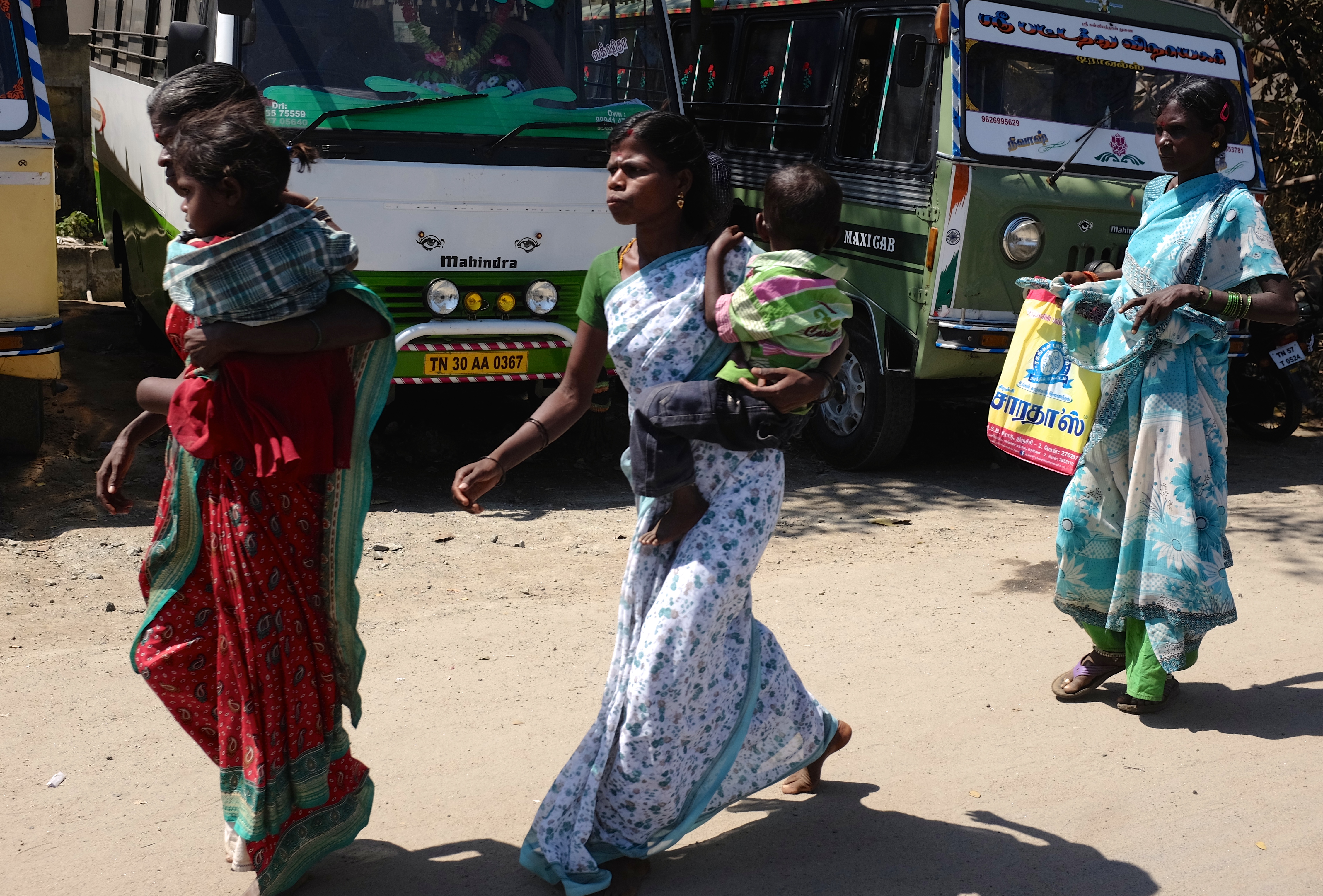
Crowded bus, Tiruchirappalli
Scooter at the road junction, Srirangam
Evening in Srirangam
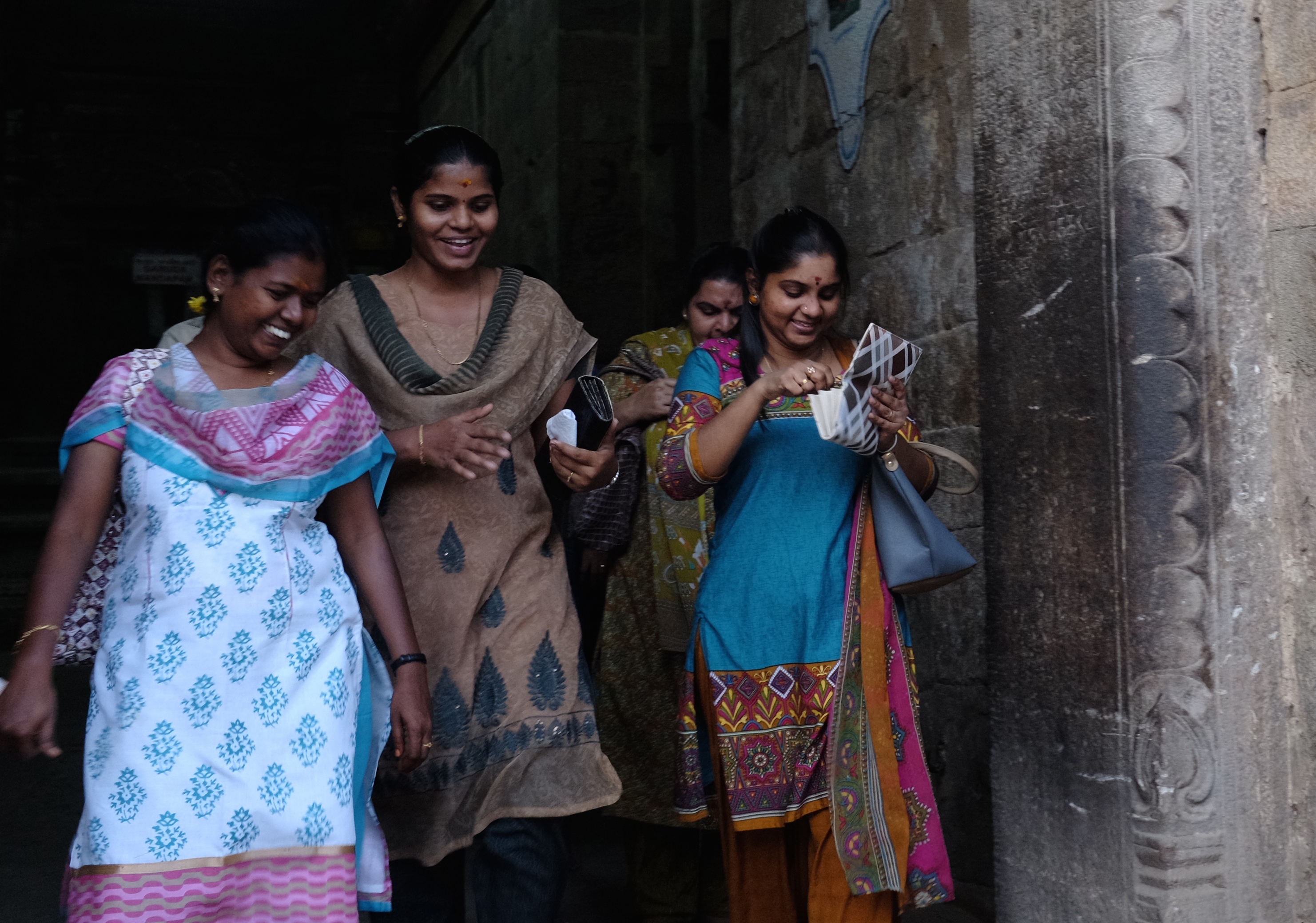
Happy devotees at the Sri Ranganathaswamy Temple in Srirangam
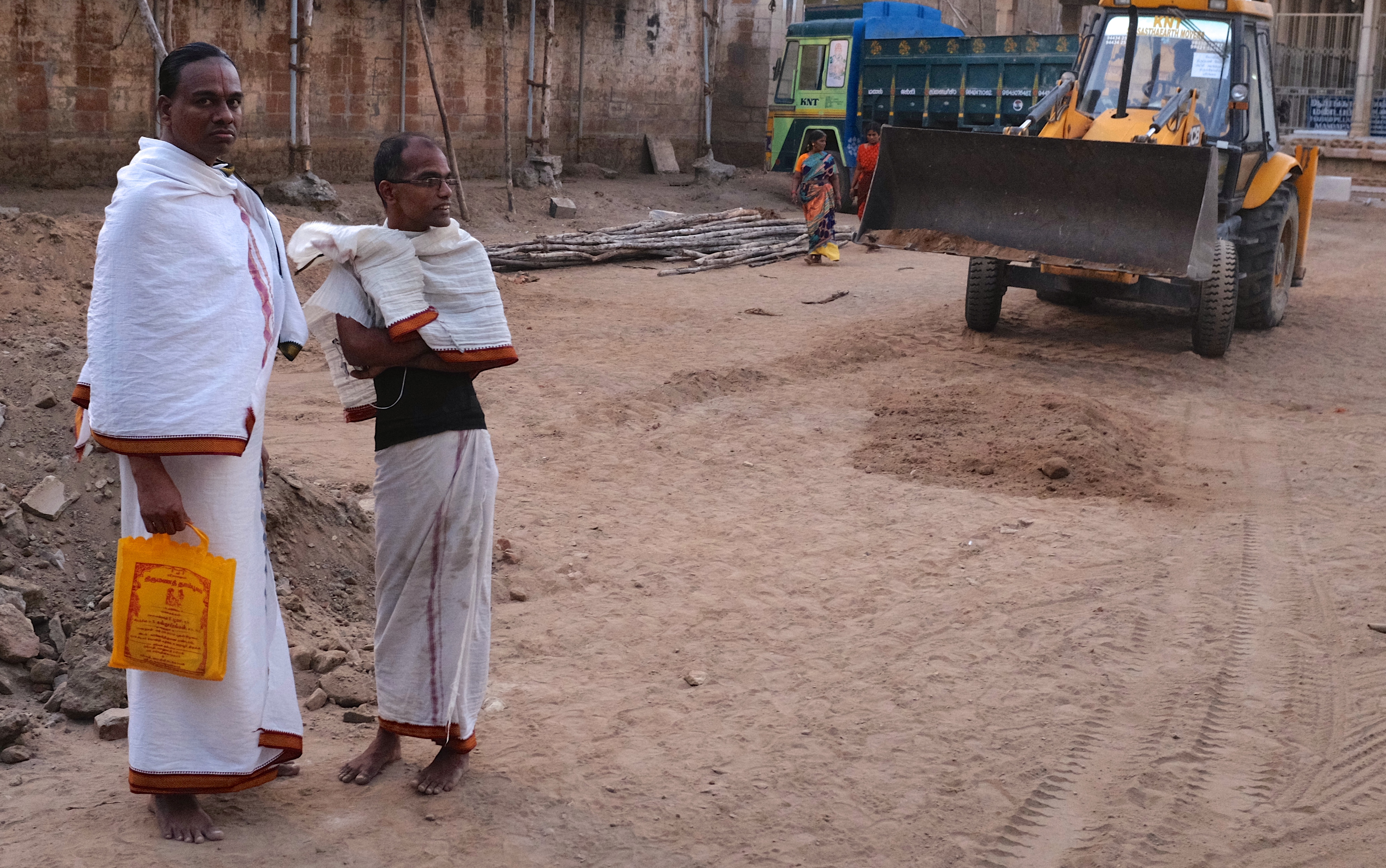
Construction works at the temple complex in Srirangam which is located on an island in the Kaveri River north of Tiruchirappalli. The Srirangam Temple occupies an area of 156 acres and is the largest hindu temple in the world.
Pilgrims at the foothill of the Temple, Palani
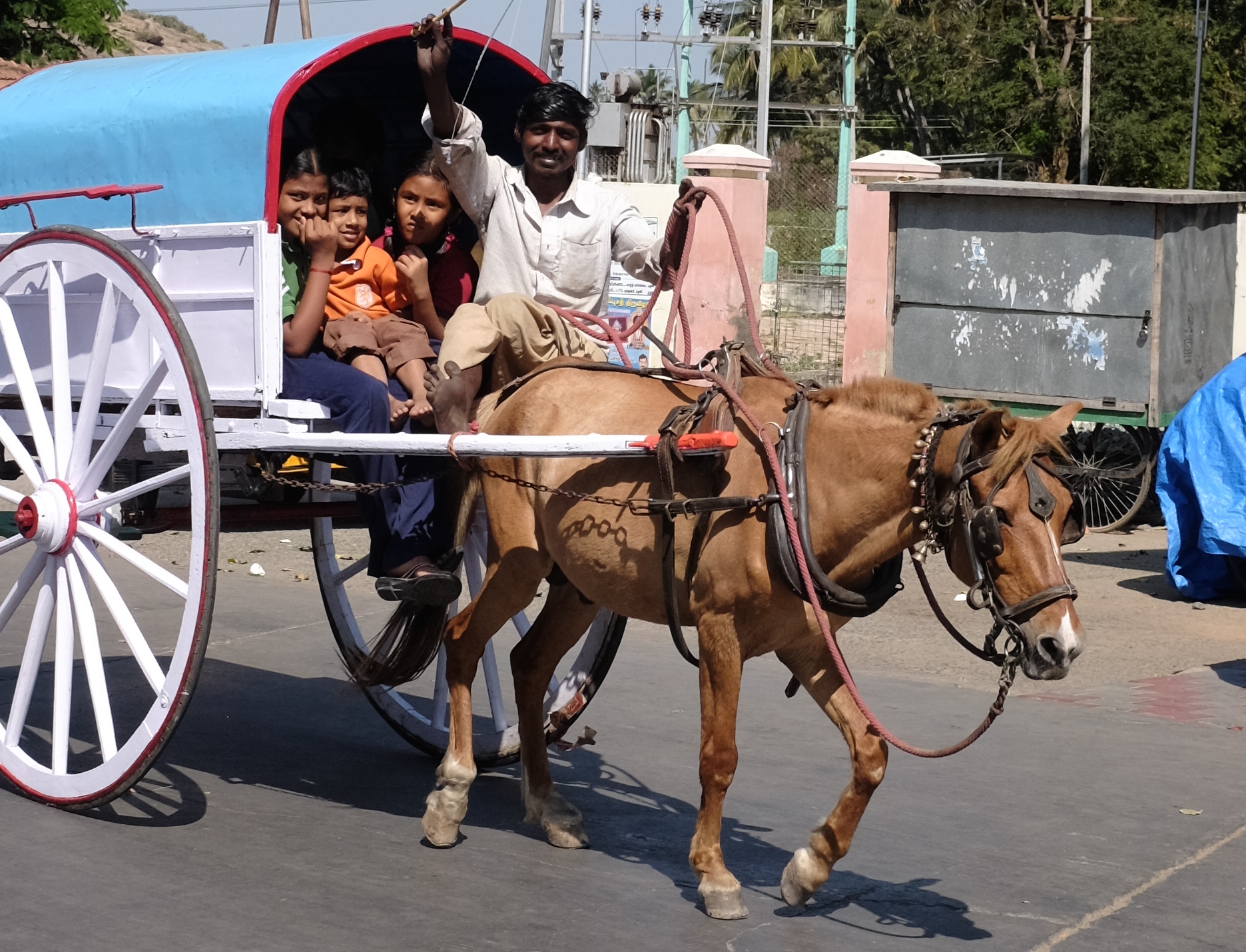
Tourist horse cart, Palani
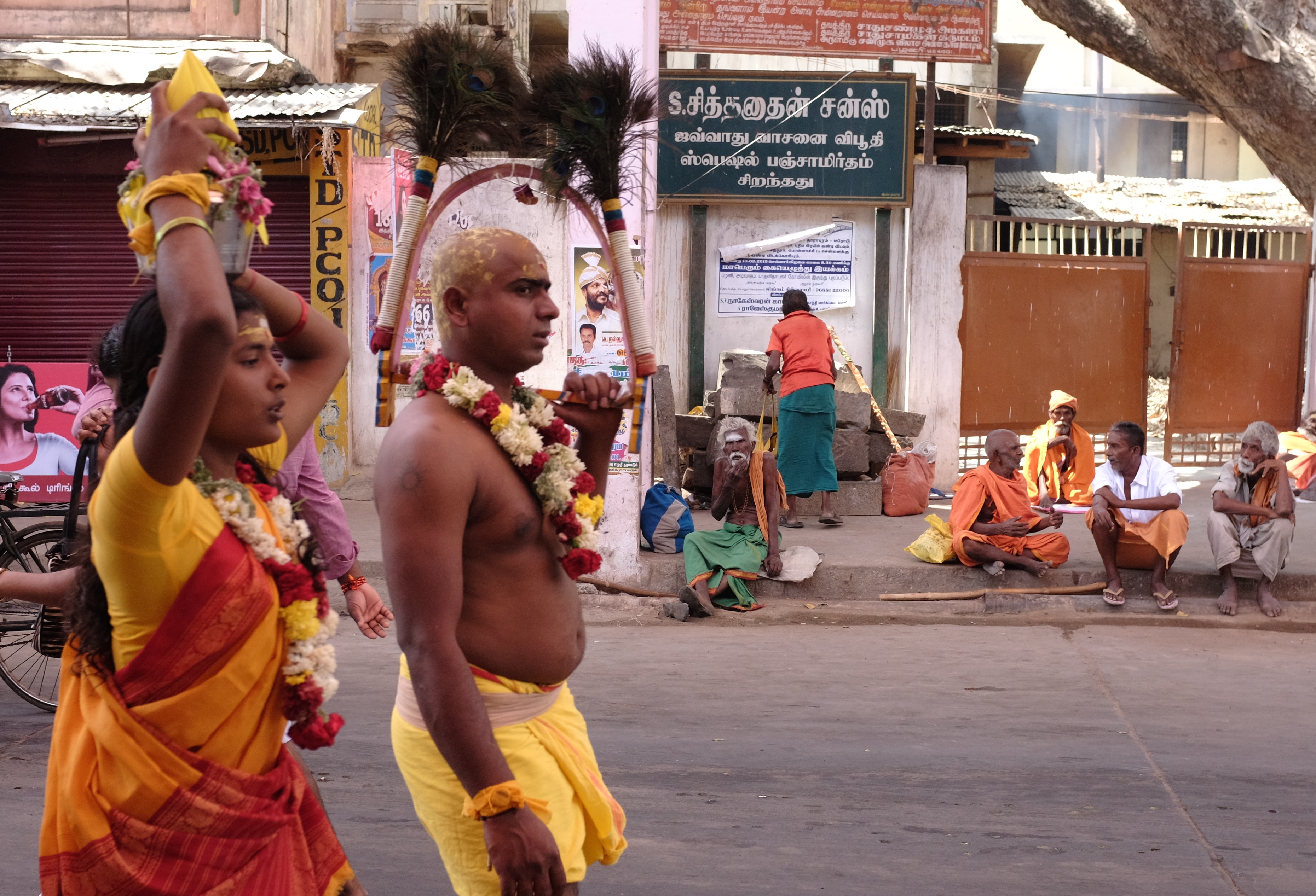
caged pilgrims waiting in the queue to get onto the rope cars up to the Murugan Temple, Palani
Devotees with offerings at the foothill of the Temple, Palani
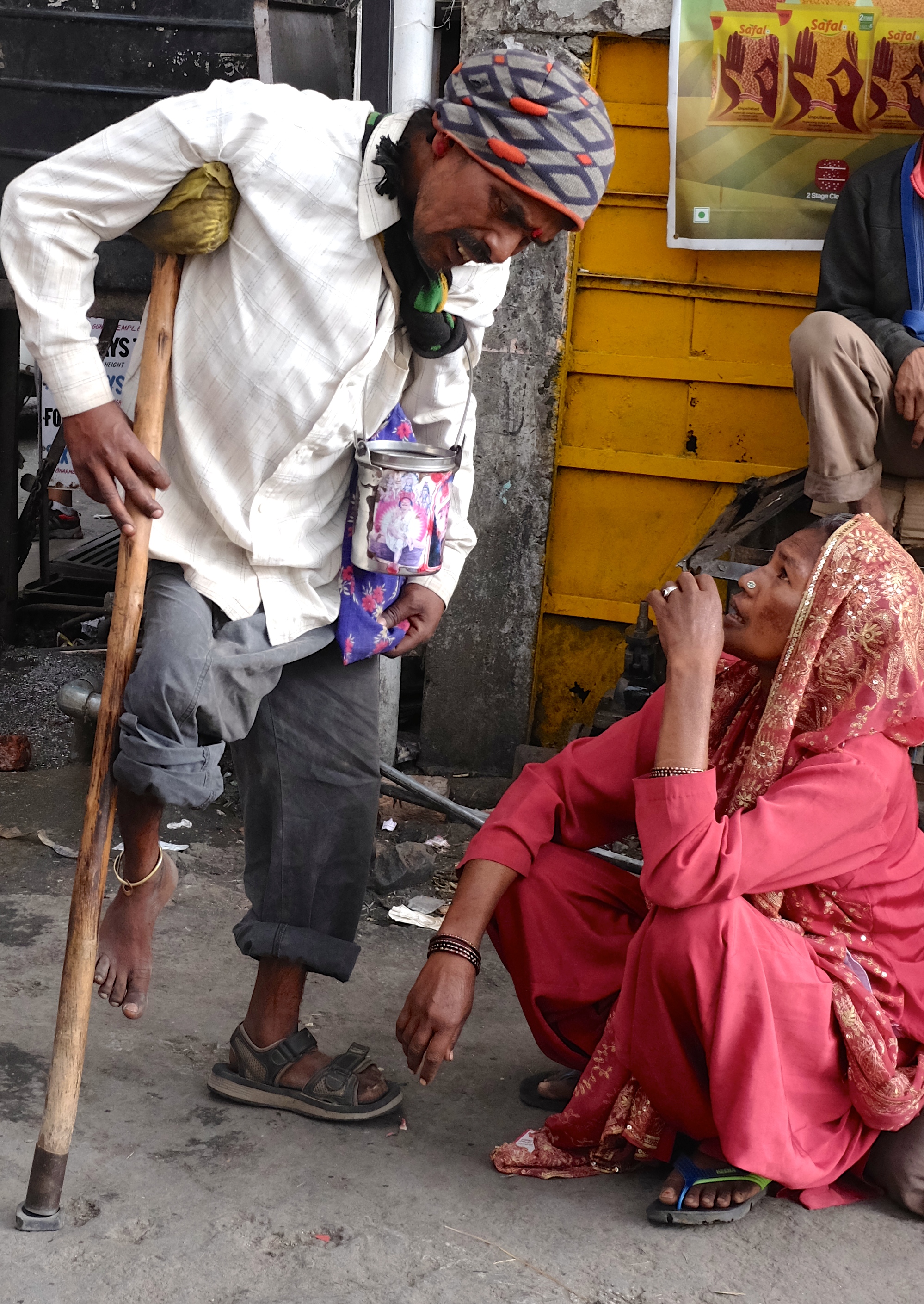
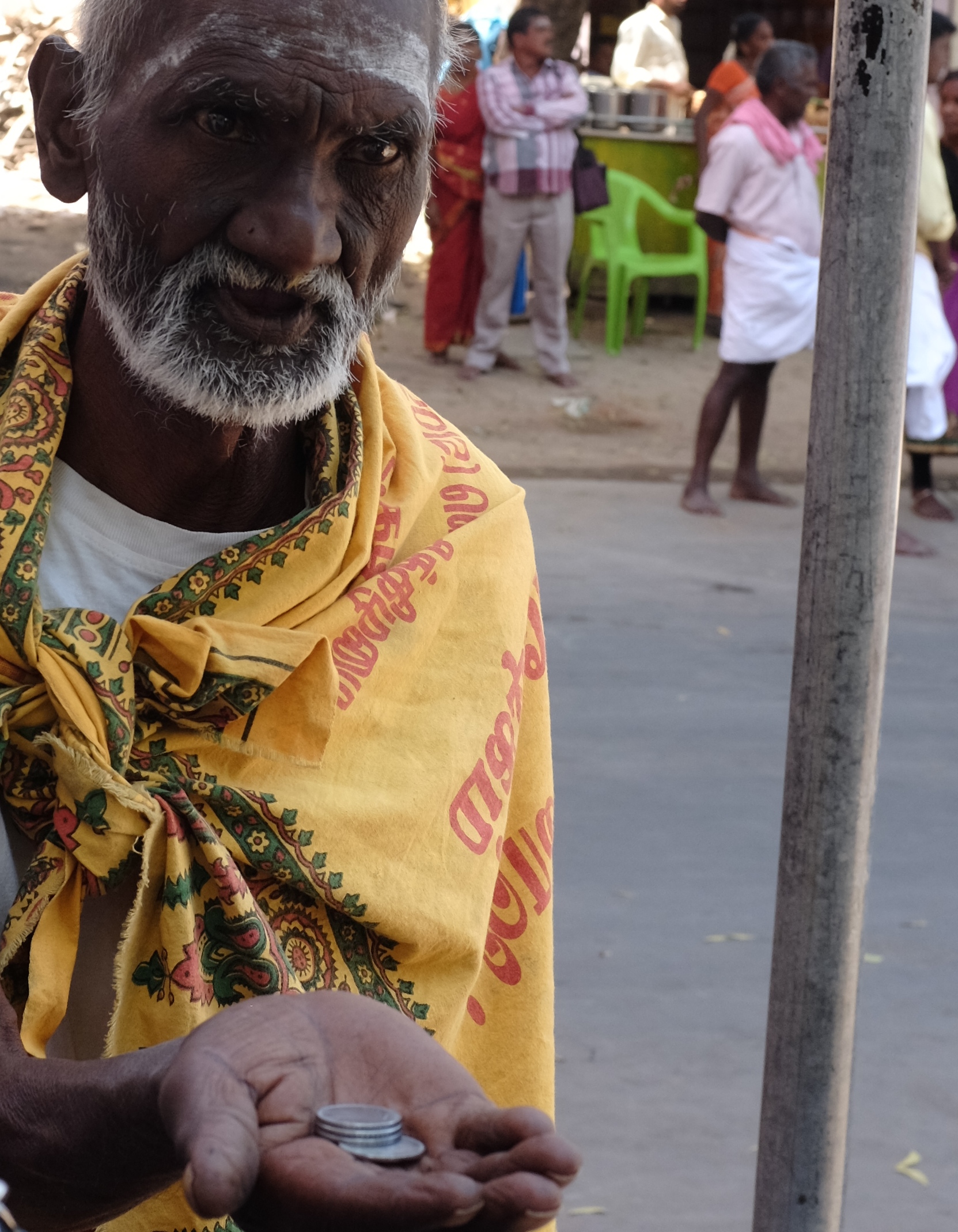
Begging for penitent’s pennies, Palani
It can take up to an hour’s wait in the queue for a seat in the rope car even for passengers in the 50 rupee lane, Palani
Lunch time at the temple courtyard, Palani Murugan Temple
Pony cart ride, Palani
Muralee and Madhi getting ready for our lunch served on banana leaves, Palani
interesting rock outcrop before Madurai
In a village we stopped for tea and cigarettes before Madurai
Outside the Temple, Thiruparankundram
Wedding receptionists, Thiruparankundram
Sternness in monochrome, Thiruparankundram
Women devotees at the Murugan Temple, Thiruparankundram
Thiruparankundram Temple Priest and devotees
Devotees with gentle faces, Thiruparankundram
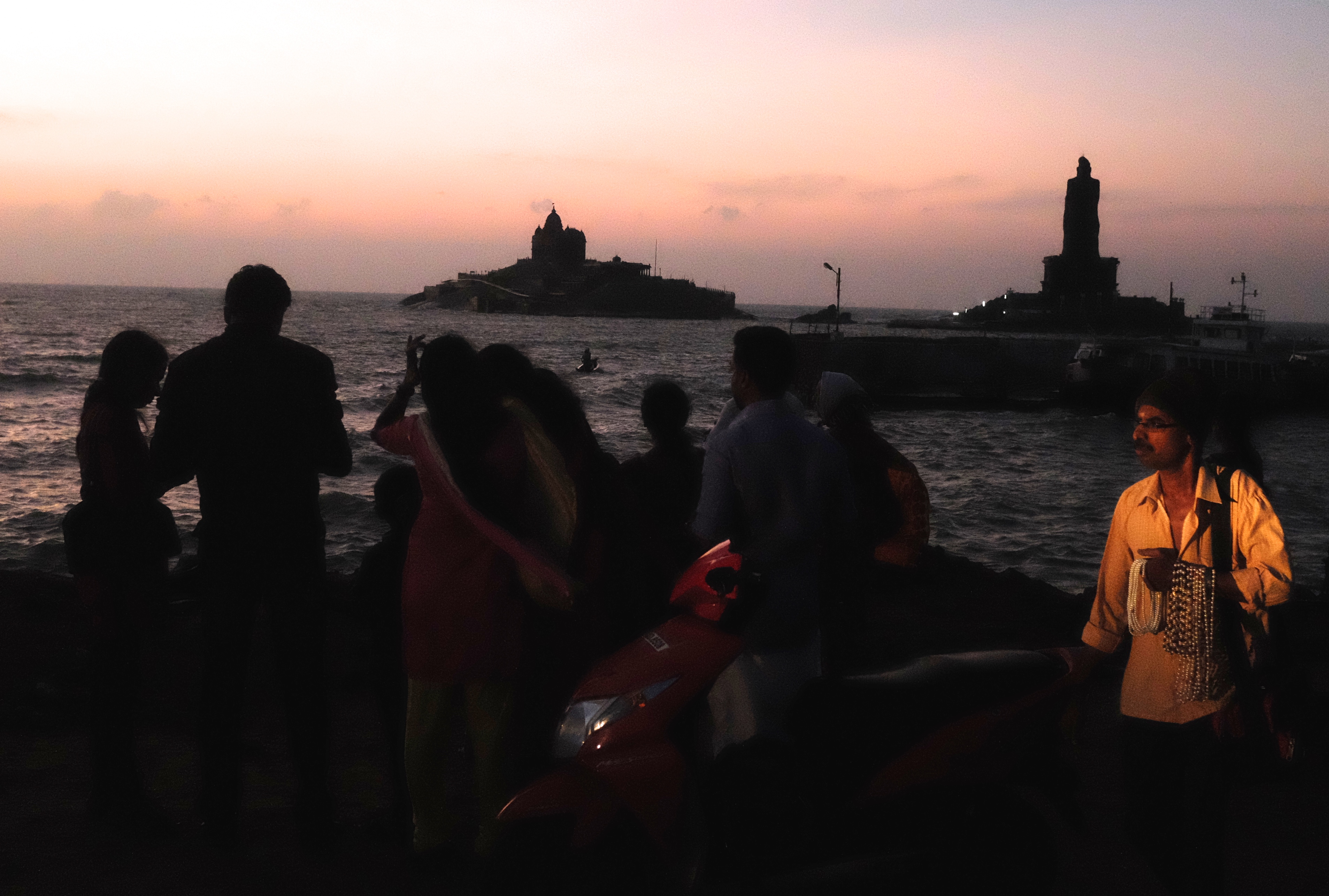
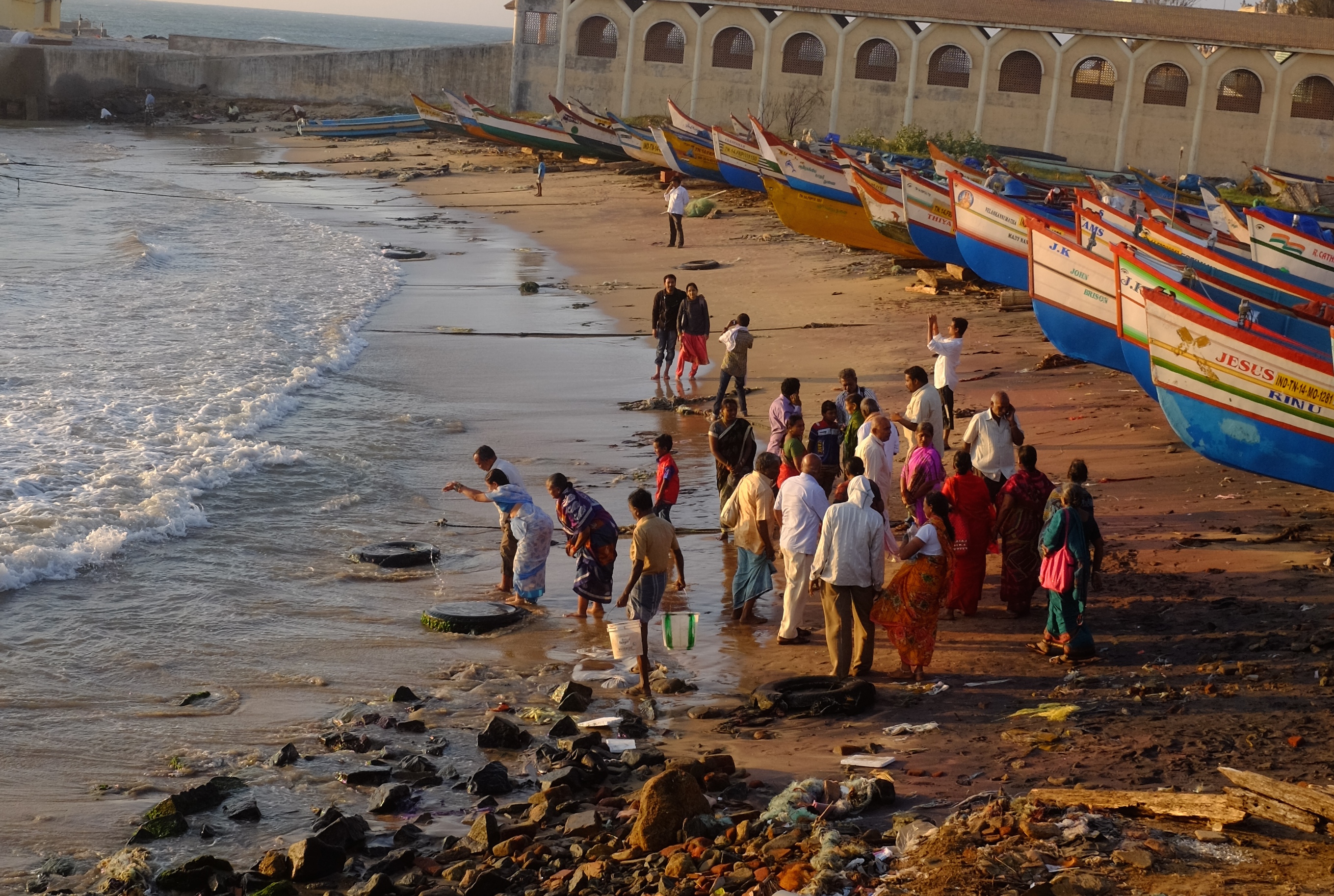
Holy dip at sunset, Thiruchendur
Popular road side tea stall serving a pre-dawn cuppa, Kanyakumari
Kanyakumari Sunrise
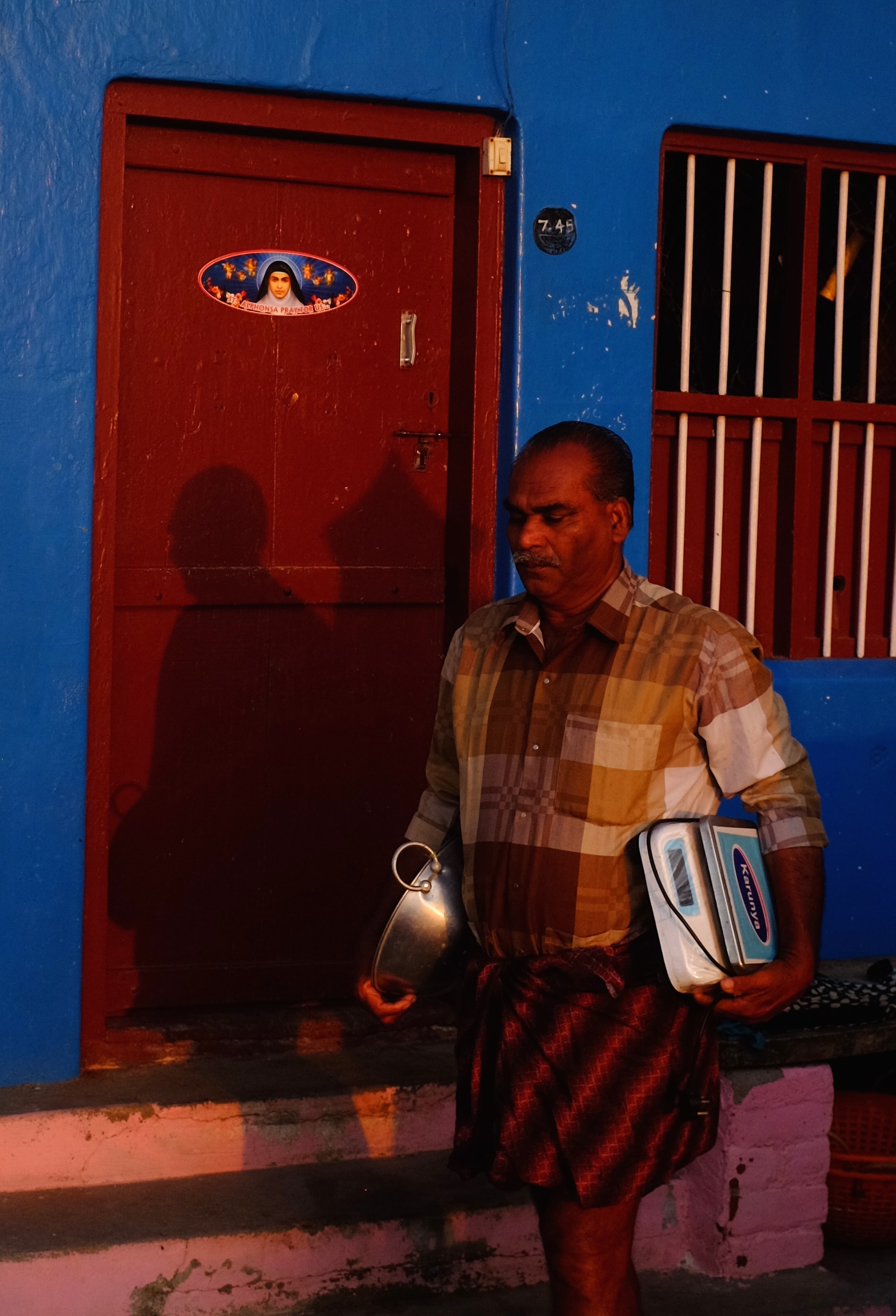
off to the beachside market with pot and scales, Kanyakumari
Singing the Lord’s praises at Land’s End in a church overlooking the southern most tip of India, Kanyakumari






















































 Kerk Boon Leng Photographs & Notes