between river and borders: a journey to pakistan’s margins
Pakistan is a country the world thinks it already knows enough about. Tension with India. Terrorism. Toxic politics. Names like Karachi and Lahore roll off the tongue easily; Islamabad, sometimes; Rawalpindi, perhaps. For most, Pakistan remains an idea — a place they read about in the news, talk to cab drivers about when stuck in traffic jams, pontificate to friends over a cold beer in a heated pub, but would never be crazy enough to visit.
Even its mangoes — Chaunsa, thick and custard-sweet, said to be the world’s best — are more spoken of than tasted.
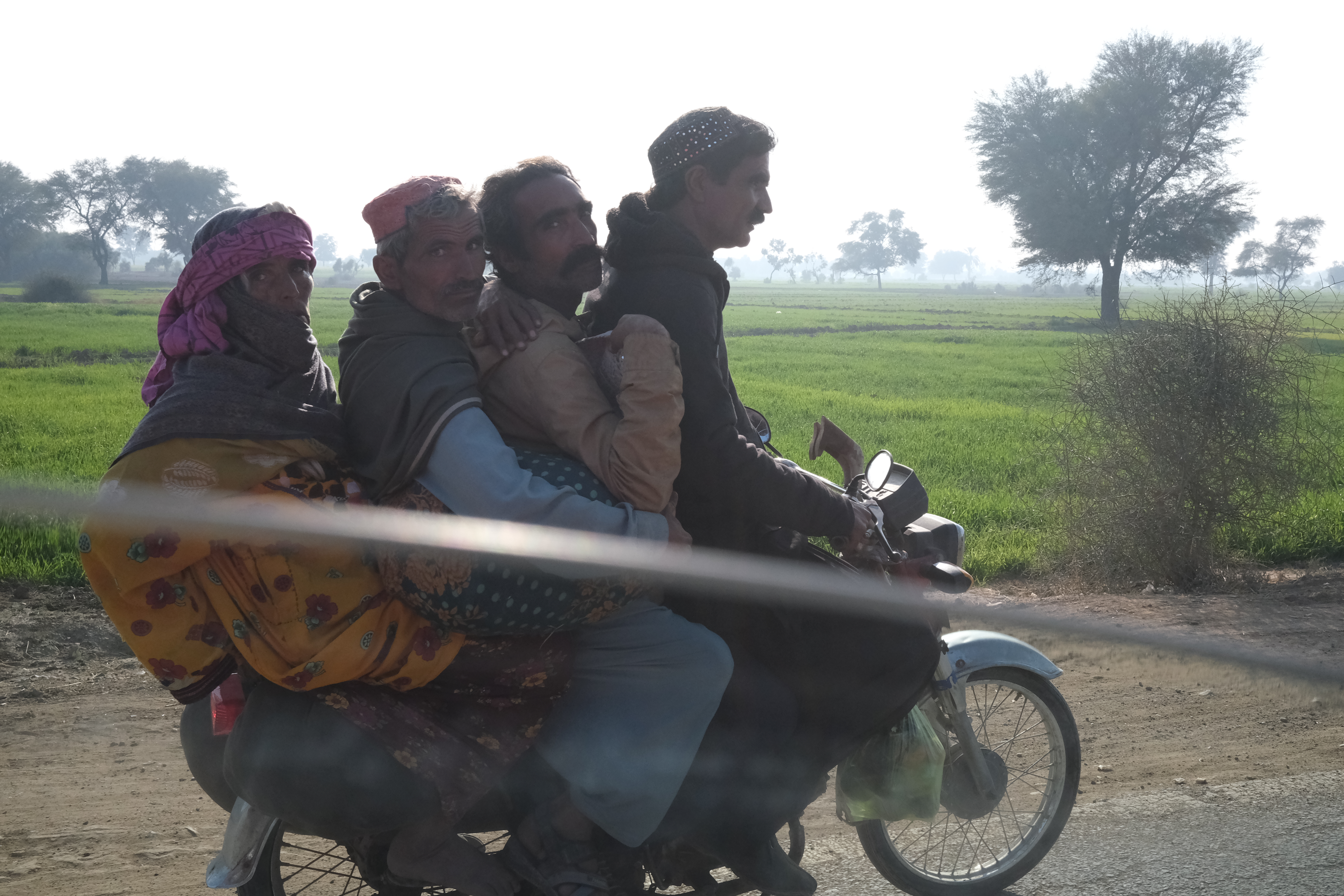
But beyond the headlines, away from the main cities and into the rural, tribal-bound heartlands — canal-fed farms, wheat and mustard fields, mango orchards, fog-laden country along the Indus — a different Pakistan appears: bruised and battered, but alive, breathing, and in rare flashes, heart-achingly beautiful.
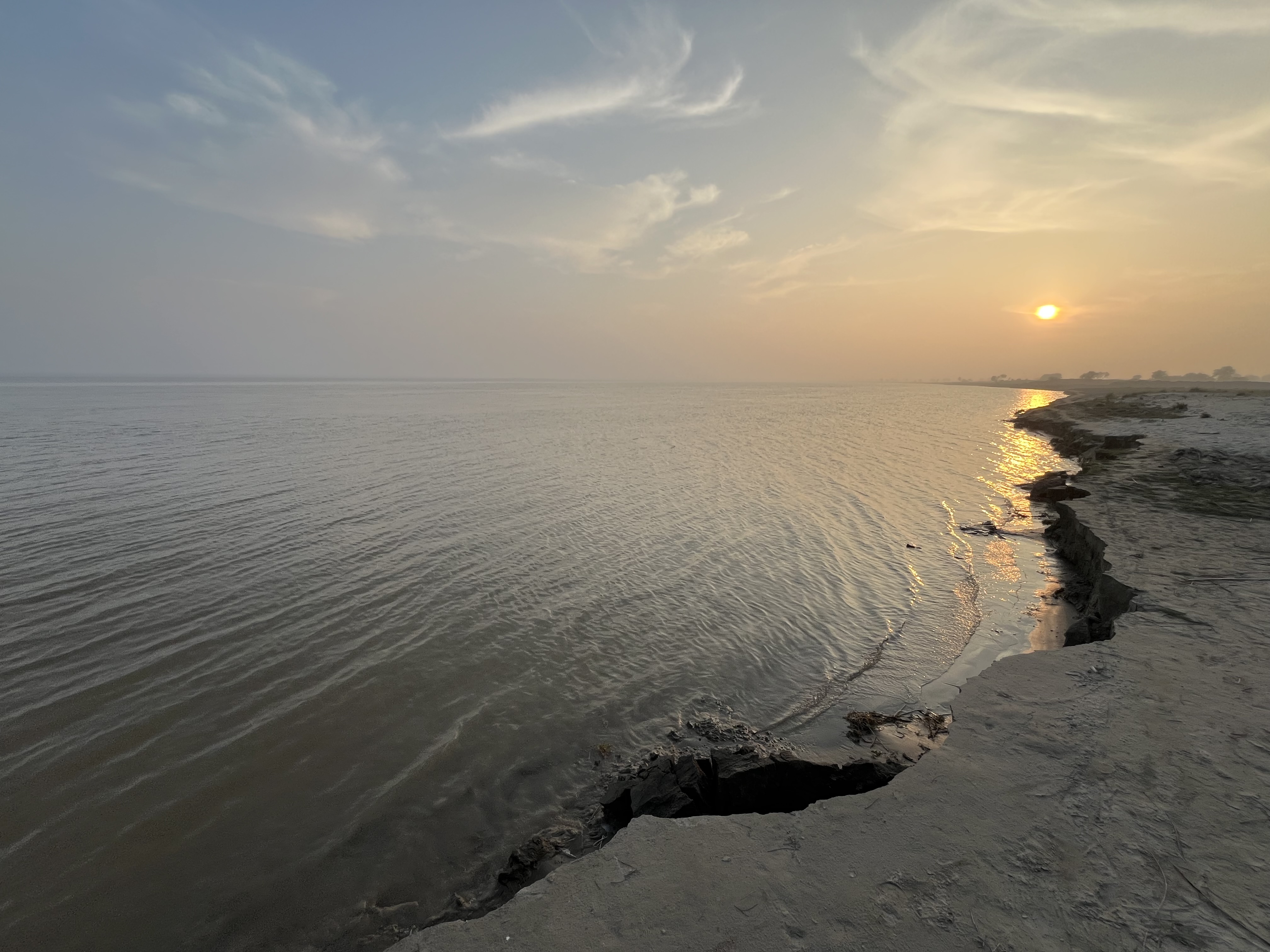
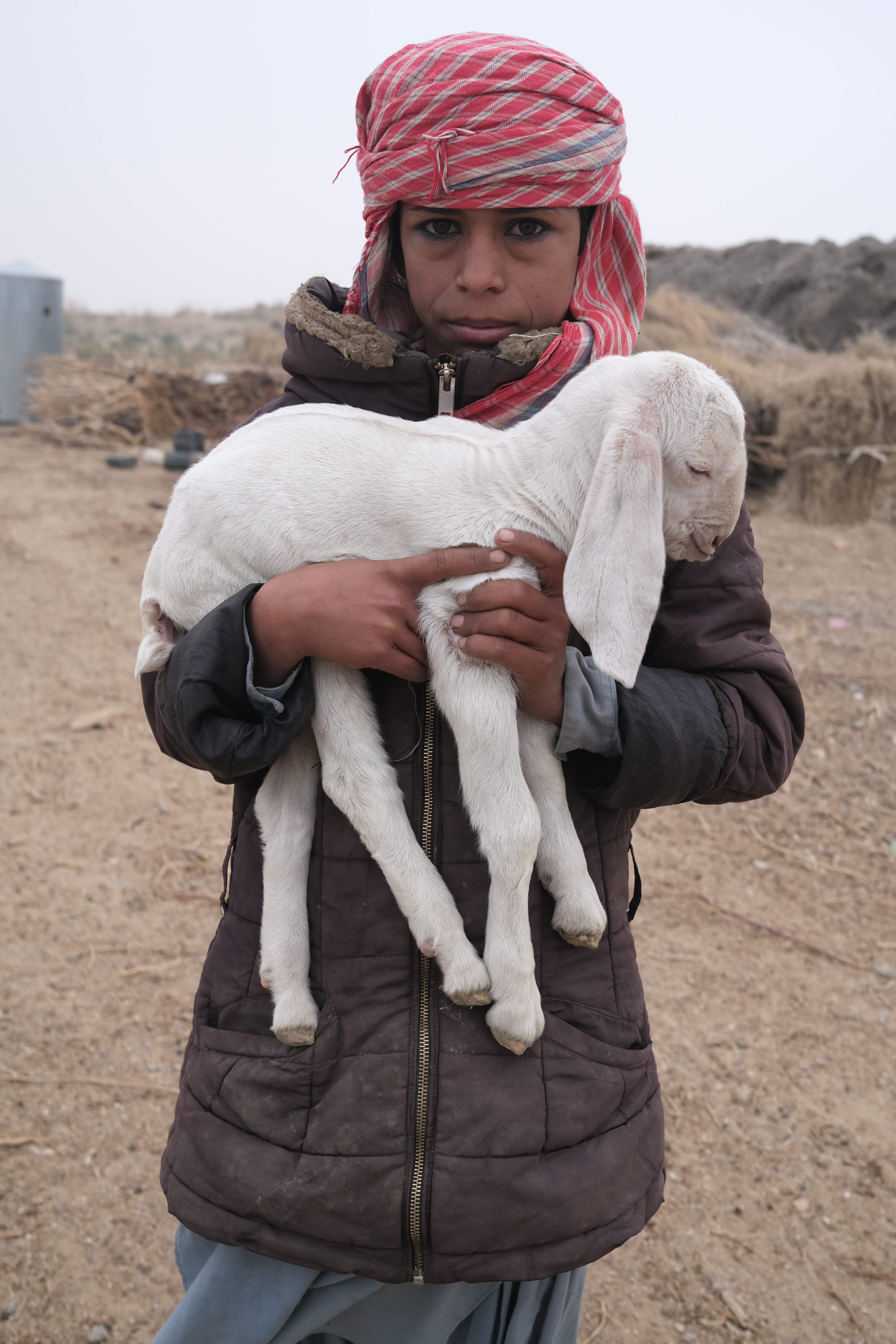
The Indus (3,180 km), world’s 7th-longest river, gave India its name. Hinduism’s oldest text, the Rig Veda, was composed along its banks and there is no mention of the Ganges. Today, the river (because it flows through the entire length of Pakistan) is conscripted into nationalist myth-making to retrospectively justify the separation of Pakistan from India on historical and cultural grounds recasting the Indus as a civilizational fault line. Young shepherd with baby goat, OzmanAfter Dadu, interior SindhMultanSonmiani
Pakistanis will go to remarkable lengths to secure another passport, yet they love their country fiercely. They will defend it without hesitation — against India, certainly; against the West, if needed; against anyone who dares question the very creation of Pakistan from the smouldering ashes and bloodletting of Partition. Yet over doodh patti chai, or a Murree poured into an opaque cup, in quieter moments they speak with disarming honesty of a nation sliding toward an abyss: irredeemably corrupt politicians, an all-powerful army that oversees and intervenes, stark feudal inequalities, and a state-sponsored religiosity that controls far more than it consoles, intimidates rather than guides, and that wounds more than it heals.
Before Pakistan, no nation in the world was founded explicitly on religion – not even Israel because Zionism framed Jews as a people, a race, not merely a faith.
The idea of Pakistan wasn’t born in the plains of Punjab, high deserts of Balochistan, or rivers of Sindh. It was forged in the dining halls of Cambridge, the intellectual heart of empire, where English-educated minds shaped the world. Allama Iqbal called for a separate Muslim state; Choudhry Rahmat Ali gave it a name. Balfour earlier pledged a future nation on someone else’s soil; decades later, Lee Kuan Yew gave expulsion as an excuse for constructing a global state on a small island. They all earned their degrees from Cambridge.
Pakistan was planned in the shadow of Lausanne and in the spirit of Versailles, in the logic that a nation needs a state, and a state needs a defined people — Islam became more than belief— it became a boundary, a line drawn between ‘us’ and ‘them.
These ideas about nation-states, nurtured at the final stage of formal empire, set the tone for modern globalist ambitions where identity, politics, and faith continue to shape the world. In Malaysia, Pakistan’s model of political Islam has exerted a deep influence — one that has steadily eroded the country’s earlier traditions of tolerance and multiculturalism.
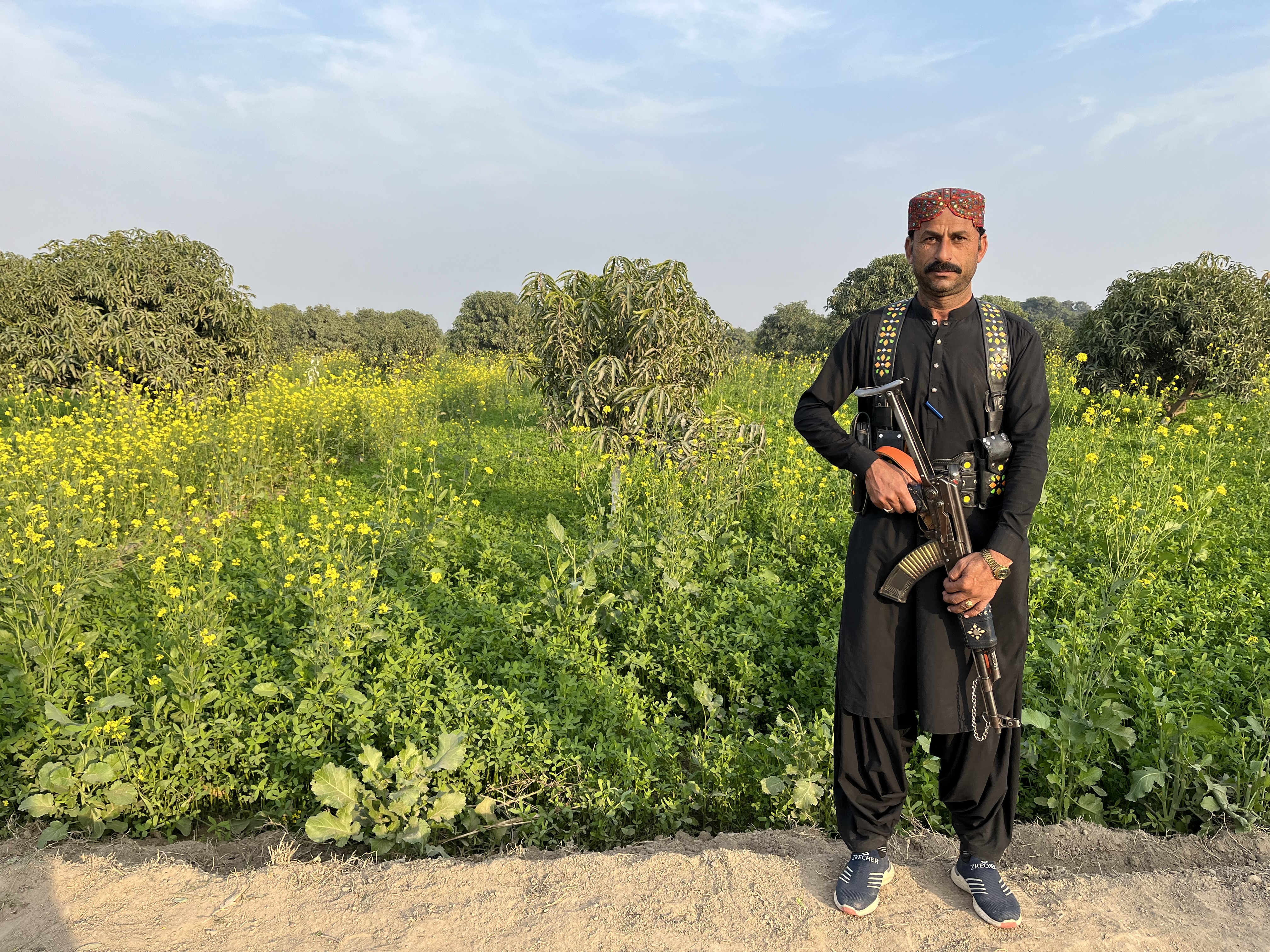
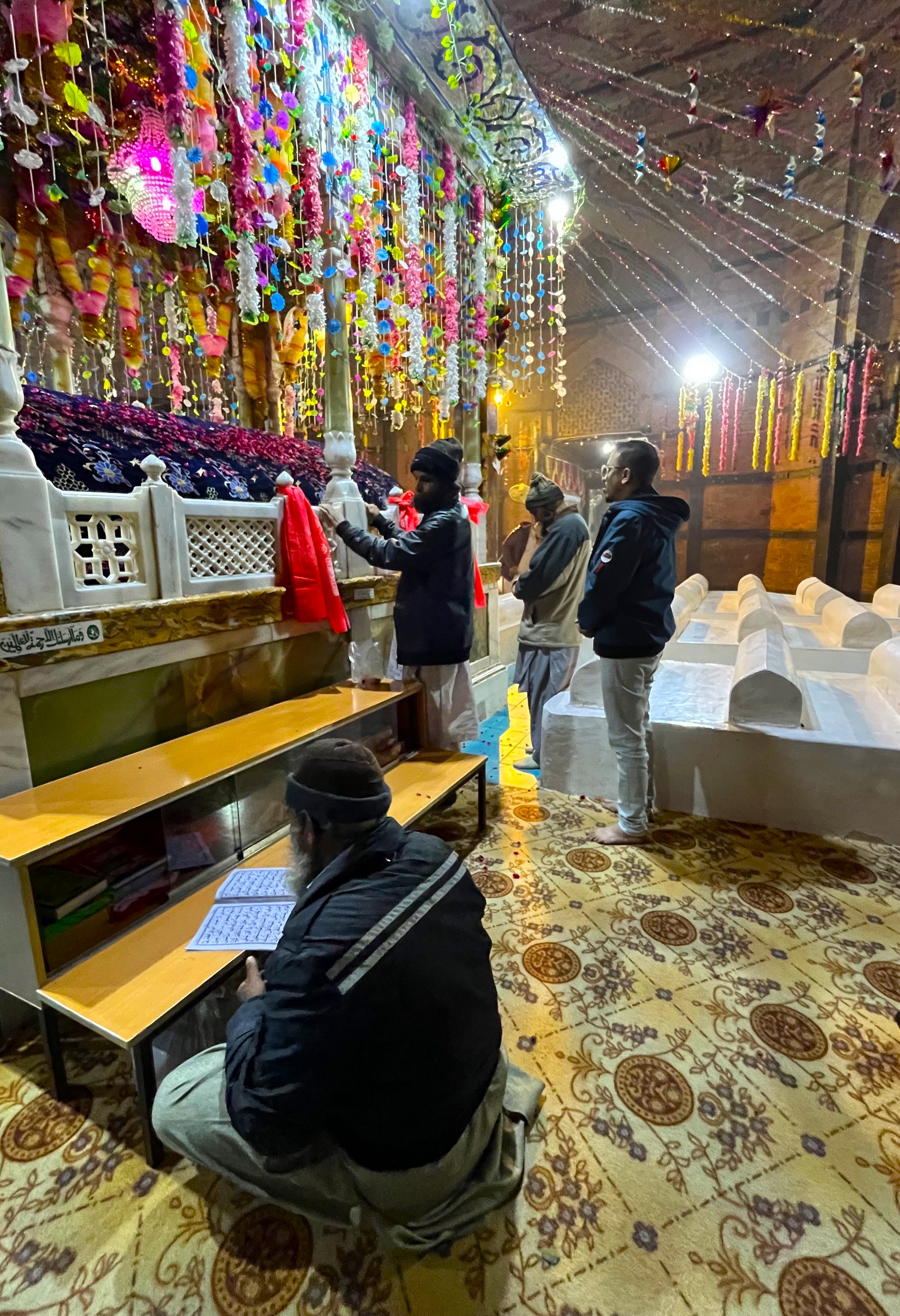
My thirteen-day journey was not a planning or an itinerary. It was permission — and a privilege. Mr Salim, a sardar – hereditary lord of the Baloch Mazari tribe, moved us by road from Lahore to Karachi, across two-thirds of Pakistan, breaking our journey to fulfil my long-held wish of praying at the birthplace of Guru Nanak in Nankana Sahib, and in Multan to pay respects at its famed Sufi shrines. We ate well at his table, what the land gave us; slept under bundles of blankets near his frosty fields; whispered prayers at the family mausoleums; and spent long hours in his ancestral village in the tribal belt — the uneasy tri-border where Punjab and Sindh fray into Balochistan. Without him, this landscape is sealed by suspicion, guns, and clan protocol. With his name, the road opens, and understanding deepens.
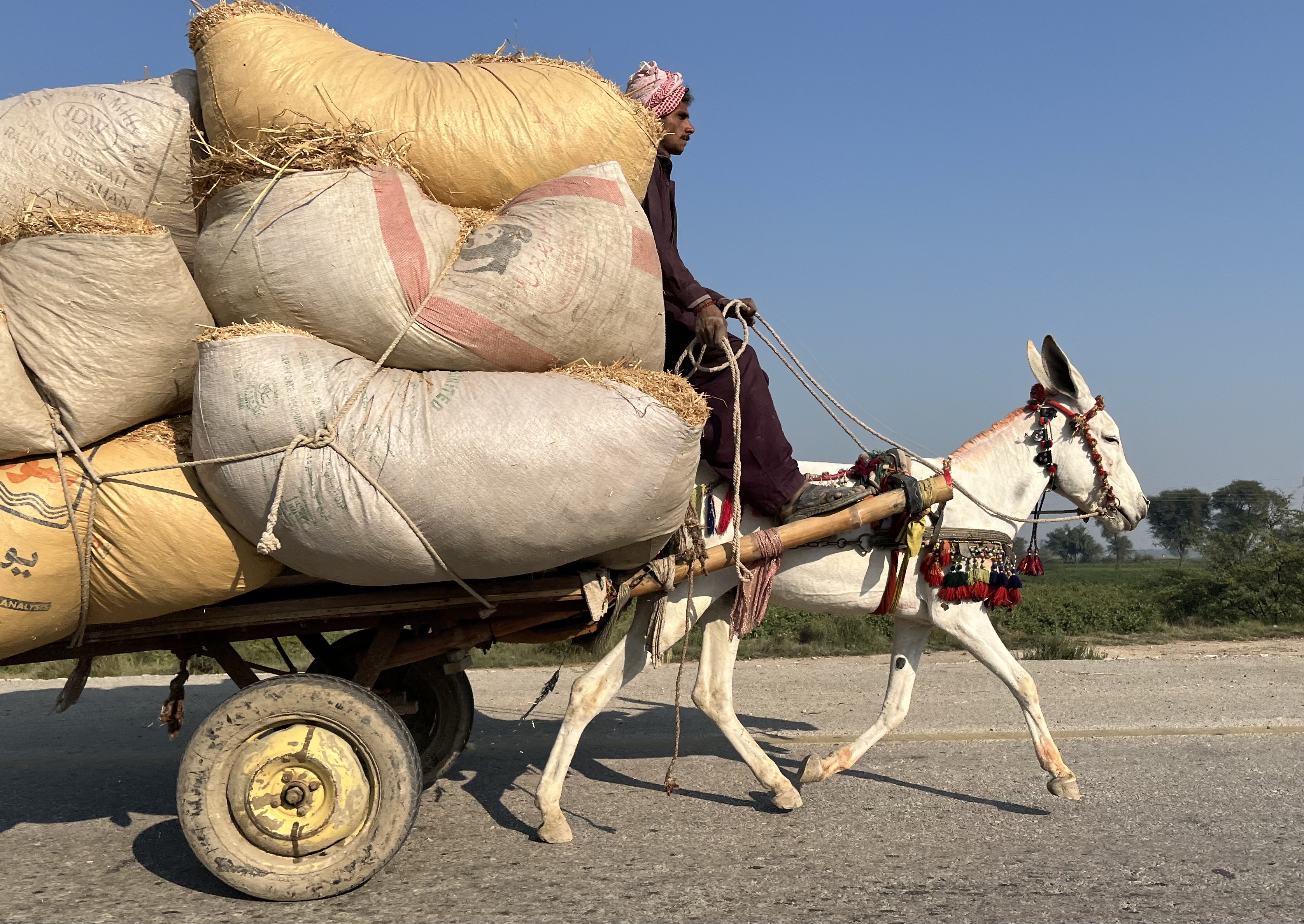
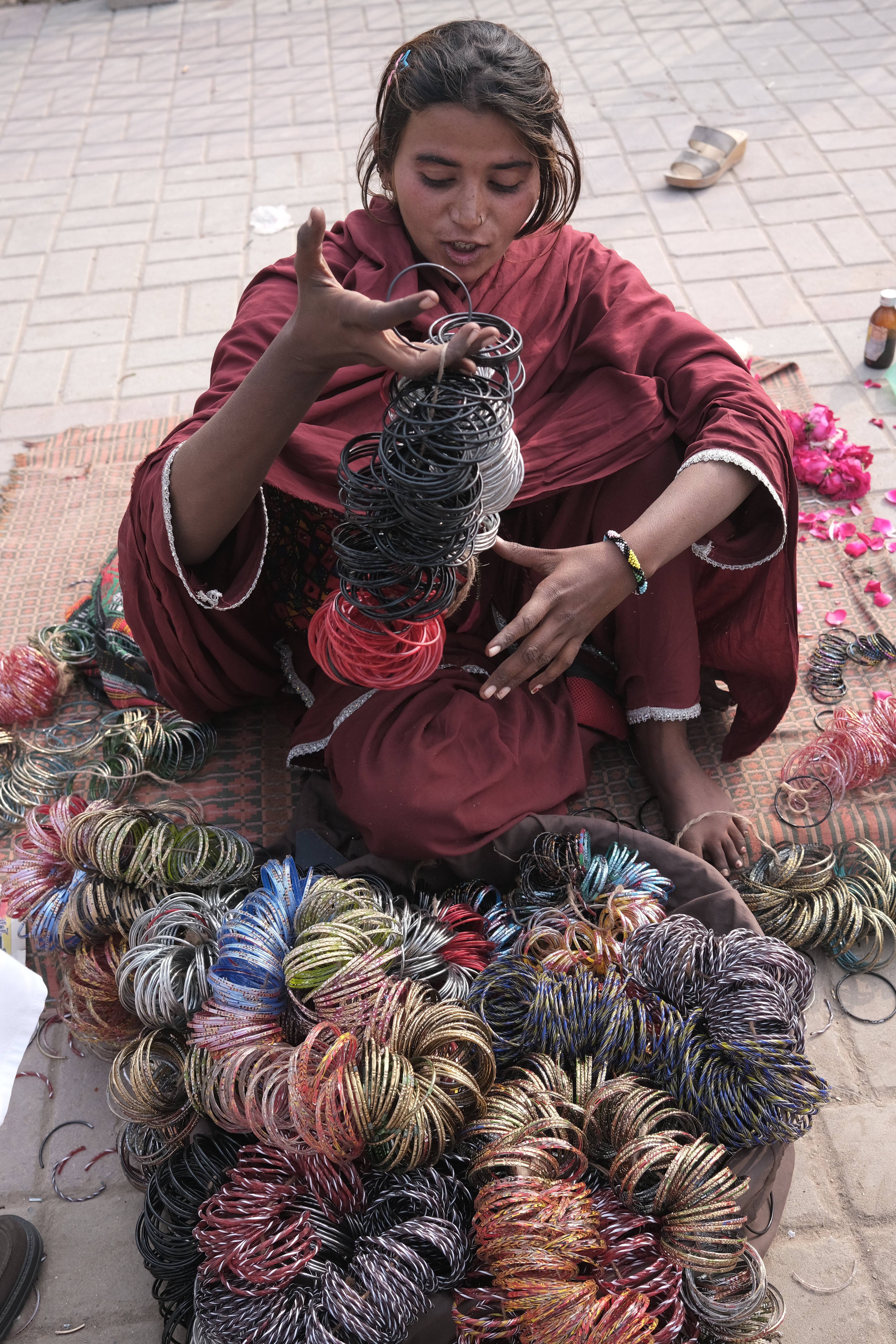
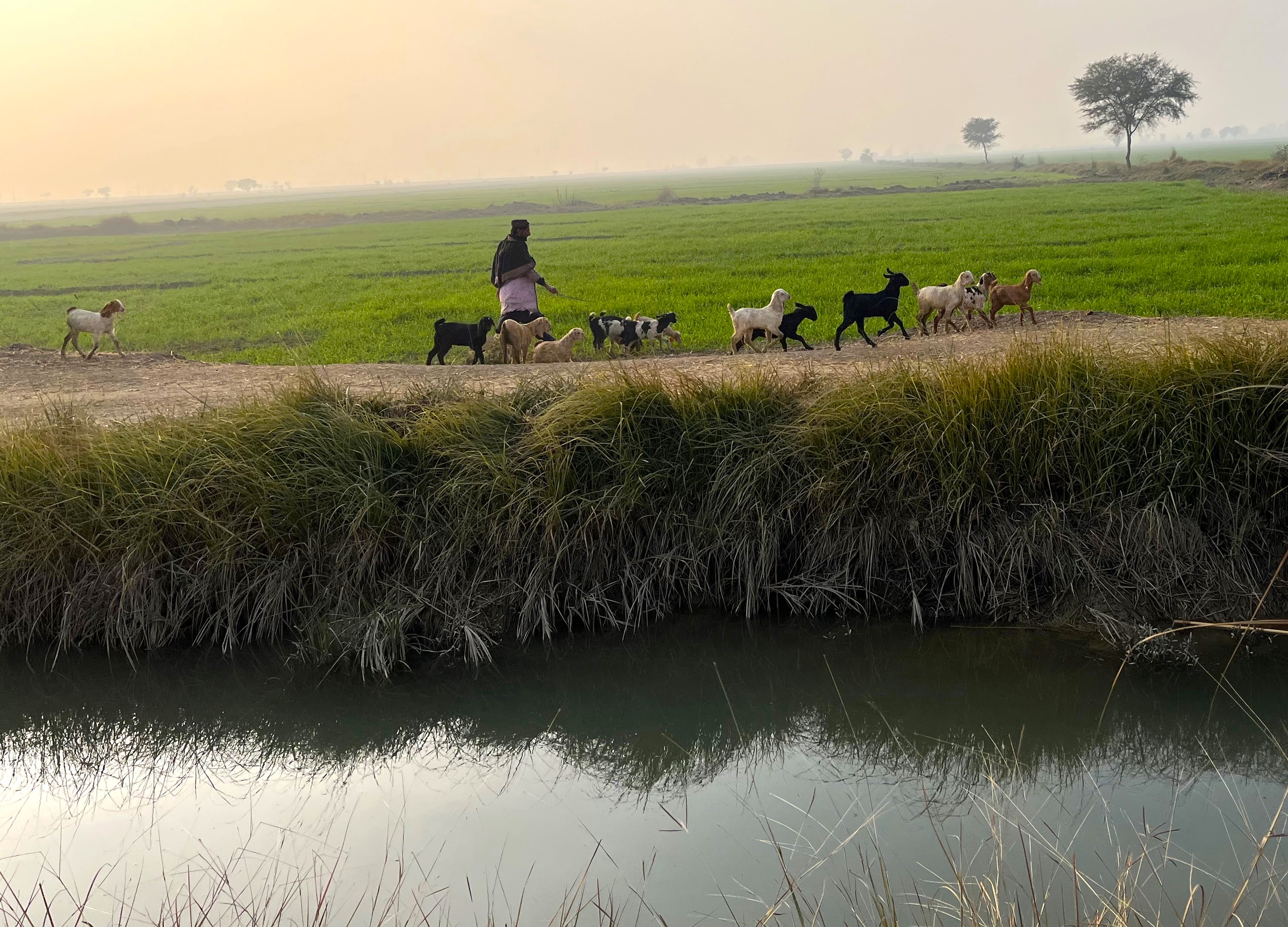
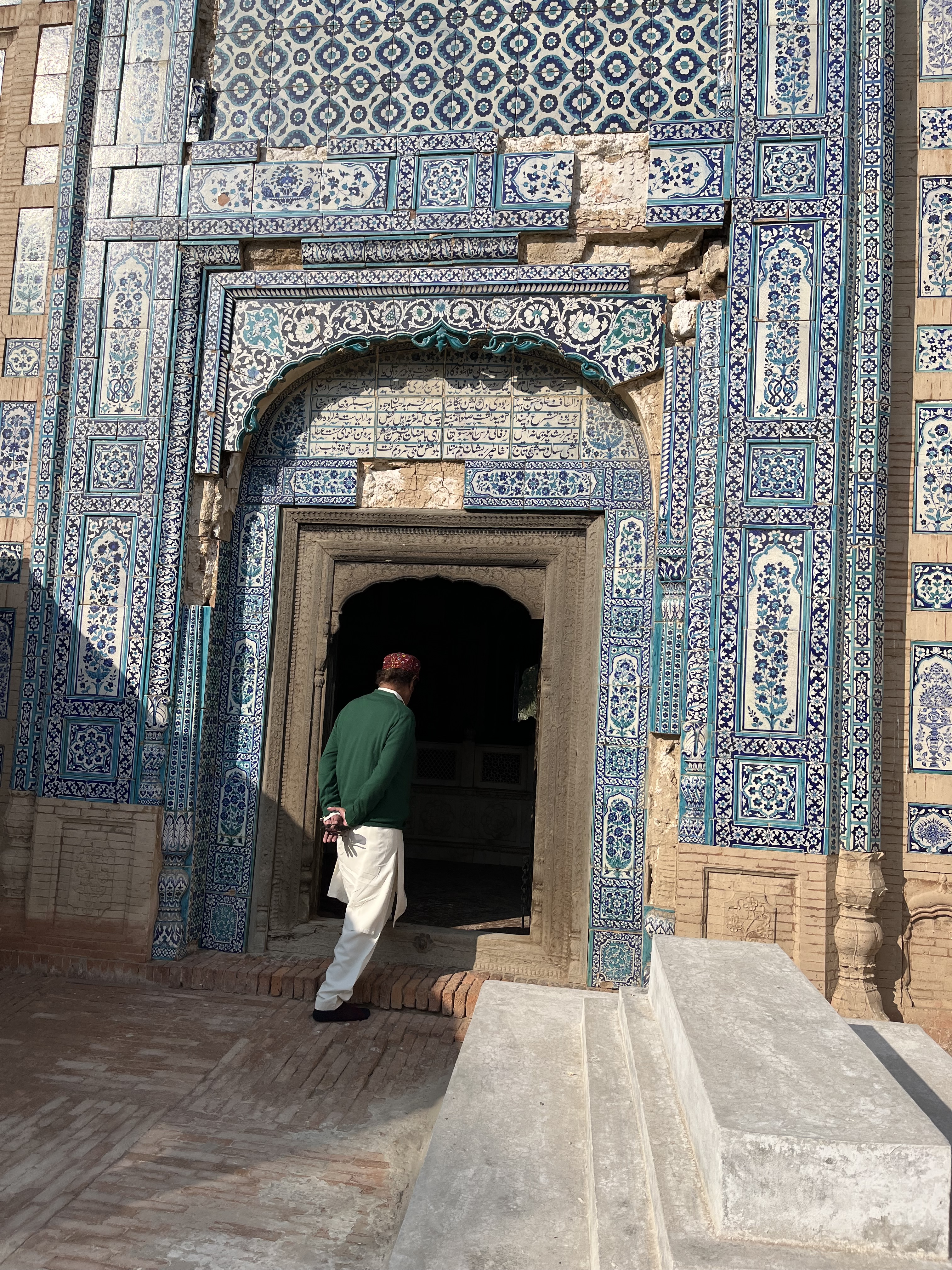
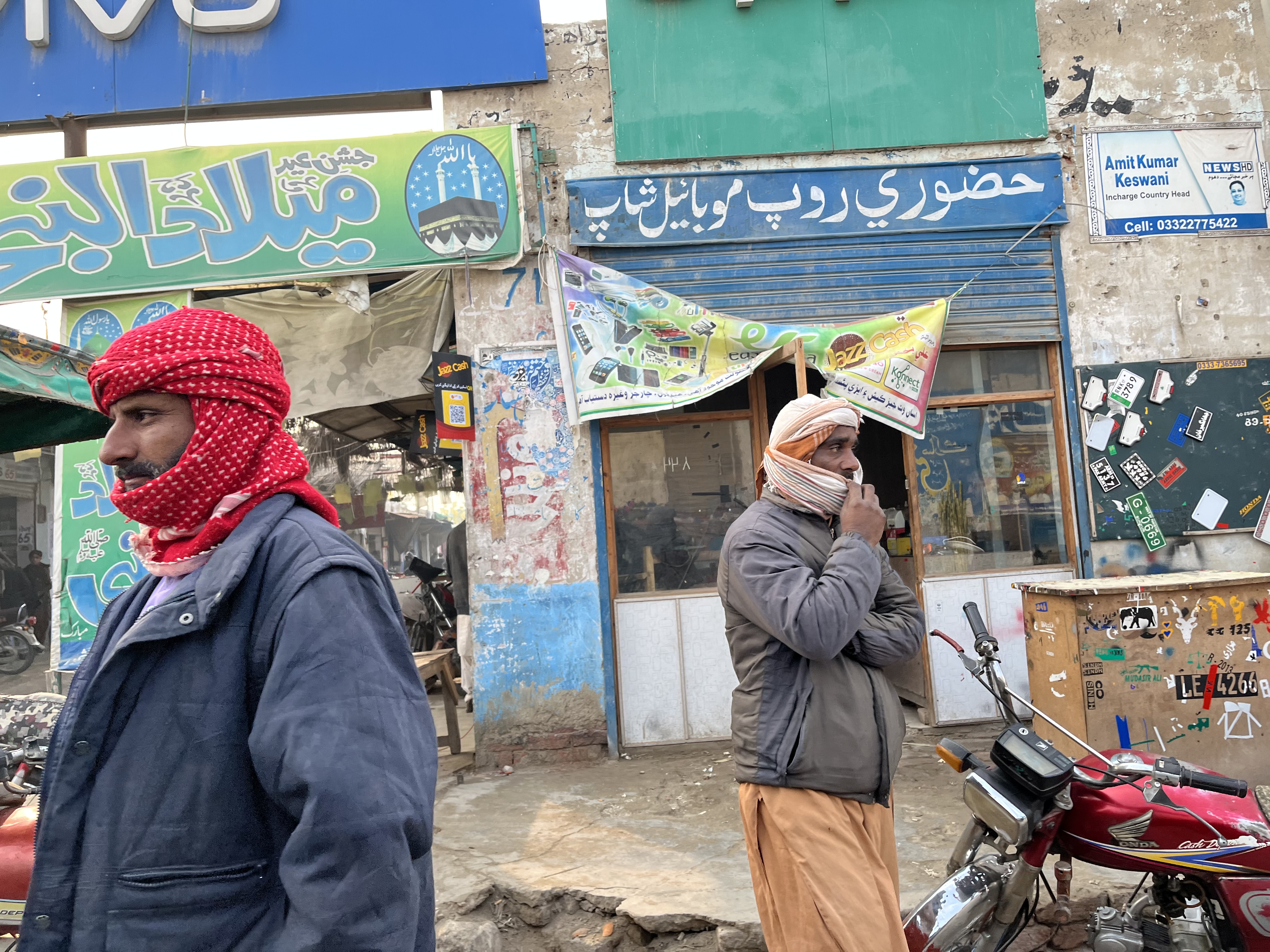
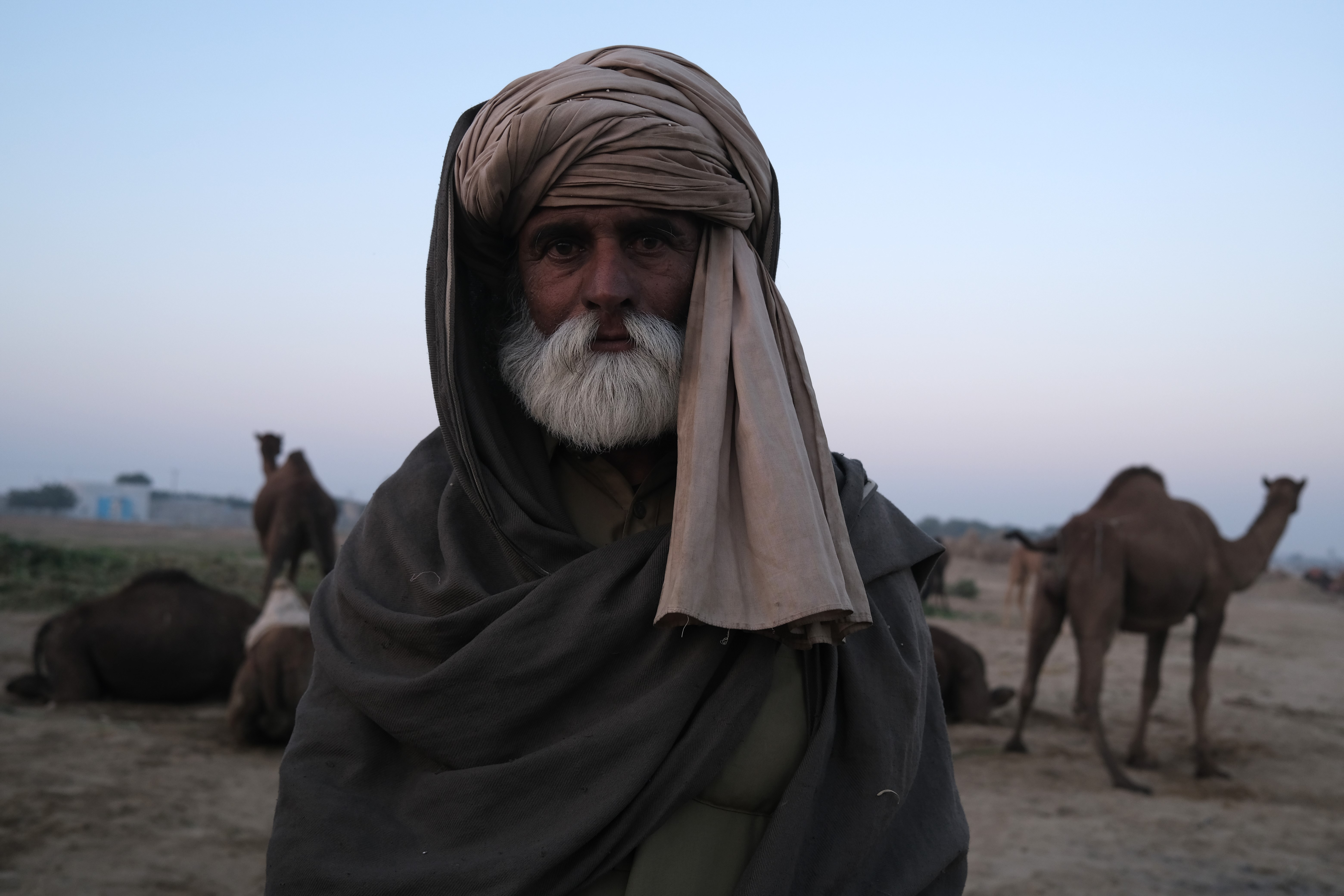
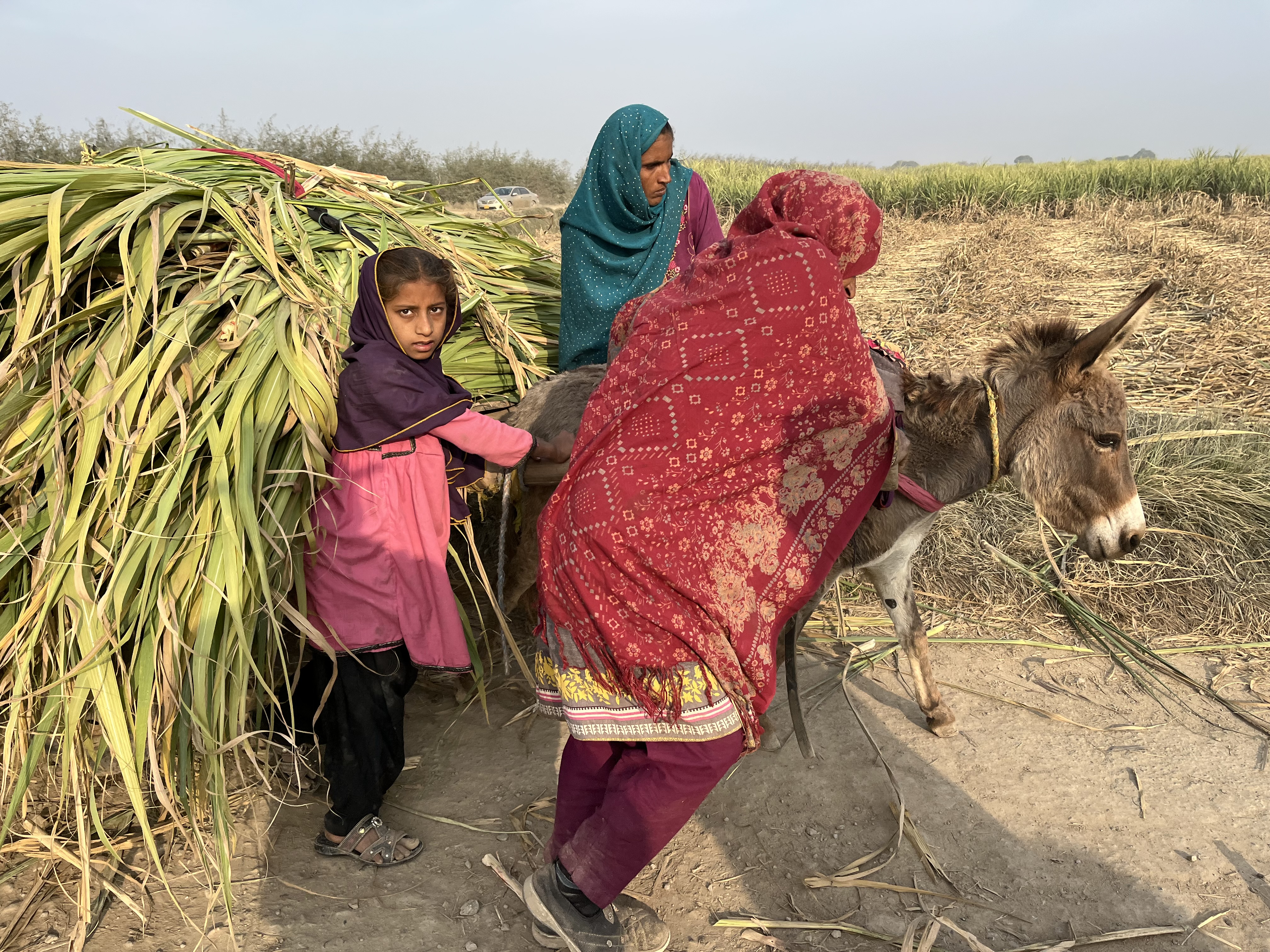
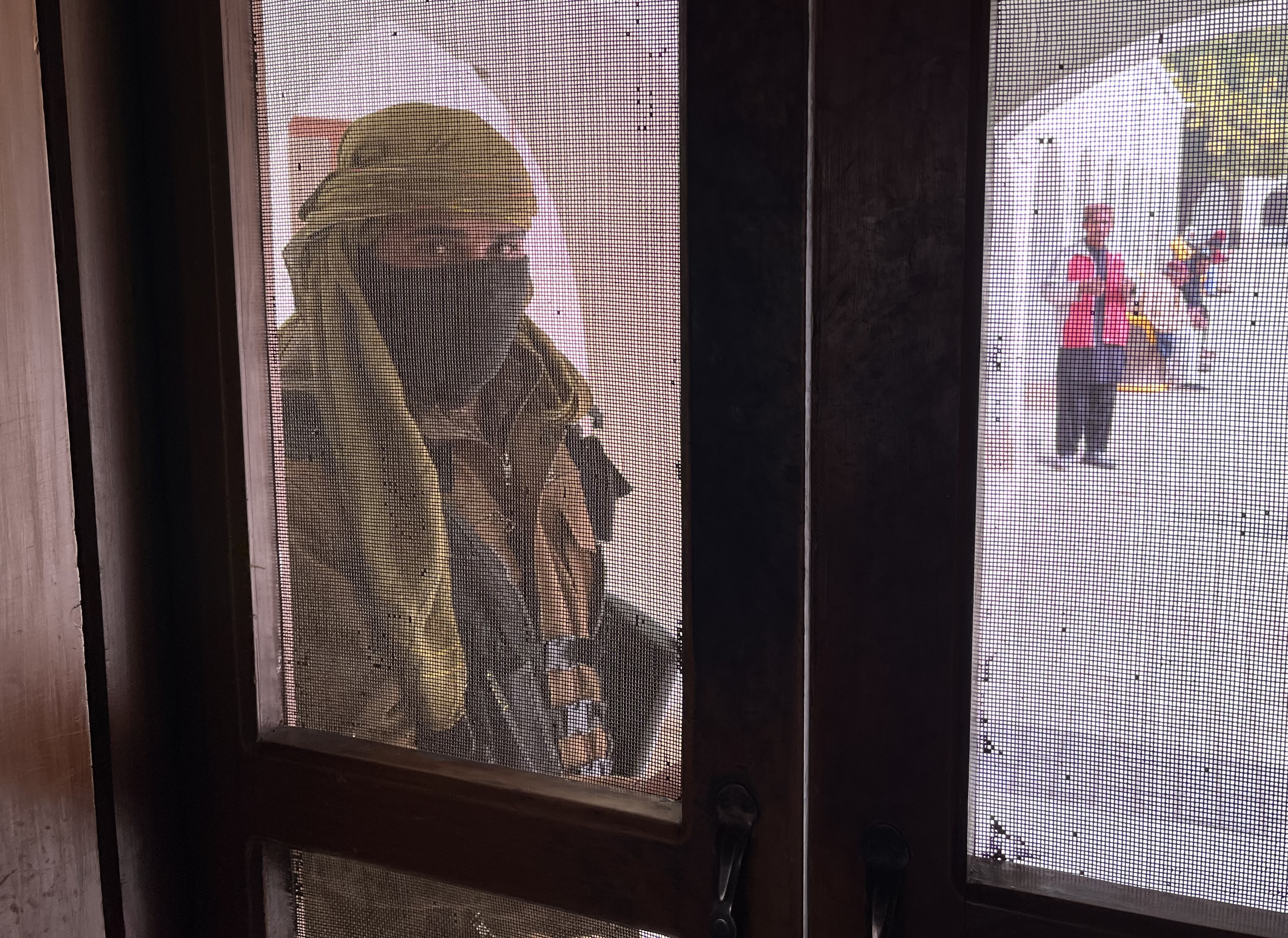
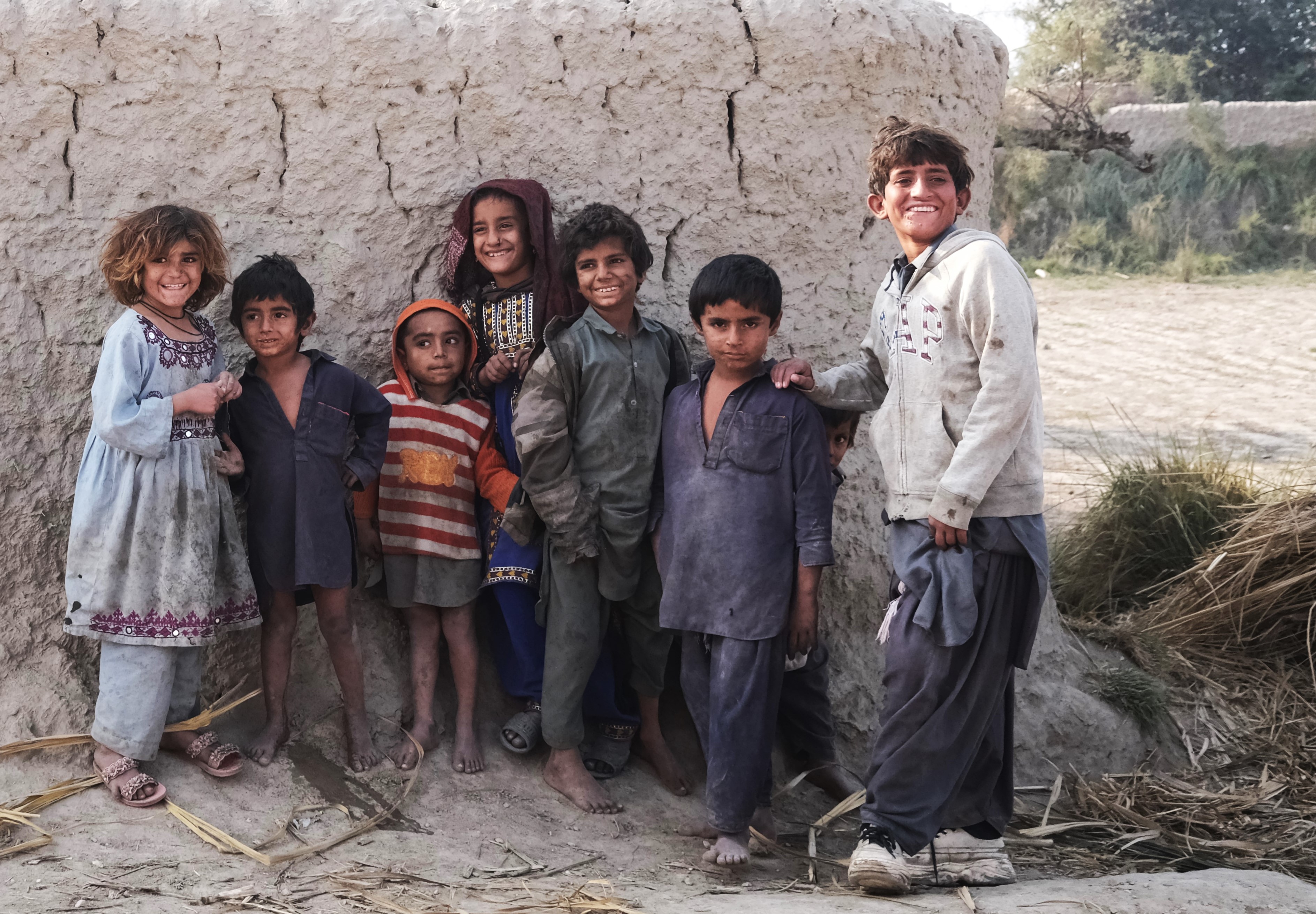
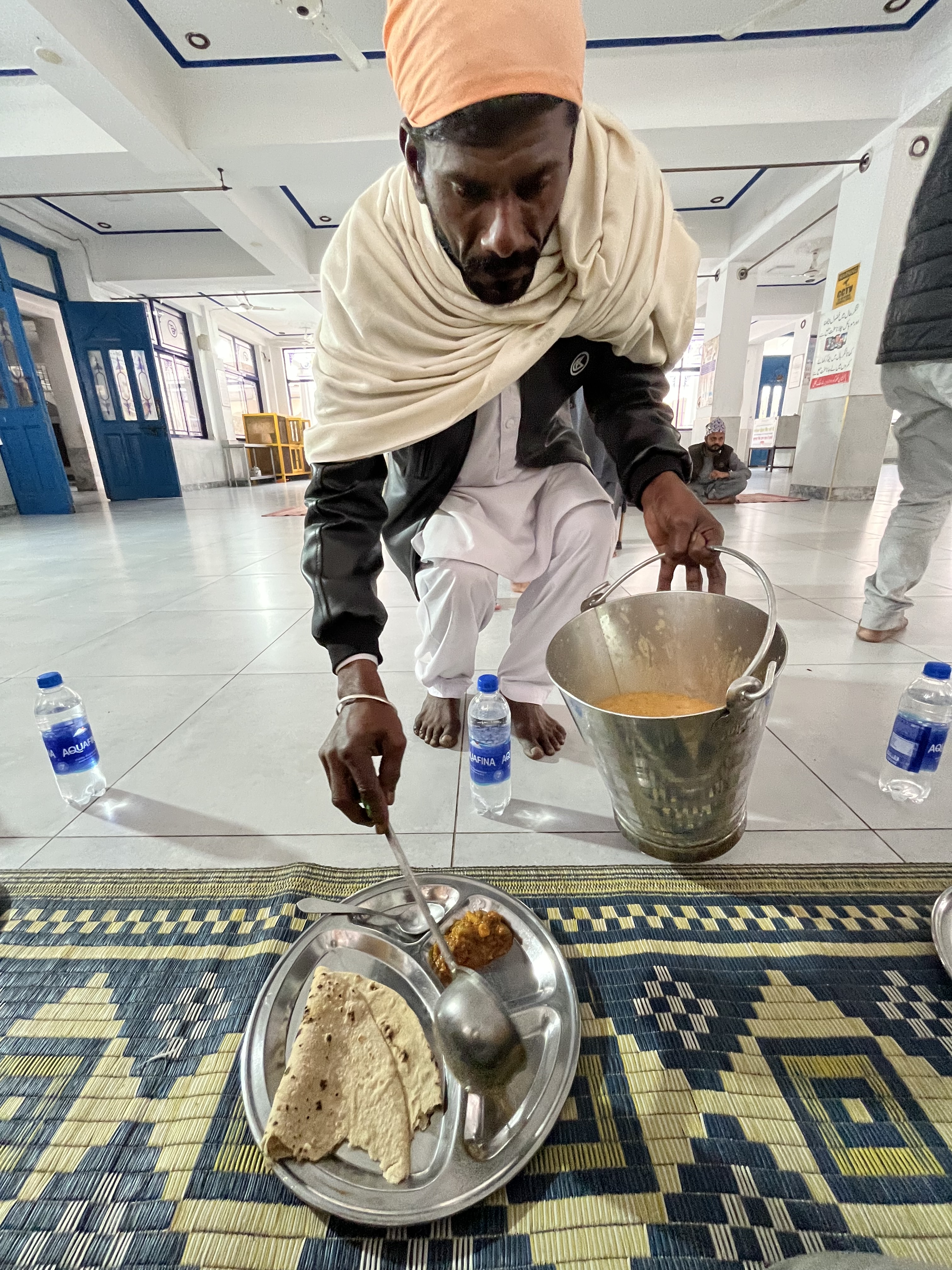
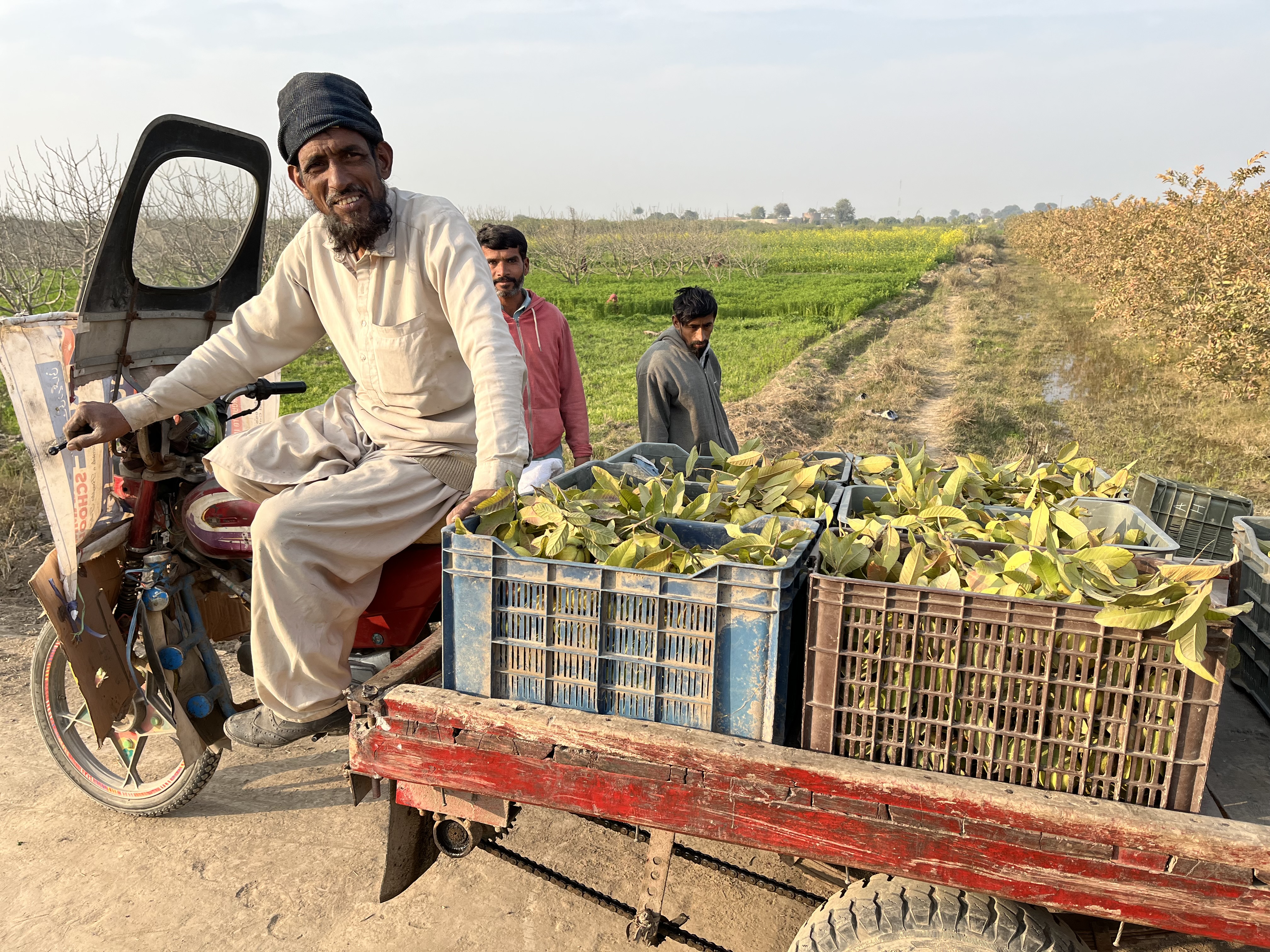
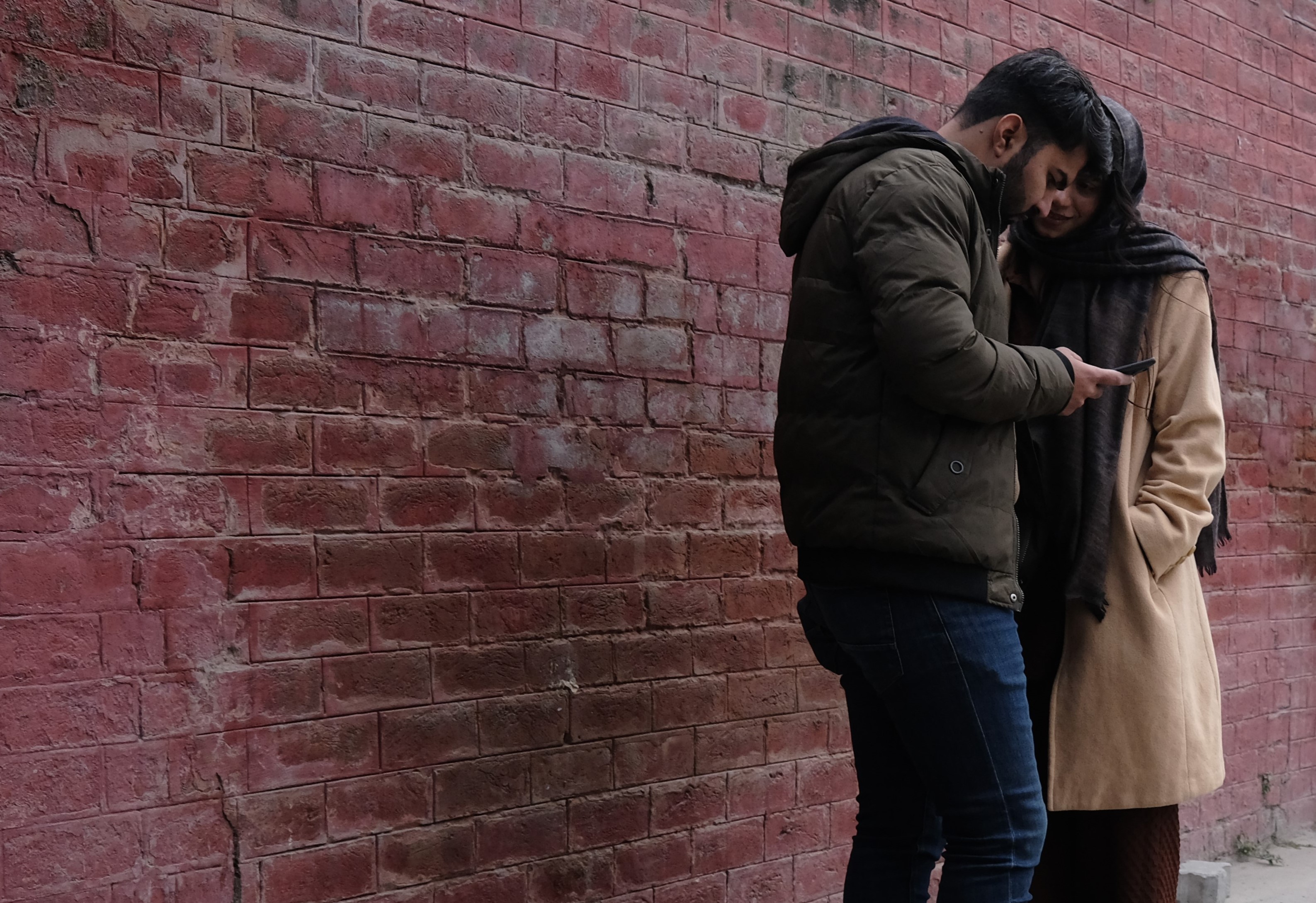
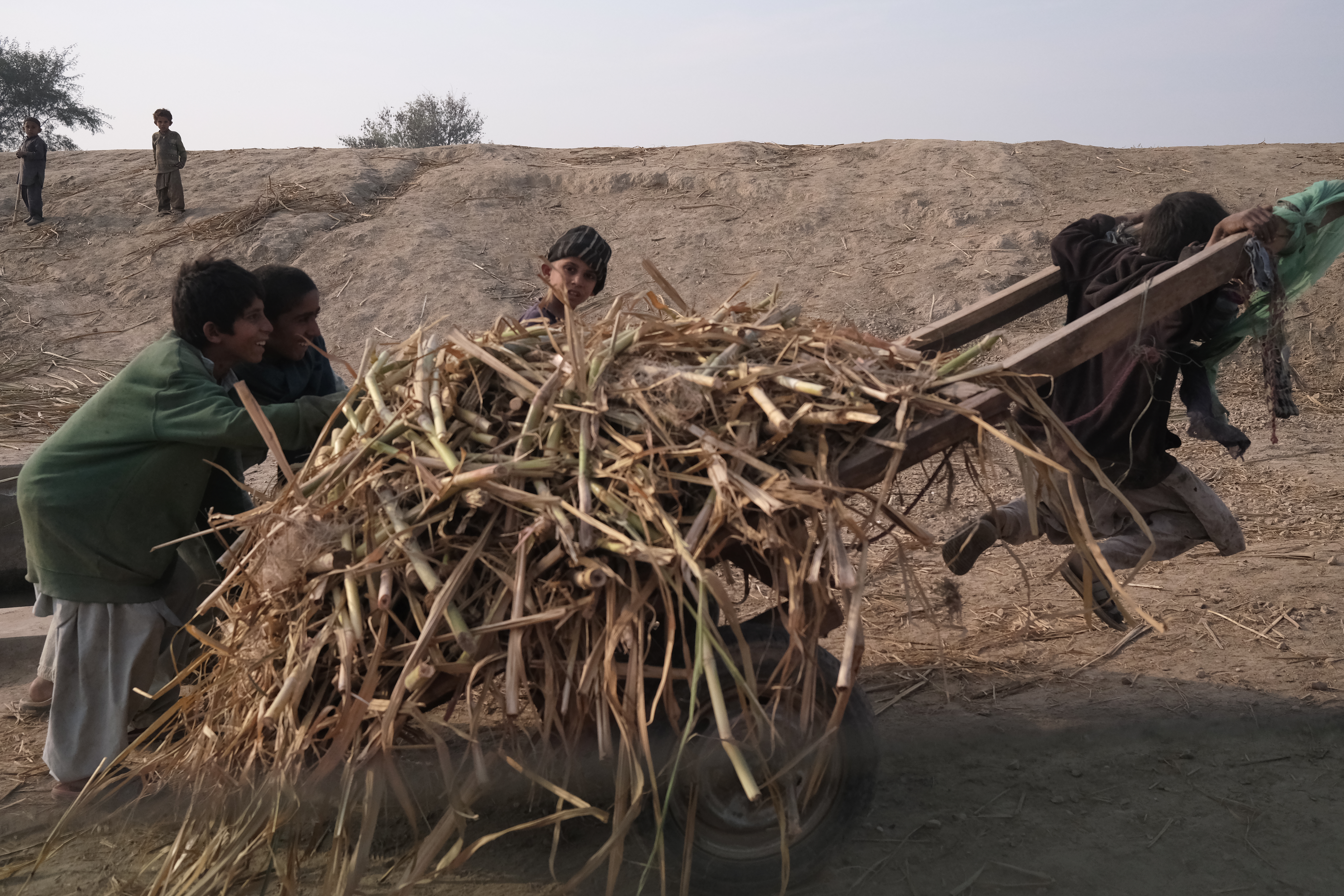
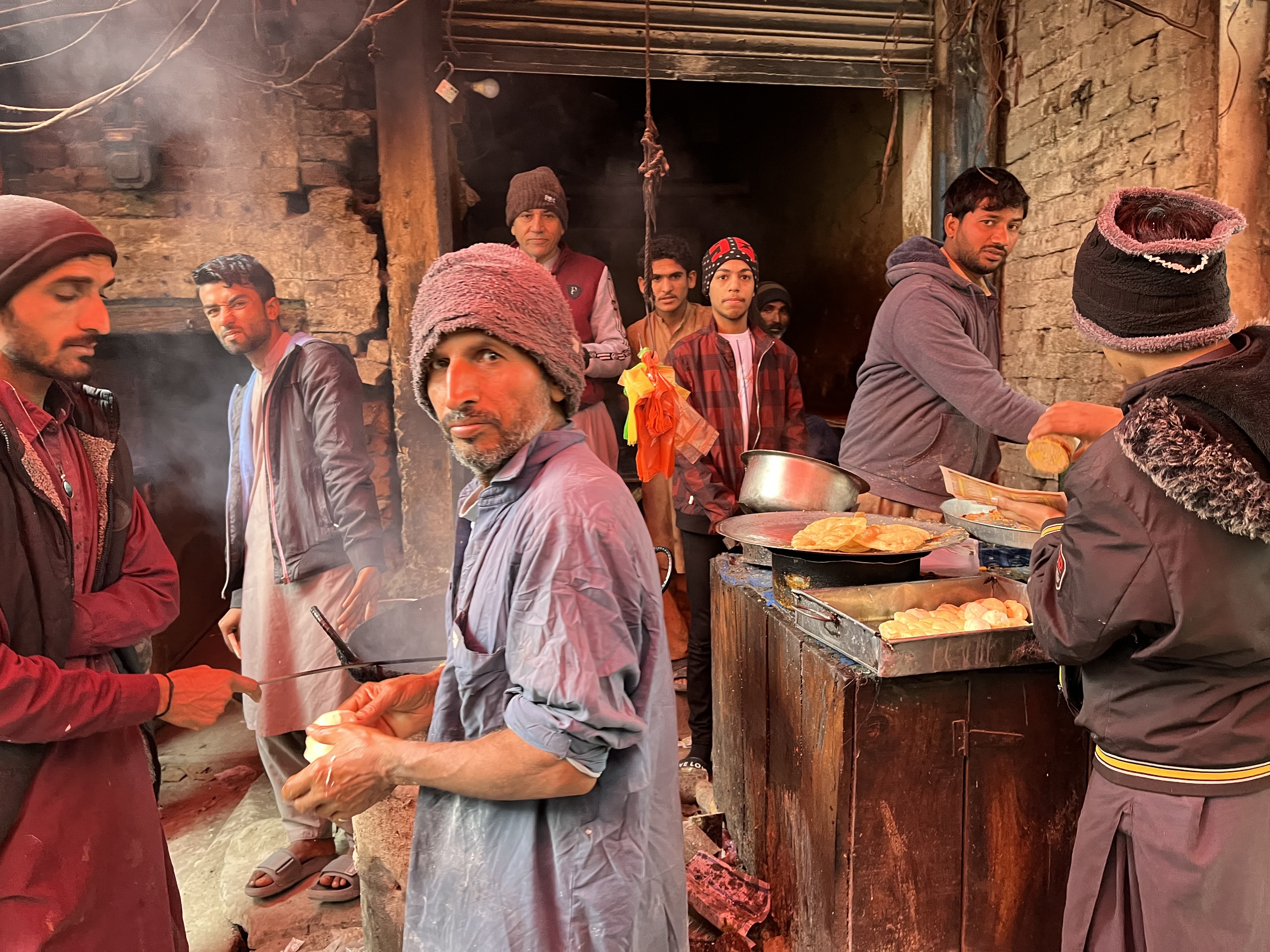
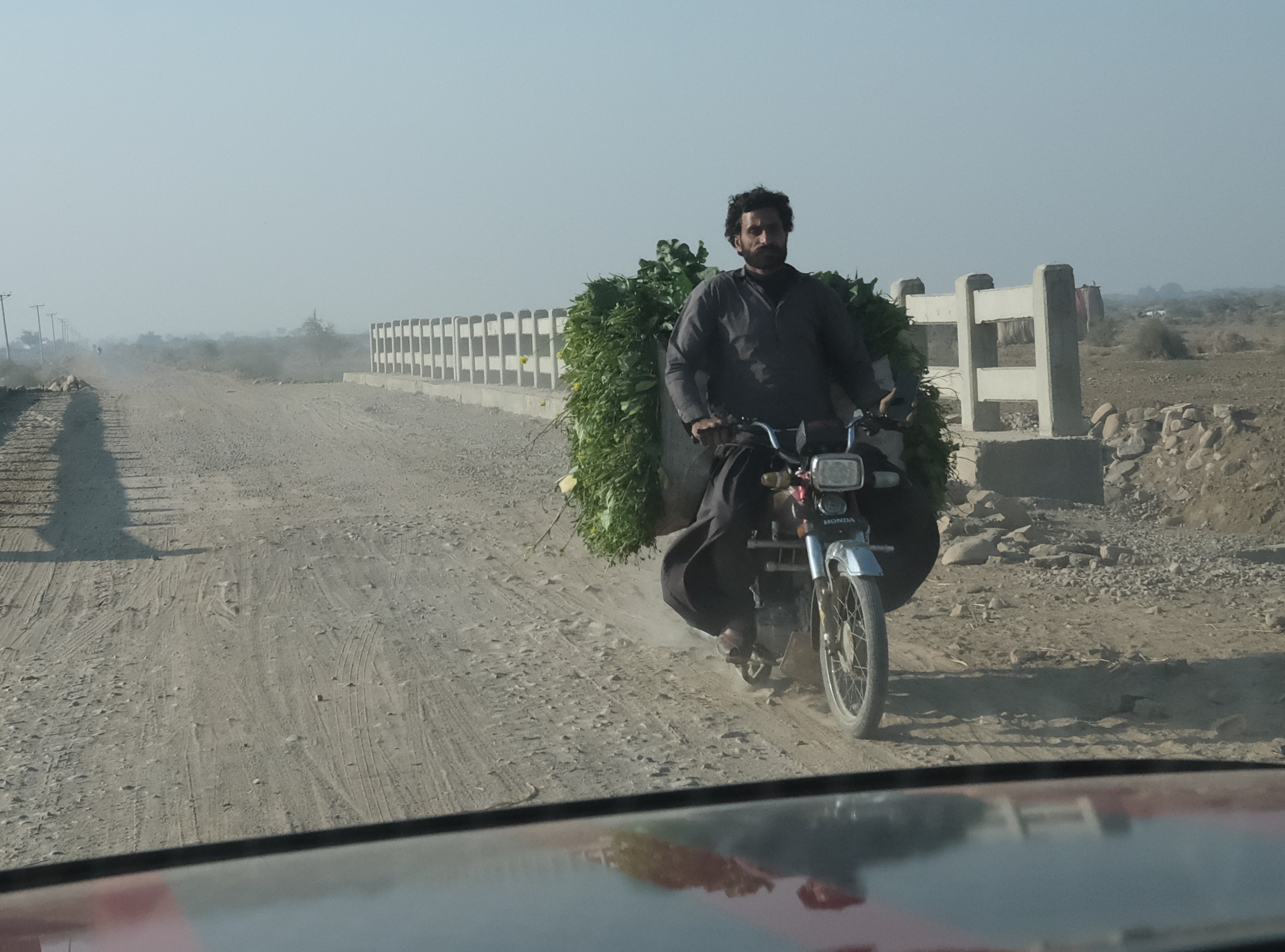
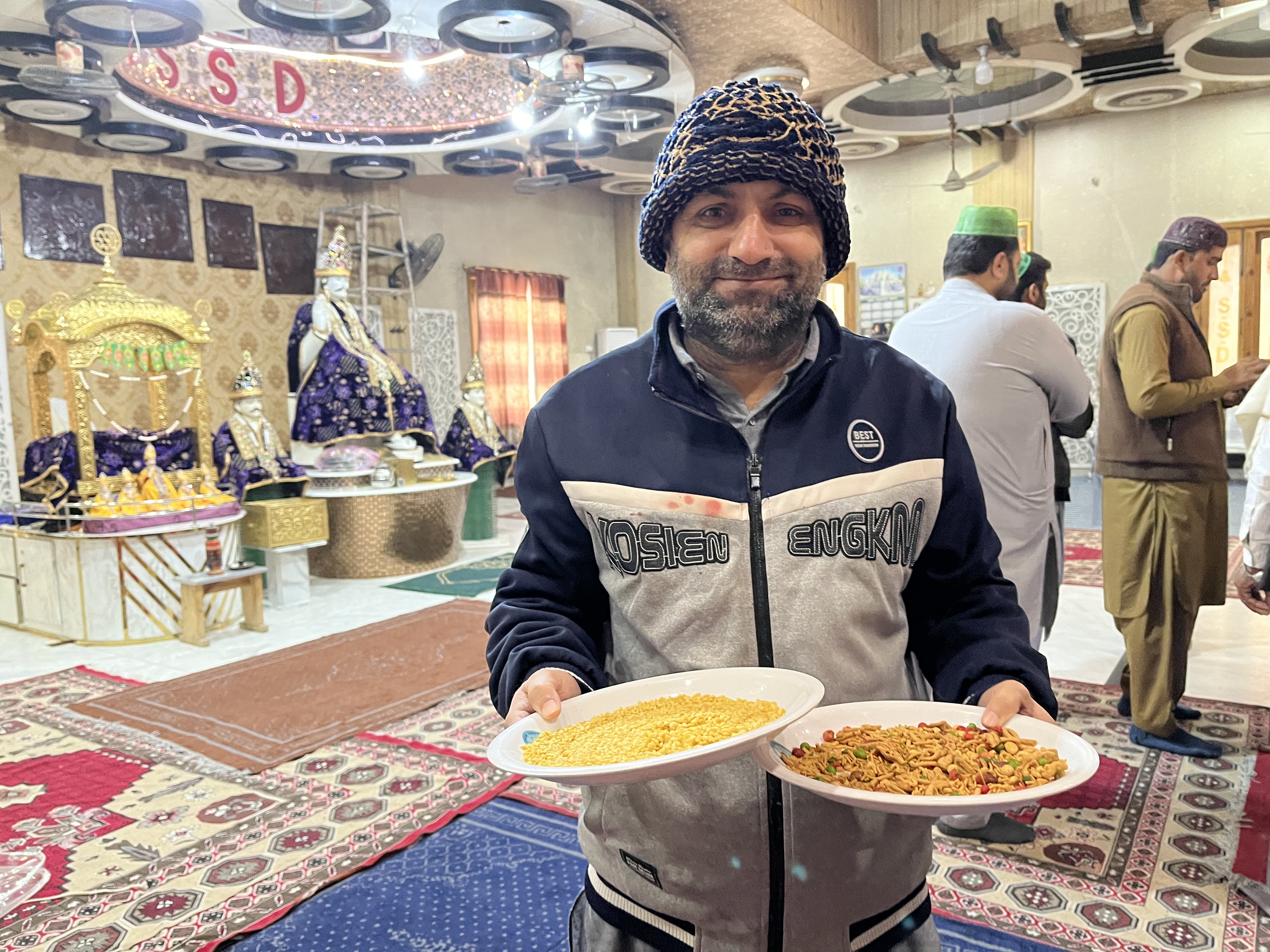
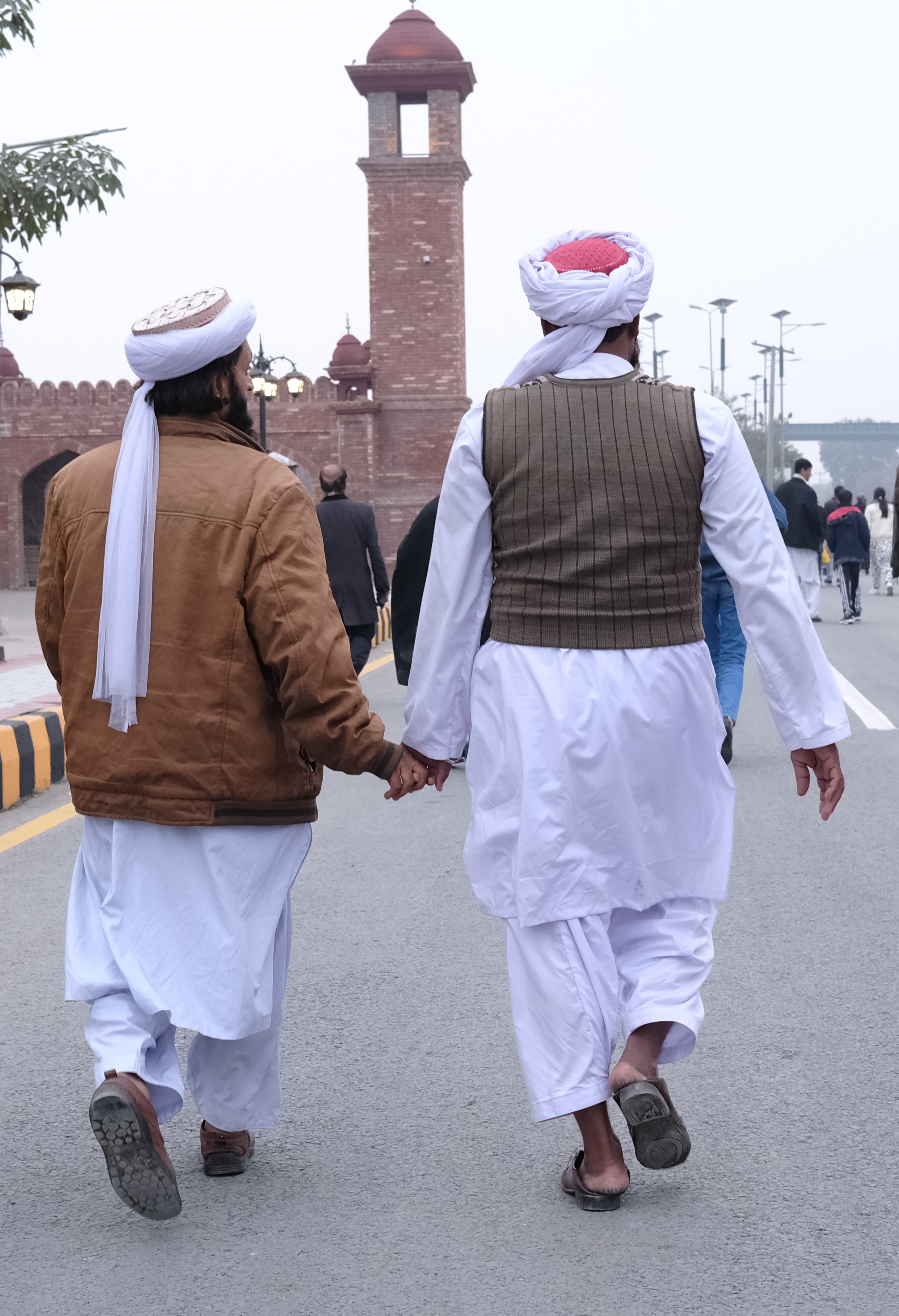
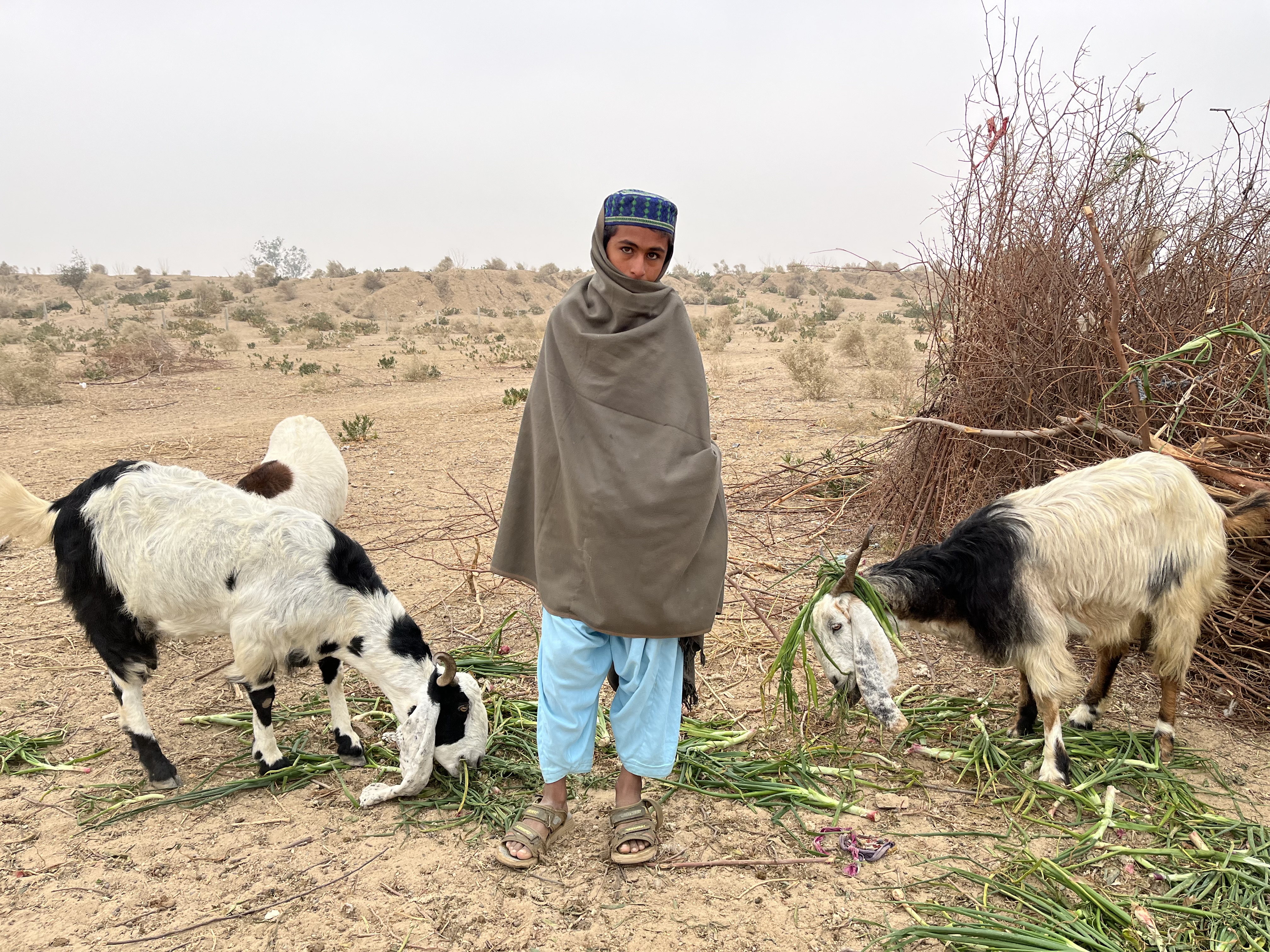
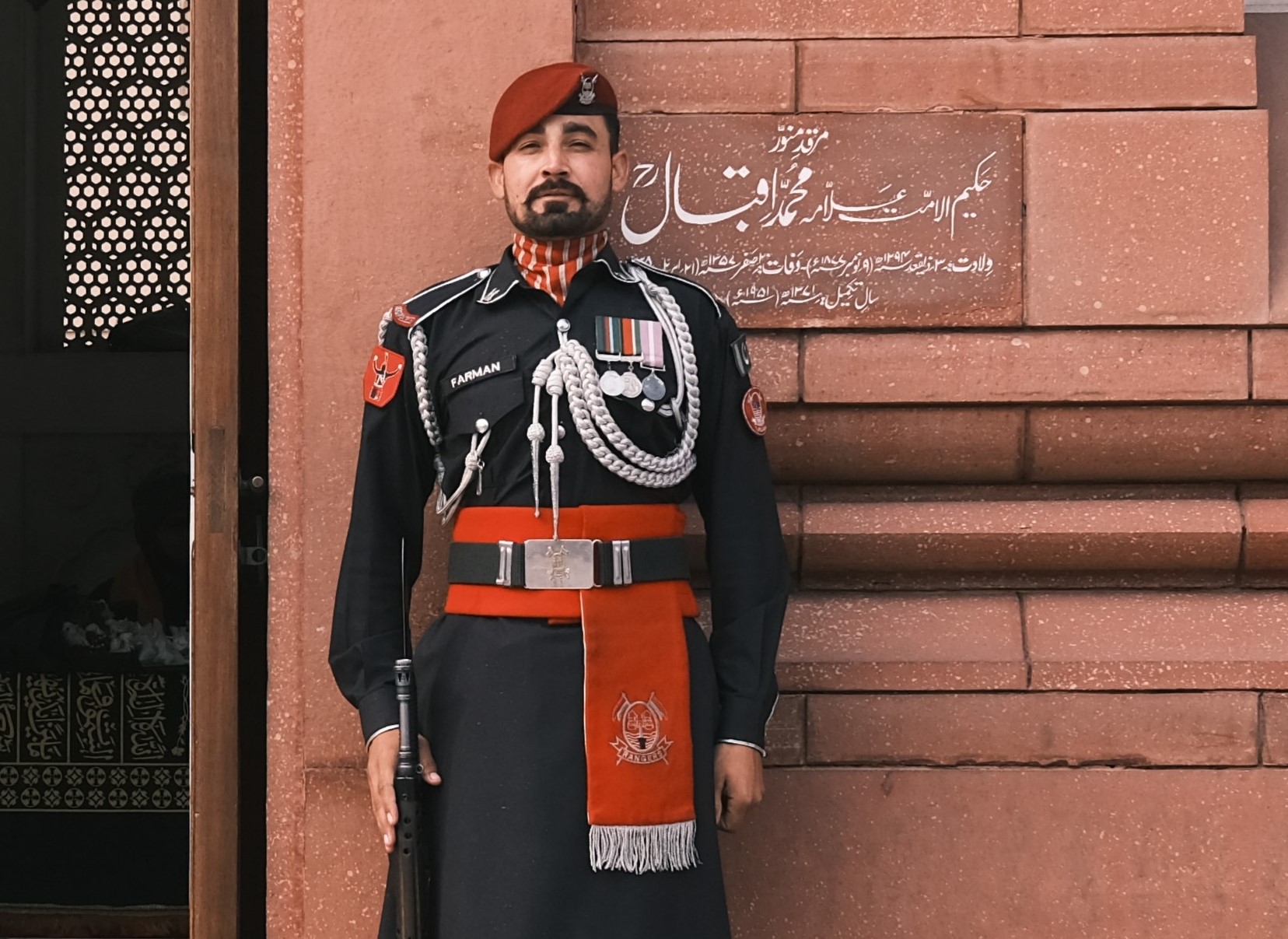
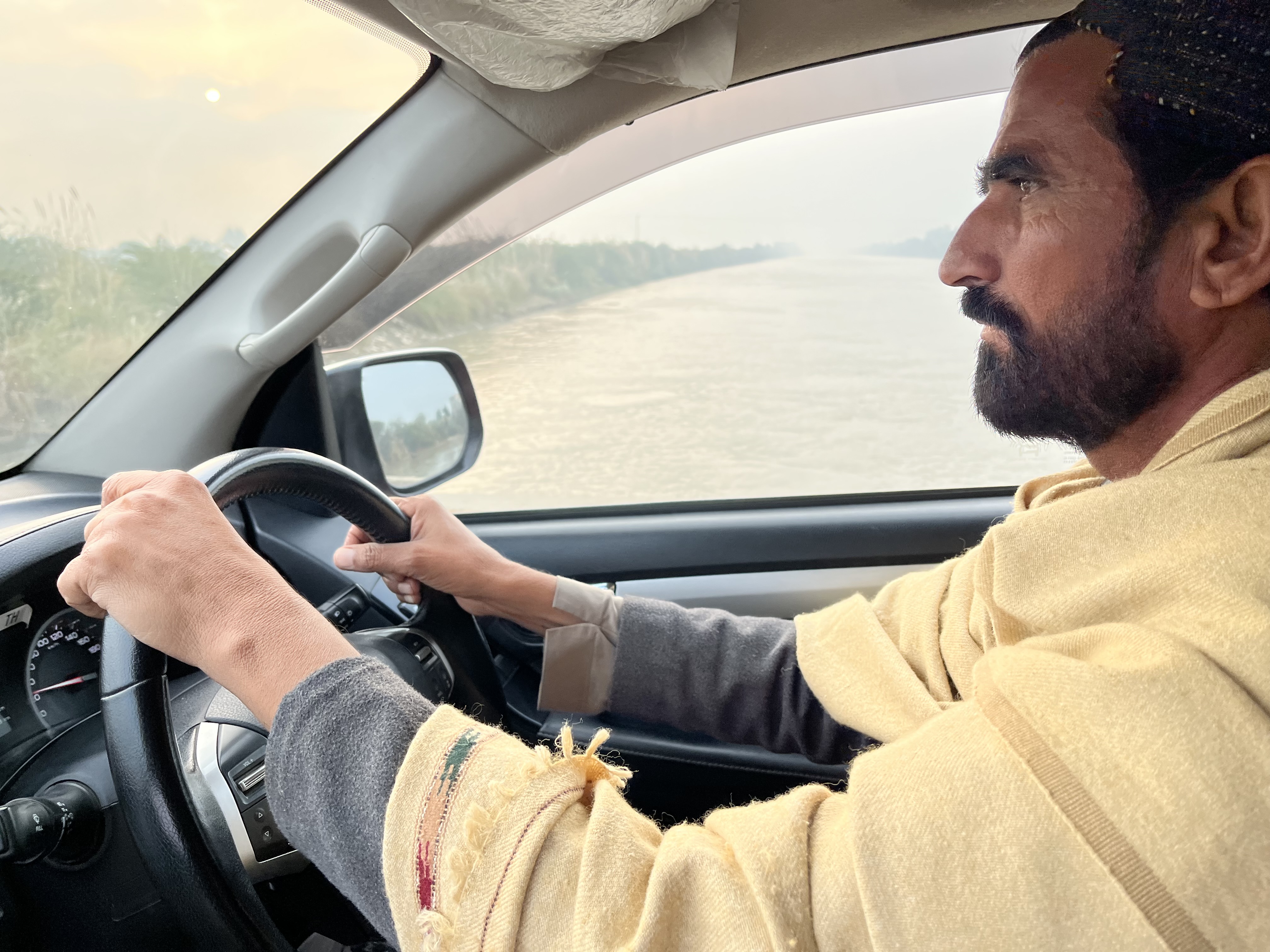
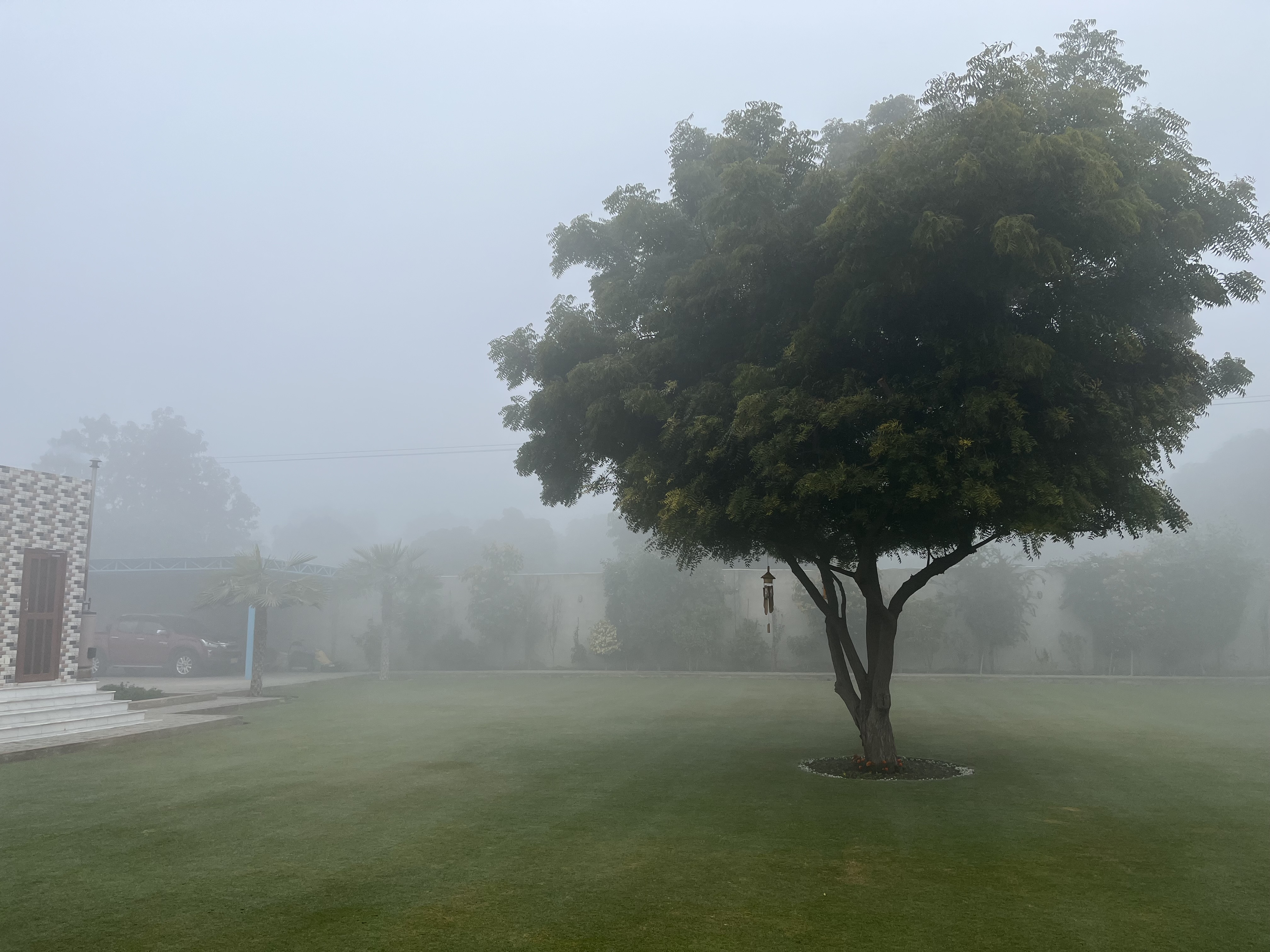
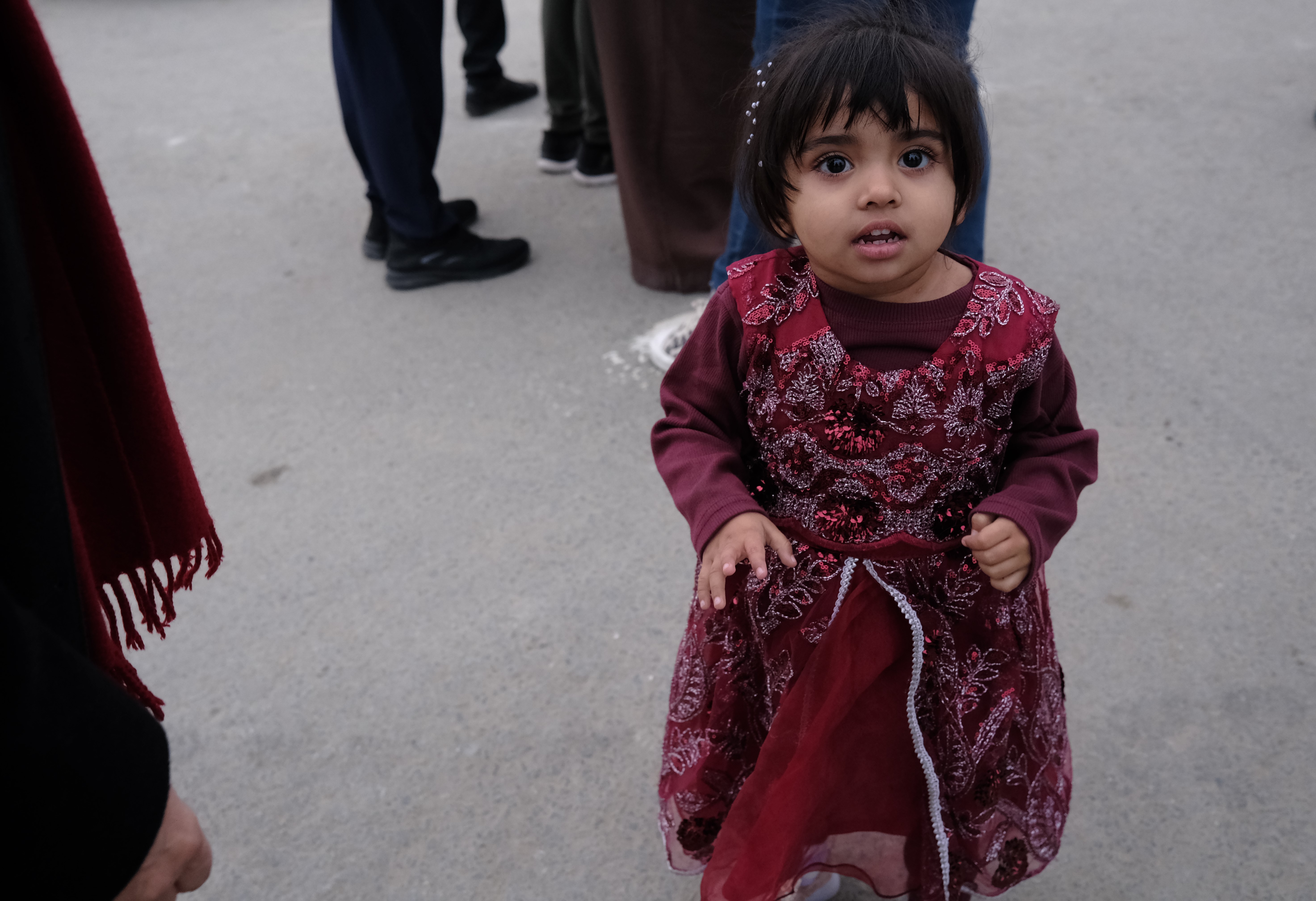
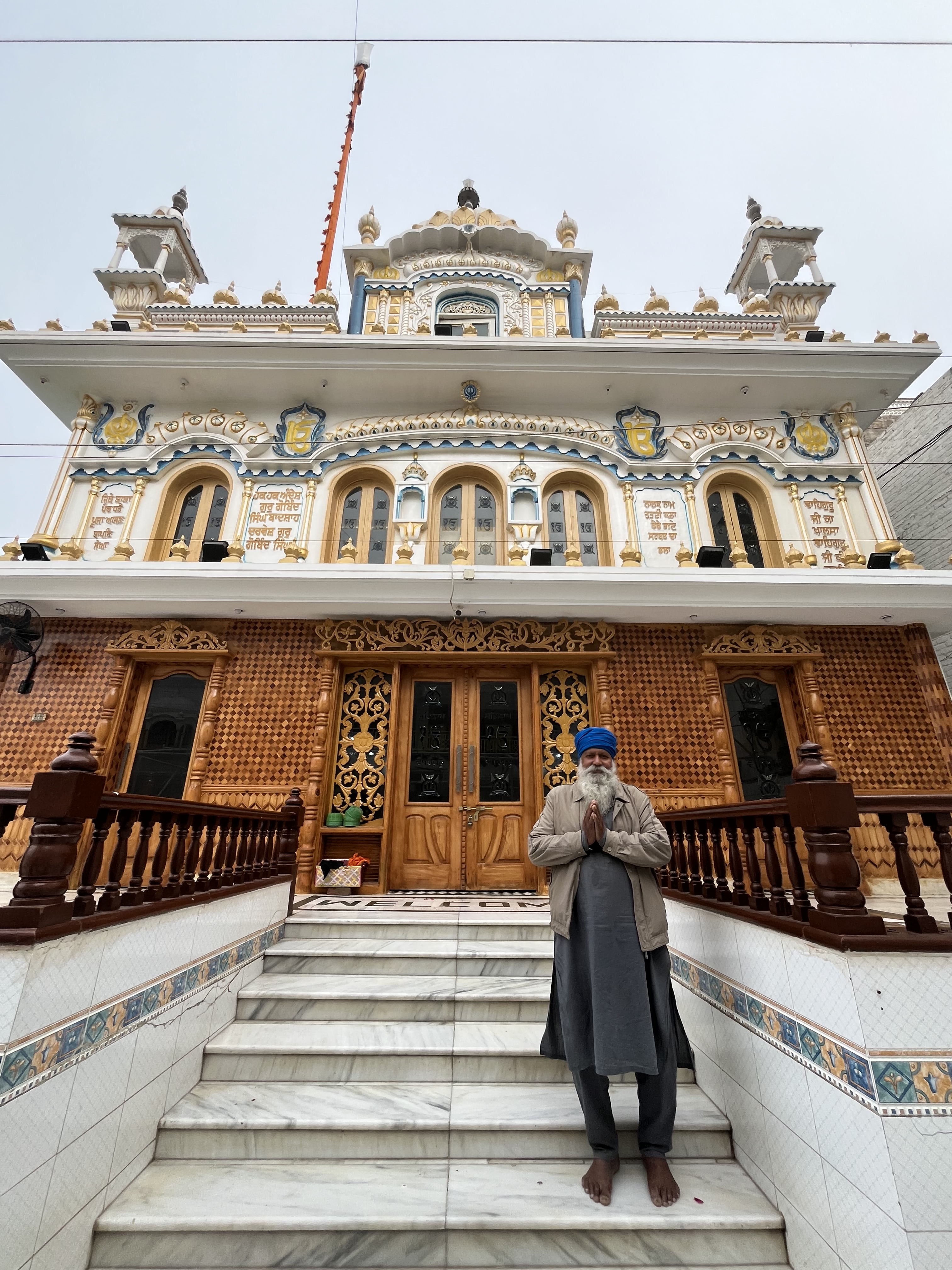
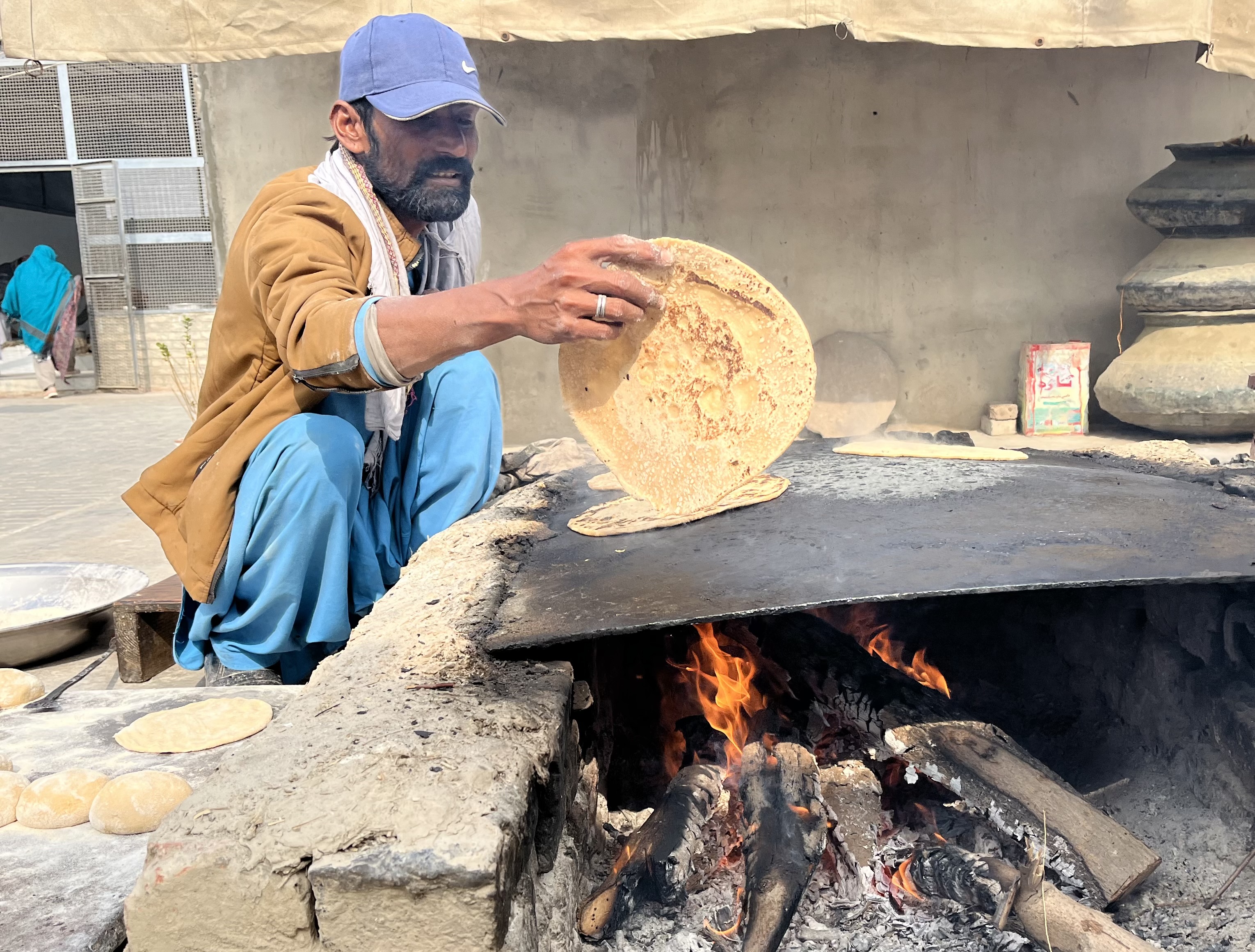
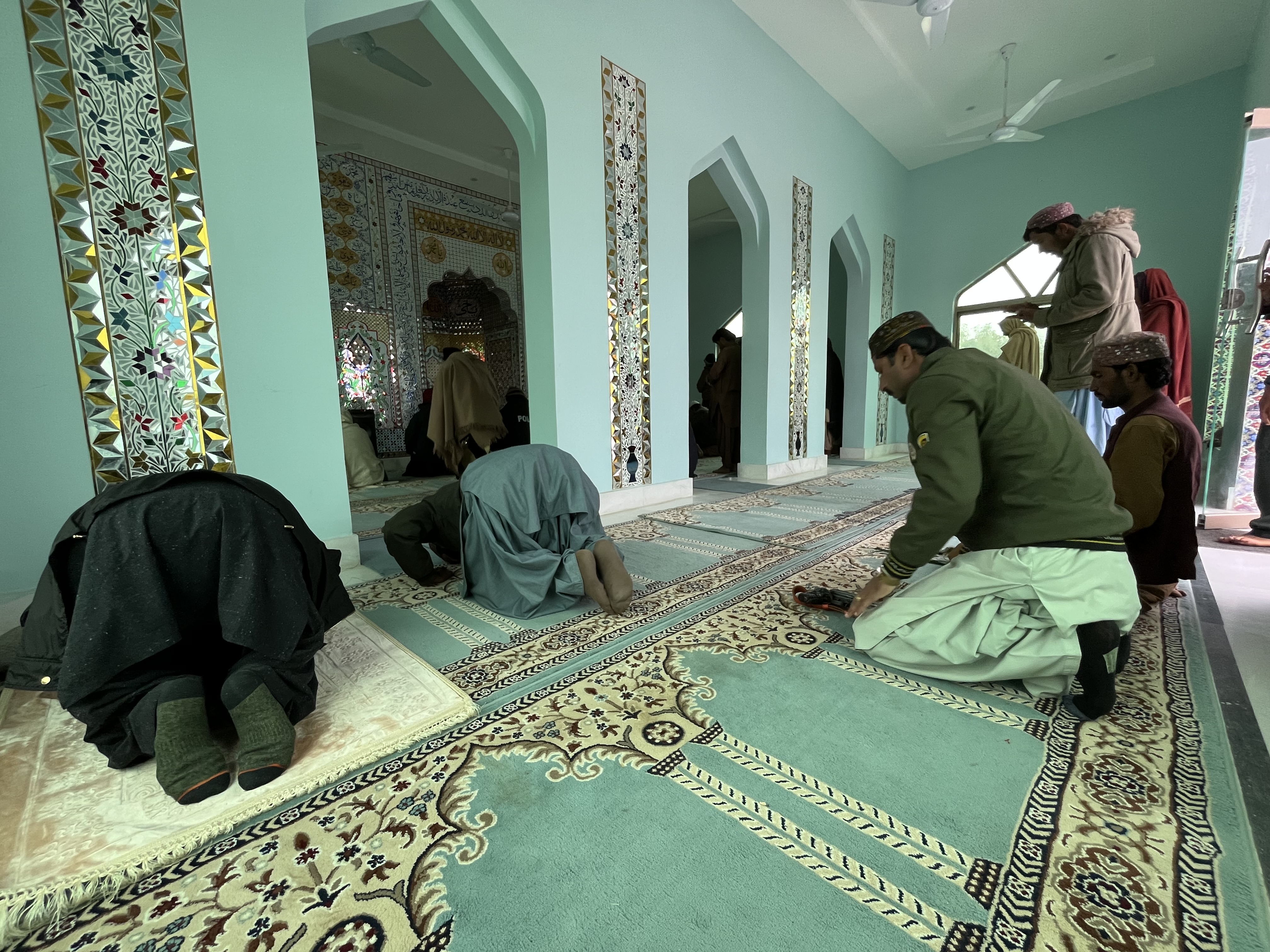
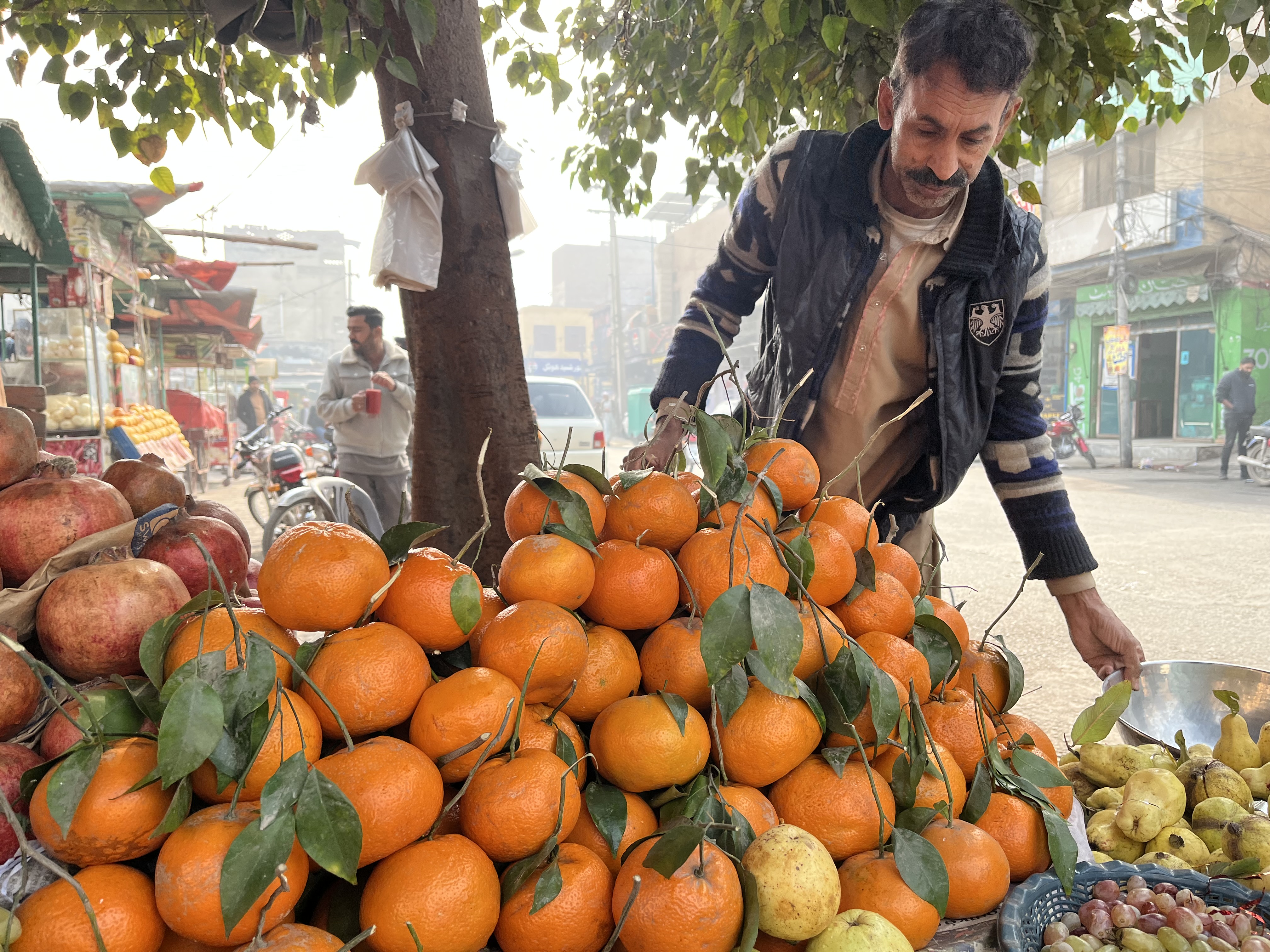
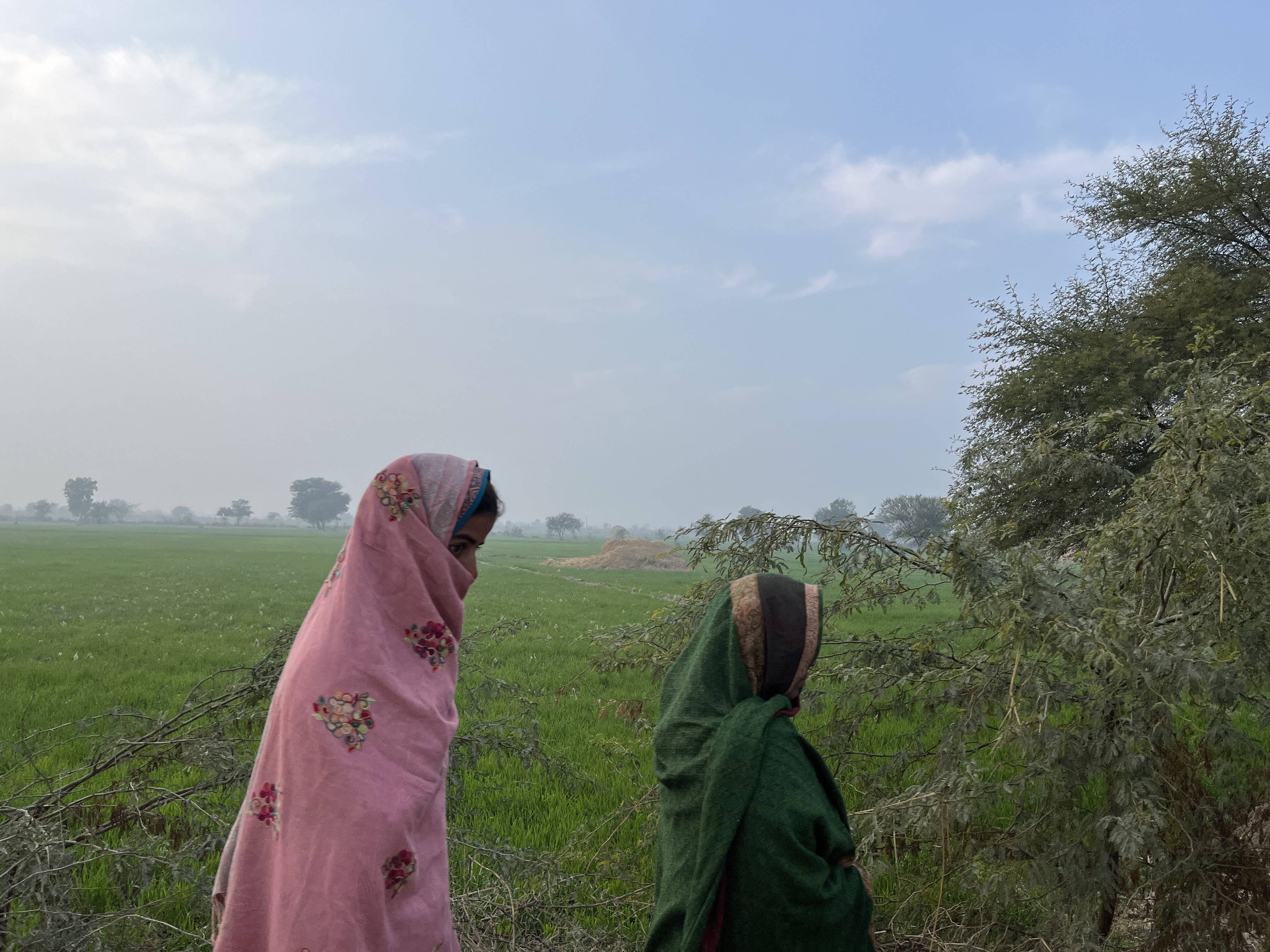
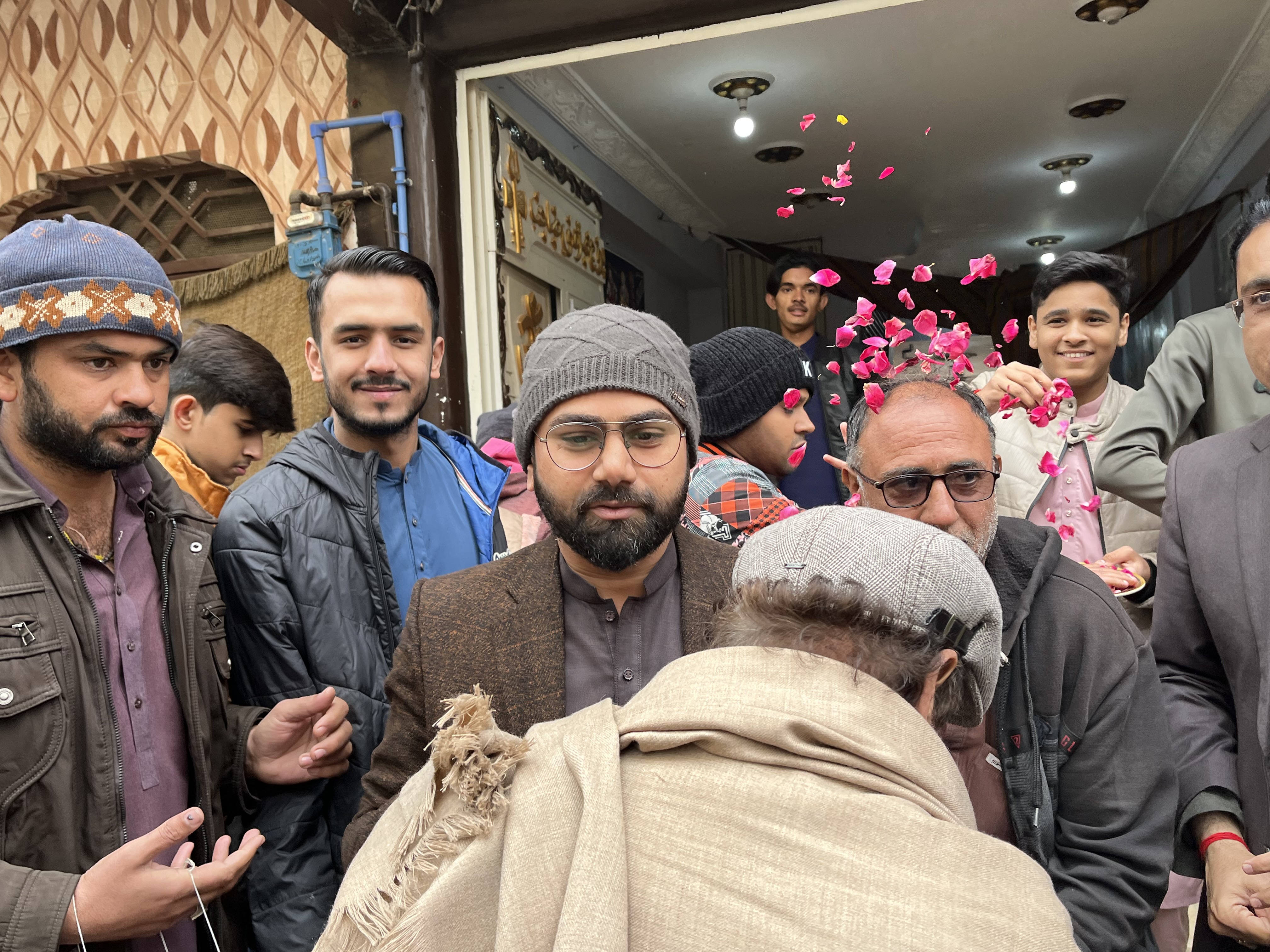
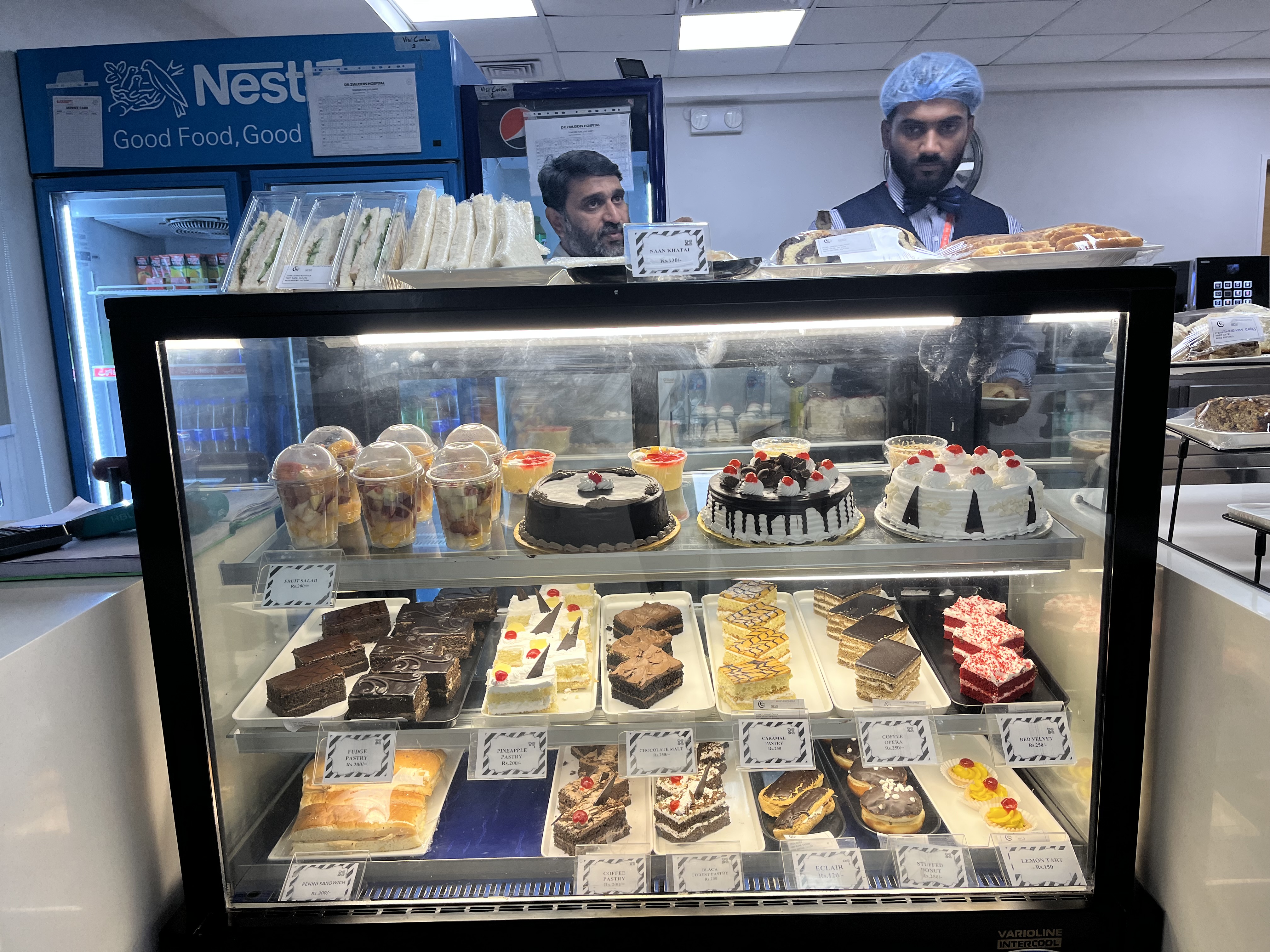
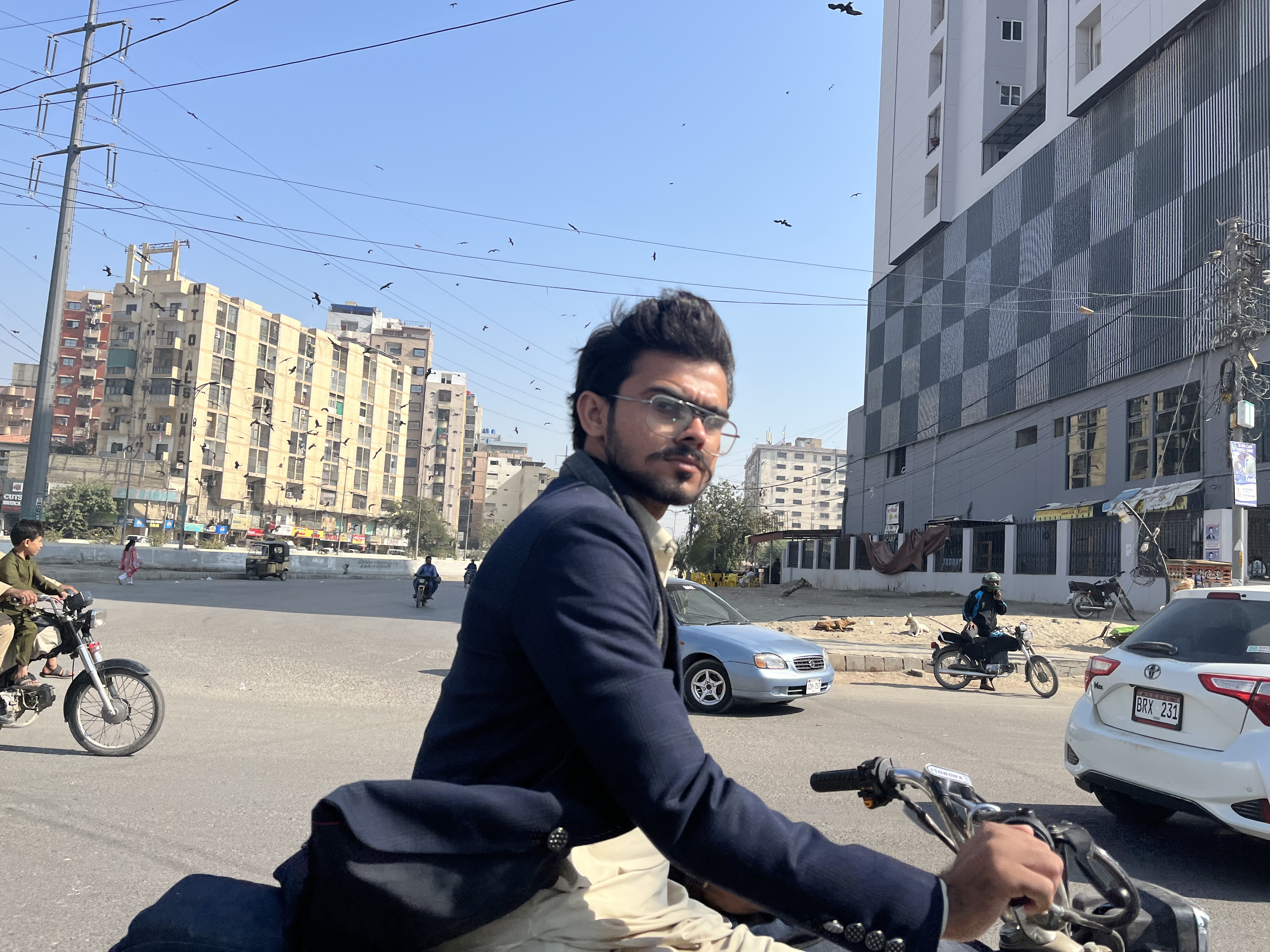
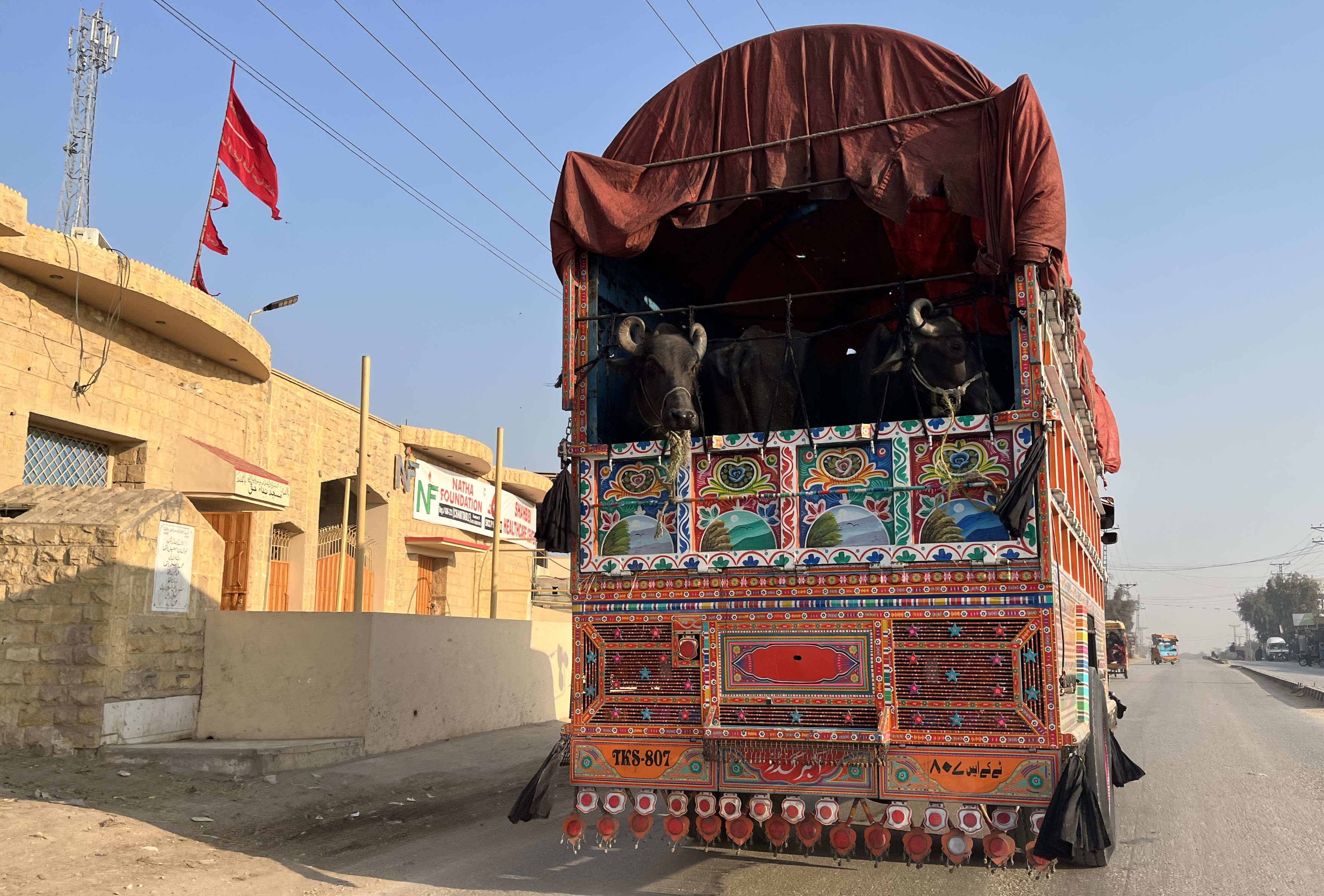
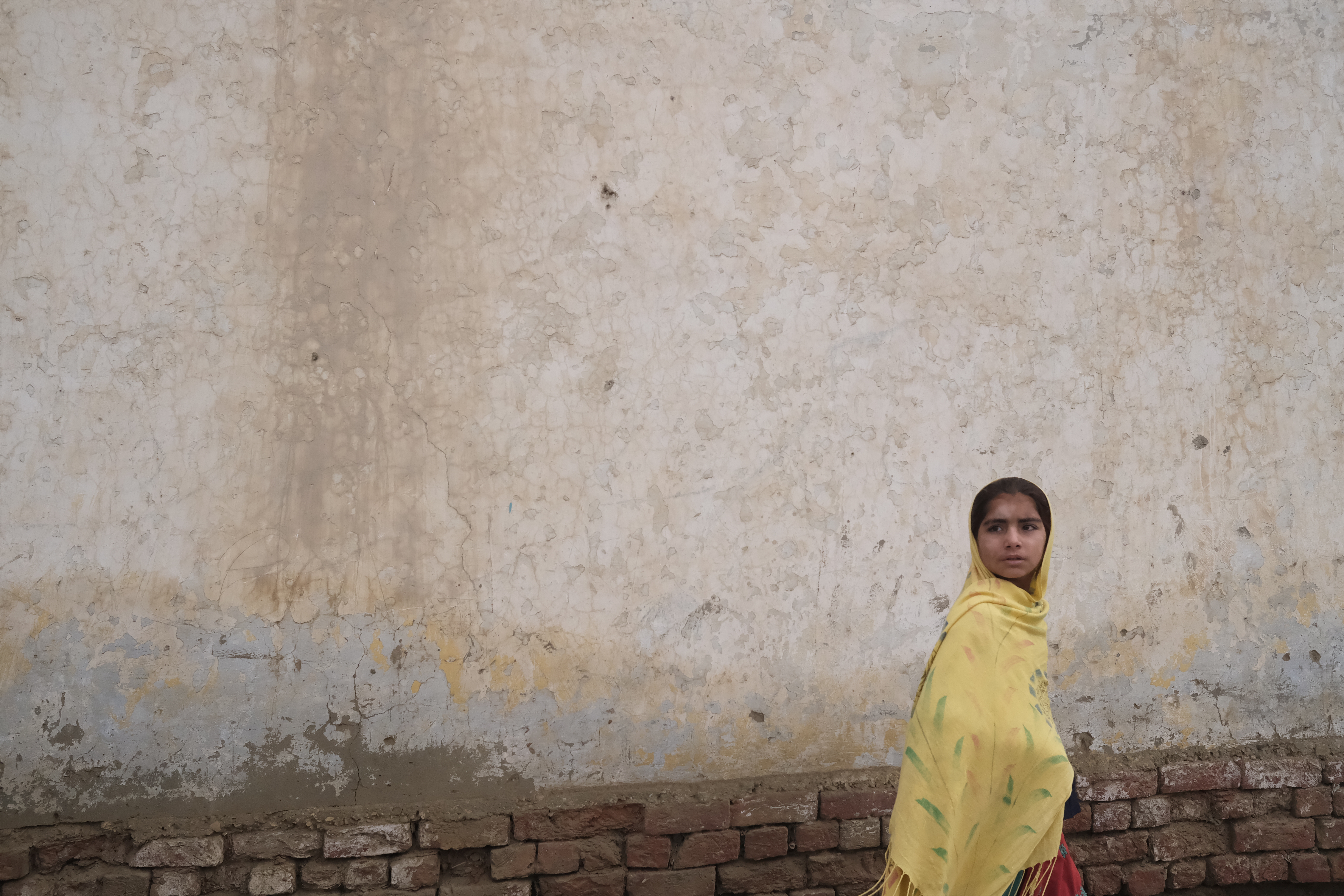
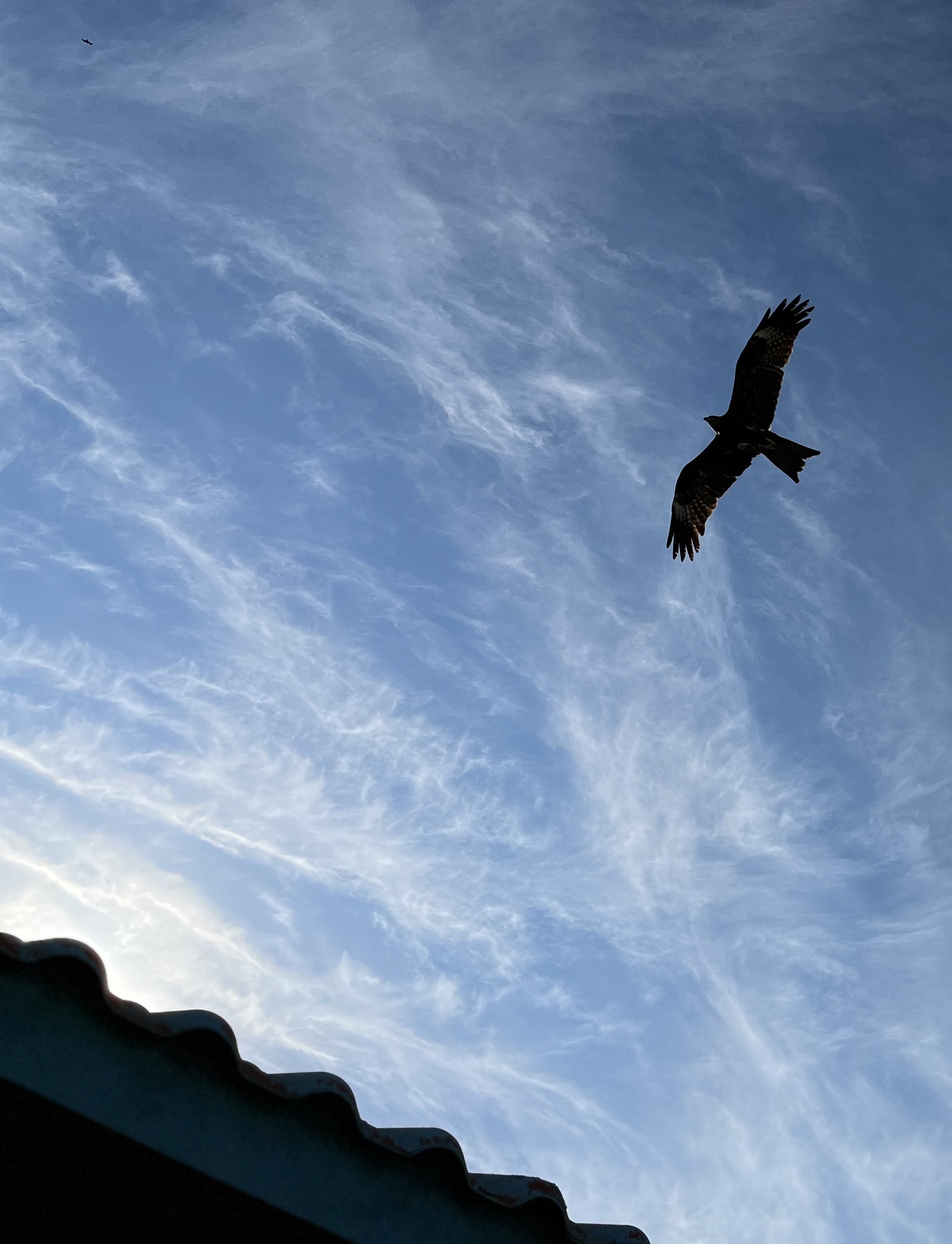
Graves and tombs within the Mazari ancestral mausoleums in Rojhan, framed by exquisite tilework.Kashmore, Sindh, wherethe Pakistani state ends and clan, connection and tribal customsbegin. In Ozman, camel-herding Jats pitch tent and lead their animals into harvested onion fields to chew the stalks left behind. Forced to labour instead of learn, rural girls in Pakistan — especially in Balochistan, where only 22% can read — pay the price for poverty, patriarchy, and a broken education system. A guard stands outside the room where a jirga – a centuries-old local chieftain council where grievances and appeals are aired, is held before Sardar Salim in Kashmore.Since my last visit, Pakistan’s population has grown by more than a quarter, adding around 60 million people in fifteen years— almost the population of the UK. Feeding them is easier than schooling them, and far easier than providing jobs and a sense of future.A wholesome and delicious langar meal in Nankana Sahib, at the birthplace of Guru Nanak – the founder of Sikhism. The British and Jinnah tried to persuade the Sikhs to join Pakistan in creating a Muslim-Sikh homeland, but haunted by historic memories of Mughal oppression, most fled their homes in West Punjab for India in the violence of 1947. Empty streets and crumbling gurdwaras lay silent for decades, until donations from overseas Sikhs restored Nankana Sahib and other shrines. Today, a very small Sikh community (20,000 to 60,000 people) remains, and pilgrims keep the religion and rhythm alive. Transporting freshly-harvested amrood- Pakistan’s sweet, soft white-fleshed guavaMustardsand mango trees, SonmianiThe shrine of Shah Rukn-e-Alam, the 14th century Sufi saint in Multan.At the street corner opposite the National College of Arts, LahoreBoys playing with donkey cart half-laden with harvested sugarcane.The common man’s meal in KashmoreWindscreen view of rock, road and raised dustHindus in Pakistan have lived with decades of pressure and discrimination. From 15% of the population at independence, only about five million — roughly 2% — remain today. Those who stayed practise their faith through small, quiet rituals. In places like Kashmore, protection for Hindus and Sikhs comes from Muslim leaders such as Sardar Salim, who see safeguarding minority compatriots not as charity, but as a humanistic and moral duty. BFFs at the Pakistan-India border at WagahPakistan is home to around 84.7 million goats (4th largest in the world). Rajanpur District in South Punjab has a native breed of goat that graze with long drooping ears that sweep the ground as they eat. Regal in appearance and well-built to withstand the hot and arid environment, they are highly prized for their meat and a popular choice for Eid Al-Adha. At the entrance of Allama Iqbal’s tomb in Lahore, a sentry stands proud— guarding the legacy of the philosopher-poet whose historic Allahabad Address on 29 December 1930 is said to have inspired the creation of Pakistan: “Nor should the Hindus fear that the creation of autonomous Muslim states will mean the introduction of a kind of religious rule in such states… I therefore demand the formation of a consolidated Muslim State in the best interests of India and Islam. For India, it means security and peace resulting from an internal balance of power; for Islam, an opportunity to rid itself of the stamp that Arabian Imperialism was forced to give it, to mobilise its law, its education, its culture, and to bring them into closer contact with its own original spirit and with the spirit of modern times.”The bridge crossing into Sindh over its channel of canals and waterways.Lawn at dawn from my verandah in Sonmiani. This mid January, South Punjab experienced near-zero weather as calm winds make the cold air from Central Eurasia settle, forming dense fog that lingers well into the morning due to the clear nights and abundant moisture from the rivers and canals.Young spectator at Wagah Border. She doesn’t know what this border is for. The kind of future she gets depends on what Pakistan and India choose to do with it.Faithful, humble and defiant: the Sikhs of Kashmore built their new gurdwara, a quiet testament to their resilience and devotion.Healthy earth-grown breakfast in KashmoreLabourers and lord kneel side-by-side in prayer on Friday at the mosque in Ozman dedicated to Sardar Salim’s late father. Fruit stall in Multan selling this season’s locally-grown mandarins, much sweeter and tastier than the traditional ones from China and Taiwan.The ghost gender of rural Pakistan. Largely unseen. Kept indoors by poverty, low literacy and family honour. When they do appear, they move quietly, carefully, eyes down, shielded from gaze by their dupattas.Showered with rose petals as he visits a mandir in Kashmore – a mark of deep respect and gratitude for a Muslim chief honoured for protecting his non-Muslim communities .Cakes on display at the dessert counter of Dr. Ziauddin Hospital canteen, Karachi — a world-class, well-equipped and comfortably-designed hospital where I joined Dr Arif Hussain, the Chief Operating Officer for pre-dinner teas and snacks . Once a sun-kissed, cosmopolitan Arabian Sea metropolis — a Dubai-in-waiting — Karachi is now a sprawling, complicated megacity of 30 million agitated souls. Lahore may have more history, be prettier, have tastier food, but Karachi is still where my spirits soar in the morning and my heart settles contently at dusk. We trail behind and roll past on the motorway, trucks after trucks heavy with buffaloes, goats and cows — a mournful, living cargo southbound for Karachi. Brick houses, sun-bleached walls and girl in yellow shawl in RojhanAn eagle, part of a larger flock, gliding over Karachi on my last evening in Pakistan – bringing back memories of many past trips.
سورج بُنتا ہے تارِ زر سے
دنیا کے لیے ردائے نوری
Suraj Bunta Hai Tar-e-Zar Se
Dunya Ke Liye Rida-e-Noori

عالم ہے خموش و مست گویا
ہر شے کو نصیب ہے حضوری
Alam Hai Khamosh-o-Mast Goya
Har Shay Ko Naseeb Hai Huzoori

دریا، کہسار، چاند تارے
کیا جانیں فراق و ناصبوری
Darya, Kuhsar, Chand, Tare
Kya Janain Faraaq-o-Nasaboori

شایاں ہے مجھے غمِ جدائی
یہ خاک ہے محرمِ جدائی
Shayaan Hai Mujhe Gham-e-Judai
Ye Khak Hai Mehram-e-Judai

_________________________________________

The sun is weaving with golden thread
A mantle of light about earthʹs head;

Creation hushed in ecstasy,
As in the presence of the Most High.

What can these know—stream, hill, moon, star—
Of separation’s torturing scar?

Mine is this golden grief alone,
To this dust only is this grief known.

Allama Iqbal, Judai (Separation)
Bal-e-Jibril (Gabriel’s Wing) published in 1935
All texts and images are the Copyright of Kerk Boon Leng (c) January 2026. All Rights Reserved
I read your article on Pakistan and wanted to sincerely thank you for sharing such a positive and balanced perspective.
It was refreshing to see the country portrayed through your personal experiences and observations, highlighting its culture, people, and hospitality. Your visit and the way you presented Pakistan help create better understanding and appreciation, which is truly valuable.
Thank you for taking the time to visit and for writing such a thoughtful piece. It is greatly appreciated.
 Kerk Boon Leng Photographs & Notes
Another great write up and beautiful pictures. Such an eye opener for people who have not been to Pakistan.
Dear Mr Kerk,
I read your article on Pakistan and wanted to sincerely thank you for sharing such a positive and balanced perspective.
It was refreshing to see the country portrayed through your personal experiences and observations, highlighting its culture, people, and hospitality. Your visit and the way you presented Pakistan help create better understanding and appreciation, which is truly valuable.
Thank you for taking the time to visit and for writing such a thoughtful piece. It is greatly appreciated.
Kind regards,
Rakesh Keswani